This North Carolina University Just Launched An Entirely New School, With Three More Majors Planned
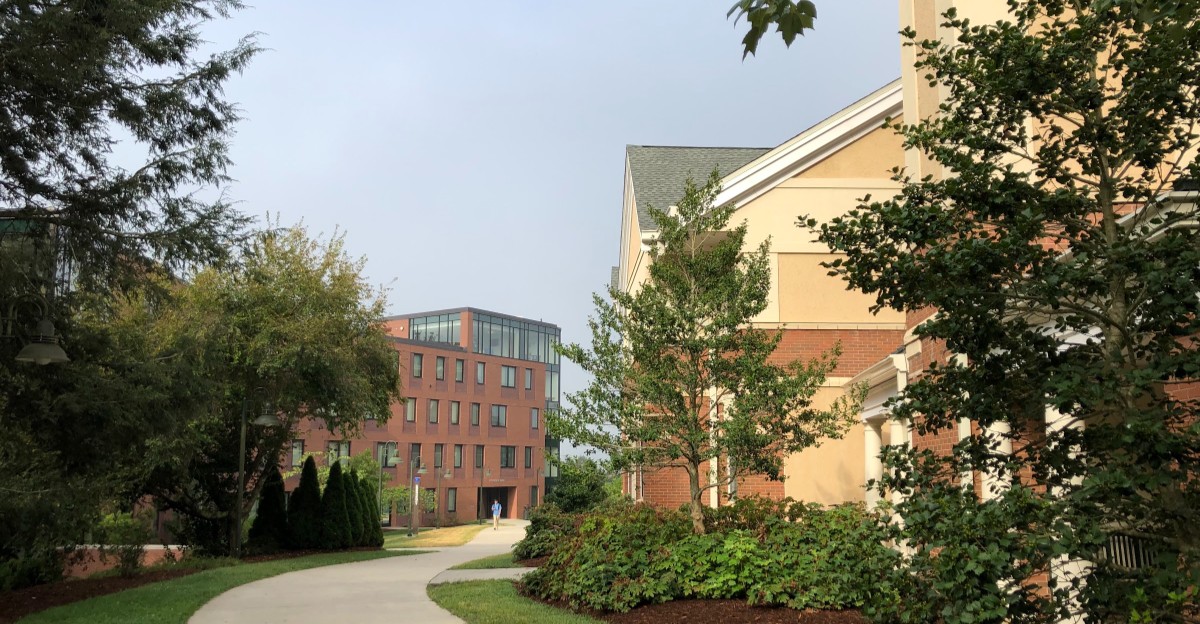
A small mountain university just opened an entire business school before three of its newest majors even begin.
Finance, Marketing, and Business Analytics are all on the way, but the bigger idea is what happens outside the classroom.
Every student is expected to graduate with real work experience already behind them.
I like that approach.
A diploma is useful, but walking into a first job without feeling completely new to the working world sounds even better.
The North Carolina campus is also keeping its liberal arts roots in the mix, so future business students will still spend plenty of time learning how to write, communicate, and think beyond a spreadsheet.
For a small university in the Blue Ridge, this feels like a surprisingly big swing.
The school may be brand new.
Its ambitions definitely are not small.
A Brand-New School Just Opened Its Doors In The Mountains
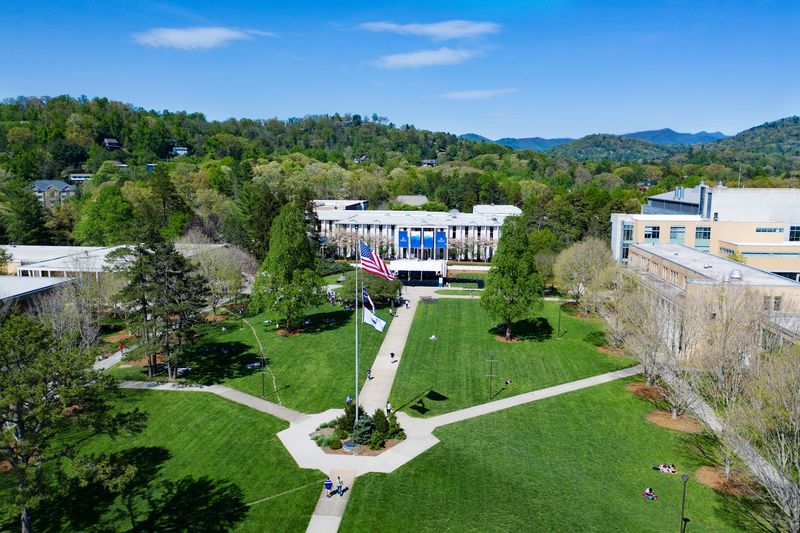
October 15, 2026, became a big day for the University of North Carolina Asheville. That’s when the university officially unveiled its brand-new School of Business.
New schools don’t pop up every semester, so this one deserves a closer look. It’s a real structural change, not a fresh coat of paint on an old program.
Chancellor Kimberly van Noort framed the goal in simple terms. She said the school aims to give students the judgment and adaptability that employers want.
That’s a refreshing way to describe a business education. It’s less about memorizing formulas and more about thinking clearly when things get messy.
The timing makes sense too. North Carolina employers need more trained business graduates, and the university wants its students ready to help from day one.
I like that the launch came with a clear plan attached. New majors, new labs, and new certificates are all part of the roadmap.
For a student shopping for colleges, that kind of momentum matters. You’d be joining something that’s still growing, which means your ideas could actually shape it.
Two Departments Decided To Share One Roof

Merging is a very business-school thing to do. The new school combines the Department of Business with the Department of Economics and Finance.
Before this move, those groups worked side by side as separate departments. Now they operate under one umbrella with shared resources and a common mission.
Why does that matter to a student? Accounting, economics, and marketing all overlap in the real world, so learning them together just feels more honest.
A finance problem rarely stays a finance problem for long. It quickly turns into a question about customers, data, and how people make choices.
The consolidation is meant to encourage deeper teamwork among faculty. When professors from different fields collaborate, students tend to get richer projects and fresh perspectives.
Current students already have solid options. The school offers Bachelor of Science degrees in Business, Accounting, and Economics, plus a minor in Finance.
Think of it as the same familiar programs with a stronger support system behind them. Same tools, better toolbox, and a lot less walking between departments for answers.
You’ll find it at 1 University Heights, Asheville, NC 28804, in the city’s northern section.
Three Shiny New Majors Are Already On The Way

Finance, Marketing, and Business Analytics are the three majors headlining this story. All three are proposed to launch in Fall 2027.
That gives high school juniors and seniors a nice heads-up. If one of these fields sounds exciting, you can plan your application around it now.
Finance is the money-and-markets path, perfect for students who enjoy numbers with real consequences. The state reports a steady shortage of finance graduates, so demand looks strong.
Marketing blends creativity with strategy. It’s for the student who notices clever ads and wonders exactly why they work so well.
Business Analytics might be the most modern of the bunch. It’s all about turning piles of data into smart decisions, which companies everywhere crave.
Right now these majors sit alongside existing degrees in Business, Accounting, and Economics. Once they arrive, the lineup grows from three bachelor’s options to six.
My advice is simple. Keep an eye on the university’s announcements as 2027 gets closer, because proposed programs still need final approval before classes begin.
Certificates Let You Pick Up Skills Without A Whole New Major
Not every skill needs four years of study. Sometimes a focused certificate is exactly the boost a résumé needs.
The School of Business already offers two certificates. One covers Digital and Social Media Marketing, and the other covers Business Intelligence and Analytics.
The social media option is a fun one. Plenty of students scroll for hours, but this program teaches how brands actually plan and measure that content.
Business Intelligence and Analytics leans more technical. It helps students organize data and present it in ways managers can quickly understand and use.
More credentials are in development too. The planned list includes Health Care Management, Outdoor Enterprise, Risk Management, and Certified Financial Planning preparation.
Outdoor Enterprise is my favorite on that list. It feels perfectly matched to a campus surrounded by mountains, trails, and an active outdoor culture.
Here’s a practical tip for future students. Pair a certificate with a different major, and you’ll stand out with a combination employers don’t see every day.
Every Business Student Will Get Hands-On Experience Before Graduation

Textbooks are great, but they can’t answer every question. That’s why hands-on learning sits at the center of this new school.
Every student in the School of Business will complete a practical experience. Options include an internship, an undergraduate research project, or a practicum with a local business.
That requirement is a big deal. Many graduates leave college with a diploma but little proof they can handle real tasks on a real deadline.
Here, students connect classroom ideas to actual work. You might help a nearby company solve a problem or dig into research with a faculty mentor.
The research route fits the university’s identity nicely. UNC Asheville has long been known for its Undergraduate Research Program, which lets students tackle serious projects early.
Practicums with local businesses also build connections in the community. A good impression during a project can sometimes turn into a job offer later.
So when you tour campus someday, ask about these experiences. It’s a smart question that shows you’re already thinking like a future professional.
The State Needs More Number Crunchers, And This Is Why

Numbers tell this part of the story best. The UNC System’s 2026 Workforce Alignment Report found big yearly gaps in two key fields.
North Carolina falls short by about 500 finance graduates each year. The accounting gap is even larger, at roughly 1,000 graduates annually.
That’s a lot of empty desks. Banks, accounting firms, hospitals, and small businesses all need people who understand money and records.
The new School of Business was built partly to help close those gaps. A dedicated Finance major and an existing Accounting degree point straight at the problem.
For students, a shortage usually means opportunity. When employers can’t find enough trained people, qualified graduates often have more choices.
The planned Risk Management credential fits this picture too. Western North Carolina has faced serious economic and natural challenges, so planning for the unexpected matters.
I believe that’s what makes this launch feel grounded. It isn’t just a trendy idea, because it answers a clear need the state has already measured.
Liberal Arts Roots Still Run Deep Here
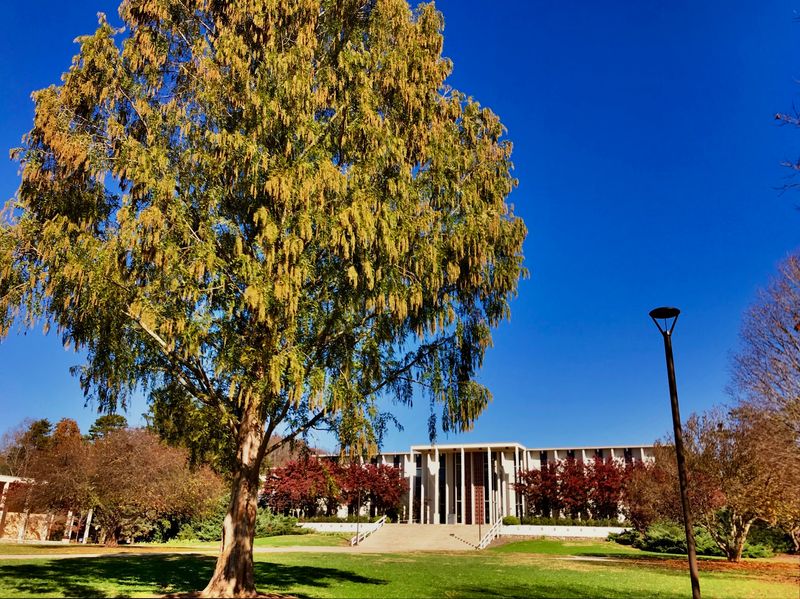
Business school with a side of philosophy? That’s not as odd as it sounds at the University of North Carolina Asheville.
The campus serves as the designated public liberal arts university of the UNC System. That identity shapes nearly everything, including this new school.
Chancellor van Noort put it neatly. She described the school as a place to combine the strengths of business programs with liberal arts roots.
In practice, that means communication, teamwork, and critical thinking stay front and center. Students learn to read financial data and also ask how decisions affect people.
Employers love that combo. A great analyst who can’t explain their findings is a bit like a chef who refuses to serve the meal.
Small class sizes are part of the liberal arts tradition here as well. That setup makes it easier to ask questions and actually get to know your professors.
So you’re not choosing between practical and thoughtful. At this North Carolina campus, the goal is to graduate students who are both.
Two Labs Will Give Curious Minds Room To Experiment
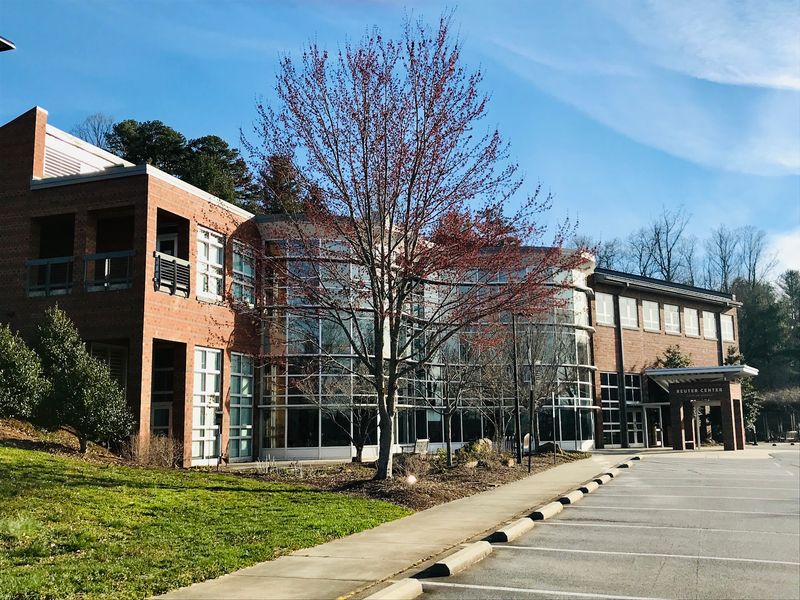
A Policy Lab is scheduled to open in January 2027. It will give students and faculty a dedicated space to study regional economic issues together.
That’s a cool setup for anyone who cares about their community. Instead of studying faraway markets only, students can investigate challenges facing the local economy.
The second space already exists but is getting better. The university’s Artificial Intelligence Lab is receiving upgrades.
AI is changing how companies hire, sell, and plan. This lab helps students examine how businesses use new technology and what those changes mean for people.
Asking those questions now is smart. Today’s students will likely spend their whole careers working alongside tools that keep getting smarter.
Both labs support the school’s hands-on mission. More room to test ideas means fewer lectures that feel disconnected from reality.
Picture yourself as a sophomore analyzing real economic data or testing an AI tool for a local company. That’s the kind of experience that makes a résumé pop.
A Mountain Campus With Big Plans For 2030
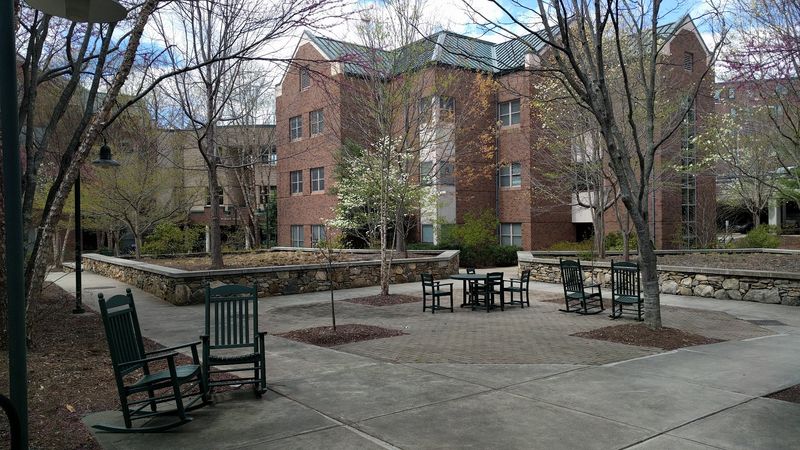
Bigger goals sit behind this launch. The School of Business is a key piece of the university’s strategic plan, Asheville 2030: Rising to the Challenge.
That plan aims to grow enrollment to 3,200 students by 2030. New, career-focused programs are expected to help attract those future students.
The campus itself is a strong selling point.
Asheville brings mountain scenery, a lively downtown, and plenty of local businesses. That’s handy when your degree requires real-world projects and internships.
Visitors also enjoy wandering the grounds, which include a peaceful labyrinth. It’s a calm spot to clear your head before a big exam.
Campus tours are a great way to see everything in person. The main offices generally keep weekday hours, so plan a Monday through Friday visit.
North Carolina has plenty of colleges, but few offer this blend of mountains, liberal arts, and a brand-new business school. That trio is pretty hard to beat.