One Of North Carolina’s Largest Lakes Is Fighting An Invasive Plant That’s Taking Over Its Coves
A piece of plant smaller than my pinky can apparently turn into an underwater takeover.
That detail bothered me immediately.
All it needs is a ride on the wrong boat or trailer, and suddenly thick green growth can start spreading through another part of the lake.
Residents have watched it crowd coves with surprising speed, turning familiar stretches of water into something completely different within weeks.
This is not happening on some forgotten pond either.
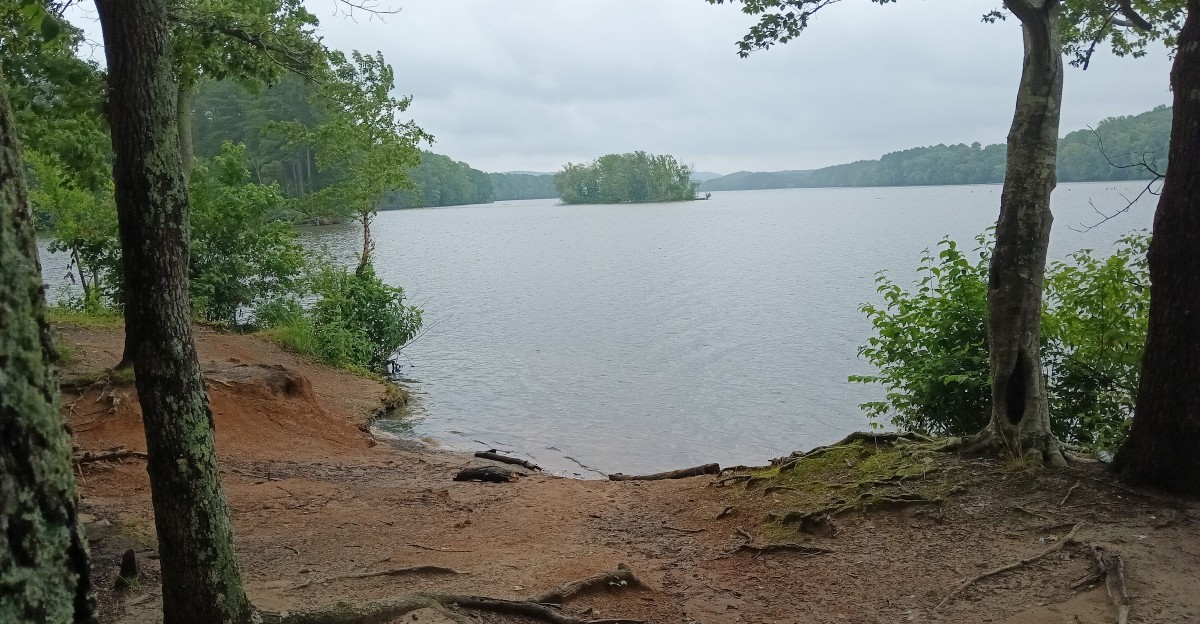
It is unfolding at a popular North Carolina lake where people come to fish, boat, swim, and spend long summer afternoons near the water.
The strangest part may be the counterattack.
One piece of the plan actually involves fish being recruited to eat the problem. I admit, that got my attention. But boaters have a job too.
Because the next tiny fragment hitching a ride could be the one that starts another green invasion.
A Lake This Big Deserves A Closer Look
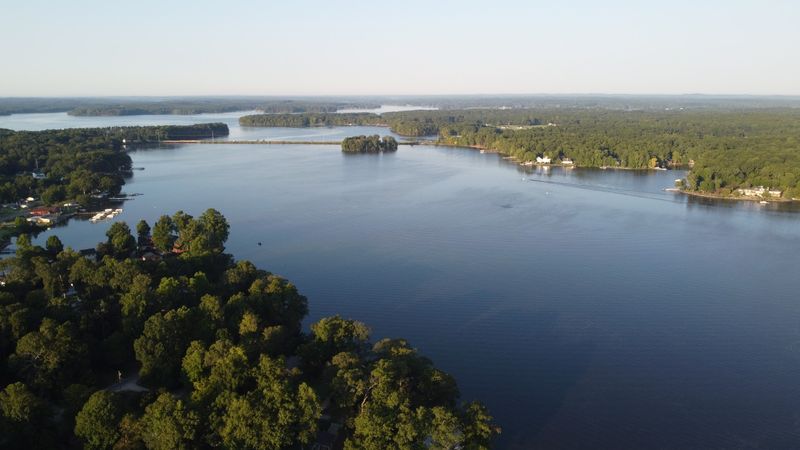
Here’s a number to chew on: 365 miles of shoreline. High Rock Lake ranks as North Carolina’s second-largest lake, and that much shoreline means a lot of coves.
The lake sits in the Yadkin-Pee Dee River Basin. It stretches near Lexington in Davidson County and Rowan County, so plenty of folks call it their home water.
On any given day, the water fills with pontoons, fishing boats, kayaks, jet skis, and paddleboards. Anglers chase crappie, catfish, and bass, and the lake hosts many fishing tournaments during the year.
Birdwatchers have a great time here too. Great blue herons and egrets work the shallows, and bald eagles sometimes make an appearance.
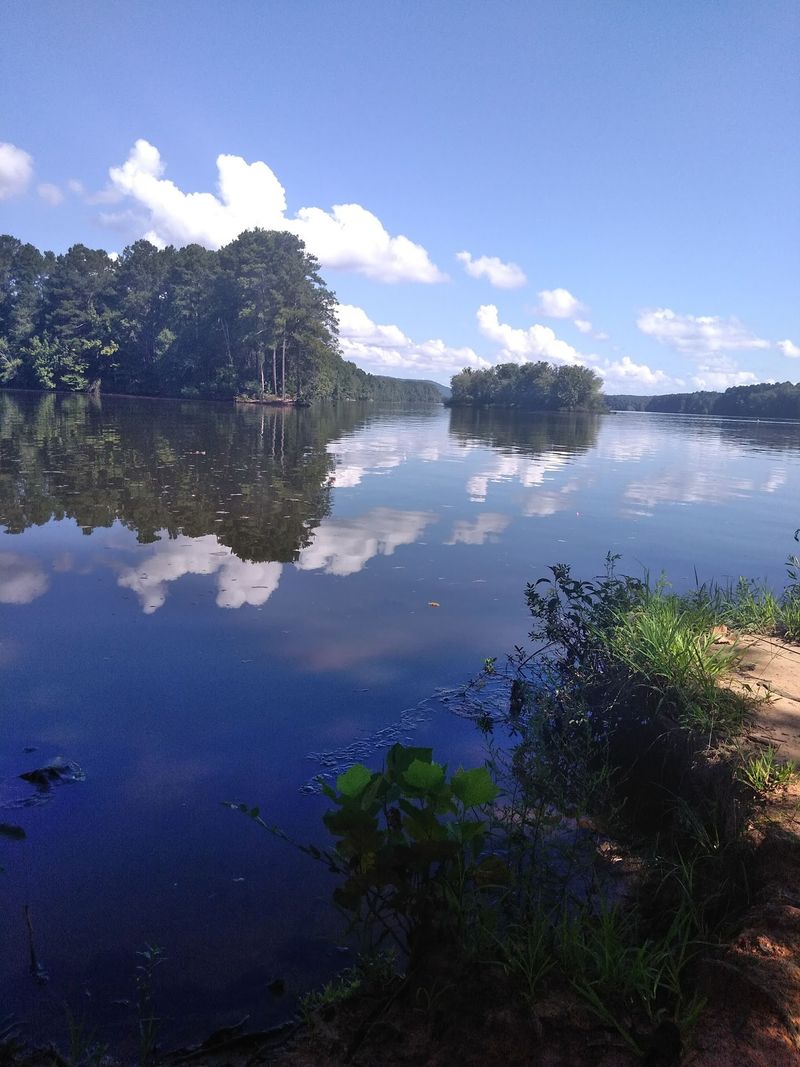
All those quiet coves are part of the charm. They’re also where trouble has been growing.
An invasive water plant has been spotted in the lake for at least four years. In the calm, protected coves, it has found a perfect place to spread out and settle down.
So the lake you love for weekend fun now needs a little backup. Understanding what makes High Rock Lake special helps explain why so many people care about saving it.
Meet The Green Troublemaker Called Hydrilla
Its full name sounds like a spell from a wizard book: Hydrilla verticillata. Most people just call it hydrilla, and lake managers call it one of the worst aquatic weeds around.
Hydrilla originally came from Asia. It arrived in the United States in the 1950s, partly through the aquarium trade, and it has been spreading ever since.
The plant has long stems covered in small, pointed leaves that grow in little rings around the stem. Underwater, it can look like a soft green bottle brush.
Don’t let the cute look fool anyone. Hydrilla grows fast, tolerates low light, and handles a wide range of water conditions.
That’s why it beats out native plants so easily. It can root in deeper water, often eight feet or more, and still reach the surface.
Once it gets going, it tends to stay. Pieces break off and start new plants, so a single cove can become a launching pad for more trouble.
Learning to recognize hydrilla is a smart first step. If you spot thick, stringy green growth tangled on your prop, you’ve probably met it.
Coves Are Turning Into Underwater Jungles
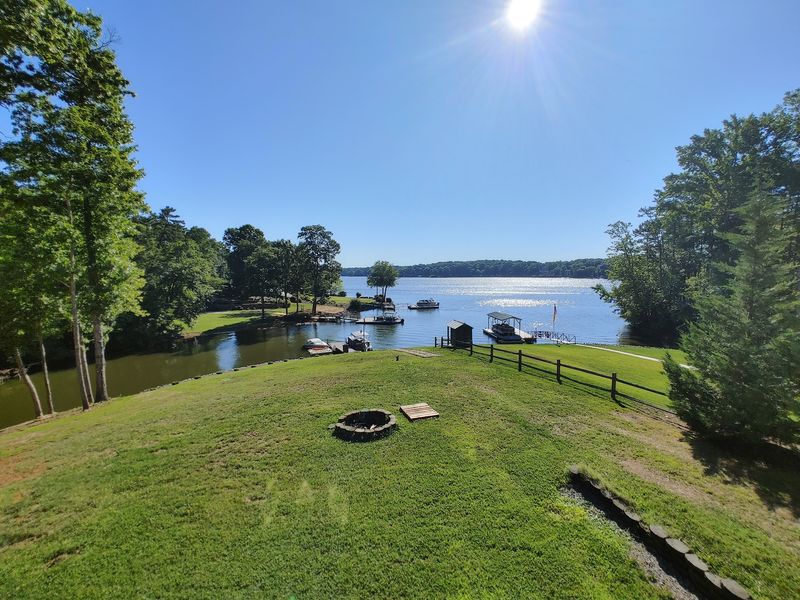
Residents around the lake describe the growth as explosive. In affected coves, patches have reportedly tripled or quadrupled in size within a month or two.
That kind of speed can catch homeowners off guard. A cove that looked fine in spring might feel crowded with weeds by midsummer.
Hydrilla builds dense mats of stems and leaves. These mats can run from the lake bottom all the way to the surface, forming something close to a solid green wall.
Native plants struggle to compete. When hydrilla crowds them out, it changes the habitat that fish, turtles, and other wildlife rely on.
It can also cause problems for people who depend on lake water. Thick growth has the potential to clog municipal water intakes, which nobody wants.
Calm coves give the plant everything it likes. Shallow water, steady sunlight, and little current let it spread without much interruption.
For lakefront owners, the change can feel personal. Docks that once led to open water may now point toward a weedy maze.
Keeping an eye on your cove early in the season helps. Spotting new patches quickly makes any response easier to plan.
Your Swim And Boat Ride Could Get Tangled
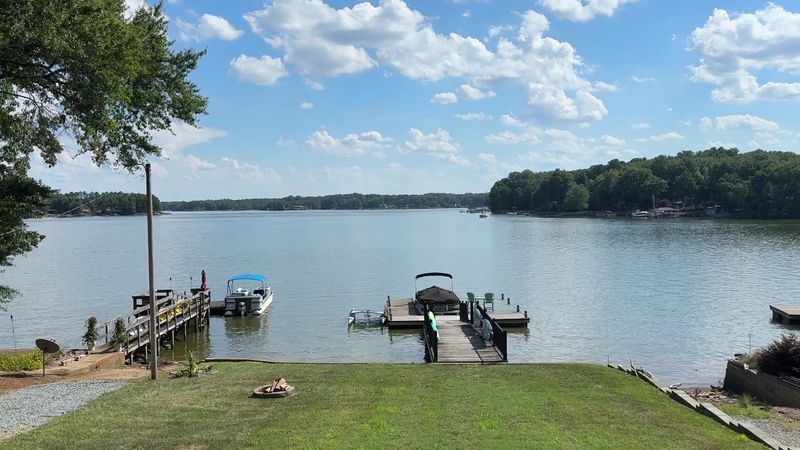
Nobody plans a lake day around untangling a propeller. Hydrilla makes that chore much more likely.
Thick mats wrap around boat motors and can stall engines. Kayaks and paddleboards can get stuck too, turning a relaxing paddle into an arm workout.
Swimming brings a more serious worry. Dense hydrilla can tangle around arms and legs, which creates a real safety risk for swimmers.
Residents have raised concerns that swimmers, especially children, could become entangled in dense hydrilla growth. That alone is a good reason to steer clear of weedy patches.
So what can you do? Swim in open, deeper water away from thick mats, and keep kids close in any area with visible weeds.
Wearing a life jacket is always smart. It matters even more if you’re paddling or floating near coves with heavy growth.
Fishing can get tricky as well. Lures snag constantly, and some favorite spots may become hard to reach.
The lake is still full of fun places to explore. A little awareness just keeps the good times rolling without any unwanted green surprises wrapped around your ankle.
Tiny Pieces Can Start A Whole New Problem
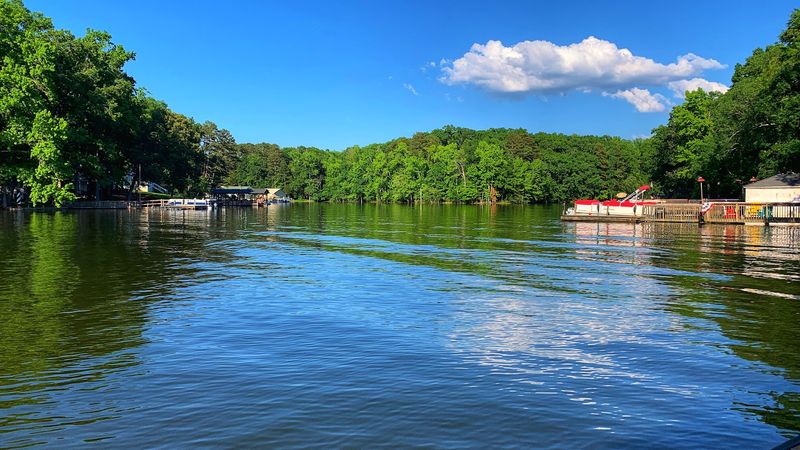
Break a hydrilla stem and you haven’t solved anything. You may have just made more hydrilla.
The plant spreads mainly through fragmentation. Small broken pieces can float away, sink, root, and grow into brand-new plants.
That’s how it travels between lakes. Fragments hitch rides on boat motors, trailers, live wells, and bait buckets.
One forgotten strand on a trailer bunk could carry the problem to another lake miles away. Kind of sneaky for a plant with no legs.
The fix is simple and takes only a few minutes. Clean, drain, and dry your gear every time you leave the water.
Pull off any plants stuck to your boat, motor, and trailer before leaving the ramp. Drain live wells and bilges, and empty bait containers away from the water.
Letting equipment dry fully before your next trip helps too. Hydrilla pieces need moisture to survive.
These habits protect High Rock Lake and every other lake in North Carolina. They also make you the kind of boater other anglers wish they had at every ramp.
Hungry Fish Are Joining The Cleanup Crew
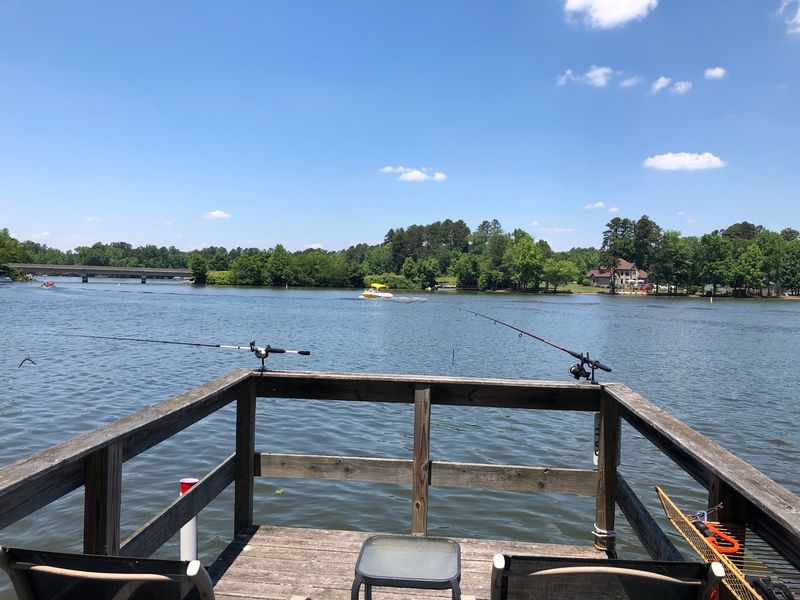
Some of the hardest workers in this fight have fins. Sterile triploid grass carp have been added to the lake as a natural weed control.
Grass carp love to munch on aquatic plants. Hydrilla happens to be one of their favorite meals, which makes them handy helpers.
The word triploid matters here. These fish are bred to be sterile, so they can’t reproduce and take over the lake themselves.
That’s a smart safeguard. Managers get a steady weed-eating crew without creating a new invasive problem.
A stocking date of July 3, 2025, was set for High Rock Reservoir. It marked a key step in the larger management plan.
Anglers should know these fish are part of the plan. If you hook a grass carp, releasing it helps keep the cleanup crew on the job.
Fish don’t work overnight, though. Grass carp need time to grow and graze before results show up in the coves.
Patience is part of the deal. Still, there’s something pretty satisfying about a solution that basically involves hiring very large, very hungry vegetarians.
A State Plan Is Working On A Timeline
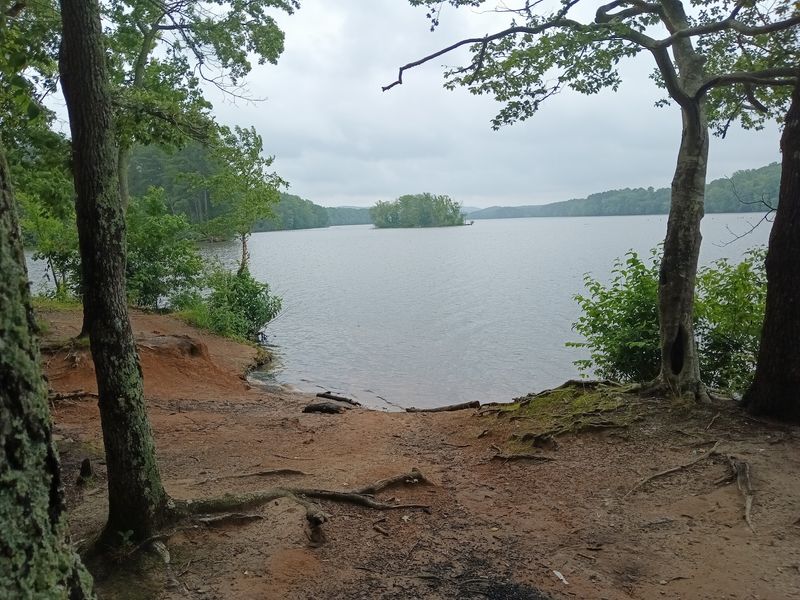
Fighting hydrilla is a marathon, not a sprint. Cube Yadkin Generation is working with North Carolina environmental and wildlife agencies, along with NC State University, to manage the hydrilla infestation.
The plan pairs two tools. Herbicide treatments target boat ramp areas, while sterile grass carp graze across the lake.
Why focus on ramps? Those spots see the most boat traffic, so treating them helps cut down on fragments hitching rides to other waters.
Officials expect the effort to take two to three years to bring things under control. That’s a long wait for anyone staring at a weedy dock.
Not everyone loves the pace. Some residents have pushed for a more aggressive approach, given how fast the plant has spread in their coves.
That conversation shows how much people care about the lake. Lakefront owners, anglers, and state agencies all want the same result, even if they debate the speed.
Staying informed is one of the best things you can do. Following updates from state agencies and local groups helps you know what’s happening and where.
Every season brings new data. Progress may feel slow, but steady work tends to pay off.
Got Weeds By Your Dock? Follow These Rules
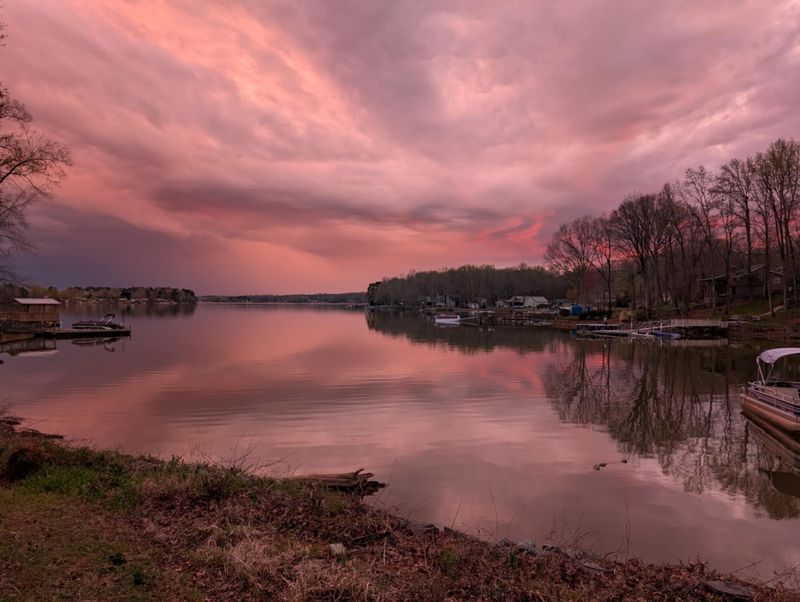
Lakefront owners have options, but grabbing a jug of weed killer isn’t one of them. Chemical treatment near your property comes with rules.
First, you need a permit from Cube Yadkin Generation, LLC. The company manages the reservoir, so it oversees treatments along the shoreline.
Second, you must hire a licensed contractor. Professionals know which products are approved and how to apply them safely in the water.
Skipping these steps can cause bigger headaches. It could also harm the lake you’re trying to protect.
Prefer a hands-on approach? Cutting and raking hydrilla by hand is allowed for homeowners.
It’s good exercise and can open up your swimming area quickly. Just expect the plant to grow back, since regrowth is common.
Here’s a tip that helps a lot. Collect every piece you cut and remove it from the water, because floating fragments can start new patches.
Dispose of pulled weeds on land, far from the shoreline. A tidy cleanup keeps your hard work from turning into next month’s problem down the cove.
Water Quality Is The Bigger Story Behind The Weeds
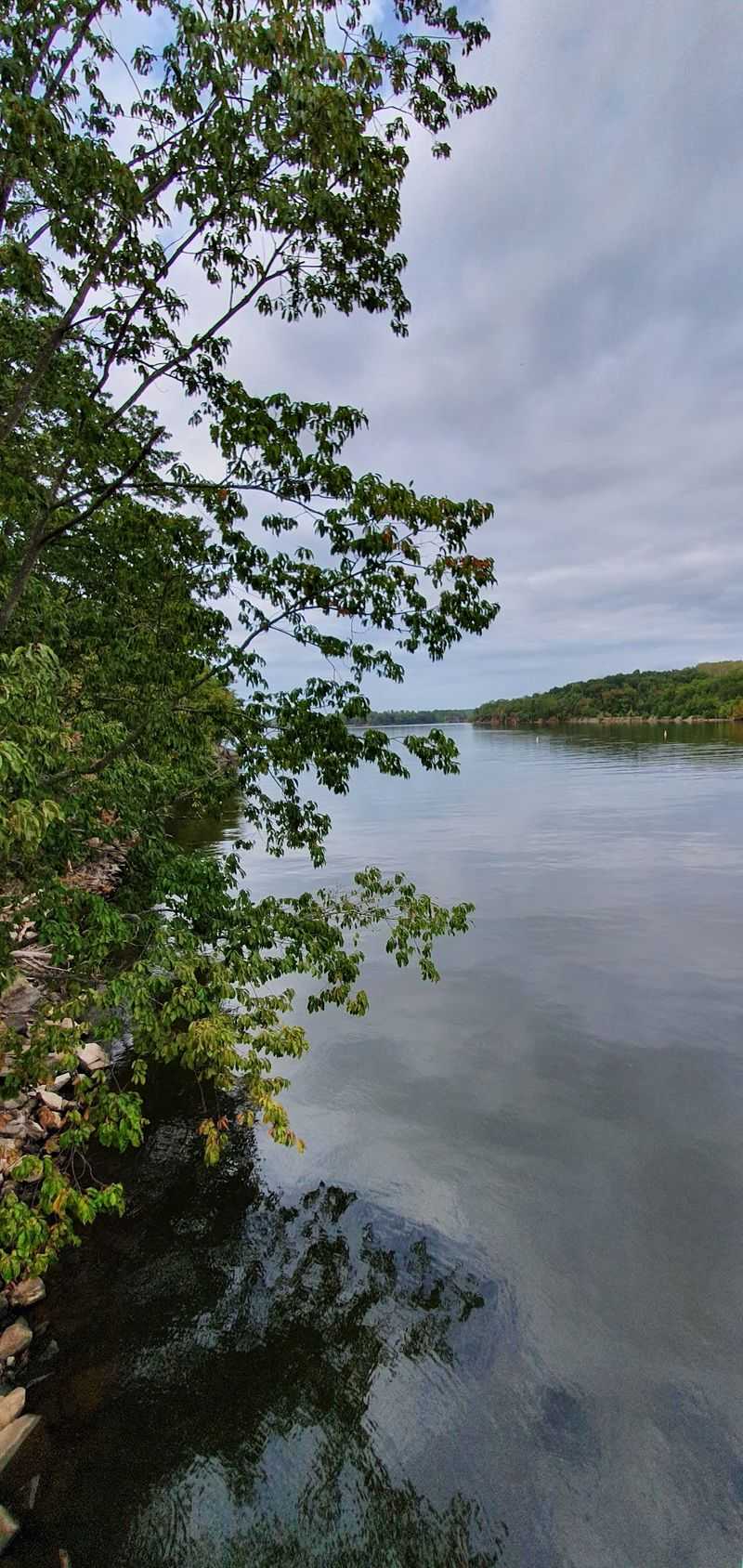
Hydrilla grabs headlines, but the lake has another long-running challenge. High Rock Lake has been listed as impaired by the EPA for over two decades.
The main culprit is excess nutrients, mostly nitrogen and phosphorus. Those nutrients feed cyanobacteria, also called blue-green algae.
Elevated chlorophyll-a levels, a sign of nutrient pollution, have shown up since the 1970s. That’s a lot of history for one lake.
Algal blooms can be harmful to people and pets. Avoid swimming in water that looks like green paint or has scum, and keep dogs out too.
North Carolina is working on solutions. State officials have been developing the High Rock Lake Rules as part of a nutrient management strategy.
Sediment is on the list as well. A 2024 study looked at buildup, especially near the mouth of Swearing Creek.
Small choices add up. Using less lawn fertilizer near the shore and keeping a strip of plants along the water can help.
The lake still offers sunsets, herons, and great fishing. With teamwork, its coves can stay open and inviting for years to come.