Hundreds Of Rescued Horses Live Out Their Days At This Idaho Sanctuary Visitors Tour By Appointment
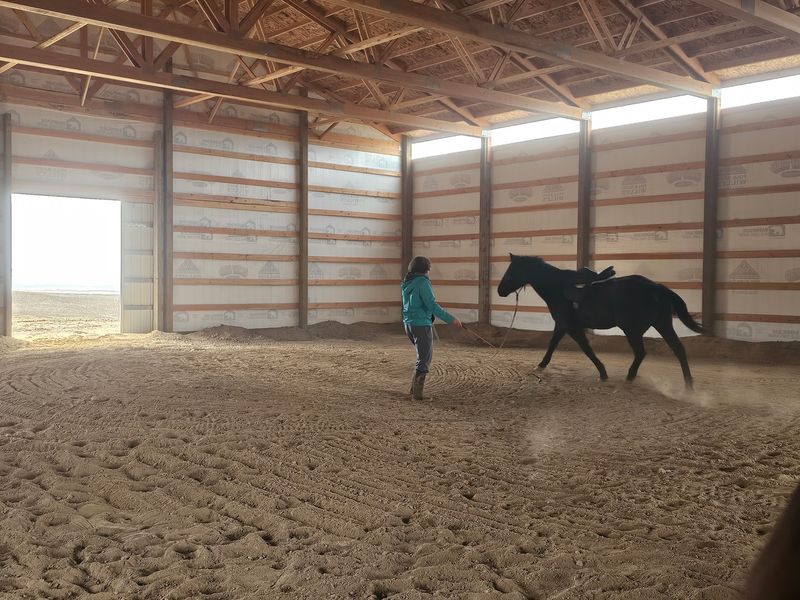
More than 4,000 horses have passed through one quiet rescue since 1975. Over 2,830 of them went on to brand-new homes.
That’s a lot of second chances for one patch of Idaho ground.
Some horses never leave, and that’s the whole point. The old ones, the injured ones, and the special-needs ones join a permanent herd.
They get to retire with hay, room, and people who know their names.
I like how simple the idea is. A horse that nobody wanted gets fed, healed, and treated with dignity.
Then it gets to just be a horse again.
The whole operation runs on volunteers and donations. You can’t just roll up unannounced, though.
Visits happen by appointment, which makes every tour feel personal. So who are these horses, and how do you meet them?
A Palouse Rescue That Has Quietly Saved Thousands Of Horses
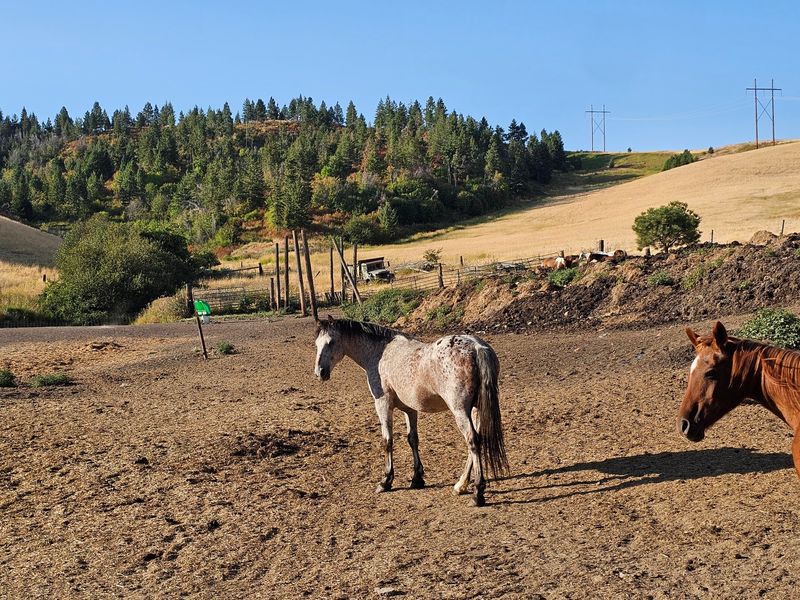
Orphan Acres Equine Rescue Rehabilitation and Sanctuary sits in the hills near Viola, Idaho. Most folks shorten it to Orphan Acres, and nobody minds.
The rescue cares for abandoned, neglected, abused, and malnourished horses. It also teaches the public about rescue work and responsible horse ownership.
Viola itself is a small spot on the Palouse, just north of Moscow. Rolling farmland surrounds the area, which suits a herd of horses just fine.
Orphan Acres is a 501(c)(3) nonprofit. Every bit of the work leans on volunteers and the generosity of donors.
That setup matters more than it sounds. No admission booth funds the hay bill, so community support keeps the gates open.
The sanctuary handles three big jobs at once. It rescues horses in trouble, rehabilitates them, and offers lifelong sanctuary to those that need it.
Some horses arrive scared or underweight. Others come from owners who simply can’t care for them anymore.
Each one gets a fresh start here, whatever its story. For a place built on second chances, the quiet Palouse setting feels like a pretty good fit.
How One Man Started A Horse Rescue Back In 1975
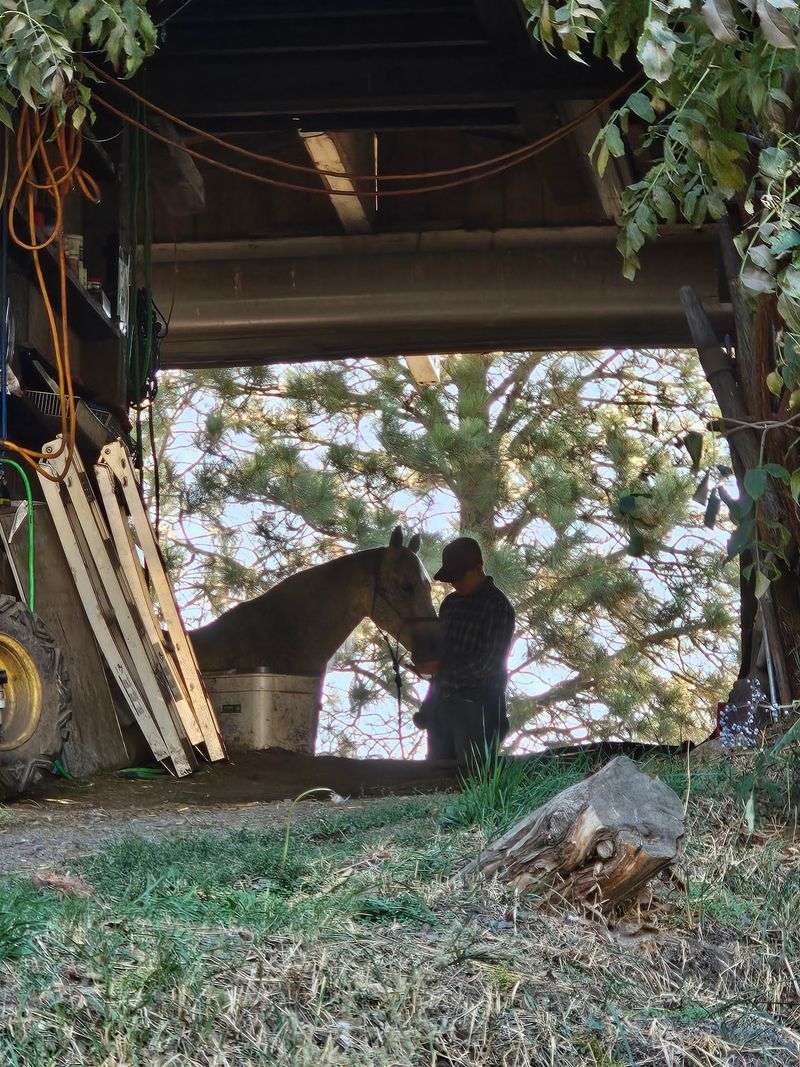
Brent Glover founded Orphan Acres in 1975. That date puts it among the oldest horse rescues in the entire United States.
Think about how much has changed since then. Through all of it, this rescue has kept taking in horses on the Palouse.
The sanctuary has now celebrated more than 40 years of operation. Few rescues anywhere can claim that kind of staying power.
Glover became the heart of the place for decades. Longtime supporters describe him knowing each horse by name and calling them in off the hill.
Over the years, the operation grew to meet the need. Supporters have noted that additional acres were purchased and facilities were enlarged.
Leadership has shifted more recently. Andy Zimmerman became President and General Manager in 2023.
That kind of handoff can be tricky for any longtime nonprofit. Recent feedback suggests the new managers have improved things around the property.
So the story keeps moving forward. A rescue that began with one determined horseman now carries that mission into a new era for Idaho horses.
The Numbers Behind All Those Second Chances
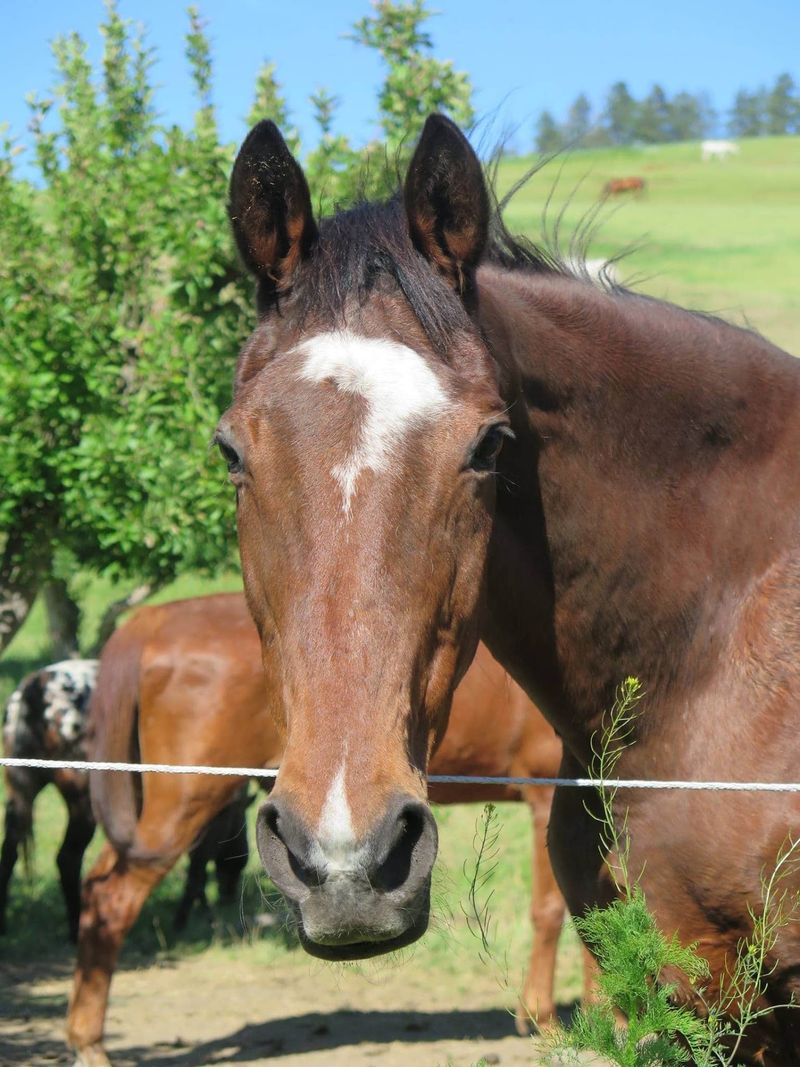
Over 4,000 horses. That’s the count Orphan Acres has taken in since it opened its gates.
Of those, more than 2,830 found adoptive homes. That’s thousands of families who now have a rescue horse in the backyard.
The sanctuary has also nursed hundreds of horses back to health. Some arrived thin, hurt, or frightened, and left looking like new animals.
Today, the property usually holds around 40 or more horses at a time. The number shifts depending on need and adoptions.
It hasn’t always been that size. Reports put the herd at 80 horses in 2015 and 83 in 2018.
Picture feeding that many mouths every single day. Supporters have described the care happening 365 days a year, in all kinds of weather.
Hay, vet visits, farrier work, and fencing add up fast. Every one of those costs falls on donors and volunteers.
Those figures tell a clear story. This isn’t a small hobby barn, but a serious Idaho rescue with decades of results to show for it.
A Forever Herd For The Old, The Hurt, And The Special Needs
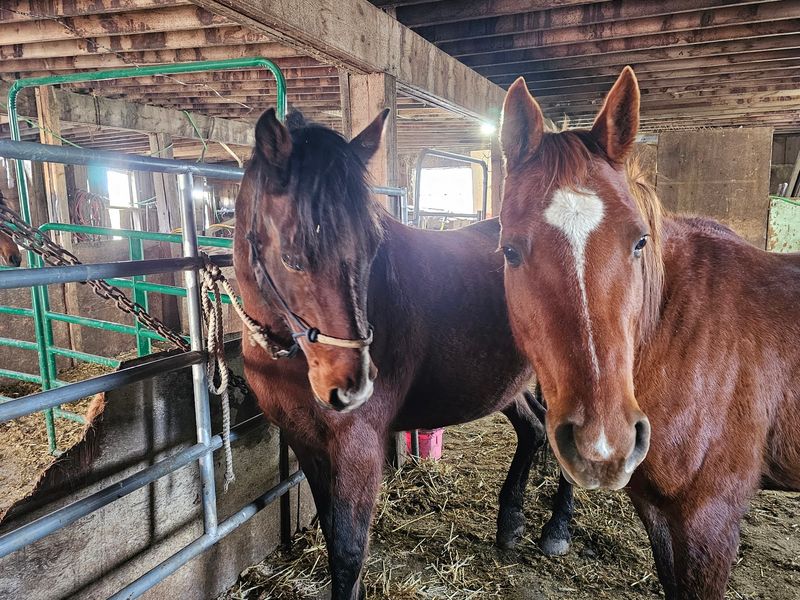
Not every horse is headed for adoption. Some are simply too old, sick, injured, or need too much special care.
Those horses join the permanent herd at Orphan Acres. They get to retire comfortably and live out the rest of their days right there.
That’s the part of the mission that tugs at me most. A senior horse doesn’t have to prove anything to earn a soft landing.
Recent visitors noticed two very old stallions in great shape. That says a lot about the daily care these elders receive.
The sanctuary also serves owners in tough spots. Older horses whose people can’t afford them anymore can find a safe home here.
One recent relinquishment came from an owner facing a medical issue. The staff sent pictures and video afterward, which is a thoughtful touch.
Retirement here means pasture, routine, and attention. It also means dignity, a word supporters use again and again about this place.
For a horse that has worked hard or been let down, that’s a pretty sweet final chapter in the Idaho hills.
From Scared And Skinny To Healthy Again
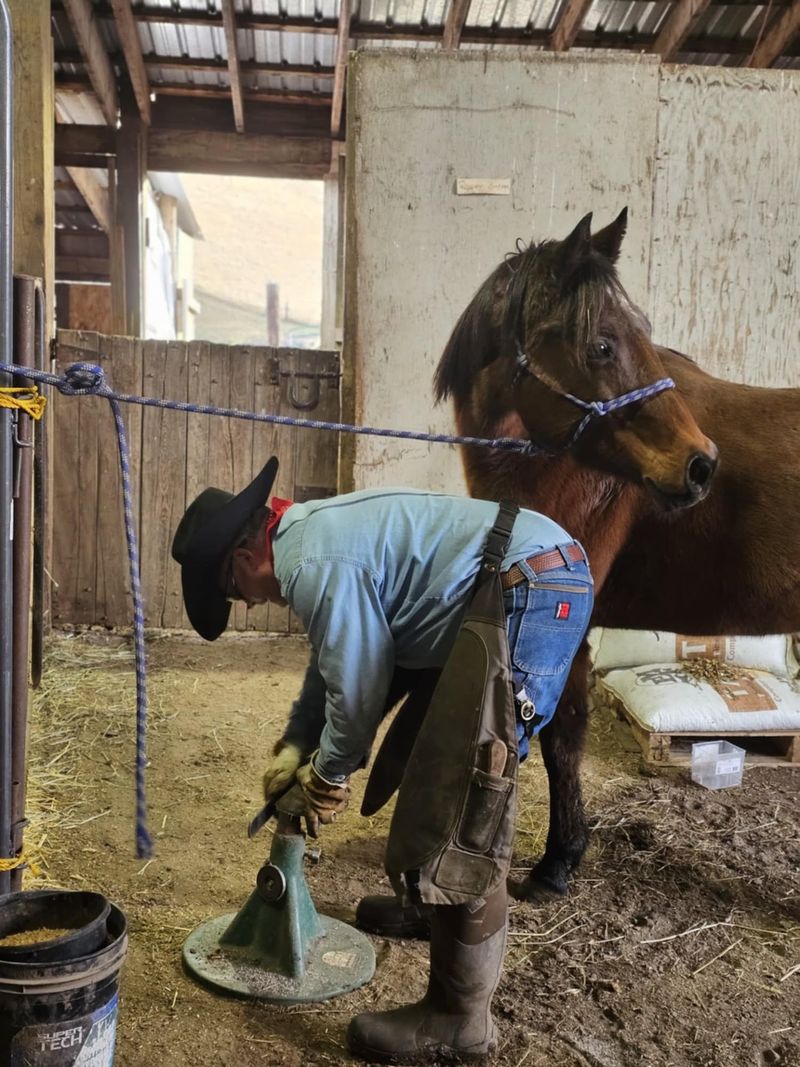
Rehabilitation sits right in the official name. It’s also one of the hardest jobs the sanctuary does.
Horses arrive from all kinds of situations. Some have been abused, some neglected, and some are badly malnourished.
Healing takes time and patience. Weight comes back slowly, and trust can take even longer to rebuild.
Longtime supporters have praised the way abused horses get their dignity back here. That phrase captures the goal better than any brochure could.
Volunteers have described the great feeling of watching a horse recover. Seeing that same horse later head to a loving home is the payoff.
Rehab also helps decide what comes next. A horse with potential may become a fine companion for an adopter.
Others may find their limits during recovery. Those horses can stay on as part of the forever herd instead.
Either way, the work starts in the same place. Food, care, and steady handling turn a frightened animal into one that clearly likes people again, which recent visitors have noticed firsthand.
Your Next Riding Buddy Might Be Waiting In Viola
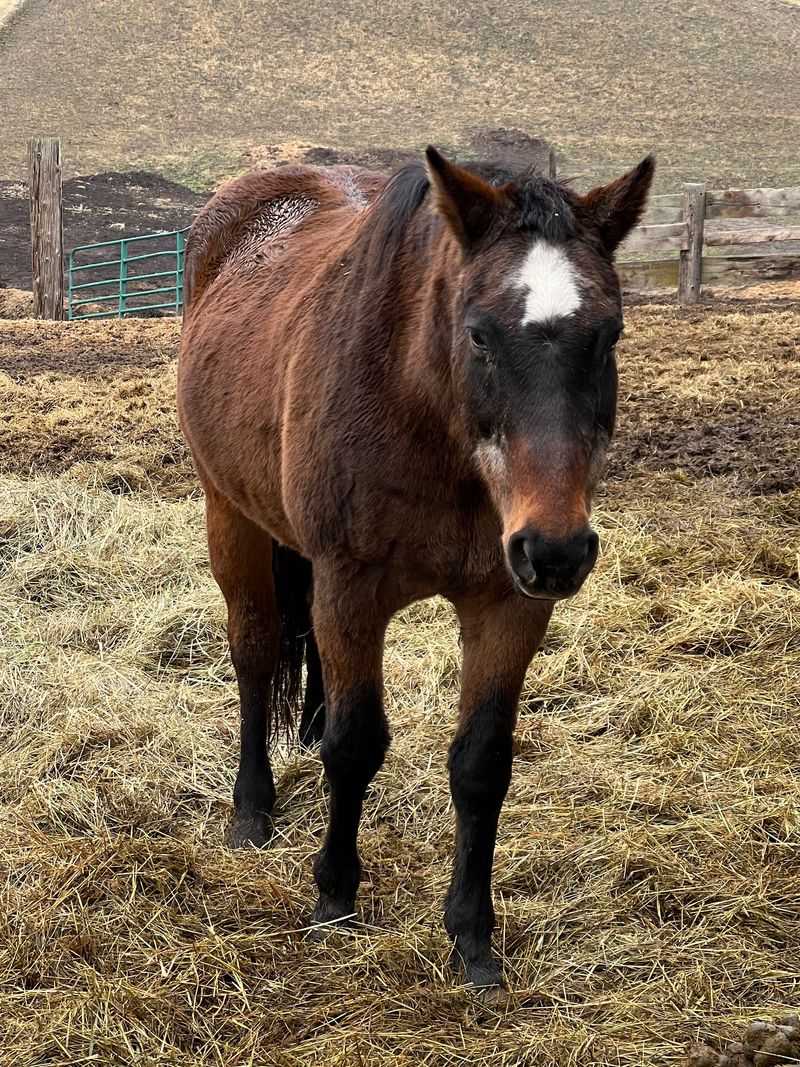
Thousands of horses have left Orphan Acres for new homes. Yours could be next, if the timing and fit are right.
Adoption is a big part of the mission. Horses that recover well and show potential can become companions for the right person.
The sanctuary encourages would-be adopters to call ahead. That way someone can give a guided tour and talk through the options.
That conversation matters. Matching a horse with a home works best when everybody understands the animal’s needs and history.
Some supporters have brought home more than one rescue horse over the years. That’s a strong sign of trust in how the place operates.
Adopting also opens up space. Every horse that heads out the gate makes room for another one in need.
Responsible ownership is part of the education here too. The goal isn’t just placing horses, but placing them well.
So if you’ve been dreaming about a horse, start with a visit. A rescue horse with a second chance could turn out to be the best partner you’ve ever had.
Why Every Visit Starts With A Phone Call
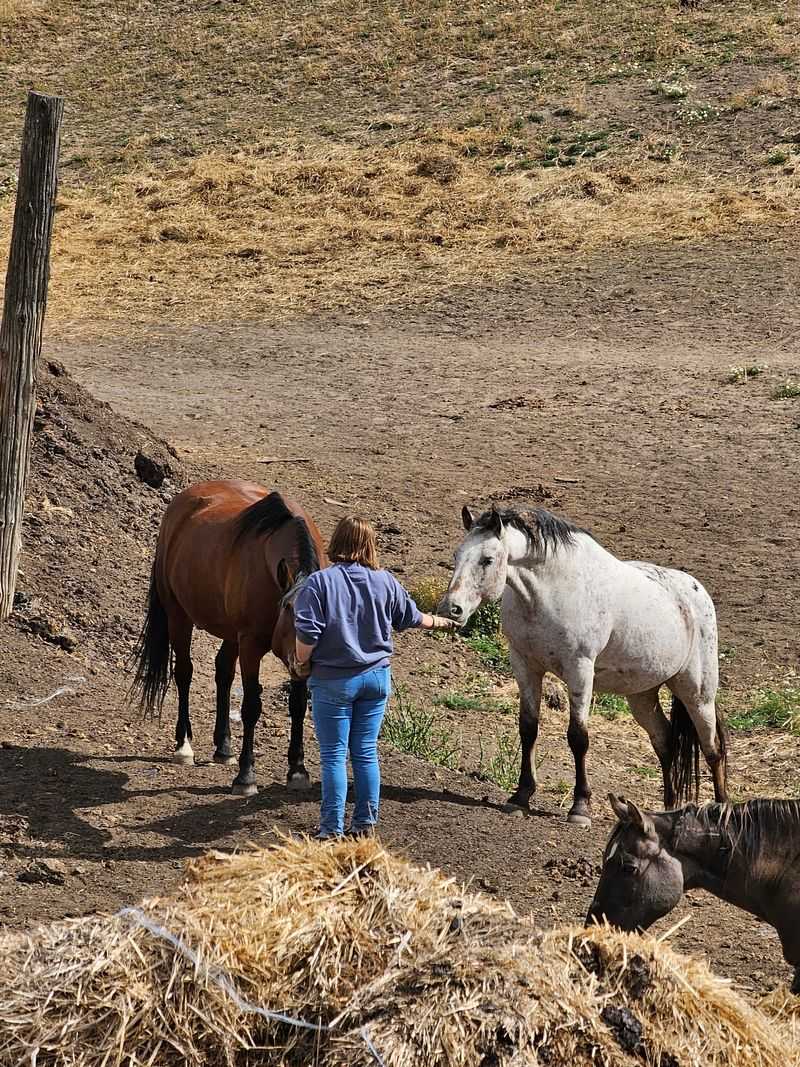
Drop-ins don’t really work at a volunteer-run horse rescue. Orphan Acres welcomes visitors by appointment instead.
Calling ahead lets the team make sure someone is free to show you around. With dozens of horses to tend, that’s a reasonable ask.
The result feels more personal anyway. A recent visitor got a tour where all their questions were answered.
Tours can be especially helpful if you’re considering adoption. You’ll learn about individual horses rather than just admiring them over a fence.
Google lists general hours running from morning into late afternoon, seven days a week. Still, check before driving, since an appointment is the real ticket.
The sanctuary’s contact details are on its official channels. A quick call or email gets the ball rolling.
Plan for a working farm setting. Sturdy shoes and clothes you don’t mind getting dusty are a smart idea.
Remember these are rescue horses with real histories. Follow your guide’s lead, move calmly, and you’ll have a much better visit for everyone involved.
Volunteers Keep The Hay Moving And The Hearts Full
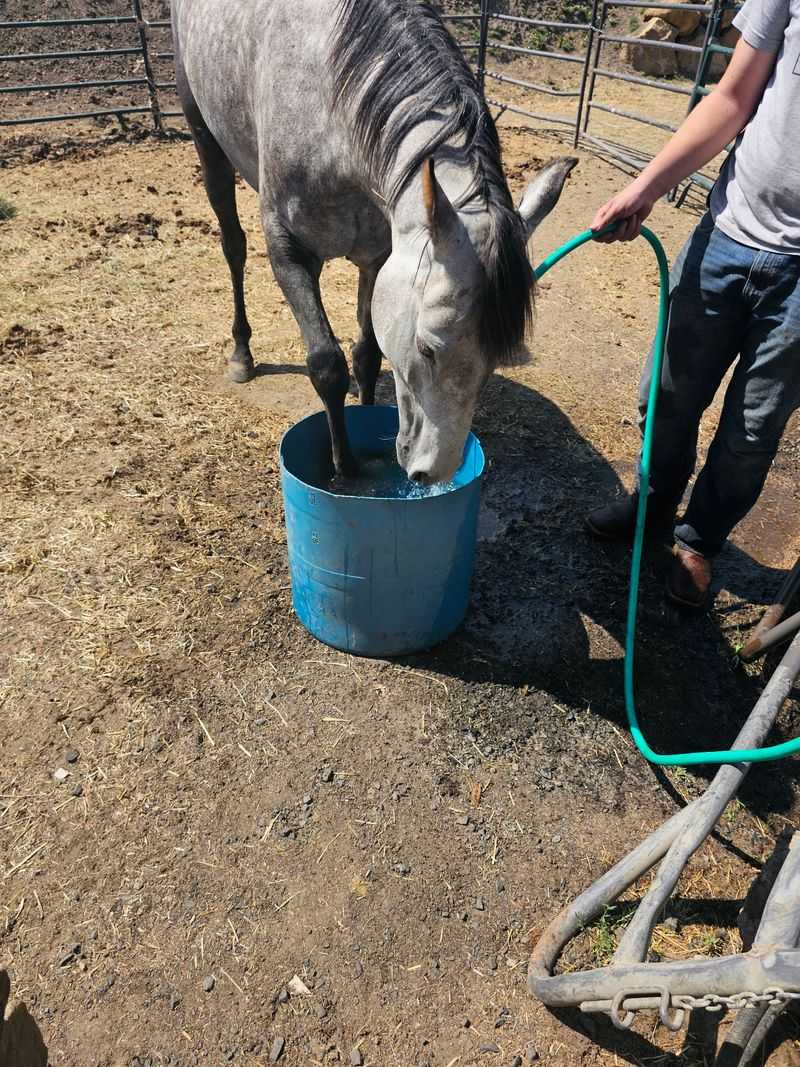
Here’s a fun fact: Orphan Acres is entirely run by volunteers. No big paid staff is hiding behind the barn.
That means helpers keep the daily routine going. Feeding, cleaning, and caring for a herd takes lots of hands.
Volunteering shows up constantly in community feedback about the place. People describe the work as rewarding, and some say it changed their lives.
The pull can be strong. One longtime supporter moved all the way from Tucson to be closer to the rescue.
College students pitch in too. A former University of Idaho exchange student once volunteered there regularly during their time in Moscow.
That nearby campus makes sense as a volunteer pipeline. Moscow and Pullman sit within easy reach of the Palouse farm.
Even people who had to give up a horse sometimes return to help. One recent owner plans to volunteer regularly once their health allows.
Curious about joining in? Reach out to the sanctuary directly, since needs can change with the seasons and the size of the herd.
Every Bale Of Hay Comes From Somebody’s Kindness
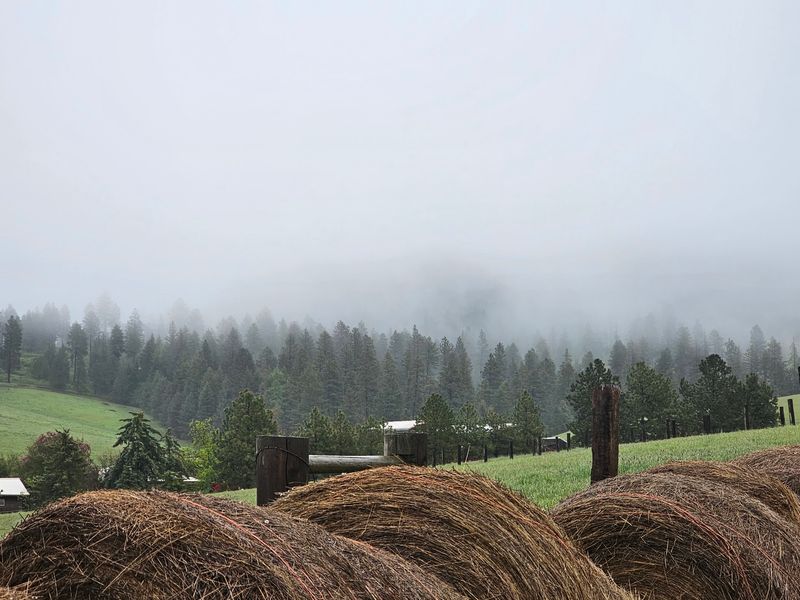
Feeding dozens of horses isn’t cheap. Supporters have long pointed out how time-consuming and costly the work really is.
Orphan Acres runs on donations. As a 501(c)(3) nonprofit, it depends on folks who believe in the mission.
Some donors live too far away to ever visit. They give anyway because they know the work matters.
Others have given steadily for years. One supporter mentioned donating for seven straight years alongside adopting horses.
Where does the money go? Think hay, veterinary care, hoof trimming, fencing, and shelter through cold Idaho winters.
Recent visitors have encouraged people to give what they can. With so many horses calling the place home, every bit helps.
Not everyone can adopt or volunteer. A donation is an easy way to be part of the story from anywhere.
And it’s a tangible kind of good. Somewhere on that Palouse hillside, a retired horse is eating breakfast because someone decided to chip in.
Teaching Folks What Good Horse Ownership Looks Like
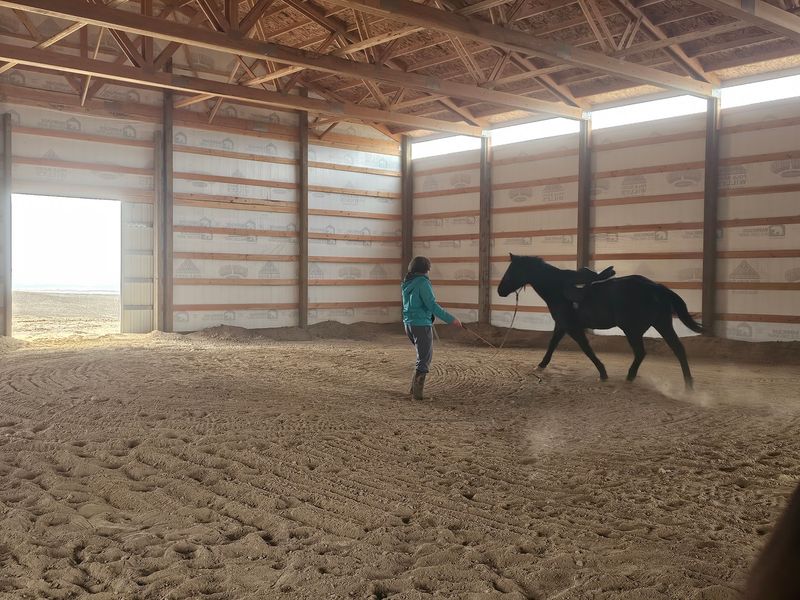
Rescue is only half the battle. Preventing the next neglect case starts with better education.
Education is written right into the Orphan Acres mission. The sanctuary works to teach the public about equine rescue and responsible horse ownership.
That matters in a state with plenty of horse country. From the Palouse to the Snake River Plain, Idaho has no shortage of hooves.
Owning a horse is a long commitment. Many live well into their twenties or beyond, and costs pile up along the way.
Talking honestly about that can help families plan better. It may also help owners find safe options before things get desperate.
A guided visit is a natural classroom. Seeing recovered horses up close makes the lessons feel real.
Kids who love horses could learn a lot here. So could adults thinking about buying their first one.
I believe that’s one of the most underrated parts of the place. Every person who leaves smarter about horse care is one more reason fewer horses need rescuing.
Who Will Love A Trip Out To This Sanctuary
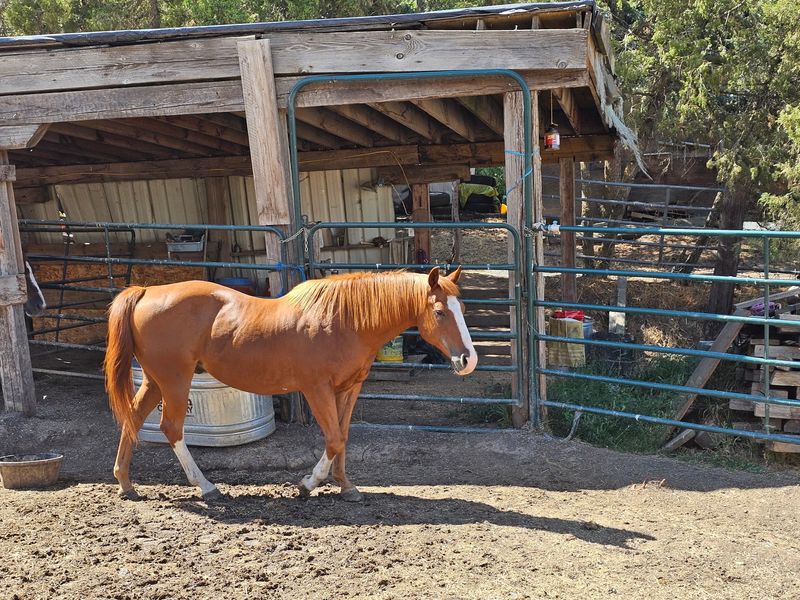
Horse lovers, obviously. But the guest list for an Orphan Acres visit runs longer than you might expect.
Families looking for a low-cost outing could find a meaningful afternoon here. Kids get to see real rescue work instead of a petting zoo.
Would-be adopters top the list, of course. A tour is the smartest first step before bringing a horse home.
College students in Moscow or Pullman might find a volunteer gig with real purpose. It’s a short drive from campus.
Retirees with a soft spot for animals fit right in too. The calm farm setting suits an unhurried visit.
Owners worried about an aging horse should also take note. Recent visitors called the sanctuary a great option for older horses.
The atmosphere is a working rescue, not a polished attraction. Expect farm sounds, pasture views, and horses going about their business.
That honesty is part of the appeal. You’re seeing an Idaho nonprofit doing its daily job, and the horses are the stars without trying.
Getting To Rothfork Road Without Getting Lost
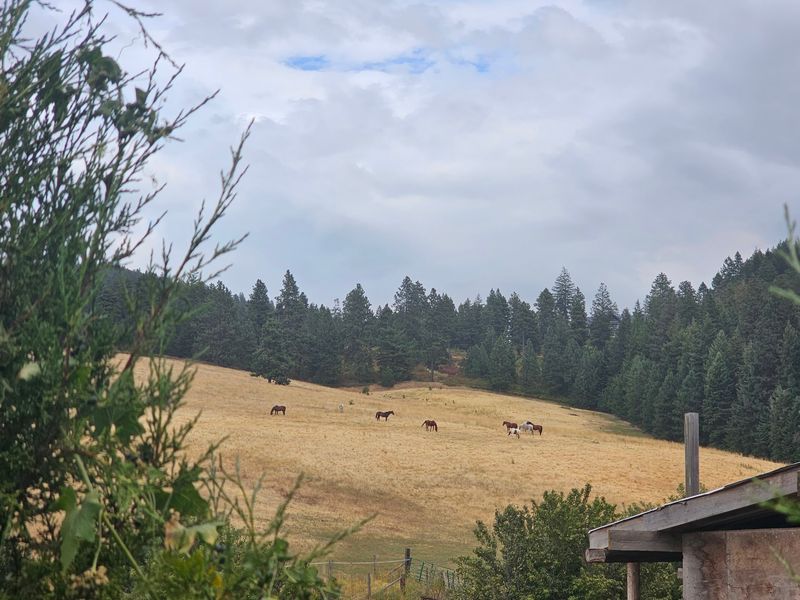
Viola is the kind of place you find on purpose. It sits on the Palouse in Latah County, a short drive north of Moscow.
The sanctuary’s address is 1183 Rothfork Rd, Viola, ID 83872. Plug that into your map app before you lose cell signal in the hills.
From Moscow, the trip is quick. Highway 95 heads north toward Viola through classic Palouse farm country.
Rothfork Road is a rural route. Drive slowly and keep an eye out for farm traffic and wildlife.
Remember, visits happen by appointment. Confirm your time before heading out so someone is ready to greet you.
Weather can change the experience. Spring mud and winter snow are real on the Palouse, so dress accordingly.
There’s no fancy visitor center to plan around. Think working farm, so bring water and anything else you’ll need.
The drive itself is part of the fun. Those rolling wheat and lentil fields make even the trip out feel like a small Idaho adventure.
A Quiet Place Worth Calling Ahead For
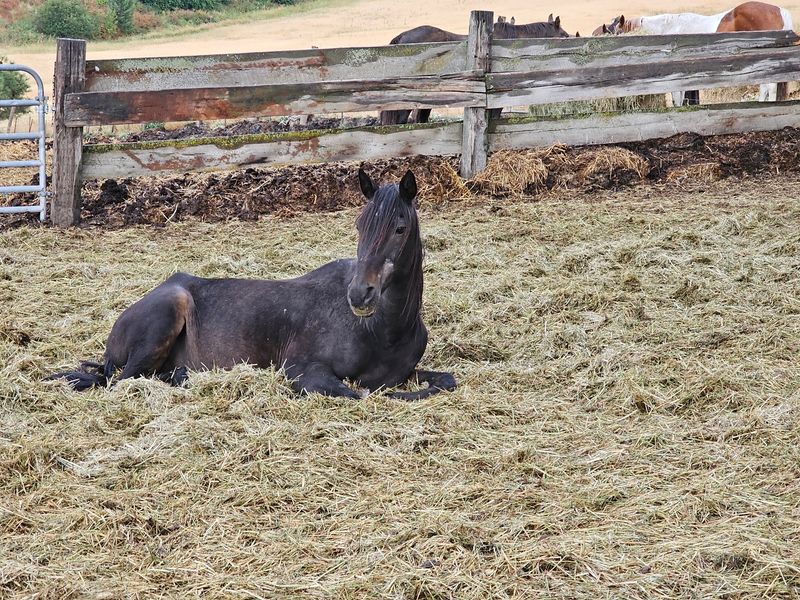
Nearly 50 years is a long time to keep doing the hard thing. Orphan Acres has done it, one horse at a time.
It’s not flashy, and it doesn’t try to be. What it offers is real, ongoing care for animals that ran out of options.
Thousands of horses found homes through this Viola rescue. Hundreds more got healthy, and many older ones simply got to rest.
New leadership is carrying the mission forward. Recent feedback suggests things are looking better than ever around the property.
Visiting takes a little planning. A phone call and an appointment are the only hoops, and they’re small ones.
Not up for a drive? Donating or spreading awareness still helps keep the hay coming.
I can’t imagine a better way to spend an afternoon on the Palouse if you love horses. You’ll leave knowing exactly where your kindness lands.
Somewhere in those Idaho hills, a herd is grazing peacefully. They earned that quiet, and it’s pretty great to know a place like this exists.