This New York College Ranked No. 1 Among Small Schools And Its Affordable Education Is Turning Heads
A real particle accelerator sits on a small public campus, and it’s the only Pelletron in all of Western New York.
Straight away, that made me stop scrolling. A school this size usually isn’t hiding physics gear like that.
Then the rankings showed up. U.S. News named this college No. 1 for Best Undergraduate Teaching. It also landed at No. 5 among public liberal arts colleges in the whole country.
The price tag is the part that really turns heads.
Private colleges cost about four times more on average. Some eligible students might even attend tuition-free through a state scholarship.
How does one hilltop campus pull all of this off at once?
Top Marks For Teaching That Actually Matter
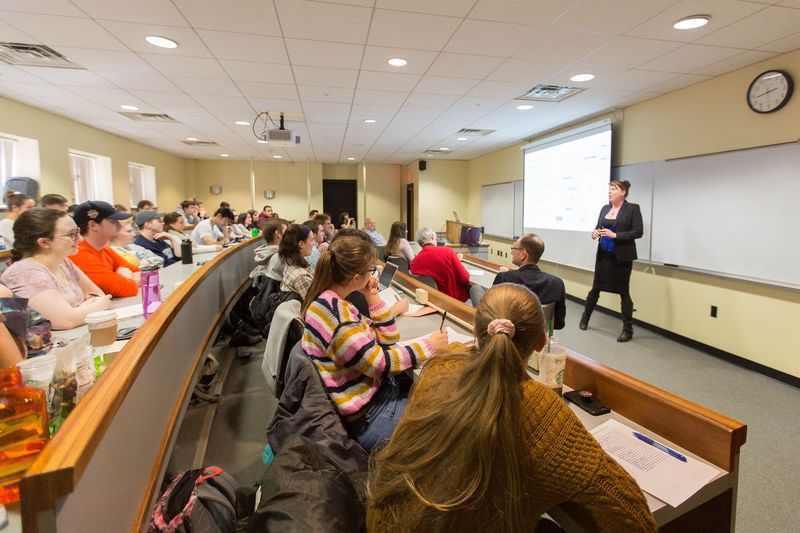
Rankings can feel like a numbers game. The one SUNY Geneseo earned for undergraduate teaching feels different, though, because it focuses on what happens in the classroom.
In the 2026 U.S. News regional rankings, Geneseo took first place for Best Undergraduate Teaching among universities in the North. It was the eleventh time the school had earned the top position in that category.
The newer 2027 rankings brought another milestone. Geneseo moved into the national liberal arts college category for the first time and ranked fifth among its public institutions.
The shift placed the college alongside a different group of schools rather than signaling a direct climb from its earlier regional position.
What might that mean for a student? The college reports a 15-to-1 student-faculty ratio, a median class size of 25, and 93 percent of faculty holding doctorates or other terminal degrees.
Faculty also supervise undergraduate research and independent study, extending teaching beyond ordinary lectures.
For anyone comparing campuses, asking about research opportunities and access to professors is a useful place to start.
Your Wallet Will Like This Part Best
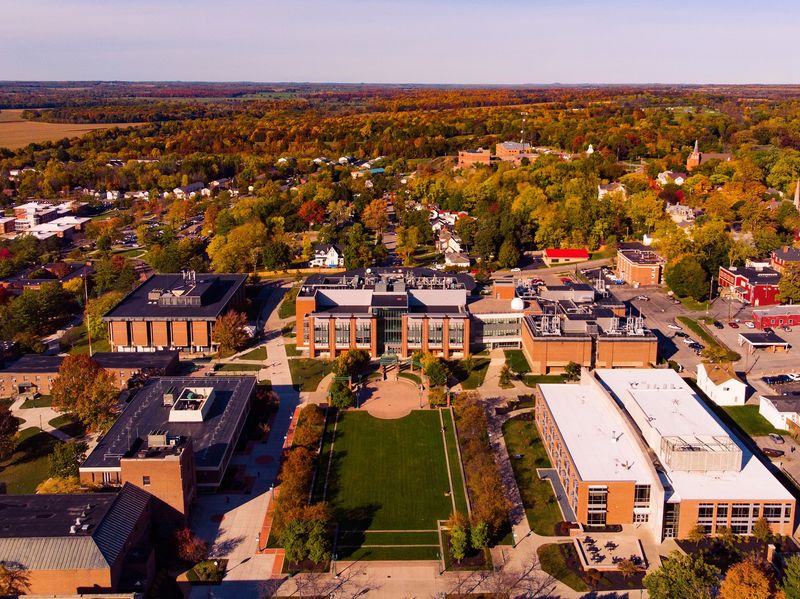
Four times. That’s roughly how much more tuition and fees average at private colleges compared with SUNY Geneseo, according to the college’s comparison.
In its 2027 national college rankings, U.S. News included Geneseo on its Best Value Schools list. It was the only public institution among the 97 national liberal arts colleges recognized in that particular category.
There’s additional help for some New York families. The Excelsior Scholarship can cover remaining tuition for eligible state residents after other grants and scholarships are applied.
Eligibility involves household income limits, residency requirements, and academic progress, generally including 30 credits each year.
Tuition-free doesn’t mean every college expense disappears. Housing, meals, books, and mandatory fees can remain part of the budget. Scholarship recipients must also meet the program’s postgraduation residency conditions.
Other forms of assistance include federal aid, state grants, and scholarships offered through the college.
Families can compare the complete financial aid offer rather than looking at tuition alone.
The practical first move is to complete the required financial aid applications and understand the renewal rules before making a decision.
A Campus That Looks Straight Out Of A Movie
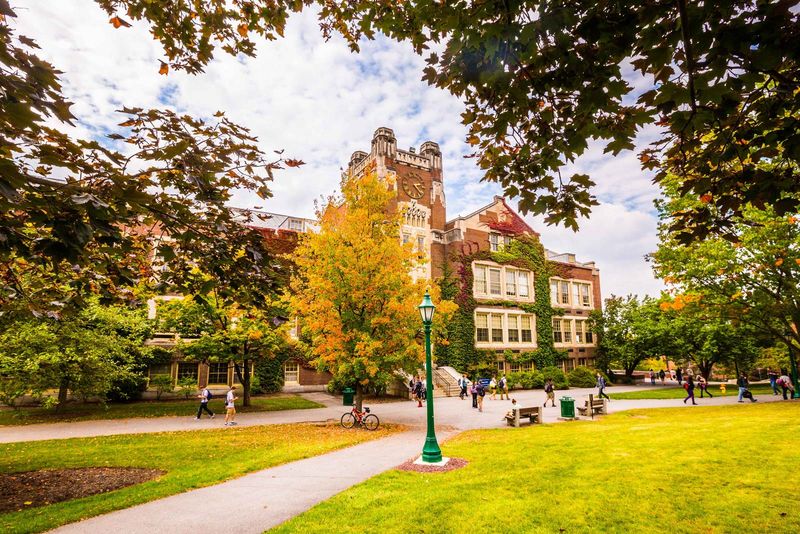
Brick walkways, shady old trees, and ivy climbing up the walls. If you dreamed of a classic college as a kid, it probably looked a lot like this.
SUNY Geneseo spreads across 220 acres in the historic village of the same name. The campus rises and falls across a hillside, so a walk between classes can include a noticeable climb.
Welles Hall, built in 1932, still carries details from its original purpose as a practice school for teacher training. Some classrooms even retain blackboards mounted at a height suited to younger pupils.
Nearby, the Integrated Science Center brings modern laboratories into the same collegiate landscape.
The refurbished Milne Library reopened in 2025, adding updated study areas and gathering spaces to campus life. The MacVittie College Union provides another indoor place to meet friends or take a break.
Autumn makes the historic walkways particularly colorful, but the mix of buildings is interesting in any season.
Comfortable shoes are sensible for a campus tour, especially if you plan to see both the upper and lower sections.
Sunsets Here Deserve Their Own Fan Club
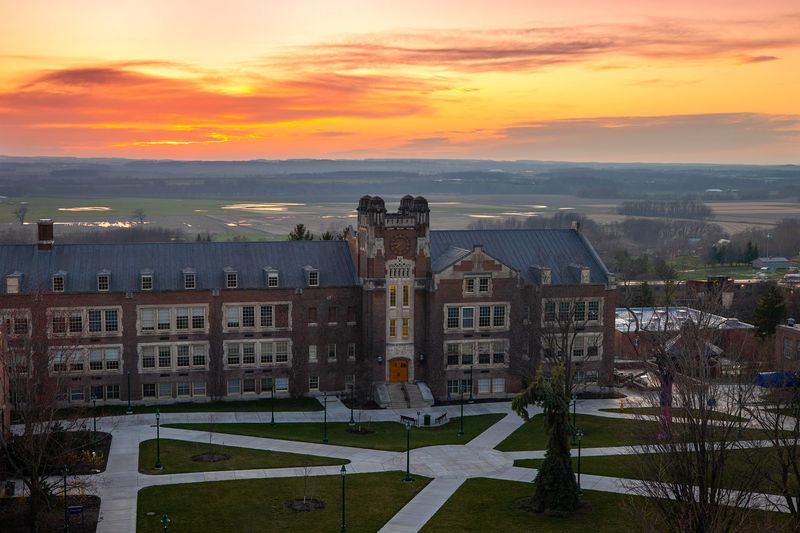
Some schools brag about their stadiums. Geneseo could easily brag about its sky.
The campus overlooks the Genesee Valley, with broad views of farmland and rolling hills stretching westward. Its higher ground creates an unusually open horizon for a college of this size.
The gazebo beside Sturges Hall is the classic sunset spot. Students gather there to watch the light change over the valley, and it’s also part of the college’s self-guided campus tour.
Bring a jacket if you’re visiting late in the day, because the exposed hillside can feel cooler than the village streets.
A fall visit brings another layer of color. Leaves around the academic buildings turn yellow and orange while the sky beyond the lawns changes through pinks and golds.
In upstate New York, those early evenings can make an ordinary walk between buildings feel surprisingly scenic.
You don’t need to plan an elaborate activity to enjoy the setting. Leave a little extra time at the end of your tour and look toward the valley.
Yes, There’s A Particle Accelerator On Campus
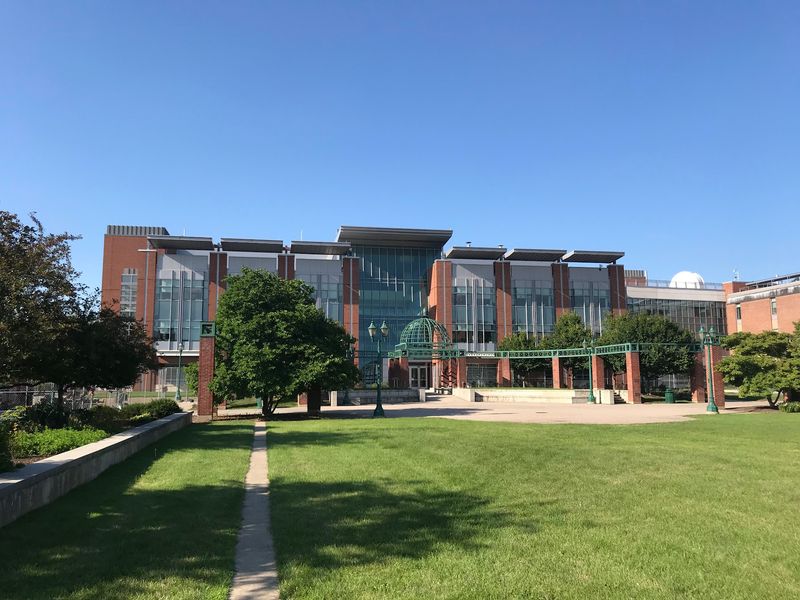
Most small colleges don’t come with a particle accelerator. Geneseo does, and it’s a pretty big flex.
Inside the Integrated Science Center sits a 1.7-megavolt Pelletron, the only particle accelerator of its type in the western part of the state.
Installed in 2007, it allows students to investigate nuclear physics and materials using equipment more often associated with larger research institutions.
Undergraduate participation is a defining feature. Students work on laboratory projects, learn how measurements are collected, and can present findings at scientific meetings.
That makes the accelerator more than an unusual campus attraction: it’s part of the teaching and research program.
Geneseo is also among the leading primarily undergraduate institutions for producing physics bachelor’s degrees. The college reports a strong record of alumni who later earn doctorates in science, technology, engineering, and mathematics.
Science is far from the only option here. The school’s current program overview lists 63 undergraduate degree programs and 68 interdisciplinary minors, allowing students to explore subjects across the arts, sciences, education, and business.
If you’re interested in research, ask how undergraduates join projects and which laboratories are connected to your intended major.
From Teacher School To Public Honors College
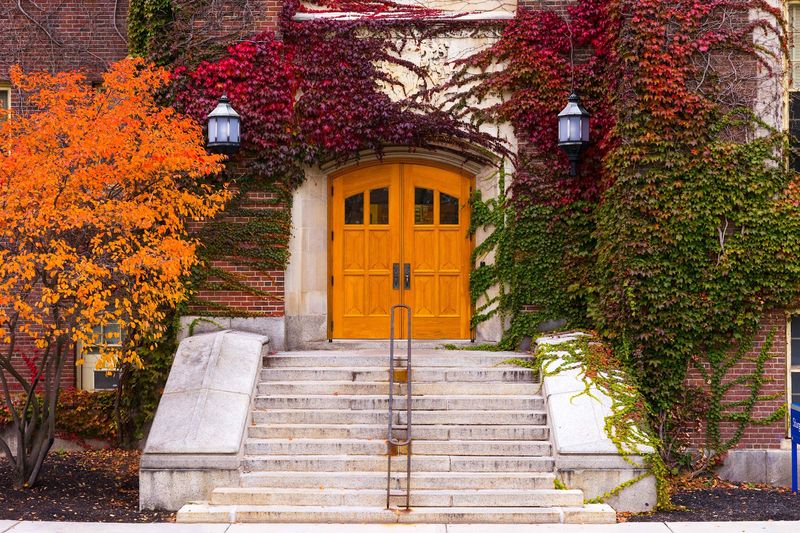
Back in 1867, New York lawmakers established an institution called the Wadsworth Normal and Training School.
It opened in September 1871 as the Geneseo Normal and Training School, with a focus on educating future teachers.
That original mission gradually expanded. The college began awarding bachelor’s degrees in the twentieth century and joined the newly created SUNY system in 1948.
By 1964, it had introduced four-year liberal arts and science degree programs beyond teacher preparation, laying the groundwork for today’s public honors college.
One building illustrates the connection between past and present particularly well.
Sturges Hall, constructed in 1938, is undergoing a comprehensive interior renovation. The project preserves historic elements such as the clock, tower staircase, windows, and auditorium while adding classrooms, collaboration areas, and student support spaces.
Its planned reopening is during the 2027–28 academic year, although construction schedules can change.
Keeping an old landmark useful for new generations seems an appropriate next chapter for a campus that began as a school for teachers.
An Honor Society Most State Colleges Can Only Dream About
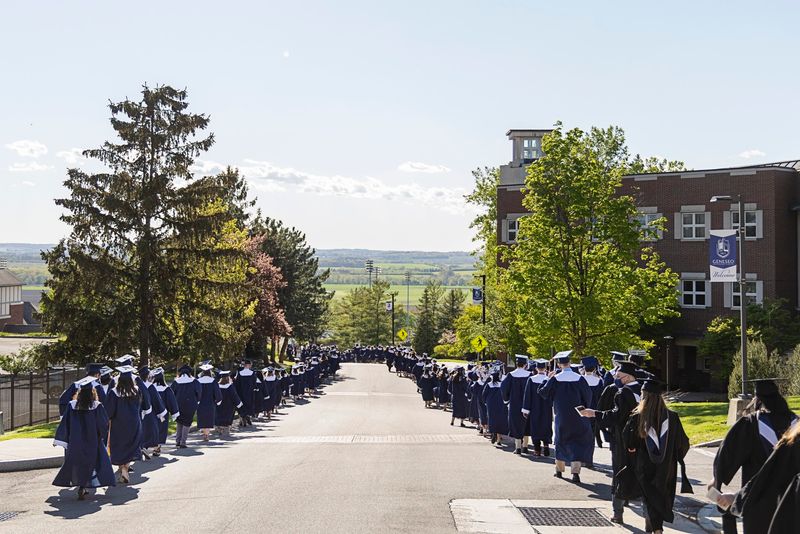
Phi Beta Kappa is the oldest academic honor society in the United States. Getting a chapter on campus is a really big deal.
SUNY Geneseo established its chapter in 2004 and remains the only comprehensive SUNY college with one.
Each spring, outstanding juniors and seniors in the liberal arts and sciences are considered for membership, recognizing achievement across a broad education rather than excellence in just one specialized course.
That emphasis fits a campus where students are encouraged to connect subjects and pursue academic work beyond their majors.
Another distinction reaches far beyond campus. In February 2026, Geneseo was named a top producer of both Fulbright U.S. student and scholar recipients.
It was one of only seven institutions nationally receiving both recognitions that year.
The Fulbright program supports international study, teaching, and research, so the recognition reflects opportunities for both graduates and faculty.
From an honor society founded in the eighteenth century to modern international fellowships, this small campus offers students several ways to turn academic achievement into something bigger.
Knights, Clubs, And Seventeen Places To Call Home
Go Knights! Geneseo’s athletic teams carry that name, and their mascot goes by Victor E. Knight.
The college fields 21 intercollegiate teams. Before moving from the SUNYAC to the Empire 8 conference in 2024, the Knights collected seven consecutive SUNYAC Commissioner’s Cups and 57 conference championships.
More than 180 student clubs and organizations cover academic interests, recreation, service, cultural activities, and creative projects.
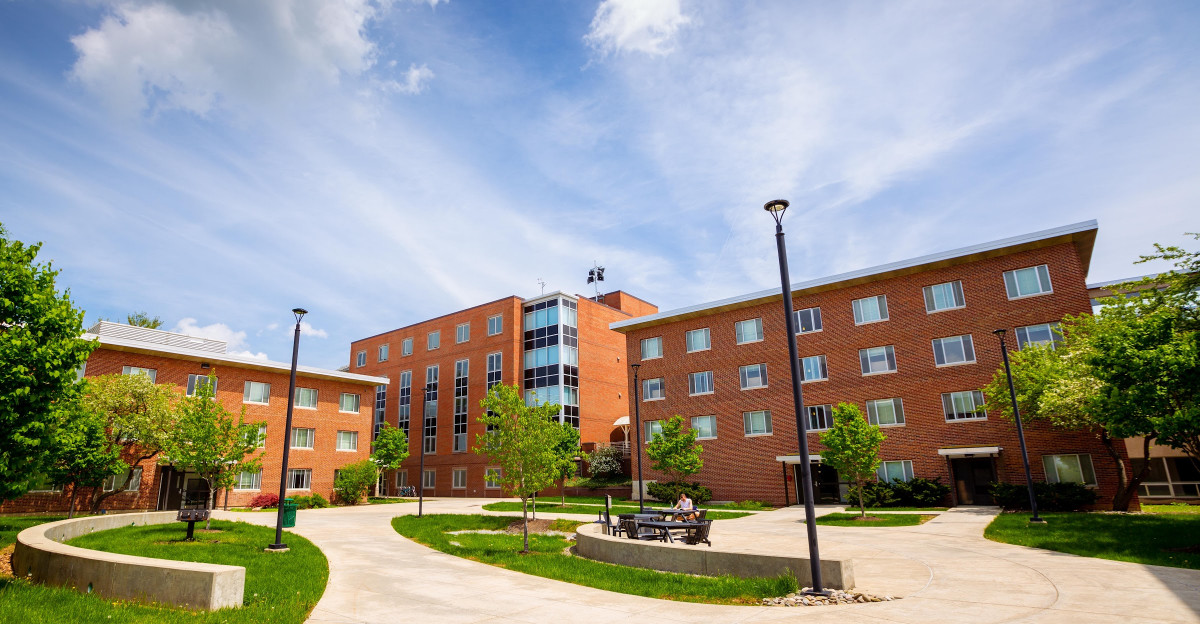
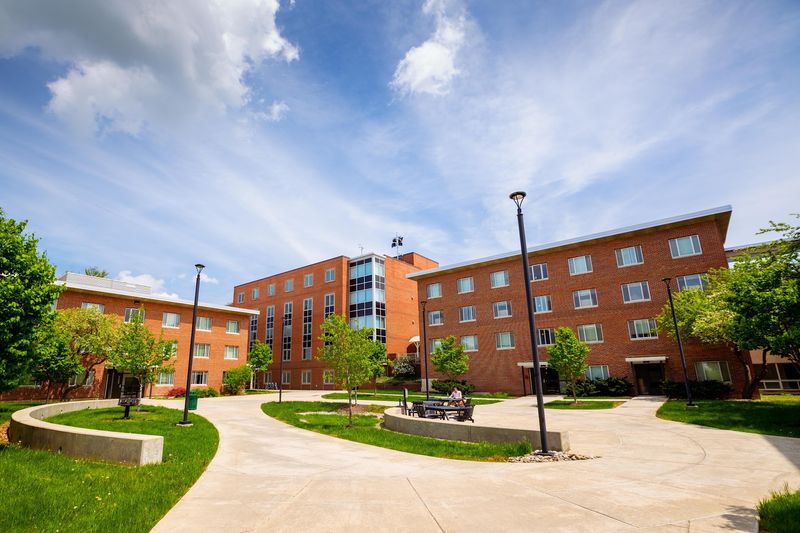
Geneseo has approximately 17 residence halls across North, Central, and South Villages.
Incoming students can indicate preferences for room styles and living-learning communities, although particular buildings are not guaranteed. Most first-year students are assigned to double rooms.
Three main dining complexes, Letchworth, Mary Jemison, and Red Jacket, serve different sections of campus. The updated Milne Library and College Union add cafes and gathering areas.
Many residence halls take their names from New York State counties, a small geographical detail that adds personality to campus life.
Between athletics, housing, classes, and clubs, the college is designed to feel like a community rather than just a collection of lecture halls.