Locals Say These 9 Ohio Towns Are Quietly Being Bought Up By Investors
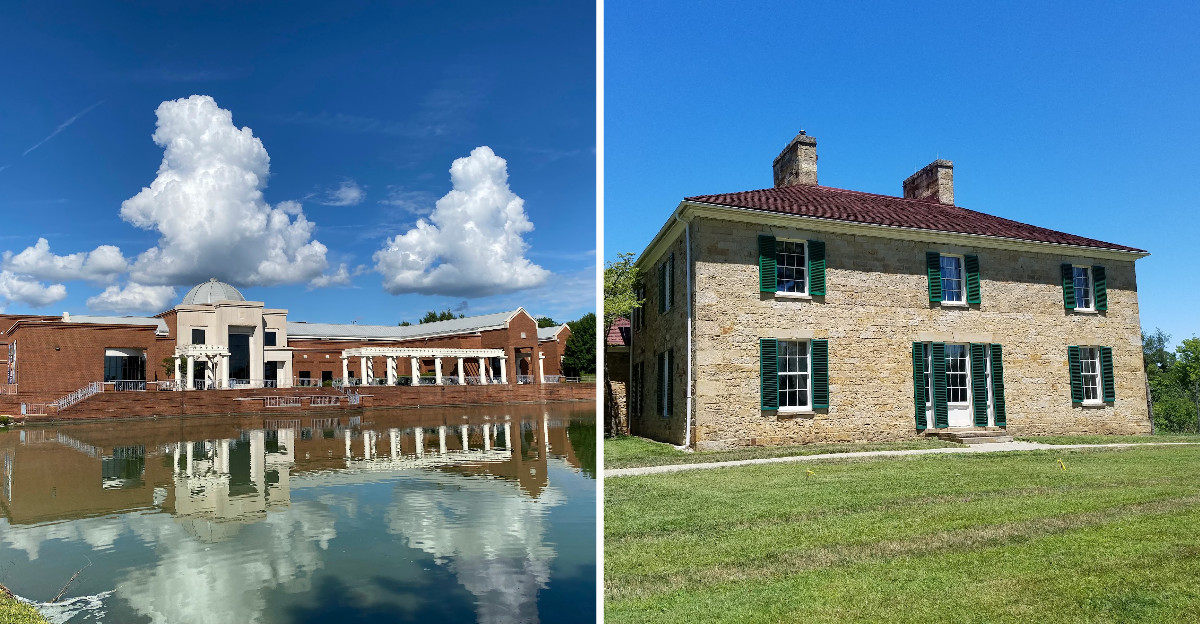
A paper mill closed in 2025, and by that October a new owner had already bought it.
The plan is to restart production and hire about 350 workers within a year. There’s even talk of a data center on the same site.
I love a comeback story, and Ohio seems to be full of them right now. Money is moving into places that once felt sleepy.
Some of these towns sit near big new employers. Others have historic streets that buyers can’t resist.
The interest isn’t coming from just one place either. Retirees, remote workers, families, and big builders are all looking at the same maps.
Prices are climbing in towns that never made headlines before.
I wanted to know which towns keep popping up, and why buyers can’t stop circling them. The answers surprised me more than once.
1. Worthington
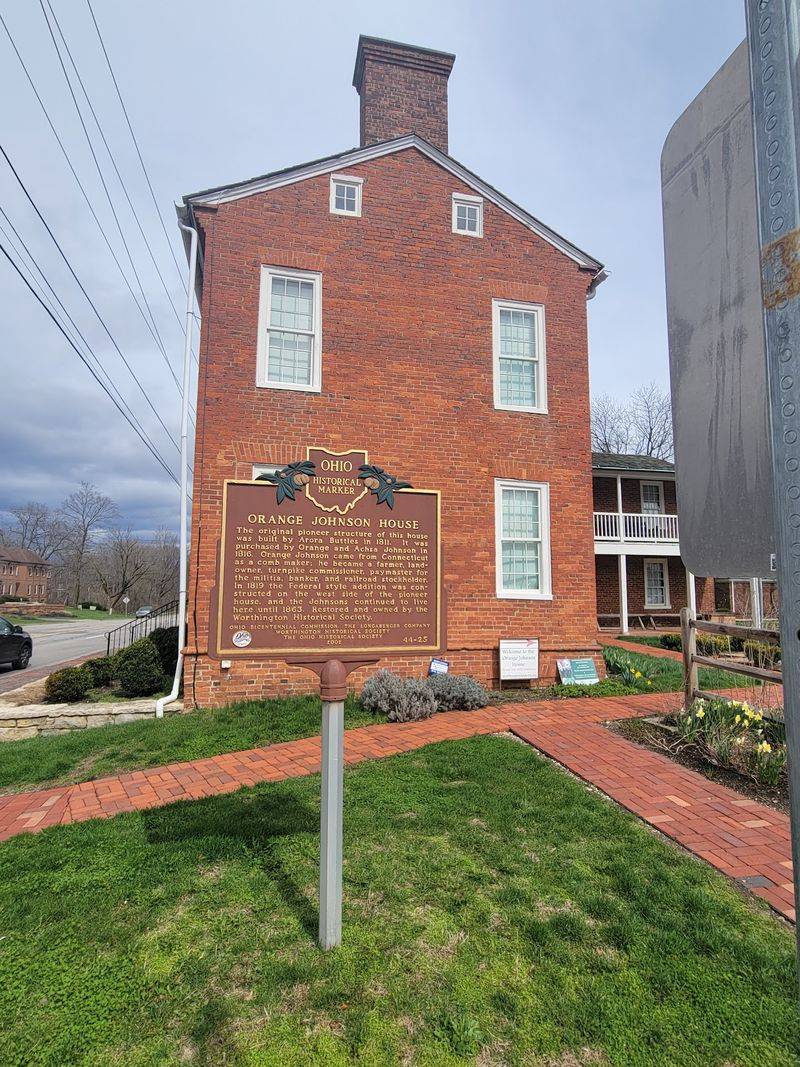
Back in 1812, this little settlement was a finalist to become the capital of Ohio. It lost that race, but its village center remains one of the Columbus area’s most recognizable places.
Settlers from Connecticut founded Worthington in 1803, laying out streets around a spacious Village Green.
Brick paths, mature trees, and older storefronts preserve the New England influence they brought west. The town takes its name from Thomas Worthington, an early state senator and governor.
The Orange Johnson House, built in 1811, offers another glimpse into the town’s earliest years, complete with period furnishings and an original cooking fireplace.
That historic center is still busy. The farmers market fills Old Worthington on summer Saturdays and moves indoors for colder months.
From November through April, shoppers gather at the Shops at Worthington Place, 7227 N High St, for produce and locally made foods.
The McConnell Arts Center adds even more to the community, hosting exhibitions and performances inside a former high school built in 1915.
The attraction for prospective residents is easy to understand: established neighborhoods, nearby parks, and access to jobs across northern Columbus.
But that combination doesn’t establish that investment firms are purchasing local houses in bulk. Spend a Saturday browsing the market, then walk the Green.
2. New Albany
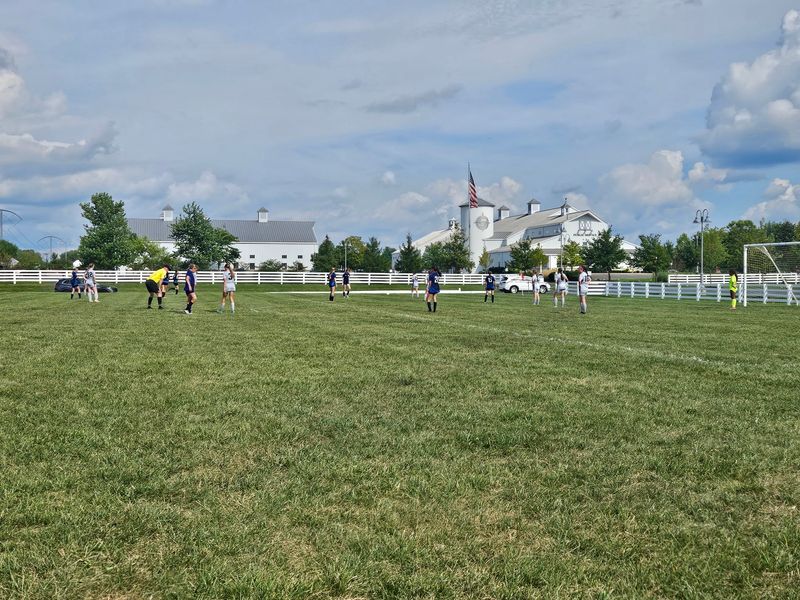
White fences and Georgian brick buildings make this place look like a postcard someone planned on purpose. That’s because someone did.
Founded in 1837, New Albany stayed small for a long time. Then the 1990s arrived, and so did major investment from businessman Les Wexner.
His backing helped turn the town into a master-planned community. Population and businesses grew fast after that.
Some folks describe it as a place where wealth attracts more wealth. You can see the effect in the schools, roads, and community projects.
It sits about 15 miles northeast of Columbus. Most of it lies in Franklin County, with a slice reaching into Licking County.
Outdoor fans have serious options. Rocky Fork Metro Park covers more than 1,000 acres, and the Hoover Dam Nature Trail is nearby too.
Arts lovers aren’t left out either. The Jeanne B. McCoy Community Center for the Arts hosts shows and events for the area.
Golfers may already know the name. The New Albany Country Club features a course designed by Jack Nicklaus.
Thinking about buying here? Plan for a higher budget, since this town has never been the bargain bin of central Ohio.
For a cheaper taste, just visit for an afternoon. A walk around Market Street shows exactly why buyers keep showing up.
3. Powell
Cornfields used to define this area north of Columbus. Now one of the most interesting things growing here is a conversation about what downtown should become.
Powell retains a compact historic center around its familiar Four Corners intersection.
The town received its current name in 1857, honoring Judge Thomas W. Powell, who helped establish its first post office.
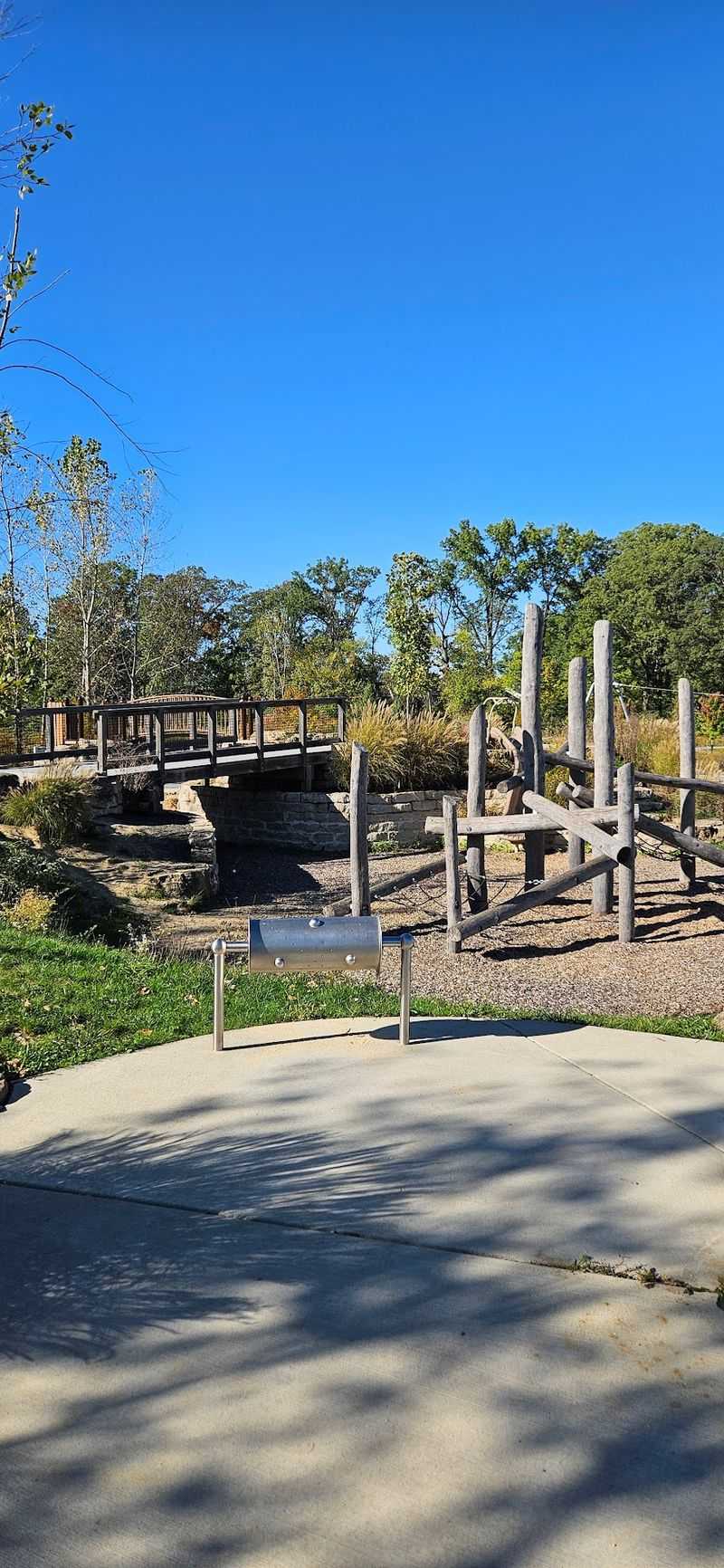
The Village Green park at 47 Hall St has a playground, pond, and splash pad. Shops and restaurants remain close enough to turn a trip to the park into a longer downtown afternoon.
Beyond the historic center, Powell maintains about 29 miles of interconnected bike trails, linking neighborhoods with parks and recreational spaces.
City leaders are considering how the downtown and Village Green could evolve over the coming years. During 2026, residents reviewed concepts addressing green space, gathering areas, and possible future development.
A public workshop is scheduled for November 12, with decisions still to come.
That planning matters for residents and prospective buyers alike. A concept showing what might be built is different from an approved construction project, and city officials are still gathering opinions on how the site should be used.
For now, the park and downtown offer plenty to explore while the long-term plans take shape.
4. Delaware
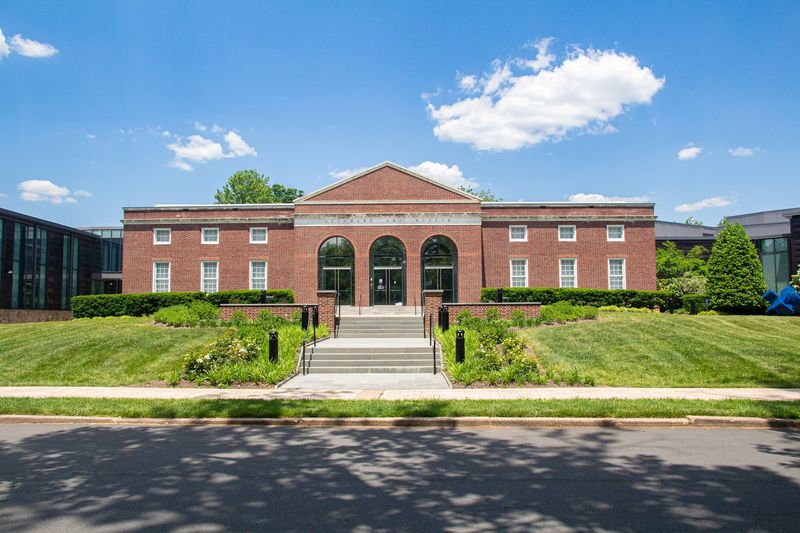
A future president was born here, and a famous harness race calls it home. Not bad for a city of brick storefronts along the Olentangy River.
Rutherford B. Hayes was born in Delaware, which began taking shape as a settlement in 1808. Ohio Wesleyan University was founded in 1842, adding a college presence that still influences the downtown.
The Little Brown Jug harness race brings another distinctly local tradition to the Delaware County Fairgrounds, 236 Pennsylvania Ave.
Historic Sandusky Street contains restaurants, small shops, and handsome older buildings. Seasonal downtown events add energy to a walkable district, while nearby parks and the river provide a change of scenery.
The Strand Theatre, which opened in 1916, remains one of America’s oldest continuously operating movie theaters and still screens films downtown.
Delaware State Park and Alum Creek State Park also expand the possibilities for outdoor weekends.
Boardman Arts Park at 154 W William St adds a creative touch, with outdoor sculptures, art installations, and community events.
The combination of a university, historic downtown, and access to Columbus provides several reasons to consider living here. Its growth story involves everyday community amenities as much as real estate.
A stroll downtown tells a much clearer story about what makes Delaware distinctive.
5. Bexley
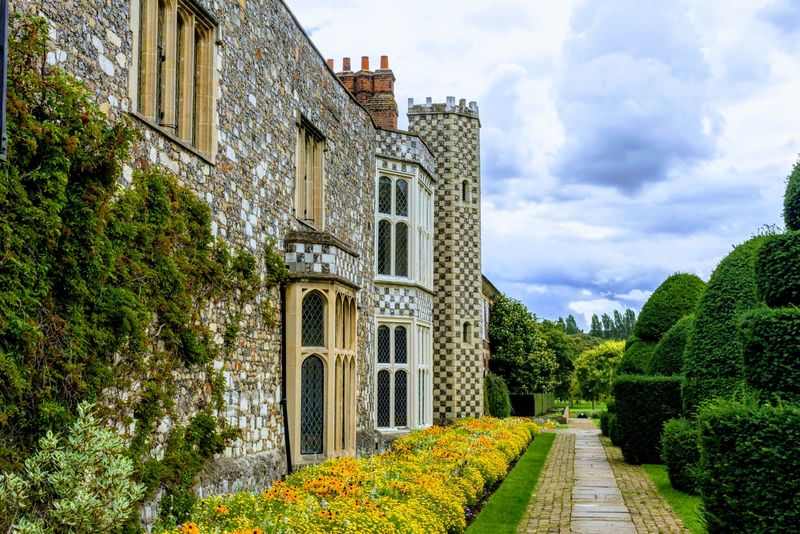
Where else can you live down the road from the governor? In Bexley, the official Ohio Governor’s Residence is part of an established neighborhood just east of Columbus.
The community began in 1908 when the Bullitt Park and Pleasant Ridge neighborhoods joined together.
It became a city in 1932, developing early twentieth-century houses, mature street trees, and a compact shopping district along Main Street.
Tudor-style homes and substantial brick residences reflect different phases of the suburb’s growth, while Capital University brings students and academic life to the district.
For a closer look at its past, visit Jeffrey Park beside the historic Jeffrey Mansion at 165 N Parkview Ave. The mansion dates from the early 1900s, and the surrounding grounds include woodland paths and recreation areas.
The park’s paths lead through woodland beside Alum Creek, a pleasant contrast to the formal facade of the mansion.
Bexley’s character rests largely on established neighborhoods rather than sprawling new subdivisions. Anyone considering one of its older houses should allow for the maintenance that historic architecture can require.
6. Montgomery
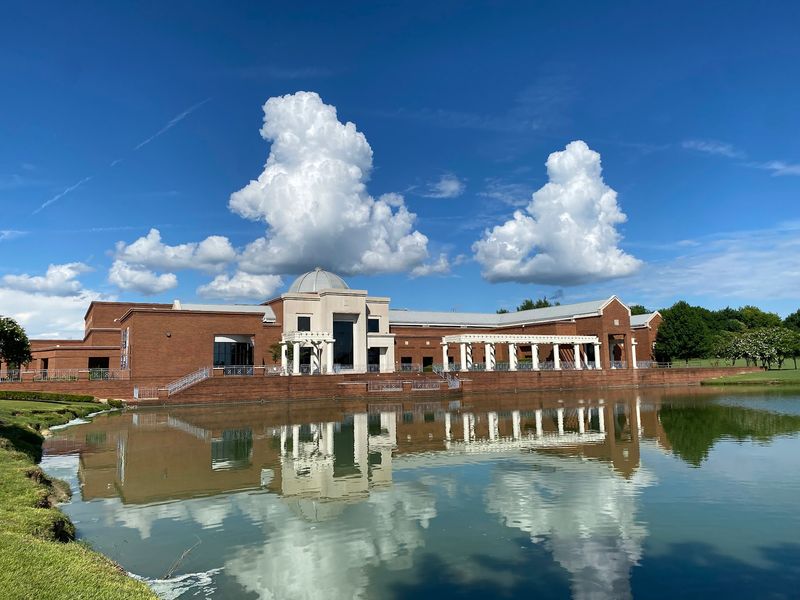
Stagecoaches once rolled through here and stopped for a rest. Today, Montgomery’s historic center gives Cincinnati-area residents another reason to slow down.
Families arriving from New York established the community in the late 1790s, and it developed along an important route for early travelers.
Yost Tavern, built around 1805 at 7872 Cooper Rd, recalls that stagecoach era. The Heritage District mixes those older buildings with restaurants, shops, and pedestrian-friendly streets.
The historic Universalist Church, built in 1837, is another local landmark and part of a district listed on the National Register of Historic Places.
City Hall at 10101 Montgomery Rd provides a useful starting point for exploring the surrounding blocks.
Modern Montgomery has continued to develop as a residential suburb, with older houses and newer homes offering distinct architectural styles.
Its convenient roads connect residents to workplaces around Cincinnati without changing the character of the historic center.
Swaim Park has open space and recreation facilities, while seasonal community events bring activity into the historic center. The story here is primarily one of long-term neighborhood development and preservation.
Johnson Nature Preserve adds another outdoor escape, with a wooded walking trail that offers a peaceful break from the busier streets.
A visit rewards anyone curious about how a longtime crossroads became a well-established suburban community.
7. Pepper Pike
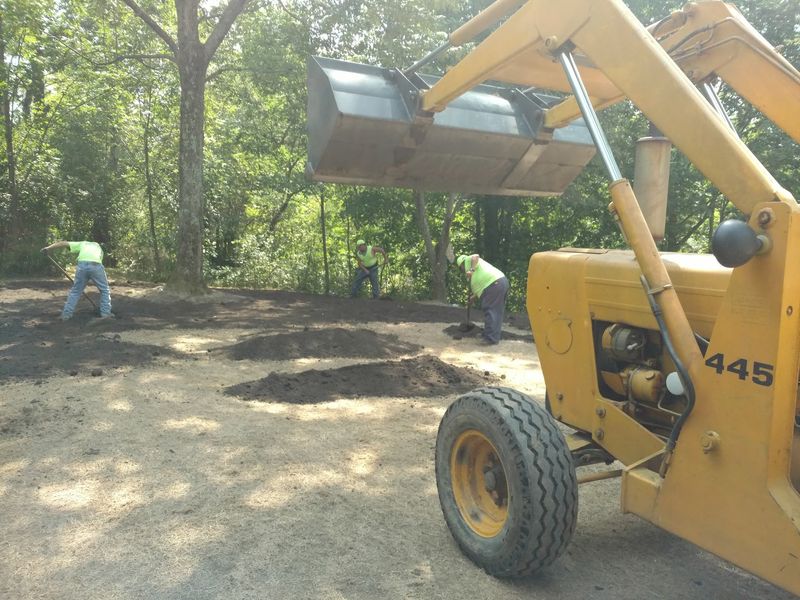
An acre of ground was part of the original plan for some Pepper Pike neighborhoods. That’s one way to give the lawn mower a serious assignment.
The community grew from farmland east of Cleveland. Beginning in the early twentieth century, the Van Sweringen brothers acquired property in the area and promoted large residential estates under the Shaker Country Estates name.
Before becoming Pepper Pike in 1924, the community was known as Orange Hill and formed part of Orange Township.
Some original deed restrictions required one-acre lots, though that rule does not apply to every property today.
The broad median along Gates Mills Boulevard still reflects the brothers’ ambitious plans to extend rapid transit farther into the eastern suburbs.
Another institution is starting a fresh chapter in 2026. The Ursuline campus at 2550 Lander Rd is continuing its academic programs under Gannon University, with a larger incoming class this autumn.
That provides a tangible example of institutional investment alongside the neighborhood’s longstanding residential character.
Anyone considering a property here should examine zoning, land upkeep, and neighborhood conditions rather than relying on broad claims about wealthy investors.
The city’s defining feature remains its long-established residential layout. Some of its biggest development decisions were made generations before the current housing cycle.
8. Ashtabula
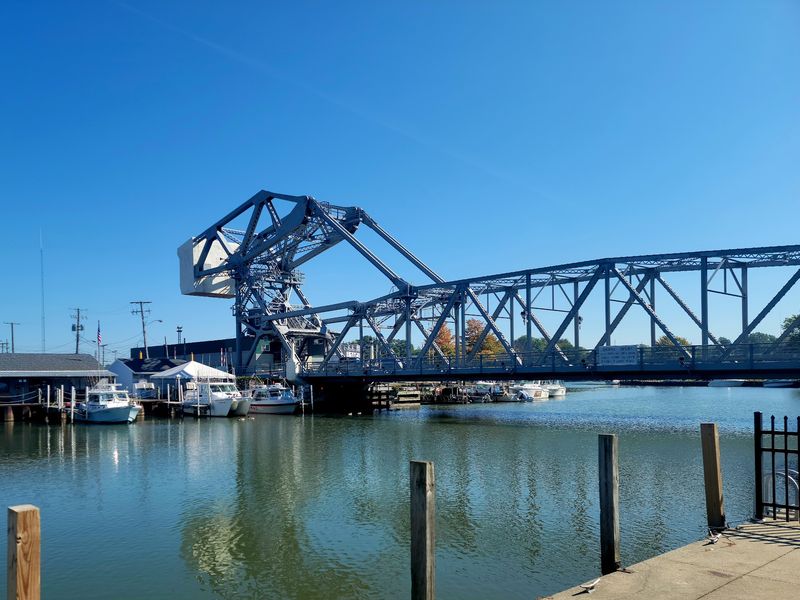
A lighthouse has guided vessels into Ashtabula Harbor since 1836. The structure seen today came later, but it still makes a striking companion to the city’s Lake Erie shoreline.
Historic Bridge Street is a natural place to begin exploring. Brick storefronts lead toward the Ashtabula River, where a lift bridge built in 1925 continues to give the waterfront its distinctive character.
The Ashtabula Maritime and Surface Transportation Museum adds another piece of local history, occupying a former lighthouse keeper’s home built in 1871.
Here’s the fresh development story: in October 2026, state officials marked the completion of downtown revitalization improvements.
The work brought updated sidewalks, streetlights, directional signs, and improvements to 22 building facades. That’s tangible reinvestment, rather than a rumor about unfamiliar buyers taking over entire neighborhoods.
The waterfront gives Ashtabula a character quite different from the Columbus suburbs elsewhere on this list.
Beyond Bridge Street, shoreline parks and the county’s historic covered bridges add outings worth building a weekend around.
Walnut Beach Park offers a broad sandy shoreline where you can enjoy Lake Erie views and spot the historic lighthouse in the distance.
Public improvements can support businesses and tourism without implying a surge in speculative home purchases. The revitalized streets are reason enough to take a closer look.
9. Chillicothe
Being the capital of Ohio once was impressive. Chillicothe pulled it off twice, serving as the state’s first and third capital before Columbus became the permanent seat.
Now the city’s former paper mill has a new chapter underway. After manufacturing ceased in August 2025, U.S. Paper Mill acquired the property that October.
By September 2026, more than 180 people were working across the site, and preparations were underway to restart one paper machine by December.
Up to 350 additional jobs are projected, rather than confirmed. A separate proposal would use a small portion of the complex for a data hall and electronics manufacturing, with plans still being evaluated.
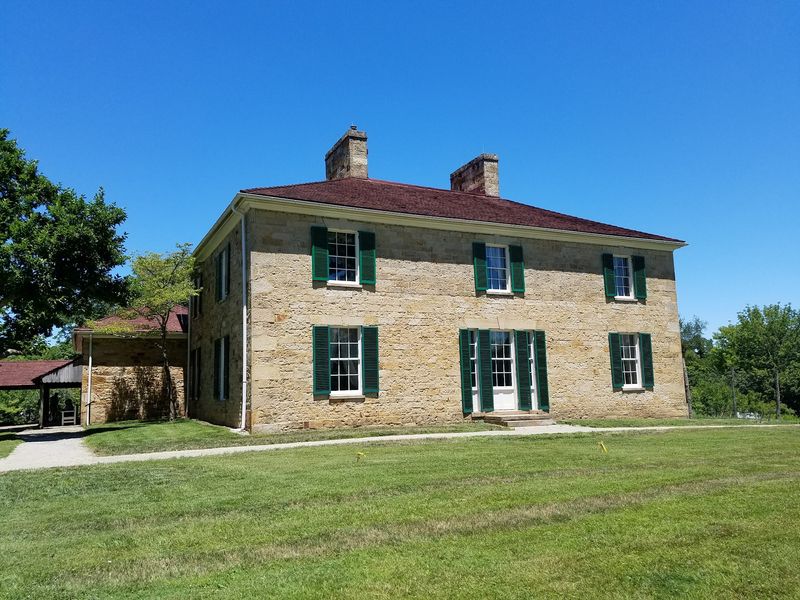
The Hopewell Culture National Historical Park preserves remarkable ancient earthworks, while Adena Mansion and Gardens at 847 Adena Rd tells the story of early statehood through a hilltop estate.
Yoctangee Park is also undergoing major improvements, with plans for an amphitheater and a permanent farmers market space.
The Pump House Center for the Arts occupies a former pumping station built in 1883 and hosts art exhibitions inside the historic building.
The mill purchase represents industrial investment, not evidence of mass home purchases.
Still, the prospect of production returning gives this historic town a particularly compelling story for 2026.