This Non-Profit Ohio Craft Thrift Store Is A Treasure Trove For Artists And Makers
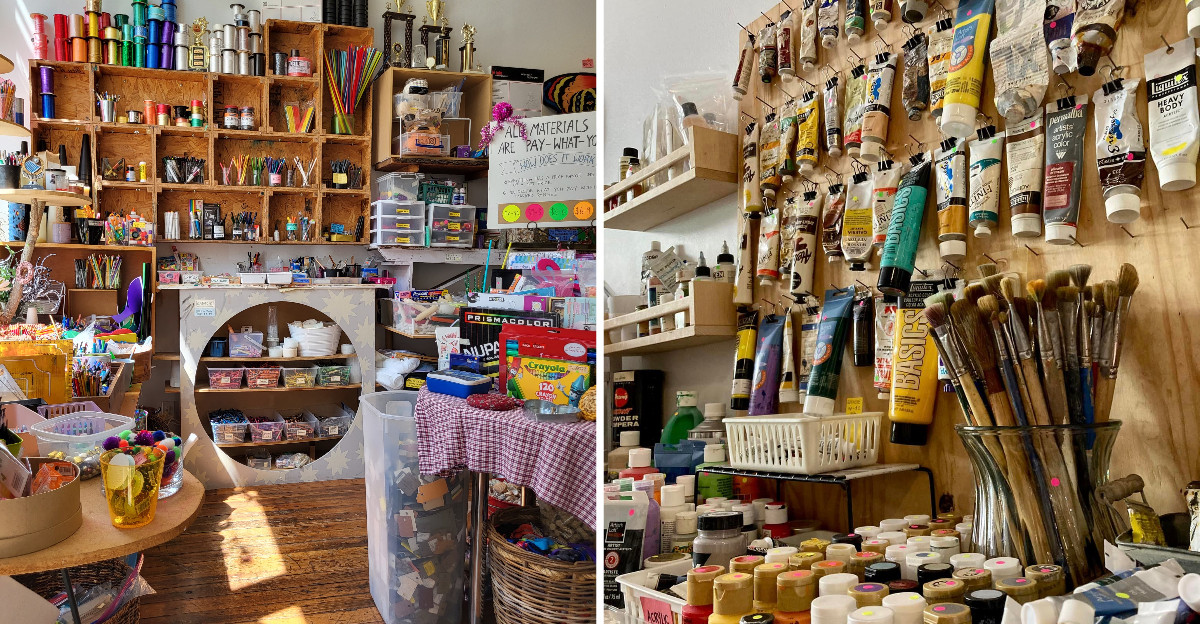
You set the price for your art supplies here. Paint, yarn, beads, and printmaking tools all run on a pay-what-you-can system.
Everything on the shelves arrived as a donation. Leftover craft stashes and half-used kits get a second life instead of a trip to the landfill.
This Ohio shop is basically a thrift store built only for artists and makers. The stock changes constantly, so no two visits look quite the same.
I’m curious what odd treasure is sitting on those shelves right now. A pasta machine once turned up, so honestly, anything seems possible.
A Thrift Store Where Every Shelf Is Craft Supplies
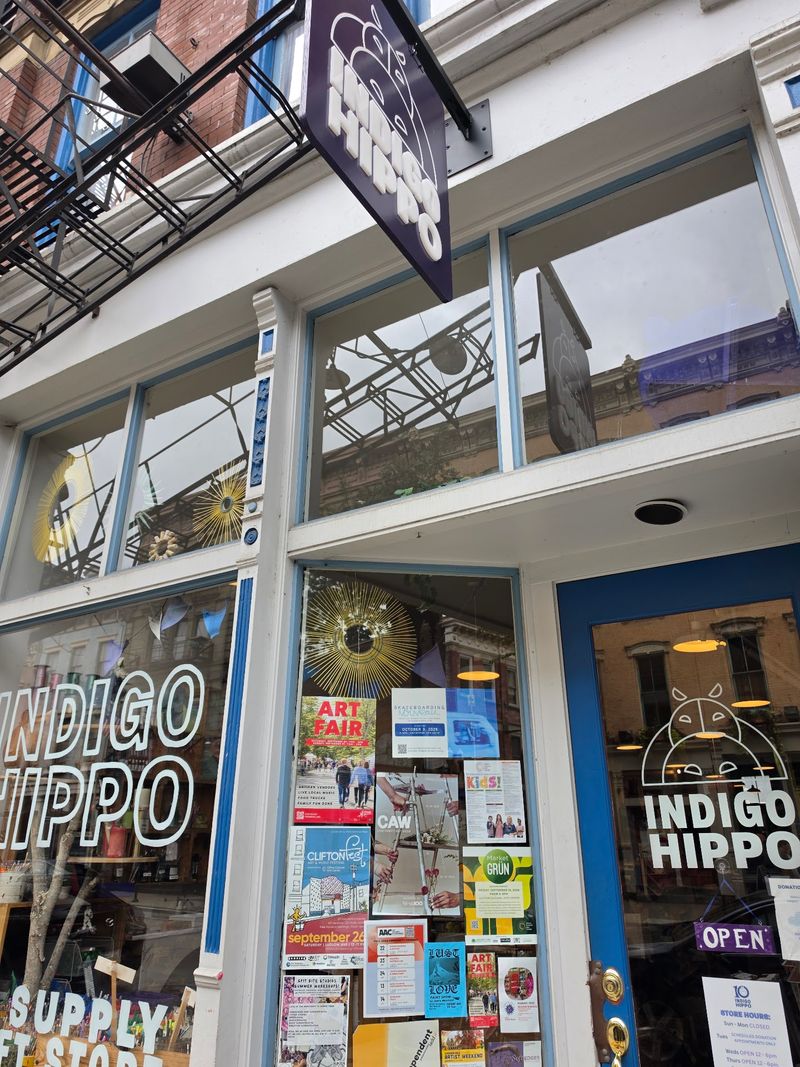
Most thrift stores make you dig past old sweaters to find one lonely box of markers. Indigo Hippo skips the sweaters entirely and goes straight to the good stuff.
This Cincinnati shop is a creative reuse center. Instead of stocking new collections from wholesalers, it gives donated art materials another chance to become something useful.
Paintbrushes, sketchbooks, fabric, beads, and unusual craft tools share the space. Donations come from people clearing out closets, artists sorting their studios, and organizations with supplies to spare.
A forgotten length of ribbon might become part of a costume, while leftover paper finds its way into a school project or handmade card.
The organization is a registered 501(c)(3) nonprofit, with a mission to make creativity more accessible and reduce material waste. It also shares supplies with other community organizations when suitable materials are available.
That matters to Ohio makers who enjoy experimenting without buying an entirely new kit for every idea. The whole idea is pleasingly simple: let the next artist decide what a donated material can become.
You Get To Name Your Own Price At The Register
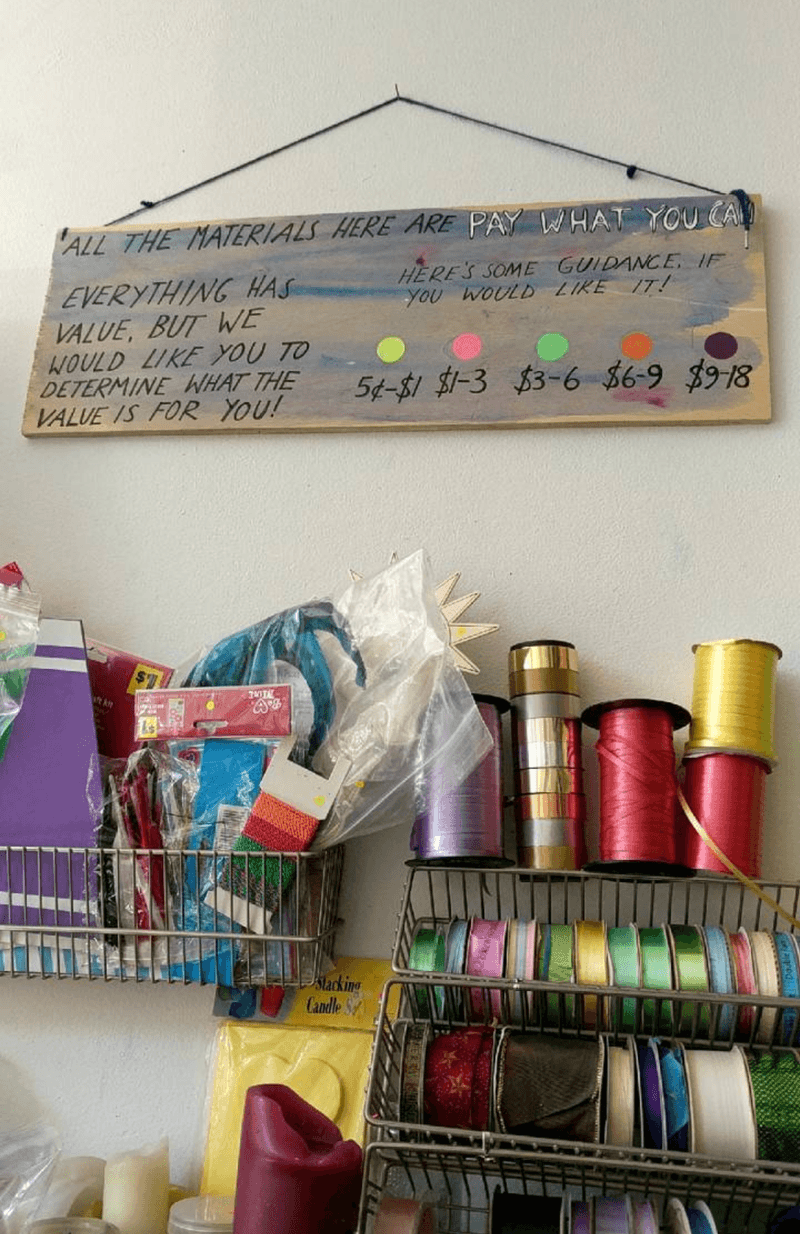
Pay-what-you-can sounds a little nerve-wracking at first. Nobody wants to guess wrong when it’s time to check out.
Good news, though. The shop sorts merchandise using color-coded stickers that indicate suggested payment ranges. You choose an amount that fits what you can comfortably contribute.
The system arrived in 2017, a year after the center opened.
Materials are assessed according to their condition and original retail value before being placed into the flexible payment structure. Some surplus items even land on a Free Shelf.
That approach makes it easier to explore a hobby before investing in every supply imaginable.
Someone curious about watercolor might pick up a few brushes and sheets of paper, while an experienced crafter can add a particular tool to an existing collection.
Paying more when possible helps the nonprofit continue offering materials to other shoppers. Here’s a practical tip: buy only what your project needs.
A handful of buttons or a small stack of paper can be enough for a great idea, and your craft drawer gets to keep some breathing room.
Good Luck Predicting What Lands On The Shelves Next
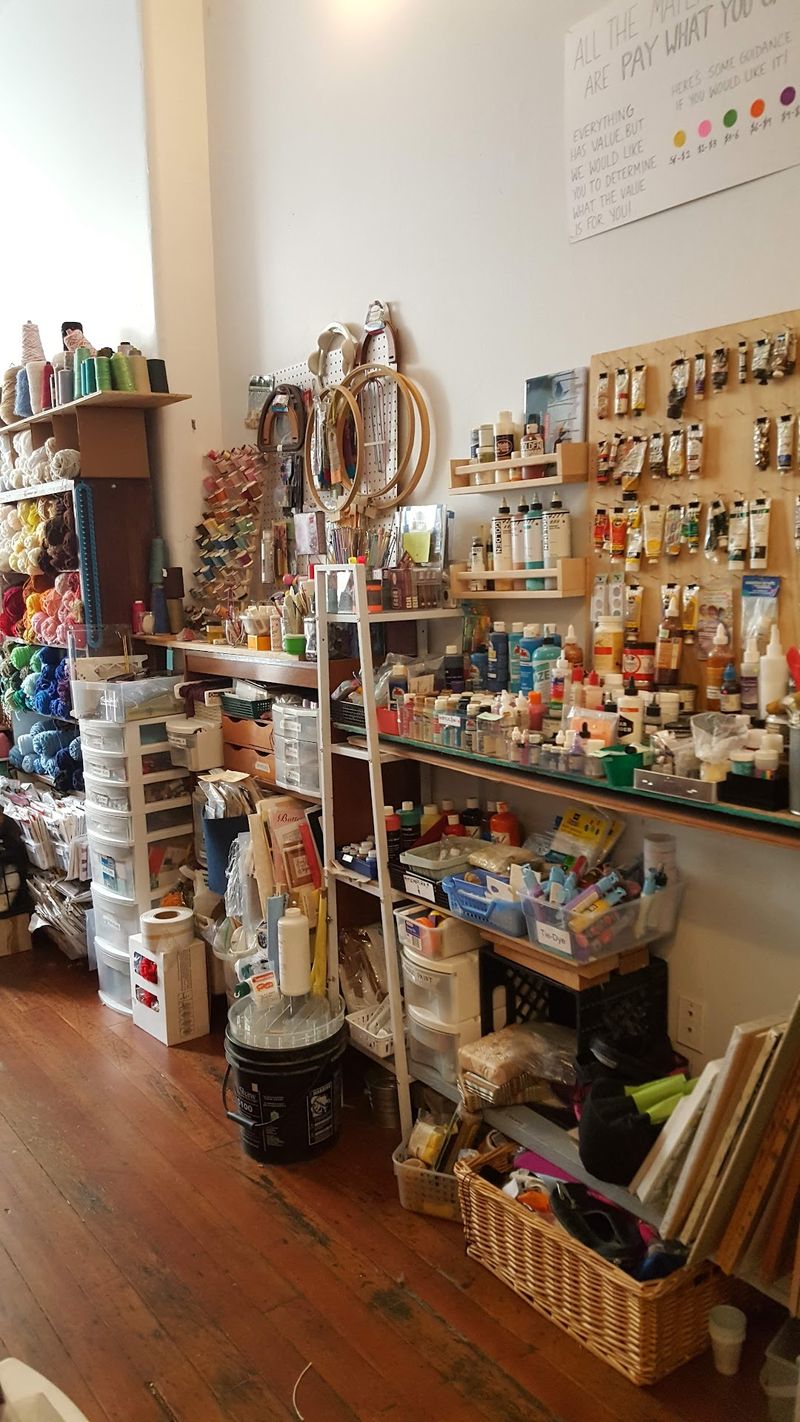
Yarn, beads, chalk pastels, zippers, and buttons. That’s just a warm-up for what might be sitting in the bins on any given day.
The inventory changes with each round of donations. Paint and printmaking supplies share space with fabric, sewing notions, stamps, stickers, collage materials, frames, and small tools.
There are also categories for paper goods, office supplies, floral materials, and craft kits.
The stranger possibilities are especially fun. Pasta machines appear among the tools the center can accept, alongside brayers, carving tools, and other equipment with creative uses well beyond their original purpose.
Donated materials have to meet cleanliness and usability standards. Staff and volunteers sort incoming items and test supplies such as markers before putting them out for shoppers.
Still, the selection is unpredictable by design, so finding a precise brand or matching set isn’t guaranteed.
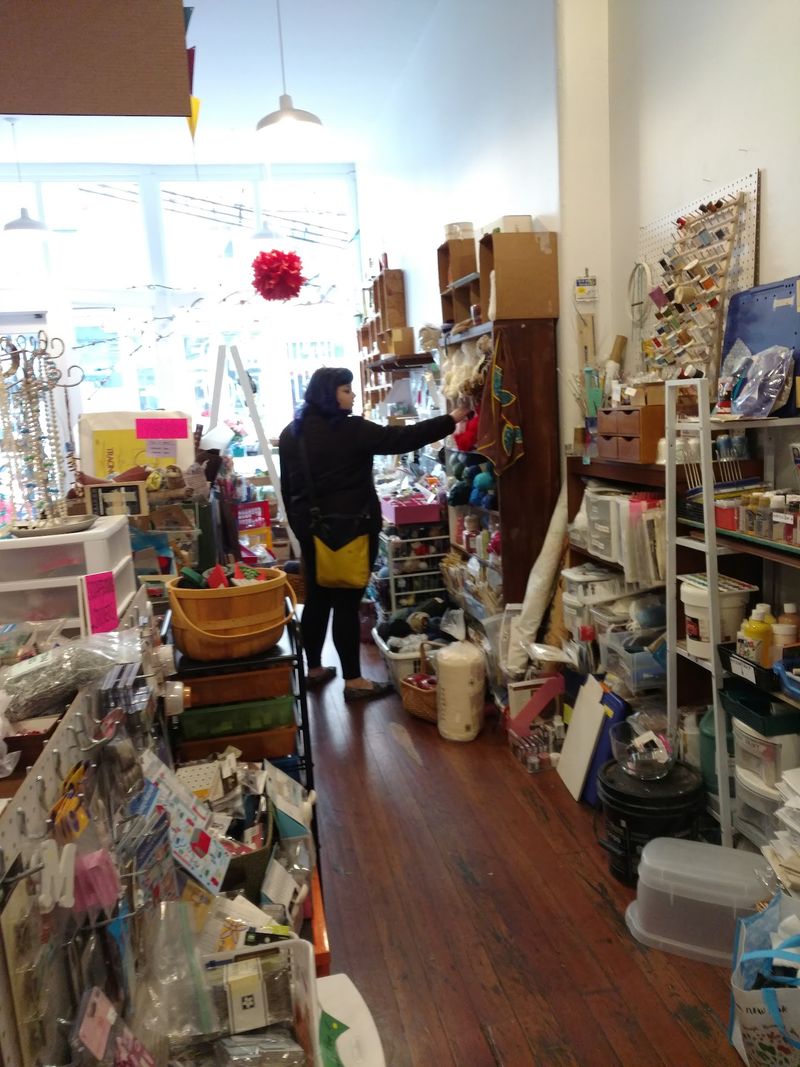
Come with a loose project in mind rather than an exact shopping list. That element of surprise is what makes this Ohio craft stop feel more like a treasure hunt than an ordinary shopping errand.
A Few Design Graduates Had A Bold Idea In 2016
Back in March 2016, creative reuse was a fresh idea for Cincinnati.
A group connected to the University of Cincinnati’s College of Design, Architecture, Art and Planning helped bring Indigo Hippo to life.
The first storefront opened on Main Street in Over-the-Rhine, giving local artists a place to pass along materials that still had plenty of creative potential.
An earlier business at the original address had also sold art supplies, but Indigo Hippo introduced a nonprofit mission built around reuse and community access.
A year later, the organization adopted its pay-what-you-can system. That shift made accessibility a central part of daily shopping, rather than simply a goal printed on a mission statement.
The center has continued building relationships with artists, educators, and other community groups. In March 2026, Indigo Hippo celebrated its tenth birthday.
Ten years is a meaningful milestone for a small organization powered by donations, volunteers, and an enthusiastic local arts community.
What began as a practical way to keep supplies in circulation has become a familiar part of Cincinnati’s creative life.
More Than 200,000 Pounds Of Materials Found Another Purpose
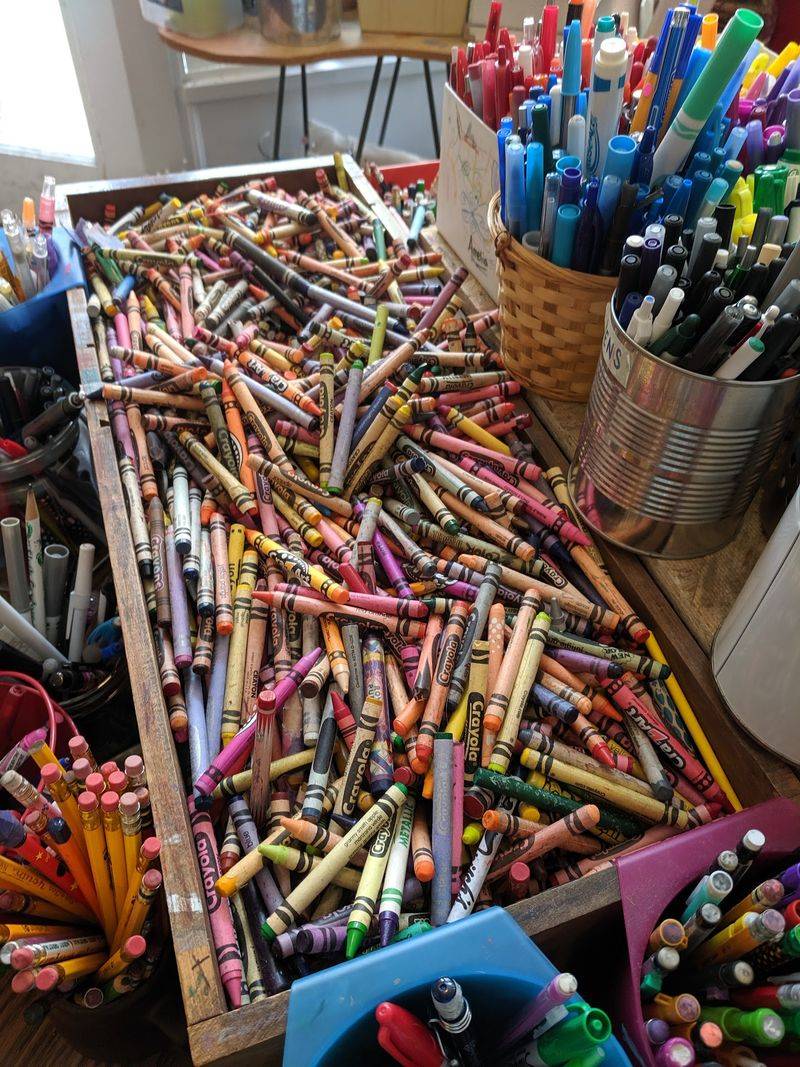
More than 200,000 pounds. That’s how much creative material Indigo Hippo had redirected from the waste stream by 2024, eight years after opening.
Rather than treating usable leftovers as rubbish, the center puts them back into circulation through its shop and community partnerships.
This is where your own overflowing craft closet comes in. Donated items can include acrylic paint, canvas, sketchbooks, beads, embroidery materials, and tools.
The organization also distributes larger quantities to schools, community centers, camps, and arts groups when possible.
There are a few ground rules. Supplies must be clean, usable, and organized by category.
Small donations can be dropped off during shopping hours, while larger collections require an appointment. The center temporarily pauses certain categories when storage areas are full.
Its July 2026 donation guide, for example, lists holiday decorations, some photography supplies, and fabric samples among materials temporarily on hold. Paint, markers, canvas, and yarn are among its particularly useful needs.
The result is more than cleared closet space. Materials that once occupied a forgotten shelf can become part of another person’s next project.
Local Artists Get Wall Space And A Real Payday
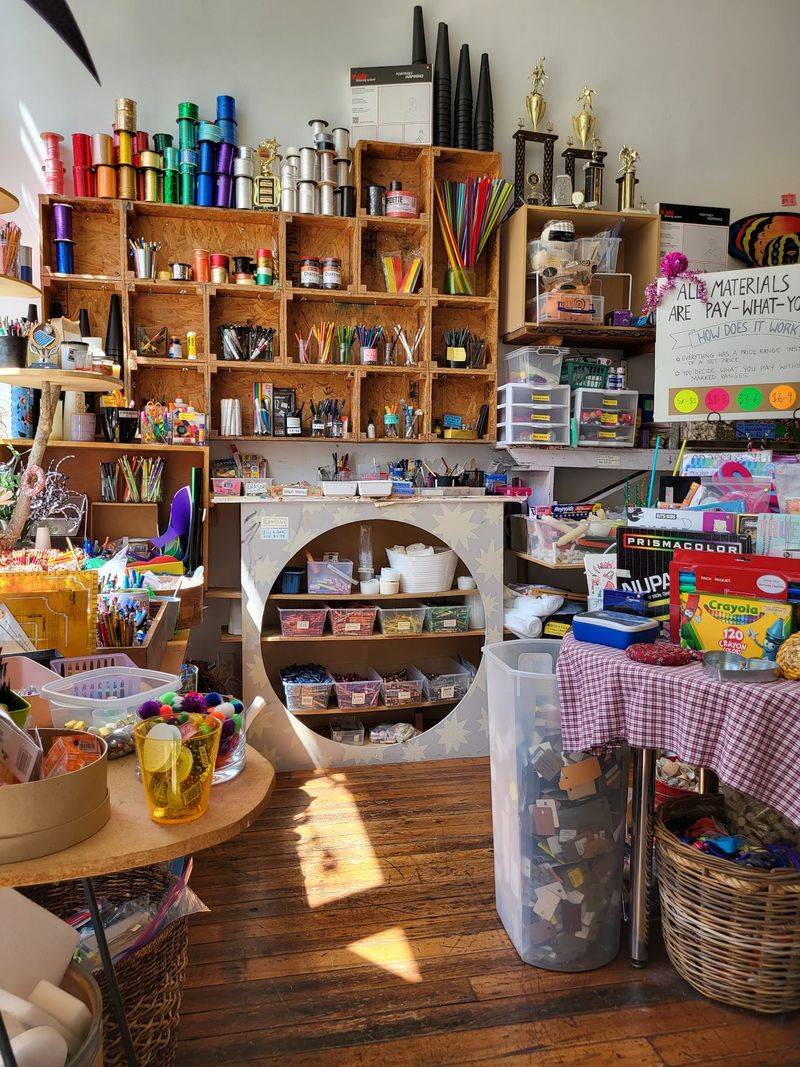
Shopping comes with a side of art viewing here.
Indigo Hippo’s Community Gallery gives regional artists a place to show finished work inside a store full of raw creative materials.
The gallery program runs quarterly, with exhibitions normally on display for four weeks.
Artists keep 60 percent of proceeds from artwork sales, while the remaining 40 percent supports the nonprofit’s mission. Local artists working with reused or recycled materials receive particular consideration.
Receptions are often held on Final Friday, when the neighborhood’s art community has another reason to gather. The creative work reaches beyond gallery walls.
Indigo Hippo’s Material Play program offered six free workshops between April and September 2026, with projects including collage poetry, a fabric bucket hat, and screen printing on reused textiles.
Sessions took place at partner spaces, with materials supplied by the organization. It’s a useful connection between looking at art and actually making something.
The gallery celebrates finished pieces, while the workshops invite people of different ages and experience levels to experiment with the materials themselves.
Mark Your Calendar For ReMADE And The Holiday Show
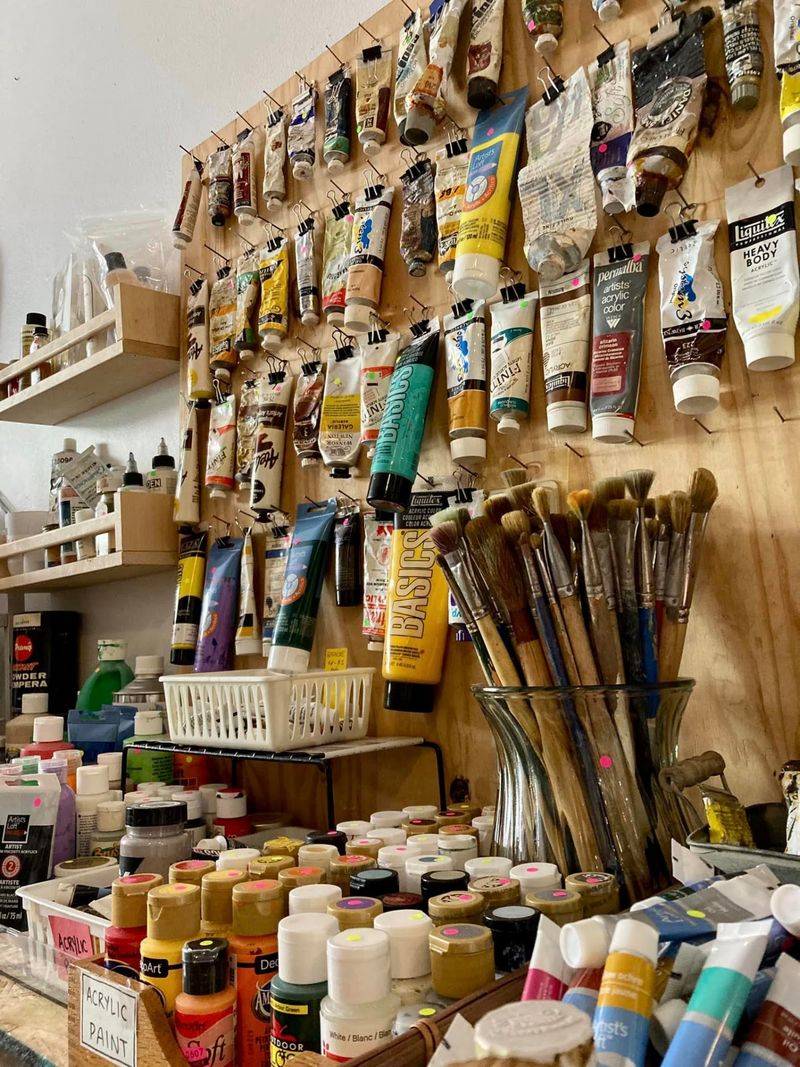
Some events deserve their own place on the calendar.
ReMADE, Indigo Hippo’s annual sustainable art fundraiser and gallery gathering, returns Friday, December 4, 2026.
This year’s event also celebrates ten years of the organization. It takes place from 6 to 9 p.m. at Site 1212, 1212 Jackson St, in Cincinnati, rather than inside the small Main Street store.
Artists contribute original works for a fundraising exhibition and auction, while music and community activities make the evening about more than browsing art. Admission requires a ticket, and the proceeds support the creative reuse program.
Then there’s the Annual Holiday Gift Show. The 2026 exhibition opens December 17 and continues through February 13, 2027, featuring handmade jewelry, ceramics, small artworks, prints, knitted goods, greeting cards, and ornaments.
Unlike the fundraiser, the gift show brings artisan-made pieces into the shop’s regular setting.
If you enjoy Ohio’s independent arts scene, these two events reveal different sides of the same organization: one gathers support for its mission, while the other creates a seasonal showcase for handmade work.
Plan Your Trip To This Over-The-Rhine Storefront
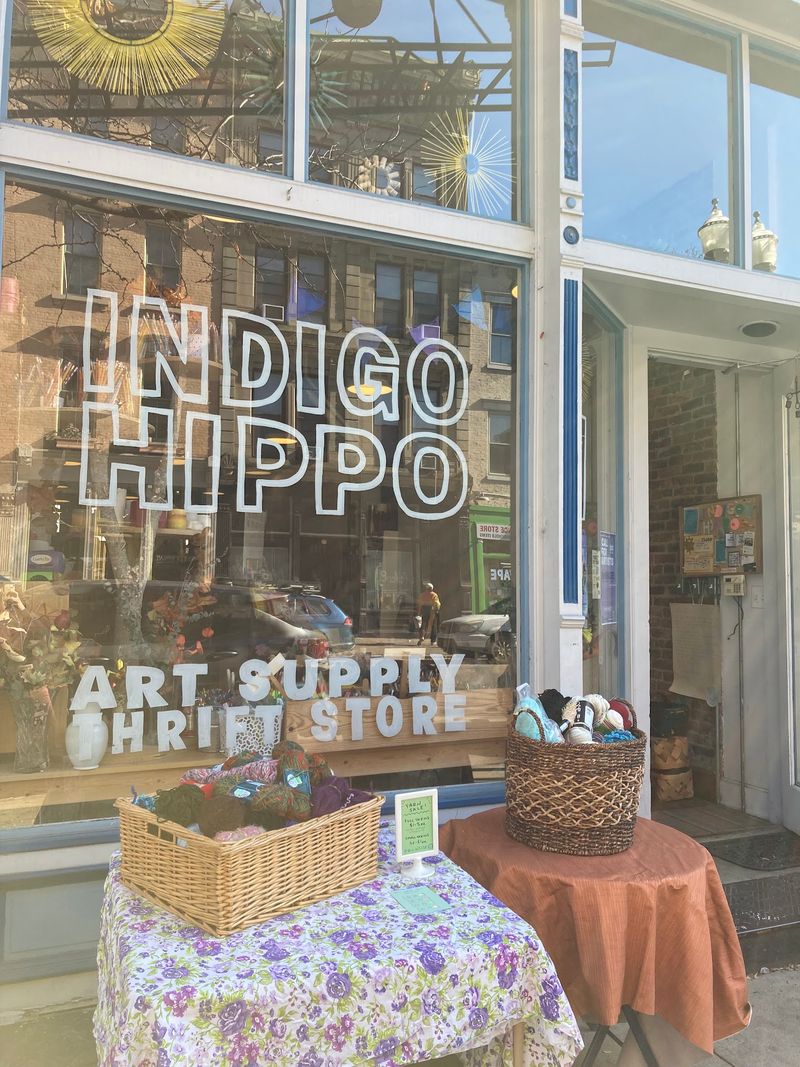
Over-the-Rhine makes a great backdrop for an afternoon of creative treasure hunting.
Historic Cincinnati storefronts surround Indigo Hippo, and there’s plenty to explore after you’ve finished sorting through the craft bins. You’ll find the shop at 1334 Main St, Cincinnati, OH 45202.
Its regular in-store shopping hours are Wednesday through Saturday from noon to 6 p.m. Sunday and Monday are closed, while Tuesday is generally set aside for donations and other behind-the-scenes work.
Bring a loose list, a reusable shopping bag, and enough time to examine the changing shelves. There’s a handy online shop for checking certain supplies ahead of time, although orders are arranged for local pickup rather than shipping.
If you’re dropping off a small donation, the center accepts amounts no larger than roughly one or two shoeboxes during ordinary shopping hours. Anything larger should be scheduled separately, with the current acceptance list checked first.
Visitors traveling from elsewhere in Ohio can combine the stop with a longer walk through the surrounding district. Then comes the fun part: deciding what to make with whatever came home in your bag.