Connecticut Has A German Sausage Factory Dating Back To 1933 That Still Keeps Old-World Traditions Alive
Imagine learning a family sausage recipe from someone who learned it from their grandparents. Now think about how much history could fit into a business that’s been around since 1933.
Pretty impressive, isn’t it?
Old-fashioned sausage making involves more than mixing meat with seasoning. There are techniques to learn and flavors people remember from childhood, especially when traditional recipes remain part of the business.
One Connecticut sausage producer has been keeping its German-inspired food traditions alive for generations.
That’s what caught my eye.
I love the thought of a company staying connected to its roots while the world around it changes.
And for anyone who enjoys traditional sausages, knowing there’s a long history behind the food makes it even more interesting.
1. Two Brothers, One Bankrupt Kitchen, And A Very Good Deal
What can $1,000 and two skilled sausage makers build? Apparently, a business that lasts for generations.
Back in 1933, brothers William and Robert Hummel purchased a bankrupt New Haven business called Phil’s Sausage Kitchen. They had big plans for the little operation, and they certainly knew their way around sausage making.
Both brothers had trained in Germany as Wurstmachers, or professional sausage makers. They brought their experience and a special spice blend into the business, using traditional techniques that helped shape its identity.
That small purchase eventually became Hummel Brothers, a company known for its hot dogs and other meat specialties.
The original shop operated on Congress Avenue in New Haven, where growing demand led to a plant expansion in 1955.
By 1972, the company had moved to the Long Wharf area, giving it more room to continue production.
Today, its offerings include hot dogs, corned beef, pastrami, and other traditional favorites.
What’s especially interesting is how much of the company’s story still connects to those early years.
Nearly a century after the brothers took over that struggling shop, their name remains familiar to generations of local families.
That’s quite a legacy for two brothers who simply knew how to make really good sausage.
2. Grandkids In White Coats Still Run The Show
White hats, white coats, and a family name on the building. That pretty much sums up how Hummel Brothers, Inc. operates today.
The third generation now runs the company, and they don’t manage from a distant office. Family members routinely join the inspection and production work right on the floor.
The company calls this a shirt-sleeve approach to business. It’s a fancy way of saying the bosses roll up their sleeves and check the product themselves.
Eric Hummel, the vice president of marketing, started working there at just 13. He loaded trucks and helped in the deli on weekends.
That’s one way to learn the family business from the ground up.
The family also holds onto sweet memories tied to the factory. Relatives have shared stories of watching Fourth of July fireworks from the roof.
I believe that personal connection shows up in the quality-first philosophy the founders started. When your grandparents’ names are stamped on every package, cutting corners feels personal.
It’s rare to find a food company that still feels this much like a family kitchen. That old-world spirit clearly hasn’t gone anywhere.
3. The Factory Moved To Long Wharf Before Long Wharf Was Cool
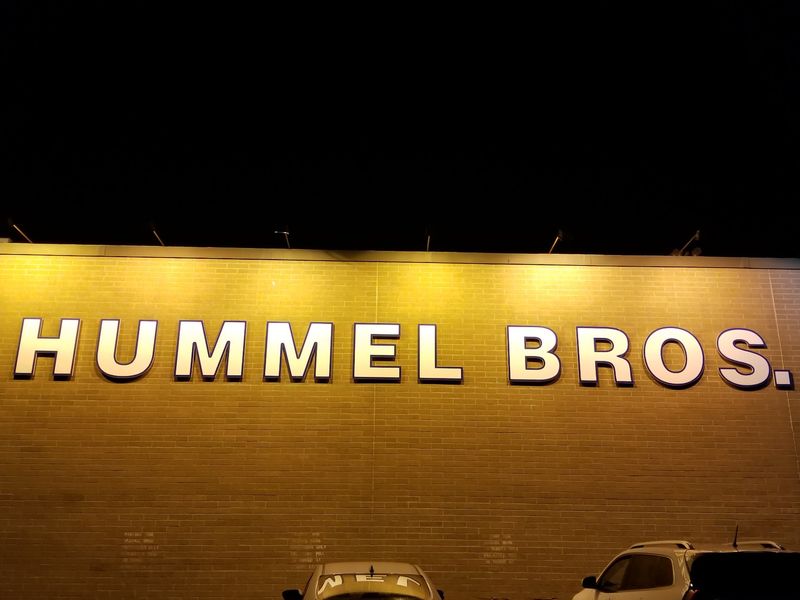
By the early 1970s, the old Congress Avenue plant simply ran out of room. Too many hot dogs, not enough elbow space.
So the family built a new state-of-the-art processing plant in the Long Wharf Food Terminal Area. It officially opened in 1972, with construction wrapping up in 1973.
Here’s a fun detail. The Long Wharf area was brand new back then, and very few other buildings stood nearby.
The Hummels were early neighbors in a part of town that later filled in around them.
The facility kept growing too. An addition came along around the late 1990s, giving the company even more space for production.
You’ll find it today at 180 Sargent Drive, New Haven, CT 06511. The spot sits close to Interstate 95, which makes it handy for anyone passing through the city.
Inside, the plant holds smokehouses where products get their flavor. Real hickory smoke does the work here, not shortcuts from a bottle.
It’s a working factory first, so don’t expect a theme park. Still, knowing what happens behind those walls makes stopping by feel a little special.
4. Skinless Franks And Georgia Red Hots Rule The Lineup
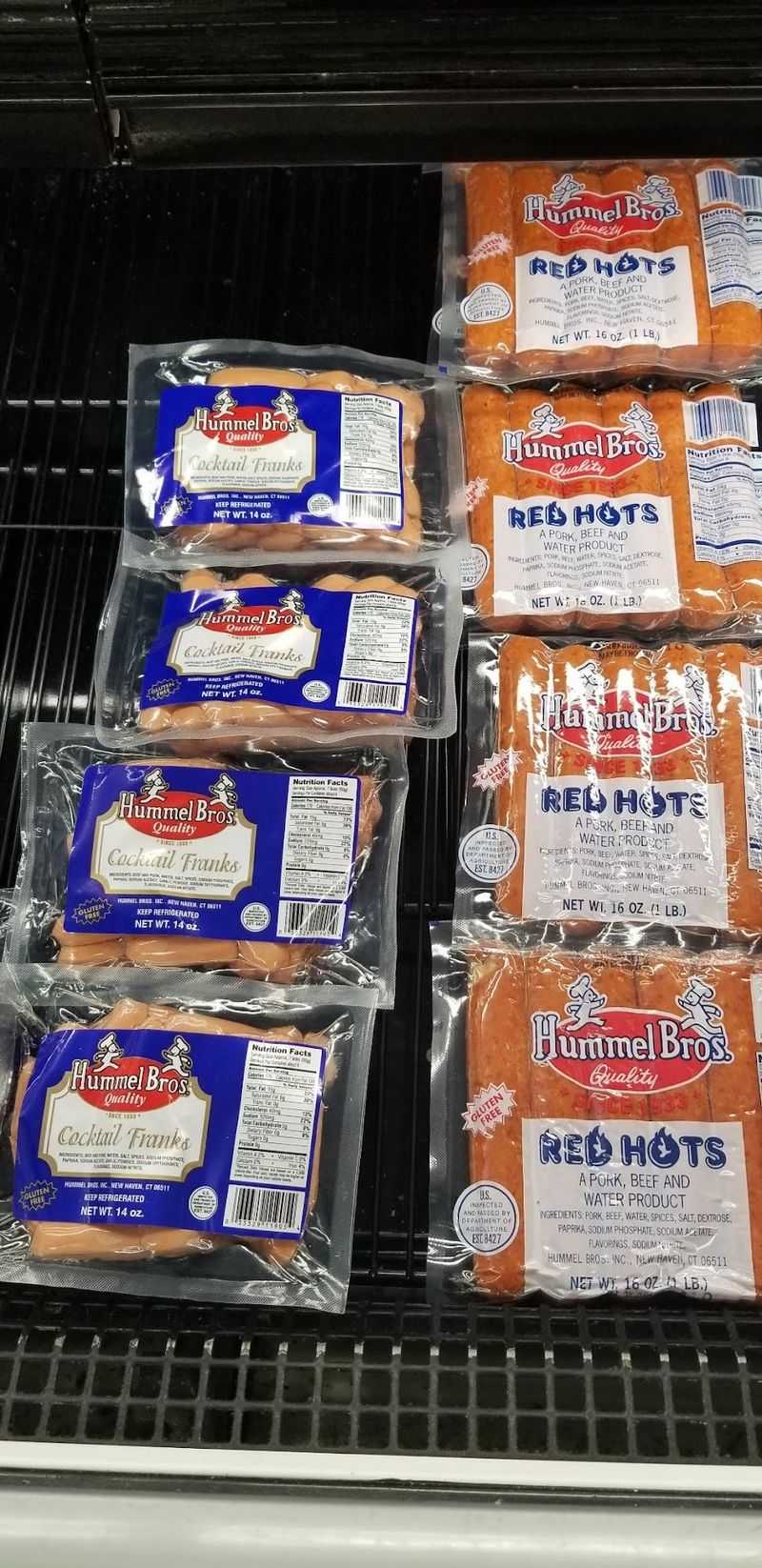
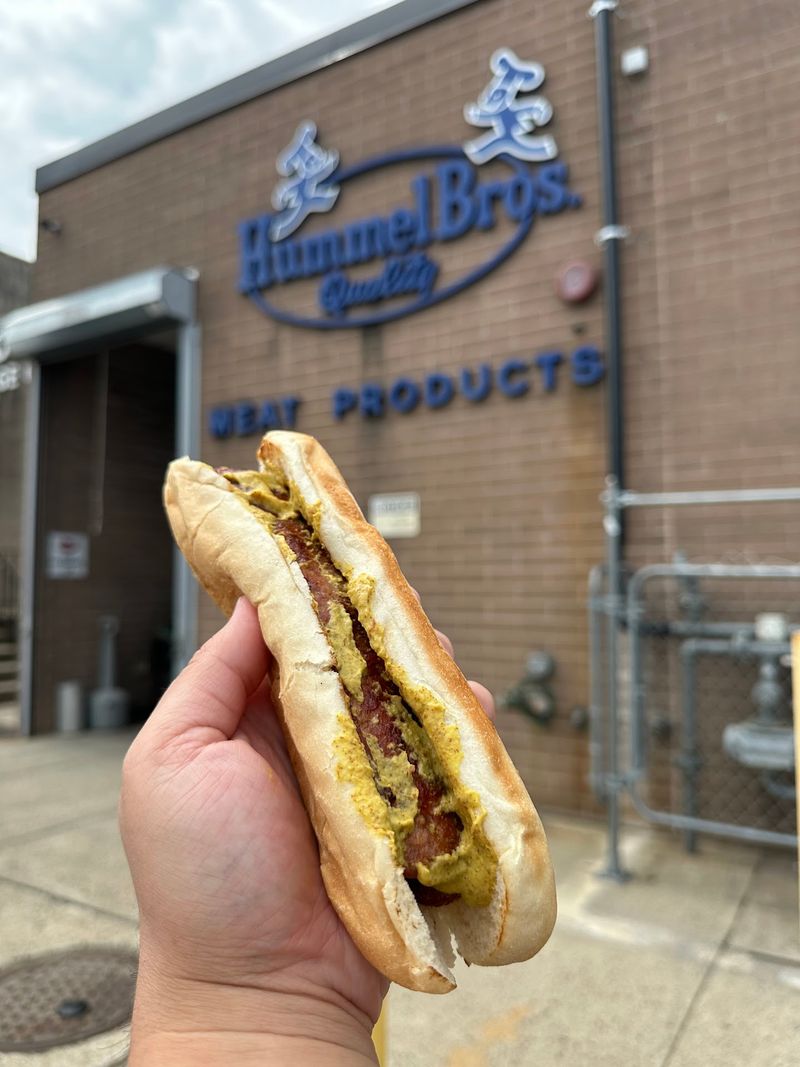
Hot dogs are the headliners, and the company makes no secret about it. Two names stand out in the lineup: the Skinless Franks and the spicy Georgia Red Hots.
The Georgia Red Hots bring a little kick for folks who like their cookout with some attitude. The Skinless Franks keep things classic for everyone else.
Hummel Brothers, Inc. also offers natural casing hot dogs. Those give you that satisfying snap when you bite in, which is half the fun of a good frank.
What goes into them matters just as much. The company uses the best cuts of meat, all-natural spices, and no fillers.
They also get real hickory smoke in the factory smokehouses. That old-world method traces right back to the brothers’ training in Germany.
Planning a backyard party? These dogs work on the grill, in a pan, or boiled the old-fashioned way.
Pick your method and let the flavor carry the meal.
I can’t imagine a more fitting tribute to a pair of Wurstmachers than a summer grill loaded with their franks. Toppings are your call, of course.
5. They Ditched The Red Dye Before It Was Trendy
Remember when hot dogs glowed an almost cartoonish red? Plenty of brands used artificial dye to get that look.
Hummel Brothers took a different path. The company was one of the first to remove artificial red dye from its hot dogs.
That choice took some courage. Shoppers were used to bright red franks, so the family had to teach people why a natural color made sense.
They spent time educating the public about the health benefits of natural-colored frankfurters. In other words, they convinced folks that a hot dog didn’t need to look like a fire truck.
That move fits right in with the rest of their approach. All-natural spices, quality cuts of meat, and no fillers all point in the same direction.
I like how this shows the old-world mindset isn’t stuck in the past. Sometimes keeping tradition alive means making smart changes that respect what the founders believed.
The brothers came from a craft built on simple, honest ingredients. Dropping the dye was really just a return to those roots.
Next time you open a pack, notice that color. It tells a story too.
6. More Than 26 Meats Live Behind That Famous Name
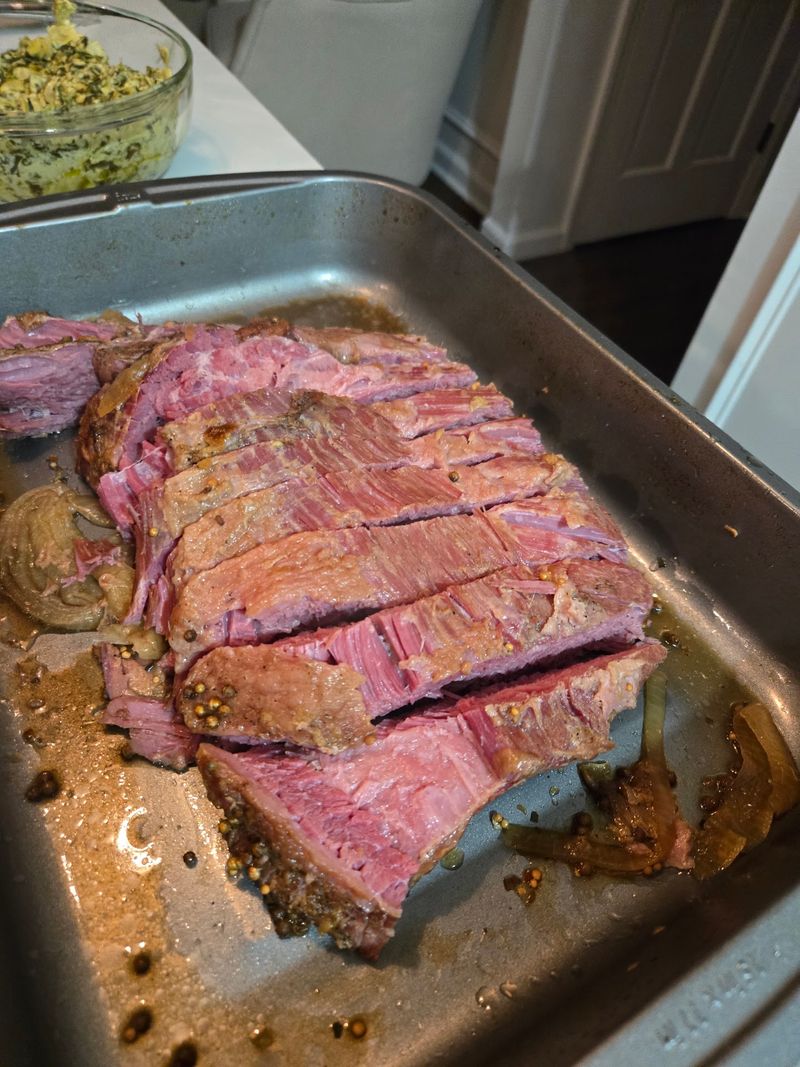
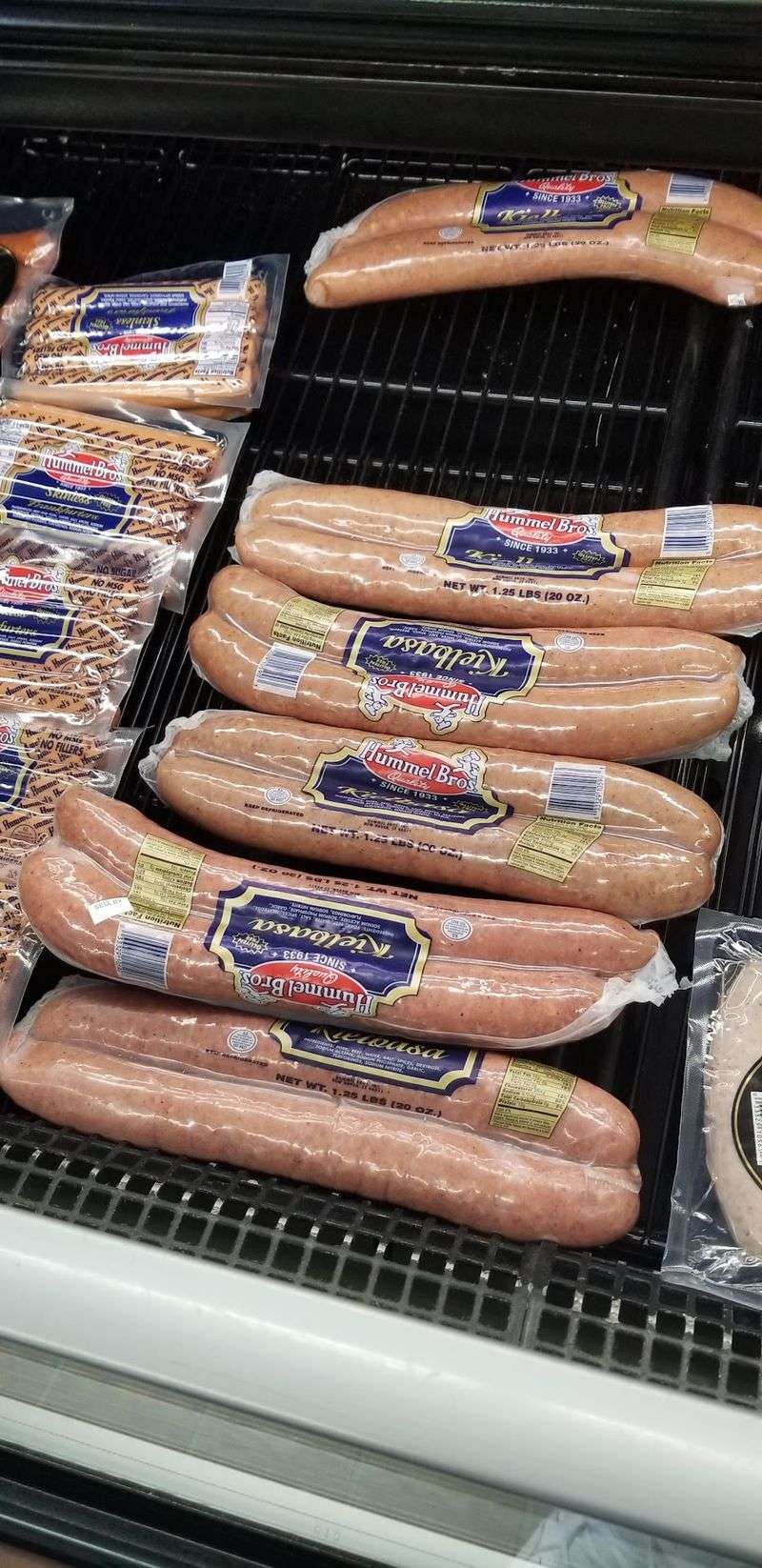
Kielbasa, bologna, liverwurst, corned beef, and ham. That’s just a sampling from a company that produces more than 26 different meat products.
Hot dogs grab the spotlight, but the supporting cast is seriously strong. Hummel Brothers, Inc. has quietly built a whole deli case of smoked and cured favorites.
Holidays bring some stars out of the wings. Corned beef gets plenty of attention around St. Patrick’s Day, and hams show up for festive tables.
Kielbasa makes a handy choice for an easy weeknight dinner. Slice it, sear it, and toss it with peppers or potatoes.
Supper solved.
Bologna and liverwurst carry that old-school deli charm. They’re the kind of foods many families grew up stacking between two slices of rye.
Need ideas for using them? The company website features recipes, which can help when you’ve stocked up a little too enthusiastically.
Every product follows the same basic rules as the franks. Real hickory smoke, natural spices, and quality meat remain the backbone.
It’s a nice reminder that a sausage factory can do far more than one trick, and do it well.
7. You Can Grab Lunch Right At The Factory
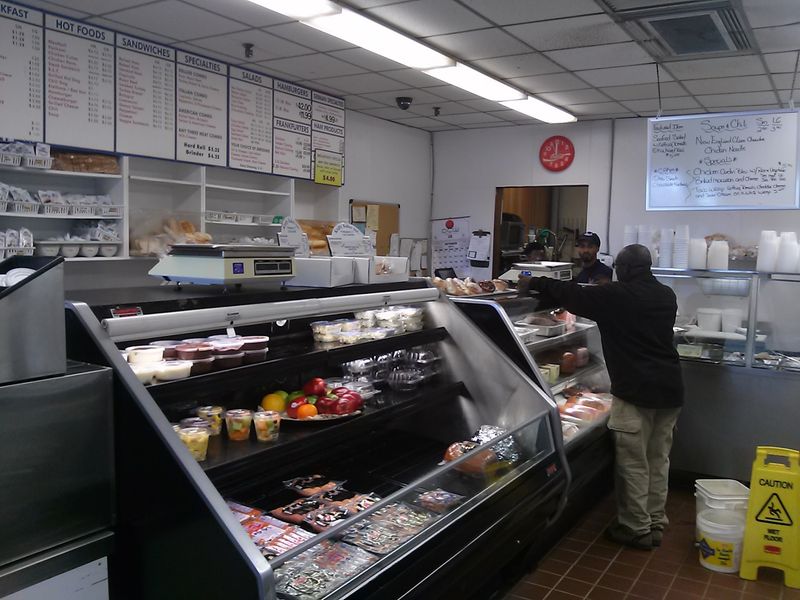
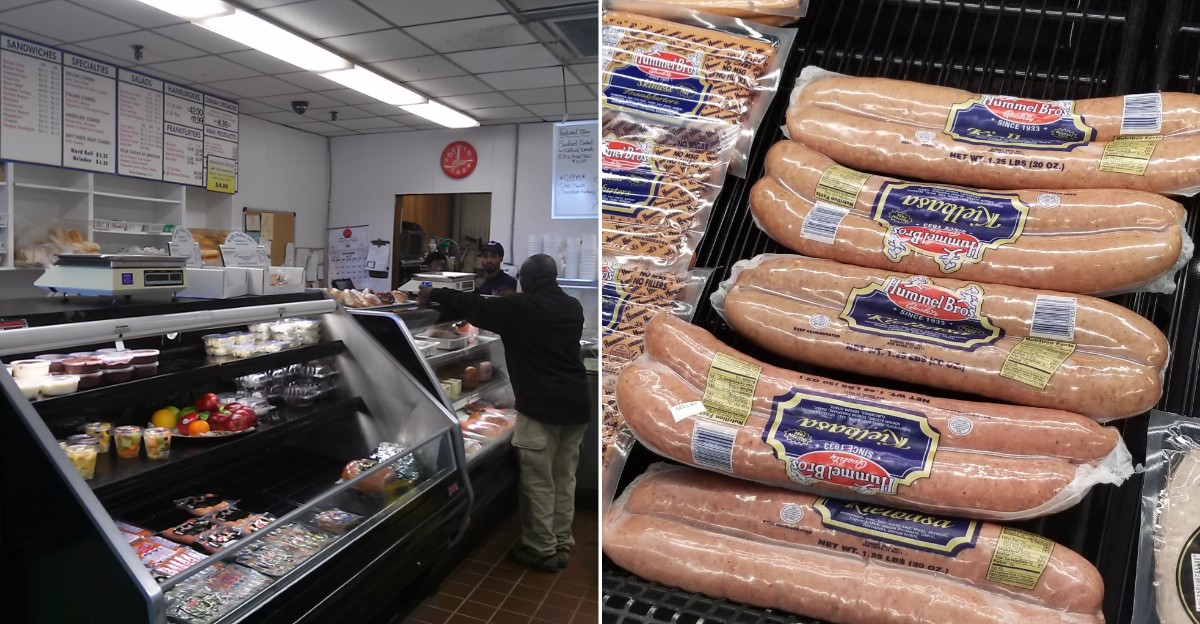
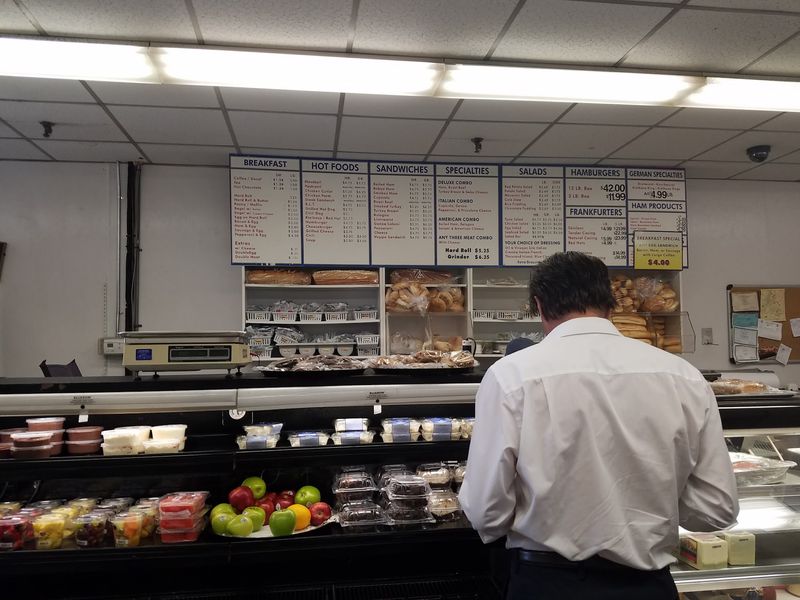
Factory tours aren’t the draw here, but lunch absolutely is. Hummel Brothers runs a retail storefront and deli right inside its New Haven factory.
Inside, you can buy packaged products straight from the people who make them. There’s something satisfying about skipping the middleman entirely.
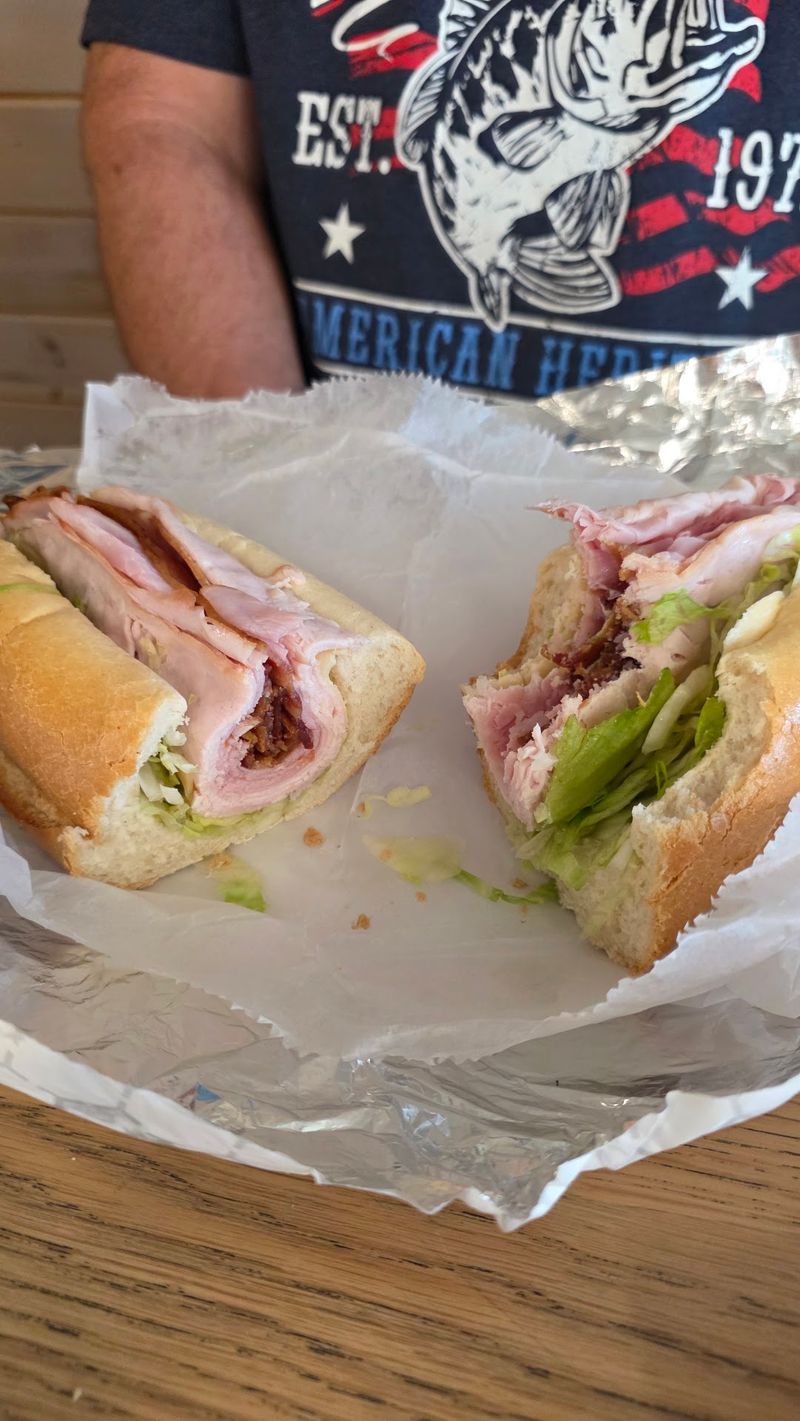
The deli also makes fresh sandwiches to order. A salad bar and daily hot offerings round out the choices for a quick midday meal.
Timing matters, so plan ahead. The store opens weekdays from 7 a.m. to 3 p.m. and closes on weekends.
That early start means you can swing by in the morning too. It’s handy if you want to stock the freezer before work.
Don’t expect fancy decor or white tablecloths. This is a working food plant with a straightforward shop, and that no-frills feel suits it perfectly.
I believe that’s part of the charm. You’re eating lunch a few walls away from where the smokehouses do their thing.
Bring a cooler if you’re driving far. Leaving with just one pack feels like a missed chance, and your freezer will thank you later.
8. Your Grocery Cart Might Already Know This Name
Not near New Haven? Good news for your cookout plans.
Hummel products show up in hundreds of grocery stores across Southern New England.
You can often find them at chains like Big Y and Stop & Shop. That makes grabbing a pack about as easy as picking up buns.
Restaurants serve them too. More than 50 eateries throughout the region feature Hummel Brothers, Inc. products on their menus.
That reach says a lot about a company that started with one bankrupt sausage kitchen. The brothers would probably be amazed to see their spice blend traveling this far.
Living outside the region? An online store lets you order products and have them shipped.
Homesick former state residents, this one’s for you.
I like that the family grew without losing its personal touch. Wider shelves didn’t mean cutting quality or chasing cheaper shortcuts.
Before your next summer gathering, check the meat case at your local market. You might spot that familiar name hiding between bigger national brands.
And if your store doesn’t carry them, the online shop is a solid backup. Nobody should face a grill without a decent hot dog.
9. New Haven Isn’t Just The Address, It’s The Team
Roughly 80 percent of the company’s employees come from New Haven itself. That’s a hometown commitment you don’t see from every manufacturer.
Hummel Brothers, Inc. has stayed rooted in the city since 1933. It moved across town once, but it never left.
That loyalty matters in a place where factories have come and gone over the decades. Keeping jobs local helps families and neighborhoods stay strong.
The family also carries memories tied to tougher times. The grandfathers recalled lines of people gathering for meat rations long ago.
Those stories add weight to the business today. The factory isn’t just a building; it’s a piece of the city’s working history.
The company aims for a consistent image of quality, cleanliness, and dependable service. Those three goals sound simple, yet they’re tough to keep up for nearly a century.
I can’t think of a better example of old-world tradition meeting modern Connecticut. Skilled hands, local workers, and a family that still shows up in white coats.
So next time someone asks what makes a great hot dog, you’ll have a story ready. It starts with two brothers and a thousand dollars.