This Connecticut Forest Has A Natural Spring Where Fresh Water Flows From The Ground
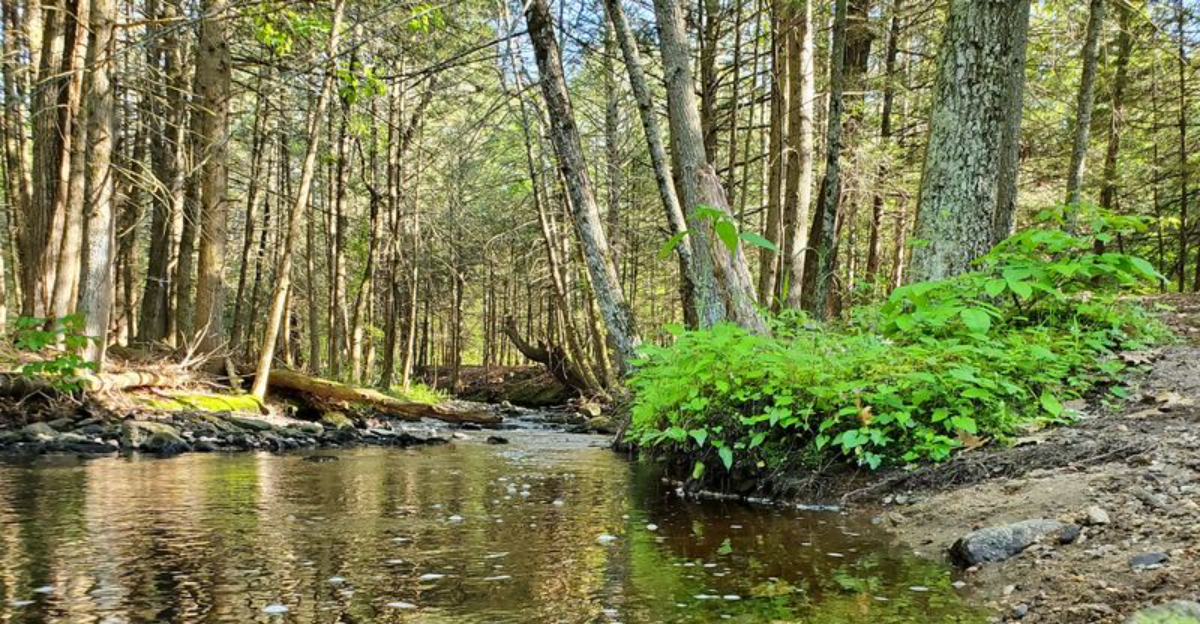
You could hike through these woods for the scenery alone and still come away happy. But there is a stranger little surprise hiding here.
Fresh water rises naturally from underground and has long drawn curious visitors who stop to see the spring for themselves. The setup feels wonderfully old-fashioned, almost like stumbling across a roadside secret from another era.
That detail gives this Connecticut forest an extra layer of personality beyond its trails and river views.
The surrounding landscape keeps the outing peaceful, with plenty of room to wander before or after finding the spring.
What makes the stop memorable is how unexpected it feels. You are walking through the forest, and suddenly the ground itself becomes part of the story.
It is a small discovery, but somehow that makes it even cooler.
1. This Huge Forest Spreads Across Several Towns
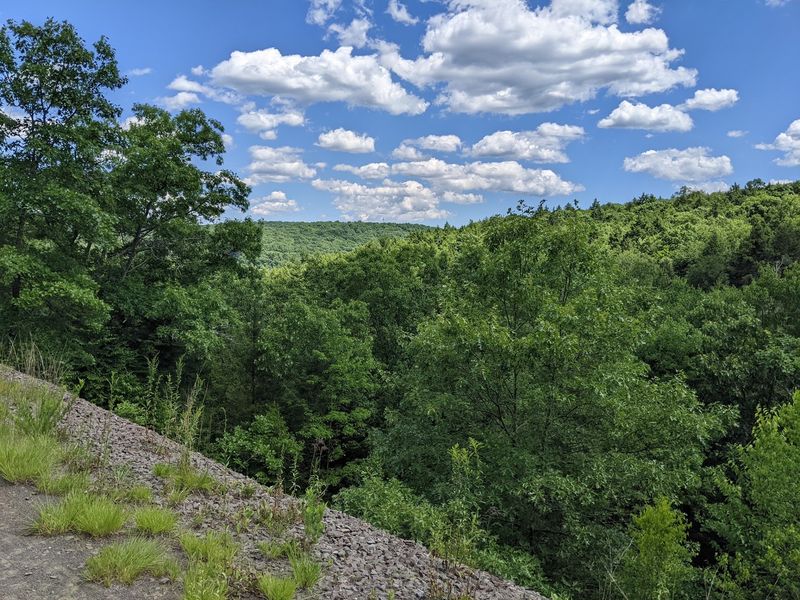
Miles of woods make the scale of this forest easier to appreciate than any acreage figure on a map.
Salmon River State Forest spreads across nearly 6,000 acres in Hebron, Marlborough, Colchester, East Haddam, and East Hampton, creating plenty of room for hiking, picnicking, fishing, and quiet time outdoors.
Its history reaches back to 1934, when the State Board of Fisheries and Game made the first land purchases. About 1,300 acres within the forest are leased from the federal government, adding to a landscape shaped by decades of conservation.
Hardwoods and conifers give repeat visits a different character throughout the year. Summer brings leafy shade, while cooler months open wider views through the trees.
Leashed pets are welcome on hiking trails and in picnic areas, making outings easier for visitors bringing a four-legged companion.
Recreation areas are open from 8 a.m. until sunset, while other forest sections can be entered from half an hour before sunrise until half an hour after sunset. The commonly used access area is along Route 16 in Colchester, CT 06415.
Because the forest stretches across several towns, choosing one trail or recreation area for each trip makes exploring its enormous landscape much more manageable.
2. The Salmon River Runs Through The Landscape
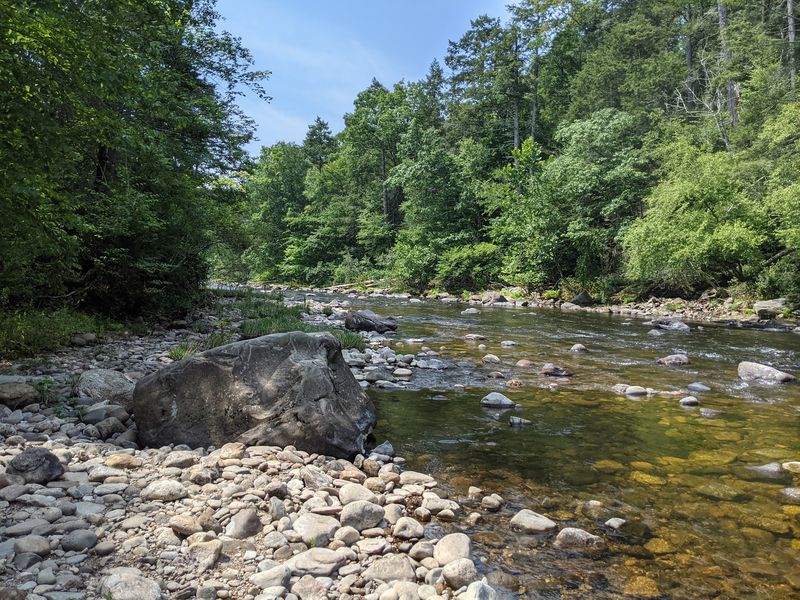
Water is the reason this whole place exists in the shape it does today. The Salmon River forms where the Blackledge and Jeremy rivers meet, about a mile west of North Westchester.
From there it travels 10.4 miles before joining the Connecticut River at Salmon Cove near Moodus.
The watershed drains roughly 96,000 acres and is likely the largest one with both its sources and its mouth entirely inside the state.
Long before hikers arrived, the river and its tributaries powered grist mills, tanneries, and paper mills. Traces of that working past still shape how the land looks along certain stretches.
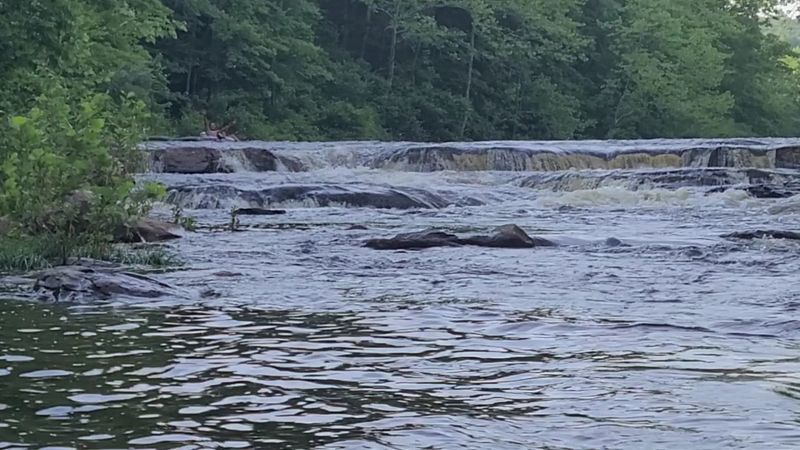
The river runs shallow in many spots, with rocky ledges and small pools that invite wading on warm days.
Sound carries well here, and the steady rush of moving water tends to soften the noise of nearby roads. Access is unusually easy, since several pull-offs sit close to the bank.
Atlantic salmon restoration efforts continue, and the river is stocked with salmon and trout.
Footing on wet stone can be slick, so sturdy shoes make riverside exploring far more comfortable.
3. A Small Spring Still Flows From Two Spigots
Two plain spigots, a bit of moss, and a steady trickle make up one of the most talked-about stops in the forest. The roadside spring sits on the south side of Route 16, with the associated address listed as 294 State Hwy 16, East Hampton, CT 06424.
No hiking is required, since the spigots stand within a few steps of the pavement. Parking works best in the nearby pull-off areas along Route 16 inside the state forest.
The double-spigot setup was clearly built with jugs and bottles in mind, and the flow is usually steady rather than dramatic.
Rolling hills and glacially carved terrain across this part of the state help push groundwater toward the surface, which explains why springs like this appear at all. Pulling off safely matters more than speed here, since Route 16 carries regular traffic.
A short visit is often enough, though some people linger to listen to the water.
Bringing a container with a wide opening makes filling easier and reduces spills onto shoes.
4. The Water Has Long Drawn Curious Visitors
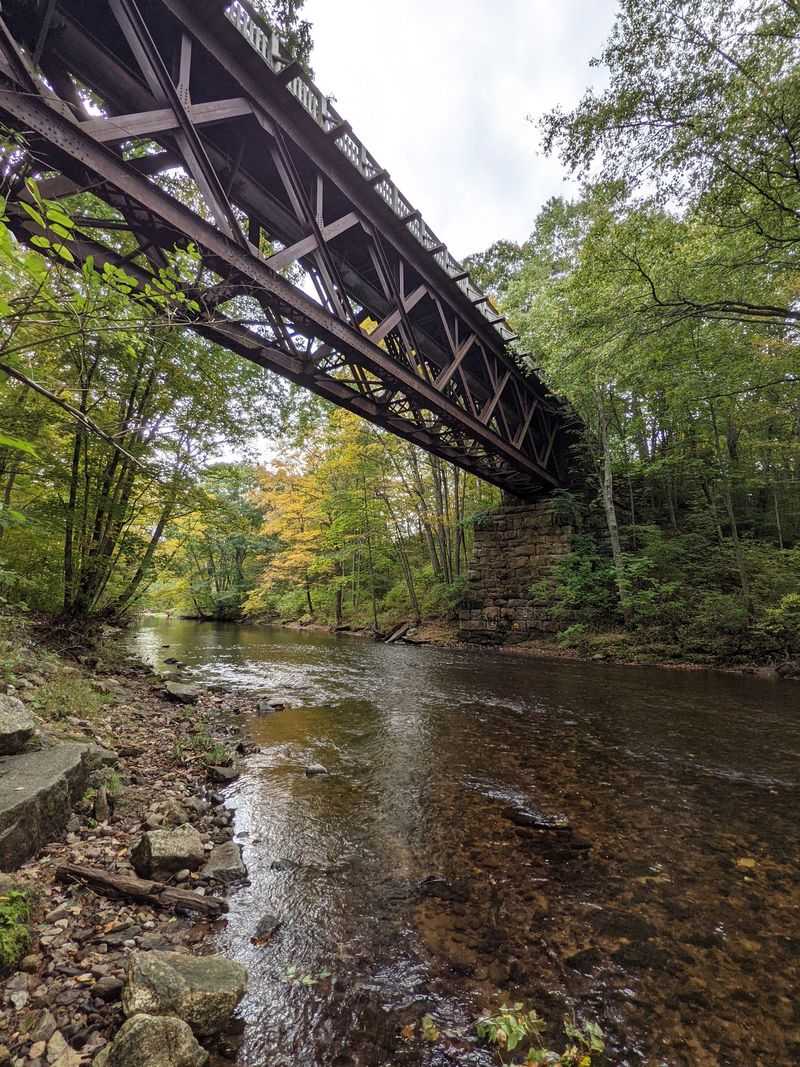
Local familiarity has kept this small roadside spring on visitors’ radar for years, especially among people exploring the surrounding forest. Water continues to flow from the site, but its appearance, smell, and strength can change noticeably with weather and seasonal conditions.
That uncertainty matters more than the spring’s old-fashioned appeal. Recent visitor reports have mentioned an iron-like taste and a sulfur smell, while others have described periods when the water appeared clear.
Those firsthand accounts vary, which is exactly why the spring should not be treated as a dependable drinking source.
The state’s official information for Salmon River State Forest highlights hiking, fishing, picnicking, and the surrounding landscape, but it does not identify this spring as a monitored potable-water supply. Bringing your own drinking water is therefore the simplest choice during a visit.
The spring still makes an interesting stop because it adds another small feature to an already sprawling forest landscape. Watching water emerge naturally from the ground can offer a glimpse of the resources travelers once depended upon in rural areas.
Today, its strongest appeal is historical and scenic rather than practical. Enjoy the spring as part of the forest experience, but rely on a known safe water source for drinking.
5. Forest Trails Lead Deep Into Quiet Woodland
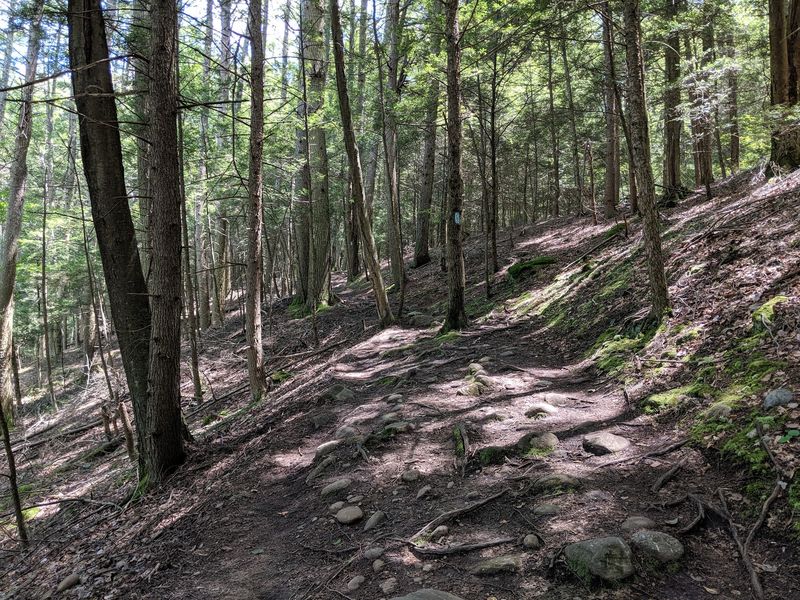
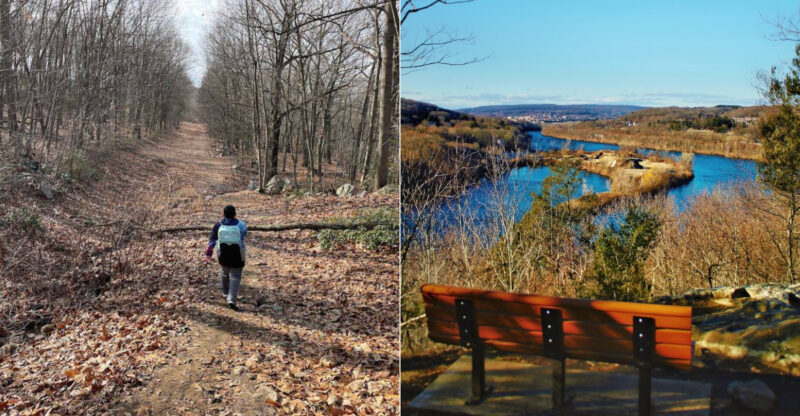
Quiet arrives fast once the road noise fades behind the first bend. The blue-blazed Salmon River Trail runs 6.7 miles and forms the backbone of hiking here.
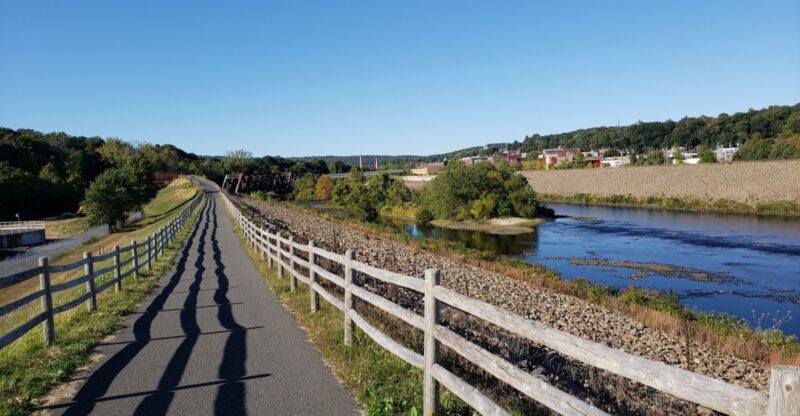
A stretch of the Air Line State Park Trail, a converted rail line, also crosses the forest. That rail trail carries walkers and cyclists over the Lyman Viaduct, which rises 137 feet above the Dickenson Creek valley.
Shorter options exist for families and anyone easing into the day. The 1.7-mile Dickinson Creek Trail typically takes around 35 minutes and suits kids well.
At the other end of the effort scale, the 8.4-mile Greyville Falls Loop Trail passes creeks, small waterfalls, and rock formations, and it draws both hikers and mountain bikers.
Some paths are limited to foot traffic while others allow non-motorized multi-use travel, so checking signs at the trailhead avoids confusion. Trails also connect to Day Pond State Park and its own smaller network.
Letterboxing adds a treasure-hunt element for visitors who enjoy a purpose behind the walking.
6. The Covered Bridge Adds A Historic Stop
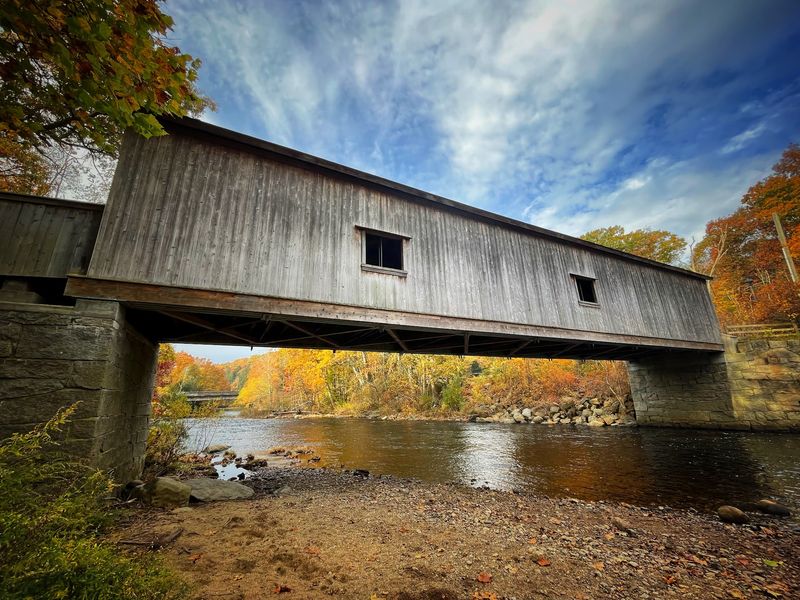
Quiet history feels unusually close when you cross this wooden bridge over the Salmon River. Comstock Covered Bridge connects the East Hampton and Colchester sides of the river and remains one of only three historic covered bridges still standing in the state.
The current structure dates to 1873 and uses a Howe truss design, with heavy timbers and iron elements visible inside.
Major restoration work followed during the 1930s, when a Civilian Conservation Corps crew repaired the bridge and added gates that helped turn it into the pedestrian crossing visitors use today.
Its historical importance was formally recognized when Comstock’s Bridge joined the National Register of Historic Places on January 1, 1976. Cars no longer pass through, so visitors can take their time noticing the timber framework and listening to the river beneath the floorboards.
The bridge can be found at 14 Comstock Bridge Road near the East Hampton and Colchester boundary. Its setting beside Salmon River State Forest makes it easy to combine with hiking, fishing, or a picnic nearby.
Instead of requiring a separate outing, the bridge works naturally as a memorable historic stop during a longer day outdoors.
7. Fishing And Picnicking Keep The Riverfront Popular
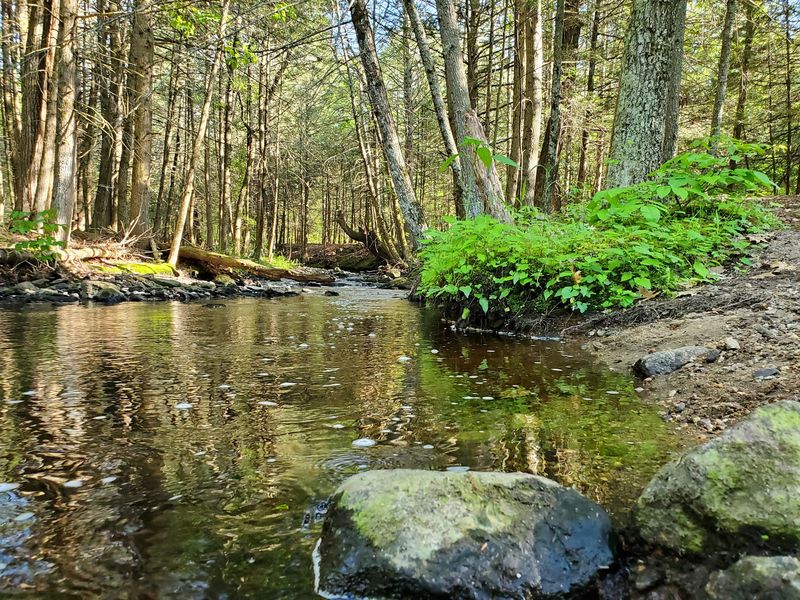
Warm weekends bring a familiar mix of fishing rods, coolers, and folding chairs to the riverbank. Regular stocking of Atlantic salmon and several types of trout keeps anglers coming back through the season.
The water directly beneath Comstock Bridge is a favored spot for fly fishing. Accessibility has been considered here in real terms.
A handicap-accessible fly-fishing area is available, along with a special fishing area set aside for disabled veterans. Picnicking pairs naturally with a day by the water.
The state forest provides a picnic shelter on a first-come, first-served basis, and reservations are not accepted for it. Additional picnic tables are scattered around the area, so a spot is usually findable even when the shelter is taken.
Arriving earlier in the day gives better odds on shaded tables during summer. Day Pond State Park, reachable through the forest trail system, allows fishing, swimming, and picnicking as well.
Carry-in and carry-out habits go a long way toward keeping the riverbanks pleasant for the next group.
8. Nearly Seven Thousand Acres Leave Plenty To Explore
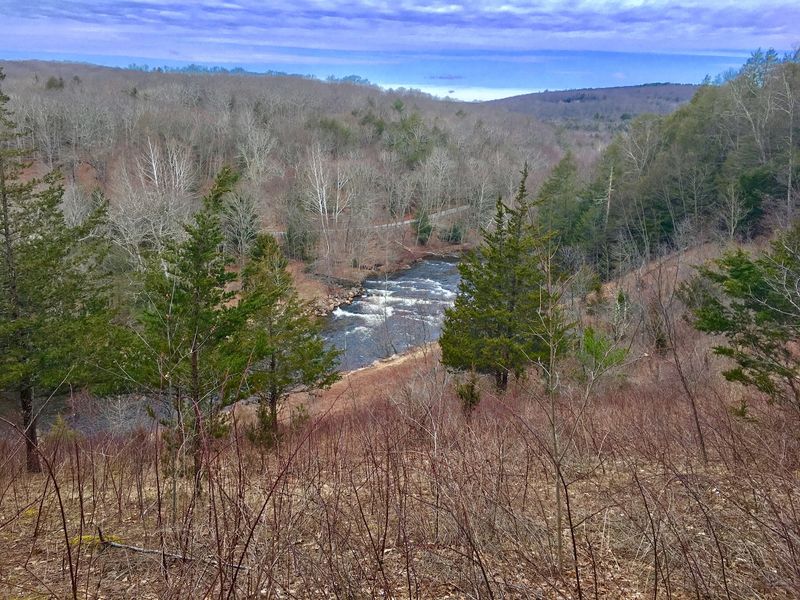
Room to roam is one of the biggest advantages of a forest this large. Nearly 7,000 acres spread across five towns, creating space for hiking, biking, fishing, hunting, picnicking, and quieter stretches where the scenery takes over.
Hikers can follow the 6.7-mile blue-blazed Salmon River Trail, while cyclists can connect with the Air Line State Park Trail. Fishing spots and picnic areas near the river make it easy to build a slower day around the water instead.
Hunting is permitted in designated areas, with seasonal rules set by the state.
The forest is currently open daily from 8 a.m. until sunset, and admission is free. Leashed pets are welcome, so dogs can join many outings too.
Nearby Day Pond State Park expands the possibilities with hiking, picnicking, trout fishing, and seasonal swimming. Its trail system also connects directly with Salmon River State Forest.
With so much ground to explore, repeat visits can feel completely different depending on the trail, season, or activity you choose. One trip might revolve around the river, while another can disappear deep into the woods.