These 11 Connecticut Towns Have The Most Deer Collisions And Fall Is The Riskiest Season
One moment, the road ahead is empty. The next, a deer appears near the shoulder, and you have barely any time to react.
It is a frightening situation that many drivers know all too well.
Autumn brings particular concerns because deer become more active during their breeding season, often moving near roads when visibility is already poor.
For Connecticut drivers, knowing where deer collisions happen most often can make familiar fall journeys feel a little different.
The risk is not limited to remote country lanes, either.
Wooded neighborhoods and roads near open fields can all bring motorists into contact with wildlife. Early morning and evening driving deserve particular attention, especially when animals are difficult to spot until they are close.
And seeing one deer does not necessarily mean the road is clear behind it.
The towns on this list highlight where reported collisions have been especially common, offering a useful reminder to stay alert throughout the season.
1. Simsbury
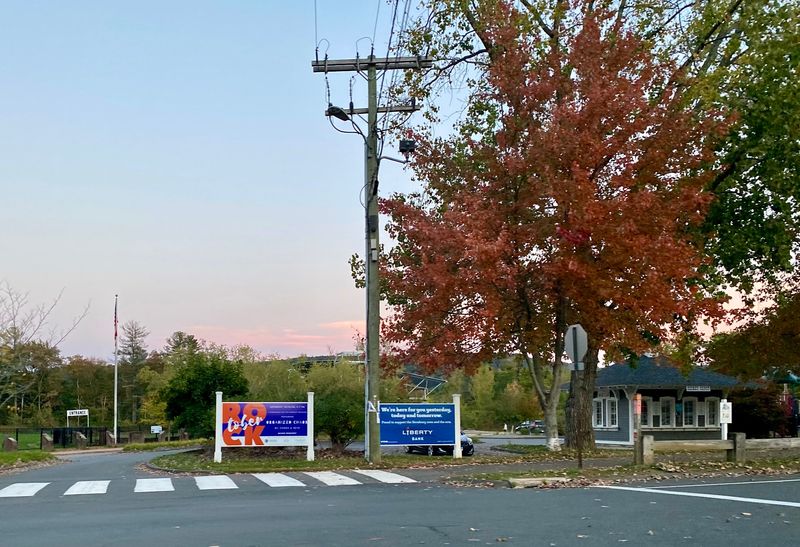
Green space is everywhere in Simsbury, and the deer have clearly noticed. The town holds four state parks, including Penwood, Stratton Brook, Great Pond, and Talcott Mountain, plus ten local parks and the 235-acre Simsbury Farms Recreation Complex.
All of that habitat sits right beside roads that people use every day to reach work, school, and shopping. Deer often step out of the woods near parks and fields, especially around sunrise and sunset.
In the fall, bucks chase does during the mating season, so they may run into traffic without warning.
A smart habit here is to slow down near wooded stretches, particularly roads that pass Stratton Brook State Park or climb toward Talcott Mountain. If you see one deer cross, wait a moment.
Deer usually travel in small groups, and a second or third animal is often close behind.
The good news is that this same nature makes Simsbury a lovely place to explore. The 165-foot Heublein Tower on Talcott Mountain offers wide views of the valley, and the Farmington Valley Greenway gives walkers and cyclists a car-free path through the area.
Enjoying those trails by foot or bike is a great way to see local wildlife without worrying about your bumper.
2. Farmington
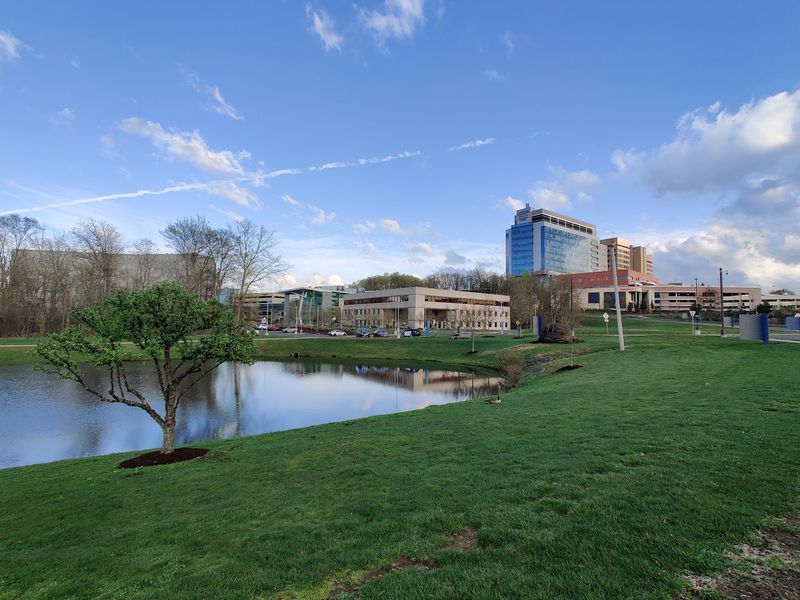
Deer crossing ahead? Quite possibly!
Those quiet roads bordered by stone walls and thick woods around Farmington make lovely drives, but they also pass through areas where deer regularly wander.
The town has an interesting mix of busy shopping districts and peaceful natural spaces. Westfarms Mall brings steady traffic, while nearby forests provide plenty of shelter for wildlife.
The Farmington Memorial Town Forest, established in 1926, offers wooded habitat, and the Rattlesnake Mountain area along the Metacomet Trail gives deer additional room to roam.
As daylight fades, deer often leave sheltered areas to search for food. Unfortunately, their usual routes sometimes cross busy roads.
Fall brings another challenge. During mating season, deer become more active and unpredictable, particularly around dawn and dusk.
Evening commuters should stay especially alert between 5 and 8 PM.
Using high beams on dark roads can help when no approaching vehicles are present. Reflective eyes may provide an early warning, but slowing down remains important.
For a quieter afternoon, the Hill-Stead Museum at 35 Mountain Road offers a beautiful change of pace. Its historic estate features works by Monet, Degas, and Cassatt, alongside the restored Sunken Garden.
The surrounding grounds provide another reason to appreciate Farmington’s natural scenery.
3. Groton
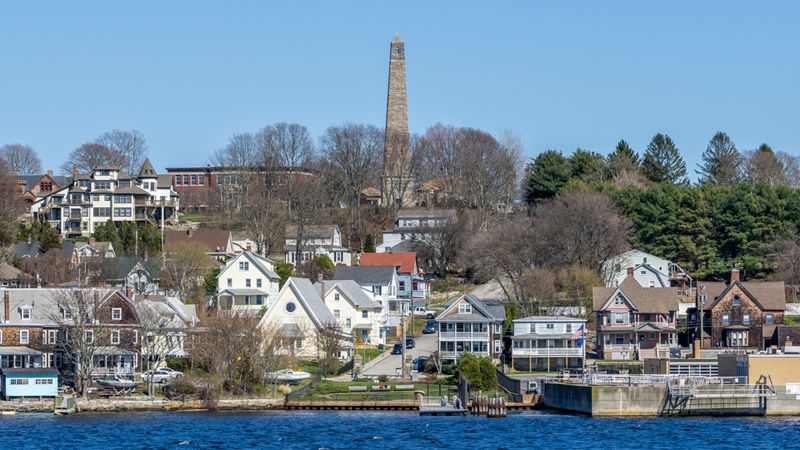
Most folks think of submarines when they hear the name Groton. Known as the Submarine Capital of the World, this shoreline town also has a quieter side full of woods, marshes, and wildlife.
Bluff Point State Park protects one of the largest undeveloped stretches of coastline in state, and Haley Farm State Park adds even more open land. Deer move freely between these areas and nearby neighborhoods.
Since Groton is home to a large Navy base and major employers, roads can be busy at shift changes, which often line up with dawn and dusk.
Fall brings an extra twist on the coast. Shorter days mean many people drive home in the dark, right when deer are most active.
Watch the edges of the road, not just the lane ahead, and be ready to brake firmly without swerving. Swerving can send a car into a tree or oncoming traffic.
If you visit, there is plenty to see once you park. The USS Nautilus Memorial and Submarine Force Library and Museum, found at 1 A Lee Ave, Groton, CT 06340, lets guests tour the world’s first nuclear-powered submarine.
Afterward, a walk along the Bluff Point trails offers ocean views and maybe a peaceful look at deer from a safe distance.
4. Wallingford
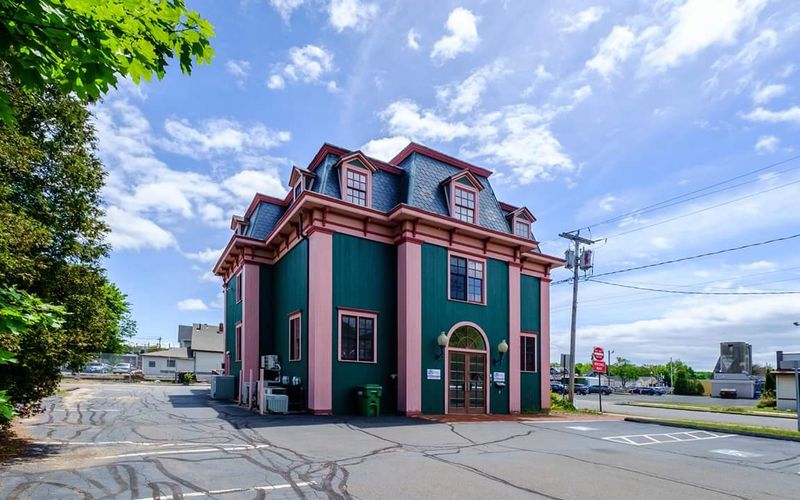
Ridges shape this town in a big way. The basalt Metacomet Ridge runs through Wallingford, and Sleeping Giant State Park sits along its southwestern border, giving deer plenty of rugged, wooded ground to call home.
Wharton Brook State Park adds tall evergreen woods around Allen Brook Pond. Deer that spend the day in these hidden spots often wander into neighborhoods and onto roads after dark.
Wallingford also has major roads and highways passing through it, so many drivers are moving fast near wildlife.
Fall is a busy time downtown, too. The annual Celebrate Wallingford festival draws crowds, and concerts at the Toyota Oakdale Theatre often end late at night.
If you are heading home after an evening event, give yourself extra time and keep your speed steady. Lower speeds give you more room to stop if a deer suddenly appears.
Another helpful trick is to honk with one long blast if a deer freezes in the road. Avoid relying on car-mounted deer whistles, since studies have not shown that they work well.
Daytime is a great time to enjoy what makes Wallingford special. The observation tower at Sleeping Giant, built during the Great Depression era, offers wide views of the Quinnipiac and Mill River valleys, a rewarding climb on a crisp autumn day.
5. Middletown
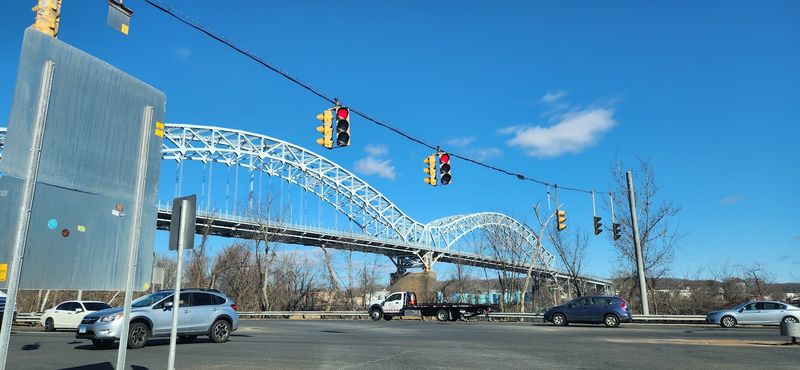
College students, river views, and a lively Main Street give Middletown plenty of energy. Yet just beyond downtown, forests and parks create perfect deer country.
Wadsworth Falls State Park, with its 30-foot Big Falls, offers woods and trails where deer feel at home. Cockaponset State Forest, the second-largest state forest in the state, is close by too.
Deer follow the Connecticut River and its wooded edges, then cross roads to reach feeding spots.
Since Middletown is home to Wesleyan University, the fall semester brings new drivers who may not know the local roads. Combine that with deer mating season, and the risk climbs.
Anyone driving here in October and November should keep both hands on the wheel and scan both sides of the road, especially near wooded curves.
If a deer is hit, pull over in a safe spot, turn on your hazard lights, and call the police if the animal is in the roadway. Never try to move or touch an injured deer, since it can kick hard.
On a brighter note, Harbor Park sits right on the river with a sculpture-lined boardwalk and views of the Arrigoni Bridge. The farmers market on the Union Green on Fridays runs into early fall, a cheerful stop before heading home in daylight.
6. Shelton
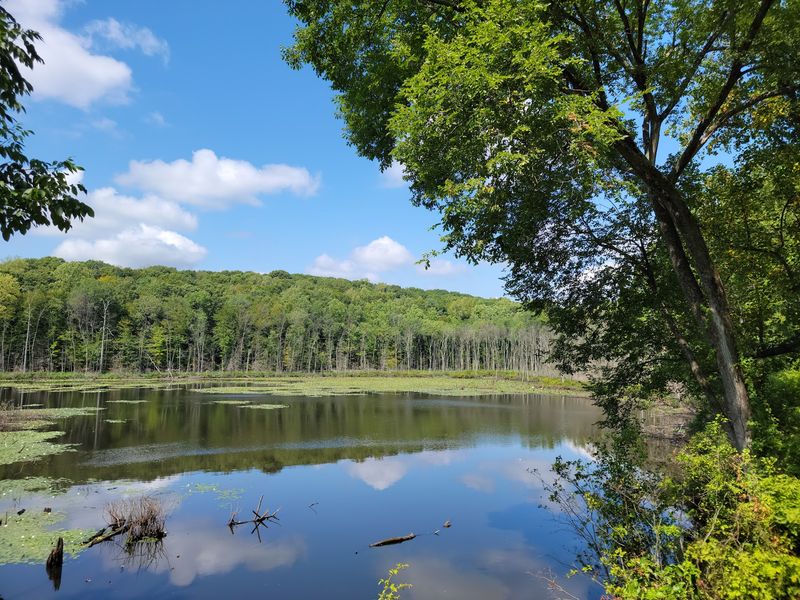
Why do deer love Shelton so much? Food is a big reason!
This town combines a lively downtown with peaceful farmland, giving wildlife plenty of places to wander.
Howe Avenue brings shops and everyday activity, while the White Hills area feels completely different. Orchards, open fields, and wooded back roads create excellent deer habitat.
Autumn makes those areas particularly attractive. Fallen apples provide an easy meal, and changing harvest patterns can send deer searching for food in unexpected places.
Popular destinations such as Beardsley’s Cider Mill and Jones Family Farms also attract seasonal visitors, adding more vehicles to roads shared with wildlife.
Drivers should remember that deer crossings aren’t limited to posted warning areas. Animals may appear wherever food and shelter are available, especially around sunrise and sunset.
The Housatonic River provides another natural travel corridor. Deer move through vegetation near its banks, while morning fog can make spotting them difficult.
Low beams are the safer choice when visibility drops.
Beyond wildlife watching, Shelton offers lovely places to enjoy the outdoors. Indian Well State Park, at 376 Indian Well Road, features scenic river views and opportunities for a relaxing afternoon.
The downtown Shelton Riverwalk is another pleasant option, with waterfront scenery and an easy route for a leisurely stroll.
7. Stonington
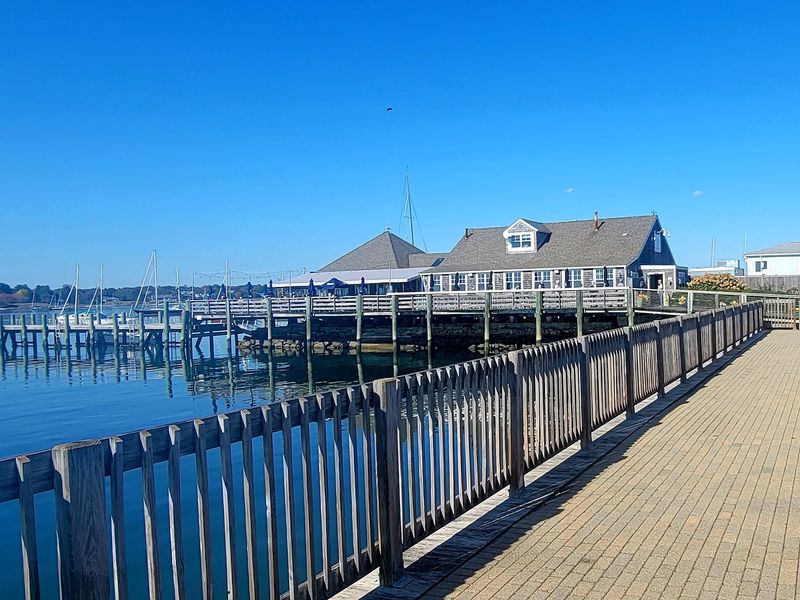
Here is a fun fact: Stonington is the only state town with a coastline facing the Atlantic Ocean. Its shoreline mixes rocky points, coves, islands, and marshes, and those wild edges make great homes for deer.
Beyond the historic borough, Stonington includes villages like Pawcatuck, Lords Point, Wequetequock, and parts of Mystic and Old Mystic. Many roads linking these communities run past woods and marshland.
Deer often bed down in thick brush near the water, then step out onto the pavement at dusk.
Tourist traffic plays a role, too. Visitors heading to Mystic and the shoreline may be unfamiliar with local curves and dark stretches.
In fall, the sun sets earlier, and many people find themselves driving unlit roads after dinner. Slowing down by even 5 or 10 miles per hour can make a real difference in stopping distance.
Remember that hitting a deer is usually safer than swerving off the road. Brake firmly, stay in your lane, and hold the wheel steady.
Daylight hours are perfect for exploring. The Stonington Lighthouse Museum at 7 Water St, Stonington, CT 06378, first built in 1840, shares stories of the town’s maritime past and offers sweeping views of Long Island Sound and Fishers Island.
8. Berlin
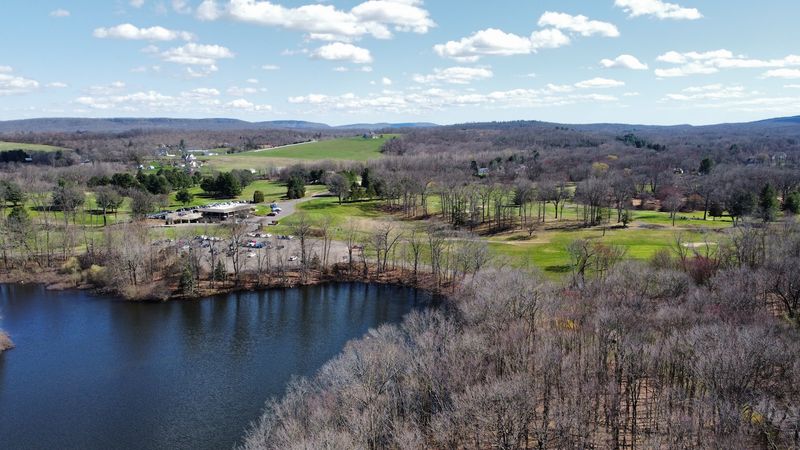
Right in the middle of the state, Berlin acts like a crossroads for both people and wildlife. The busy Berlin Turnpike carries steady traffic, while more than 1,000 acres of conservation land offer deer plenty of hiding spots.
Lamentation Mountain State Park and the Ragged Mountain Memorial Preserve form part of the Metacomet Ridge. Deer travel down from these ridges toward lower fields and neighborhoods in Kensington and East Berlin.
The Hatchery Brook Conservation Area and Pistol Creek trails add even more green corridors.
So what can drivers do? Pay close attention where woods meet open land, since deer like those edges best.
Also remember that deer crashes often happen on roads that feel familiar, when people relax and stop scanning ahead. Fall evenings call for full attention, even on a short trip to the store.
One more tip: check your insurance policy before deer season. Damage from hitting a deer is usually covered under comprehensive coverage, not collision, so it helps to know what your plan includes.
Curious kids and grown-ups will enjoy the Hungerford Nature Center and Museum at 191 Farmington Ave, Kensington, CT 06037. It features live animals, nature trails, and hands-on exhibits, making it a great way to learn how local wildlife lives.
9. Bethel
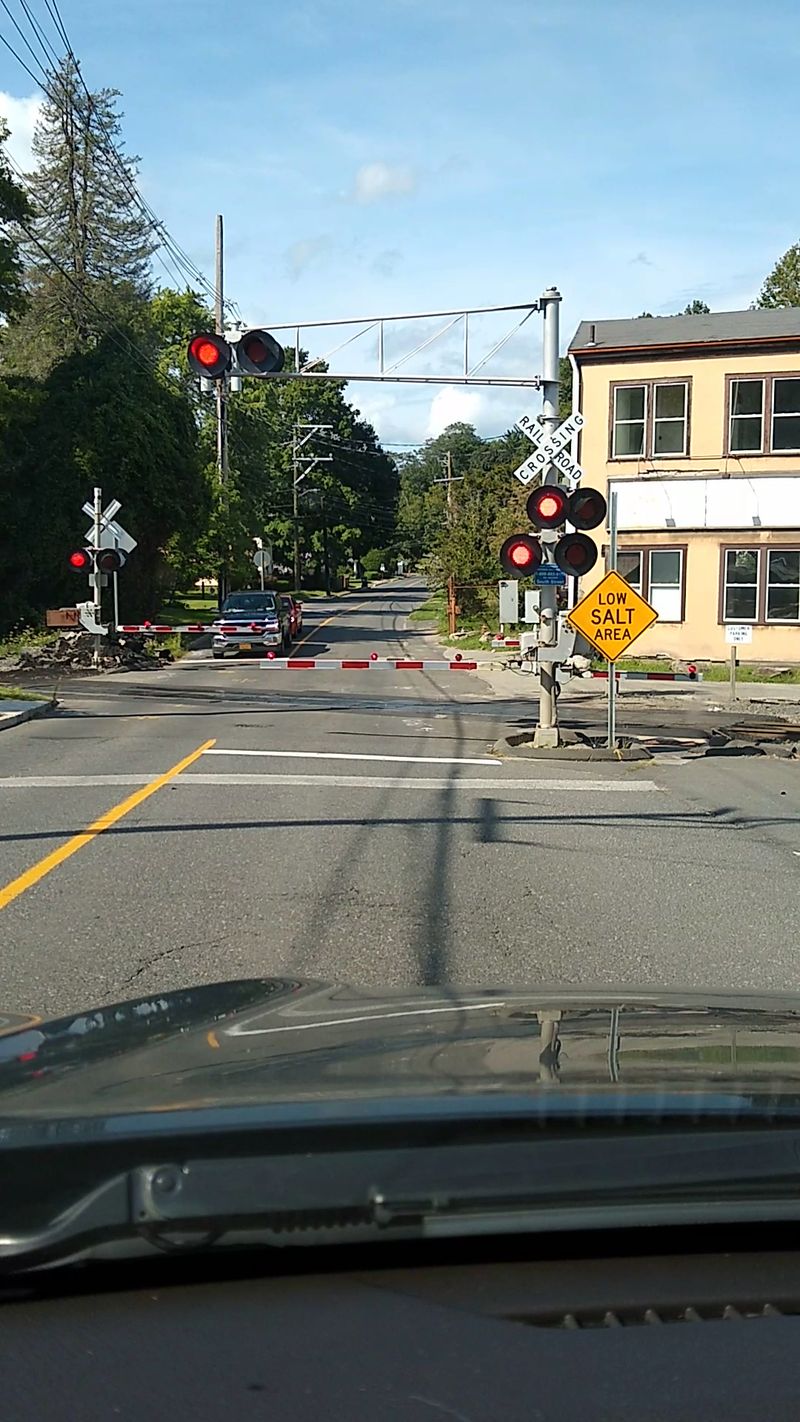
Hills roll through northern Fairfield County, and Bethel sits right among them. These ups and downs make for pretty drives, but they also create blind spots where a deer can appear over a rise with little warning.
Bethel covers about 16.9 square miles and borders Redding, Danbury, Brookfield, and Newtown. Wooded land fills much of the space between homes, and deer move between yards, forests, and farms.
Orchards add an autumn food source that draws them in close.
Hilly, curvy roads demand a slower pace in fall. Give yourself enough room to stop before the top of a hill or the end of a bend.
Seat belts matter, too, since most serious injuries in deer crashes happen when cars leave the road or people are not buckled in.
Bethel has a walkable downtown full of restaurants, which makes it easy to park once and explore on foot. History fans can find the birthplace of showman P.T.
Barnum here, and the Greenwood Avenue Historic District shows off the town’s past as a hat-making center.
Apple season is a highlight. Blue Jay Orchards, found at 125 Plumtrees Rd, Bethel, CT 06801, invites visitors to pick their own apples and sip fresh cider. Just plan to drive home before dark if you can.
10. East Windsor
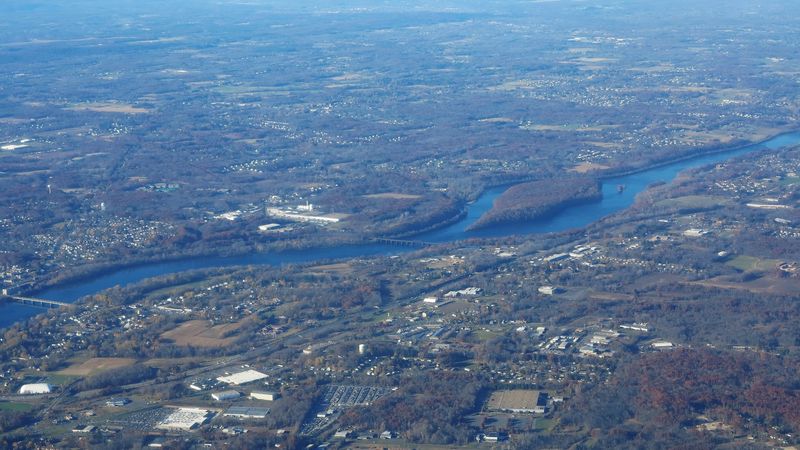
Back in 1636, a warehouse built along the Connecticut River gave Warehouse Point its name. Today, East Windsor still mixes river land, farm fields, and quiet villages, a combination deer find very appealing.
The town includes Broad Brook, Melrose, Scantic, Warehouse Point, and Windsorville. Fertile farmland, once famous for tobacco, gives deer open areas to graze.
Scantic River State Park stretches nearly 800 acres through East Windsor, Enfield, and Somers, creating a long natural path for wildlife to follow.
Wide-open fields can trick drivers. You may see deer far away in a field and think they are not a problem, but they can sprint onto the road in seconds.
When you spot deer grazing near the roadside, ease off the gas and get ready to stop.
Since East Windsor sits between Hartford and Springfield, many commuters pass through on their way to work. Those morning and evening drives line up closely with deer feeding times in autumn.
For a fun daytime outing, the Connecticut Trolley Museum at 58 North Rd, East Windsor, CT 06088, is the oldest museum of electric railroading in the country. Guests can ride restored streetcars on a 1.5-mile track, a relaxing way to enjoy fall scenery.
11. Coventry
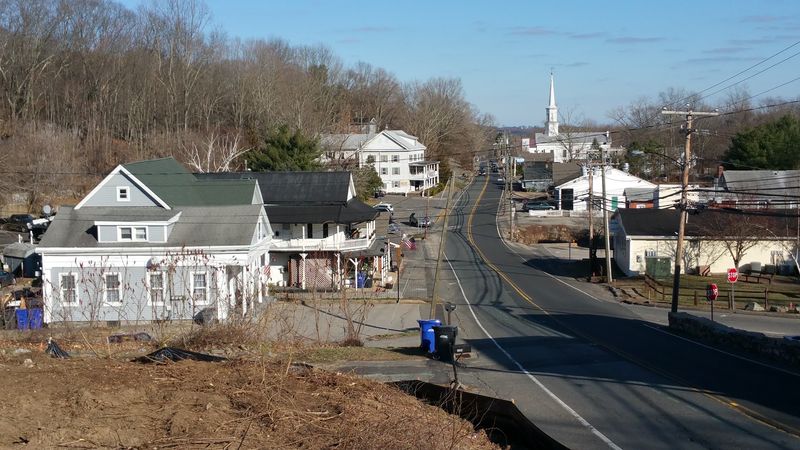
Welcome to the edge of the Quiet Corner, where Coventry spreads across 37 square miles of woodlands and farmland. With so much rural space, it is no surprise that deer are common neighbors.
Coventry Lake, the largest lake in northeastern parts of the state, attracts deer looking for water. Nathan Hale State Forest adds more than 1,500 acres of woods, and the Willimantic River provides another wildlife corridor.
Many local roads wind through these areas with few streetlights.
Dark, rural roads are where drivers need to be most careful. Without lights from homes or businesses, a deer may not appear until the last second.
Keep your windshield clean and your headlights working well, since good visibility helps a lot during long autumn nights.
Another safety habit: if you notice deer crossing signs, trust them. They are placed where crashes have happened before, so slowing down there is wise.
Coventry is also a place full of history. It is the birthplace of patriot Nathan Hale, and the Nathan Hale Homestead at 2299 South Street, Coventry, CT 06238, shares what early colonial life was like for his family.
Pair a visit there with a stop at the town’s farmers market for a cozy fall day, then head home before the sun goes down.