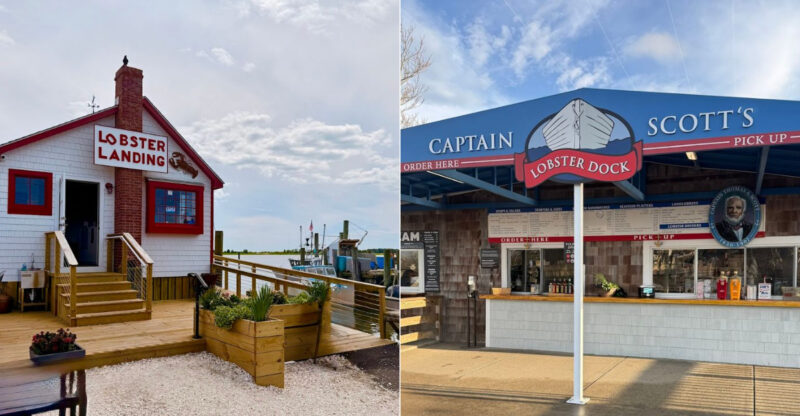
10 Connecticut Places Where You Can Roll Up Your Sleeves And Help Animals In Need
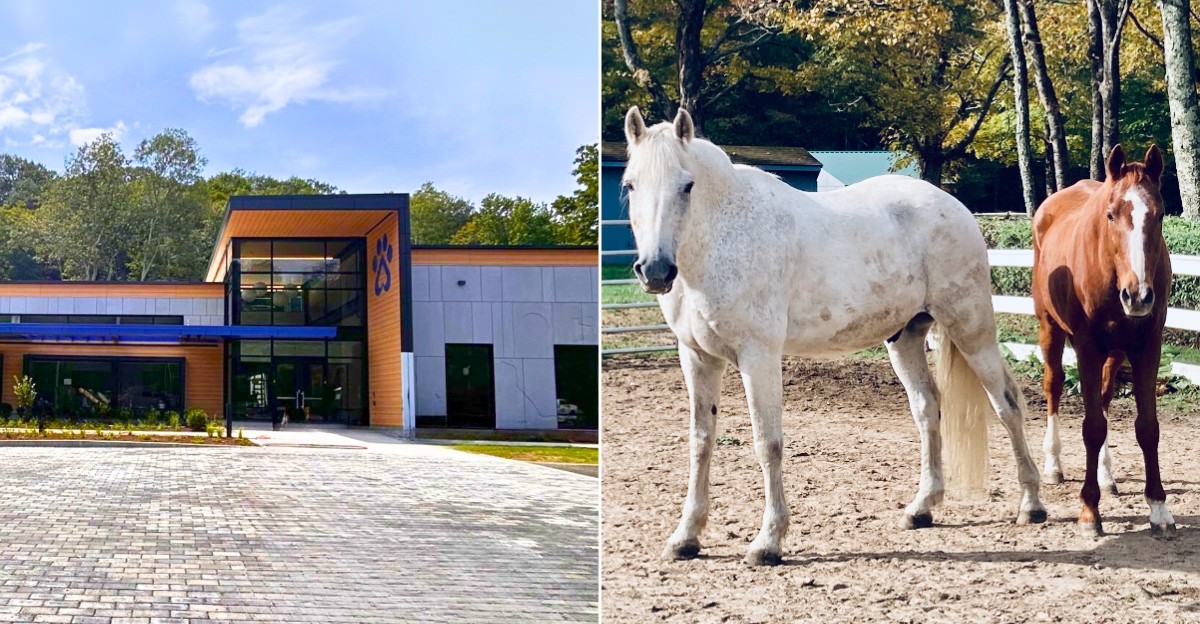
Loving animals is easy. Getting involved in their care makes that affection feel considerably more useful.
Plenty of organizations need people willing to contribute time, patience and a little practical help. The work varies depending on the animals involved, so volunteering does not always look the way you might expect.
Across Connecticut, opportunities to help animals can turn an ordinary free afternoon into time that genuinely matters.
You could find yourself doing hands-on work or supporting the people who keep everything running behind the scenes. Either role can make a difference, especially for smaller organizations that depend heavily on community involvement.
There is another reward too. Spending time around animals tends to make the hours disappear rather quickly. You arrive intending to help, then realize the experience has given something back to you as well.
The places ahead offer meaningful ways to get involved when simply saying you love animals no longer feels like enough.
1. Our Companions Animal Sanctuary, Ashford
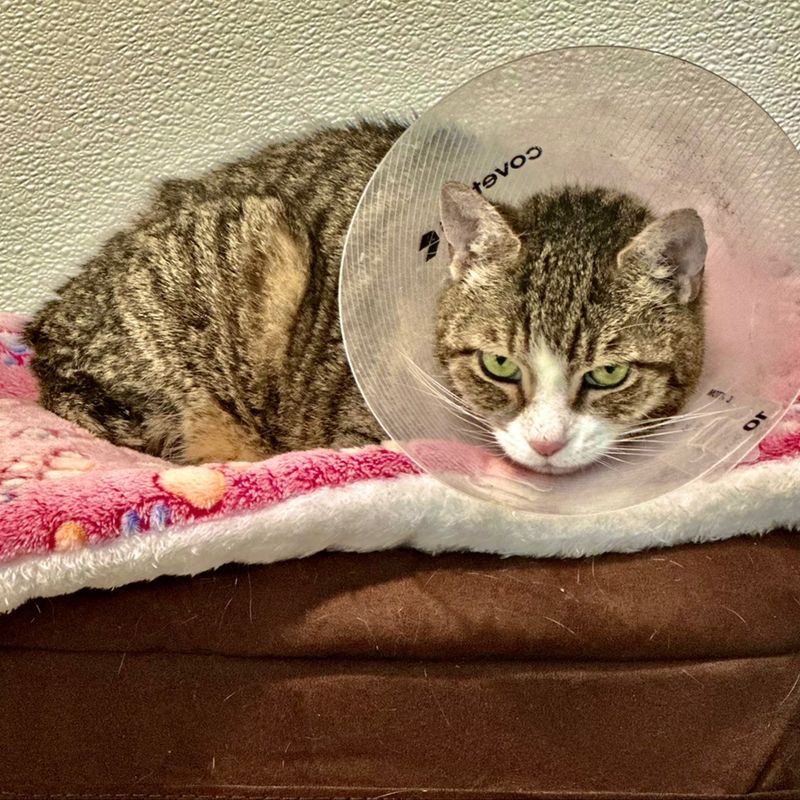
Some pets just need more time. More patience, more quiet, and a chance to become comfortable around people before the right home comes along.
That slower approach shapes life at Our Companions Animal Sanctuary in Ashford, where animals with medical or behavioral challenges can receive individualized care in a calm, home-like environment.
The sanctuary covers 47 rural acres, giving its residents plenty of breathing room while they prepare for adoption.
Volunteers can become an important part of that process. Depending on the program and training, they may spend time walking dogs, playing with them, practicing positive training, or simply providing relaxed companionship.
Those everyday interactions offer enrichment while helping animals become more comfortable and confident.
Getting involved requires some preparation. Prospective canine volunteers begin with an application and screening before completing orientation and additional training appropriate to their role.
Different opportunities can also come with different schedules and requirements.
The sanctuary operates at 46 Floeting Road in Ashford, surrounded by a peaceful country setting designed with recovery in mind.
What makes volunteering especially rewarding is the progress that may happen gradually. An animal that once kept its distance might eventually seek out attention, enjoy a walk, or settle comfortably beside a familiar volunteer.
Those quiet breakthroughs can make every return visit feel worthwhile.
2. Ray Of Light Farm, East Haddam
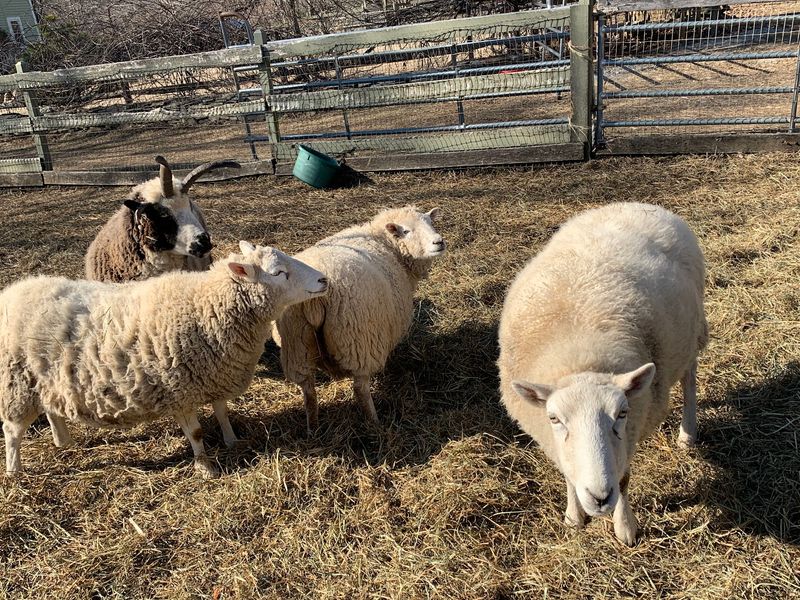
“A healing presence in a wounded world.” That phrase sums up the mission of Ray of Light Farm, a nonprofit rescue, sanctuary, and animal-assisted therapy center founded in 1993.
Over the years, the farm has rescued more than 120 horses and donkeys, plus many other animals. Its big idea is that people and animals can help heal each other.
Programs for veterans, for example, use partnership with animals to build communication skills and self-awareness.
Curious families can get a feel for the place before signing up to help. The farm at 232 Town St in East Haddam is usually open to the public Thursday through Sunday, from about 10 AM to 3 PM.
Admission is free, though donations are welcome, and hours can shift with the seasons, so check before you go.
During a visit, you might meet guinea pigs, goats, and sheep along with the horses and donkeys. Watching how calmly the staff move around the animals is a lesson all by itself.
Since the farm runs almost entirely on donations, support of any size counts. Bringing a bag of supplies, helping at an event, or volunteering for chores all keep the gates open.
Many visitors find themselves coming back again and again.
3. PAWS, Norwalk
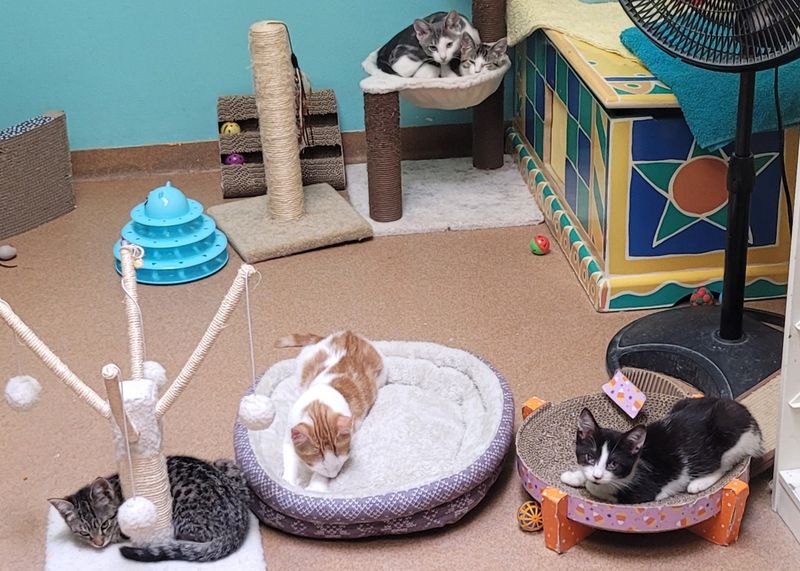
Behind every happy adoption photo, there are dozens of quiet hours spent scooping litter, washing bowls, and calming nervous pets. At PAWS, short for Pet Animal Welfare Society, volunteers handle a big share of that daily work.
The shelter, found at 504 Main Ave in Norwalk, focuses mainly on cats and dogs. Its goal is simple and powerful: rescue, protect, and care for animals until they find permanent homes.
Volunteers help make each day comfortable for the animals while they wait.
PAWS takes good care to prepare pets for their new lives. Dogs and cats old enough for the procedure are spayed or neutered before going home, get age-appropriate vaccines like rabies and distemper, and are microchipped.
Very young kittens and puppies may go home through a Foster To Adopt plan and return later for surgery.
Thinking about adopting instead of volunteering? Adopters must be at least 21 and live within a reasonable drive of Norwalk.
The process includes an application, approval, and at least one visit to meet an adoption counselor.
For volunteers, the best tip is to show up ready to learn. Every pet has its own quirks, and staff can teach you how to read body language so each animal feels safe with you.
4. Dan Cosgrove Animal Shelter, Branford
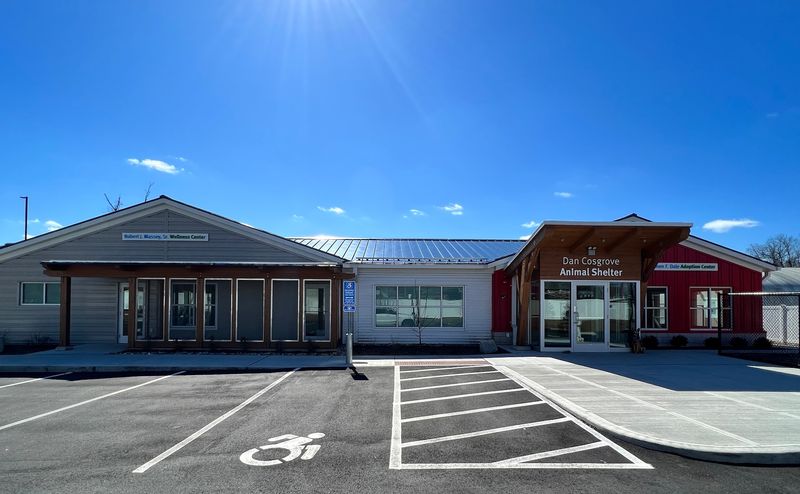
Want to trade some free time for wagging tails and happy paws? Dan Cosgrove Animal Shelter makes volunteering surprisingly easy to explore.
The town-run shelter serves Branford and the surrounding shoreline, caring for hundreds of animals each year. Its renovated facility provides more room for animals while supporting adoption, rehabilitation, community education, and other programs.
Volunteers can spend time with cats, dogs, and smaller critters, although certain animal-handling roles require additional training. General volunteers are expected to contribute at least four hours each month and may also help with cleaning, organizing, socializing animals, or events.
The shelter operates at 749 East Main Street in Branford, where volunteer orientations are held.
One particularly fun option is Tails to Trails, a program that takes shelter dogs beyond the facility for walks on staff-approved trails. Volunteers interested in participating complete a separate orientation before joining the outings.
All ages are welcome in the general volunteer program, but helpers younger than 16 must remain with a parent or guardian. Non-Branford residents currently pay a $50 volunteer fee covering T-shirts and other items.
That makes helping out flexible enough for different ages and interests, with plenty of opportunities to give shelter animals some welcome extra attention.
5. The Meriden Humane Society, Meriden
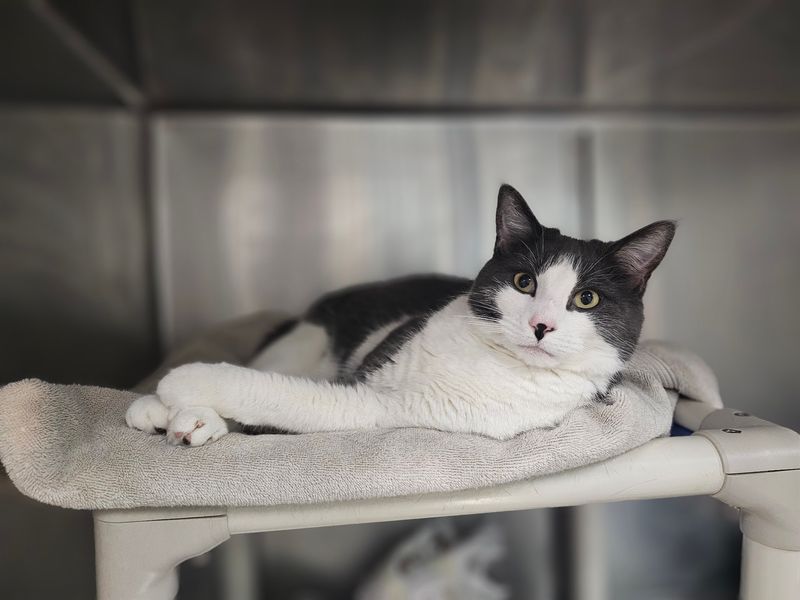
Talk about staying power. More than a century after opening its doors, Meriden Humane Society is still helping cats and dogs move toward better futures.
Founded in 1893, the nonprofit has deep roots in the community, but one detail often surprises people. It operates independently and is not affiliated with the Connecticut Humane Society.
It also receives no state or federal funding, relying heavily on donations and community support to continue its work.
Volunteers play a major role. Current opportunities include working with the dog team, transporting cats to veterinary appointments, processing adoption applications remotely, and helping with marketing.
Some positions can be handled from home, while animal-focused roles have their own requirements and schedules.
The organization also helps pet owners facing difficult circumstances. Its pet food pantry provides cat and dog food to eligible Meriden residents on the first Tuesday of each month, helping more animals remain with the people who care for them.
The shelter operates at 311 Murdock Avenue in Meriden, where animals receive care while awaiting adoption.
Anyone interested in volunteering should check the current openings before applying, since available roles can change.
After more than 130 years, community involvement remains a huge part of what keeps this independent shelter moving forward.
6. The Animal Haven, North Haven
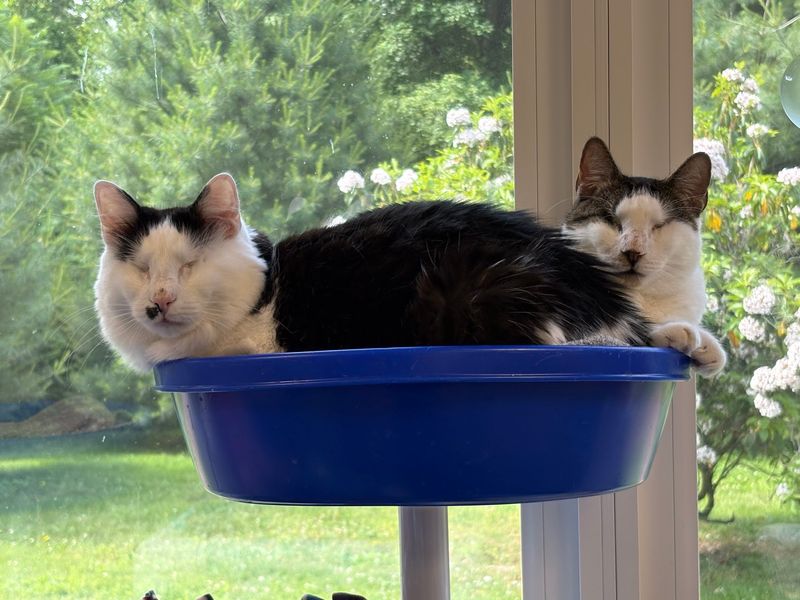
Trees surround the seven acres where The Animal Haven has sheltered homeless cats and dogs since 1948. The wooded setting gives the place a calm, peaceful feeling that both animals and volunteers seem to enjoy.
This private nonprofit shelter takes in abandoned and surrendered pets from the Greater New Haven area and beyond. It also welcomes animals from town shelters when they are at risk of euthanasia.
In other words, many pets here are getting a much-needed second chance.
Each new arrival gets a physical exam, a health check, and vaccines, and every animal is spayed or neutered. Staff take time to learn each pet’s personality so it can be matched with the right family.
And for any animal that cannot be adopted for some reason, the shelter promises lifelong care.
That promise is a big deal, and it explains why volunteers are so important. Long-term residents need company, exercise, and attention just as much as newcomers do.
A volunteer who visits every week can become a familiar, comforting face. Ready to help? The shelter at 89 Mill Rd in North Haven welcomes questions about volunteering.
Ask about training sessions, and come prepared to give your time steadily rather than just once.
7. Blue Sky Farm And Sanctuary, Canterbury
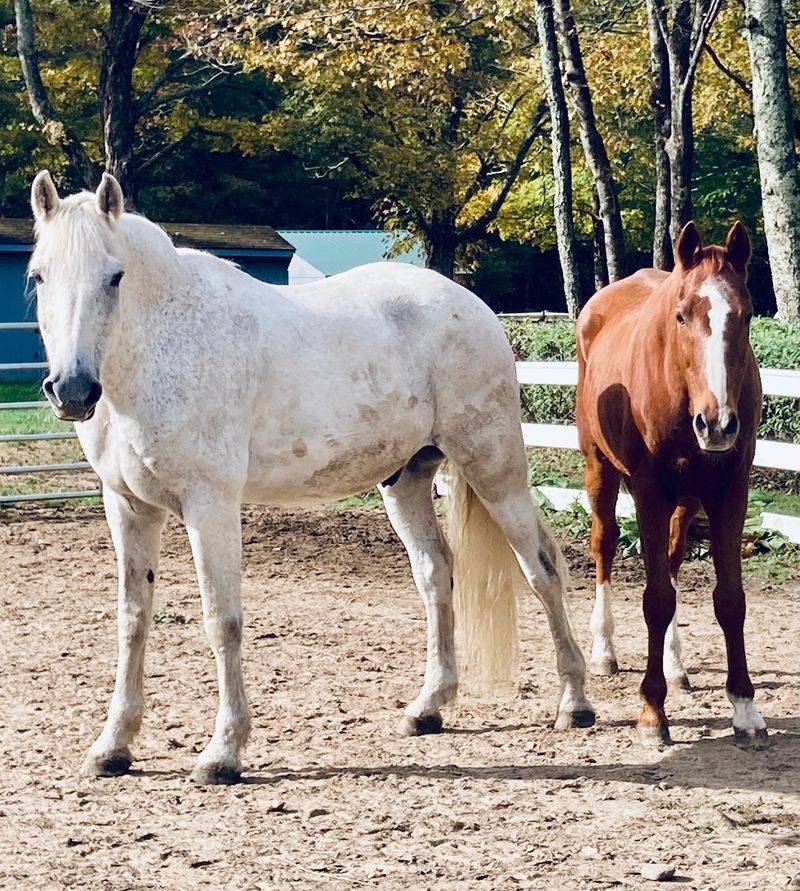
Could a few hours around horses turn into something much bigger?
Blue Sky Farm and Sanctuary in Canterbury gives volunteers that opportunity while supporting young people whose lives have been affected by foster care. The nonprofit uses horses, farm activities, and supportive relationships to help participants build confidence and practical skills.
Volunteers have several ways to pitch in. Some help with everyday barn chores, including cleaning stalls and paddocks, caring for horses, and maintaining the property.
Others assist with events or lessons, where duties may include grooming horses, preparing them for activities, or helping students. Previous horse experience is welcome but not required because training is provided.
Volunteers must be at least 14 and able to lift 20 pounds. The farm asks helpers to commit between one and four hours on scheduled volunteer days, making reliability an important part of the role.
The process begins by contacting the organization and arranging a meet-and-greet. Forms and volunteer paperwork follow before shifts can be scheduled.
Blue Sky Farm and Sanctuary operates at 208 Brooklyn Road in Canterbury, and visits require an appointment.
For people who prefer another way to contribute, the organization also accepts useful farm and program supplies.
It is hands-on work with a purpose, and a morning at the farm can support both the horses and the young people who spend time with them.
8. Protectors Of Animals, East Hartford
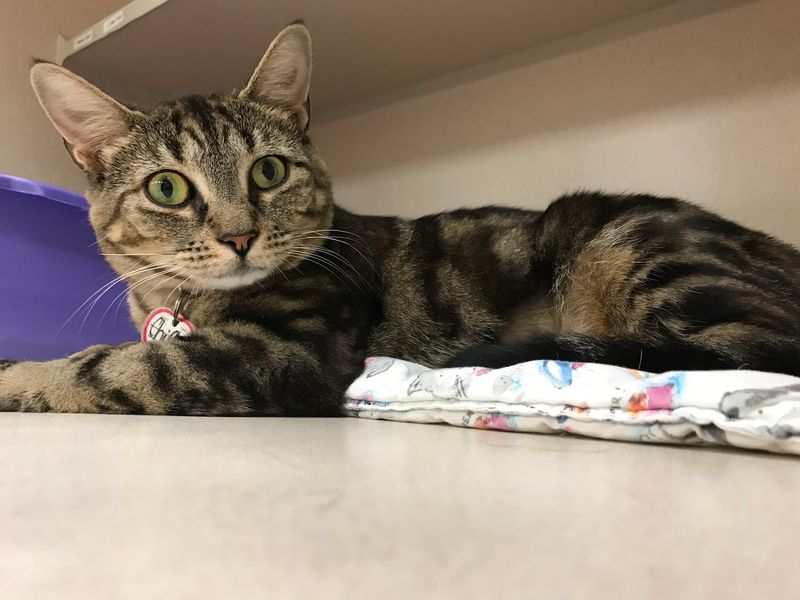
Cats who have been through rough times often need a quiet room, a soft bed, and someone who speaks gently. Protectors of Animals, a nonprofit rescue in East Hartford, works to give homeless pets that kind of care until they find families.
The group has been rescuing animals for decades and focuses largely on cats and dogs. Its facility sits at 144 Main St, Unit O, in East Hartford, close to Hartford and easy to reach for many central state residents.
Rescues like this rely on volunteers for everyday tasks. Cleaning litter boxes, washing dishes, doing laundry, and refilling food and water might not sound exciting.
Still, those jobs keep the animals healthy and comfortable, and they free up staff for medical care and adoptions.
Social time is another big need. Shy cats and puppies grow more confident when people sit with them, play with toys, or simply talk to them in a calm voice.
That kind of attention can make a pet much more ready for adoption.
Requirements and schedules can change, so contact the rescue before showing up. Ask about age limits, training, and how often they need helpers.
Fostering and donating supplies are also helpful ways to pitch in.
9. Connecticut Humane Society, Newington
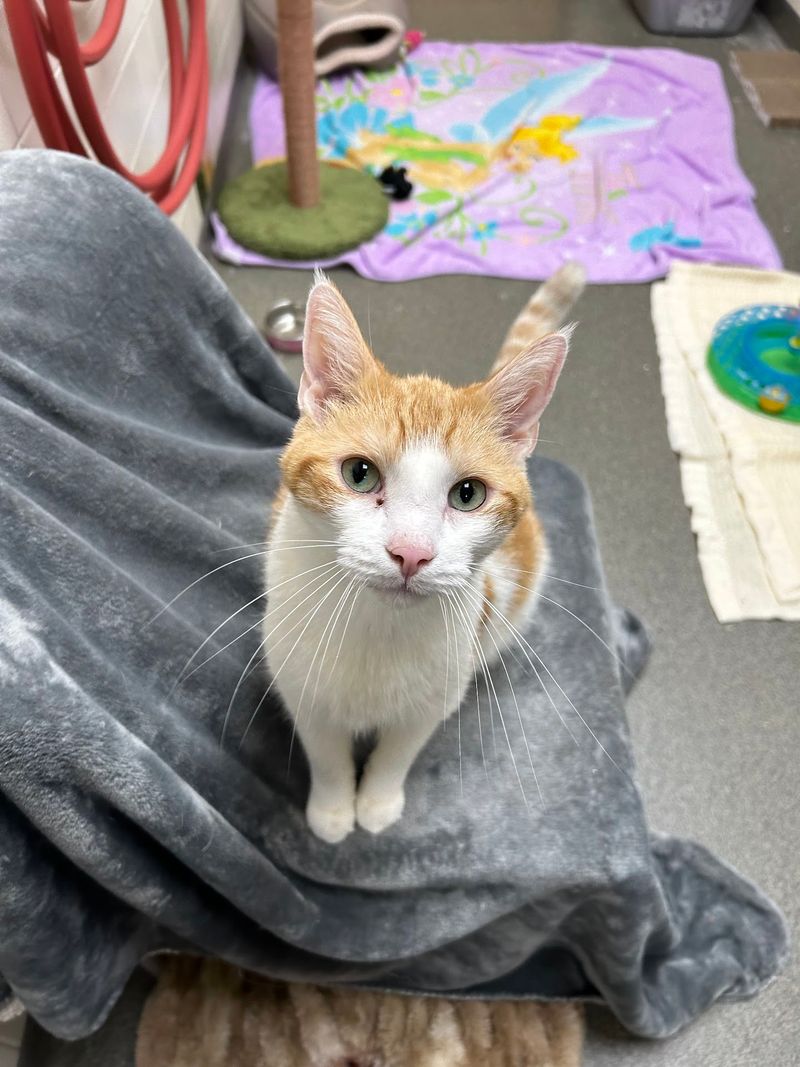
Ready for some paws-on volunteering? Animal lovers can turn spare hours into meaningful help at the Connecticut Humane Society’s Newington shelter.
Volunteering here follows a structured program, with openings changing as the animals’ needs change.
Current roles can include caring for cats, helping keep kennels comfortable, supporting events, or working with dogs if the volunteer meets the position’s training and experience requirements.
Most on-site volunteers must be at least 18. They also make a six-month commitment, while the exact weekly or monthly schedule depends on the role.
Applications and interviews help match volunteers with opportunities suited to their abilities and interests.
The organization also provides practical support for local pet owners. Its food pantry supplies cat and dog food to approved families experiencing financial hardship, while veterinary services are offered at reduced rates.
The Newington shelter operates at 701 Russell Road, which is also home to the Fox Memorial Clinic.
Younger animal lovers still have ways to contribute. They can organize supply drives, make approved craft projects for pets, or participate in family fostering opportunities.
That means helping does not always require handling animals directly. Sometimes collecting supplies or supporting pets from home can make a valuable difference too.
10. Connecticut Humane Society Pet Resource Center, Wilton
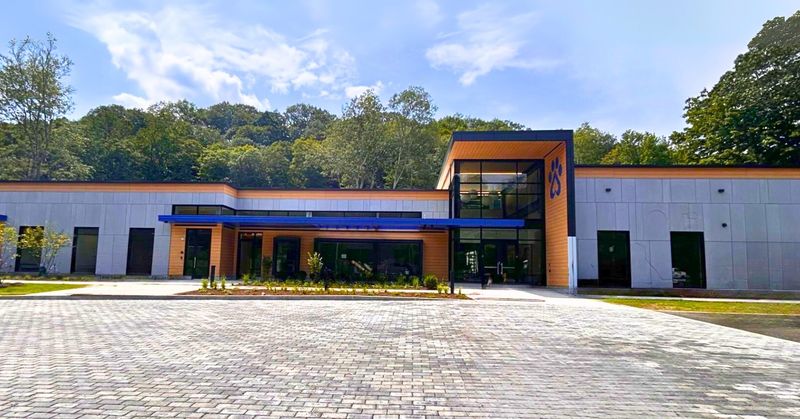
Germ busting may be the coolest job title on this list. At the Connecticut Humane Society Pet Resource Center in Wilton, volunteers help keep dog kennels squeaky clean so the animals stay healthy.
This newer facility at 863 Danbury Rd serves Fairfield County with several helpful services. It includes a low-cost public vet clinic and a pet food pantry.
Pets enjoy roomy play areas, cozy napping nooks, and outdoor playscapes.
Small animal lovers will find a lot to like here. Volunteers can care for rabbits, guinea pigs, ferrets, mice, and rats.
The work includes cleaning their enclosures and spending time socializing them, which helps these little pets become calmer and friendlier.
Not every task involves fur. Laundry and dishes pile up quickly at any shelter, and finishing those chores keeps the whole building running smoothly.
Many volunteers say these simple jobs feel surprisingly satisfying.
Plan ahead before applying. Volunteers must be at least 18, have active health insurance, and be in good physical shape.
They also commit to two hours a week on a set schedule for at least six months. Two hours is less than a single movie marathon, and it can make a real difference for pets waiting for homes.