Halloween Costumes Are Putting A $200 Dent In Connecticut Family Budgets This Year
Halloween shopping used to feel pretty simple. Pick a costume, grab a few accessories, and you’re ready for the big night.
Now? Your wallet might need its own disguise.
Between elaborate outfits and all those little extras that somehow end up in the shopping cart, the total can get surprisingly high. And that’s before everyone in the family has decided what they’re wearing.
Halloween costume shopping in Connecticut is becoming a surprisingly expensive family tradition, with some budgets approaching $200 this year.
That’s what caught my eye. Two hundred dollars sounds like a lot for something that might only get worn once, doesn’t it?
Of course, nobody wants to disappoint a kid who’s been dreaming about their costume for weeks. But the price tag is making this year’s Halloween preparations a little more interesting than usual.
1. Halloween Fun Comes With A Hefty Price Tag

Americans are expected to spend a record $13.5 billion on Halloween this year. That’s up from $13.1 billion in 2025, so the spooky season keeps getting bigger.
The average shopper plans to spend about $115.14 on the holiday. Last year, that number sat at $114.45, so the bump looks small at first.
National averages don’t tell the whole story, though. Connecticut already has a higher cost of living than many states, so every extra purchase stings a little more.
Halloween also isn’t just one night anymore. It stretches across weeks of parties, school events, decorating, and neighborhood fun.
For a family with two parents and two kids, costumes alone can easily pass $200. That’s a big chunk of money for outfits that might get worn once or twice.
Still, people clearly aren’t giving up on the holiday. Families keep buying, dressing up, and decorating, even as prices climb in every aisle.
So the smart move is planning ahead. Knowing where the money goes helps you decide what truly matters to your crew this October.
2. The Real Cost Of Dressing Up In 2026
Sixty dollars. That’s roughly what a basic child’s costume can cost now, compared with about $39.99 last year.
Go back to 2024, and the average kid’s costume was around $19.99. That means prices have climbed fast in just two short years.
According to the Halloween & Costume Association, some children’s costumes that cost around $40 last year could sell for as much as $60 in 2026. That’s a serious shock for anyone shopping for more than one kid.
So what’s behind it? Tariffs on Chinese-made plastics and textiles play a huge role in the rising costs.
Nearly 90 percent of Halloween items, including costumes, use those materials. When importers pay more, shoppers usually end up paying more too.
A simple licensed character outfit used to feel like an easy grab. Now it can eat up a big slice of the whole holiday budget.
Parents feel this especially when kids want brand-new costumes every year. Kids grow, tastes change, and last year’s outfit rarely fits the bill.
Knowing these price trends helps you shop smarter. You can set a budget early instead of getting surprised at checkout.
3. Where The $200 Family Budget Figure Comes From
Do the math with four costumes, and $200 arrives fast. Two adult outfits plus two kid outfits at today’s prices can easily reach that total.
Licensed characters push the number higher. Costumes with lots of accessories can range from $90 to over $200 each, depending on the details.
Grown-ups are a big part of this picture too. National data shows adults spent 42.9 percent more on their own costumes than on children’s costumes.
That makes sense when you think about it. Adult parties, office contests, and group themes give parents plenty of reasons to dress up.
A 2026 survey found that 23 percent of people planned to spend $200 or more on family costumes. So families aren’t alone in hitting that mark.
Matching family themes can add up quickly as well. Four coordinated outfits look adorable in photos, but they rarely come cheap.
One helpful trick is setting a per-person limit before shopping. Give each family member a number, and let them choose within it.
That keeps the fun fair. It also stops one fancy costume from swallowing everyone else’s share.
4. Costumes Are Only Part Of The Spending
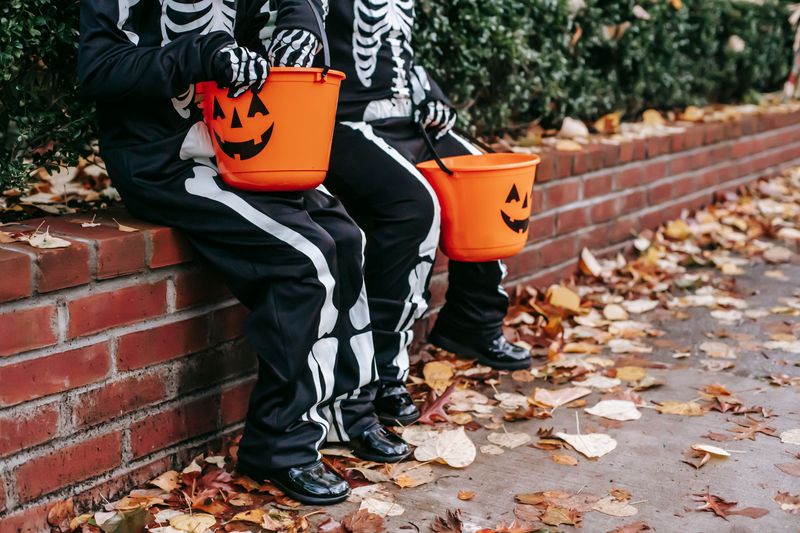
Costumes lead the pack at $4.4 billion in national spending. Decorations follow closely at $4.3 billion, with candy close behind at $4.1 billion.
Greeting cards add another $0.8 billion. Yes, people really do mail Halloween cards.
Residents take decorating seriously. Some West Hartford residents reported spending $200 or more on decorations alone.
One New Britain resident shared that she spent over $500 on Halloween decorations. She makes an effort to reuse many items, which is a smart habit.
Candy prices have also been rising in the state this year. Filling a bowl for trick-or-treaters can cost more than you remember.
Add costumes, candy, decorations, and cards together, and a family of four could reach about $460. That’s just for the basics, not pumpkin patches or parties.
The good news is that decorations can last for years. Store them carefully, and next October’s budget gets a lot lighter.
Try picking one category to splurge on. If costumes matter most, keep decor simple and buy candy on sale.
5. Popular Characters Can Mean Pricier Outfits
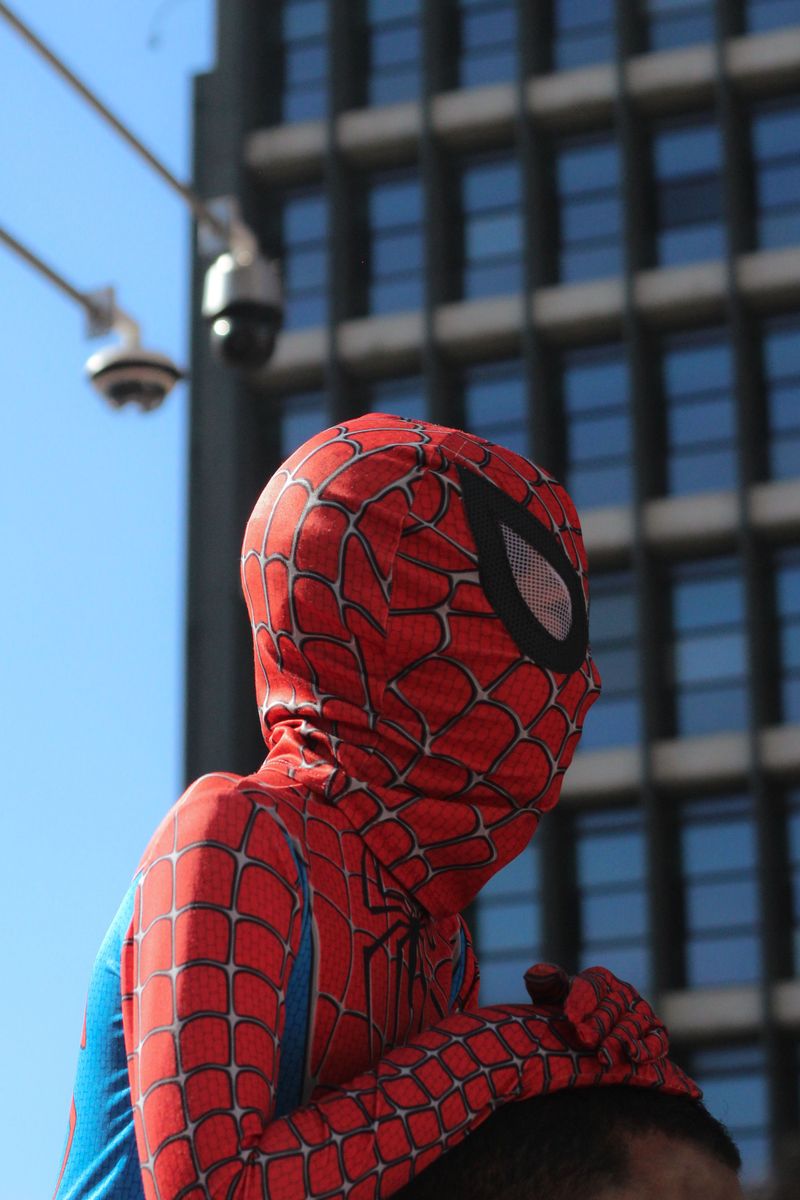
Spider-Man is swinging into another Halloween win. About 4.6 million kids are expected to wear the web-slinger’s suit this year.
Superheroes, princesses, witches, and ghosts also stay popular with children. They’re classics for a reason.
Here’s the catch, though. Licensed character costumes have seen some of the biggest price jumps, with basic options now at $60 or more.
Adults have favorites too. The witch is the top grown-up costume in 2026, followed by vampires, Batman, Spider-Man, and ghosts.
Pop culture is adding fresh options this year. Characters like Freaky Nikki, Ryland Grace, and Huntr/x are showing up on costume lists.
Don’t forget the family pet. Pumpkins, hot dogs, and ghosts top the pet costume charts, and those outfits add to the total.
A witch or ghost can often be made without any official logo. That’s where real savings hide.
If your kid insists on a famous hero, consider buying just the mask or shirt. Pair it with clothes you already own, and the look still works.
6. Last-Minute Accessories That Add Up Fast
Fangs, wigs, glowing nails, and face paint seem harmless one at a time. Then you buy them for four people, and the total jumps.
Those finishing touches often feel essential on October 30. That’s exactly when budgets tend to slip.
Plenty of costumes can start with clothes from your own closet. A few key add-ons can complete the look.
Masquerade masks, pirate gear, and zombie makeup kits are often available for under $25. Wigs, hats, headbands, and vampire fangs can cost under $15 each.
Stores also sell items like pumpkin sweatshirts, glow-in-the-dark press-on nails, and face painting kits. Each one feels small at the register.
Multiply those small buys across a whole family, though. Suddenly your thrifty plan costs nearly as much as store-bought costumes.
Make an accessory list before you shop. Check your closets, drawers, and old dress-up bins first.
Face paint kits are a smart pick because one kit can cover several people. Sharing supplies keeps the creativity high and the spending low.
7. Thrift Stores And DIY Costumes To The Rescue
Secondhand shopping is having a big Halloween moment. Thrift stores make it easy to build original looks for less.
The Gifts of OWC Secondhand Treasures in Vernon is known for its Halloween collection. Witch Bitch Thrift in New Haven leans into the season too.
Goodwill of Western and Northern Connecticut is getting in on the fun. It hosts a Goodwill Halloween Thrift Tour with shopping stops in Avon, Enfield, and Glastonbury.
Homemade costumes are another budget hero. They often start with clothes and household items you already have.
Black clothes plus paper ears make an easy black cat. Dark clothes and a pointed hat turn anyone into a witch.
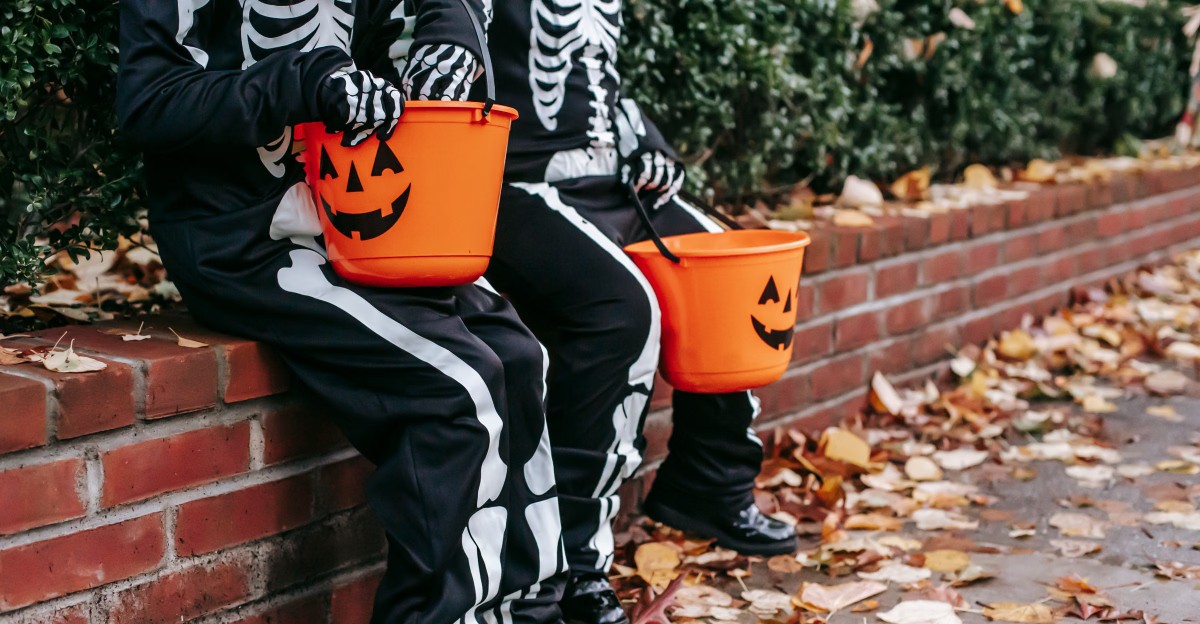
Want a skeleton? Wear black clothing and use white tape to create the bones.
DIY projects turn costume prep into a family activity. Kids get to cut, tape, and design, which makes them proud of the final result.
Thrifted pieces also have stories. An old blazer or sparkly dress can become something nobody else at the party is wearing.
8. Making Halloween Memories Without Overspending
Nearly half of shoppers started buying Halloween items in September or earlier, according to the National Retail Federation. Early shopping spreads costs out and leaves time to compare prices.
According to the National Retail Federation, 26 percent of Halloween shoppers plan to look for sales or coupons if prices are higher than expected. Another 34 percent plan to look for Halloween items they can reuse in future years or repurpose for other occasions.
Discount stores remain the top pick, with 39 percent of consumers planning to shop there. Local and small businesses have nearly doubled their share of shoppers over the past decade.
The state has fun local options for unique finds. Sophia’s Gallery in Cos Cob and Fashionista Vintage and Variety in New Haven offer vintage pieces with character.
Think about reuse when you buy. A cape can become dress-up gear, and a witch hat can return every October.
Kids usually remember the laughter more than the price tag. Carving pumpkins and walking the neighborhood together cost very little.
Set a budget, mix in homemade touches, and shop early. Your family can still enjoy a spooky, joyful night without that $200 dent hurting so much.