10 Secluded Towns Worth Exploring In Northwest Virginia Before Everyone Finds Them
A stone pool basin from 1761 is still holding naturally heated water in a mountain village.
That makes it the oldest spa structure in America, and the water stays around 98 degrees. Okay, that’s actually pretty impressive.
Then I kept digging through northwest Virginia and found a county that throws a whole festival for maple syrup each March.
A little further down the road sits a Civil War battlefield the federal government rates as 100 percent pristine. And now I’m even more interested.
These are tiny towns with big stories, quiet roads, and plenty of room to breathe.
So, how long until the rest of the world catches on?
1. Monterey
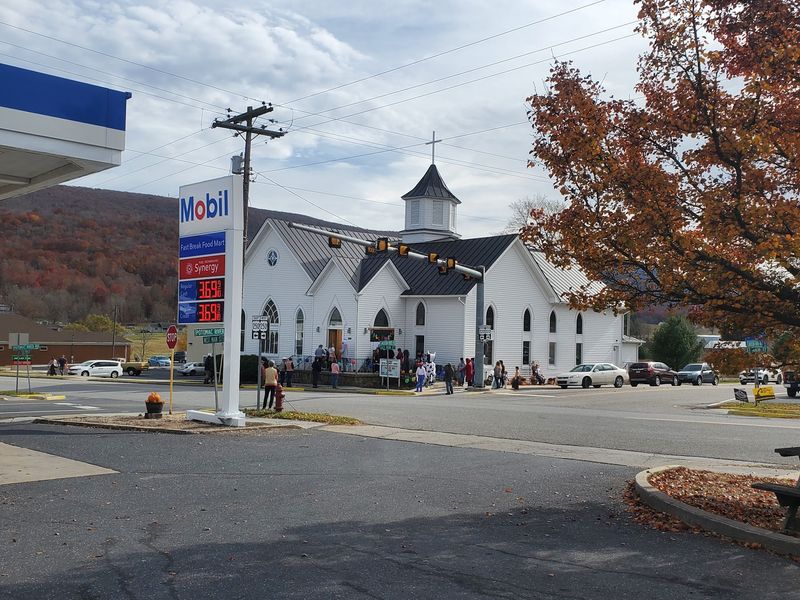
A town named for a Mexican city ended up as the sweetest stop in the Allegheny Highlands. Blame the maple trees.
Highland County carries the nickname Virginia’s Little Switzerland, and its lofty valleys have some of the highest average elevations east of the Mississippi.
Monterey serves as the county seat, surrounded by wooded ridges, grazing fields, and winding two-lane roads.
The compact village was laid out in 1847 with just 42 original lots. Its historic Main Street remains an inviting place to explore on foot, with carefully preserved old storefronts and mountain scenery around practically every corner.
Show up in March and you’ll encounter the Highland County Maple Festival.
Sugar camps welcome visitors to learn how sap becomes syrup, while maple doughnuts, buckwheat cakes, handmade crafts, and music turn the county into a celebration of its sweetest tradition.
The Highland Inn, built in 1904, still stands with its distinctive porches. Restoration work is underway, so admire the historic building rather than planning an overnight stay there.
The Highland Center hosts community activities and a summer farmers market. Spring brings especially lovely valley greens.
For a bigger view, drive toward Sounding Knob Fire Tower, restored in 2017 and open during daylight hours. Its staircase leads to broad mountain panoramas. Your Main Street starting point is 115 West Main Street, Monterey.
2. McDowell
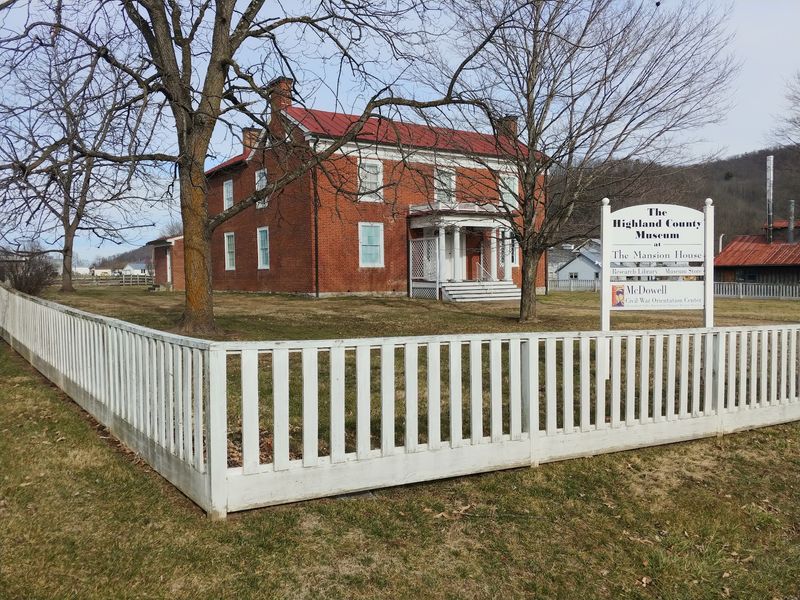
A grand brick house seems almost oversized for this wonderfully quiet little mountain community. That’s exactly why the Mansion House makes such a memorable first impression.
Built in 1851, the Greek Revival residence became an unmistakable landmark along the old Staunton to Parkersburg Turnpike.
It later served weary travelers as a hotel, and the painted decorative panels inside offer a glimpse of nineteenth-century craftsmanship.
Today it houses the Highland County Museum, with local artifacts and exhibits exploring the region’s past.
The museum generally welcomes visitors Thursday through Saturday, from the second weekend in March through October. That limited schedule makes a little advance planning worthwhile.
The surrounding countryside is just as compelling. Nearby Hayfields State Park protects more than a thousand acres between Bullpasture and Jack mountains, with forest, open pastureland, and stretches of the Bullpasture River.
Four miles of marked trails offer several approaches. Riverside Trail follows a gentler route, while Eagles Rest climbs toward a viewpoint above the valley. Fishing access is available along the river, subject to state licensing requirements.
The park opens daily for daytime recreation and has a handsome old farmhouse among its features. It’s a wonderful companion to the village’s historic architecture, especially during autumn when the surrounding hills turn bright colors.
Look for the museum at 161 Mansion House Road, McDowell.
3. Warm Springs
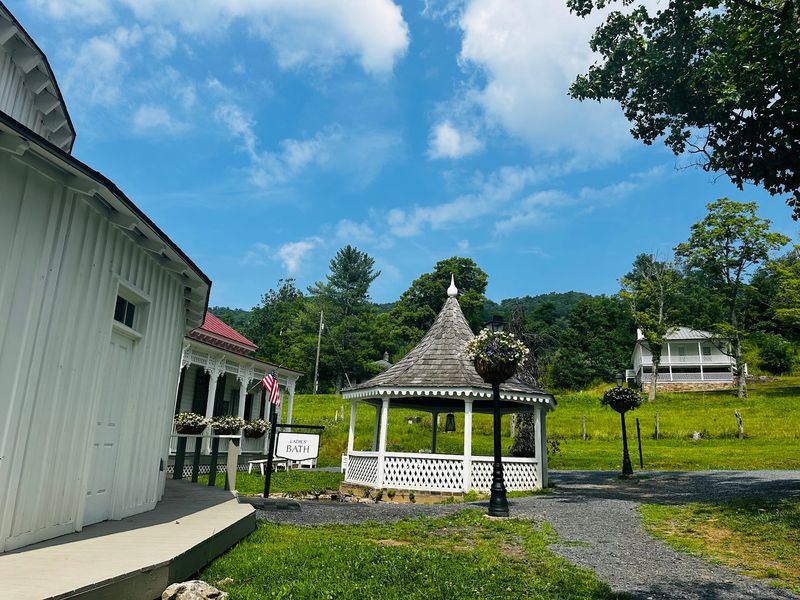
Thomas Jefferson soaked here in 1818, and you can still slip into the same historic mineral pools. Just reserve a session first.
The Warm Springs Pools are fed by naturally heated water that stays around 98 degrees. Four springs supply approximately 1.7 million gallons daily, creating a steady flow through the remarkably clear basins.
The original stone pool dates to 1761, making it the earliest known spa structure in America.
A bathhouse was constructed around it in the nineteenth century; nearby, the Ladies’ Bathhouse features a distinctive 22-sided design.
Following a careful restoration, the bathhouses reopened in December 2022. Visits are arranged in timed sessions, with separate options for families, adults, and private groups.
The experience revolves around the mineral water and beautiful old wooden structures rather than elaborate modern attractions.
The village is also Bath County’s seat, with historic buildings grouped along the mountain roads. Warm Springs Gallery showcases changing exhibitions, while local heritage collections offer another way to explore the area’s past.
Nearby Garth Newel Music Center, in neighboring Hot Springs, stages chamber music performances on a scenic mountain estate.
Its concerts make a rewarding addition to a weekend centered on the pools. It’s one of those Virginia outings where the setting does most of the talking.
4. Hot Springs
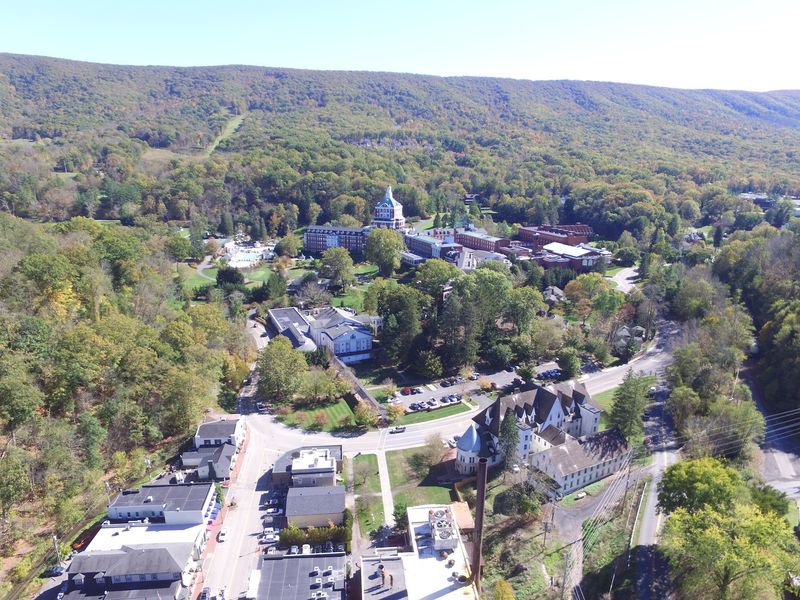
A resort village smaller than many city neighborhoods has been welcoming travelers for centuries. Its grandest landmark traces its hospitality story all the way back to 1766.
The Omni Homestead Resort dominates the village with an impressive red-brick facade, broad porches, and mountain views.
Although the original inn was much smaller, the property’s long hospitality tradition remains central to Hot Springs.
Golf has a history here too. The Old Course opened in 1892 and retains what is regarded as the oldest first tee in continuous use in the United States. A second course, the Cascades, spreads across the surrounding mountain landscape.
There’s plenty to enjoy beyond the resort. The Allegheny Mountains rise around town, and nearby scenic roads lead through wooded valleys and rolling farmland.
The famous Warm Springs Pools are a short drive north, offering another way to appreciate the area’s natural mineral-water heritage.
Outdoor plans can include hikes in George Washington National Forest or outings to Lake Moomaw, whose waters are framed by forested hills.
For an indoor cultural outing, Garth Newel Music Center hosts chamber music performances on a beautiful country estate.
The village makes a comfortable base for exploring Bath County without rushing between attractions. Take in the architecture, then follow a winding mountain road toward the next viewpoint.
5. Edinburg
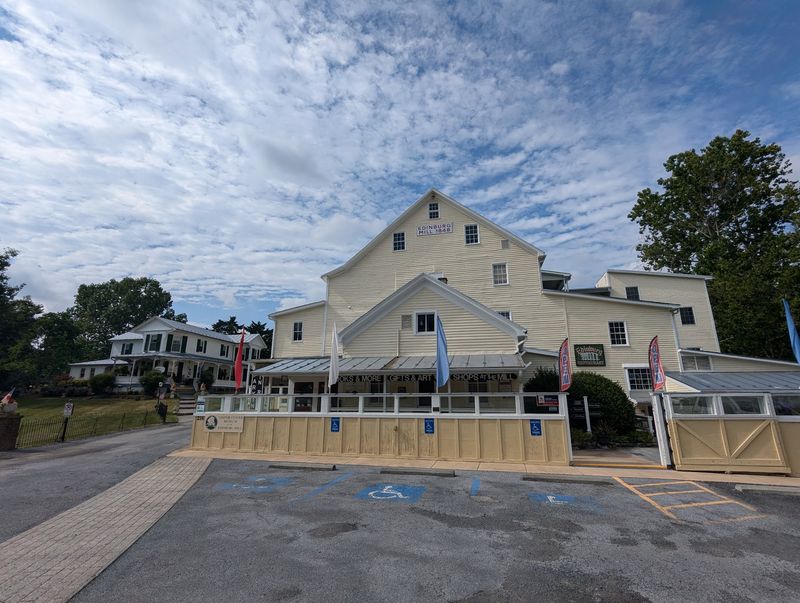
An old brick mill beside a creek is still standing after more than 175 years. In Edinburg, it’s the kind of landmark that makes you stop before you’ve even explored Main Street.
Built in 1848, the Edinburg Mill now houses the Shenandoah Valley Cultural Heritage Museum and a visitor center.
Three floors hold exhibits about regional transportation, community life, crafts, and the valley’s changing industries.
The original building stands near Stony Creek, which gives the property an especially picturesque setting. A restaurant operates on the ground floor, making the mill an easy centerpiece for a relaxed afternoon.
Outside, Edinburg’s historic Main Street is lined with colorful older houses, storefronts, and small shops. The compact downtown rewards a leisurely wander, especially when the mountains appear between buildings.
Each September, the town hosts its Ole Time Festival, with music, traditional activities, and community celebrations. It’s a lively contrast to the quiet streets on an ordinary weekday.
Shenandoah County’s farmland stretches beyond the town, creating scenic routes toward Mount Jackson and other small valley communities.
Interstate 81 is close enough for easy access, but the historic streets retain a distinctly local character. A visit to the mill gives context to the region’s past, while an afternoon along the creek supplies the scenery.
6. Mount Jackson
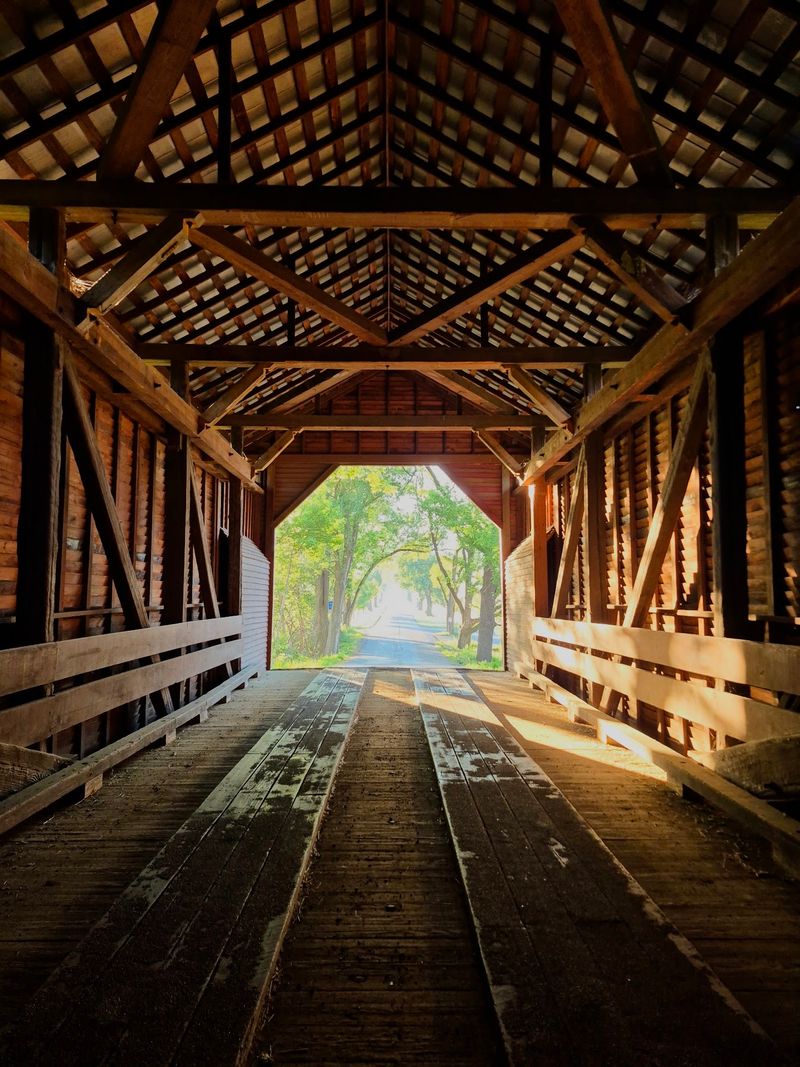
A covered bridge measuring 204 feet stretches across a river just outside this little town. Better still, carefully managed vehicle traffic can still cross it.
Meems Bottom Covered Bridge dates to 1894 and spans the North Fork of the Shenandoah River.
The long wooden structure uses an impressive Burr arch design, with massive timber supports rising from stone abutments.
The bridge was extensively restored during the 1970s and remains one of the most recognizable historic crossings in the state.
Its striking red exterior and tree-lined approach make the short detour worthwhile even for travelers who aren’t particularly interested in bridges.
Back in Mount Jackson, nineteenth-century buildings and a compact Main Street reflect the town’s long place along the valley’s main travel corridor. Shops, traditional houses, and nearby farmland contribute to its easygoing appearance.
The town lies between Edinburg and New Market, making it a natural addition to a drive along Route 11. Apple orchards and wooded ridges add color to the surrounding countryside, especially during the fall harvest season.
For photographs, approach the bridge slowly and use a designated place to stop. The crossing remains a working roadway, so give approaching vehicles plenty of room.
Few places in Virginia combine such an unusual historic structure with a short, simple country drive.
7. Stanley
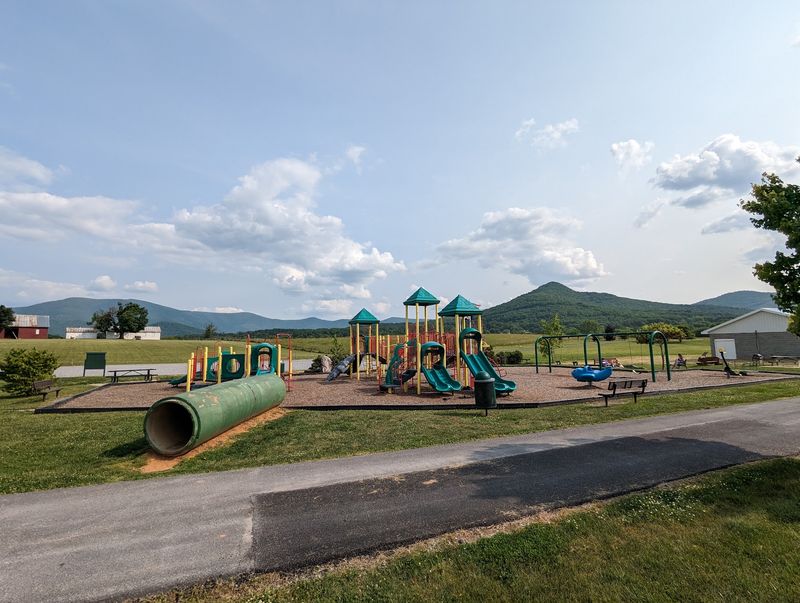
Mountains on the left, mountains on the right, and a small town snoozing in between. Stanley sits in the Page Valley, between the Massanutten and Blue Ridge mountains.
The rural character comes standard, no upgrade required. Fields and wooded slopes surround the streets, while the mountain skyline gives nearly every outing a scenic backdrop.
Stanley is conveniently positioned between Luray and the town of Shenandoah, making it a practical base for exploring the valley without staying in a busier destination.
There’s more to do locally than the quiet streets might suggest. Hawksbill Recreation Park covers 28 acres and includes a swimming pool, picnic shelters, playground facilities, and space for games.
During the warmer months, the pool becomes a popular neighborhood gathering place.
Ed Good Memorial Park offers another choice, with a performance area, walking trail, playground, and skate park. Community events bring visitors together throughout the year, especially during summer.
For a larger adventure, Shenandoah National Park rises along the Blue Ridge to the east, with Skyline Drive and hiking trails accessible via the region’s established entrances. The drive through Page Valley is rewarding even without a long hike.
A simple afternoon works beautifully: explore the parks, wander Main Street, then head into the countryside for mountain views. If you’re exploring this part of the valley, Stanley makes an inviting pause.
8. Shenandoah
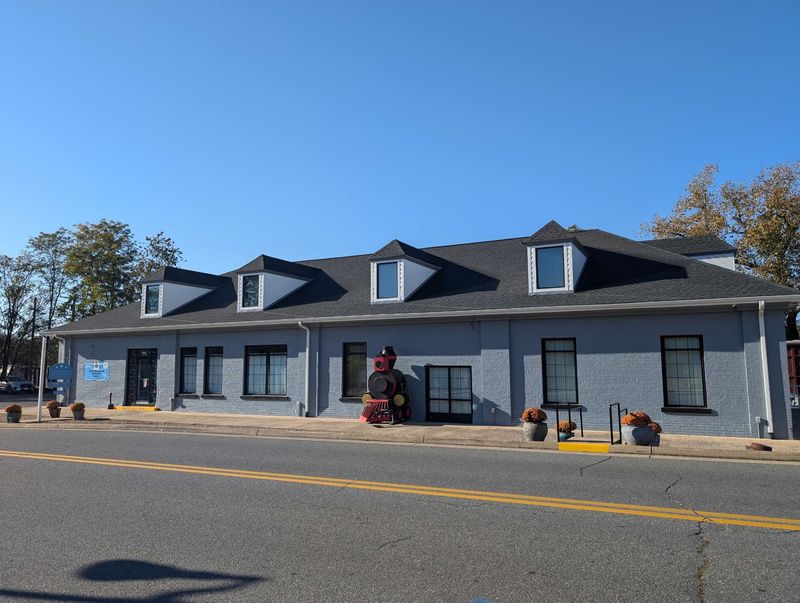
A town named after a whole river and valley had better deliver some water views.
Good news: Shenandoah sits right along the South Fork of the Shenandoah River.
The river is a natural centerpiece, with Shenandoah Landing and River Park providing an inviting place for boating access, picnics, and riverside walks.
There’s a paved path, a gazebo, and places to pause while watching the water flow past.
The town’s history has another defining feature: trains. Its railroad heritage reaches back to the nineteenth century, when local industries relied on the valley’s rail connections.
The Town Museum and Welcome Center on First Street displays railway artifacts and material about the community’s development.
For a greener outing, Big Gem Park spreads over 68 acres, with a pond, fishing access, walking trails, and picnic shelters.
The park occupies land once associated with an enormous iron furnace, turning an old industrial property into a place for recreation and wildlife observation.
Birdwatchers can look for songbirds near the pond, while families may prefer the playground and open picnic areas. Big Gem is open for daytime use.
The Blue Ridge rises beyond town, with Shenandoah National Park providing hiking opportunities farther uphill. Stanley and Luray also make easy additions to a Page Valley day trip.
9. Middletown
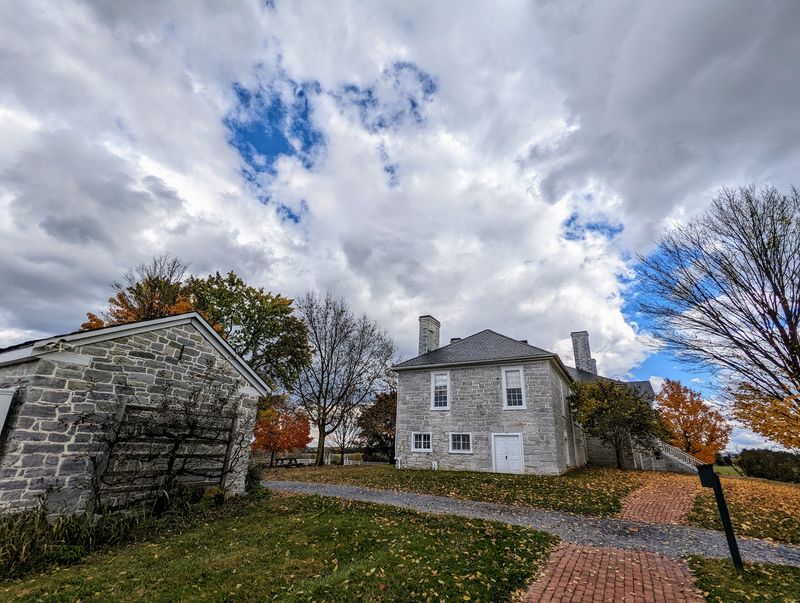
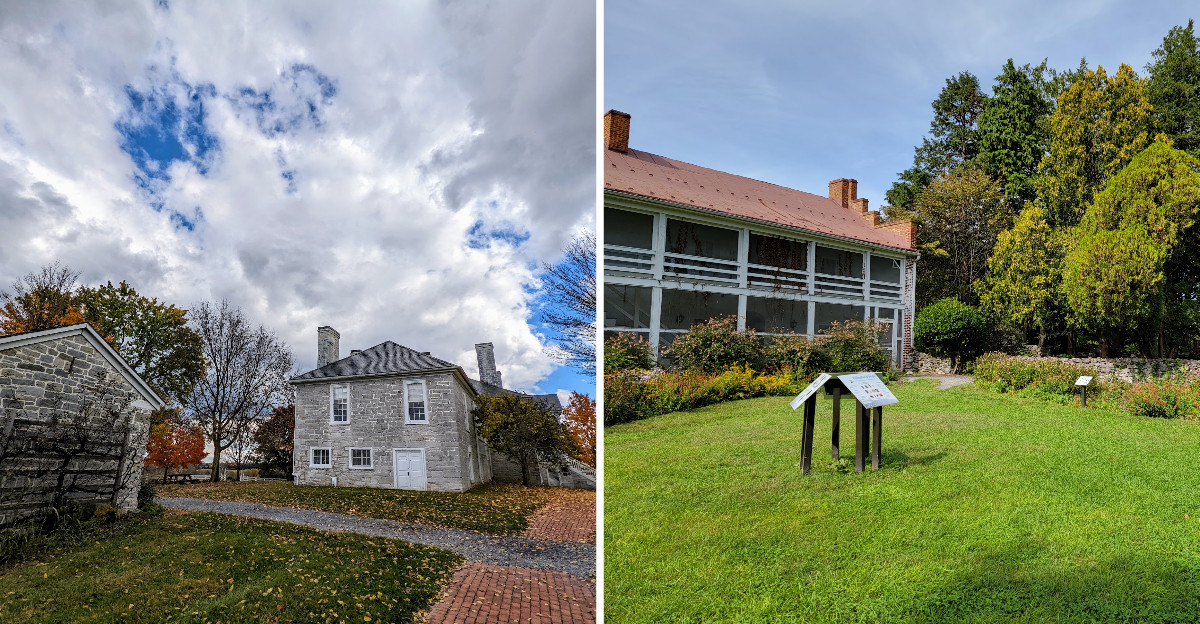
An elegant limestone manor stands just outside this quiet town, surrounded by fields and the broad sweep of the Shenandoah Valley.
Belle Grove’s manor house was completed in 1797 for a family connected to President James Madison.
Its finely crafted woodwork and symmetrical architecture reflect the style of an ambitious early American country estate.
Today the property forms a centerpiece of Cedar Creek and Belle Grove National Historical Park.
Guided tours introduce the house and its history, while outdoor paths lead past a heritage apple orchard, historic outbuildings, and a teaching garden.
Allow time for the landscape itself. Broad views stretch toward the Blue Ridge and Massanutten mountains, giving the grounds an appealing sense of space.
Middletown dates back to the eighteenth century, with a traditional street grid and historic buildings along Main Street. Shops and restaurants make it a pleasant stop before or after visiting the estate.
The manor usually offers guided visits during its main spring-to-autumn season, with a modified schedule later in the year. Checking the visiting calendar helps coordinate a town stroll with a house tour.
Its setting also makes Middletown a useful base for exploring the northern Shenandoah Valley, with Winchester and nearby country roads within easy reach.
This Virginia town rewards travelers who enjoy architecture and landscapes together.
10. Boyce
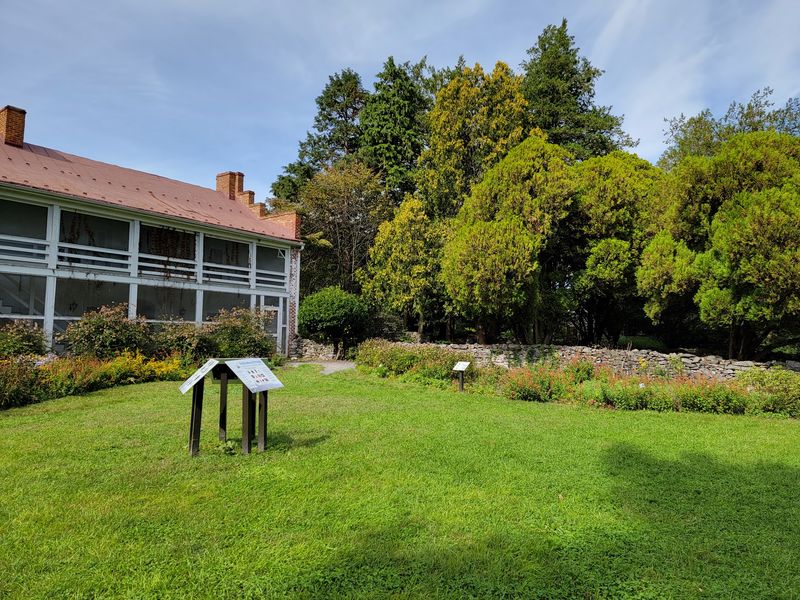
Picture-perfect horse country is the main attraction here, but a grove of glowing gold trees steals the fall show. Boyce sits close to a remarkable state arboretum.
The arboretum occupies about 172 acres at Blandy Experimental Farm, a university research property near town.
Its collections include thousands of trees, an extensive conifer garden, boxwoods, native plants, and a grand avenue of cedars.
But the ginkgo grove gets the biggest autumn spotlight. More than 300 trees turn brilliant yellow, usually around late October or early November. The color can change quickly, making each autumn visit a little different.
The grove also has an unusual scientific history. Its trees were planted during a twentieth-century research project studying the proportions of male and female ginkgo trees grown from seed.
That experiment eventually produced one of the country’s largest public ginkgo collections.
Beyond the grove, paths wind through gardens and open meadows. Labeled trees give curious visitors a chance to learn about plants from many parts of the world, while picnic spaces invite a slower afternoon.
The grounds welcome visitors from dawn until dusk throughout the year. Designated parking areas provide access to the main trails, and a short walk leads toward the ginkgos.
Boyce itself is surrounded by farm fields, horse pastures, and gently rolling hills.