9 Southern California Desert Towns Offering A Warm And Affordable Retirement
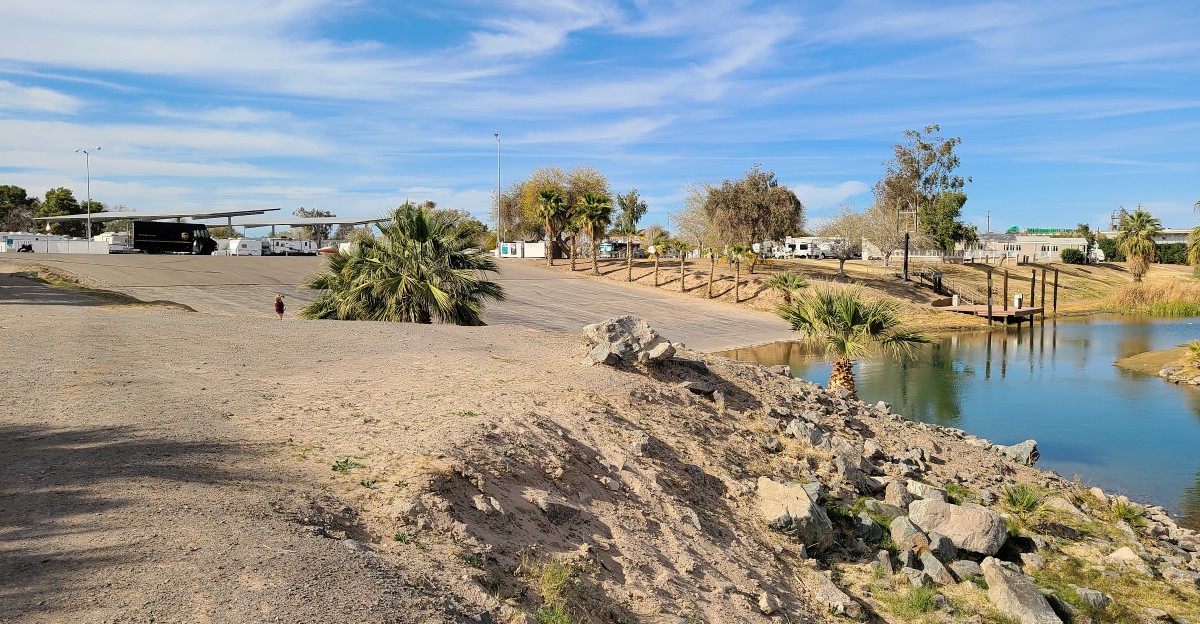
Retirement sounds a lot more appealing when your biggest morning decision is whether to visit a farmers market or take a walk beneath the desert mountains.
Southern California has plenty of places where that kind of life is possible without paying coastal prices. And some of them have much more going on than you’d expect.
One town has a museum filled with enormous metal sculptures scattered across the desert. Another has a historic railroad hotel that still draws curious visitors.
Of course, desert living comes with a catch. Summer temperatures can be brutal, and some towns are a long drive from major hospitals or shopping centers.
But for retirees who appreciate open space, mild winters, and a slower daily routine, these towns offer some interesting possibilities worth exploring.
1. Desert Hot Springs
Most towns brag about their water towers, but this one brags about what’s under the sidewalk. Hot mineral water rises here at 120 to 160 degrees, loaded with silica, calcium, and magnesium.
The hottest aquifer sits on Miracle Hill, which is a pretty great name for a neighborhood. Back in the mid-20th century, the town carried the nickname ‘Spa Capital of the World.’
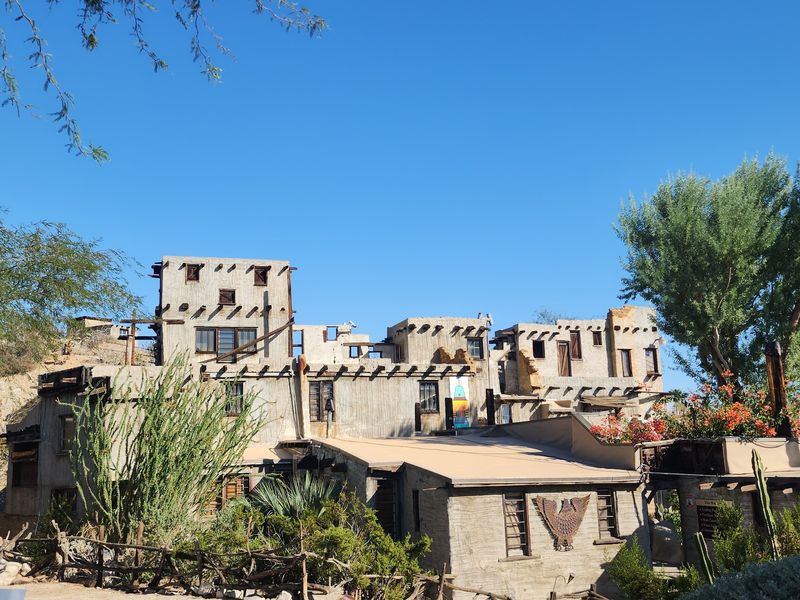
History buffs get a treat too. Cabot Yerxa arrived in 1913, found the hot water, and built a pueblo-style home that’s now Cabot’s Pueblo Museum.
For daily life, the Desert Hot Springs Senior Center welcomes adults 50 and better with a small yearly membership. You’ll find Fit After 50 classes, Mah Jongg, bingo, and a monthly farmers market.
The center also works as a cooling and warming center when the weather gets extreme. That’s a smart backup in a place where July and August can top 107 degrees.
Winters, though, are the reward. Daytime highs often land in the high 60s to upper 70s, and the area gets less than six inches of rain a year.
Cost is another plus, since the town ranks among the more affordable spots in California. Palm Springs sits about 20 minutes away, so big-city shopping stays close without big-city rent.
New affordable senior housing is also in the works. Independent living here averages less than the state average, which helps a fixed budget breathe easier.
2. Borrego Springs
Streetlights are a big deal in this tiny town, and not in the way you’d expect. In 2009, it became California’s first certified International Dark Sky Community and the second in the world.
Strict lighting rules keep the night sky bright with stars. The area gets more than 300 clear nights a year, so your telescope will earn its keep.
Anza-Borrego Desert State Park wraps around the entire community. It’s California’s largest state park, with more than 600,000 acres to roam.
Hikers can tackle trails like Borrego Palm Canyon and The Slot. Closer to town, Galleta Meadows shows off more than 130 giant metal sculptures of animals.
Golfers have options as well. Roadrunner Golf and Country Club is a 55+ community with an 18-hole executive course, pickleball courts, a heated saltwater pool, and a library.
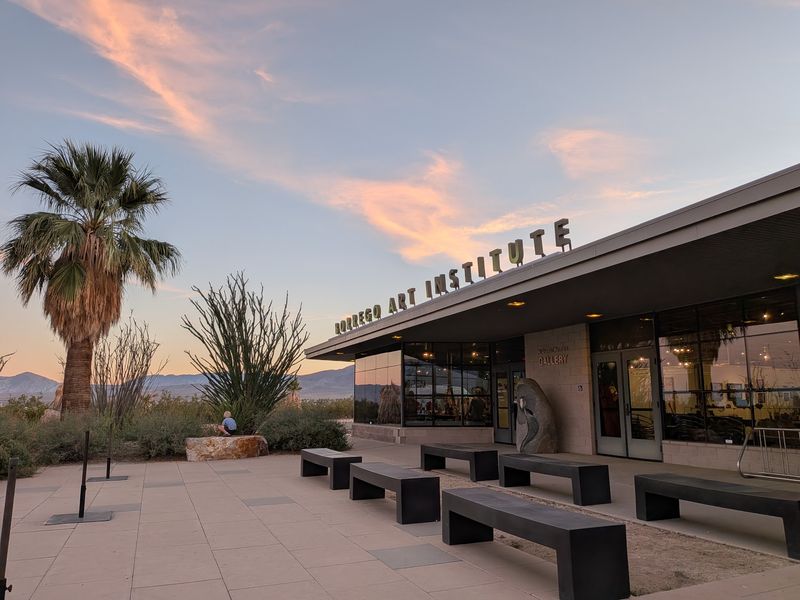
Creative types can sign up for pottery, gardening, and painting classes at the Borrego Art Institute. Borrego Medical Clinic covers primary care and accepts Medicare.
Housing here costs far less than coastal California, and some bungalows sell for surprisingly modest sums. Your retirement fund may finally get a little vacation of its own.
Summers do run hot, with July highs near 101 degrees. Winter nights dip into the low 40s, which feels perfect for bundling up and staring at the Milky Way.
3. Yucca Valley
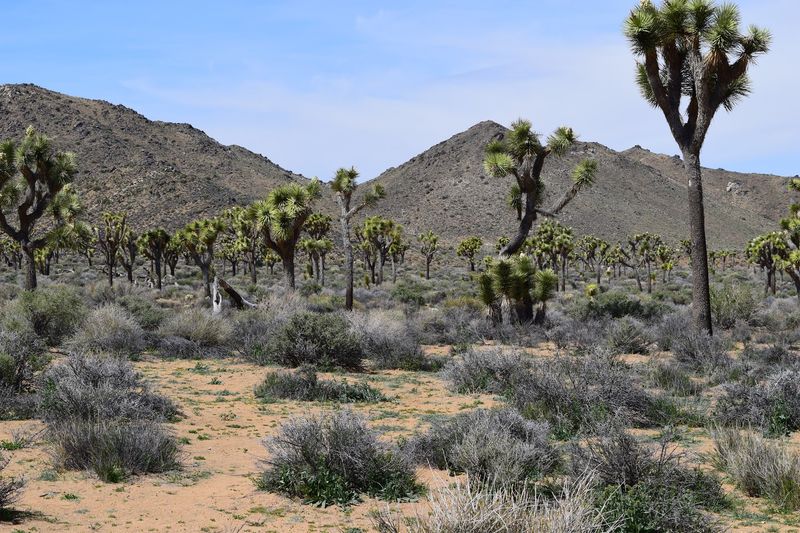
Joshua Tree National Park is basically the neighbor over the back fence here. The park’s west entrance sits about 10 miles from town, so weekend hikes take zero planning.
At 3,300 feet, the town runs cooler than the low desert. July highs average around 95 degrees, while December nights can drop to about 35.
That means you get real seasons without shoveling snow. Rain is scarce, averaging roughly 5 to 7 inches a year.
Living costs come in about 25 percent below the average California city. Median home values also sit well under the state average, which leaves room for hobbies.
Speaking of hobbies, the Desert Willow Center for Seniors keeps calendars full. Expect live music, dancing, holiday socials, lunches, and exercise classes.
Right next door, the Hi-Desert Nature Museum has shared local natural and cultural history since 1964. It even has a Mini-Zoo, which is a fun stop when grandkids visit.
Want a 55+ community? Dumosa Senior Village offers a computer room, a fitness center, and laundry facilities, while Desert Vista Village adds a pool and bocce ball courts.
Fun history bit: the first local well was called Warren’s Well, dug by the Warren family. The town itself only incorporated in 1994, so it still feels young at heart.
The town also has a growing arts scene along its Highway 62 main street. Between galleries, trails, and starry nights, boredom will have a hard time finding you.
4. Twentynine Palms
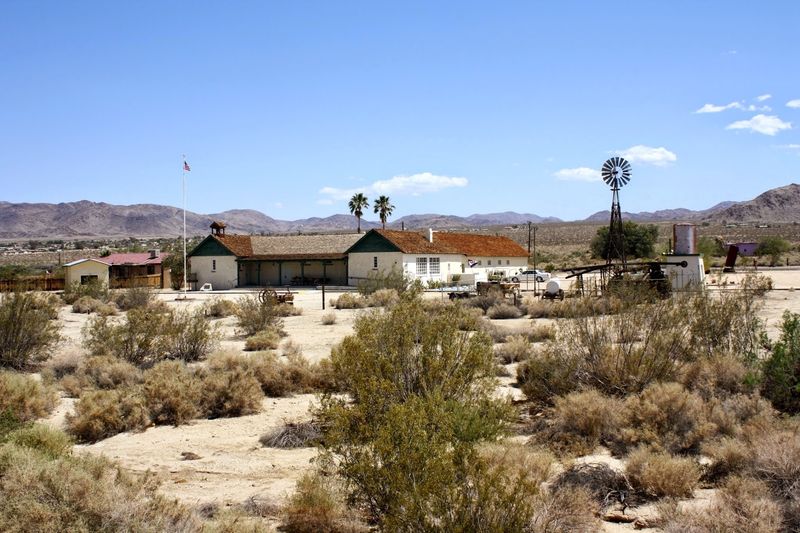
Legend says this town got its name from 29 palm trees at a desert spring. That spring, the Oasis of Mara, still sits beside Joshua Tree National Park headquarters.
The town itself dates to 1920. Its dry air drew World War I veterans who came here to recover, which makes it one of the original wellness retreats.
Today, the city serves as the north gateway to the park. Rock climbing, bouldering, hiking, and camping are close by, and the 49 Palms Oasis trail starts near the west end of town.
Sitting at over 1,900 feet, the city has slightly cooler winters than Palm Springs. December lows average about 39 degrees, and the sun shines roughly 3,830 hours a year.
Home values run well below the national average. Retirement community homes can be found for a fraction of what you’d pay near the coast.
Desert Oasis by Treehouse Senior Living offers maintenance-free living with a pool and hot tub. Foreign language classes and movie nights keep the calendar lively.
Veterans and military retirees have another perk. Naval Hospital Twentynine Palms provides medical services to eligible military retirees.
5. Blythe
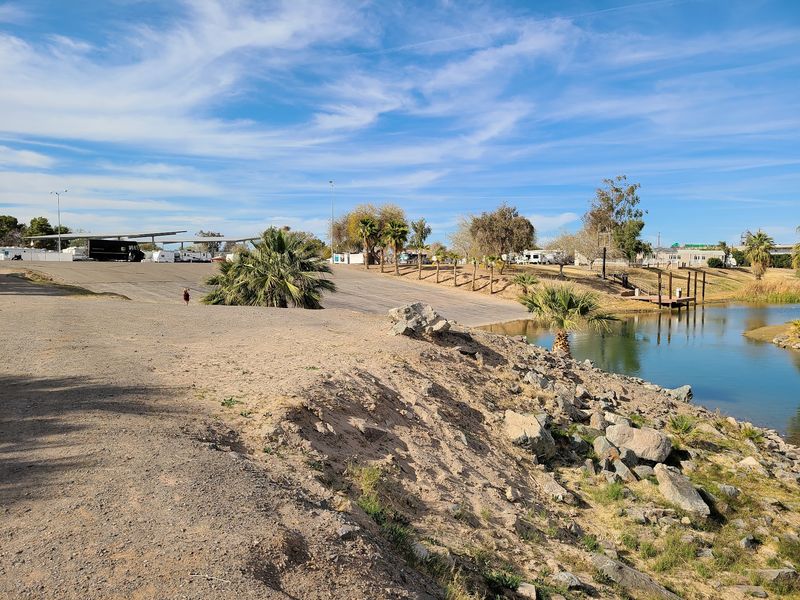
Snowbirds have been flocking to this river town for years, and the reason is simple. December lows average around 45 degrees, which is practically beach weather to someone from Minnesota.
The Colorado River runs right along the edge of town. Boating, fishing, and water sports are part of normal life here.
Mayflower Regional Park sits on the river with picnic areas, fishing access, and camping. Todd Park, Miller Community Park, and Appleby Park add more green space closer to home.
Now for the honest part. July highs average about 109 degrees, so summer becomes indoor season, though the low humidity helps.
Living costs run about 23 percent below the average California city. Housing ranks among the more affordable in the state, and rentals are gentle on fixed incomes.
The Doris Morgan Community Center hosts senior programs like morning coffee, lunch, board games, crafting, and bingo. Baldwin Senior Apartments offers 55+ living with high-speed internet.
Palo Verde Hospital provides 24/7 emergency care. That peace of mind counts for a lot in a smaller town.
History fans should check out the Blythe Intaglios north of town. These giant figures etched into the desert floor are believed to be 450 to 2,000 years old.
The city is named for Thomas Blythe, who set up water rights on the Colorado River in 1877. It incorporated in 1916, so it has had plenty of practice welcoming newcomers.
6. Barstow
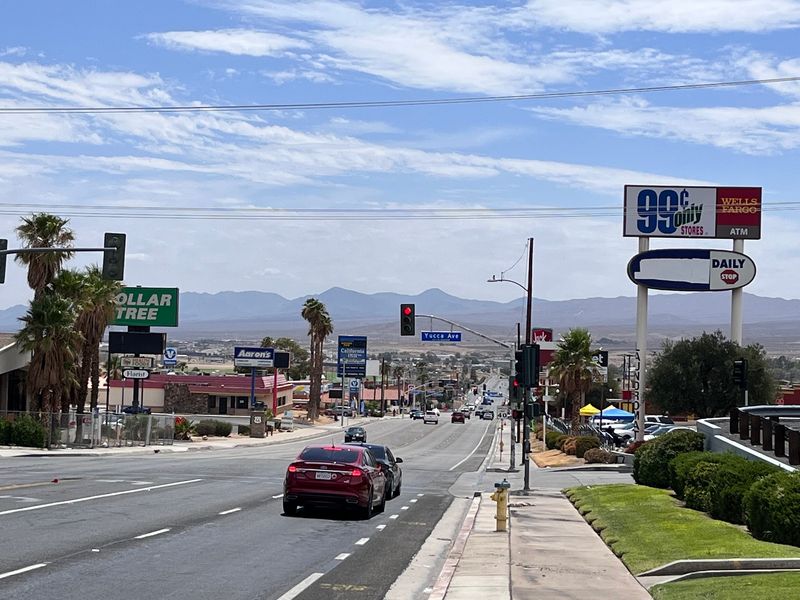
Train passengers once stepped off the Santa Fe Railroad into a grand hotel here called Casa del Desierto. That Harvey House, built in 1911, still stands on First Avenue.
Inside, you’ll find the Route 66 Mother Road Museum, which reopened in 2025. The Western America Railroad Museum shares the same historic building.
Barstow sits where Interstates 15 and 40 meet. That makes road trips, family visits, and supply runs pretty easy to plan.
Housing costs rank among the lowest in California. Overall living expenses also land well below the state average, so your budget can relax a little.
The Barstow Senior Center serves adults 60 and over with fitness classes, bingo, woodcarving, crafts, and computer help. A noon meal program and grief support round things out.
Healthcare options include Barstow Community Hospital, which focuses on emergency medicine and geriatric care. Veterans can also use the Barstow VA Clinic and the Veterans Home of California.
Summers often top 100 degrees, but evenings cool off nicely. Winter highs usually run between 50 and 70, and the town gets only about 4 inches of rain a year.
Outdoor fans can explore Rainbow Basin, Afton Canyon, and the Mojave Riverwalk. Barstow City Park offers shaded picnic spots and walking paths for easier days.
Curious about space? The NASA Goldstone Visitor Center is part of the local museum lineup, along with the Mojave River Valley Museum.
7. Brawley
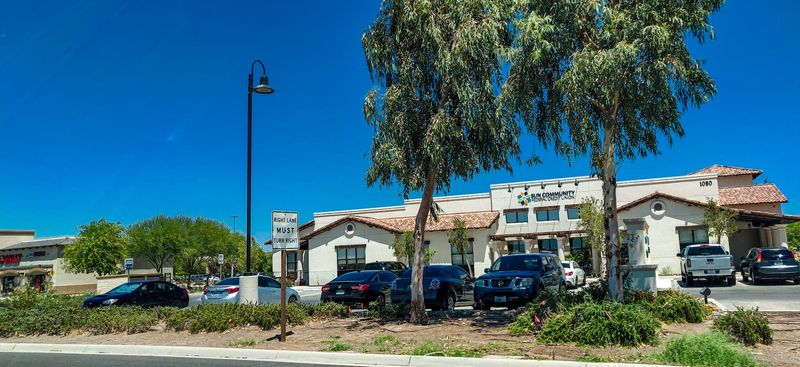
Here’s a fun one for trivia night: this town sits below sea level. Brawley rests in the Imperial Valley flatlands, south of the Salton Sea, with roughly 26,000 residents.
The Imperial Valley is famous farm country. Water from the Colorado River turned this low desert into fields that help supply winter produce.
That farm-town identity shows up in local pride. Each year, Brawley hosts the Cattle Call Rodeo, a tradition that dates back decades.
Winters are the big selling point. Low desert sun makes January feel mild, and you can trade snow boots for sneakers for good.
Summers, on the other hand, run seriously hot. Plan your errands for early mornings and save afternoons for the air conditioner and a good book.
Prices in Imperial County generally run lower than in coastal Southern California. That gap can make homeownership more realistic on a retirement income.
For medical care, Pioneers Memorial Hospital serves the area from Brawley. Having a hospital in town is a real comfort as birthdays add up.
Want a road trip? The Salton Sea sits to the north, and the Mexico border is a short drive south.
Life here moves at a small-town pace, which suits many retirees just fine. Before you move, spend a summer week in town to see how you handle the heat.
8. Needles
Snoopy fans, take note. Peanuts creator Charles Schulz spent part of his childhood here, and the town helped inspire Snoopy’s brother Spike.
The name comes from sharp rock pinnacles called The Needles across the river in Arizona. The town was founded in 1883 when the railroad reached the Colorado River.
Route 66 history runs deep. The El Garces Harvey House, built in 1908, reopened as a transportation facility in 2014, and the Needles Regional Museum covers railroad and highway stories.
Budget is where Needles really shines. It’s often named one of the cheapest places to retire in California, and median listing prices sit far below the state average.
Fair warning: July highs average about 110 degrees. December lows near 47 make winter a dream, which is why snowbirds love it.
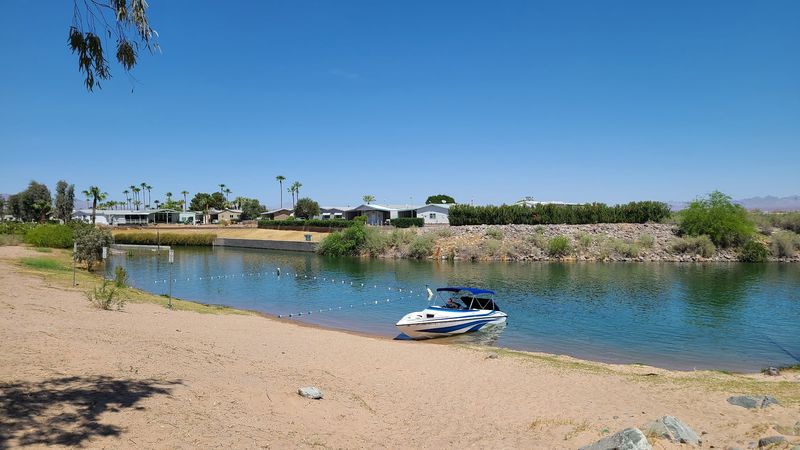
The river keeps life interesting. Jack Smith Memorial Park offers paved riverside paths, outdoor exercise equipment, and picnic areas.
Golfers can play River’s Edge Golf Course, an 18-hole course overlooking the water. Manny Morris Beach Side Park adds turf and cabanas beside a public beach.
The Needles Senior Center serves adults 60 and over with bingo and a noon meal program. It also runs rides within city limits and a shuttle to Fort Mohave and Bullhead City.
That shuttle matters, since much of the area’s medical care sits across the river in Arizona. Plan your appointments with the schedule in mind.
9. Ridgecrest
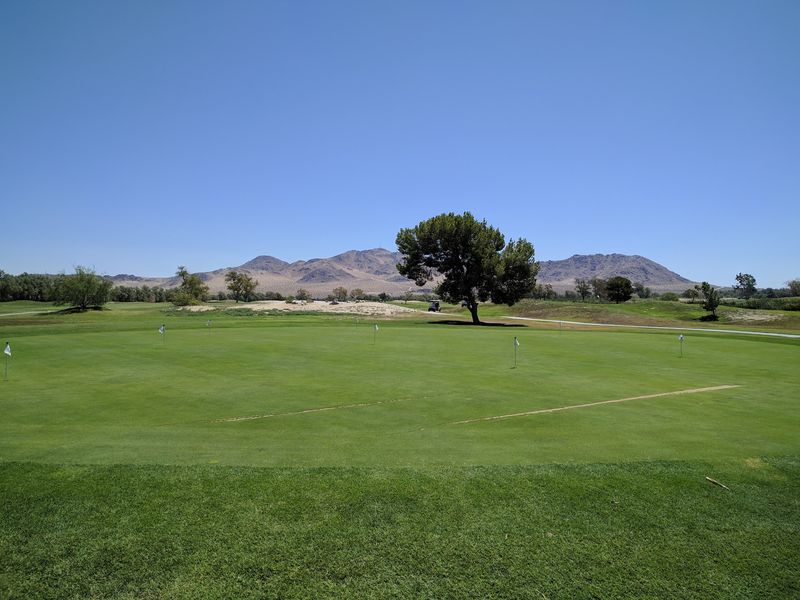
Four mountain ranges ring this Indian Wells Valley town, so the view never gets old. Ridgecrest also soaks up about 294 sunny days a year.
Affordability is a headline here. Independent living averages below both California and national levels, and rents run notably lower than in most of the state.
Don’t skip the Maturango Museum, founded in 1962. It covers the Northern Mojave’s animals, plants, rocks, minerals, Native American artifacts, and art.
The museum is also linked to the Coso Rock Art District, one of the largest concentrations of rock art in the Western Hemisphere. Public tours are currently unavailable because of base restrictions, so check before planning.
Healthcare is close by. Ridgecrest Regional Hospital, established in 1945, offers cardiology, primary care, rehabilitation, and emergency services.
The Ridgecrest Senior Center provides activities and services for older residents. A monthly senior food program for people 60 and older also helps stretch the grocery budget.
Need more support? High Desert Haven offers assisted living care, while Ridgecrest Senior Apartments has a pool, fitness center, and community gardens.
The Lancaster and Palmdale area sits about 80 miles away. That’s close enough for big-store runs, yet far enough to keep traffic out of your daily life.
Weather here comes with personality. July highs average about 103 degrees, December lows dip near 31, and the wind likes to make itself known.
Rain is rare, usually under 5 inches a year. Grab a good hat, find a porch with a view, and let California’s open desert do the rest.