These 9 North Carolina Towns Are Attracting Real Estate Investors, And Locals Are Taking Notice
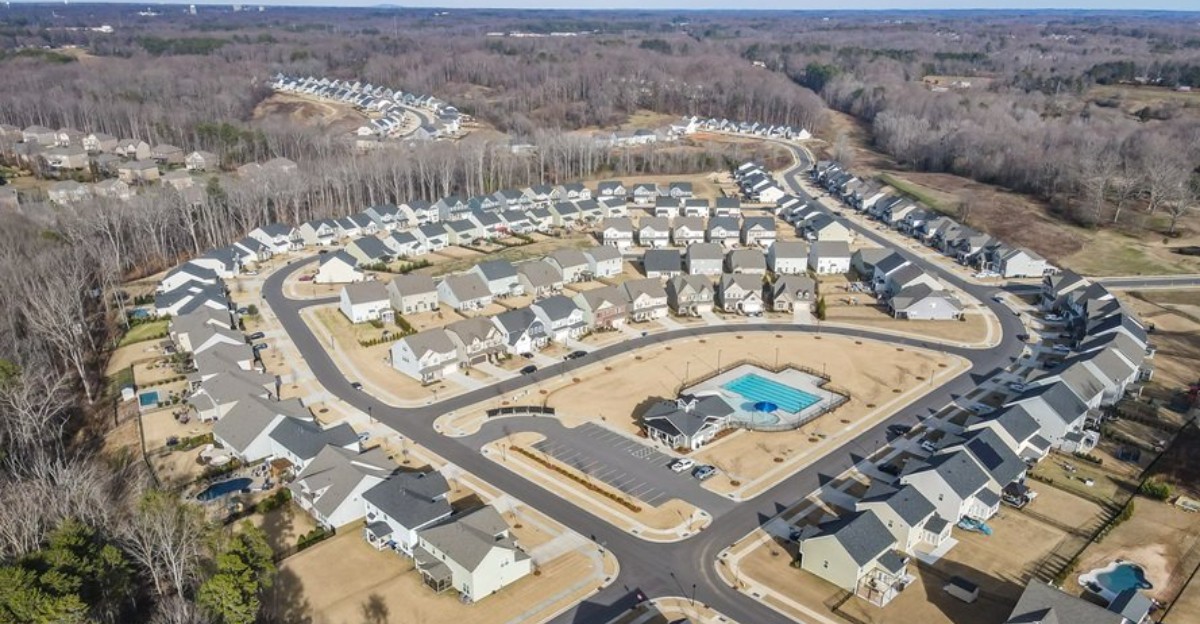
One town on this list has two separate historic downtowns because Fuquay Springs joined with the neighboring community of Varina back in 1963. I love that kind of quirk.
It tells you a place grew in its own odd, stubborn way.
That same historic character now shares the spotlight with new housing developments and expanding communities across North Carolina. Some of these towns sit near big job centers.
Others sit near a lake, a river, or a famous racing scene.
I can’t help noticing a pattern, though. The towns getting the most buzz are the ones that kept their old Main Streets while new neighborhoods popped up around them.
Locals see it too. New faces show up at the coffee shop, and fresh construction rises at the edge of town.
So which places are catching all this attention, and what makes each one so tempting right now?
9. Apex
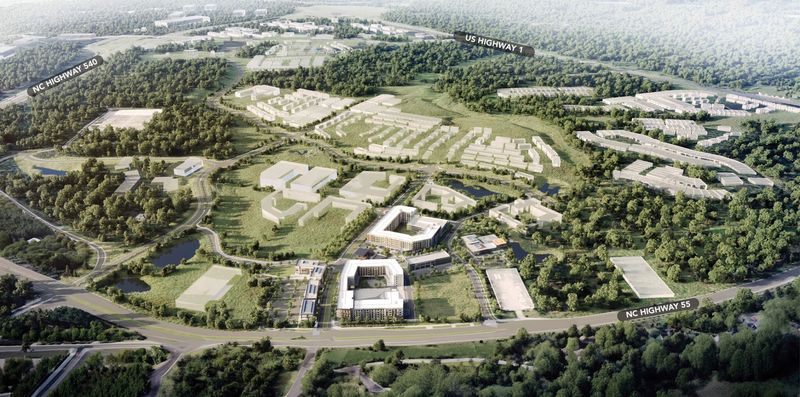
A town named for the high point on a railroad line knows a thing or two about rising. Apex got its name because it sat at the peak of the old rail route through the area.
Today, that name feels almost like a prediction. The Wake County town has turned into one of the most talked-about places to live in the Triangle.
Much of the appeal comes from downtown. Salem Street holds a preserved turn-of-the-century commercial district with brick storefronts that look straight out of an old postcard.
You get the small-town look without being far from the action. Raleigh, Cary, and Research Triangle Park are all within a reasonable drive.
Investors like that mix for a simple reason. People want walkable charm, but they also want a paycheck from a big employer nearby.
Apex offers both, which keeps demand for homes strong. New neighborhoods have spread out from the historic core over the years.
If you’re thinking about buying here, look closely at how close a home sits to downtown. Properties within an easy stroll of Salem Street tend to carry extra appeal.
Keep an eye on newer subdivisions too. They often bring updated homes and amenities families want.
Locals have certainly noticed the change. More traffic and more rooftops are part of the deal now.
Still, the old downtown keeps its personality. That balance is exactly why so many buyers keep circling this Wake County favorite.
8. Holly Springs
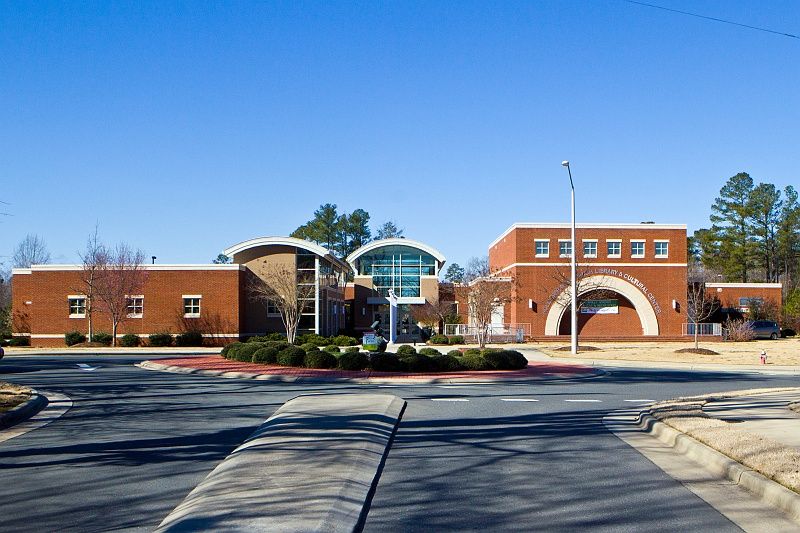
Southern Wake County has a quiet overachiever, and its name sounds like a holiday card. Holly Springs has grown fast while still trying to keep its friendly, civic small-town feel.
That’s not an easy trick. Plenty of towns lose their identity once the bulldozers arrive.
Here, residential and commercial growth have stacked up quickly. New homes, shopping centers, and businesses keep filling in open land around town.
For investors, that steady expansion is a signal. Growth usually follows jobs, and the wider Triangle region keeps adding them.
Holly Springs sits close enough to Raleigh and Cary for commuters. Yet it still feels a step removed from the busier core.
That sweet spot attracts families who want more space. It also attracts buyers who want newer homes instead of older fixer-uppers.
So what should you watch if you’re shopping here? Pay attention to new commercial projects, since they can change shopping options, traffic patterns, and the convenience of nearby neighborhoods.
Also check road access and commute times. A few minutes saved on the drive can make a big difference to renters and buyers.
Longtime residents have seen the town change shape. Fields have turned into neighborhoods, and quiet roads now carry more cars.
Even so, Holly Springs still works hard to feel like a community. That sense of place is a big part of why buyers keep showing up, checkbooks in hand.
7. Pittsboro
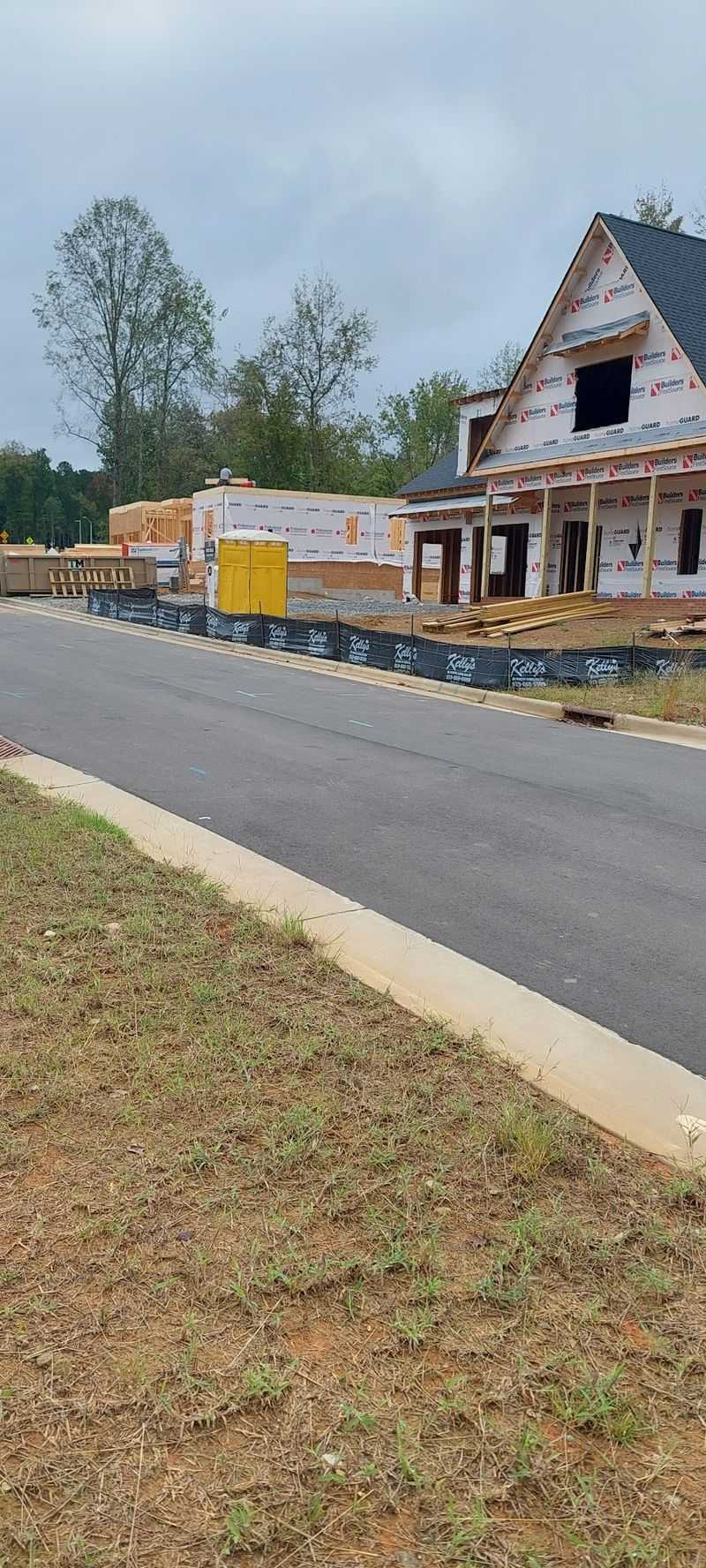
Few towns build their whole downtown around a single traffic circle, but Pittsboro does. The historic courthouse sits right in the middle, and the roads loop around it like it’s the town’s heartbeat.
As the county seat of Chatham County, Pittsboro has deep roots. Its old main street center still gives off a slower, rural charm.
That rural setting is a big part of the draw. You get rolling countryside and a historic downtown in one package.
Meanwhile, the Triangle keeps growing toward it. Chapel Hill and other job hubs aren’t far away.
Investors pay attention when a quiet town sits in the path of growth. Pittsboro fits that description nicely.
Large planned developments in the area have also put the town on the radar. Those projects bring new homes, new residents, and new businesses over time.
Thinking about buying? Homes near the historic center offer that classic small-town feel people love.
Land and homes on the outskirts may appeal more if you want acreage. Either way, look at how future development plans could change the area around you.
Locals have definitely noticed the shift. A sleepy county seat is slowly becoming a place newcomers search for online.
The courthouse circle still anchors it all, though. It’s a nice reminder that some things in North Carolina stay put while everything else changes around them.
6. Mooresville
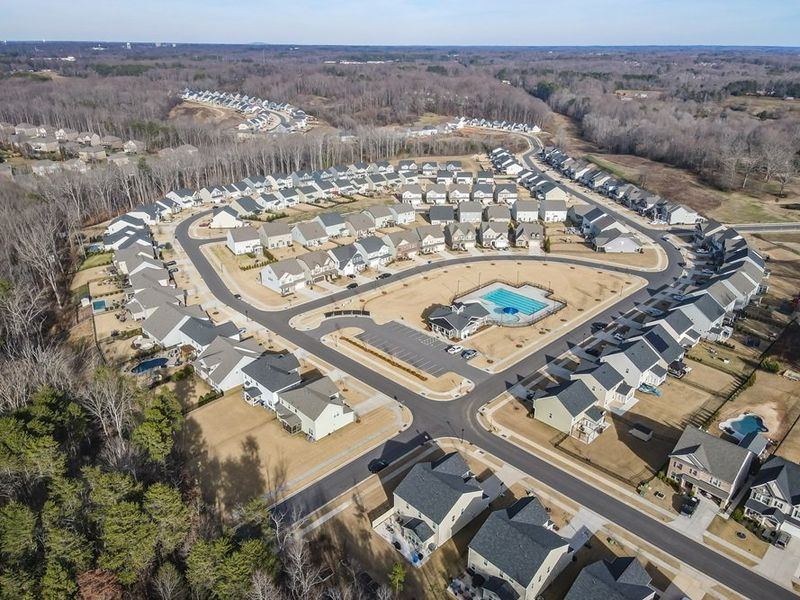
Race cars and lake houses make a pretty convincing sales pitch. Mooresville calls itself Race City USA, thanks to its strong ties to motorsports.
The North Carolina Auto Racing Hall of Fame sits right in town. So yes, speed is part of the local personality.
Then there’s Lake Norman, the biggest man-made lake in the state. Residential neighborhoods border its shoreline, and lake life is a huge selling point.
Mooresville also has a compact historic downtown. Its Main Street district gives the town a walkable center away from the water.
Here’s what makes investors lean in. The town isn’t just a bedroom community for Charlotte.
Major employers call Mooresville home, including the headquarters of Lowe’s. That means people can live and work in the same place.
The housing mix is wide, too. You’ll find older homes near downtown, planned neighborhoods, and pricey waterfront properties.
If you’re buying, decide early what matters most. Lake access usually costs more, while homes inland may offer better value.
Mooresville also offers rental properties in different settings, from neighborhoods near major employers to communities around Lake Norman.
Locals have watched the town grow at a rapid clip. Roads are busier, and new homes keep appearing.
Still, the racing spirit and lake breeze haven’t gone anywhere. Honestly, that combo is hard to beat.
5. Waxhaw
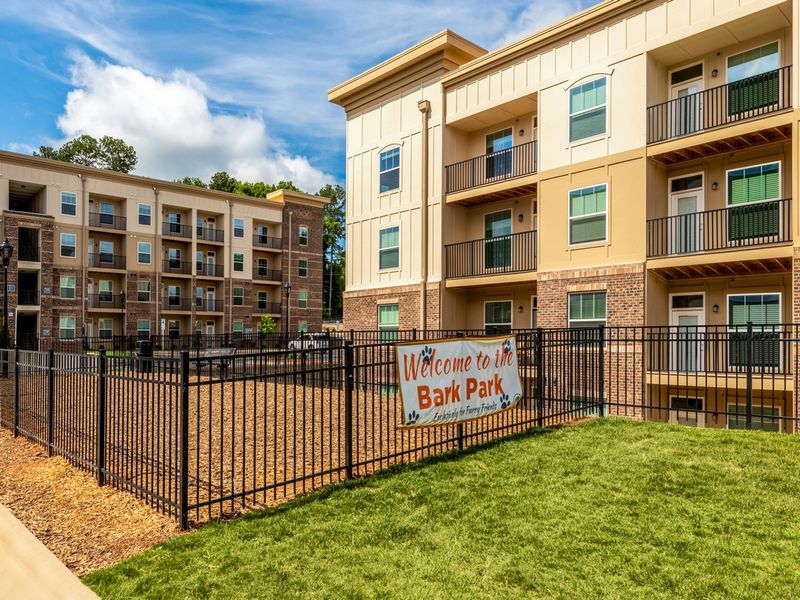
Not many towns can claim a footbridge as their signature landmark. Waxhaw can, and its overhead bridge across the railroad tracks has become a true local icon.
It connects the two sides of a charming, pedestrian-friendly Main Street. You can stroll from shop to shop and cross the tracks high above the trains.
Waxhaw sits in Union County, south of Charlotte. That location matters a lot to buyers.
People can reach Charlotte jobs while coming home to a quieter setting. It’s the classic best-of-both-worlds pitch, and it works here.
The town’s historic core gives it a strong small-town identity. That character is hard to fake, and buyers know it.
New neighborhoods have grown around the edges over the years. Families especially seem drawn to the space and the feel of the place.
So how should you approach it as an investor? Homes close to Main Street often appeal to people who want walkability.
Larger lots farther out may attract buyers looking for room to spread out. Know your target buyer or renter before you jump in.
Locals have noticed the steady arrival of newcomers. More cars and more construction come with the territory.
Yet the footbridge still stands over downtown, doing its job. It’s a fun symbol for a town that connects old charm with new growth.
4. Belmont
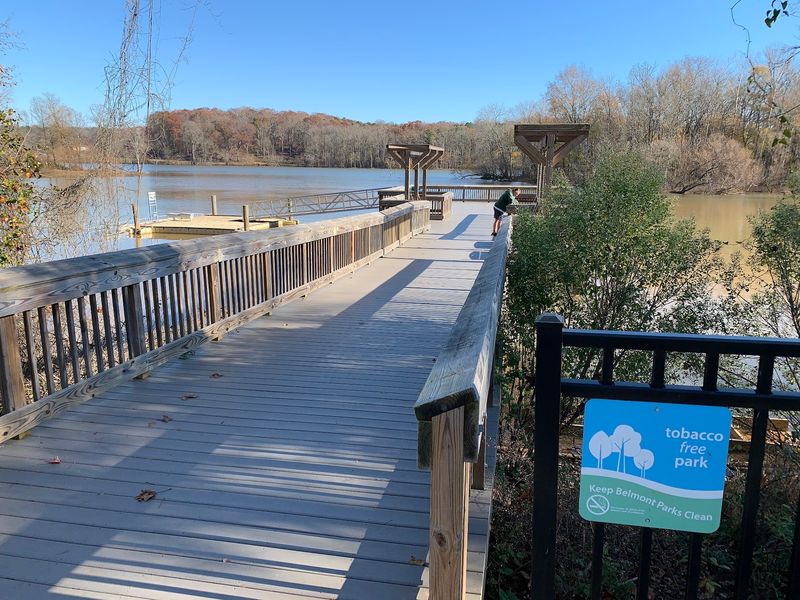
A river on one side and a revived Main Street on the other is a solid recipe for buyer interest. Belmont, in Gaston County, sits along the Catawba River.
Its downtown business district has been revitalized into a walkable spot. Shops and restaurants line the street, giving the town a lively center.
Location plays a starring role here. Belmont sits just west of Charlotte, which makes commuting realistic for many workers.
Charlotte’s airport isn’t far either. That’s a nice perk for people who travel for work.
Investors tend to like towns with a real downtown and easy job access. Belmont combines a walkable historic downtown with access to Charlotte’s employment centers, giving prospective buyers another option outside the city.
The Catawba River adds outdoor appeal. Water nearby always seems to make a place feel more relaxing.
Buying here? Homes within walking distance of Main Street often carry extra charm and demand.
Look at properties near the river too. Water access or views can boost long-term appeal for buyers and renters alike.
Belmont also has a historic feel worth protecting. Older homes and buildings give the town its personality.
Locals have noticed the growing crowds downtown. A once-quiet mill area now gets real attention from outsiders.
That popularity brings new energy and new questions about growth. For now, Belmont is managing to stay charming while the spotlight grows brighter.
3. Clayton
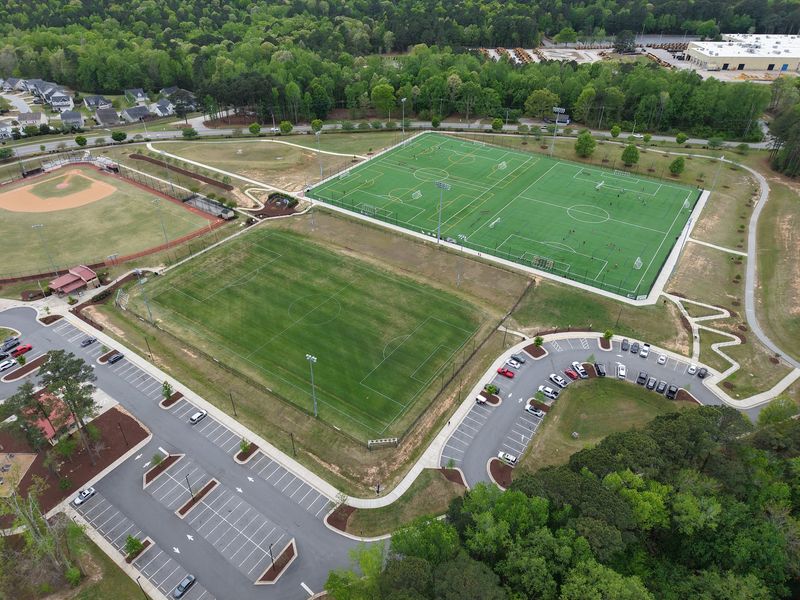
Just east of Raleigh, a classic Main Street is holding its ground while the suburbs swirl around it. Clayton sits in Johnston County and has kept its traditional downtown spine intact.
That’s a big deal in a fast-growing region. Many towns lose their old centers, but Clayton still has one.
Growth around Clayton has been steady and noticeable. New neighborhoods and shopping areas keep spreading across the area.
Big employers have also helped. Pharmaceutical manufacturing has a major presence in the area, bringing jobs to the county.
For investors, jobs plus relative affordability is an attractive mix. Johnston County homes have often been cheaper than those closer to Raleigh.
That price gap pulls buyers outward. Clayton becomes the place where people find more house for their money.
Thinking of buying? Check commute routes into Raleigh carefully, since traffic patterns can affect rental demand.
Also watch for newer subdivisions with family amenities. Those often draw steady interest from young households.
Downtown properties offer a different flavor. They come with history and the fun of walking to local shops.
Locals have watched farmland turn into neighborhoods. Some like the change, and some miss the quieter days.
Either way, Clayton has become a name buyers know. Its Main Street keeps it grounded while the rest of town keeps growing up.
2. Fuquay-Varina
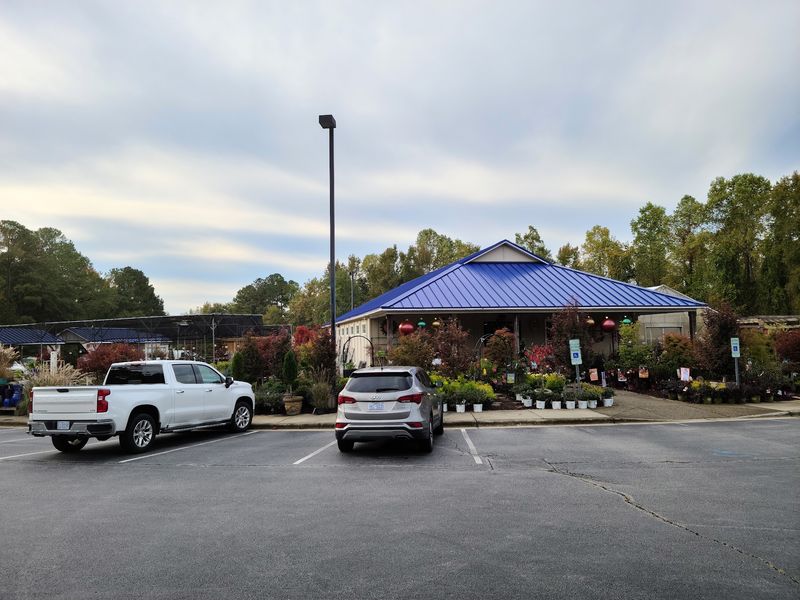
Why settle for one downtown when you can have two?
Fuquay Springs was once a separate town, while Varina was a neighboring community. They came together in 1963, and both historic downtown districts remain today.”
The mineral spring history, two downtown districts, southern Wake County location, and residential growth are accurate.
That double-downtown setup gives the town a quirky personality. You can explore one area, then head over and explore the other.
The Fuquay side has roots tied to a mineral spring. It’s a fun bit of history behind the name.
Fuquay-Varina sits in southern Wake County. That puts it within reach of Raleigh while still feeling like its own place.
Investors have noticed the growth pouring into the area. New homes and businesses have been filling in around both downtowns.
So where should you look? Homes near either downtown offer walkable charm and character.
Newer neighborhoods farther out may appeal to buyers wanting modern layouts. Each option attracts a slightly different crowd.
Keep an eye on road improvements and commute times too. Easier access to Raleigh can make a big difference for future value.
Locals have seen their town become a popular choice for newcomers. The two downtowns are busier than they used to be.
Still, the merged-town story gives Fuquay-Varina something special. Not every place can say it has twice the downtown charm.
1. Wake Forest
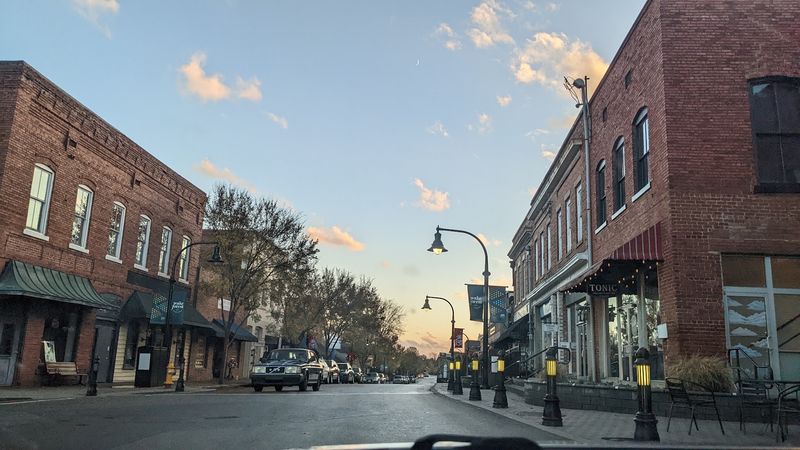
A famous college started here, then packed up and moved across the state. Wake Forest College began in this town and relocated to Winston-Salem in the 1950s.
The town kept the name, the history, and a lot of charm. Its old campus is still home to a seminary today.
Downtown centers on historic South White Street. Brick storefronts there give the area a classic, walkable feel.
Nearby, tree-lined residential avenues add to the appeal. Those older streets carry a lot of character.
Wake Forest sits in northern Wake County. That puts Raleigh within commuting distance for many workers.
Investors like the mix of history and access. Buyers get a real town identity plus easy reach to Triangle jobs.
New neighborhoods have expanded around the historic core. That growth has brought more housing choices for different budgets.
If you’re buying, older homes near downtown can be a strong draw. People love leafy streets and a short walk to local shops.
Newer homes on the edges may suit families wanting extra space. Know which buyer or renter you hope to attract.
Locals have watched Wake Forest grow from a college town into a busy suburb. Traffic and new rooftops tell that story.
Yet South White Street still feels rooted in its past. That’s a fitting finish for a North Carolina town that keeps its history close while welcoming new neighbors.