This Outer Banks Village Was Just Named America’s Best Place To Spot Wild Dolphins
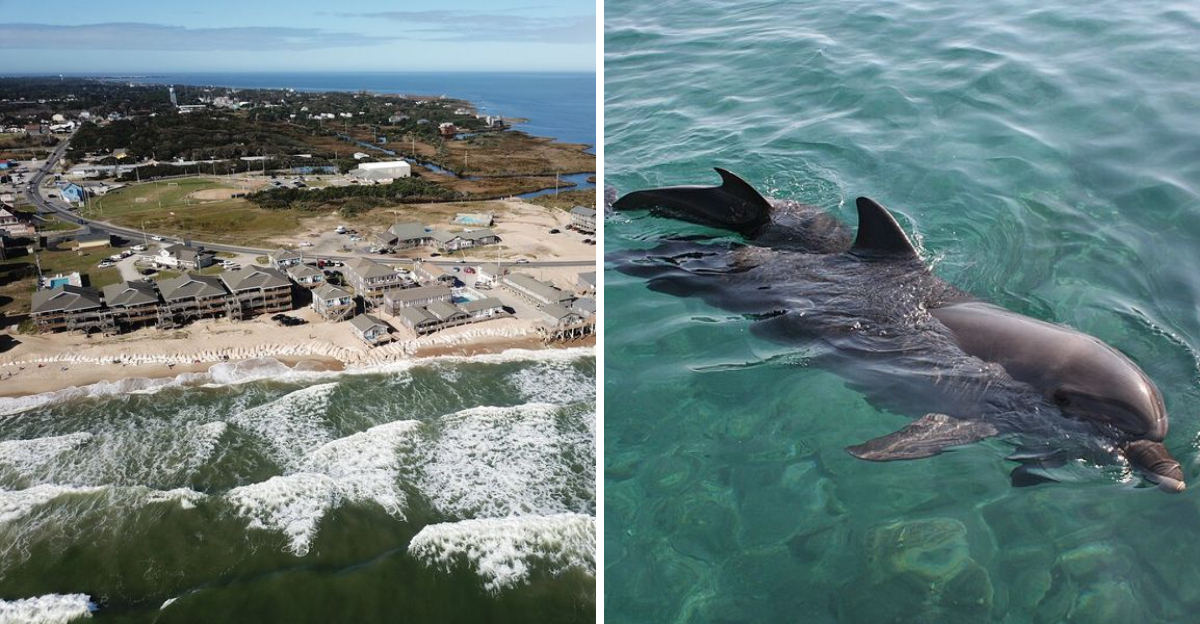
North Carolina dolphins have apparently chosen a favourite coastal hangout, and the numbers are doing very little to keep it secret.
A small village recently claimed the top spot in a 2026 national ranking for documented wild bottlenose dolphin sightings.
More than 20,000 animals appeared across 1,761 recorded events, turning this stretch of coast into a serious contender for anyone willing to spend time watching the water.
Still, dolphins remain wonderfully uncooperative celebrities. They do not follow schedules, respond to applause, or surface because someone has been holding a camera for twenty minutes.
The ranking reflects documented survey activity rather than a guaranteed encounter, but the setting makes patience easy.
Atlantic waves roll nearby, Pamlico Sound opens behind the village, and the horizon always looks capable of delivering a surprise.
Pack binoculars, lower your expectations just enough, and let the fins decide when the show begins.
Dolphin Sightings Give Buxton Its New Claim To Fame
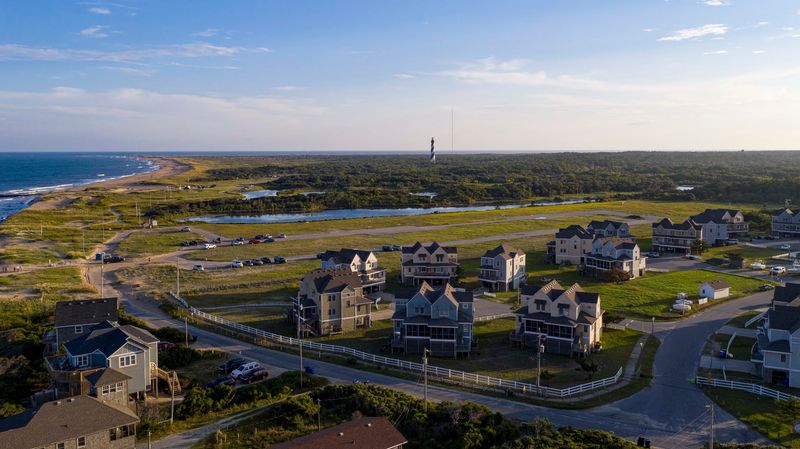
Numbers gave Buxton its big headline, and honestly, they are hard to ignore. A recent BoatBooker ranking placed Buxton at number one in the country for wild bottlenose dolphin sightings, with 20,128 individual dolphins recorded across 1,761 sighting events.
That puts this Hatteras Island village ahead of many better-known dolphin-watching destinations. You do not need to turn the claim into magic to make it exciting.
The data already does plenty of work. Buxton sits in a place where ocean conditions, protected shoreline, feeding activity, and coastal geography all help make dolphin encounters feel more possible than they do in many beach towns.
North Carolina also showed up strongly in the same ranking, with Nags Head and Harkers Island landing in the national top ten too. Still, Buxton grabbing the top spot gives the village a fresh reason to brag.
You can come for the beaches, the lighthouse, the fishing, or the slow Outer Banks mood, then end up scanning the water every few minutes because now you know what might be out there. That little flash of fin suddenly becomes the whole trip.
Cape Hatteras Waters Make Wildlife Watching Feel Easy
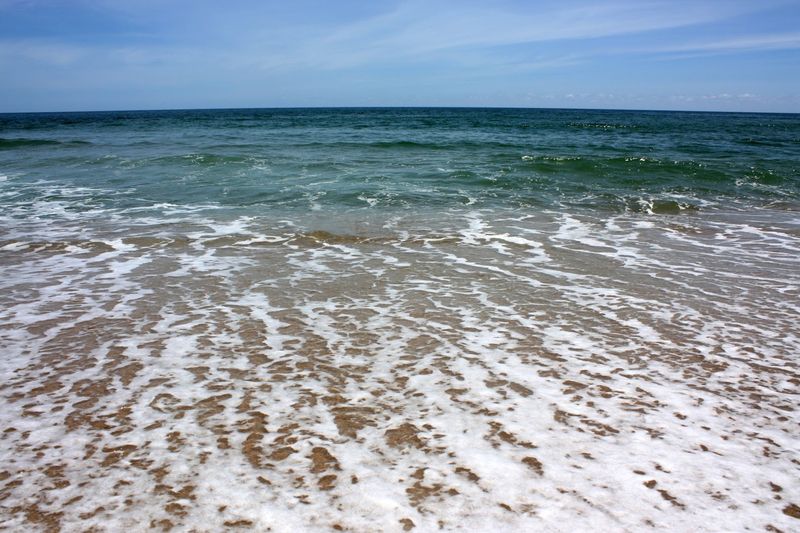
Few coastlines in the United States offer the kind of effortless wildlife access that Cape Hatteras provides.
Spanning 30,000 acres and stretching across 75 miles of protected shoreline, Cape Hatteras National Seashore creates an expansive habitat where dolphins thrive in plain sight.
On calm days, spotting fins from the beach requires nothing more than patience and a good pair of eyes.
North Carolina Highway 12 runs the length of Hatteras Island, making the entire seashore remarkably easy to explore at your own pace. Pull over at any beach access point, spread out a blanket, and scan the horizon.
The ocean here has a way of rewarding those who simply slow down and look.
What makes this stretch of North Carolina coastline especially exciting is that the wildlife watching does not feel staged or manufactured. Dolphins appear on their own schedule, following fish and tides rather than tour boat bells.
That wild, unscripted quality is exactly what keeps visitors coming back season after season with genuine anticipation.
Morning Beach Walks Come With Real Fin-Spotting Potential
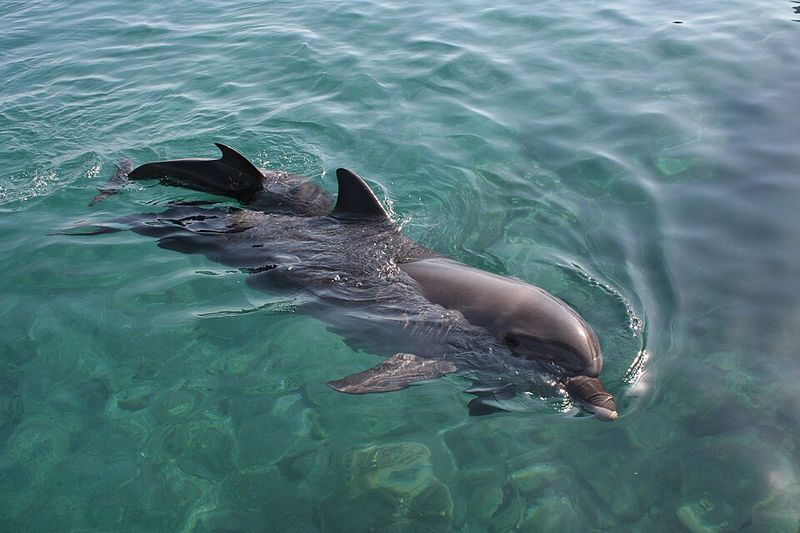
Sunrise already looks good on Hatteras Island, but dolphins give you a better reason to stop hitting snooze.
Morning beach walks can be especially rewarding because the water often feels calmer, the light is softer, and the shoreline has not yet filled with the full energy of the day.
You do not need a complicated plan. Walk slowly, look just beyond the breakers, and watch for movement that rises and disappears in a smooth rhythm.
A dolphin fin does not behave like a wave. Once you learn the difference, your eyes start searching automatically.
Incoming tides can help because baitfish may move closer to shore, and dolphins often follow food. Calm weather helps too, since choppy water makes everything harder to read.
Bring coffee if you need motivation. Bring binoculars if you want an advantage.
Bring patience no matter what, because the ocean does not care about your schedule. The reward is worth it.
Seeing a wild dolphin from the sand feels different from seeing one from a boat. It is quieter, more surprising, and somehow more personal because you found the moment yourself.
Pamlico Sound Adds A Calmer Side To The Search
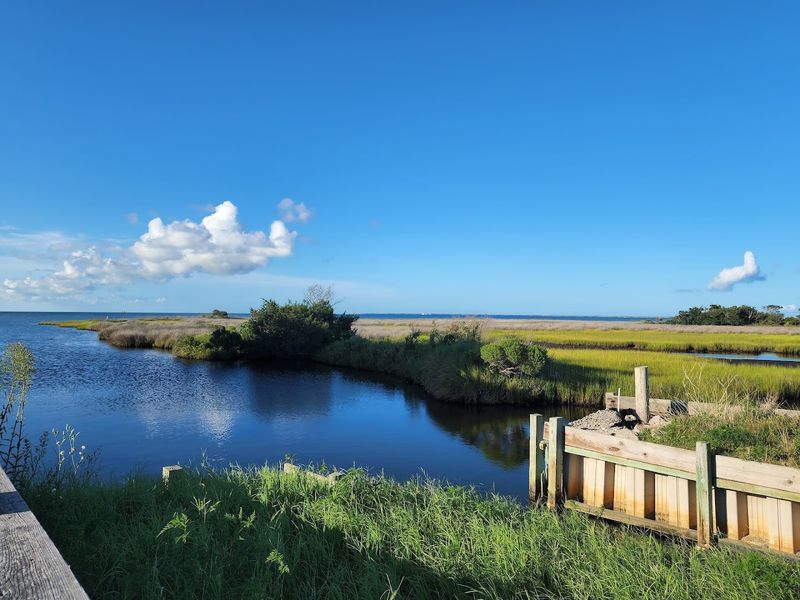
Soundside water gives Buxton a softer version of the dolphin-watching experience. Pamlico Sound stretches along the western side of Hatteras Island, offering calmer, shallower water than the open Atlantic.
That makes it appealing for families, paddlers, and visitors who want wildlife watching without big surf in the background. You can still get the thrill of scanning for fins, but the whole mood feels gentler.
Early mornings and evenings can be especially lovely on the sound, when the water turns glassy and every small movement stands out.
Kayakers and boat passengers may find the soundside search more intimate because the setting feels quieter and more protected.
That does not mean sightings are automatic. Dolphins are wild, and they move where feeding and conditions lead them.
Still, Pamlico Sound adds another way to enjoy the search beyond standing on the beach. It also gives travelers options when the ocean side feels too windy or rough.
In a place like Buxton, that flexibility matters. You can watch the Atlantic at sunrise, explore the sound later, and spend the whole day feeling like the water might surprise you at any minute.
You Can Pair Dolphin Watching With Lighthouse Views
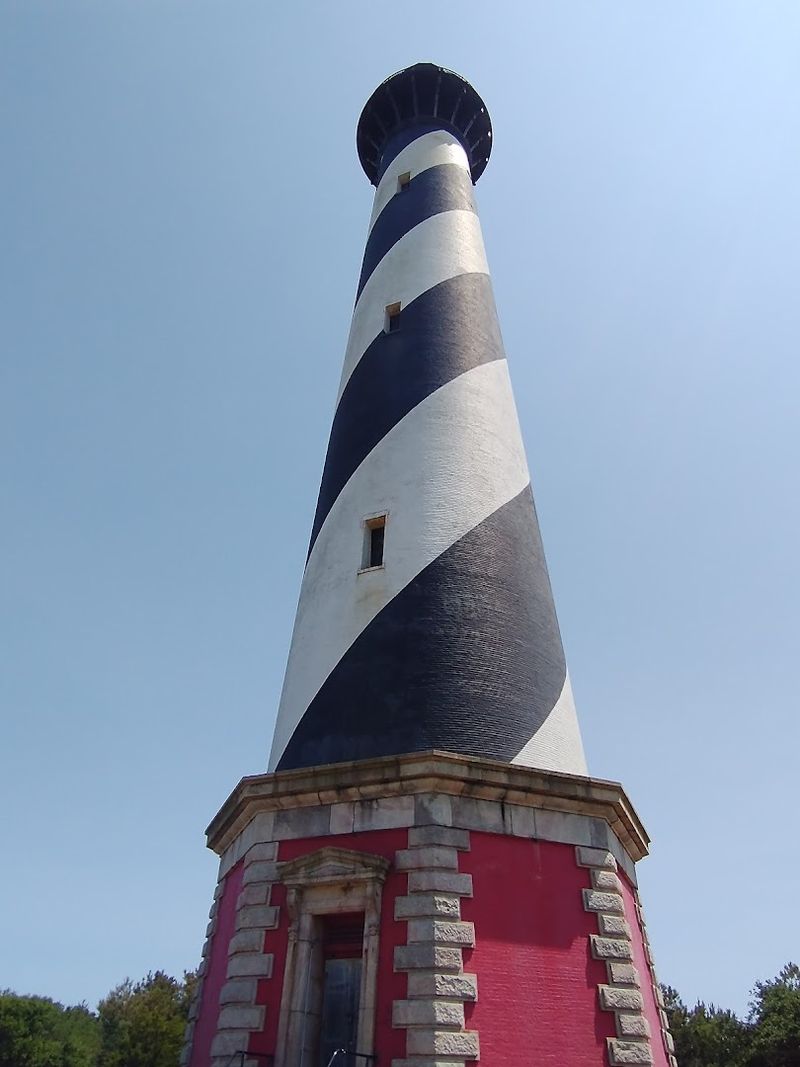
A dolphin trip gets even better when the tallest brick lighthouse in the United States is part of the same day. Cape Hatteras Lighthouse stands near Buxton, and its black-and-white spiral makes the village instantly recognizable to anyone who loves the Outer Banks.
That pairing is the real advantage here. You can spend the morning scanning the Atlantic for fins, then shift into lighthouse history without driving far or changing the mood of the trip.
The lighthouse grounds give you a strong sense of place, with coastal wind, open sky, and the feeling that this narrow barrier island has always had to negotiate with the sea.
When climbing is available, the views make Hatteras Island’s shape and surrounding water feel even more dramatic.
Even without a climb, the lighthouse is worth the stop. It gives the dolphin-watching trip a second anchor, something historic and visual to balance the wildlife search.
Buxton does not ask you to choose between nature and landmark sightseeing. You can have both in one easy coastal loop, which makes the village feel much bigger than its quiet size suggests.
Hatteras Island Keeps The Village From Feeling Overbuilt
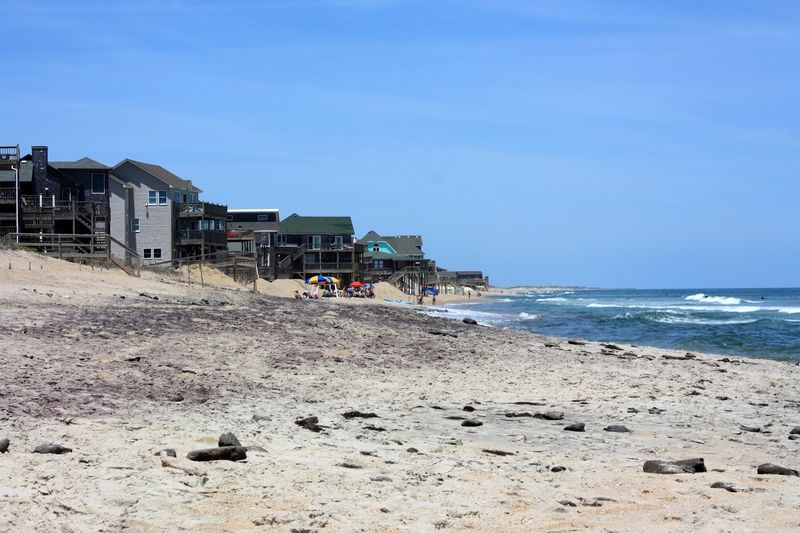
Space is one of Buxton’s best features, and you feel it fast. Hatteras Island does not have the same wall-to-wall resort feeling that some busier beach towns carry.
Much of the surrounding landscape is shaped by Cape Hatteras National Seashore, which helps keep long stretches of shoreline open, natural, and refreshingly unpolished.
That matters for dolphin watching because the setting still feels wild enough to make each sighting meaningful.
You are not wedged between towers or boxed into a crowded boardwalk scene. You get dunes, beach accesses, maritime woods, soundside water, fishing spots, lighthouse views, and a village rhythm that lets the ocean stay in charge.
Buxton has shops, rentals, restaurants, and visitor comforts, but it still feels connected to the working Outer Banks rather than a polished imitation of it. That is exactly why the dolphin ranking fits so well.
The village’s appeal is not only that dolphins are seen here often. It is that you can look for them in a place that still feels open and real.
When a fin breaks the surface, the whole scene feels earned, not packaged.
Local Boat Trips Bring The Sightings Even Closer
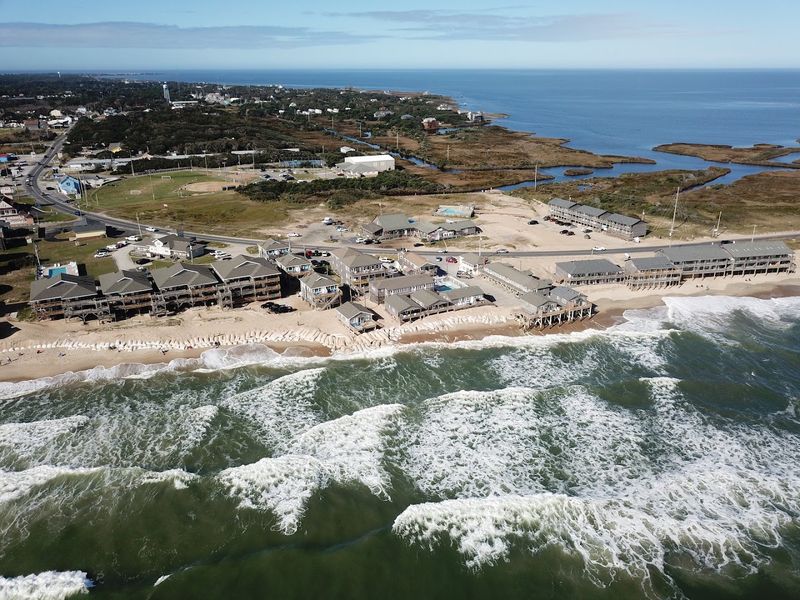
Boat trips can turn casual dolphin hope into a much more focused adventure. Shore watching is exciting, but guided cruises give you captains and naturalists who spend serious time learning local water, dolphin behavior, and the best conditions for sightings.
Around the Outer Banks, dolphin tours operate from places such as Hatteras Island, Manteo, Nags Head, and Wanchese, with many trips exploring soundside waters where bottlenose dolphins are frequently seen.
That can be a great choice for families because someone else handles the route while you enjoy the water.
Some operators also connect trips with research or educational interpretation, helping visitors understand how dolphins are identified, how pods move, and why responsible viewing matters. You should still choose carefully.
Look for tours that respect wildlife distance, avoid chasing animals, and treat sightings as natural encounters rather than guaranteed performances. The best boat trip feels exciting without feeling pushy.
When dolphins surface near the boat on their own terms, the moment is hard to beat. You hear the breath, see the movement, and suddenly understand why people plan entire vacations around one clean glimpse of a dorsal fin.
The Best Moments Still Depend On Tide, Weather, And Luck
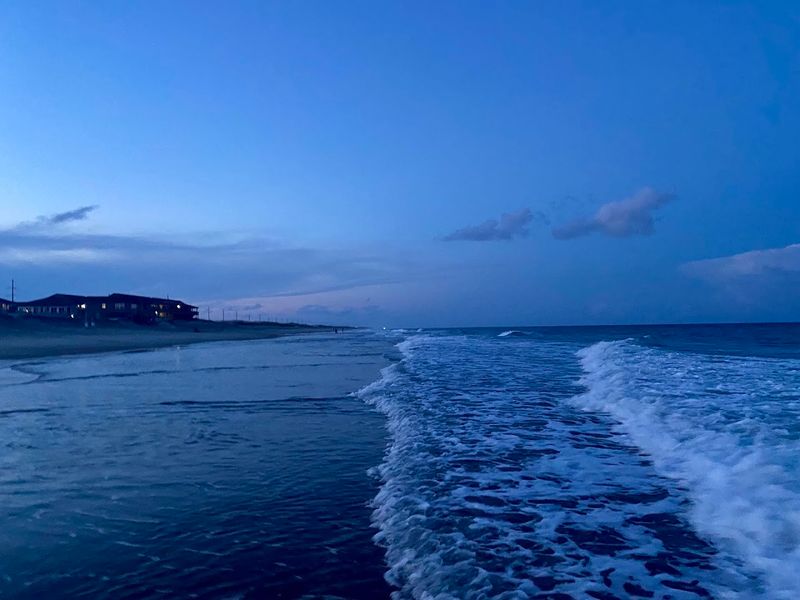
Even America’s top-ranked dolphin spot cannot boss dolphins around. That is part of the thrill.
Buxton gives you excellent odds, but the best moments still depend on tide, weather, food movement, water clarity, and plain luck. Calm conditions make fins easier to see.
Incoming tides can bring baitfish closer to shore. Early mornings and late afternoons often feel more promising because the light is softer and the beaches may be quieter.
Still, wild animals do not follow vacation calendars, and that uncertainty makes every sighting feel more exciting. Treat the search like part of the trip rather than a box to check.
Walk the beach. Watch the sound.
Book a responsible tour. Keep binoculars nearby.
Look for smooth, repeated surfacing rather than random splashes. Never feed, touch, chase, or crowd dolphins, even from a boat, because the best encounter is one that keeps the animals wild and safe.
Buxton gives you the setting, the reputation, and the numbers. The ocean handles the timing.
When it all lines up, even one fin can make the whole North Carolina trip feel unforgettable.