This Hidden North Carolina Puerto Rican Kitchen Serves Crispy Fried Pork, Tostones, And Island Comfort Food
A plane ticket to Puerto Rico sounds lovely, but dinner is considerably easier to arrange.
Near Charlotte, a small North Carolina kitchen is serving the kind of food that makes a strip-mall address feel like a very convincing island detour.
The cooking has that unmistakable family-recipe confidence where nobody seems interested in being subtle about flavor.
That is exactly the point.
People come hungry, start passing bites around the table, and suddenly an ordinary weeknight feels much more festive than planned.
The restaurant may be easy to drive past, but the food makes forgetting it nearly impossible.
Call it a Caribbean vacation with no luggage fees.
The only baggage involved may be whatever leftovers make it home.
Crispy Fried Pork Comes With Rice, Beans And Plenty Of Plantains
Listen closely when a plate of fried pork hits the table and you can almost hear the crunch.
Puerto Rican cooks have been frying seasoned pork for generations, and the goal is always the same: a crackly outside with a juicy, tender middle.
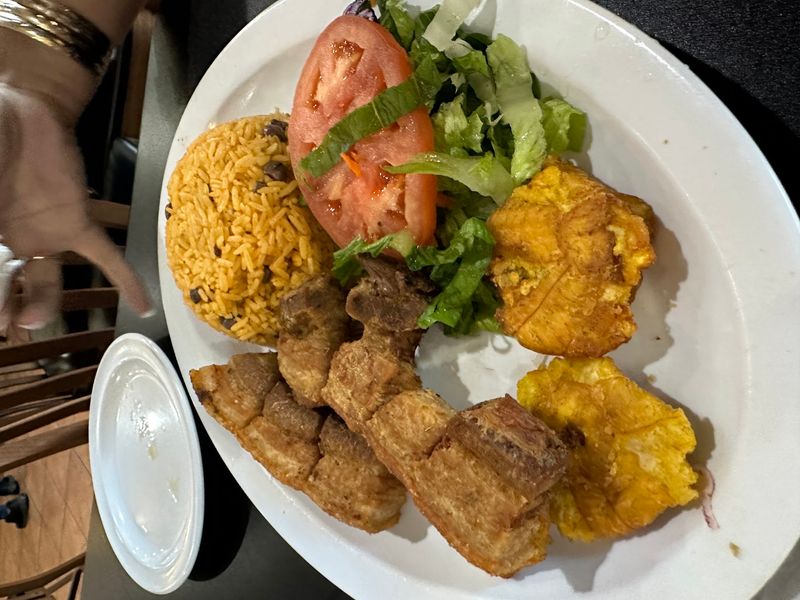
At El Cilantro Restaurant, you have two main ways to get that crunch. The Fried Pork Chunks Plate, often called carne frita back on the island, brings bite-sized pieces of seasoned pork.
The Fried Pork Belly Plate, known as chicharron, offers richer slices with a crispy skin.
Both plates come with classic sides, and plantains are a big part of the fun.
You can usually pick between tostones, which are smashed and fried green plantains, or maduros, which are ripe and sweet. Rice and beans round things out so nobody leaves hungry.
Here is a helpful tip for first-timers.
If you like salty and savory flavors, go with tostones. If you enjoy a sweet and salty mix, try maduros instead.
Either way, a squeeze of lime or a dab of one of the house sauces makes every bite even better.
The restaurant sits at 4709 Margaret Wallace Road, Suite 109, Matthews, NC 28105.
Mofongo Gets Loaded With Everything From Pork Belly To Garlic Shrimp
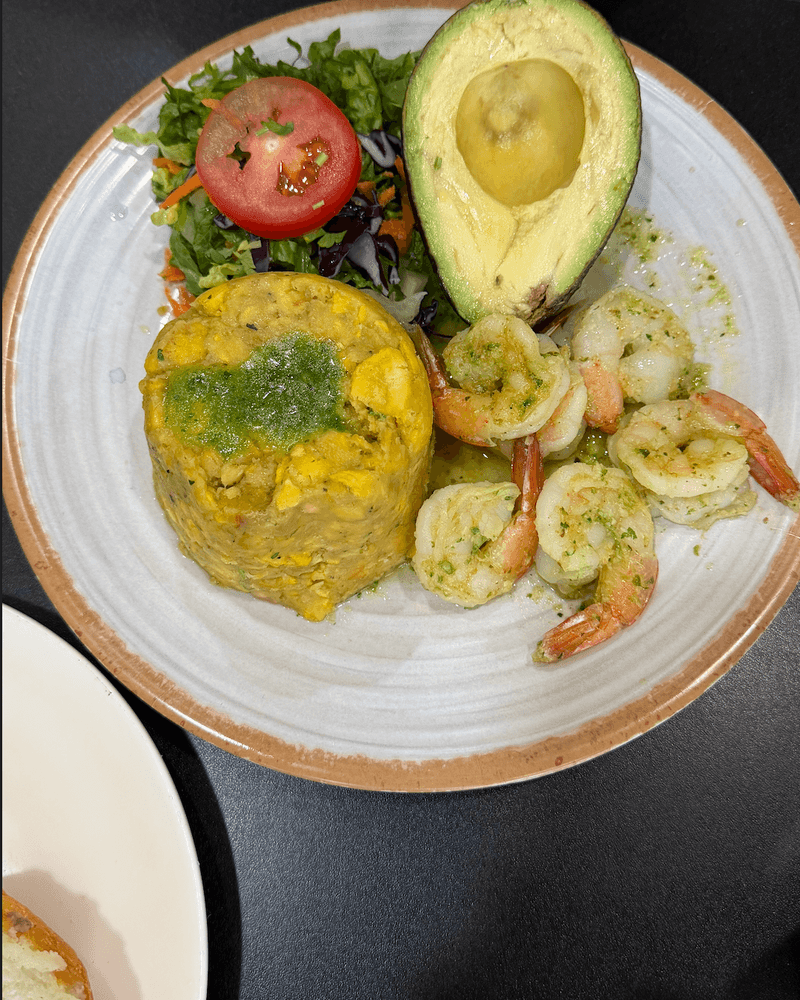
A wooden mortar, fried green plantains, and plenty of garlic set the stage for mofongo.
The plantains get mashed with garlic and fat until they form a rich, savory mound. The best part at El Cilantro is choosing what goes with it.
The menu lets you top or fill your mofongo with pork belly chicharron, garlic shrimp, fried pork chunks, roasted pernil, steak with onions, or even octopus salad.
That is a lot of options for one dish, so take your time with the menu.
Not sure where to start? Think about your mood.
Seafood fans should look at the garlic shrimp, since the buttery garlic sauce soaks right into the plantain.
If you want something hearty and meaty, the steak with onions or pernil versions feel like a big Sunday dinner. Fun fact: mofongo has roots in West African cooking, where mashed starchy foods like fufu have been made for centuries.
Over time, Puerto Rican cooks made it their own with plantains and garlic.
Every forkful carries a little piece of that long history.
The Jibarito Swaps Ordinary Bread For Two Fried Green Plantains
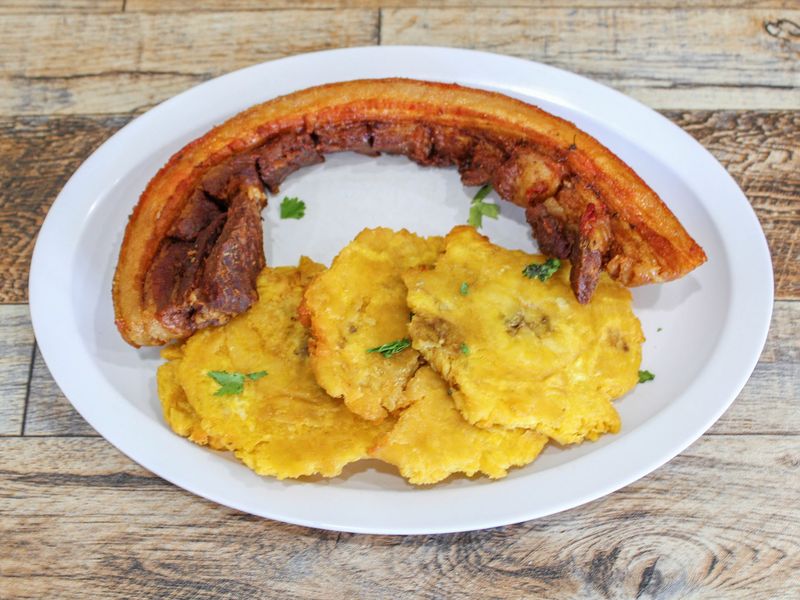
Who needs bread when you have plantains?
The jibarito answers that question in the tastiest way possible.
Instead of a bun, this sandwich uses two large, flattened, fried green plantains to hold everything together.
Here is the twist many people do not know.
The jibarito was actually invented in Chicago in the 1990s by a Puerto Rican restaurant owner, not on the island itself.
The name comes from jibaro, a word for the country folk of Puerto Rico’s mountains, and the idea spread fast once people tried it.
El Cilantro keeps that creative spirit alive by offering the jibarito on its menu.
The plantain slices are crunchy on the edges and slightly soft inside, so they hold up well against the fillings. Classic versions usually include meat, lettuce, tomato, and a garlicky sauce.
A few eating tips will help. Grab plenty of napkins, because plantain bread can be a bit crumbly.
Press the sandwich gently before your first bite so the fillings stay put.
If you are gluten-conscious, this sandwich might also be worth asking about, though checking with staff first is always smart.
It is a fun, hands-on meal for adventurous eaters.
Bacalaitos And Alcapurrias Bring Puerto Rican Street Food To The Appetizer Table
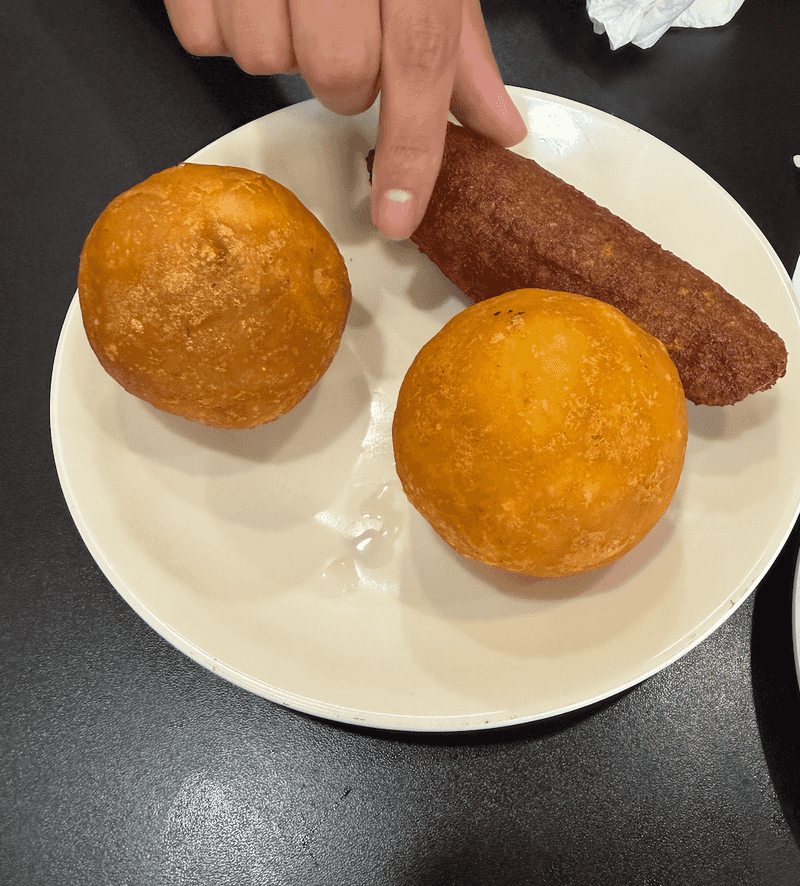
Along the beaches of Puerto Rico, roadside kiosks fry up snacks all day long.
Locals call these treats frituras, and they are the island’s version of fast food. El Cilantro brings two favorites right to your appetizer order. First up are bacalaitos, thin and lacy codfish fritters.
The batter gets mixed with salted cod and herbs, then fried until the edges turn golden and crisp.
They are light, crunchy, and a little salty, which makes them hard to stop eating.
Next come alcapurrias, which look like small torpedoes.
The outer dough is made from grated root vegetables like green banana and yautia, and the inside holds seasoned ground beef.
One bite gives you a crisp shell, a soft middle, and a savory surprise. Want to make the most of your starter?
Order both and share them with your table so everyone gets a taste.
The restaurant offers several sauces, so try a different one with each bite.
Starting your meal this way gives you a real feel for the island’s snack culture before the big plates arrive.
Pernil, Pigeon Pea Rice And Tostones Make The Typical Plate Pure Comfort Food
Ask almost anyone who grew up in a Puerto Rican home about holiday dinners, and pernil will come up fast.
This slow-roasted pork shoulder gets rubbed with garlic, oregano, and spices, then cooked for hours until it falls apart. The crispy skin, called cuerito, is a prize everyone fights over.
El Cilantro serves pernil on its Typical PR Plate, which is a great pick if you want a taste of home cooking.
The current Typical PR Plate pairs pork with yellow rice and pigeon peas, potato salad, and tostones. That yellow rice with pigeon peas is arroz con gandules, one of Puerto Rico’s signature rice dishes.
That rice deserves its own spotlight.
It is often called the national dish of Puerto Rico and shows up at nearly every big celebration.
The rice gets its color and flavor from sofrito, a blend of peppers, onions, garlic, and herbs. Add tostones on the side and you have a meal that feels warm and familiar.
This combo works well for first-time visitors because it shows off several island classics at once.
It also makes great leftovers, so do not worry if you cannot finish it all.
Sancocho Offers A Hearty Change Of Pace When Fried Food Is Not Calling
Sometimes your stomach wants a hug instead of a crunch.
On those days, a big bowl of sancocho is just the thing.
This Puerto Rican beef soup is thick, filling, and packed with flavor.
Sancocho is common across Latin America, but each country has its own spin. The Puerto Rican version usually includes beef, corn, and root vegetables like yautia, yuca, and green plantain.
Everything simmers together slowly until the broth turns rich and almost stew-like.
At El Cilantro, sancocho stands out as a lighter-feeling choice compared to the fried plates.
It is still hearty, though, so do not expect a small cup of broth.
Many people in Puerto Rico eat it with white rice on the side, and some even spoon rice straight into the bowl. Here is a smart idea for groups.
Let one person order sancocho while others grab fried pork or mofongo, then share.
The soup balances out the richer dishes nicely. It is also a cozy pick during chilly North Carolina winters, when a warm bowl feels extra welcome after a long day.
Tropical Juices And Tembleque Keep The Island Flavors Going Through Dessert
Tembleque gets its name from the Spanish word for trembling, and you will see why the moment it lands in front of you.
This creamy coconut pudding jiggles on the plate like it is dancing. It is usually topped with a sprinkle of cinnamon.
The recipe is simple but delicious.
Coconut milk, sugar, and cornstarch are cooked until thick, then chilled until set. The result tastes fresh and light, which makes it a perfect ending after a big plate of pork or mofongo.
Before dessert, though, check out the drinks.
El Cilantro offers jugos naturales, which are natural fruit juices made with tropical flavors. Options can include fruits like passion fruit, called parcha in Puerto Rico, plus soursop and papaya, so ask what is available on your visit.
Try pairing a tangy juice with your meal and saving tembleque for last.
The bright fruit flavors cut through rich, fried foods, while the coconut pudding cools everything down at the end. If you have never tasted soursop, it is a fun one to try.
Many people describe it as a mix of strawberry, pineapple, and banana.
Look Beyond The Strip-Mall Exterior And The Menu Gets Much More Interesting
From the parking lot, you might drive right past it.
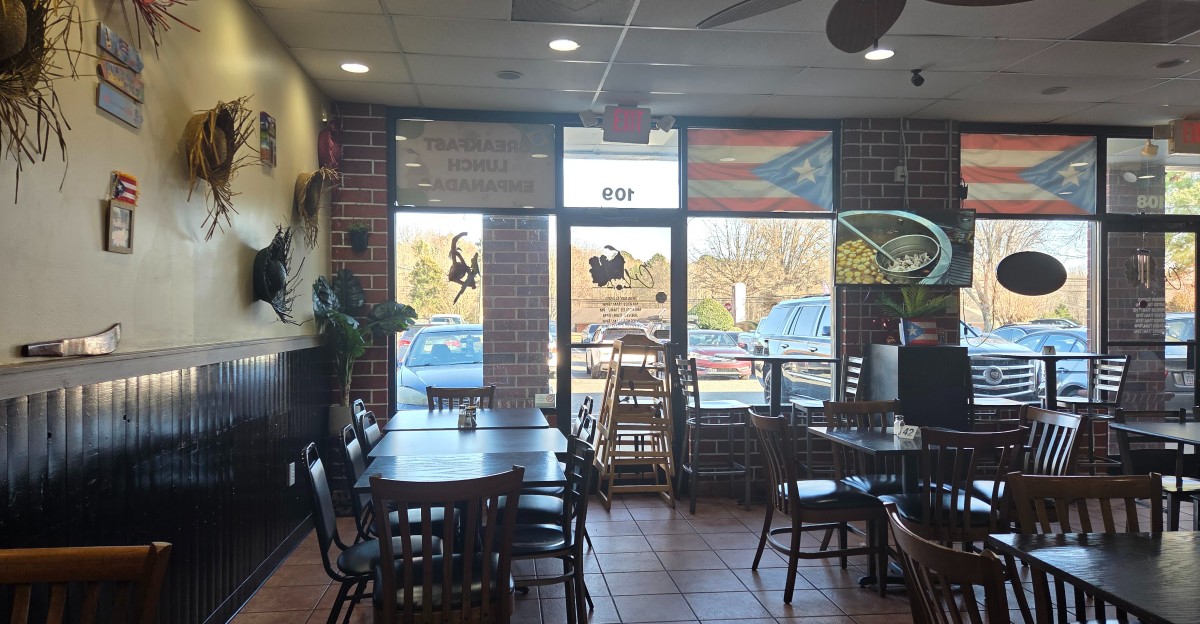
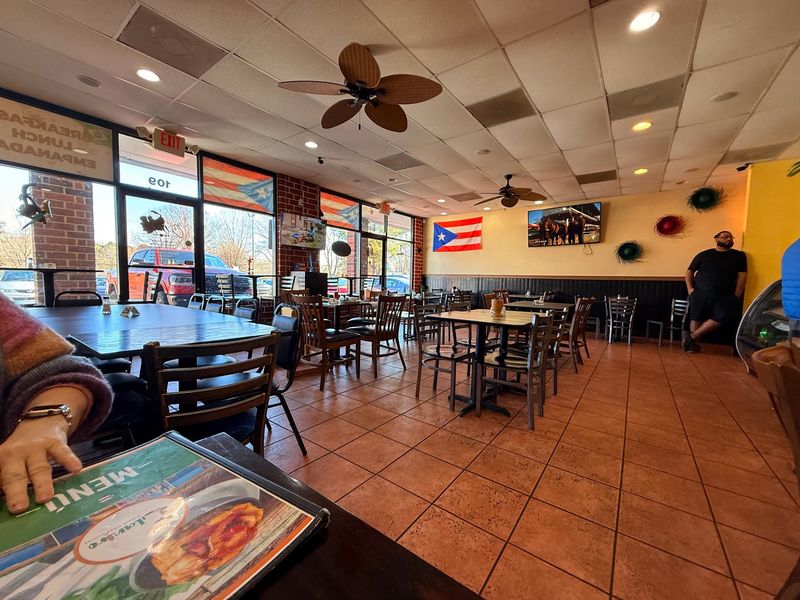
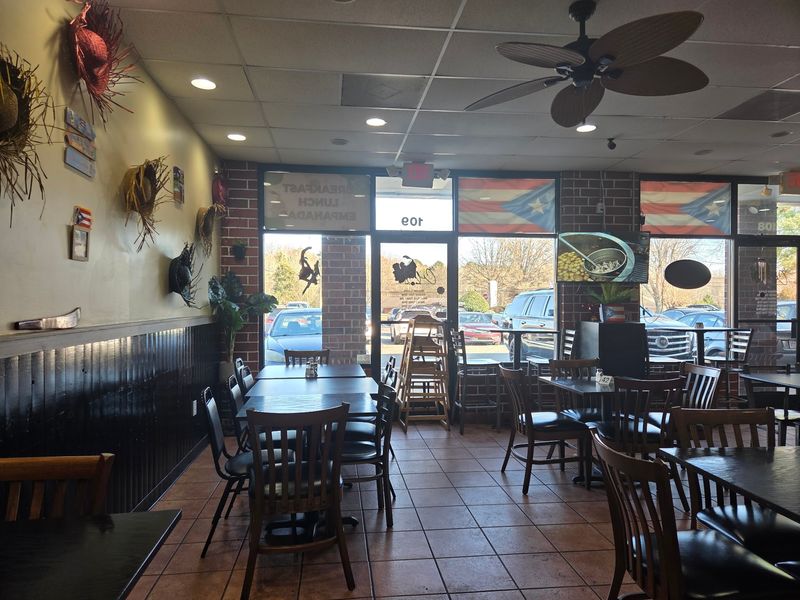
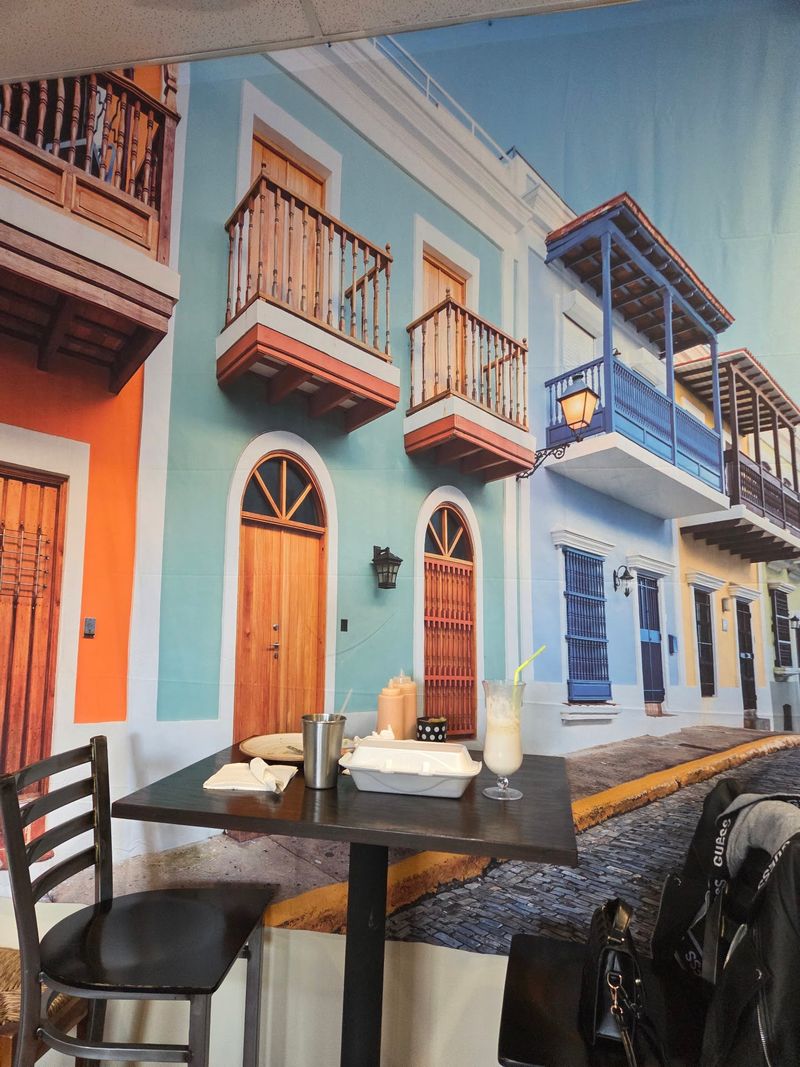
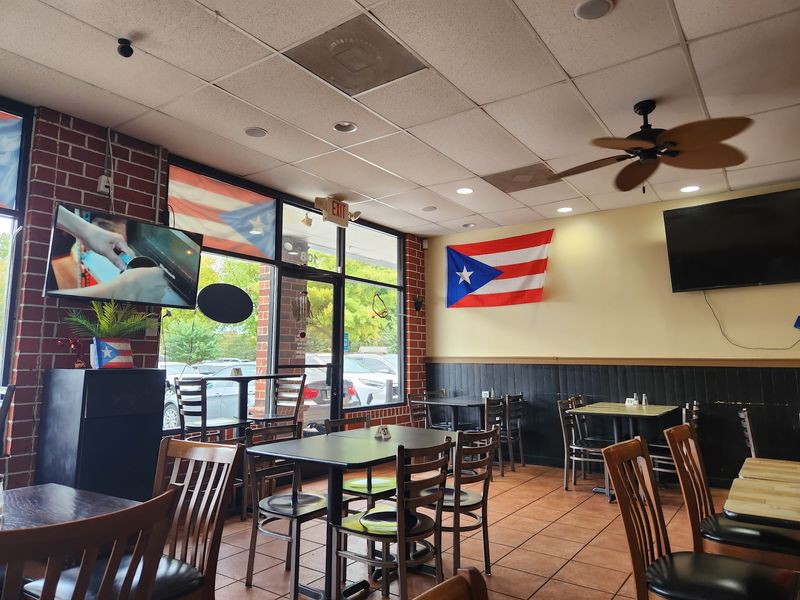
El Cilantro sits inside a plain shopping center on Margaret Wallace Road near the Matthews and Mint Hill area, with nothing fancy out front. Step inside, though, and the mood shifts to something warm and colorful.
The restaurant opened in October 2021 and mixes Puerto Rican cooking with Latin American and Brazilian touches.
That means the menu stretches well past the classics. Beyond mofongo and pernil, you may spot items like relleno de papa, which are stuffed potato balls, plus tripleta sandwiches, sorullos, steak dishes, and seafood.
Inside, the space feels homey, with island-themed decor and a domino table that nods to a beloved Puerto Rican pastime.
Music adds to the lively, family-friendly vibe.
It is the kind of spot where you can relax and take your time.
Plan your visit around the schedule. The restaurant is closed on Mondays.
It opens at 11 AM Tuesday through Sunday, staying open until 8 PM on Tuesday, Thursday, Friday, and Saturday, but closing at 5 PM on Wednesday and Sunday.
Lunch or an early dinner works well, and takeout is a handy option too.