This New Kentucky Museum Breaks The Biggest Museum Rule, And Lets You Touch Everything
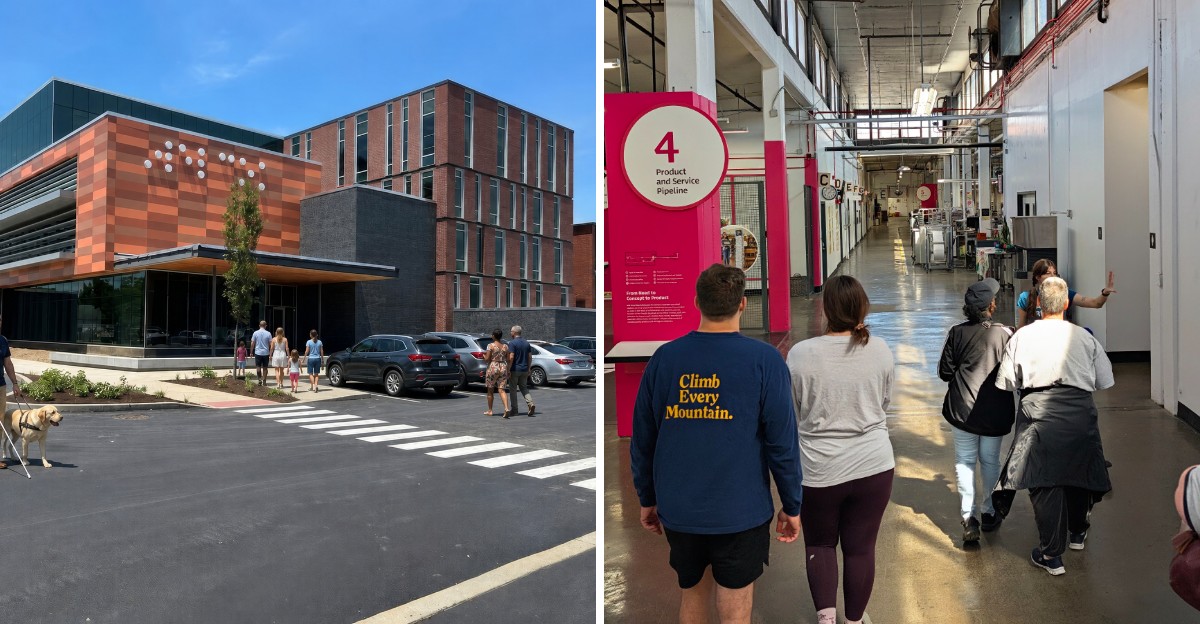
A replica of the water pump that helped Helen Keller discover language is waiting for your hands. Not behind glass.
Not roped off with a stern little sign.
This new Kentucky museum flips the oldest rule in the book. Touching is encouraged here, and in some cases you can even handle original artifacts.
Every exhibit is built so people who can’t see it can still fully experience it.
I like how the whole place was designed with blind, Deafblind, low vision, and neurodiverse people, not just for them. That one choice shapes everything from the floors to the walls.
I think that’s why it feels so fresh. Braille, sign language, audio, and tactile paths all share the spotlight.
So what happens when a museum finally trusts your fingertips?
Go Ahead And Touch It, That Is Literally The Point
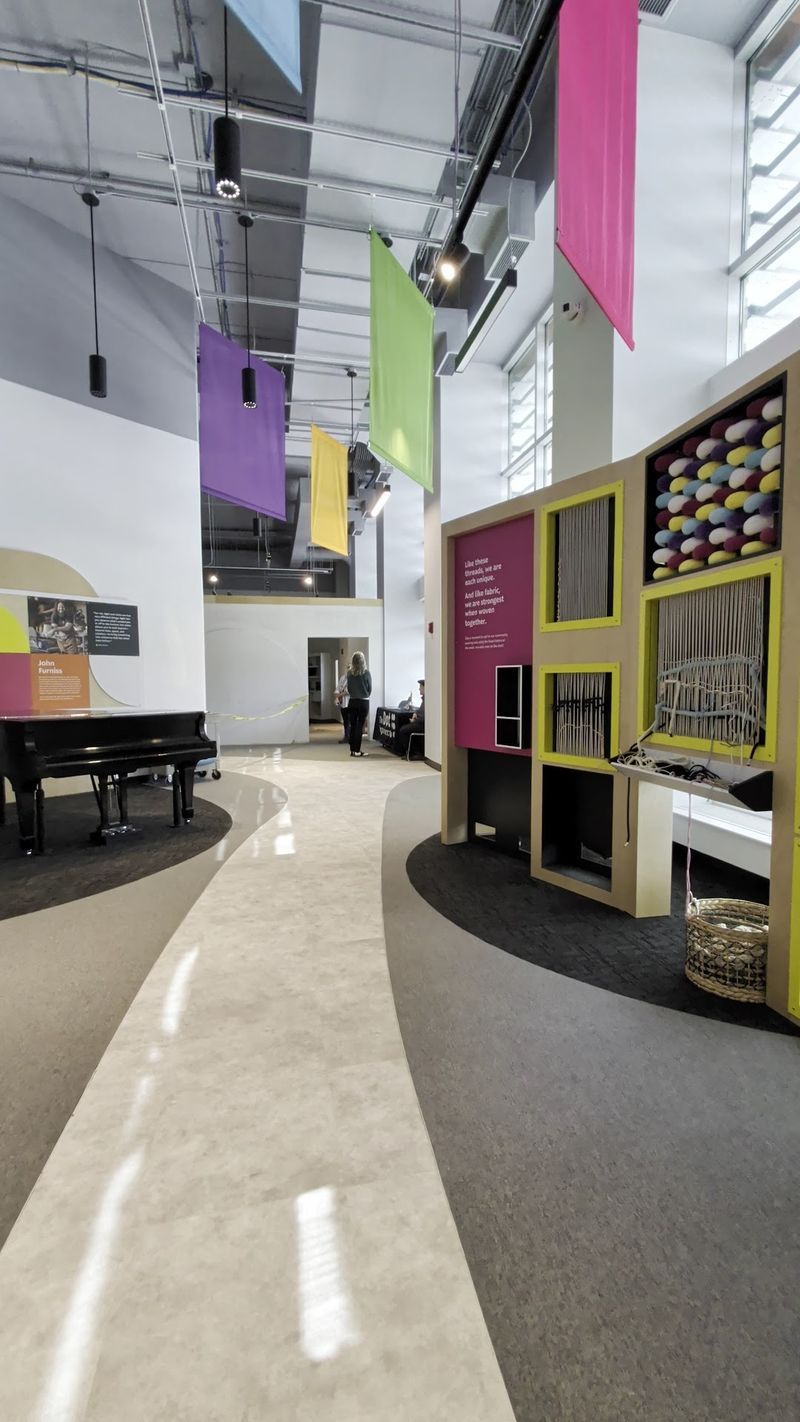
Every museum trip comes with one sacred rule, and The Dot Experience happily tosses it out the window. This new Louisville attraction calls itself the world’s first fully inclusive attraction.
Its whole design invites your hands to join the fun.
Visitors can explore replicas of artifacts by touch throughout the galleries. In some cases, you can even explore the original artifacts themselves.
That’s a big deal for anyone who has ever stood behind a velvet rope feeling slightly left out.
The goal goes beyond novelty, though. The museum wants every exhibit, image, and artifact to reach everyone, including people who can’t see them.
Touch becomes a main way to learn, not a sneaky habit security guards need to stop.
Multi-sensory experiences run through the galleries, so sound and texture matter as much as sight. Kids will probably love this right away.
Adults might need a minute to stop glancing around nervously before reaching out.
I can’t imagine a better way to make history stick. When you feel the shape of something, it lingers in your memory longer. Bring curious hands, a little patience, and an open mind about what a museum can be.
You’ll find The Dot Experience at 1839 Frankfort Ave, Louisville, Kentucky. It sits right on the APH campus.
Helen Keller’s Famous Water Pump Is Waiting For You
Few moments in history feel as powerful as a little girl understanding the word water. Helen Keller had that breakthrough at a water pump.
Now a replica of that pump sits inside The Dot Experience.
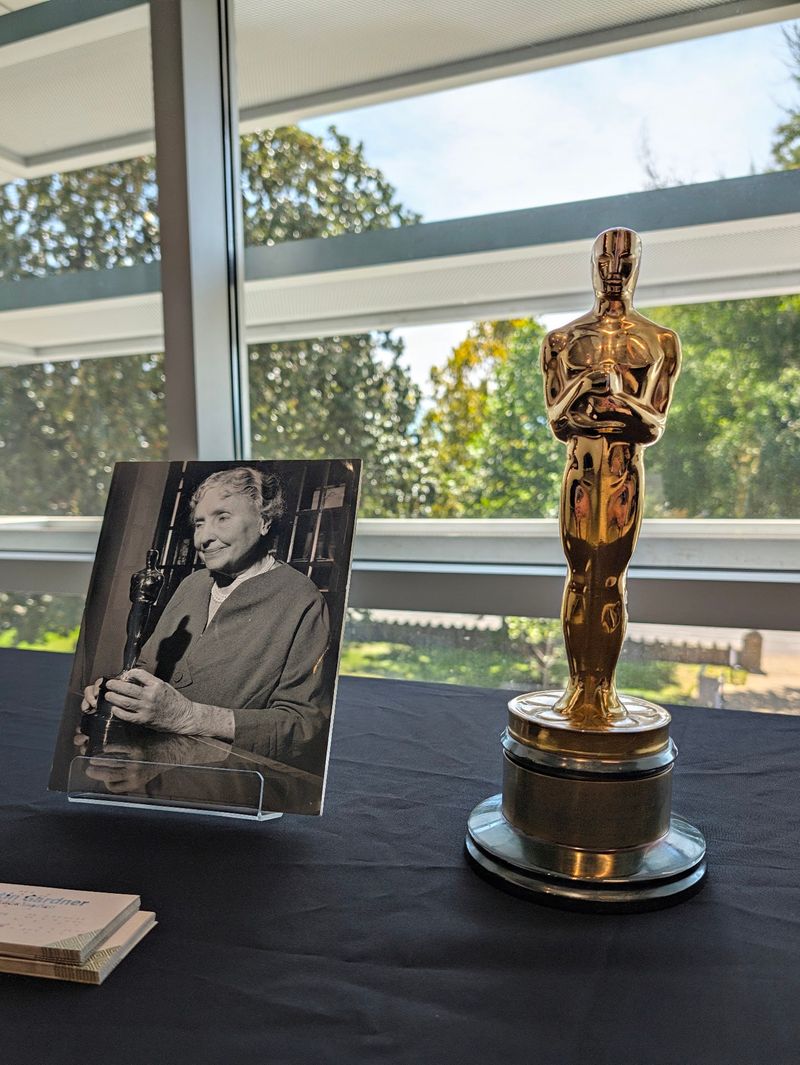
The Helen Keller exhibit goes much deeper than one famous scene. You’ll find her desk plus a collection of her original documents, images, and personal objects.
They’re on loan from the American Foundation for the Blind.
Seeing her real belongings changes how her story feels. She stops being a name from a school report and becomes a real person with a real workspace.
That shift is quietly moving.
Keller became a writer and advocate who changed how the world viewed people who are blind and Deaf. Standing near her desk gives that legacy some weight.
It’s a fine reminder that big ideas often start at ordinary furniture.
Parents, this is a strong stop for kids who have read about her. Let them talk about what they already know before you begin.
Then let the objects fill in the rest of the story in a way no textbook can match.
A Piano Once Played By Stevie Wonder Gets Its Own Moment
Music fans, this one deserves a pause. One exhibit at the museum features a piano once played by Stevie Wonder.
Yes, that Stevie Wonder, the legend behind decades of unforgettable songs.
Wonder has been blind since infancy and still built one of the greatest careers in music history. His presence here fits the museum’s mission perfectly.
It celebrates people who are blind or low vision for their triumphs, not just their challenges.
The museum aims to share lived experiences from both history and today. A piano tied to a living superstar connects those two worlds nicely.
Keller lived long ago, while Wonder’s music still fills radios and playlists.
Families with young musicians might find this stop especially inspiring. A kid practicing scales at home can see where talent and hard work can lead.
That beats another lecture about practice time.
Try humming a favorite Stevie Wonder tune on the way over. It sets the mood without any extra effort.
Just maybe keep the volume reasonable once you’re inside, since other visitors are listening to exhibits too.
Your Fingertips Will Learn A Whole New Alphabet
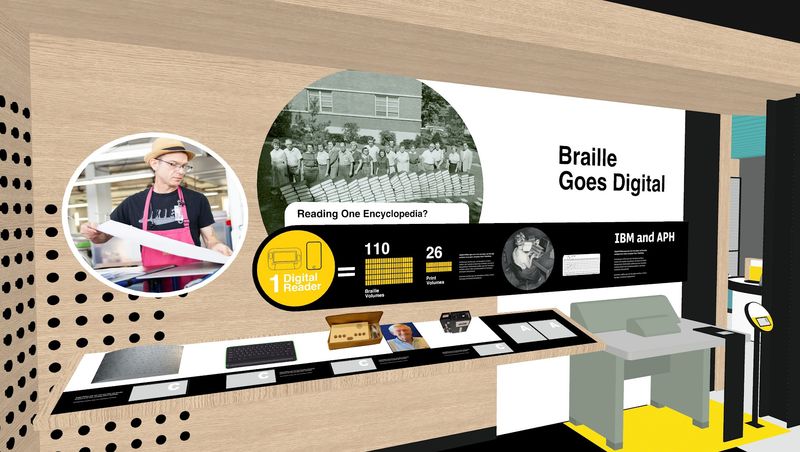
Six little dots changed the world. Louis Braille created his reading system as a young man in France, and it’s still used everywhere today.
At The Dot Experience, you get to trace those dots yourself.
The braille exhibit lets visitors run their fingers along his alphabet. You’ll also explore the history of how the system came to be.
It’s part science lesson, part puzzle, and all fascinating.
Here’s a fun fact worth sharing in the car. Braille lost his sight after an accident in his father’s workshop when he was very young.
He developed his famous code while still a teenager, which might make your own homework feel a bit easier.
The museum’s name nods to those same raised dots. Braille also appears with all the text throughout the building.
So by the time you leave, your fingers will have had plenty of practice.
Challenge your group to find one letter by touch alone. Close your eyes and slow down.
It’s harder than it looks, and that small struggle builds real respect for the millions who read this way every day.
Pick A Cane Tip And Feel The Floor Talk Back
Floors rarely get the starring role anywhere. Inside this Kentucky museum, one interactive exhibit puts them front and center.
Visitors choose different cane tips and test them on various floor textures.
It sounds simple until you try it. Each tip reacts differently to each surface, giving clues about what lies underfoot.
Suddenly, a sidewalk becomes full of information you never noticed before.
The exhibit gives a small window into daily life for many people who are blind or low vision. Choosing the right tool for the right surface takes skill and experience.
That’s a big piece of the museum’s push to challenge common assumptions.
Hands-on stations like this work well for groups. One person can describe what they feel while others guess the surface.
It turns learning into a friendly game without anyone noticing they’re studying.
Take your time here rather than rushing to the next room. The details reveal themselves slowly through your hands and ears.
You may walk out looking at every hallway, curb, and parking lot a little differently, which is exactly the kind of change the museum hopes to spark.
Accessibility Is Baked Into Every Single Wall
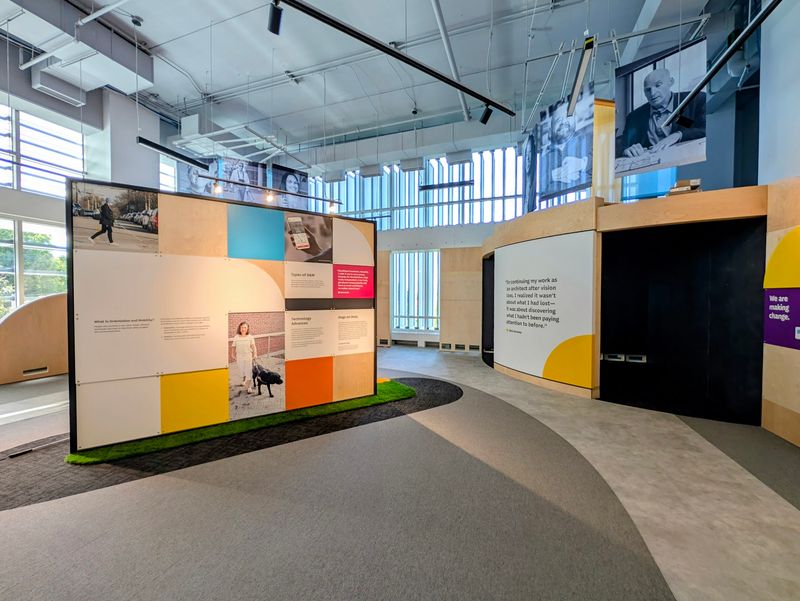
Plenty of buildings add a ramp and call it accessible. The Dot Experience took a far bigger swing across its 28,000 square feet.
Accessibility shows up in nearly every surface you’ll touch or hear.
All text comes with braille and audio. Videos include on-screen American Sign Language interpretation, and images feature alt text.
Nobody has to ask for a special version of the tour.
Getting around is thoughtful too. Tactile maps and specialized flooring help visitors find their way.
Tactile pathways guide feet through the galleries like a quiet, helpful friend.
The entire museum is designed for wheelchair access. Exhibits sit within reachable zones, so wheelchair users don’t spend the visit craning their necks.
Visual descriptions add another layer for anyone who wants them.
What really stands out is how the design came together. People who are blind, low vision, Deafblind, neurodiverse, wheelchair users, and guide-dog users all gave input.
The museum was built with them, not simply for them, and you can feel that difference in the details.
Peek Behind The Curtain At A Factory Founded In 1858
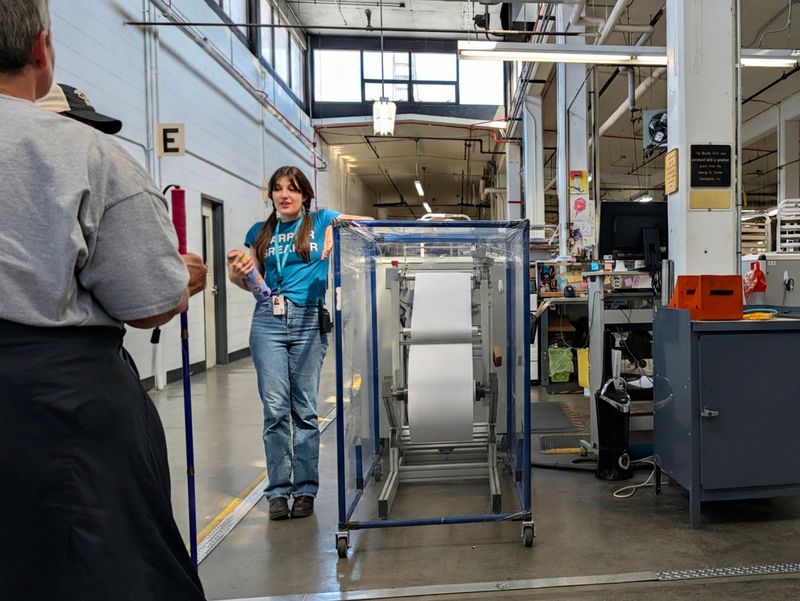
Long before this museum existed, the American Printing House for the Blind was busy making things. The nonprofit has created accessible learning tools since 1858.
The Dot Experience is its newest chapter in a history stretching nearly 170 years.
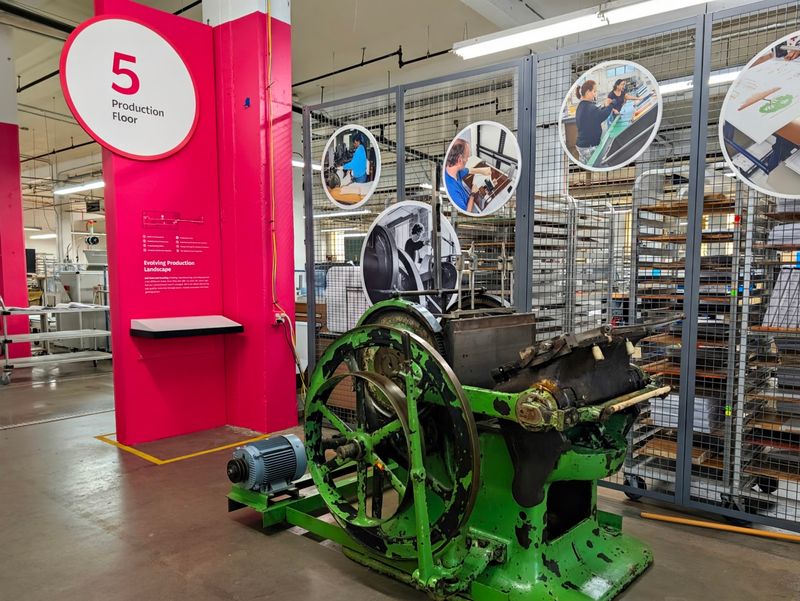
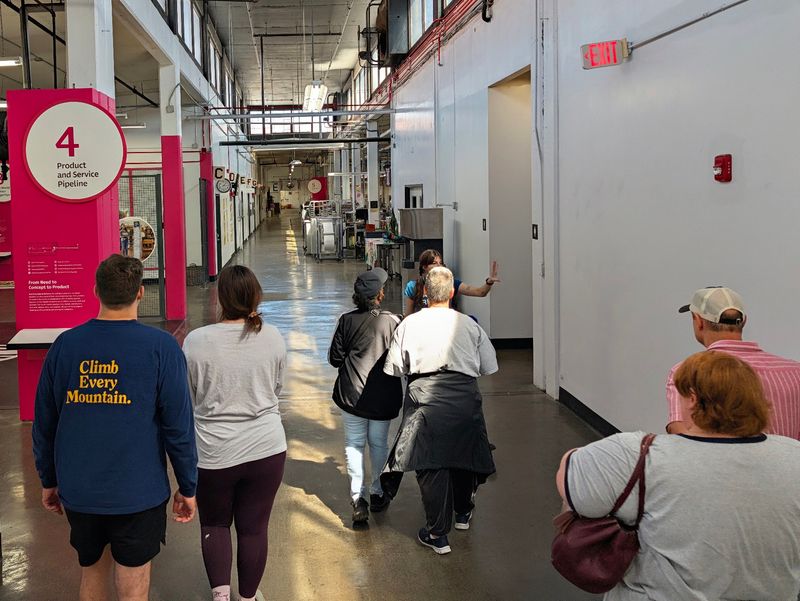
That history gives visitors a rare bonus. The facility offers tours of the APH factory.
You can see how products for people who are blind or low vision actually get made.
These include educational, workplace, and independent living products. Seeing production up close connects the museum’s stories to real tools used today.
It’s one thing to learn about braille and another to see where braille materials come from.
Factory tours are always a treat for curious kids and gadget fans. Watching machines and people work together feels a little like a live science show.
Few museums can promise that kind of behind-the-scenes access.
The museum is also part of a larger $55 million renovation and expansion of the APH campus. Darrick Wood serves as the Director of The Dot Experience.
Clearly, this Louisville landmark plans to keep growing well into its next century.
Families And Groups Will Appreciate These Thoughtful Extras
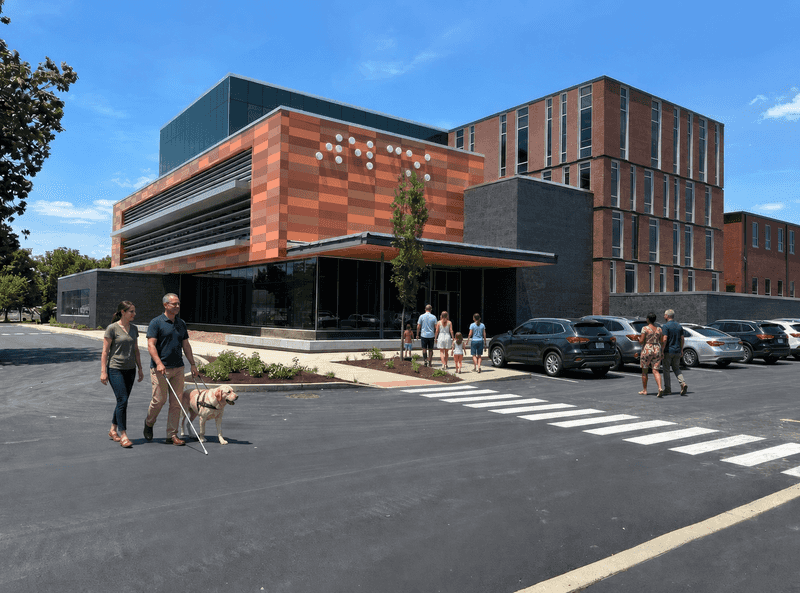
Small comforts can make or break a family outing. The museum clearly understands that, since its amenities go well past the basics.
Planning a visit with kids or a crowd gets a lot easier here.
Restrooms are accessible and include changing tables for all ages. Tactile restroom maps help visitors find their way without guesswork.
A dedicated parent and nursing room offers a calm spot when little ones need a break.
Big groups get special attention too. There’s dedicated group dining space for school trips, clubs, or family reunions.
Motorcoach-friendly access means tour buses can arrive without a parking headache.
Teachers should take note of all this. A field trip runs smoother when lunch, restrooms, and bus drop-off are already sorted.
That leaves more energy for actual learning.
Changing tables for all ages deserve extra credit. Many caregivers of older kids and adults struggle to find these anywhere.
Including them sends a clear message that every family belongs, and that kind of welcome sticks with people long after the trip ends.
Mark Your Calendar And Make A Day Of Frankfort Avenue
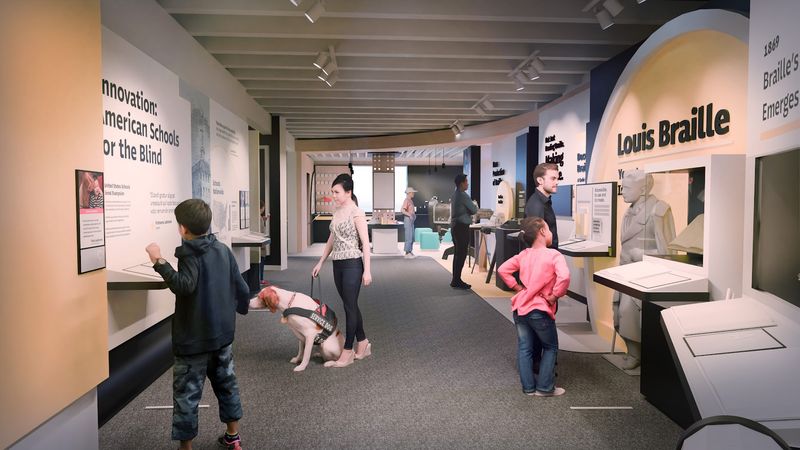
Opening day is set for Friday, October 30, 2026, so autumn plans just got more interesting.
The location is a nice perk all by itself. The museum is in Louisville’s Clifton and Crescent Hill area.
That neighborhood is known for historic homes, dining, and shops.
So your visit doesn’t have to end at the exit. Stroll the avenue afterward, grab a bite, and browse a few storefronts.
It turns a museum trip into a full Kentucky day out.
Hours run daily from 10 a.m. to 5 p.m. Eastern.
The museum closes on major holidays, so double-check before planning a holiday weekend trip. Arriving early gives you more time for the hands-on stations.
The mission here is bold and simple. The museum hopes to challenge assumptions about blindness, change perspectives, and inspire a more inclusive world.
Not bad for a place that also lets you touch the exhibits without getting scolded once.