This North Carolina Museum Just Opened A Massive Dinosaur Hall With 14 Full Scale Skeletons
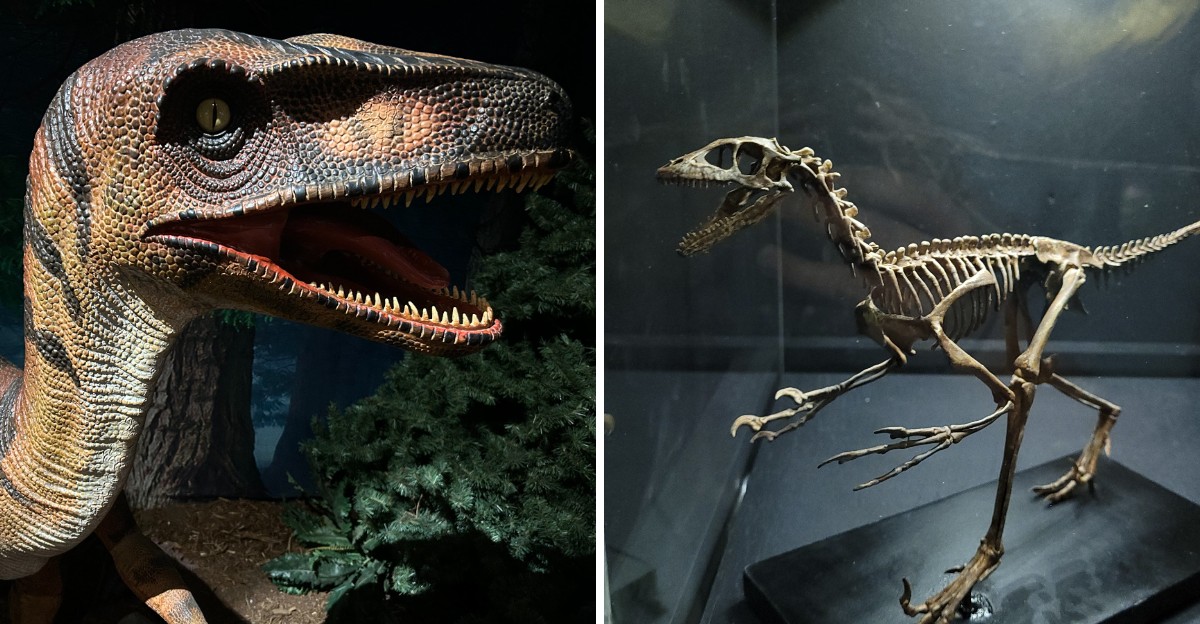
I thought the dinosaur exhibit would start after I walked inside.
Apparently, the front entrance had other plans.
A life-sized Quetzalcoatlus now swoops toward its nest overhead, making one of the largest flying animals ever known the museum’s very dramatic welcome committee.
From there, things only get bigger.
A new dinosaur hall fills the North Carolina museum with 14 full-scale skeleton casts, including an Apatosaurus so enormous it stretches across the room.
The detail that really got me involves an actual fossil showing healed wounds from a T. rex attack.
Suddenly, prehistoric life feels less like a textbook and more like evidence from a very old crime scene.
Kids may come for the giant bones.
I suspect plenty of adults will be the ones refusing to leave.
And yes, fossilized dinosaur poop is part of the evidence too.
Fourteen Giant Skeletons Are Waiting For You In One Room
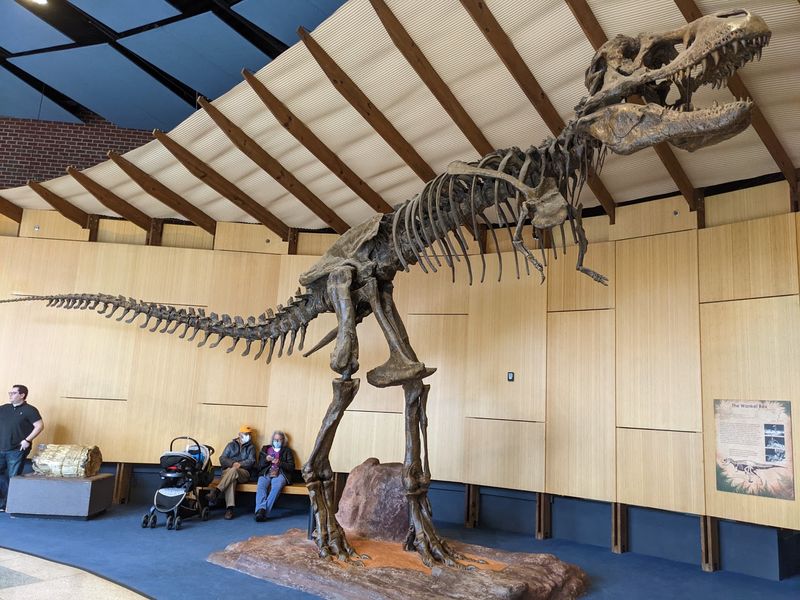
Fourteen full-scale dinosaur skeletons under one roof is a lot of bones. The Schiele Museum of Natural History & Planetarium packed all of them into its new Elizabeth Williams Robinson Hall of Dinosaurs.
The hall covers 4,200 square feet, which gives these giants room to stretch. It now ranks among the largest dinosaur exhibits in the Carolinas, so North Carolina families have a serious new reason to road trip.
Size is only half the fun here. The museum mixed skeleton casts with authentic fossils and hands-on stations, so the room tells stories instead of just showing off.
Lighting, layout, and sound all help set the mood. The goal is simple: make you feel like you wandered into the Mesozoic Era by accident.
Dr. Nick Brand, the museum’s Curator of Research and Collections, said the hall was built to be exciting and educational. That balance matters, because nobody wants a dinosaur room that feels like homework.
The best part might be that this hall is permanent. You don’t have to rush before it packs up and leaves town.
Still, I’d rather not wait, and I suspect your kids feel the same way.
Look Up Before You Even Reach The Front Door
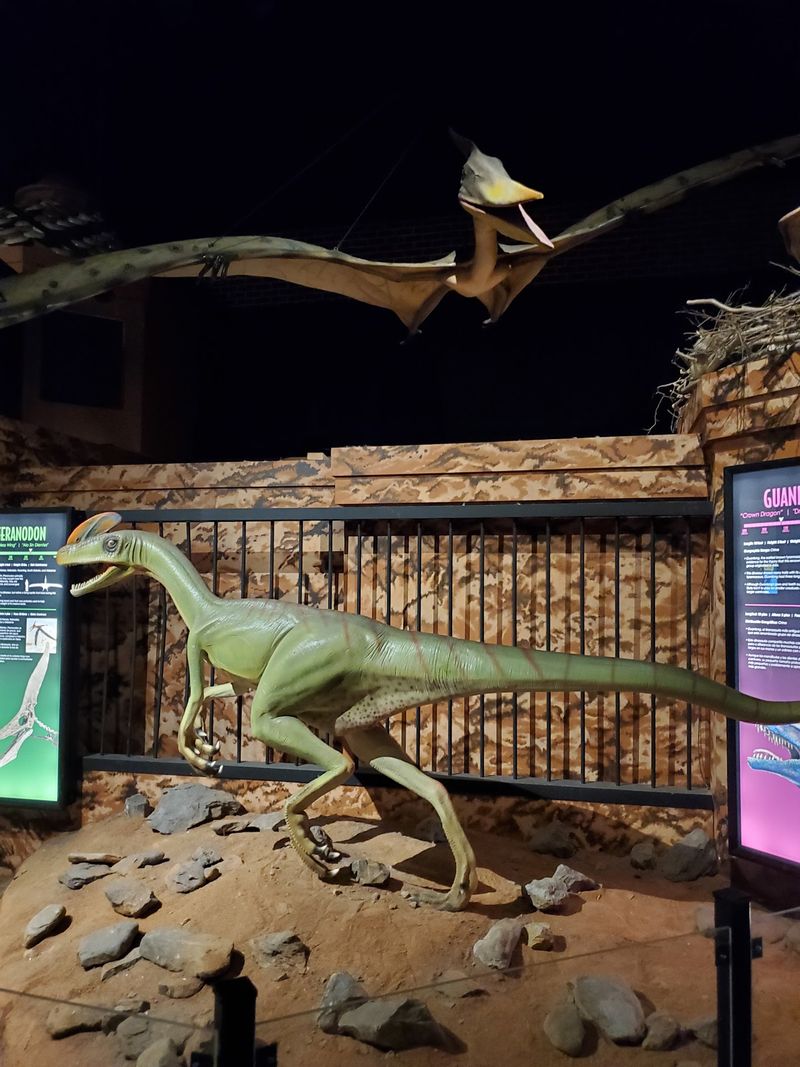
Most museums greet you with a sign and a door. This one greets you with a flying reptile the size of a small airplane.
A life-sized Quetzalcoatlus towers over the museum lobby, greeting visitors with an enormous 30-foot wingspan. It ranks among the largest flying animals scientists have ever discovered.
Here’s my favorite detail about her. She’s shown as a mother coming in to land at her nest, bringing food to her hungry young.
That pose turns a giant fossil creature into something oddly relatable. Every parent who has rushed home with snacks will understand her expression completely.
Quick science bonus for curious kids. Quetzalcoatlus was a pterosaur, not a dinosaur, even though the two lived during the same era.
That little fact makes a great quiz question on the drive home. Ask your crew which animal at the entrance wasn’t a dinosaur at all, and watch the debate start.
Plan to slow down before heading inside. The scene sets the tone for everything after it, and rushing past a mom this busy just feels rude.
The Famous Faces Every Dino Fan Will Recognize
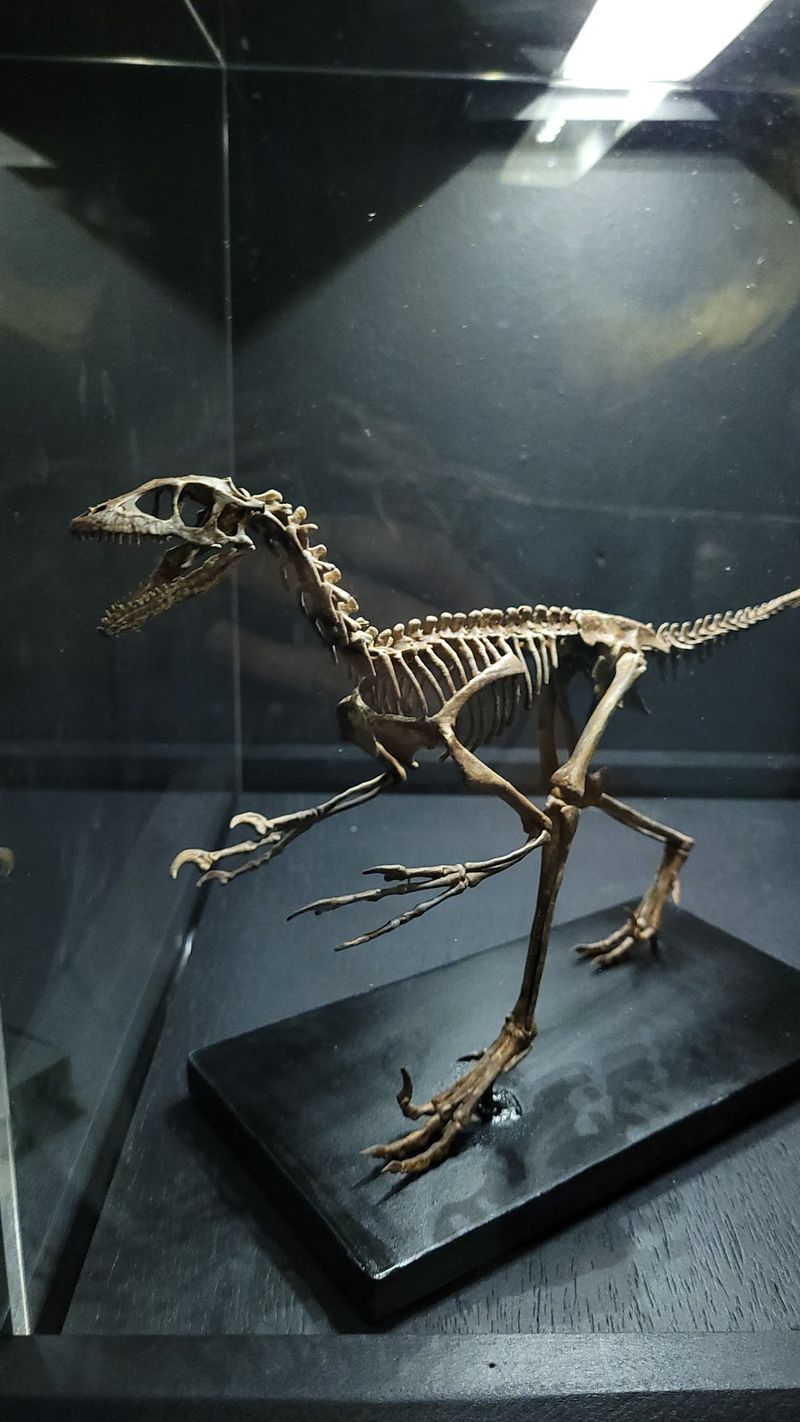
Every dinosaur fan has a short list of celebrities. Good news, because the big names showed up for this hall.
A Tyrannosaurus rex cast stands ready for its close-up. Nearby, a Triceratops shows off its famous horns, and a Stegosaurus flaunts the plates and spikes running down its back.
Then there’s the Apatosaurus. Its skeleton runs the entire length of the hall, so you may need to walk to see the whole thing.
That’s a great moment for little ones. Standing beside a neck and tail that long makes the word giant feel real instead of made up.
The museum also posed these skeletons with care. Their positions reflect how scientists think the animals actually lived and moved.
So the T. rex isn’t just standing there like a statue at a bus stop. Each pose gives you clues about behavior, balance, and daily life millions of years ago.
Try a fun challenge with your group. Pick the dinosaur you’d least want to meet at the grocery store, then defend your answer.
Monty Survived A T. Rex And Has The Scars To Prove It
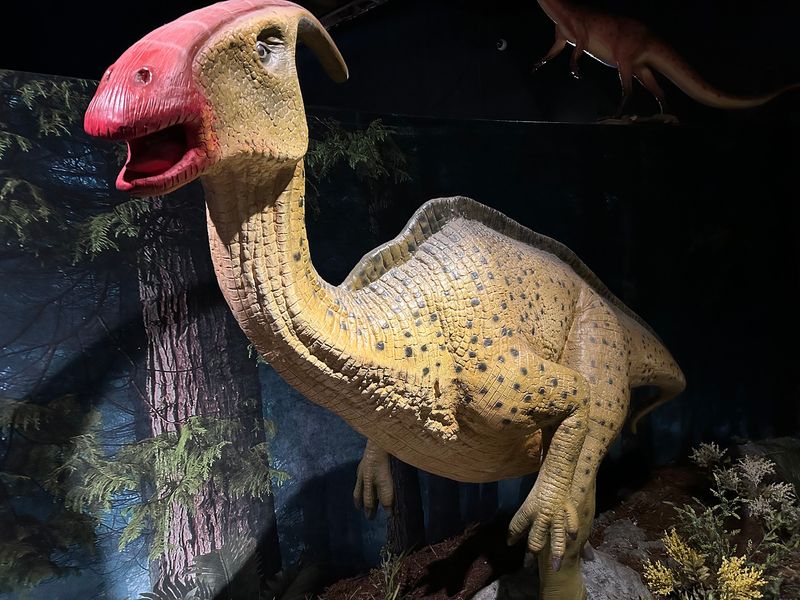
Monty has one of the best survival stories in the whole museum. He’s an authentic Edmontosaurus fossil, and his bones still carry healed wounds from a T. rex attack.
Healed is the key word here. It means Monty got away and kept living long enough for his body to repair itself.
That detail changes how you see the entire hall. Scientists can’t watch dinosaurs, so marks like these become real evidence of how predators and prey behaved.
Edmontosaurus was a duck-billed plant eater. In other words, Monty was the salad fan of the group, not the one chasing anybody.
Kids usually love an underdog. Pointing out the healed spots on a real fossil turns a science lesson into a true adventure story they’ll repeat for weeks.
Adults may find Monty just as interesting. It’s rare to see a fossil that reads almost like a news report from the distant past.
Give yourself a few extra minutes at this display. Some of the smallest marks hold the biggest stories, and Monty clearly has plenty to share.
Meet The East Coast Cousin Of T. Rex
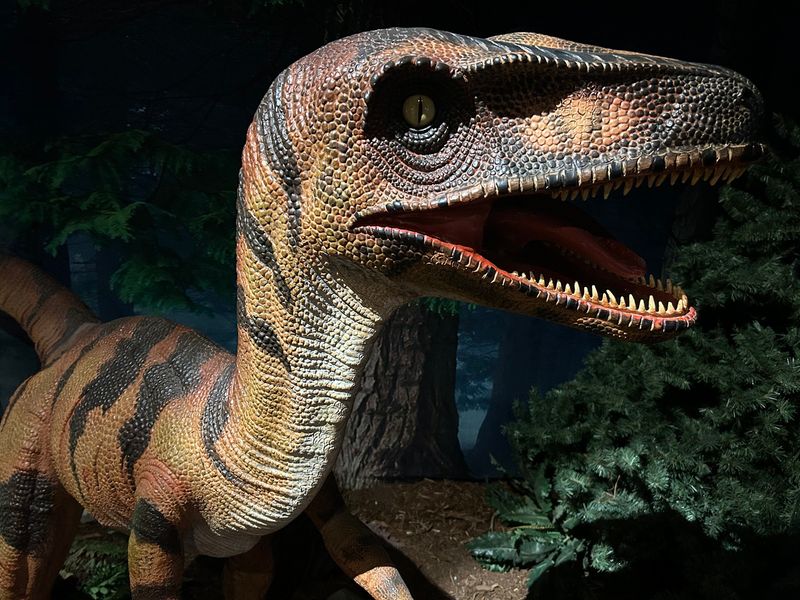
Western states usually get all the dinosaur glory. The Southeast had its own stars, though, and this hall makes sure they get the spotlight.
Appalachiosaurus is the headliner for local pride. People sometimes call it the East Coast T. rex, which is a pretty great nickname for a hometown hero.
It was a tyrannosaur that lived in the eastern part of North America. That makes it a fun reminder that dinosaurs once roamed much closer to home than many folks realize.
The museum included other specimens unique to the Southeast too. That choice gives the hall a regional flavor you won’t find in many big-city exhibits.
I like how this connects kids to the ground under their feet. Suddenly, dinosaurs aren’t just something from movies set in faraway deserts.
Talk about it while you look. Ask what the land around Gaston County might have looked like when giants walked the region.
Those questions stick around long after the visit ends. A curious kid might start looking at every rocky creek bed a little differently, and that’s a fun side effect.
Travel Backward Through Time And Touch The Evidence
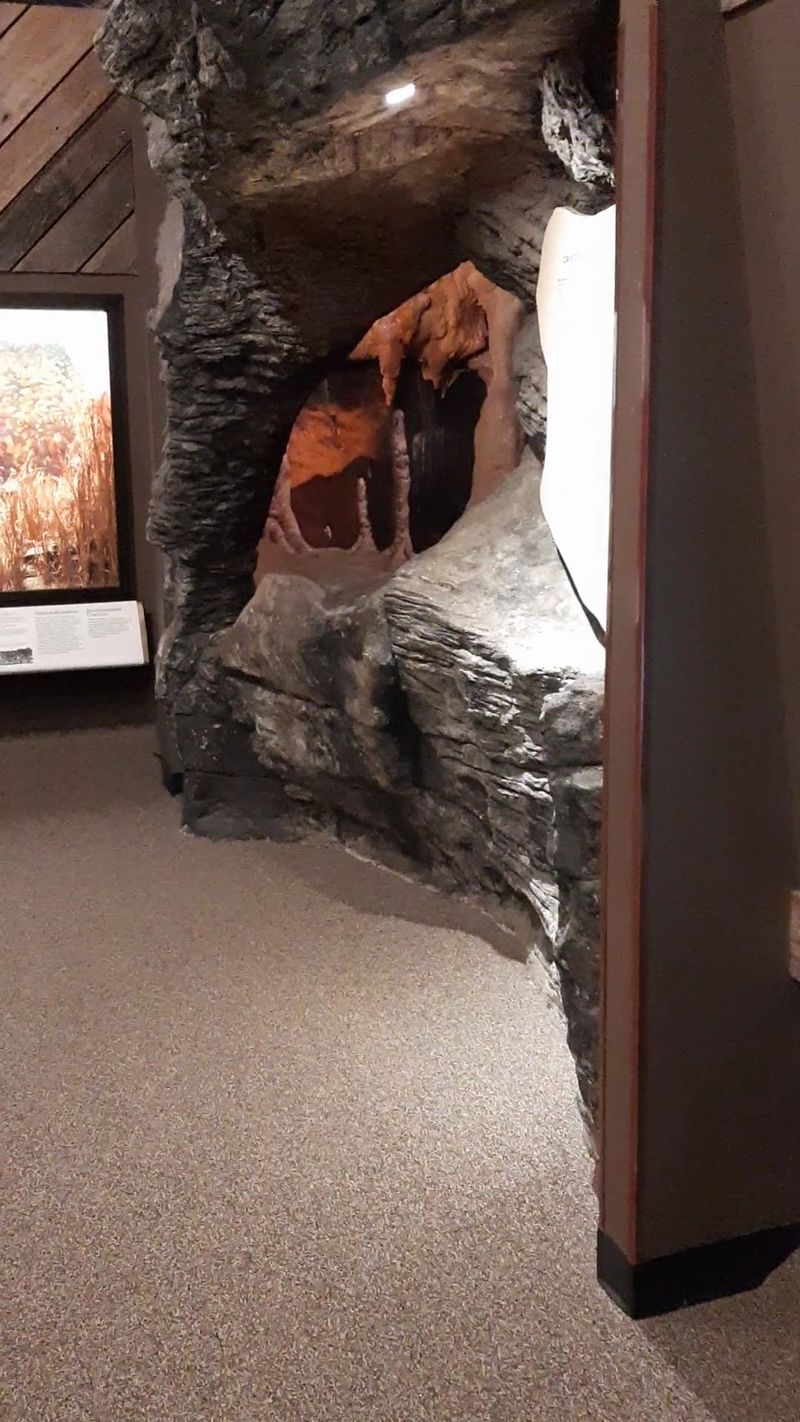
Dinosaurs weren’t the first chapter of Earth’s story. A section called the River of Time makes that point in a clever, walkable way.
It takes you backward through layers of rock, with fossils from different eras along the way. Each step gives you a clearer sense of just how old our planet really is.
That context helps the big skeletons make more sense. You understand where dinosaurs fit, instead of picturing them as next-door neighbors to cave people.
Next comes the hands-on part, which might become everyone’s favorite. Authentic fossils and detailed replicas let visitors get up close with a Triceratops horn, a T. rex tooth, and a Stegosaurus tail spike.
Yes, there’s also fossilized dinosaur droppings. Scientists call them coprolites, and they can reveal clues about what dinosaurs ate.
Expect giggles, gasps, and at least one kid announcing it to the whole room. Honestly, that’s exactly the kind of science that sticks.
Replicas also protect fragile originals while still letting curious hands explore. Everybody wins, including the fossils.
Save Some Energy For The Rest Of The Building
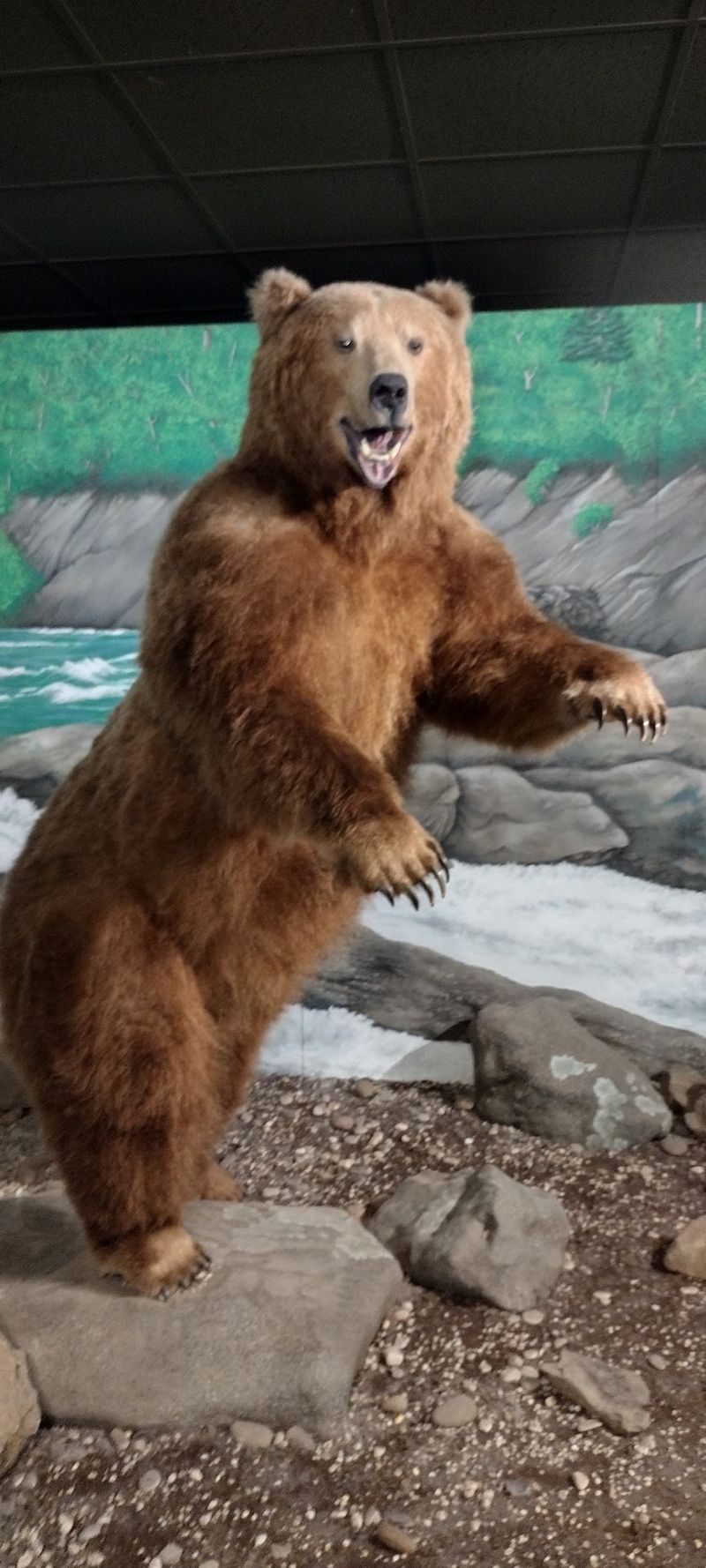
Leaving right after the dinosaurs would be a rookie mistake. The Schiele Museum of Natural History & Planetarium has plenty more tucked behind those famous bones.
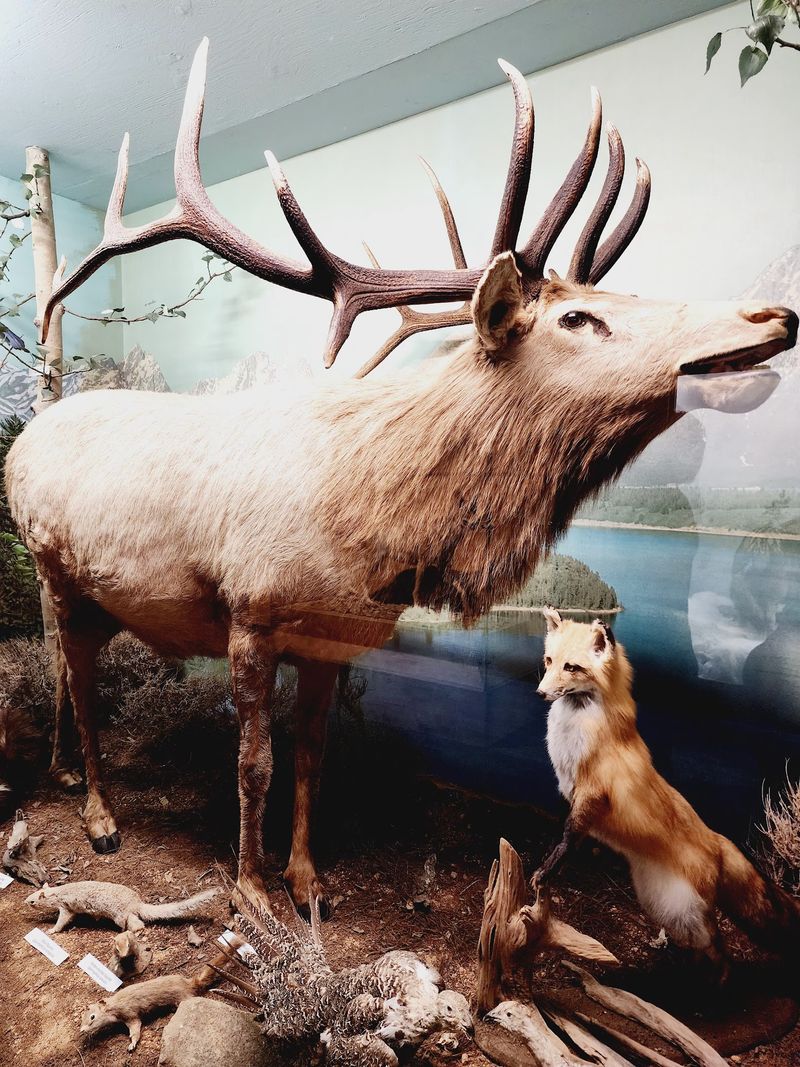
The Hall of North American Wildlife and the Hall of North American Habitats show off animals and ecosystems from across the continent. Lifelike scenes make it easy to compare forests, wetlands, and other wild places.
Closer to home, the Hall of North Carolina Natural History focuses on the state’s own landscapes. It’s a smart follow-up after learning about the Southeast’s ancient residents.
The Henry Hall of the American Indian explores the cultures of North American tribes. It adds a thoughtful human story to a day full of wild creatures.
Then there’s the James H. Lynn Planetarium.
Its 360-degree shows carry you out among the stars, which feels like the perfect bookend to a trip through deep time.
Planetarium shows need a separate ticket. Ask about showtimes when you arrive, so you can plan the rest of your visit around them.
From ancient bones to distant galaxies, this building covers a lot of ground.
Fresh Air, Farm Animals, And A Shady Trail
Little legs need a break from museum floors eventually. Luckily, the fun keeps going once you step outside.
The Farm features local plants and live animals. After a morning of skeletons, seeing creatures that actually move and breathe feels like a nice change.
The Nature Trail runs about 0.7 miles. That’s long enough for a real stroll but short enough that nobody needs to be carried back.
Wooded paths give everyone a chance to slow down and reset. It’s a calm contrast to the excitement of the dinosaur hall.
I love how the outdoor areas connect back to everything inside. The same habitats you studied in the halls suddenly surround you in real life.
Wear comfortable shoes and check the weather before you go. North Carolina afternoons can swing from breezy to steamy pretty quickly.
A short walk here can also turn into a great talk. Ask kids which animals from the exhibits might live in these very woods, then keep your eyes open for clues along the path.
Plan Your Prehistoric Day Trip The Easy Way
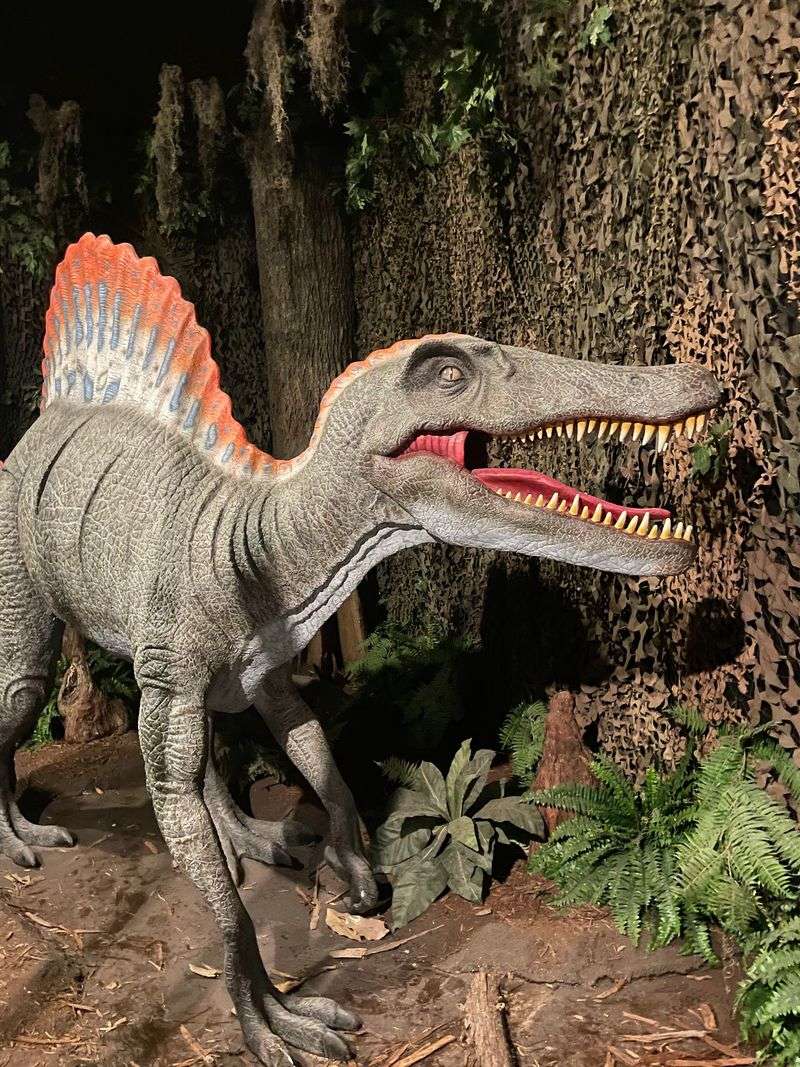
Good news for planners: the dinosaur hall comes included with general museum admission. You won’t need a special ticket just to meet Monty.
The Schiele Museum of Natural History & Planetarium sits at 1500 E Garrison Blvd, Gastonia, NC 28054. That spot makes it an easy trip from Charlotte and much of the surrounding region.
Weekday hours run from 10 AM to 4 PM. Saturdays stretch to 5 PM, while Sundays open at 1 PM and close at 5 PM.
The museum closes for major holidays, including Easter, Thanksgiving Day, Christmas Eve, and Christmas Day. Double-check before heading out on any special date.
Members of other science museums should ask about the ASTC Reciprocal Passport Program. The museum participates, which could bring admission perks.
Tickets are available online or at the admissions desk. Buying ahead can save time when you’re juggling excited kids and snack bags.
Want more dinosaurs afterward? Gaston County is running a Dino Trail through the end of the year, linking dino-themed stops across the area for an even bigger adventure.