9 Small Towns Across California’s Central Valley Facing An Uncertain Future
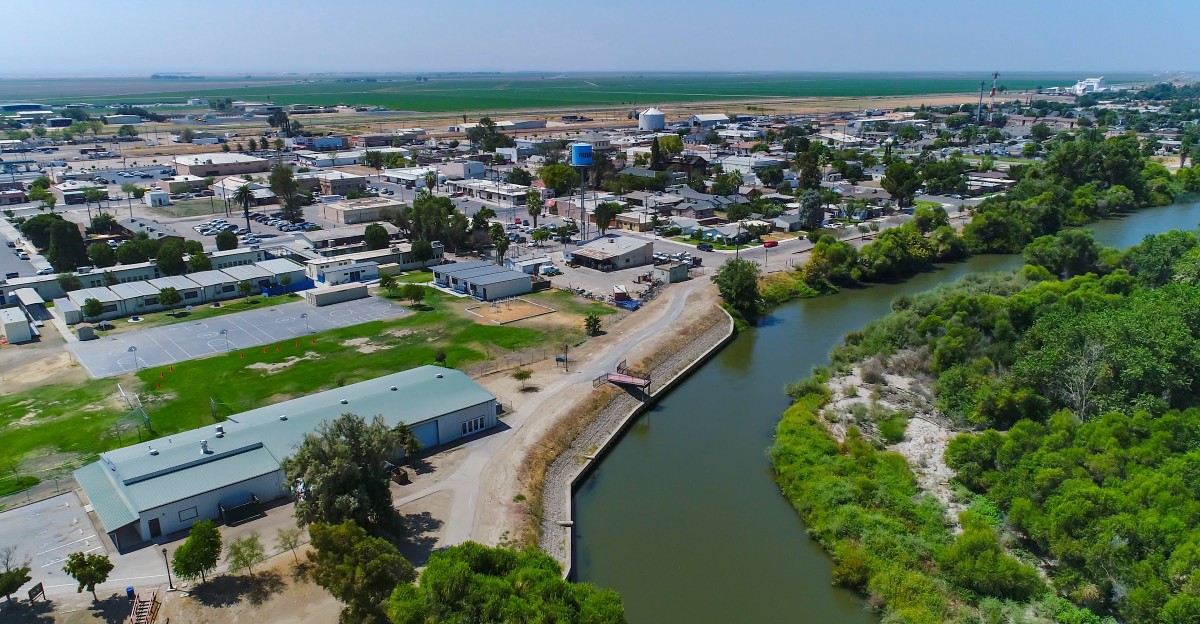
One town on this list is literally sinking into the ground after decades of heavy groundwater pumping. Its population is drifting too, just more slowly.
That double meaning hooked me right away. California’s Central Valley grows a huge share of the nation’s food.
Yet many of its smallest farm and oil towns face growing uncertainty as water shortages, shifting industries, and limited job opportunities threaten their future.
Drought, fewer farm jobs, and long drives to big cities all play a part.
What stands out about these towns is how much they contribute despite their size.
Some have spent generations supporting California’s agricultural industry, while others grew around oil fields that once promised steady jobs and prosperity.
Today, their challenges look different, but the uncertainty is familiar.
1. Taft
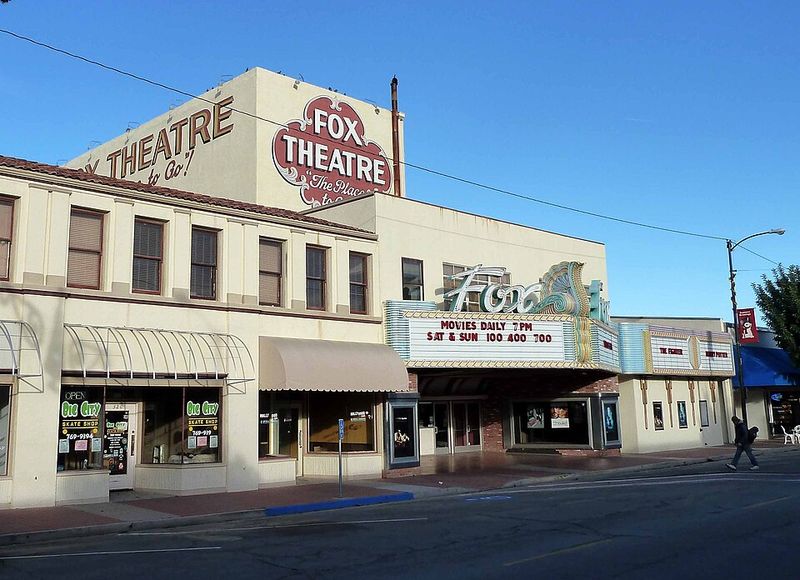
Few towns can say they were named after a sitting president, but this one pulled it off in 1910. The oil boom in the surrounding hills made the name stick and the town grow fast.
Today, around 8,500 people live in this Kern County town on the southwest edge of the San Joaquin Valley. Pumpjacks still nod on the hillsides like they’re agreeing with you.
Oil gave Taft its paychecks, and oil still shapes its future. When the industry slows down, local jobs and families tend to slip away too.
California’s push away from fossil fuels adds another layer of worry. That leaves a big question hanging over a town built on crude.
History buffs should head to the West Kern Oil Museum. Its outdoor yard shows off old drilling equipment and a tall wooden derrick.
Then there’s Oildorado, a festival the town throws only once every five years. Expect parades, contests, and old-time flair celebrating the oil fields.
The downtown has a classic main-street layout that’s easy to stroll. Murals around town share pieces of the local story, so keep your eyes up.
Plan a stop if you’re heading out from Bakersfield. Taft sits roughly 40 minutes west, so it makes an easy detour.
Small as it is, Taft packs plenty of grit. It has bounced back from busts before, and it might just do it again.
2. Coalinga
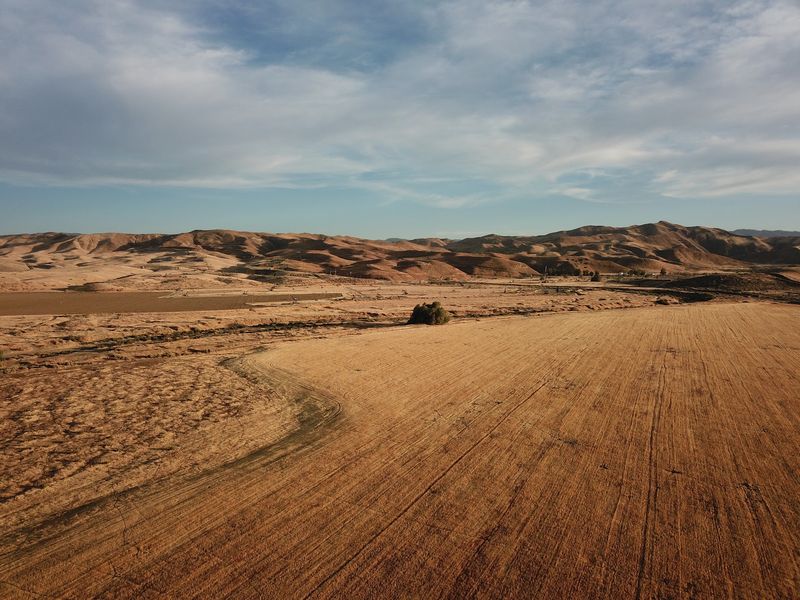
A railroad pit stop called Coaling Station A gave this town its name. Somebody squished the words together, and Coalinga was born.
Today, about 16,000 people live here on the far western edge of Fresno County. The hills behind town hold some of the oldest oil fields in California.
The town’s most famous attraction might be the Iron Zoo. Local pumpjacks have been painted to look like animals, bugs, and cartoon characters.
Spotting them turns into a fun road game. Kids in the back seat can count giraffes and grasshoppers instead of asking how much longer the drive is.
History left a big mark here in 1983. A strong earthquake damaged much of downtown, and the community had to rebuild.
The R.C. Baker Memorial Museum covers that story and plenty more.
You’ll find oil field tools, fossils, and local history under one roof.
So what makes the future uncertain? Farm water cuts, oil slowdowns, and long drives to bigger cities create challenges for families trying to build a stable life.
A state prison nearby provides jobs, but it doesn’t change the remote feel. Fresno, the closest big city, sits about an hour away.
Road-tripping on Interstate 5? Coalinga makes a fun pause where you can stretch your legs, snap a photo with a painted pumpjack, and keep rolling.
3. Lost Hills
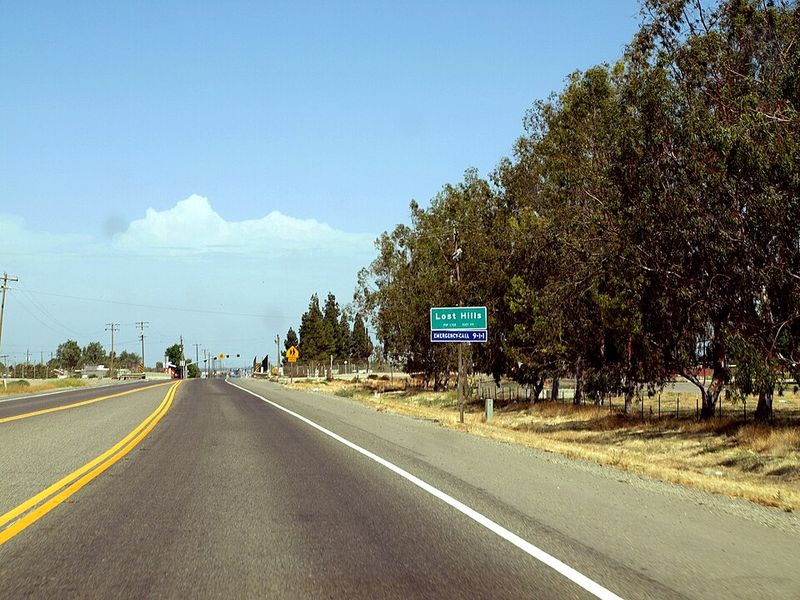
With a name like Lost Hills, you’d expect a mystery novel. The real story is mostly about almonds, pistachios, and oil.
This unincorporated community sits where Interstate 5 meets Highway 46 in Kern County. Fewer than 2,500 people live here, which makes it the smallest stop on this list.
Because Lost Hills isn’t a city, it has no city council of its own. Kern County handles many big decisions, and local services can feel stretched thin.
Orchards surround the town for miles. Large agricultural operations run much of the land, and many residents work in the fields or packing facilities.
Oil adds another layer to the local story. The Lost Hills Oil Field sits nearby and has been producing for more than a century.
For travelers, this spot is often a quick gas-and-snack stop. Highway 46 heads west from here toward Paso Robles and the coast.
Small towns like this face an uncertain future when job opportunities, educational options, and essential services are limited.
Water stays a constant concern, too. Groundwater troubles have challenged communities across this part of the valley for years.
Next time you fuel up here, take a second look around. Lost Hills is a working town full of families, not just an exit sign on a long drive.
4. Corcoran
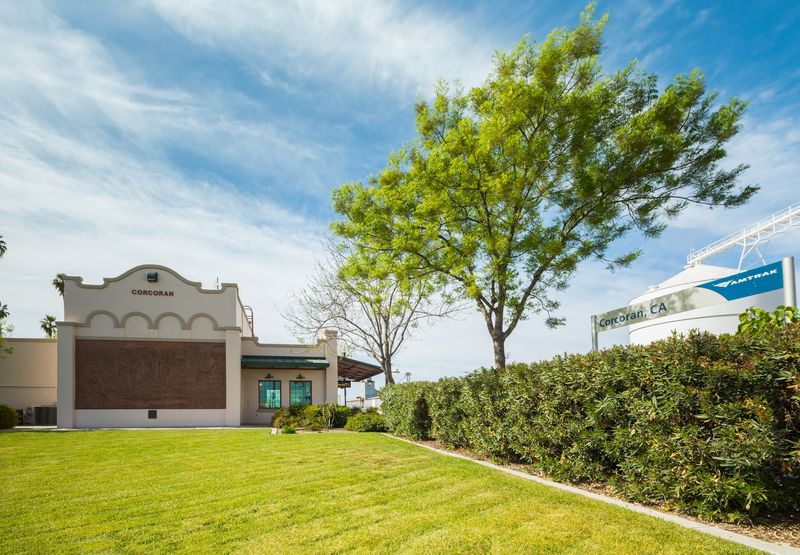
Sinking is not a figure of speech in this town. Decades of heavy groundwater pumping have caused the ground to drop by several feet in parts of the area.
About 21,000 people live in this Kings County town, though that count includes two state prisons. The inmate population makes Corcoran look bigger on paper than it feels on the street.
The town sits in the old Tulare Lake basin. That lake was once the largest freshwater lake west of the Mississippi before it was drained for farming.
In 2023, heavy rain and snowmelt brought the lake roaring back. Water spread across farmland, and crews raised the town’s levee to keep it out.
Living with that much uncertainty isn’t easy. Farm jobs shift, water fights continue, and some families decide to try life elsewhere.
Corcoran isn’t sitting still, though. The city opened The Loop Pump Track at Gateway Park, built by the track company Velosolutions.
The asphalt course welcomes bikes, skateboards, scooters, and rollerblades. It’s even built to host international competitions, which is a big deal for a small farm town.
Gateway Park also has playgrounds, picnic areas, walking paths, and a custom splash pad. It’s a smart stop if your kids need to burn off some road-trip energy.
Corcoran proves a town can face big challenges and still build something fun. Pack a helmet.
5. Mendota
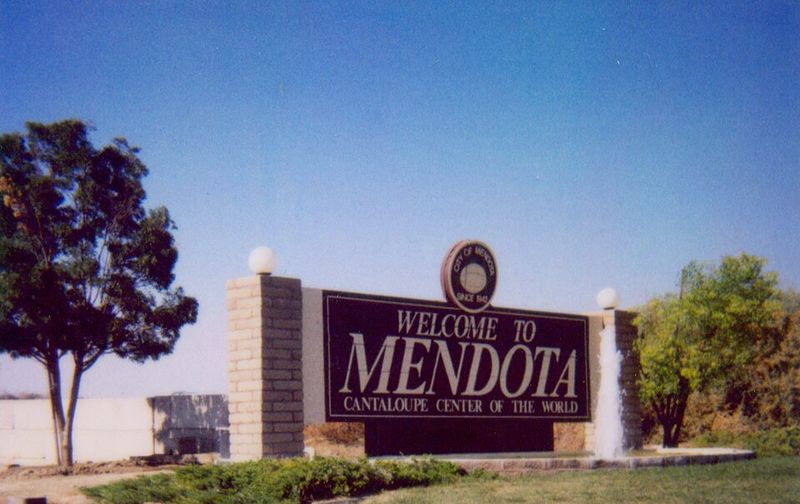
Cantaloupes put this town on the map, and it still proudly calls itself the Cantaloupe Center of the World. That’s a big title for a place of roughly 12,000 people in western Fresno County.
Farm work drives daily life here. Fields stretch for miles, and the growing seasons often decide who has steady work and who doesn’t.
That’s exactly why the population feels shaky. When water deliveries get cut during dry years, fields go unplanted, and some families head somewhere with steadier paychecks.
Drought hit this area hard over the last couple of decades. Mendota became a national symbol of that struggle, with news crews showing idle land and food lines.
Still, you shouldn’t expect a ghost town. The community remains young, busy, and tightly tied to the farm calendar, with strong Mexican and Central American roots.
If you’re driving through, slow down and notice the details. Small markets, taquerias, and family businesses serve the people who keep the fields running.
The San Joaquin River and the Mendota Pool sit nearby, too. That water system matters a ton to growers across this part of the valley.
A practical tip for curious travelers: aim for summer. That’s when melon season hits its stride and the town’s nickname makes the most sense.
Mendota is a reminder that food has a hometown. Your next juicy cantaloupe might carry a story that starts right here.
6. Firebaugh
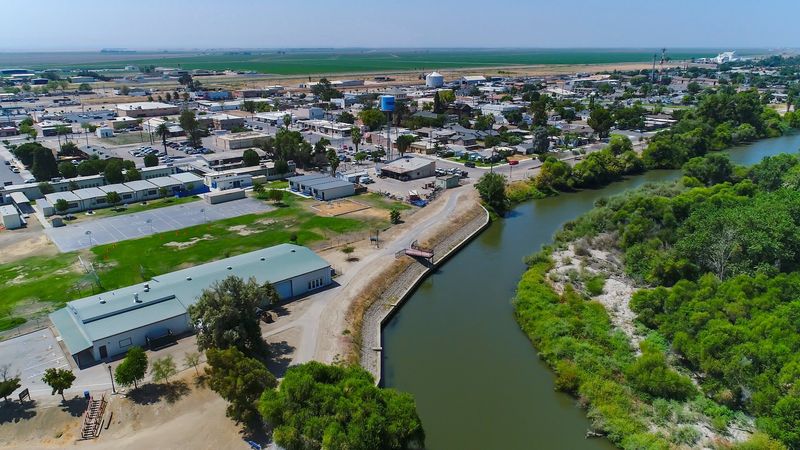
Long before modern bridges, a man named Andrew Firebaugh ran a ferry across the San Joaquin River here in the 1850s. The town still carries his name today.
Roughly 8,000 people call this Fresno County town home, right along Highway 33. The river still runs beside it, which feels special in such a dry corner of the valley.
Farming powers the local economy. Row crops and orchards fill the land around town, and the harvest calendar shapes plenty of family schedules.
Like its neighbors, Firebaugh feels the squeeze when water deliveries shrink. Fewer acres planted usually means fewer jobs, and fewer jobs means some families move on.
The town has kept its small-town identity over the years. Local schools and churches act as gathering spots that hold neighbors together.
River fans will appreciate a quick stop here. Seeing the San Joaquin flow through farm country helps you understand why towns grew where they did.
Firebaugh also fits nicely into a Highway 33 road trip. That route links several west side farm towns and offers a slower alternative to Interstate 5.
Bring snacks, a full tank, and some curiosity. Services can be spread out between towns on this stretch of road.
A ferry crossing grew into a real town here. Not bad for a place that started with one boat and a very useful river.
7. Avenal
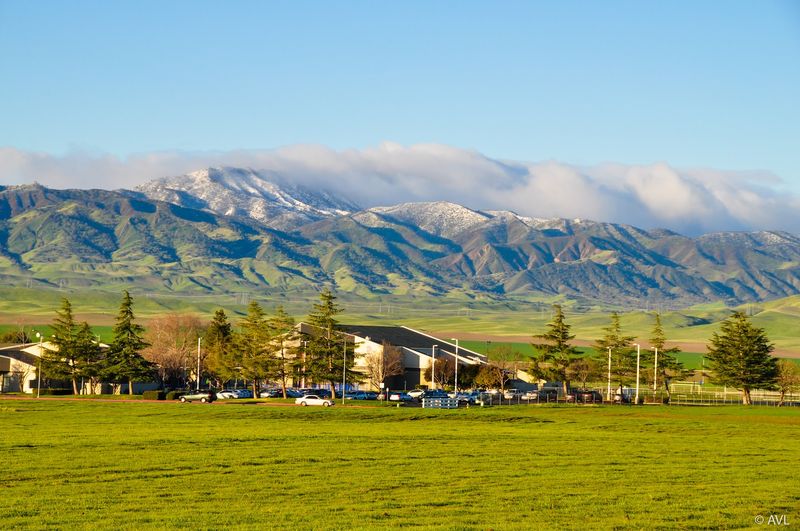
Oasis in the Sun is a bold nickname for a town surrounded by dry hills, but Avenal wears it proudly. The name itself comes from a Spanish word tied to oat fields.
This community sits in the Kettleman Hills area of southwestern Kings County. Around 13,000 people live here, though that number includes a large state prison.
Oil built the town in the late 1920s. Big discoveries in the Kettleman Hills brought workers and their families rushing in.
When the boom faded, the town needed a new plan. Avenal State Prison became one of the biggest employers in the area.
That mix of oil history and prison jobs makes Avenal unusual. It’s remote, quiet, and a bit out of the way, even by valley standards.
Remote towns often face challenges keeping younger generations close to home. Shopping, healthcare, and college can mean long drives, which nudges some families toward bigger cities.
The setting is striking, though. The rolling hills turn green after winter rains and golden by summer.
Spring is the best time to visit if you like views. Bring a camera and a little sense of adventure.
Kids here grow up with wide skies and plenty of room to roam. Those open horizons are hard to find in crowded cities.
Avenal reminds you that an oasis doesn’t need palm trees. Sometimes it just needs people willing to stick around.
8. Dos Palos
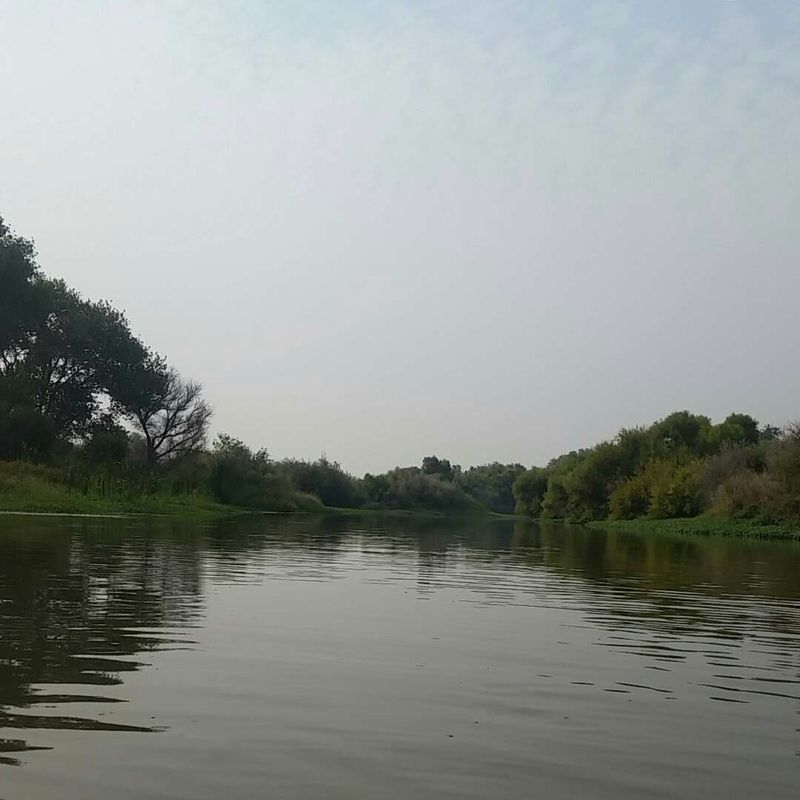
Back in 1891, this place started life as the Dos Palos Colony. By 1906, the colony part was dropped, and the shorter name stuck.
Around 5,600 people live in this western Merced County town today. Dairies and farms shape the local economy and much of the scenery.
The best place to dig into the story is the Dos Palos Jailhouse Museum at 2020 Almond Street. It began inside the town’s original jail and later expanded into a larger building next door.
Inside, you’ll spot old photos of steamboats on the San Joaquin River. Yes, steamboats, right here in farm country.
The collection also covers the 1911 fire that hit town. An antique Miller and Lux accounting desk and old toys that run without batteries round things out.
The Dos Palos Historical Society, founded in 1979, keeps this history alive. The museum opens Wednesday afternoons and Saturdays, so plan ahead.
So what challenges does this town face? Changes in dairy and farm employment, along with limited opportunities for young people, create uncertainty about its economic future.
Small main streets also struggle when big shopping centers sit far away. A single empty storefront feels personal in a town this size.
Spend an hour in the old jailhouse, and you’ll see Dos Palos differently. A little history can make a quiet town feel surprisingly loud.
9. San Joaquin
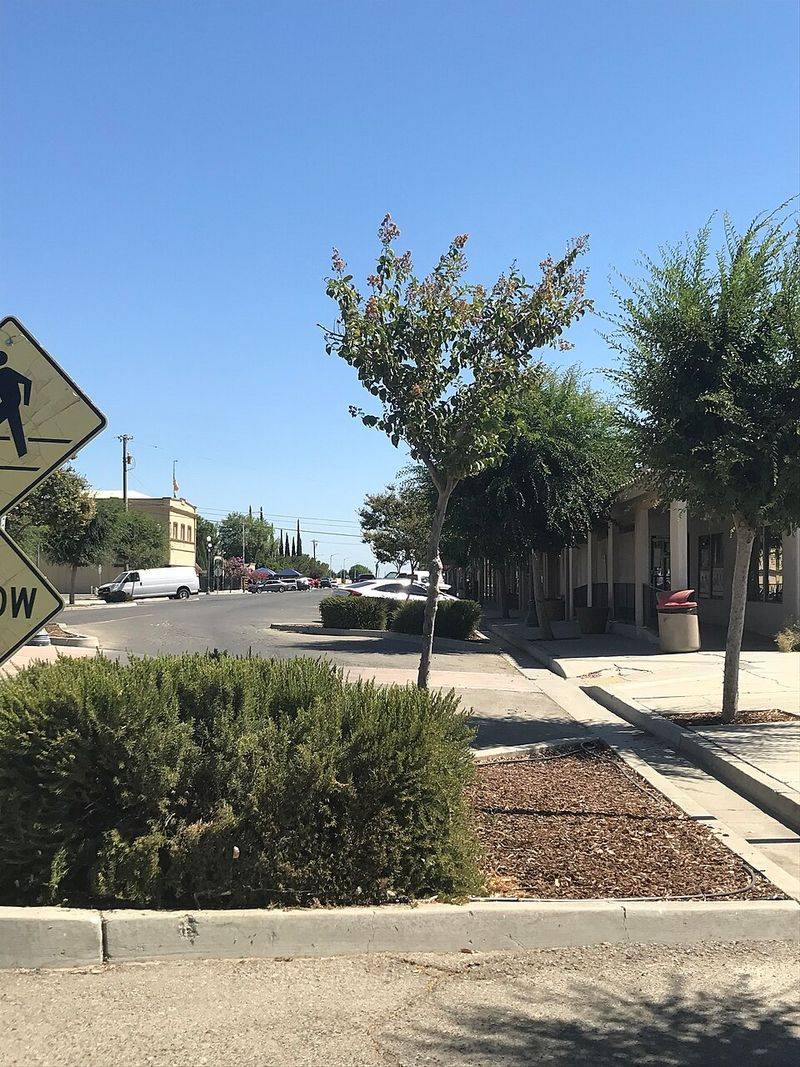
A town named after an entire valley and a major river? San Joaquin has serious naming confidence for a place of about 4,000 people.
This small city sits in western Fresno County, surrounded by farmland. It became an incorporated city back in 1920.
Agriculture is the backbone here. Many residents work in fields, packing houses, or jobs tied to farming.
That works great when harvests are strong. When water dries up or jobs move, though, small towns like this feel it first.
Most residents are Latino, with deep roots in farm work. Families here often stretch across generations, which keeps traditions strong.
Visitors won’t find big tourist attractions on the map. What you will find is a slice of real valley life, away from busy freeways.
Fresno sits less than an hour to the northeast. That’s close enough for big errands but far enough to keep the town quiet.
Towns like this matter more than their size suggests. They grow food that lands on tables across California and far beyond.
Planning a drive through? Pair it with stops in nearby west side towns for a full picture of farm country.
So as San Joaquin navigates an uncertain future, it’s worth paying attention to the challenges facing communities like this.