Springwater Pours From Canyon Walls Into The Snake River At Thousand Springs State Park In Idaho
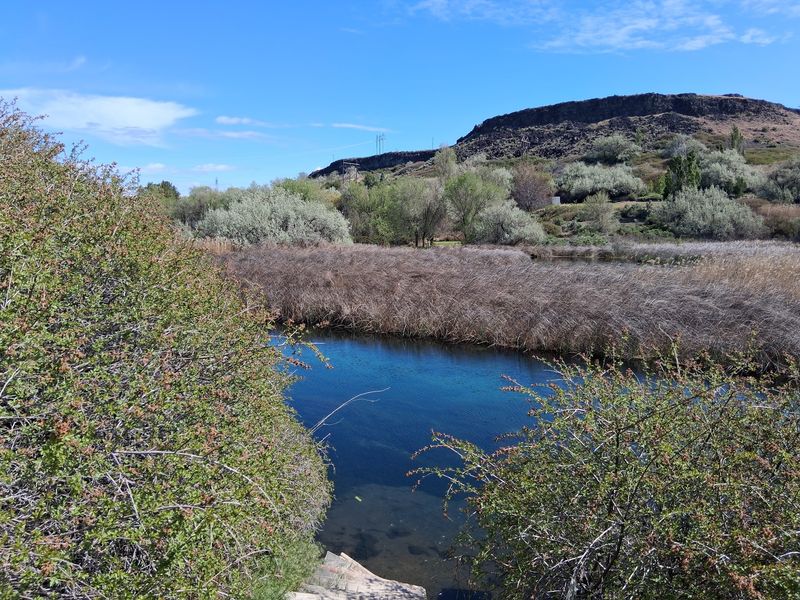
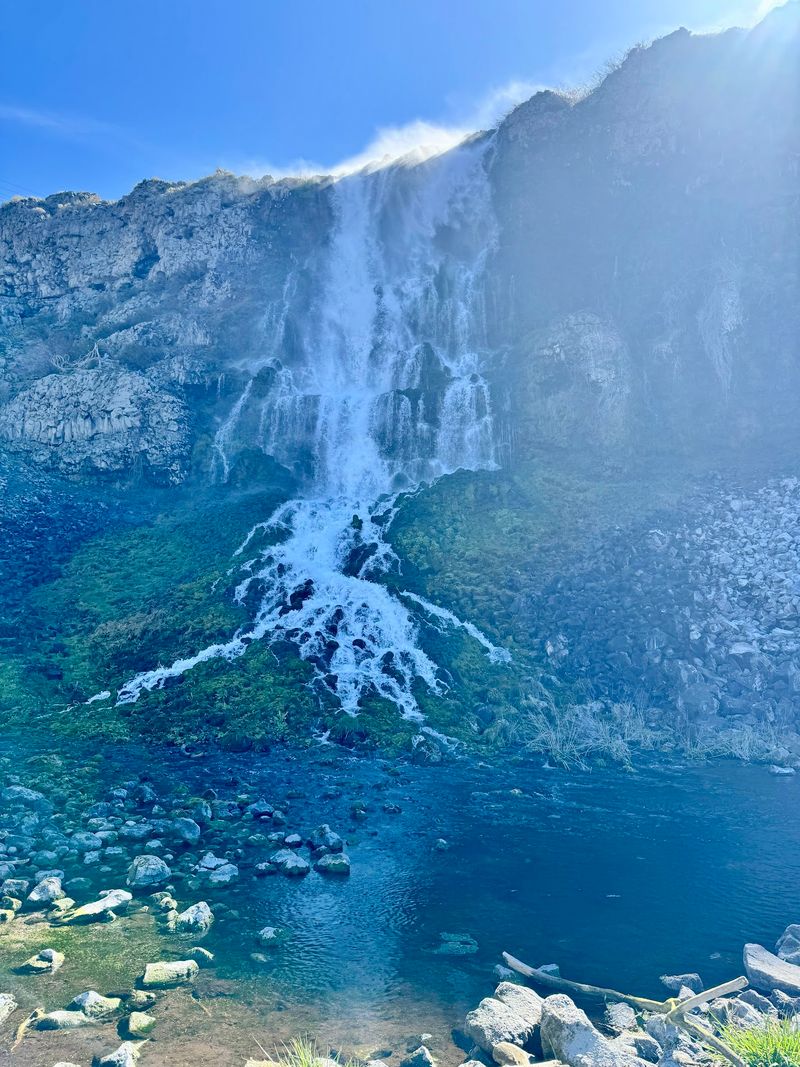
Water bursts straight out of solid canyon rock here, and one spring alone pushes out 250 cubic feet every second. No river feeds it from above.
It simply pours from the cliff face and tumbles into the Snake River.
Another spring nearby ranks among the largest in North America. It runs about 180,000 gallons per minute into pools so blue they look edited.
Then there’s an island where a famous dairy once made the pages of National Geographic.
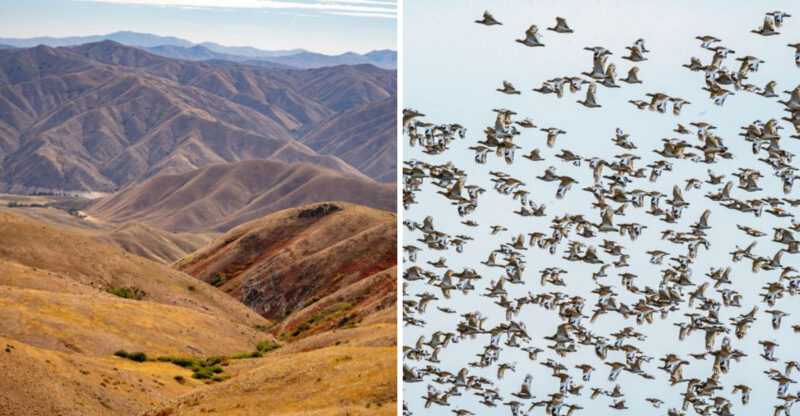
I love that this all sits in the Magic Valley of southern Idaho, far from any mountain postcard. The land looks dry and plain from the highway.
Drop into the canyon, and the whole story changes.
I can’t imagine a better place to rethink what desert country can hide. So where does all that water come from, and where should you stand to see it?
A State Park Split Into Pieces Along The Snake River
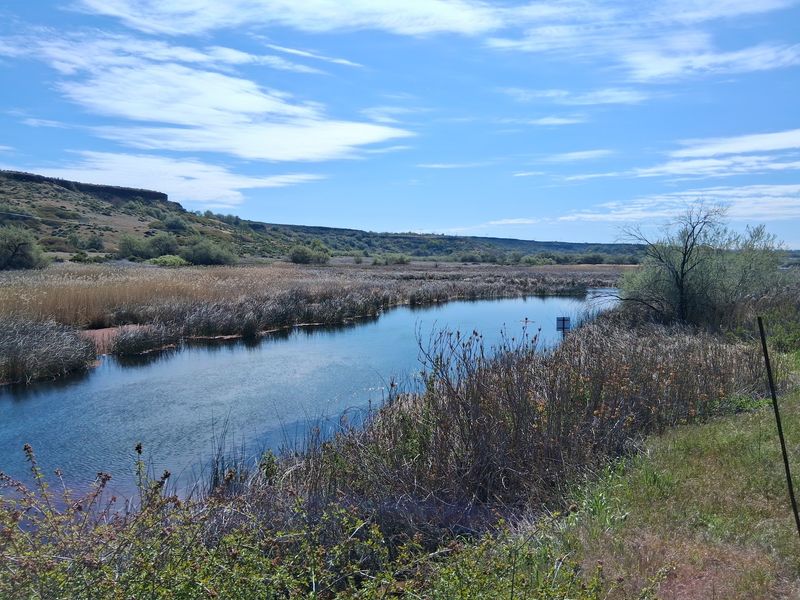
Thousand Springs State Park doesn’t fit inside one fence line. It’s a complex of separate units scattered along the Snake River in the Magic Valley of southern Idaho.
Idaho formed the park in 2005 by merging several existing state parks. The result feels more like a treasure map than a single destination.
Each unit has its own personality. Niagara Springs shows off cascades, Box Canyon hides deep blue pools, and Malad Gorge brings a dramatic river plunge.
Crystal Springs adds a fishing lake, and Ritter Island offers history plus paddling. Billingsley Creek handles camping, while Kelton Trail preserves old wagon ruts.
That layout means you’ll do some driving between stops. Think of it as a road trip with built-in waterfalls.
The springwater itself is the star across every unit. It emerges straight from the canyon walls and flows down into the Snake River.
That steady flow is the defining trait of this whole stretch of Idaho. Once you notice it, you’ll spot white ribbons of water along the cliffs everywhere.
Plan to pick a few favorites per visit. Trying to cram every unit into one afternoon is ambitious, even for the most caffeinated road tripper.
Niagara Springs Earns Its Big Borrowed Name
Borrowing a name from one of the world’s most famous waterfalls takes some nerve. Niagara Springs backs it up with roughly 250 cubic feet of water every second.
All of it spills down the canyon wall and empties into the Snake River. There’s no creek feeding it from the top, which still feels a little like a magic trick.
A fenced platform lets you watch the cascade safely. You can stand there and take in the full sweep of white water against dark rock.
Timing matters at this unit. Vehicle access closes seasonally outside the summer months, though walk-ins are often welcome.
So a summer trip makes the easiest visit. Outside that window, check conditions before you commit to the canyon road.
Photographers tend to love the contrast here. Bright foam, green plants, and black basalt make a picture that hardly needs a filter.
Kids usually react fast too. Watching water appear from a cliff is the kind of thing that sparks a dozen questions on the ride home.
Bring a jacket on cooler days. Canyon air near moving water can feel chillier than the temperature on your dashboard suggests.
Sapphire Pools You Have To Hike To Believe
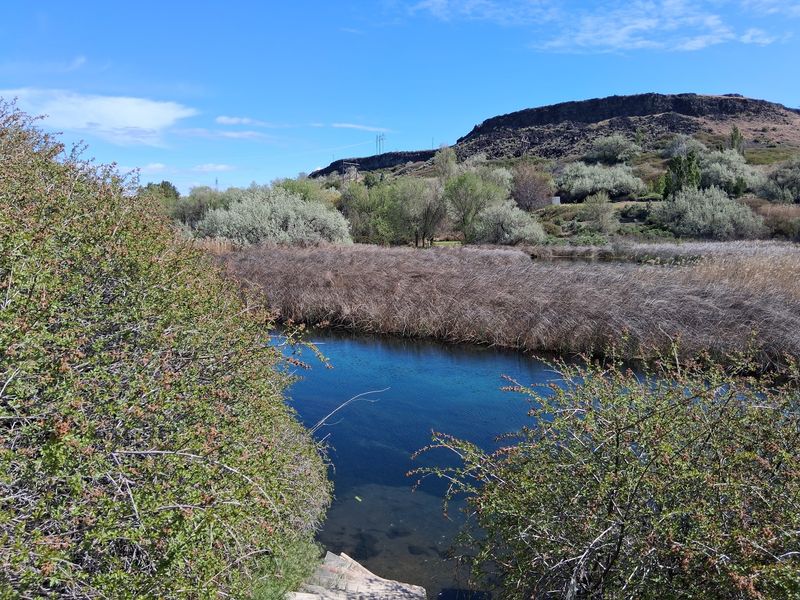
Here’s a number to chew on: 180,000 gallons per minute. That’s the flow at the Earl M.
Hardy Box Canyon Springs Nature Preserve.
It ranks among the largest springs in North America. The water forms bright sapphire pools and waterfalls inside a narrow canyon.
A 4.3-mile loop trail follows the canyon rim. It then drops down to a 20-foot waterfall and those famous blue pools.
Wear real shoes for this one. Sandals might look cute in photos, but the descent deserves better grip.
The preserve has an interesting path to public hands. The Nature Conservancy acquired the property in 1999.
It then transferred the land to the state park system in 2016. That means Idaho families now get to enjoy a spot once owned privately.
The color is the main payoff. Clear springwater over pale ground creates that jewel-toned blue you see in so many photos.
Bring water, snacks, and a little patience. The rim views alone justify the walk, and the canyon floor finishes the job beautifully.
Box Canyon is open year-round for day use. That makes it a solid pick even outside peak summer.
An Island With A Dairy Legend Behind It
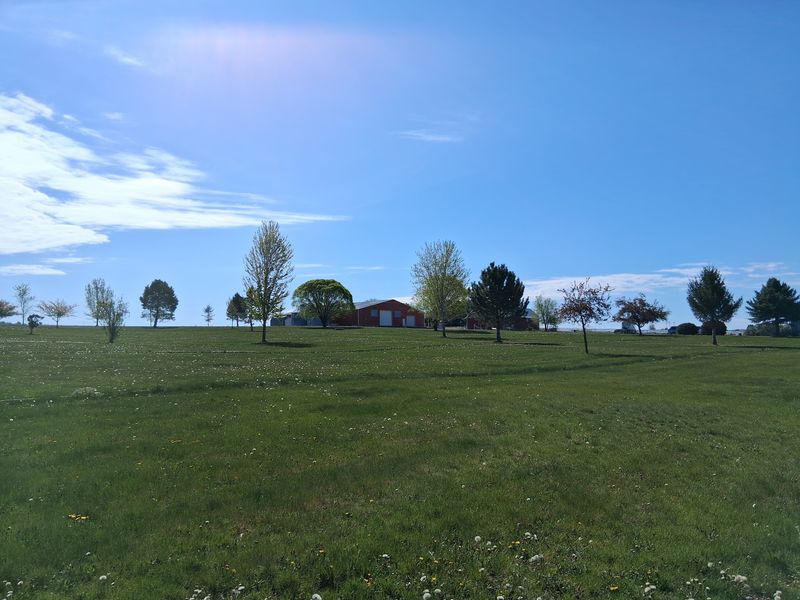
Minnie Miller bought this island in 1918, and she didn’t do things halfway. Her dairy farm grew famous enough to appear in National Geographic in 1944.
Today Ritter Island is part of Thousand Springs State Park. Judge Willis Ritter acquired it in 1954, and it joined the park in 2006 after time under The Nature Conservancy.
The views across the river are the big draw. Springs burst from the canyon walls, including Minnie Miller Falls.
Paddlers can loop around the island by kayak or paddleboard. Hikers can follow paths along the Snake River instead.
Want to linger after the day crowd heads home? The historic Rock House and Guest House offer overnight stays on the island.
That’s a rare chance to sleep beside a piece of Idaho farming history. Few state parks can offer anything quite like it.
Vehicle access closes seasonally outside summer, though walk-ins are often welcome. Check before driving if you’re coming in the shoulder season.
The annual Thousand Springs Festival of the Arts also takes place here. It’s a fitting stage, with waterfalls standing in as the backdrop.
Where The Malad River Takes A Steep Plunge
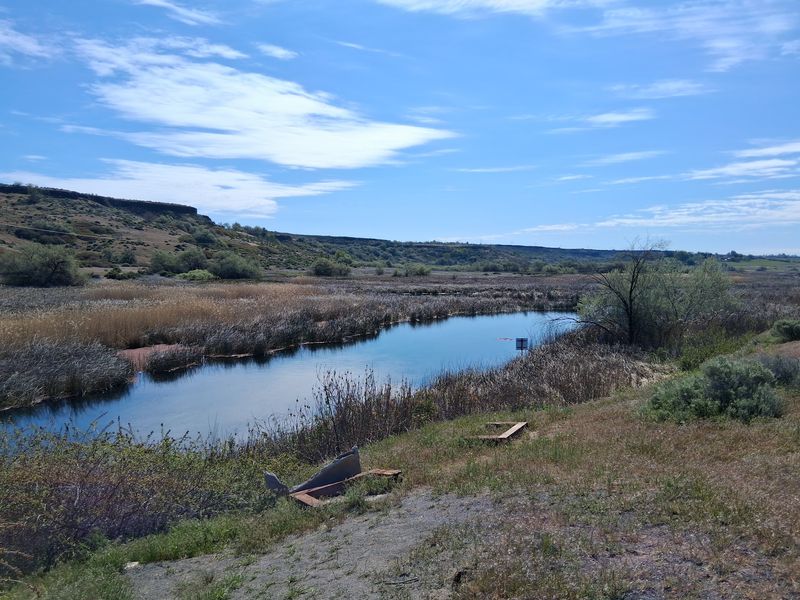
Some rivers meander. The Malad River decides to go dramatic instead.
At Malad Gorge, it drops over stairstep falls into a churning pool called the Devils Washbowl. From there, it cuts through a 250-foot gorge on its way to the Snake River.
The scale hits hard when you look down. Basalt walls rise straight up, and the water keeps carving its own path below.
Don’t stop at the main falls, though. Side fingers of the gorge hold crystal-clear springs feeding quiet ponds and streams.
That mix gives the unit two moods at once. One side roars, and the other feels calm and glassy.
Malad Gorge stays open year-round for day use. It works nicely as a shorter stop when you’re traveling through the Magic Valley.
Cooler months can bring a different look to the canyon. The rock, water, and sky all feel sharper without summer haze.
Keep a close eye on kids near the edges. A 250-foot drop is the kind of view best enjoyed from behind a railing.
Bring a camera with a wide lens if you have one. The gorge rarely fits in a single frame.
Fishing Spots, Wagon Ruts, And A Campground Hub
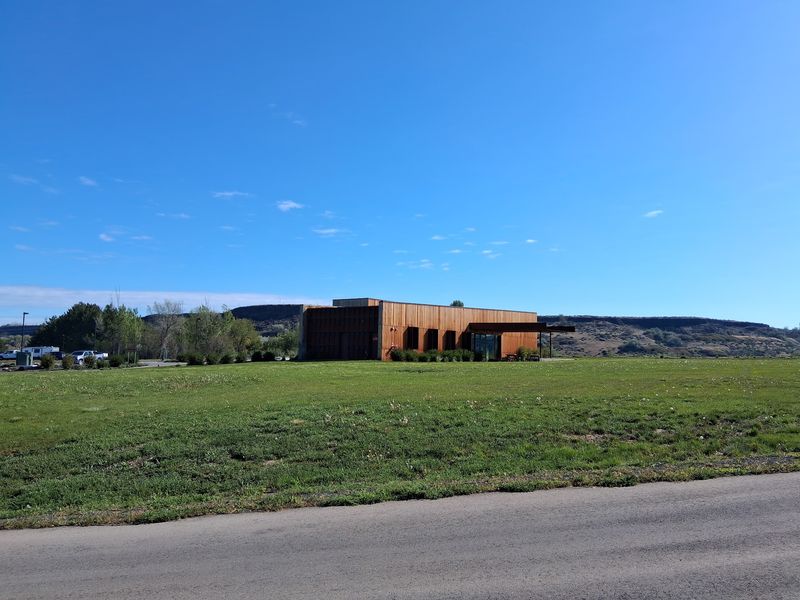
Crystal Springs keeps things simple in the best way. Smaller waterfalls spill from the canyon side into a lake with developed fishing spots.
A boat ramp there gives you access to the Snake River. It’s a handy launch point for anglers and paddlers alike.
Billingsley Creek covers a lot of ground. You’ll find wildlife viewing, fishing, floating, and even an indoor horse arena.
The state purchased the property in 2001. It includes the former homesite of western author Vardis Fisher.
Billingsley Creek Campground has 50 full-hookup sites open year-round. Showers and flush toilets round out the setup.
Plans call for an RV campground, amphitheater, and arboretum here. The unit is slated to become the central hub for the park.
History fans should swing by Kelton Trail too. Wagon ruts still mark a trade route linking Boise to Kelton, Utah, from 1864 to 1883.
Standing beside those grooves feels oddly personal. Freight wagons rolled right there long before anyone dreamed of RV hookups.
All three units are open year-round for day use. That makes them easy to stack into one relaxed Magic Valley loop.
Start Your Loop At The Friendly Visitor Center
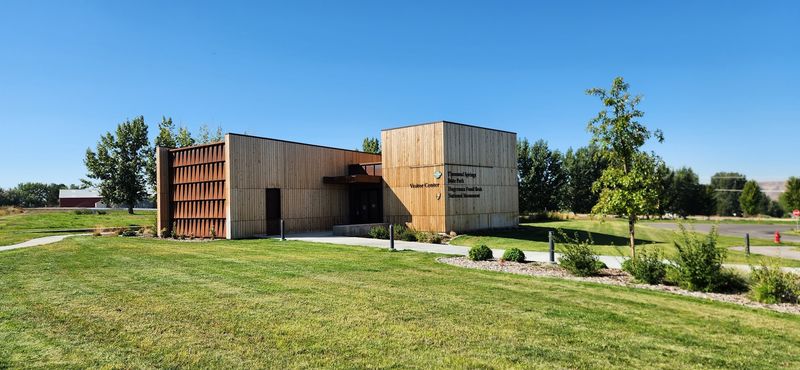
Smart trips begin with a good map. The Thousand Springs Visitor Center sits at 17970 U.S.
Highway 30 in Hagerman, Idaho.
It’s shared with Hagerman Fossil Beds National Monument. That pairing means fossil displays sit right beside your springs planning.
Staff can help map out a viewing route across the units. You’ll also find ranger talks, gifts, restrooms, and a water bottle fill station.
Families can borrow adventure backpacks for the trail. Kids can also work through the Junior Ranger Program and earn a badge.
Hours shift with the seasons, so check before driving. The center runs five days a week in fall and three days a week in winter.
Day-use units like Box Canyon and Malad Gorge keep longer year-round hours. Niagara Springs and Ritter Island close to vehicles outside summer.
A daily motor-vehicle entrance fee usually applies, costing just a few dollars. An Idaho State Park Pass can cover admission instead.
No restaurants operate inside the units. Hagerman nearby offers places to eat, gas stations, and grocery stores, and the Thousand Springs Scenic Byway connects more small towns.
Why This Canyon Deserves A Spot On Your Calendar
Water pouring from a cliff never really gets old. Thousand Springs State Park serves up that sight again and again along the Snake River.
Each unit adds a fresh layer. You get blue pools, a roaring gorge, an island with a dairy story, and wagon ruts from frontier freight days.
The variety suits a lot of travelers. Hikers, paddlers, anglers, campers, and history buffs can all find a lane here.
Families get easy wins too. Junior Ranger badges, fossil displays, and waterfalls make for an outing kids actually remember.
The cost stays friendly as well. A small vehicle fee or an Idaho State Park Pass covers a whole day of exploring.
Summer opens every door, including Niagara Springs and Ritter Island by car. Spring and fall still deliver plenty through the year-round units.
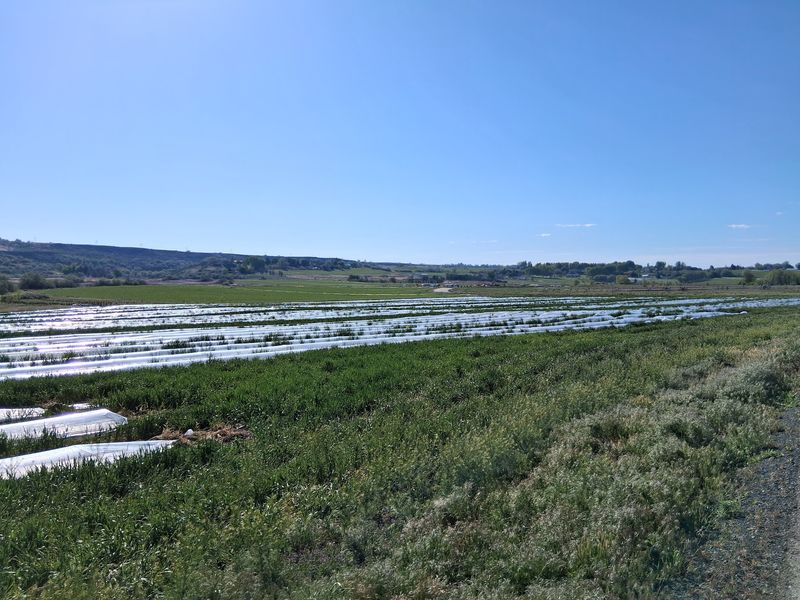
I believe this park quietly rewrites what southern Idaho looks like. The plain-looking Snake River Plain hides a canyon full of moving water.
So pack a cooler, grab a map in Hagerman, and pick a few units. The springs have been flowing a long time, and they’ll be ready when you are.