Lewis And Clark Camped Below Calumet Bluff In 1804, And This Crofton Visitor Center Still Overlooks The Missouri There
William Clark described one riverside bluff as yellowish red clay ‘as hard as chalk.’ More than 220 years later, it still looks that way, and you can stand right on top of it in northeast Nebraska.
Up there, the explorers held their first council with the Yankton Sioux in 1804. The gathering included pipe ceremonies, a feast, music, and dancing on ground now crossed by a quiet trail.
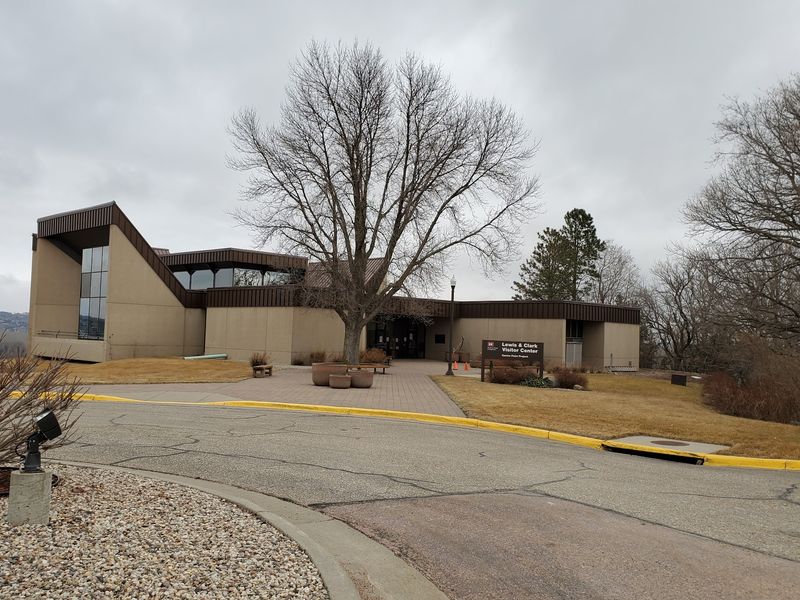
I like how this story refuses to stay locked inside a textbook. A modern visitor center now sits on that same perch, with sweeping views of the Missouri River and a big dam below.
I can’t imagine a better spot to feel how old this river story really is, especially on a clear day. So what waits at the top, and why does it cost nothing to get in?
A Riverside Lookout Sitting Right On Top Of The Story
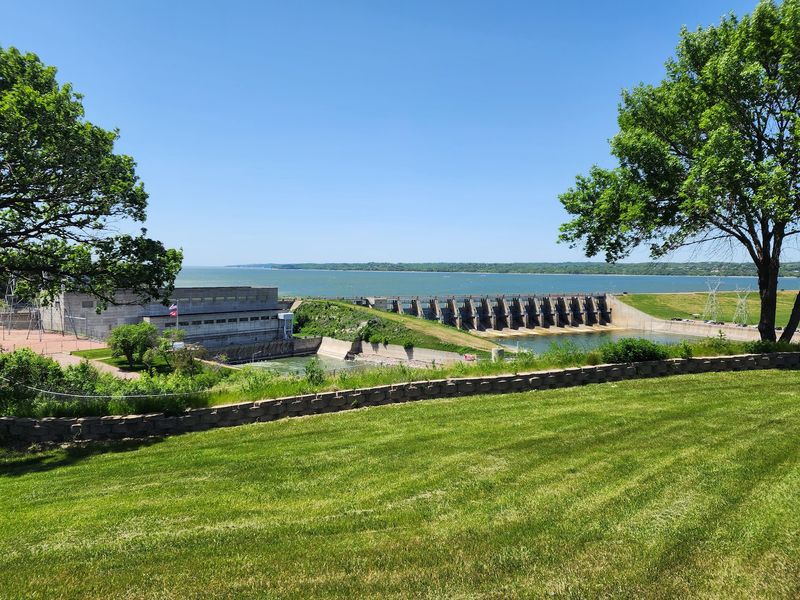
Most history markers make you squint at a plaque beside the highway. The Lewis and Clark Visitor Center at Gavins Point Dam lets you stand on the actual bluff where the story happened.
The center sits atop Calumet Bluff, just outside Crofton in northeast Nebraska. It’s run by the U.S.
Army Corps of Engineers, the same folks who manage the dam below.
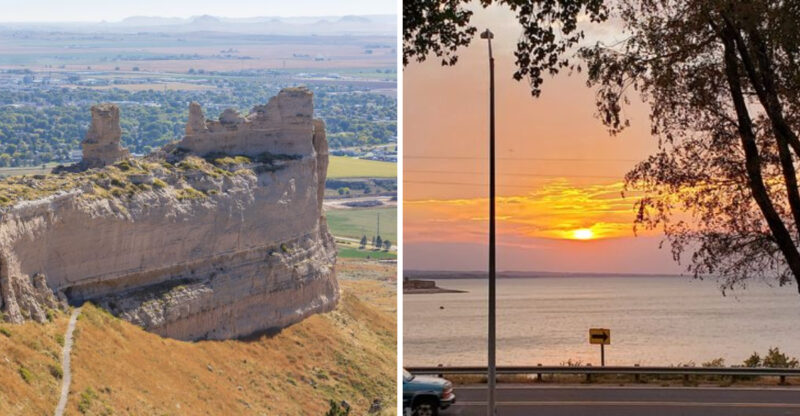
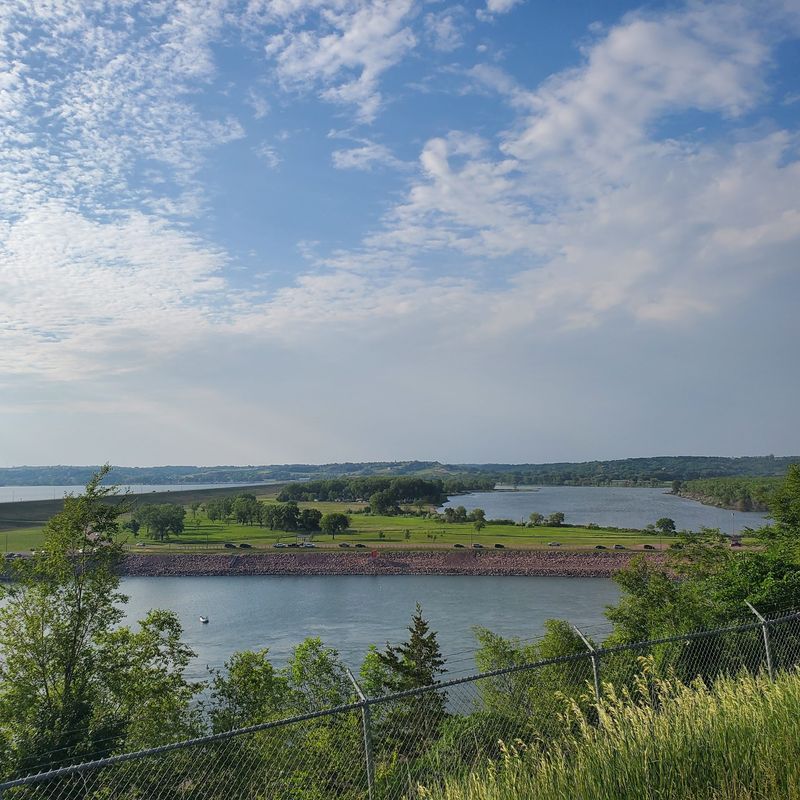
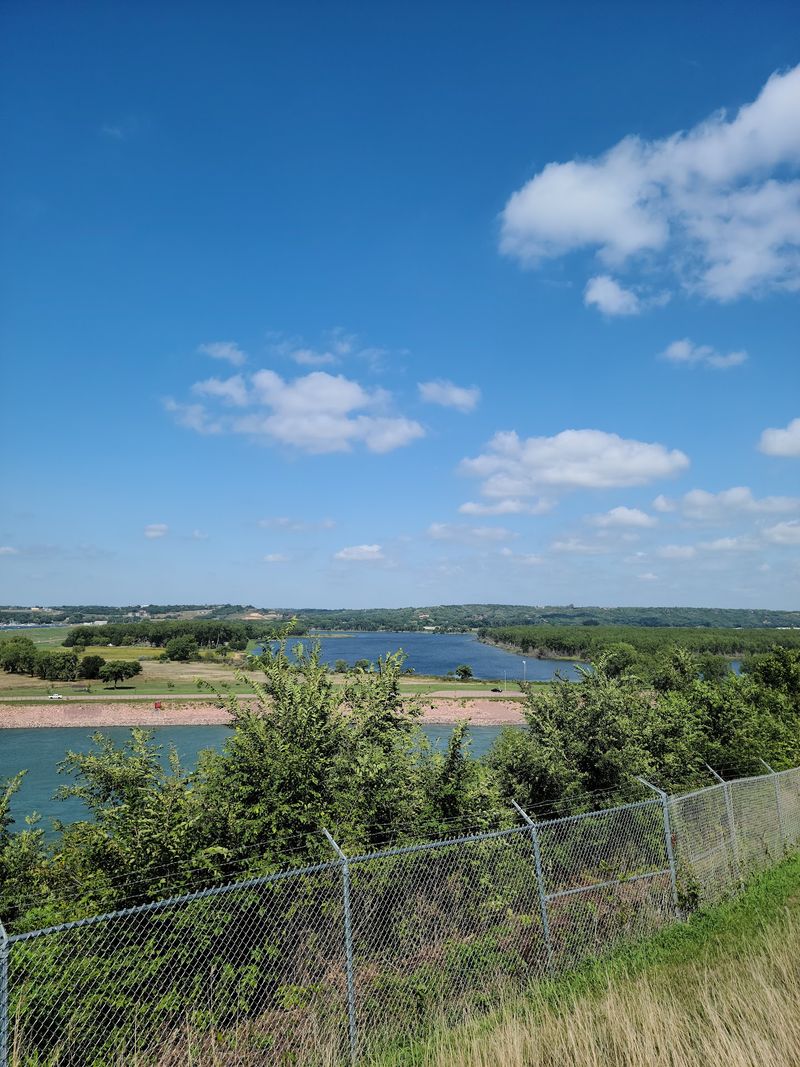
From up top, the Missouri River Valley spreads out in every direction. Lewis and Clark Lake stretches to one side, while the dam and the river’s downstream channel fill the other view.
South Dakota sits right across the water, which explains why plenty of travelers drift over from Yankton. Still, this spot belongs to Nebraska, and it wears that history proudly.
The bluff itself is now federally protected land. It forms part of the Lewis and Clark Lake and Gavins Point Dam Project along the Lewis and Clark National Historic Trail.
That’s a mouthful of official titles for one hill. The short version is simple, though: a quiet place where the past and a working river share the same horizon.
Four Late-Summer Nights Beneath The White Bear Clift
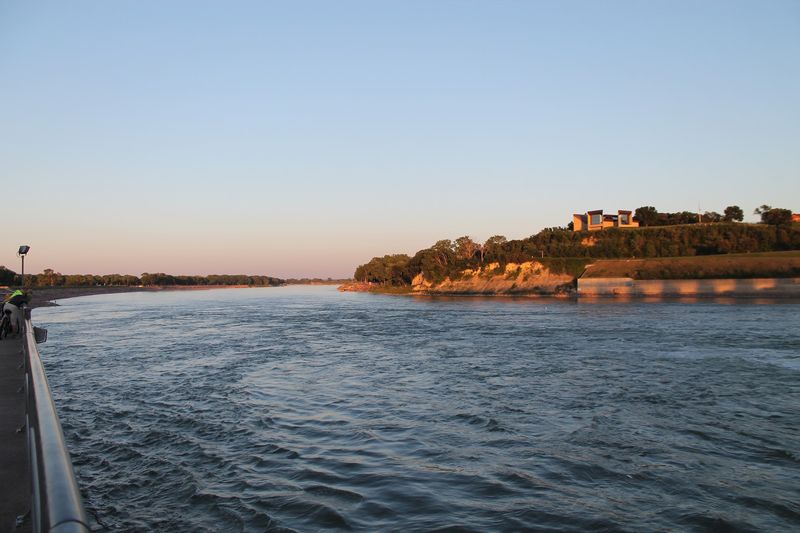
August 28, 1804, brought the Corps of Discovery to a stretch of riverbank below a chalky bluff. They stayed until September 1, making it a four-night stop on their long push upstream.
Clark gave the place a memorable name in his journal. He called it ‘White Bear Clift,’ after a white bear was reported in a hole in the bluff.
The explorers also took careful notes on the bluff’s look. They described it as ‘composed of a yellowish red, and brownish clay as hard as chalk.’
Here’s the fun part for anyone who loves a good before-and-after. That description still fits the bluff today, so you can compare their words with the real thing.
Think about how rare that is in a fast-changing world. Towns grew up, a dam rose, and a lake filled the valley, yet the clay face held its colors.
Standing above the old campsite gives the dates real weight. Over 220 years have passed, and the landmark the captains wrote about is still right there under your shoes.
The Peace Pipe Council That Gave The Bluff Its Name
Calumet is another word for a ceremonial pipe. That detail explains everything about how this bluff earned its modern name.
On August 29, 1804, the expedition held its first council with the Yankton Sioux. The meeting took place right on top of the bluff above the camp.
Both groups shared two ceremonial smokings of the pipe of peace. A feast followed, complete with music and dancing that carried across the river valley.
Folklore adds a tender twist to the gathering. A baby boy was reportedly born into the Yankton tribe during the council.
According to the story, Captain Lewis wrapped the infant in an American flag. He predicted the child would grow into a leader and a friend to the newcomers.
That boy is remembered as Yankton Chief Padaniapapi, also known as Struck By The Ree. Whether you treat it as legend or history, the tale adds a human heartbeat to the site.
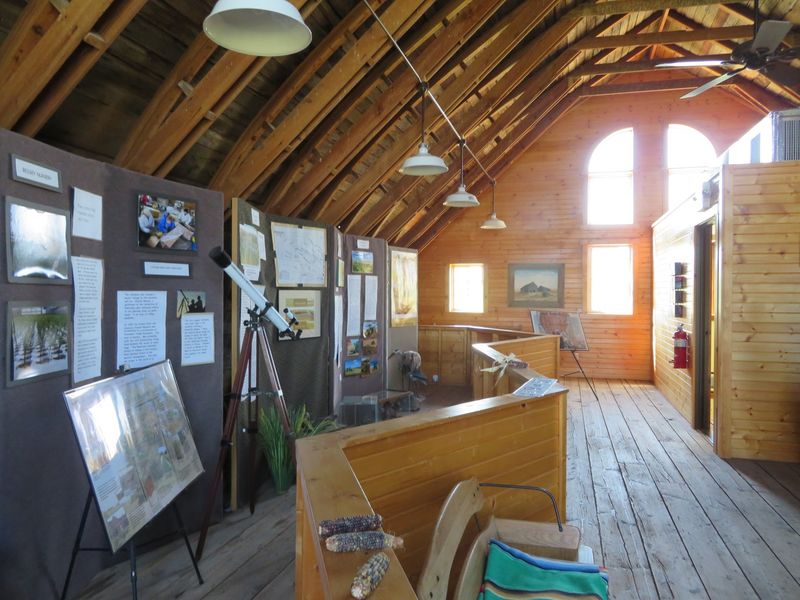
The visitor center interprets this council inside, so the story doesn’t stop at a roadside sign. You get the full picture before stepping outside to the same ground.
Exhibits That Cover Steamboats, Stone Layers, And A Very Big Dam
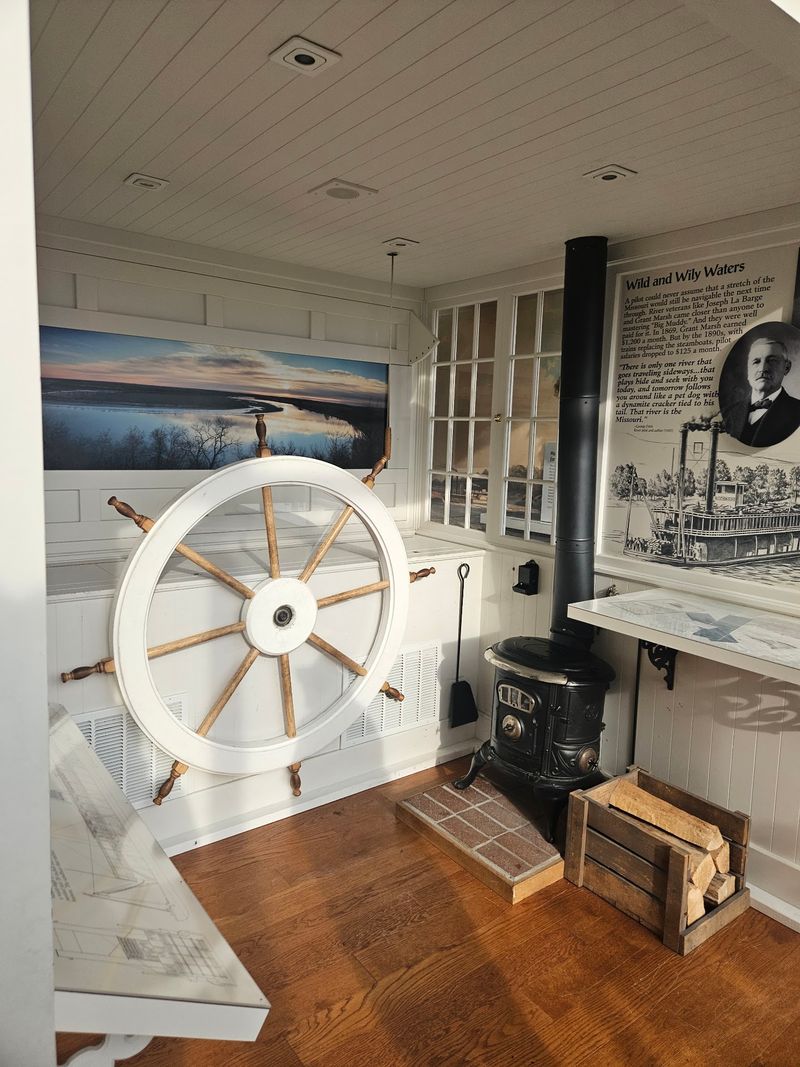
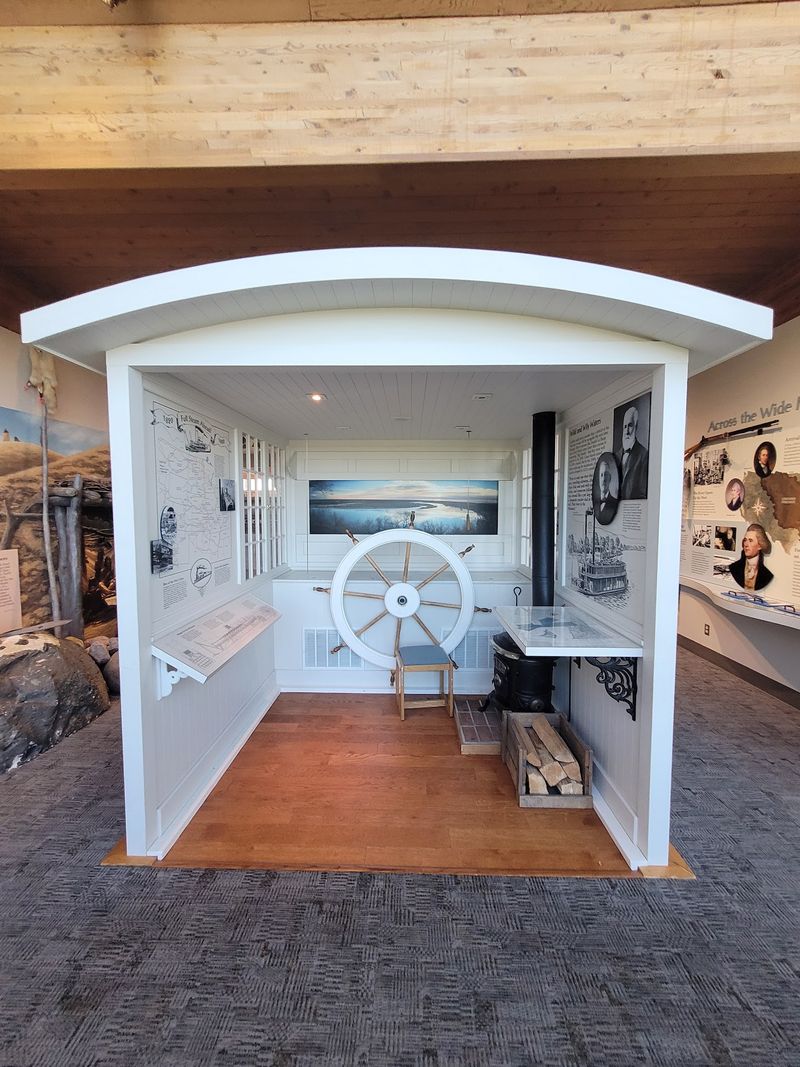
Lewis and Clark get top billing, but they share the stage with a surprising cast. Inside, displays also tackle Native American history, steamboats, local geology, and regional natural heritage.
The Corps of Engineers tells its own chapter too. You can learn how the Gavins Point Dam site was chosen and how the massive structure was built.
Families will appreciate the interactive pieces sprinkled throughout. Kids get things to touch and explore instead of just reading panels over a parent’s shoulder.
A small theater adds another layer to the visit. Rangers can show several short films, which make a nice break for tired legs.
The staff deserves its own mention here. Rangers and volunteers are known for being knowledgeable and friendly, which turns a quick stop into a real conversation about the river.
Nobody should expect a giant big-city museum, and that’s part of the charm. The exhibits feel manageable, well kept, and focused on this one remarkable stretch of the Missouri.
One reminder for fans of the expedition: the captains themselves are not on staff. You’ll have to settle for the next best thing, which is their story told well.
Views So Wide You Might Forget The Exhibits Are Inside
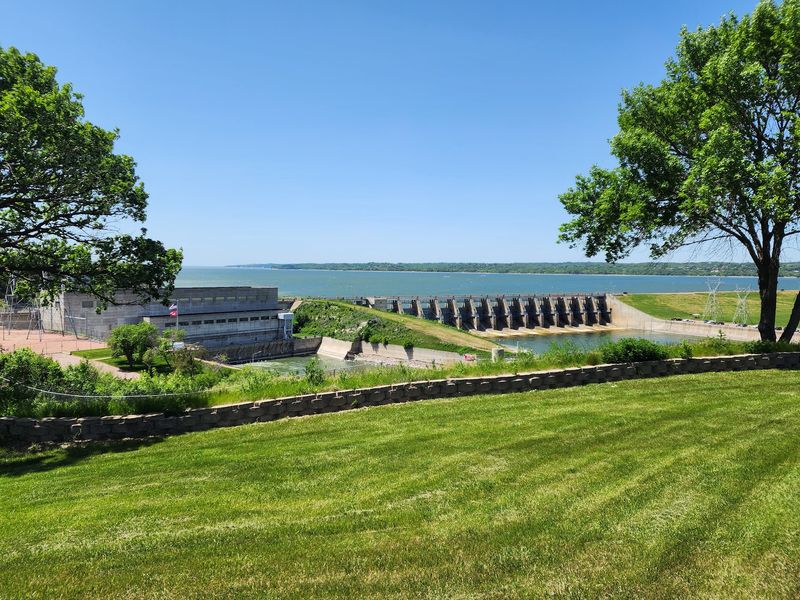
Bring a camera with a decent battery, because the scenery does most of the talking up here. The bluff top delivers a big panoramic sweep of the Missouri River Valley.
On one side, Lewis and Clark Lake shimmers behind the dam. On the other, the river slips downstream past green floodplain and rising bluffs.
Rolling plains reach off to the west, giving the view a true Nebraska feel. It’s the kind of horizon that makes you realize how far the explorers still had to go.
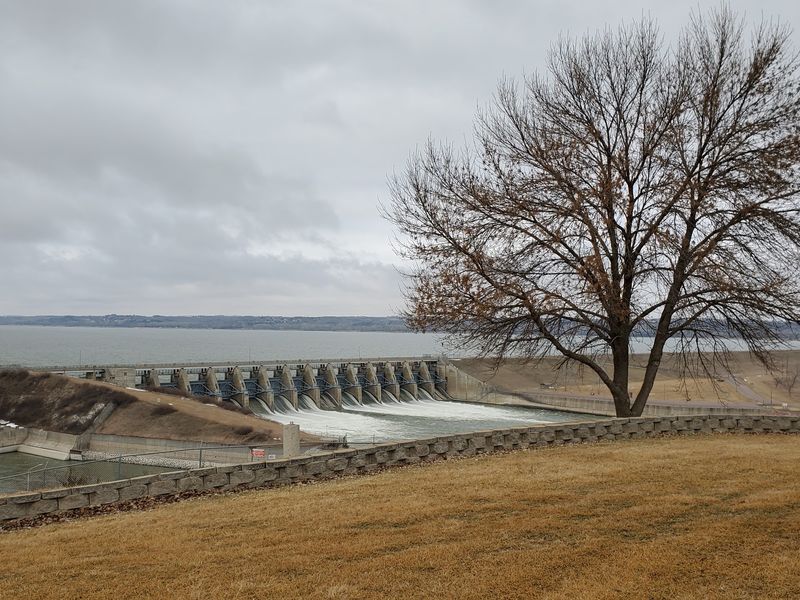
The dam itself is a sight worth studying from this height. Seeing the whole structure at once helps the exhibits about its construction make a lot more sense.
Sunny days with a light breeze show the valley at its best. Clouds rolling across the plains can be just as dramatic, so don’t cancel over a few gray patches.
Scenic pullouts nearby add more angles of the same landscape. Together, they turn a quick history stop into a genuine scenic drive with a strong payoff at every turn.
A Prairie Garden And A Bluff Trail For Stretching Your Legs
Plants tell stories too, and the Dorian Prairie Garden proves it. Right outside the building, it showcases common prairie plants found across the region.
Each planting connects to traditional uses by Native Americans. It’s a quiet, easy stroll that turns ordinary grasses and flowers into a living history lesson.
Ready to move a little more? The Lewis and Clark Interpretive Walk offers outdoor exhibits that extend the expedition story beyond the walls.
Then there’s the Calumet Bluff Trail, roughly 0.9 miles long. It follows the bluffs and serves up scenic looks at the Missouri River floodplain and Lewis and Clark Lake.
That length hits a sweet spot for most groups. It’s long enough to feel like a real hike, yet short enough for kids and grandparents to finish together.
The wider area also opens doors for biking and fishing. If one afternoon on the bluff isn’t enough, the river and lake give you plenty of reasons to linger nearby.
Wear sturdy shoes, pack water, and keep an eye on the weather. The bluff edges reward a careful, unhurried pace.
Easy Fit For Homeschoolers, Road-Trippers, And Grandparents Alike
Few stops please a nine-year-old and a history buff in the same hour. This one manages it with a mix of hands-on displays, big views, and short trails.
Homeschooling families get a ready-made field trip with real dates attached. The council, the camp, and the dam all connect to lessons in history, science, and geography.
Travelers following the Lewis and Clark National Historic Trail will find a natural checkpoint here. It’s a place where the route stops being a line on a map.
Retirees looking for an affordable outing should circle this one too. Free admission and a calm pace make it an easy afternoon without any fuss.
Plan on about an hour to an hour and a half to see the center and nearby pullouts. Even a half-hour stop still feels worthwhile.
Before leaving, browse the gift shop and bookstore. It’s a handy spot for river reading, expedition books, or a small souvenir to remember the bluff.
The building is also known for being spotless, which never hurts. Clean restrooms and tidy displays matter when you’ve got a carload of kids.
What To Know Before You Point The Car Toward Calumet Bluff
Finding the place is the easy part. The Lewis and Clark Visitor Center sits at 55245 NE-121, Crofton, NE 68730, on the Nebraska side of Gavins Point Dam.
Highway 121 brings you right up to the bluff. Travelers coming from Yankton can cross the river and reach it in a short drive.
Admission is free, which feels almost too generous for views like these. Your only real cost is gas and maybe a book from the gift shop.
Hours shift with the seasons, so check ahead before you go. Schedules expand around the Memorial Day to Labor Day stretch and shrink in cooler months.
A quick call to the center is the smartest move, especially outside summer. Nobody wants to drive out and meet a locked door with a gorgeous view behind it.
So, is it worth the trip? For anyone who loves Nebraska history you can actually stand on, the answer leans strongly toward yes.
The clay still matches Clark’s notes, and the river still bends below. That’s a pretty good reason to spend an afternoon up on the bluff.