This Charming Georgia Town Has A Remarkable Past And Streets Filled With Historic Southern Architecture
George Washington himself confirmed this town was the first one chartered in his honor. He said so during a 1791 visit to Georgia.
Talk about a celebrity endorsement.
The story gets bigger from there. The Confederate Cabinet held its final meeting here in 1865.
A load of Confederate gold passed through town before it vanished. Nobody has solved that puzzle yet.
Then there are the houses. This small town reportedly has more antebellum homes per capita than anywhere else in the country.
Brick-lined streets connect columned mansions, a turreted library, and a grand courthouse.
I like how history here feels close enough to touch. I can’t imagine strolling these streets without stopping every few steps.
A Town That Got The First Dibs On A Famous Name
Plenty of American towns carry the name Washington. Only one can say it got there first.
Washington, Georgia, was the first chartered town in the United States named for General George Washington.
The best part is who backed up that claim. Washington himself confirmed it during his trip through Georgia in 1791.
That beats a plaque from the chamber of commerce any day.
Because so many places share the name, folks often call the town Washington-Wilkes. The nickname ties it to Wilkes County, where it serves as the county seat.
Wilkes was one of Georgia’s original eight counties, formed in 1777.
The town sits in the rolling Piedmont of east central Georgia. It’s about 55 miles northwest of Augusta and roughly 43 miles east of Athens.
That makes it an easy day trip from either city.
Settlers arrived in the 1770s, and the town was incorporated in 1804 or 1805. Its early name was Heard’s Fort.
Knowing these basics makes every street feel richer once you arrive. You’ll start spotting the past everywhere, from old brick to towering columns, and the name suddenly carries real weight.
Revolutionary Grit Put This Spot On The Map As A Capital
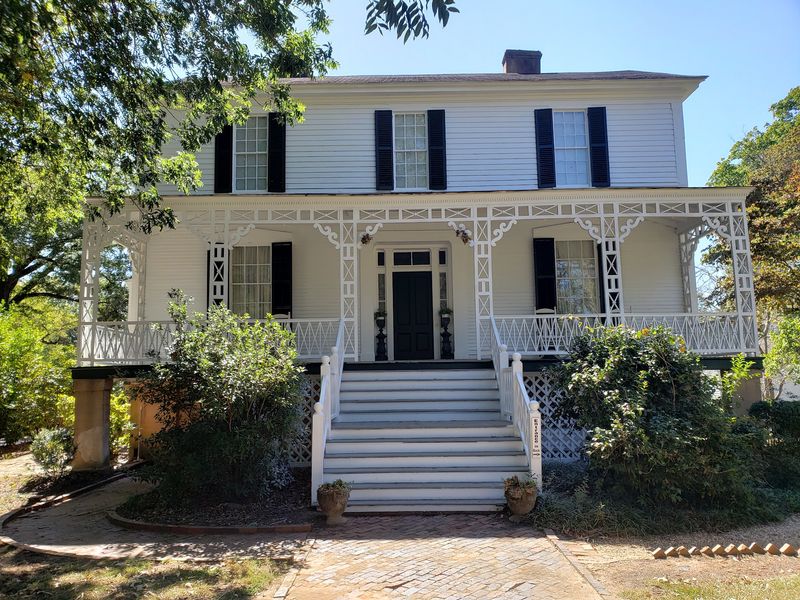
February 14, 1779, was no ordinary Valentine’s Day in Wilkes County. Patriot forces won the Battle of Kettle Creek that day.
The victory pushed back Loyalists and broke the British hold on upper Georgia.
That win had a big ripple effect. Afterward, the settlement then known as Heard’s Fort briefly served as Georgia’s capital.
Not bad for a frontier outpost.
You can still visit the ground where it happened. Kettle Creek Battlefield Park commemorates the fight with walking trails and quiet woods.
Bird lovers can bring binoculars, since the park is also good for birdwatching.
Wear comfortable shoes and give yourself time to wander. The trails reward a slow pace more than a quick photo stop.
Standing in that peaceful setting, it’s hard to believe it once shaped Georgia’s future. Few small towns can point to a nearby field and say a state’s direction changed right there.
Somewhere Out There, A Fortune In Gold Is Still Missing
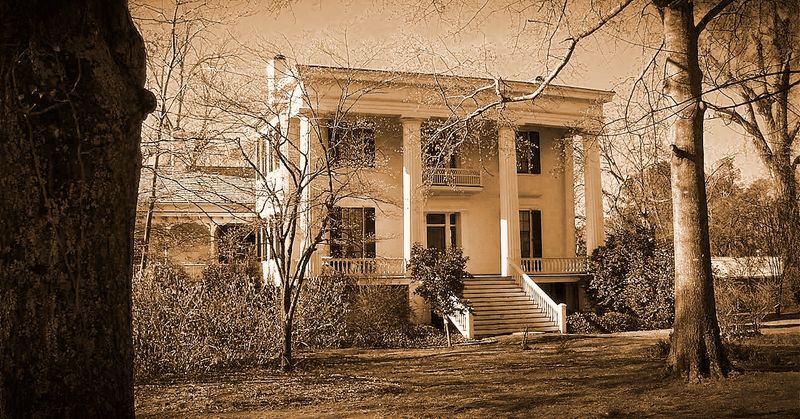
Washington was the last known refuge for the Confederate treasury. It moved here more than once before it vanished into legend.
The town’s role in 1865 goes beyond lost treasure. On May 5 of that year, Jefferson Davis and his Cabinet held their final meeting in Washington.
It took place in the State of Georgia Bank building, also called the Heard House. The original building no longer stands.
A plaque now marks the spot so visitors can find this important chapter.
So yes, one small Georgia town touches several turning points in American history. Bring a little curiosity when you visit the marker.
Reading it on the actual site hits differently than reading it in a textbook. And if you hear a treasure theory or two, well, that’s half the fun of being here.
Columns, Porches, And More Antebellum Homes Than Seems Fair
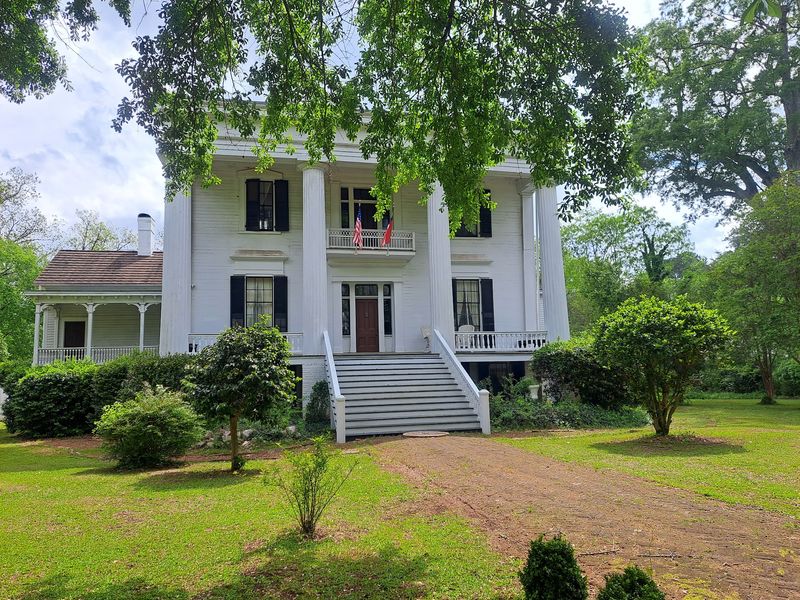
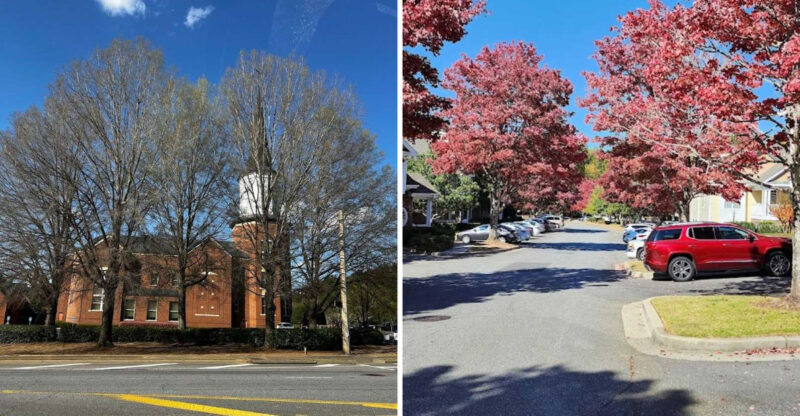
Count the columns on a single stroll and you’ll lose track fast. Washington has more antebellum homes than any other Georgia city its size.
It reportedly has more per capita than anywhere in the United States.
Those homes are protected for good reason. The city holds four National Register Districts and 14 individually listed properties.
It also has two National Historic Landmarks.
The styles go well beyond one look. Buildings around town range from the antebellum era through the 1920s.
You’ll see Victorian, Romanesque Revival, and Gothic Revival designs mixed into the scenery.
Most of these houses are private residences, so admire them politely from the sidewalk. A slow walk or drive through the neighborhoods is the best approach.
Morning light makes those white columns practically glow for photos.
Want to peek inside a few? Time your trip for the Spring Tour of Homes in early April.
The Christmas Tour of Homes in December opens doors too, with holiday flair. Either way, you’ll leave with a new respect for porch design and a strong urge to buy a rocking chair.
Those Fluted Doric Columns Belong To A Fiery Senator’s Home
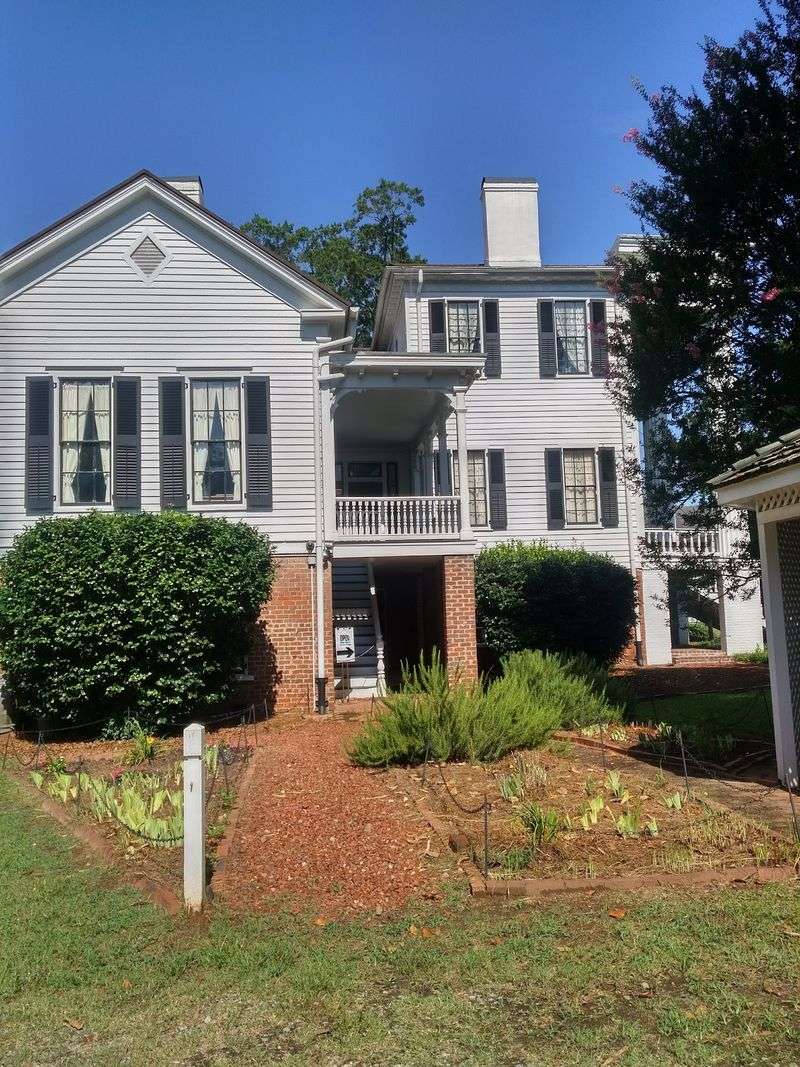
Two stories of fluted Doric columns greet you at the Robert Toombs House State Historic Site. The Greek Revival home stands at 216 East Robert Toombs Avenue, Washington, GA 30673.
It ranks among the most photographed houses in town.
The house itself predates its famous owner. It was built between 1794 and 1801.
Robert Toombs acquired it in 1837.
Today the home works as a historic house museum. Exhibits cover Toombs and his complicated career.
It gives visitors a clear look at a powerful figure from Georgia history.
Plan around the schedule before heading over. The site is open Thursday through Saturday from 10 a.m. to 4 p.m.
Showing up on a Tuesday means admiring those columns from the curb. Pair it with the museum just down the same avenue, and you’ve got a solid history morning without moving the car.
An Entire Plantation Village Waits Just Outside Town
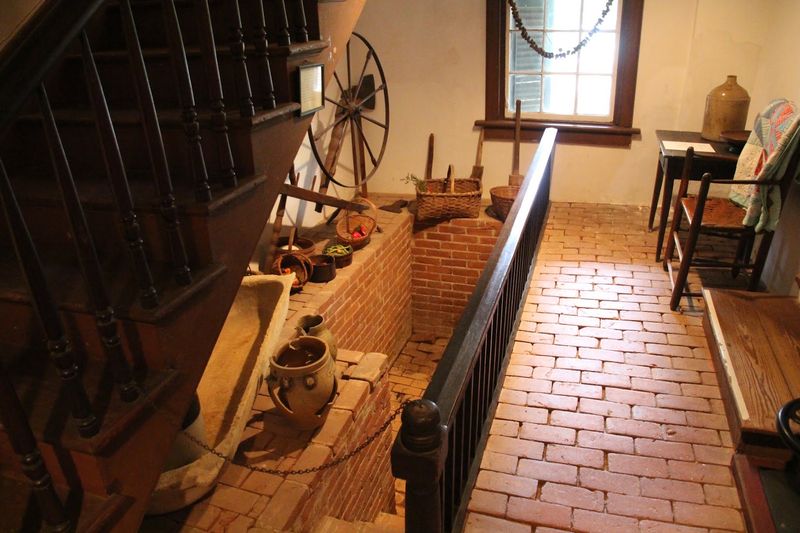
History buffs, clear your afternoon. Callaway Plantation, also called Arnold-Callaway Plantation, is an open-air museum northwest of Washington on U.S. 78.
The City of Washington operates it.
The grounds hold a collection of buildings from the late 1700s into the 20th century. Wandering between them feels like flipping through centuries of Georgia life.
Each structure tells a slightly different part of the story.
The showpiece is a redbrick Greek Revival mansion. Aristides Callaway built it in 1869.
Its warm brick stands out among the area’s many white-columned homes.
Then there’s the Grey House, a true elder of the property. Jacob Callaway built this gray-framed Federal Plain style home in 1790.
Period furnishings inside help you picture daily life back then.
Bring water and wear sturdy shoes, since the site spreads outdoors. Kids who groan at stuffy museums often do better with room to roam.
Leave time to compare the 1790 house with the 1869 mansion. The contrast shows just how much changed in a few generations around Washington-Wilkes.
Downtown Showoffs: A Turreted Library And A Courthouse With Presence
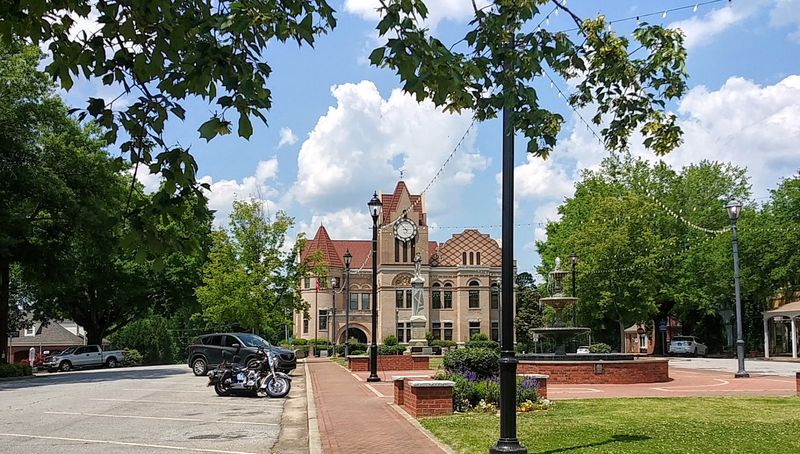
Few libraries look like they belong in a storybook. The Mary Willis Library in Washington pulls it off.
Built in 1888-89, this Romanesque gem features intricate carvings and a distinctive turret.
Inside waits an even bigger treat. The library has a Tiffany stained-glass window.
Not many small-town libraries can say that.
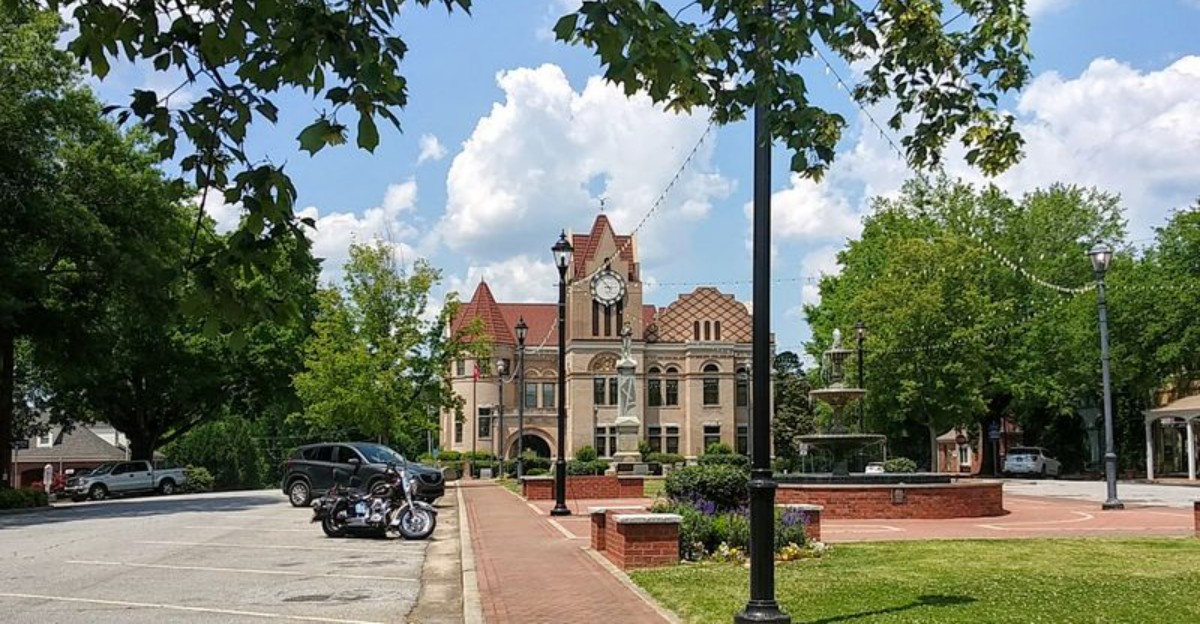
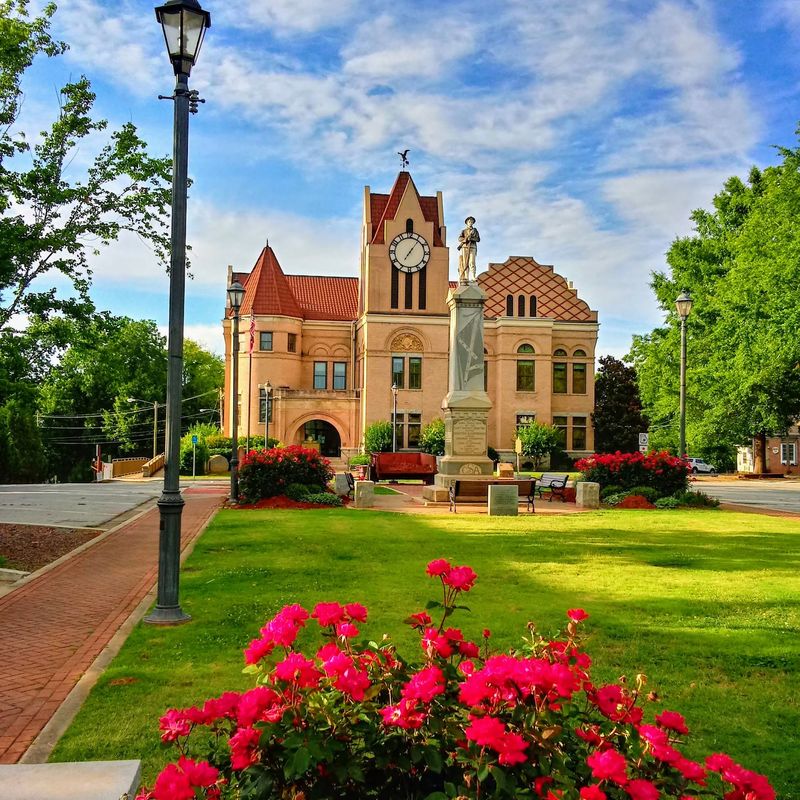
A short stroll brings you to the Wilkes County Courthouse. This neoclassical building went up in 1904.
Prominent Corinthian columns anchor it right at the center of the town square.
The Washington-Wilkes Historical Museum adds another stop nearby. It sits in an 1835 home built by Albert Gallatin Semmes at 308 East Robert Toombs Avenue.
Authentic period furnishings fill the rooms.
Faith history shapes the town too. Jackson AME Church was erected in 1867 by newly freed people.
It was the first church of its kind in Wilkes County. Seeing these buildings together shows how many hands built this community.
Each landmark offers a different chapter, and they’re all close enough for an easy walking loop.
Pie, Antiques, And A Grand Hotel Make The Square Hard To Leave
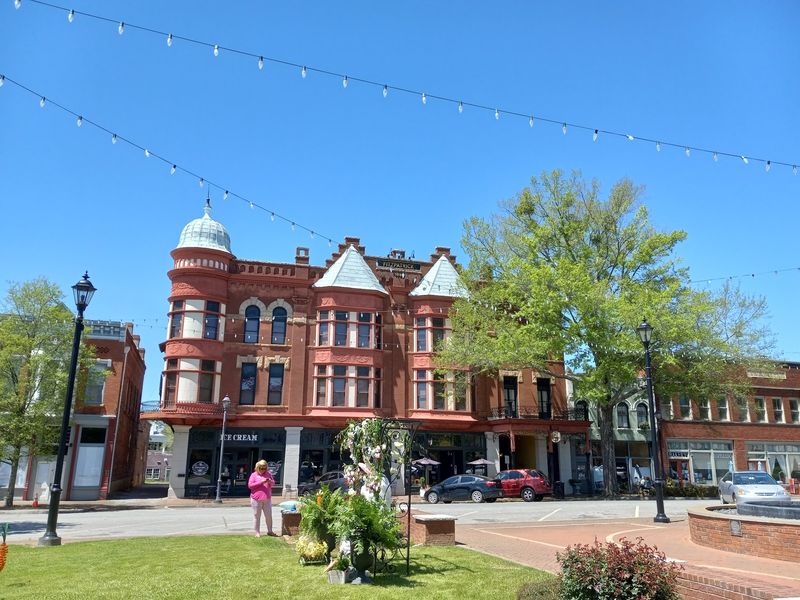
Brick-lined streets set the tone the moment you reach the town square. Small shops, boutiques, and antique stores ring it.
Everything is walkable, so park once and wander.
Southern Living named Washington one of the prettiest small towns in Georgia in 2017. One lap around the square shows why.
The pace stays relaxed, and nobody seems in a hurry.
Hungry? Padgett’s Country Kitchen is known for homemade pies and pudding.
Miller’s Bistro serves sandwiches, burgers, and desserts, while La Cabana Mexican Restaurant brings traditional Mexican dishes.
Staying overnight is easy to justify. The Fitzpatrick Hotel, first built in 1898, is a beautifully restored landmark right on the square.
Its comeback helped spark the downtown revival.
Other options include Chantilly B&B and various rentals. Chain hotels like Hampton Inn and Quality Inn are around too.
Spending the night lets you catch the square in evening light. Plus, you won’t have to choose between antiques and a second slice of pie.
That’s a win in my book.
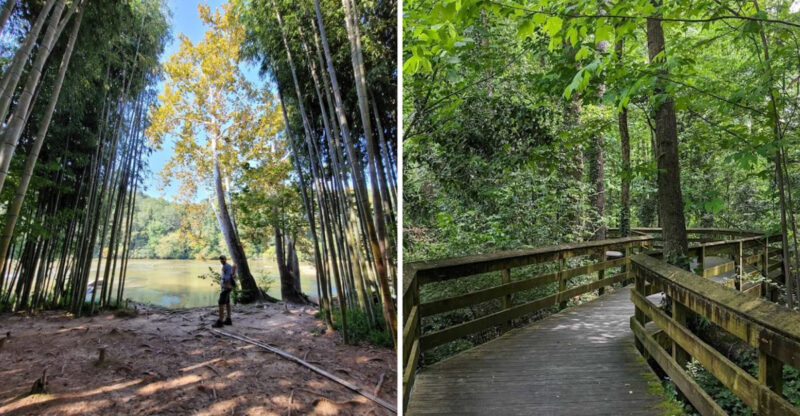
Paddles, Trails, And Lake Days Balance Out All That History
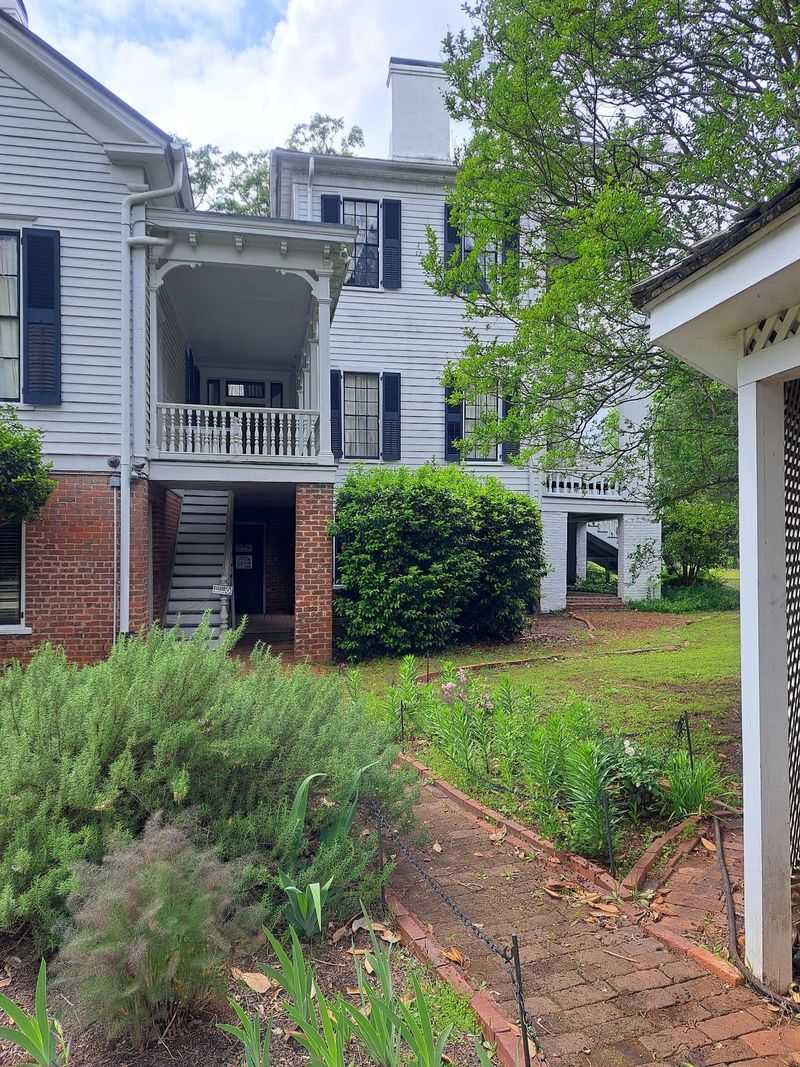
After a day of columns and plaques, your legs might want some fresh air. Luckily, the countryside around Washington delivers.
Water and woods sit within easy reach of town.
Clarks Hill Lake, also called Strom Thurmond Lake, is a big draw. People come for fishing, boating, and kayaking.
Camping options make it great for a longer stay.
Paddlers have more choices nearby. The Broad River Water Trail and Little River Water Trail both welcome kayaks and canoes.
Pack a dry bag for your phone, just in case.
Prefer solid ground? The Washington-Wilkes Recreation Complex has hiking and walking trails, playgrounds, sports fields, and picnic areas.
It’s a handy spot for families needing a break.
For bigger hikes, head to Mistletoe State Park or Elijah Clark State Park. Both sit close enough for a day trip.
Mixing outdoor time with history keeps a Georgia getaway from feeling like homework. Many visitors end up extending their stays, and honestly, a lake sunset after a mansion tour makes that choice pretty easy.