9 Maryland Museums And Memorials That Honor Those Who Served
A 40-foot cross on a busy Maryland road went all the way to the U.S. Supreme Court. You could call it a World War I monument.
Technically, that’s correct.
But you’re leaving out the fun part. That same state hides a museum in an old Army fort with a searchable database of service members.
Another spot lets young visitors learn flight science with air and balls. So calling these places memorials starts to feel a little thin.
They hold jets, model ships, flags by a lake, and stories you won’t find in a textbook.
Ready to see which ones deserve a spot on your next weekend drive?
1. Maryland World War II Memorial
Open around the clock, every single day, this memorial never asks you to check a schedule. That makes it one of the easiest tributes near Annapolis to include on an outing.
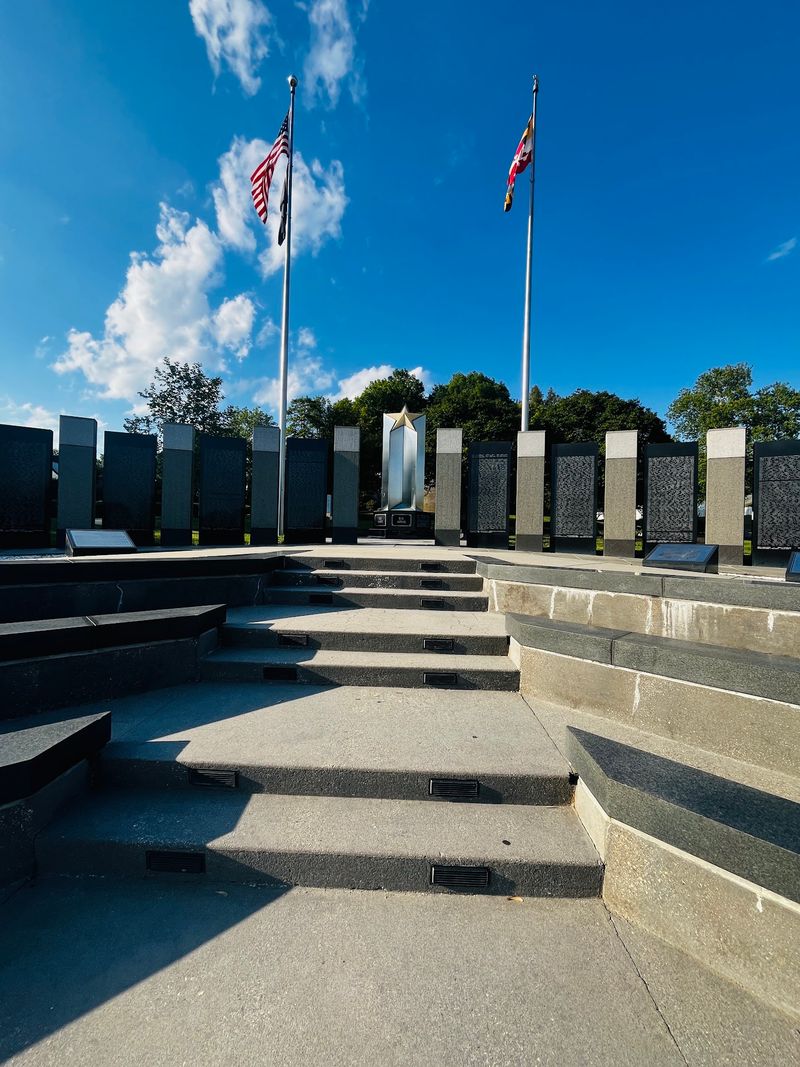
Dedicated July 23, 1998, the Maryland World War II Memorial recognizes the service of approximately 288,000 residents in uniform, alongside contributions made by people working at home. The names of 6,628 residents are inscribed in its stonework.
The setting is more elaborate than a simple row of plaques. Forty-eight granite pillars form a circular arrangement, representing the states in the country during the 1940s.
Inside, twenty granite stones with steel panels describe major events and the effort behind them.
Two large stone globes mark important locations across the Eastern and Western Hemispheres.
A seven-sided obelisk refers to the state’s place as the seventh, and its illuminated star gives the grounds another distinctive detail after sunset.
Its address is 1920 Governor Ritchie Highway in Annapolis, beside Route 450 and the Naval Academy Bridge, with views over the Severn River. Its open-air design lets families follow the historical sequence at their own pace.
The experience rewards attention to the smaller inscriptions as much as the larger structures. Look from the globes toward the columns, then return to the names and the individual stories they represent.
It’s a meaningful stop that asks for little more than time to read and reflect.
2. The Ritchie History Museum
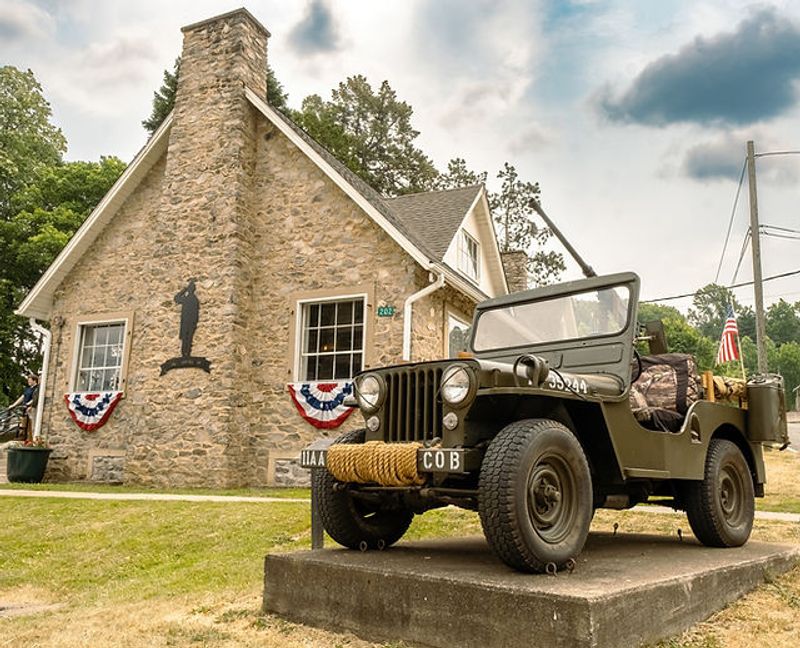
An old Army fort in the mountains of western Maryland now keeps one of the region’s most remarkable service stories. It’s the story of the Ritchie Boys.
Camp Ritchie trained thousands of military intelligence specialists during the 1940s.
Among them were immigrants from Europe whose language skills and understanding of European culture made them especially valuable. The museum explores the people, training methods, and wider history of the installation.
Opened in 2023, the Ritchie History Museum occupies a former military building. Inside, photographs, documents, and personal objects connect the fort’s past to the people who passed through its gates.
A digital archive includes Ritchie Boy rosters and collections of letters, photographs, newspapers, and training material. If you’re curious about a family connection, those records offer a place to begin.
The museum also features an immersive exhibit exploring an intelligence interview tent. Instead of relying only on timelines, it gives the training environment a more tangible shape.
Find the museum at 14319 Barrick Avenue in Cascade, amid the historic Fort Ritchie property. Guided walking tours of the grounds are offered seasonally, while self-guided materials provide another way to explore.
Regular opening hours are Wednesday through Saturday, 10 AM to 4 PM, and Sunday, noon to 4 PM. Seasonal schedules may vary.
The setting makes these stories especially immediate: you’re learning about the training on the same grounds where it happened.
3. Patuxent River Naval Air Museum
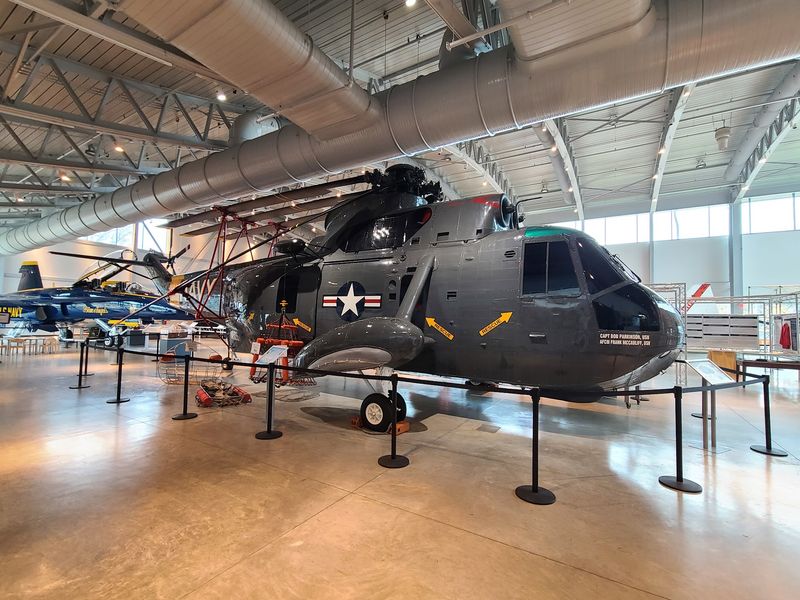
Jets, helicopters, and flight technology make this Lexington Park museum a lively stop. There’s more here than aircraft parked outdoors.
The Patuxent River Naval Air Museum focuses on the testing and development that turn experimental designs into dependable naval aircraft. Its location near Naval Air Station Patuxent River connects the exhibits directly to decades of aviation research.
Exhibitions cover flight technology, testing equipment, and naval aviation. The outdoor flight line puts full-size aircraft within view, offering a different sense of scale from photographs or models.
Inside, visitors can explore the engineering questions behind flight, from aircraft controls to the challenges of operating from ships. Exhibits about women in aviation broaden the story beyond machines and highlight contributions across the field.
Flight simulators add an interactive activity, although operating times are separate from the museum’s general schedule. Simulator sessions are normally offered on weekends and can change.
The museum sits at 22156 Three Notch Road in Lexington Park. It’s open Tuesday through Saturday from 10 AM to 5 PM and Sunday from noon to 5 PM, with Monday as its regular closing day.
The combination works particularly well for families with curious children. Start with a full-size airplane, then head indoors to connect its shape to the technology behind it.
Even the smallest component has a story to tell about getting an aircraft into the sky.
4. Peace Cross
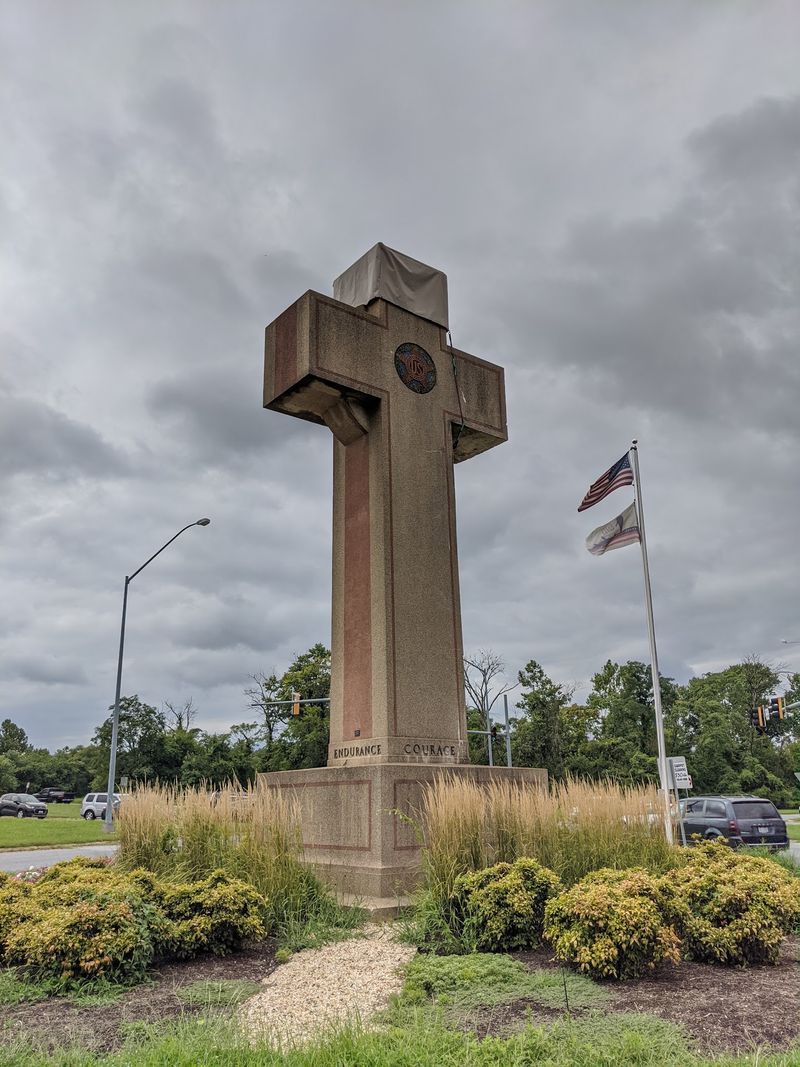
Forty feet tall and standing since 1925, this cross is hard to miss. Drivers approaching the Bladensburg intersection have passed the monument for generations.
The Peace Cross was created to honor 49 service members from Prince George’s County. A bronze tablet carries their names, while inscriptions on the monument emphasize courage, endurance, devotion, and valor.
Its construction is an interesting story in itself. Designer John J. Earley used exposed-aggregate concrete, giving the surface its distinctive stone-like texture.
An American Legion emblem occupies the center, and the base supports the towering structure.
The cross became nationally significant for another reason. In 2019, the U.S. Supreme Court ruled that the longstanding monument could remain on public land, recognizing its historical and commemorative importance.
You’ll find it at 4500 Annapolis Road in Bladensburg, where several major roads meet. The cross itself stands on a traffic island, rather than in an ordinary walk-through garden, so choose a safe public viewing point.
Other veterans’ monuments are situated in a nearby memorial area. Together they show how the community has continued to recognize military service across generations.
This is a short stop with an unusually long story, from its local fundraising beginnings to a nationally watched court decision.
Look for the inscriptions, the central emblem, and the distinctive textured concrete. Each adds something to the story behind this familiar roadside landmark.
5. Veterans Memorial Park
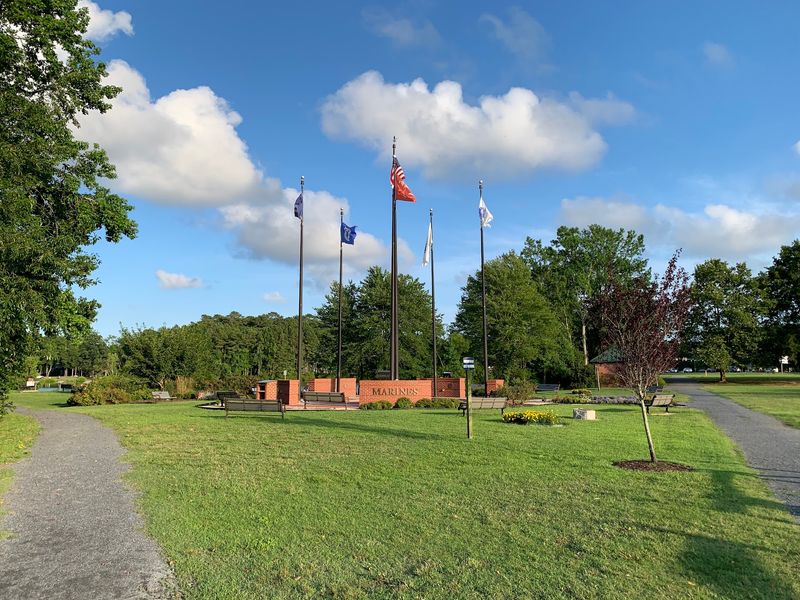
Flags beside a pond set the scene on the Eastern Shore. Ocean Pines’ Veterans Memorial Park is a place to learn and reflect.
The central feature is a circular plaza of commemorative brick pavers. Around it are monuments recognizing branches of the United States military, with flags and landscaping.
The Patriots Pathway adds an educational element. Interpretive signs explain military history and traditions, allowing visitors to move through the grounds while exploring the memorial’s history.
The foundation behind the site formed in 2004, and its educational outreach has grown into an annual program for Worcester County schoolchildren.
Fifth-grade classes learn about service, flag etiquette, and the personal stories represented by the engraved bricks.
A newer marker recognizes the Space Force, extending the tribute to an additional branch. Community ceremonies and seasonal flag displays also take place here, changing the grounds during special events.
The park is at 11144 Cathell Road in Ocean Pines, within easy reach of the coastal communities around Berlin and Ocean City. The site is open year-round.
Benches and garden areas offer places to take in the setting. Unlike a conventional playground park, the memorial’s emphasis is on its circular plaza, flags, and interpretive trail.
You can make an unhurried loop around the engraved pavers and finish with the pathway displays. It turns a brief visit into something thoughtful and personal.
6. U.S. Naval Academy Museum
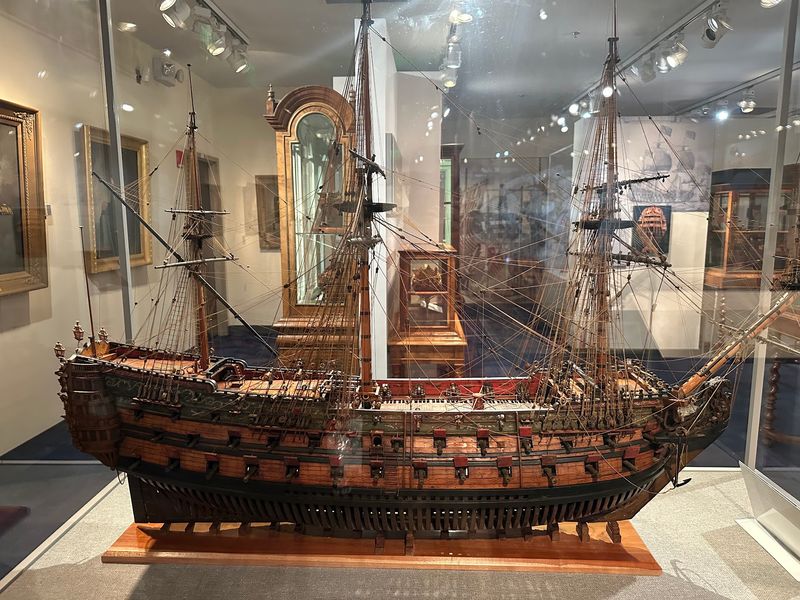
Model ships, a lot of them, are the stars of this Annapolis museum. Some are centuries old, and their tiny fittings can hold your attention far longer than you expect.
The museum occupies two floors of Preble Hall. Its first-floor galleries trace the development of American naval service through artifacts, paintings, flags, and interactive displays.
Upstairs, the Rogers Ship Model Collection is a highlight. It includes sailing-vessel models from the seventeenth through nineteenth centuries, many built near the time their counterparts sailed.
Look at the intricate rigging, the hull shapes, and the original display cases. Together they reveal how shipbuilders represented their designs long before computer modeling became possible.
Other exhibits examine naval leadership and the Academy’s role in preparing officers. Historical prints add another perspective on life at sea.
The museum address is 118 Maryland Avenue in Annapolis, inside the Naval Academy’s secured grounds. Museum hours are generally Monday and Wednesday through Saturday, 9 AM to 5 PM, and Sunday, 10 AM to 4 PM. Tuesday is closed.
Entry requires planning. Since March 2026, the Academy has suspended general public visits and tours. Visitors need authorized access rather than simply arriving with identification, so confirm eligibility before making the trip.
The remarkable ship models alone make the visit worthwhile for anyone curious about craftsmanship, navigation, or maritime history. A single miniature vessel can carry an extraordinary amount of detail.
7. Korean War Memorial
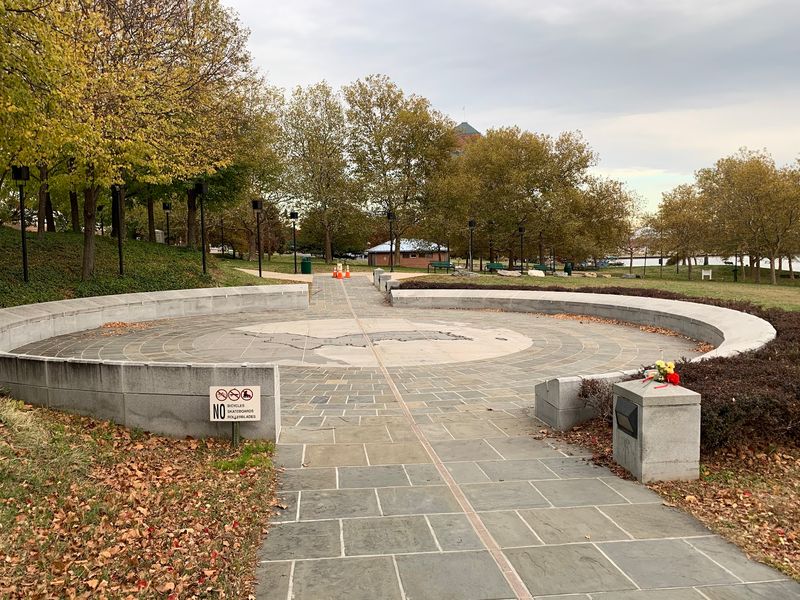
History lessons usually don’t come with a harbor view. Baltimore’s Korean War Memorial offers both, combining waterfront scenery with a thoughtful tribute.
The memorial commemorates residents who served during the Korean conflict. Its most striking feature is a circular granite structure, with names inscribed along the ring.
Inside, a map of the Korean peninsula is set into the ground. Other panels explain the events and geography, helping visitors follow the history through the design.
The ring measures roughly fifty feet across, while the central map spans about twenty-six feet. American and state flags frame the walkway that passes through the memorial.
Dedicated in May 1990, the site has remained part of Canton’s waterfront landscape for decades. Its form encourages visitors to move between the names, map, and interpretive panels rather than view everything from a single angle.
The memorial is within Canton Waterfront Park along Boston Street in Baltimore, near the Patapsco River. The state lists 299 Boston Street as its address. The surrounding park brings the waterfront into the experience.
Benches and open space nearby make it possible to spend additional time beside the water. You can pair a visit with a walk along the shoreline without turning the memorial into a rushed stop.
The map is the detail to linger over. It transforms distant geography into something you can explore at your own pace.
8. Glenn L. Martin Maryland Aviation Museum
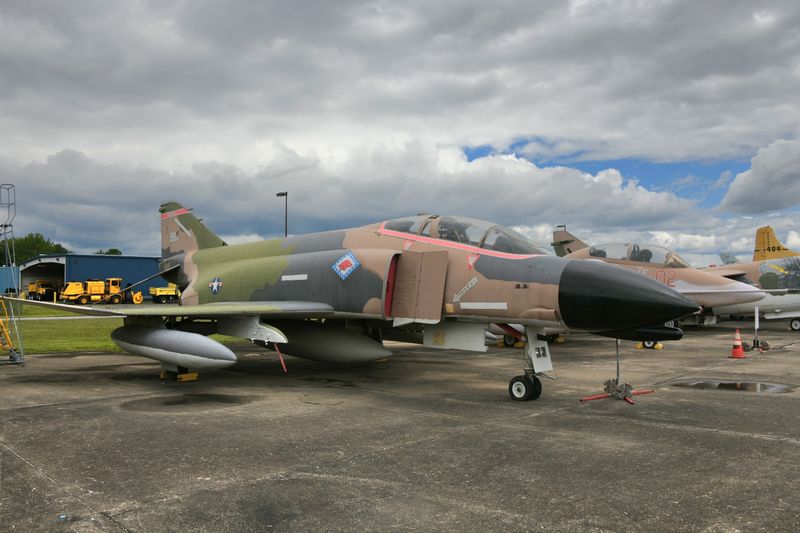
Planes built right here in Maryland helped shape aviation history. This Middle River museum traces the people, aircraft, and industry behind that achievement.
The museum focuses on the Martin company and the state’s aerospace story. Exhibits connect local factories with aircraft design, engineering, and flight.
Photographs, documents, and artifacts reveal what large-scale aircraft manufacturing meant for the communities around Middle River.
The displays also follow developments beyond traditional airplanes into the broader field of aerospace technology, including how aviation expanded into increasingly ambitious engineering projects.
Outside, the flight line features historic aircraft that show the scale of these machines. A close view of a wing or landing gear differs from an aerial photograph.
The institution was founded in 1990 and is a nonprofit educational institution. Its mission includes preserving local aviation history and encouraging younger generations to explore science and engineering.
The museum now operates from the aviation heritage center building at 2323 Eastern Boulevard in Middle River. During building renovations, the entrance is around the rear, useful when arriving.
Flight-line visits and exhibits can be affected by staffing or weather, so checking the current schedule before traveling is sensible.
The museum brings a distinctive industrial chapter of local history into focus, showing how the community advanced aviation.
For aircraft enthusiasts, the outdoor collection offers a memorable finale, with machines that make regional engineering history tangible.
9. USS Torsk Submarine Museum
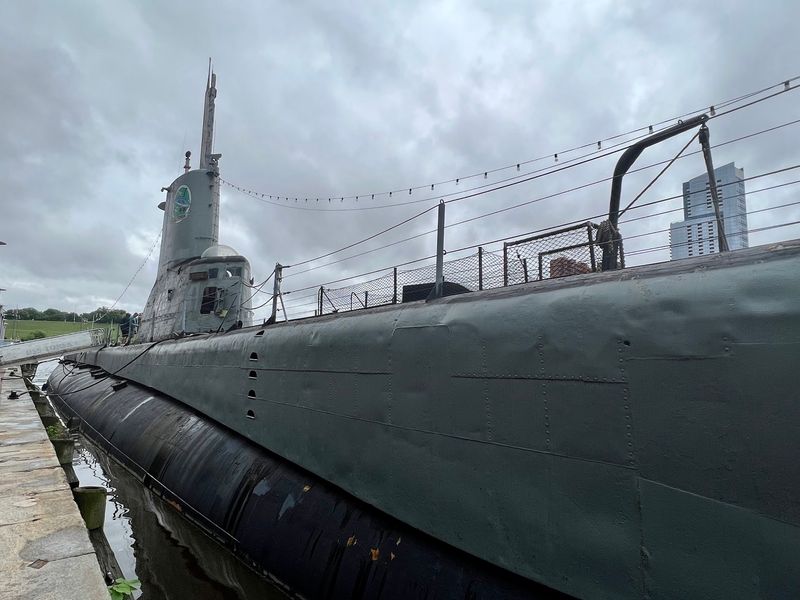
Ever wondered what life looked like inside a submarine carrying more than eighty sailors?
USS Torsk offers a close answer, with narrow passages, compact bunks, and working spaces preserved from its Navy years.
Built in 1944, this Tench-class submarine entered service that December and later served as a training vessel. Across its career, it completed more than 10,600 dives.
Today, the vessel is a National Historic Landmark and part of Historic Ships in Baltimore, Maryland.
Climb aboard at Pier 3 beside the National Aquarium, near 501 East Pratt Street, and follow the route through the crew’s mess, sleeping quarters, engine room, navigation station, and torpedo rooms.
Seeing how closely everything fits together gives a sense of the coordination required to run a submarine. The visit is especially memorable for anyone interested in engineering.
Gauges, pipes, ladders, and compact compartments show how the crew lived and worked beneath the surface. Those tight spaces make the scale of daily routines surprisingly easy to imagine.
Torsk has welcomed museum visitors in Baltimore since 1972. The ship is generally open for daytime tours, though schedules vary seasonally.
Pair it with the nearby lightship Chesapeake for two very different perspectives on life aboard historic vessels.