9 Lesser-Known Wildlife Refuges In Wisconsin Worth Exploring
Somewhere in central Wisconsin, a small herd of American bison lives behind a fence that runs 17 miles. The fence is nine feet tall. Perfectly reasonable, apparently.
Up north, a different refuge works hard on behalf of one fish, the coaster brook trout.
Another place offers a self-guided driving tour that runs 40 miles with 26 stops. That’s certainly one way to see a marsh.
You can watch cranes from a tower, paddle quiet creeks, or roll down a refuge road with the windows open.
The best part is that big crowds tend to skip these places. So, which one gets your first tank of gas?
1. Whittlesey Creek National Wildlife Refuge
Most refuges brag about birds, but this one rolled out the welcome mat for a fish.
Since 1999, Whittlesey Creek National Wildlife Refuge has worked to restore habitat for coaster brook trout, a native fish that moves between Lake Superior and its tributary streams.
That mission explains the scenery. Spring-fed creeks wind through coastal wetlands, forests, and grasslands near Ashland.
Protecting their clean, cool water is central to the refuge’s purpose, while migratory birds benefit from the surrounding habitat.
White-tailed deer, porcupines, beavers, and muskrats are among the animals found here.
Birdwatching can be rewarding near the wetlands, particularly during seasonal migrations. There’s plenty to notice without expecting every animal to appear on cue.
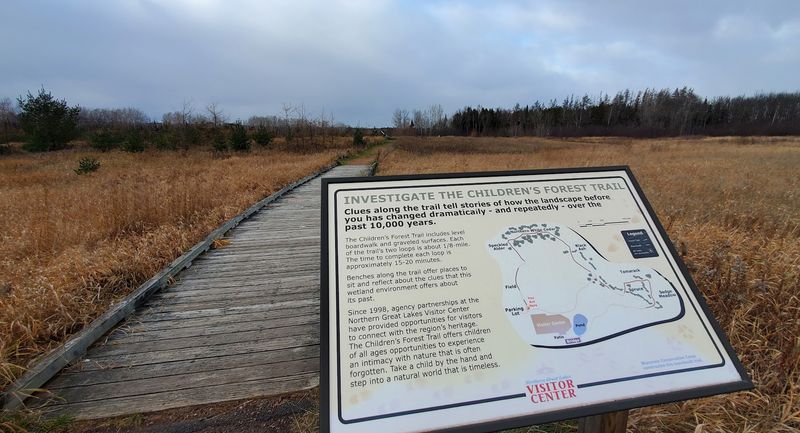
For a useful starting point, head to the David R. Obey Northern Great Lakes Visitor Center at 29270 County Highway G in Ashland. It has exhibits, restrooms, and an interpretive boardwalk trail.
The refuge itself doesn’t maintain a separate network of designated hiking trails, although walking through accessible refuge lands is permitted.
Fishing, photography, snowshoeing, and cross-country skiing are among the allowed activities, with seasonal rules applying.
The refuge welcomes visitors daily from dawn until dusk. Its combination of Lake Superior ecology and quiet northern Wisconsin landscapes makes even a short outing interesting.
Bring binoculars and take your time beside the water. Lake Superior also shapes the changing light and coastal weather.
2. Trempealeau National Wildlife Refuge
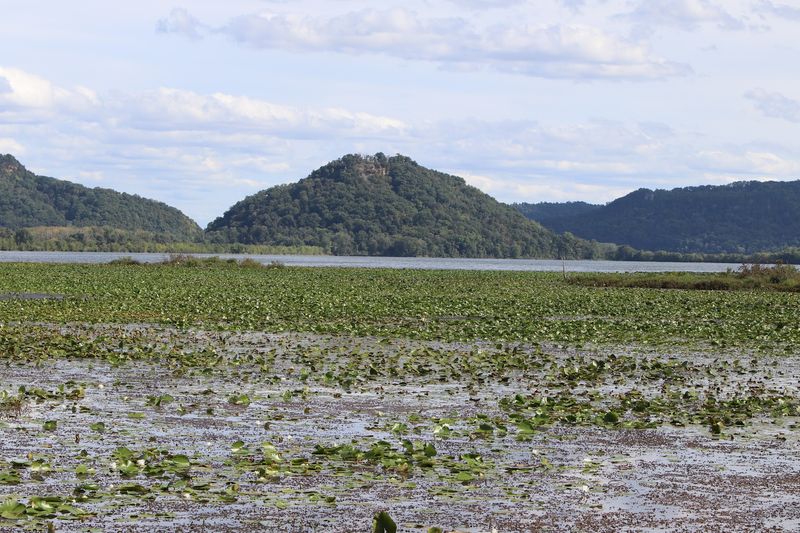
Birding with a cheat sheet sounds like a dream, and this refuge gives you plenty of ways to identify what you’re seeing. A scenic drive passes observation points with interpretive information and powerful spotting scopes.
Trempealeau National Wildlife Refuge lies beside the Mississippi River in an area of sand prairie, backwater marsh, and hardwood forest.
The Prairie’s Edge Tour Loop follows roughly four and a half miles through these distinct habitats. Driving works beautifully for a relaxed outing, but walking or cycling the route brings different discoveries.
The visitor contact station stands at W28488 Refuge Road in Trempealeau. Nearby, the short Pine Creek Dike trail reaches water views on both sides of the path.
The Prairie View Loop offers an easy walk through rolling grassland, while the Great River State Trail provides a longer cycling connection.
Depending on the season, you might see tundra swans, ducks, bald eagles, pelicans, or smaller songbirds. An observation deck near the main pool is especially useful when waterfowl gather during migration.
Refuge lands are open daily from dawn until dusk, rather than late into the night. The contact station generally opens Wednesday through Saturday from 8 AM to 3:30 PM.
Leashed dogs are allowed on permitted routes, and posted signs identify restricted areas. Take a slower lap than you think necessary. Movement among the reeds often reveals itself gradually.
3. Sandhill State Wildlife Area, Babcock
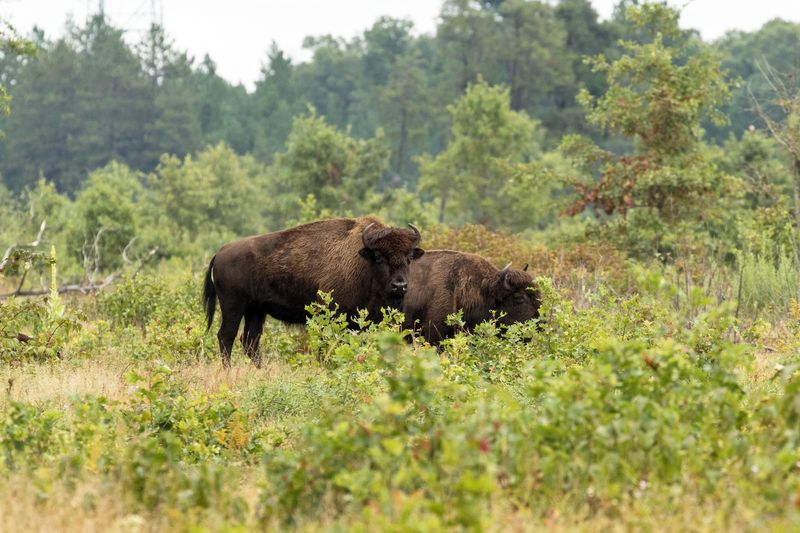
Bison in Wood County? Yes, a small herd of American bison roams a 260-acre enclosure inside Sandhill State Wildlife Area. Seeing one is a possibility rather than a guarantee, which makes the search even more interesting.
The larger property covers about 9,150 acres. A nine-foot fence extends for 17 miles around its perimeter, supporting wildlife research and management.
Sandy ridges, oak forests, jack pines, wetlands, and restored prairie create an unusually varied central Wisconsin landscape.
The famous Trumpeter Trail is a fourteen-mile driving route, with a side spur called Bison Byway offering views toward the enclosure.
Its scheduled 2026 season ends at sunset on November 4. Once the vehicle gate closes, visitors can still enter through designated walk-in gates for permitted activities.
The main entrance is at 1715 County Highway X, one mile west of Babcock. Register at the entrance kiosk before using the seasonal driving route.
Hiking options include the Swamp Buck Trail and quiet service roads, while the Bison Barrens Tower overlooks the bison habitat.
Not every observation tower is currently available: North Bluff Tower remains closed, although its approach trail can still be walked.
Autumn brings migrating cranes to Gallagher Marsh, and other seasons offer birds, wildflowers, and woodland scenery.
Pack water, follow posted restrictions, and allow the landscape to surprise you. Binoculars help when the bison herd stays farther away.
4. Crex Meadows State Wildlife Area, Grantsburg
Wildlife watching from the comfort of a car might sound lazy. At Crex Meadows, it’s one of the smartest ways to explore an enormous landscape of wetlands, brush prairie, and pine-oak barrens.
This 30,000-acre property in Burnett County is known for broad horizons and migrating birds.
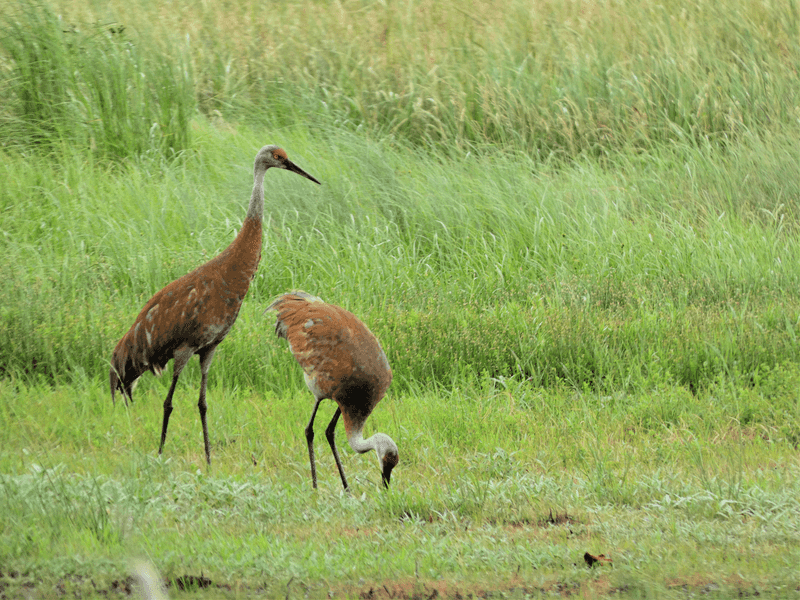
Sandhill cranes gather during seasonal movements, while waterfowl, songbirds, and other animals make different appearances throughout the year. The changing light over the flowages can be just as interesting as the wildlife itself.
The twenty-four-mile self-guided driving tour lets visitors explore at a gentle pace, with observation stops along the route.
Pull over only in appropriate places and bring binoculars for scanning the water. A camera with a zoom lens is helpful when birds remain well beyond the road.
Begin at the Crex Meadows Wildlife Education and Visitor Center, 102 East Crex Avenue in Grantsburg.
Exhibits explain the area’s habitats and history, including the old wiregrass industry that gave Crex its name. Maps and current wildlife information make choosing a route easier.
The wildlife area remains open year-round. Visitor center hours shift seasonally, with weekend openings generally available until mid-November and weekday service continuing through winter.
Picnicking and walking provide alternatives to the auto tour, so there’s no need to spend the entire afternoon behind a windshield. Take your time and enjoy the open views.
5. George W. Mead State Wildlife Area, Milladore
More than 33,000 acres is a lot of room for wildlife. It’s also plenty of space for someone looking to trade busy streets for quiet forests, marshes, and tall grass.
George W. Mead Wildlife Area stretches across parts of Marathon, Wood, and Portage counties.
More than 267 bird species have been documented here, including wetland birds, songbirds, and birds of prey. Deer, beavers, otters, and other mammals inhabit the mosaic of forests and open water.
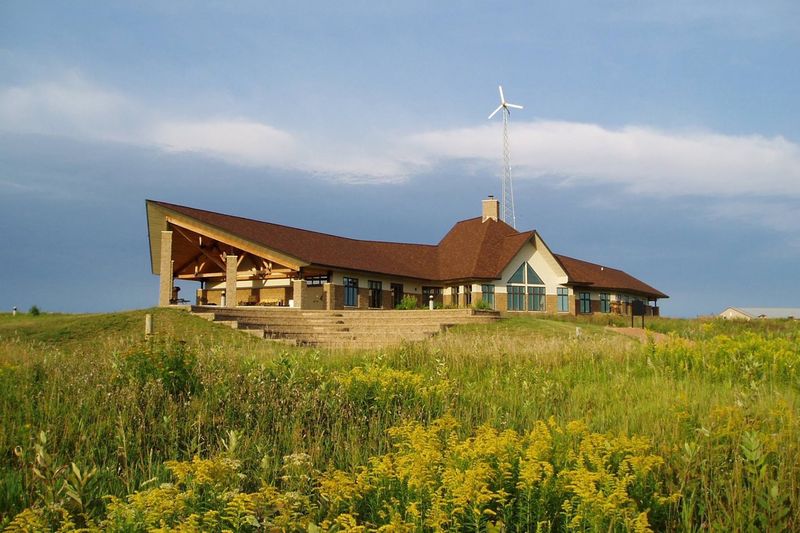
The main place to begin is the Stanton W. Mead Education and Visitor Center at 201517 County Highway S in Milladore.
Exhibits introduce the environment, and nearby trails lead through grasslands toward wetlands and wooded stretches. Observation areas provide comfortable places to watch birds without approaching their habitat too closely.
Roughly seventy miles of trails and access routes cross the property, although conditions vary.
The designated bicycle trail is closed indefinitely, so walking is the more dependable option. In winter, visitors can enjoy snowshoeing or cross-country skiing where conditions allow.
The visitor center operates Tuesday through Friday from 9 AM to 4 PM. Outdoor access can be enjoyed beyond those indoor hours, subject to seasonal notices.
This is one of those central landscapes where a short stroll may reveal something different with every change in habitat. Bring a field guide and let the birds set the pace.
6. Navarino State Wildlife Area
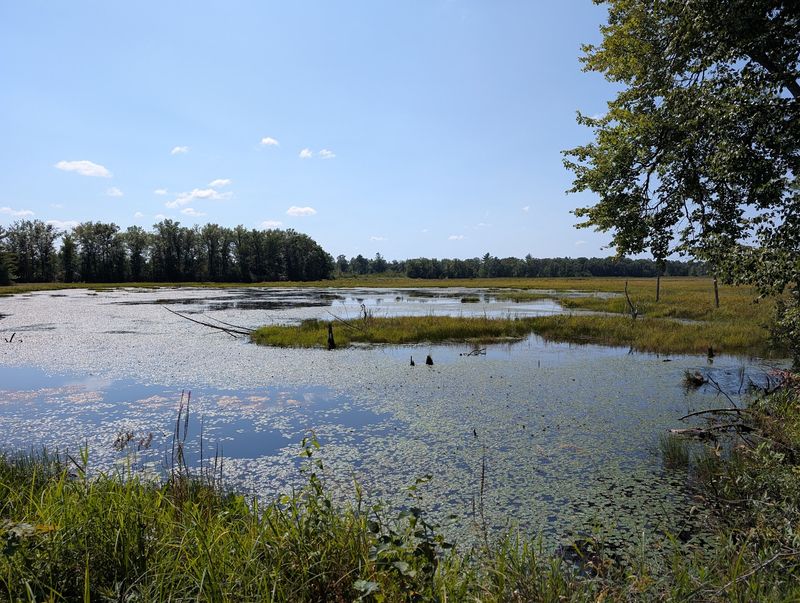
A driving tour with 26 stops is either a road trip or a nature lesson. At Navarino, it’s happily both, with marshes, forest, and old glacial landscapes supplying the scenery.
The wildlife area covers more than 15,000 acres in Shawano and Waupaca counties. Sandy ridges rise above wetland depressions, while the Wolf River and Shioc River flow through portions of the property.
Sandhill cranes, wood ducks, beavers, and other wildlife find habitat among its forests, bogs, and open water.
The self-guided auto tour uses three connected loops. The nature center’s overview calls it a forty-mile journey, while the detailed driving booklet measures the full route at forty-seven miles. Y
ou can complete just one loop rather than making every stop in a single afternoon.
Start with Navarino Nature Center at W5646 Lindsten Road in Shiocton. Exhibits, educational programs, hiking paths, and seasonal snowshoeing make the center a practical base. It opens Tuesday through Saturday, with shorter hours on Saturday.
Water access includes designated launching points on the rivers, and fishing is available in permitted areas. Bicycles belong on the surrounding town roads rather than the nature trails.
This corner of eastern Wisconsin is especially interesting when prairie flowers bloom or migrating birds fill the wetlands. Pick a route that suits your day and leave extra time for unexpected wildlife sightings. Drive slowly on gravel roads.
7. Upper Mississippi River National Wildlife And Fish Refuge – Visitor Center, Onalaska
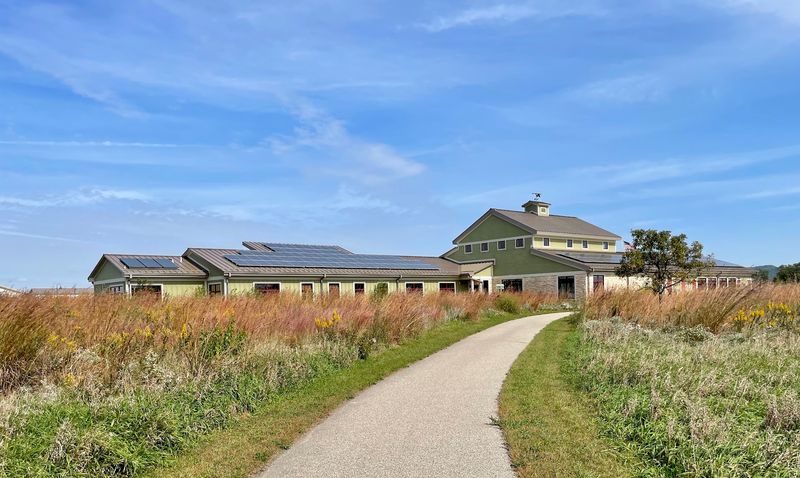
One refuge, four states, and a visitor center overlooking a great river landscape. That’s a big protected area with a remarkably approachable starting point near Onalaska.
The Upper Mississippi River National Wildlife and Fish Refuge follows the river through a vast system of islands, channels, and backwaters.
Bald eagles, waterfowl, herons, and smaller wetland creatures inhabit the waterways. During migration, watching the sky and open water can become an afternoon’s main activity.
The La Crosse District Visitor Center is at N5727 County Road Z in Onalaska. Inside, interactive exhibits introduce the river ecosystem, including a glass-floor display showing life beneath the water’s surface.
Free activity backpacks with binoculars and field guides may also be available to borrow.
Outside, approximately two and a half miles of mostly level paths cross restored prairie and lead toward an overlook of Lake Onalaska. Paved sections provide accessible walking options, while longer gravel paths reveal seasonal flowers and birds.
Visitor center hours have changed for November: it opens Tuesday through Friday, 9 AM to 3 PM, and closes on weekends until the summer schedule returns. The outdoor paths remain open from dawn to dusk.
Some river areas have seasonal access restrictions to protect migrating birds, so heed signs before exploring beyond the marked trails. It’s a fine place to begin discovering the Mississippi without boarding a boat.
8. Collins Marsh State Wildlife Area
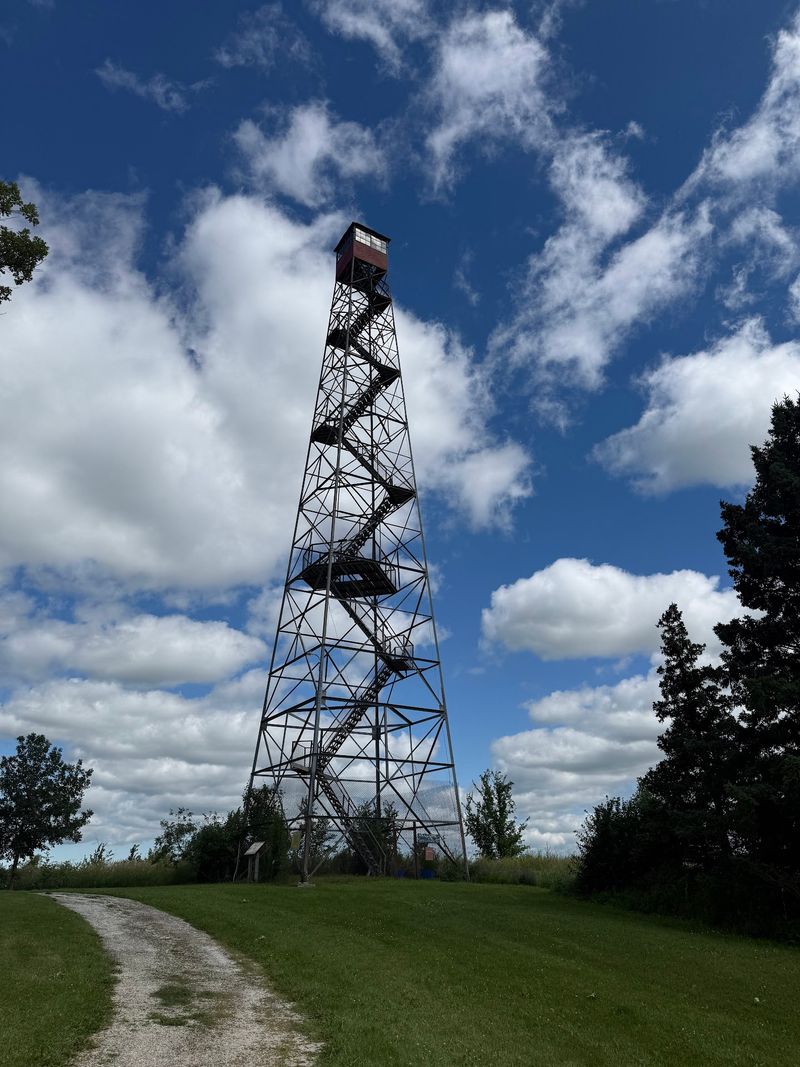
An observation tower rising 110 feet above a marsh is a pretty good invitation to look around.
Collins Marsh also has an osprey camera, giving curious birdwatchers another way to follow the seasonal activity.
The wildlife area protects roughly 4,200 acres near Reedsville, including wetlands, grasslands, and bottomland forest.
Ospreys, herons, yellow-headed blackbirds, and sandhill cranes are among its notable residents. Muskrats and other small mammals add movement around the water’s edge.
Find the Neustadter Nature Center at 20021 County Road JJ in Reedsville. Its displays and educational programs introduce the marsh, while the tower offers broad views across the surrounding landscape when access is available.
The center welcomes visitors by arrangement rather than operating regular daily opening hours.
There’s an important seasonal boundary to respect. From September 1 through November 30, the 915-acre designated refuge portion, including the main berm and dam, closes to general public access.
Other permitted areas can still be explored, but maps and posted signs should guide every visit.
The osprey nesting season is generally during warmer months, so a November outing will offer a different collection of birds. Bring binoculars and dress for open, breezy surroundings.
These habitats are managed with wildlife needs first, making a little careful planning part of the experience. A quiet look from an appropriate observation point can be rewarding enough.
9. Goose Pond Sanctuary (Southern Wisconsin Bird Alliance), Arlington
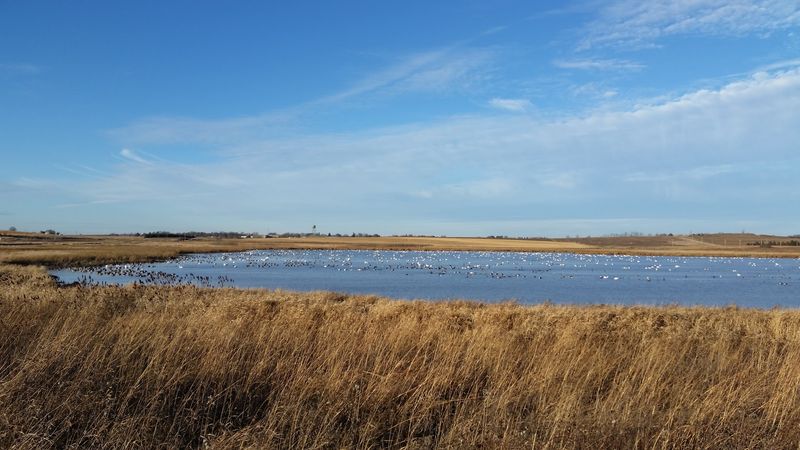
Out in the countryside near Arlington, a pond became so important for birds that the surrounding landscape earned permanent protection. Goose Pond Sanctuary is cared for by the Southern Wisconsin Bird Alliance.
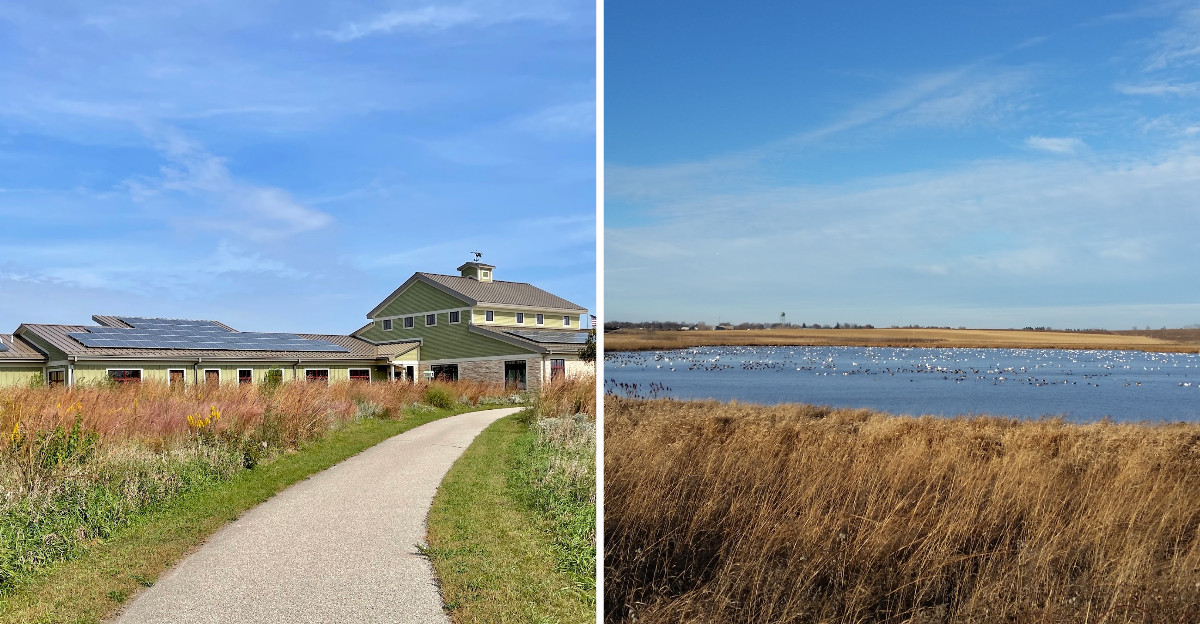
The setting is simple and lovely. Open water sits beside restored tallgrass prairie, with grassland flowers and broad skies stretching beyond the wetland.
More than 270 bird species have been recorded across the sanctuary lands, including migrating waterfowl, sandhill cranes, and grassland songbirds.
Summer brings black-eyed Susans, coneflowers, and other native blooms. Autumn is an excellent time to look for migrating flocks, while winter may bring snow buntings or an occasional snowy owl to the surrounding fields.
For an easy starting point, head toward Goose Pond Road and Prairie Lane near Arlington. A viewing area and trails give visitors opportunities to appreciate the habitat without entering sensitive nesting and feeding spaces.
More than ten miles of maintained prairie trails provide options for longer walks.
One boundary matters particularly: the pond itself is closed to public entry to protect the birds. Enjoy it from designated viewing points and stay on permitted paths.
The sanctuary welcomes visitors year-round, but specific routes and parking conditions can vary with weather and management work.
Bring binoculars, choose a quiet trail, and pause often. The birds provide all the entertainment this landscape needs, especially during migration.