One Of Wisconsin’s Most Unusual Museums Is Probably Closer Than You Think
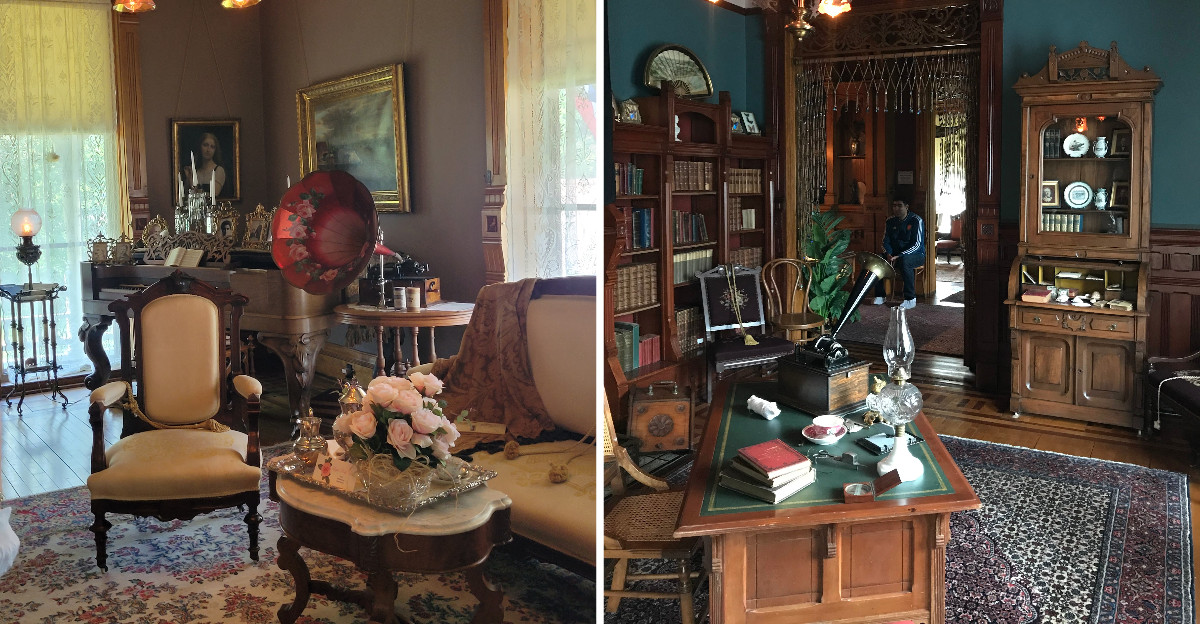
Imagine inviting friends over just to show off your electric lights. In the 1800s, that would have been a serious flex!
One unusual Wisconsin museum captures that moment when household electricity still felt futuristic.
The elegant rooms draw you in first, but then the switches, fixtures, and wiring start becoming weirdly fascinating.
Suddenly, a lamp is not just a lamp. It is evidence of a world changing in real time. That is what makes the visit so much fun.
The house looks historic, but the story feels surprisingly modern.
You leave appreciating something you probably flipped on this morning without a second thought.
The House That Lit Up
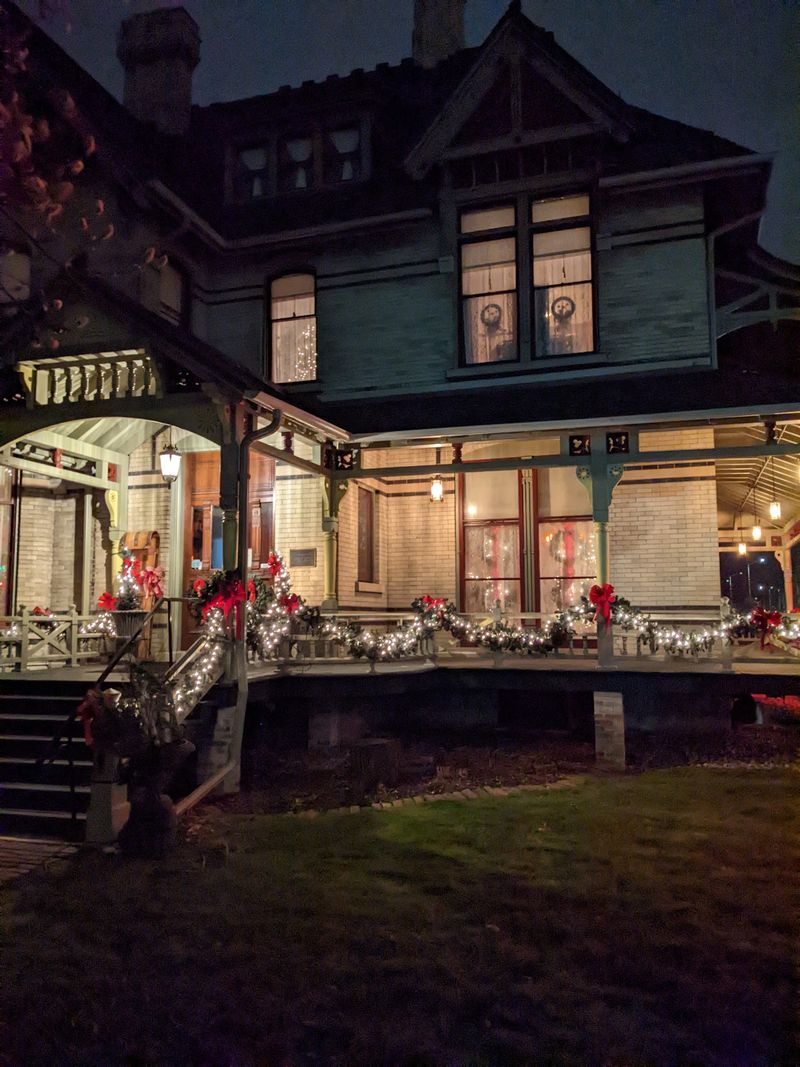
Hearthstone entered electrical history on September 30, 1882.
Wisconsin Historical Society records identify it as the first residence electrified from a centrally located hydroelectric plant.
The museum describes it more specifically as the first private residence illuminated by a water-powered Edison system.
Construction took place from 1880 to 1882, so the electrical system became part of a newly completed home rather than a much later modernization.
Power did not come from equipment hidden somewhere inside the residence.
A central generating station associated with the Appleton Paper and Pulp Company used Fox River waterpower and Western Edison equipment to supply electricity to the house and nearby industrial buildings.
Henry J. Rogers was involved in Appleton’s paper industry and in developing hydroelectric power at a time when the Fox River was already driving mills and attracting industry.
The museum stands at 625 W Prospect Ave in Appleton, where guided tours connect the house, the Rogers family, and the early electrification of the city.
An Inventive Victorian Exterior
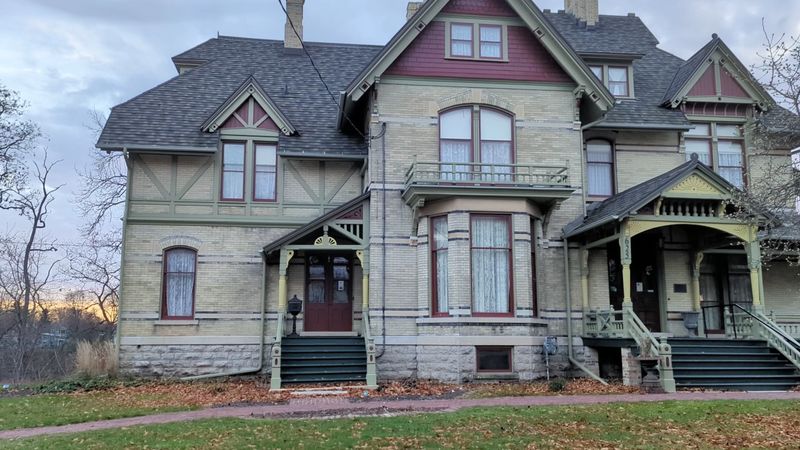
The technology may make the headlines, but the house itself deserves just as much attention.
Architect William Waters designed Hearthstone as a two-and-a-half-story Queen Anne residence, with asymmetrical massing, steep gables, cross-gables, dormers, projections, and an irregular roofline.
Its exterior relies on variety rather than perfect symmetry.
Shingled surfaces, brick and limestone banding, decorative woodwork, and changing wall planes create the layered appearance associated with late nineteenth-century Queen Anne design.
An encircling veranda extends across much of the front facade and includes the main entrance.
Large single-pane windows are another characteristic feature, bringing generous daylight into rooms designed just as electric lighting was beginning to transform domestic life.
Seen from different angles, the building changes constantly. Roof forms overlap, projections create shadows, and decorative details become easier to notice around the corners.
Hearthstone’s architectural and technological importance also contributed to its listing on the National Register of Historic Places.
Inside, the same attention to detail continues through carefully finished woodwork and period rooms arranged around the home’s original floor plan.
Even without its electrical history, the residence offers a remarkably complete look at how an affluent Victorian household was designed to function and impress.
Original Switches Still Matter
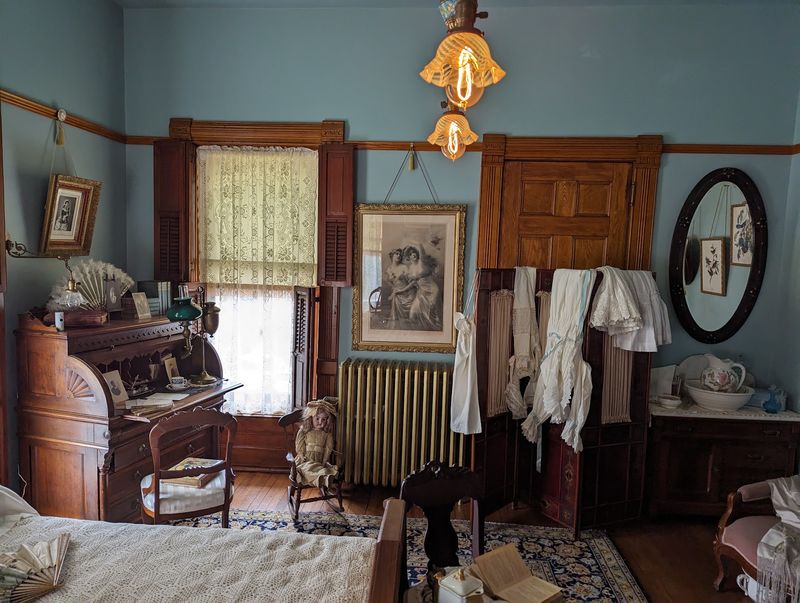
Some of Hearthstone’s most important artifacts are surprisingly small.
Original switches, electroliers, wiring, and cleats survive from the early Edison system. Several fixtures remain in their original positions rather than being displayed separately in cases.
That matters because the house shows early residential electrification as a working system.
Instead of seeing an isolated bulb or switch, visitors can understand how wires, fixtures, controls, and centrally generated power came together inside an actual home.
The placement of those surviving components also shows how electricity was woven directly into the way individual rooms functioned.
Rather than feeling like a separate exhibit, the system remains part of the architecture visitors are already examining.
The museum also displays original Edison bulbs and generating equipment.
Guides identify historic electrical components throughout the tour, helping distinguish nineteenth-century technology from later additions needed to operate a modern museum safely.
These details turn an abstract technological change into something physical.
A switch on a wall may look modest beside carved woodwork and decorated ceilings, but it represents a major shift in how households could use their rooms after dark.
Woodwork Worth Slowing Down
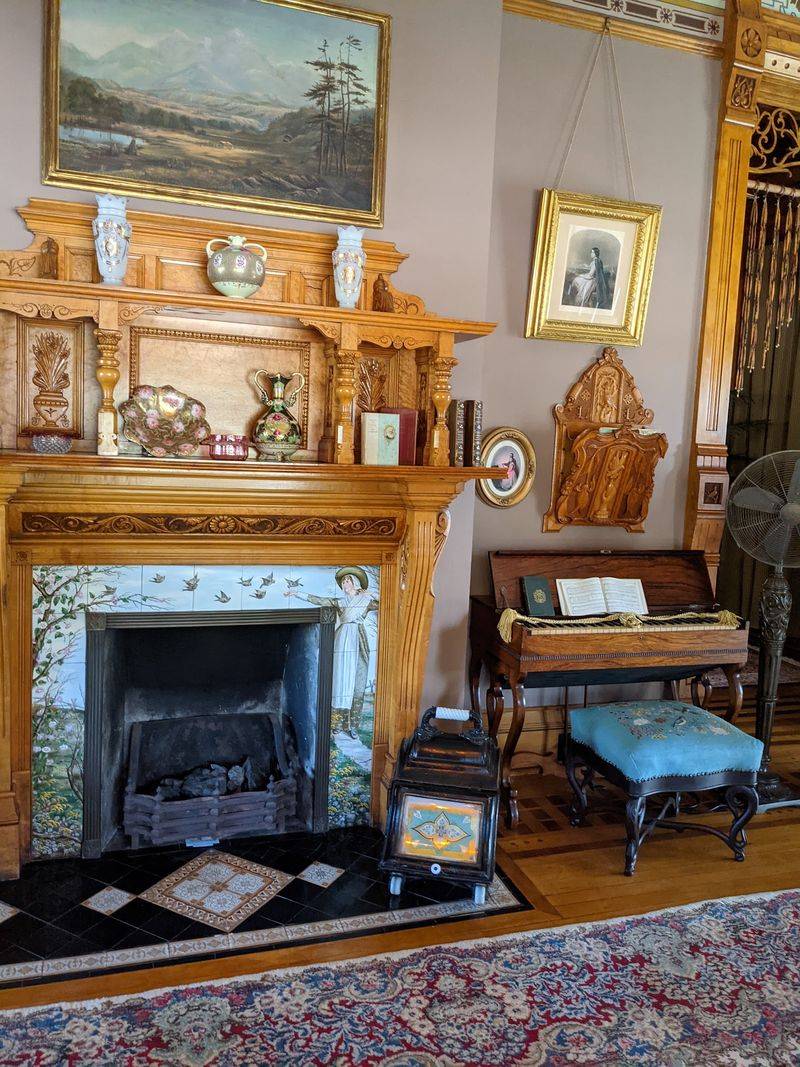
The grand hall introduces another side of Hearthstone’s story.
Native Wisconsin woods appear throughout the interior in paneled wainscoting, elaborate door and window surrounds, coffered ceilings, fireplace mantels, and the formal stairway.
Much of the decorative carving was produced by young local woodcarver William Van Stratum.
His work helped give the main rooms the richly finished appearance associated with the Aesthetic Movement and upper-class domestic interiors of the period.
The floors deserve attention too. Parquet flooring on the first level combines maple, white oak, and cherry in patterned surfaces that add detail underfoot without competing with the heavier carved elements around the rooms.
The material fits the wider Wisconsin story behind the house.
Rogers and his business partners helped develop the Fox River paper industry, so the extensive use of carefully worked wood connects the residence visually with an economy built around forests, mills, and paper production.
The craftsmanship also reflects the wealth and decorative ambition of the Gilded Age household that commissioned it.
Color Behind Every Door
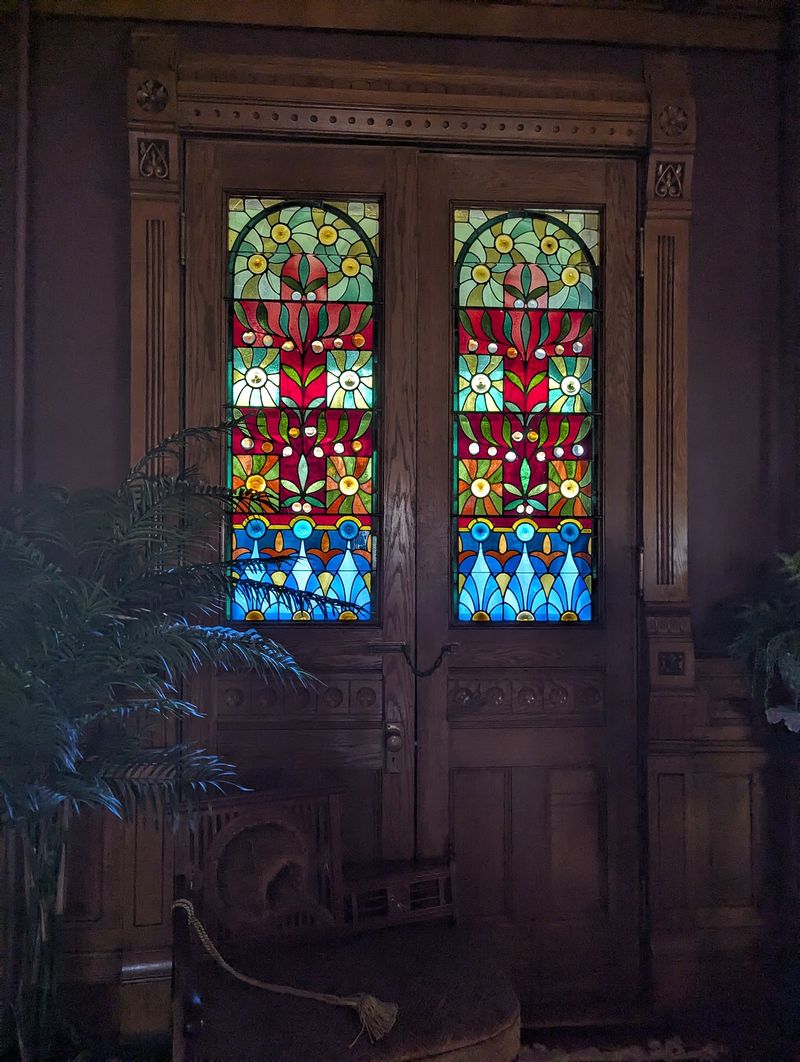
Wood is only part of the interior decoration.
Stained and etched glass appears in the upper portions of the three main entry doors.
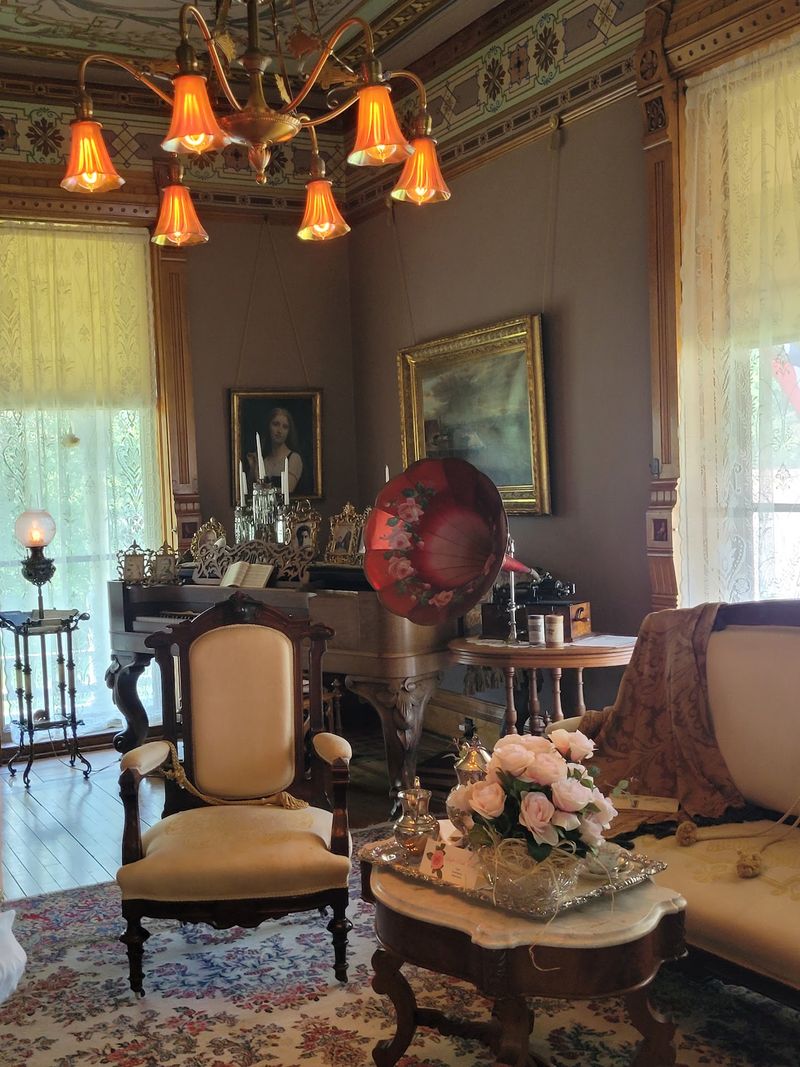
Painted ceilings, ornamental wall treatments, tiled fireplaces, rugs, and period furnishings bring additional color into the rooms.
Hearthstone has nine fireplaces, many with decorative tile.
Several feature English Minton Hollins tiles, while the formal parlor includes a fireplace treatment connected with Wisconsin artist Frederika Crane and imagery from Henry Wadsworth Longfellow’s Evangeline.
The parlor also includes painted decoration attributed to Oshkosh artist John Franklin Waldo.
Together, the glass, tile, carved wood, painted surfaces, and furnishings show how many decorative arts could be combined within one late Victorian interior.
Not every object in the rooms belonged to the Rogers family.
Hearthstone uses both family pieces and appropriate Eastlake-style furnishings to interpret the period, so the guided tour is useful for separating original architectural features from later collection additions.
Power You Can Make
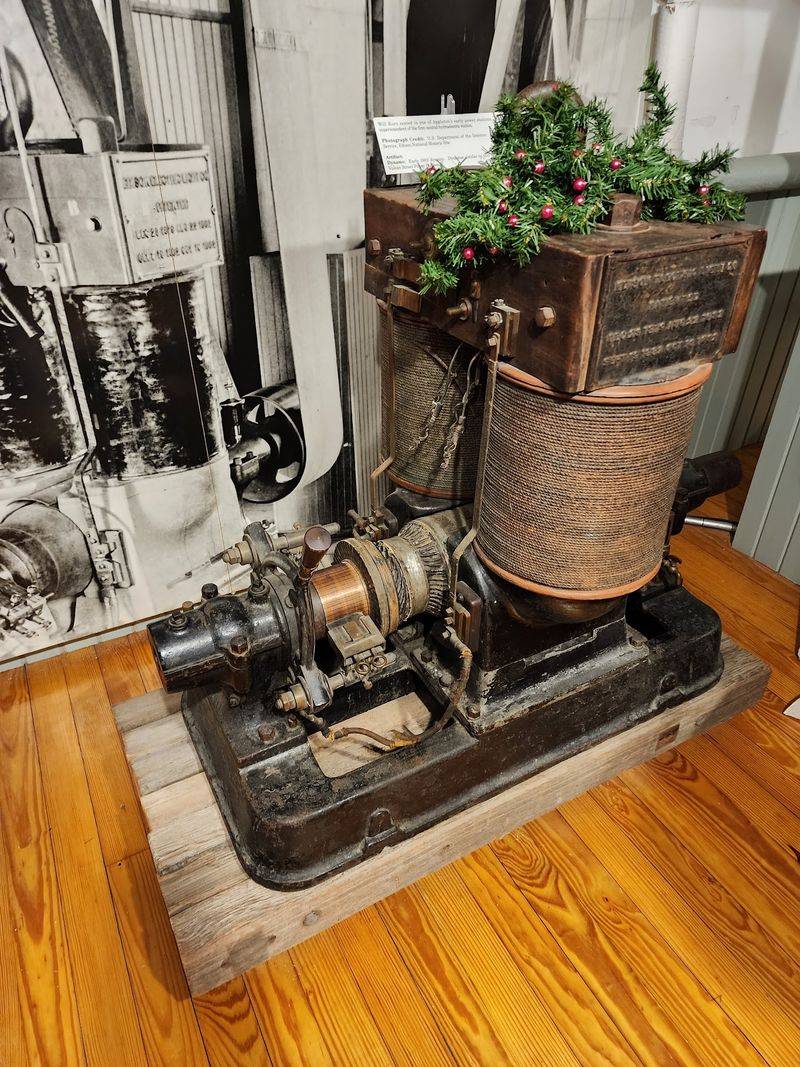
The lower level shifts the visit from preservation to experimentation.
Permanent educational exhibits focus on Thomas Edison, hydroelectricity, circuits, generators, and the technology behind the system that supplied power to the house.
Hands-on activities include generators, circuit games, a working water wheel, and a high-wheel velocipede that visitors can use to generate electricity.
These exhibits make the relationship between physical energy and electrical output easier to understand.
The change of pace works especially well for families. After examining rooms where touching historic surfaces is naturally restricted, visitors can interact with models and controls designed specifically for experimentation.
The hands-on approach also gives younger visitors a clearer way to connect the home’s history with the science behind it. Instead of treating electricity as an invisible convenience, the exhibits break the process into parts they can see and test.
The exhibits also clarify an important point about Hearthstone. The residence did not generate its own electricity room by room.
Hydroelectric power was produced elsewhere and distributed through a central system, linking river, machinery, wiring, switches, and lamps into one early electrical network.
Make Your Tour Count
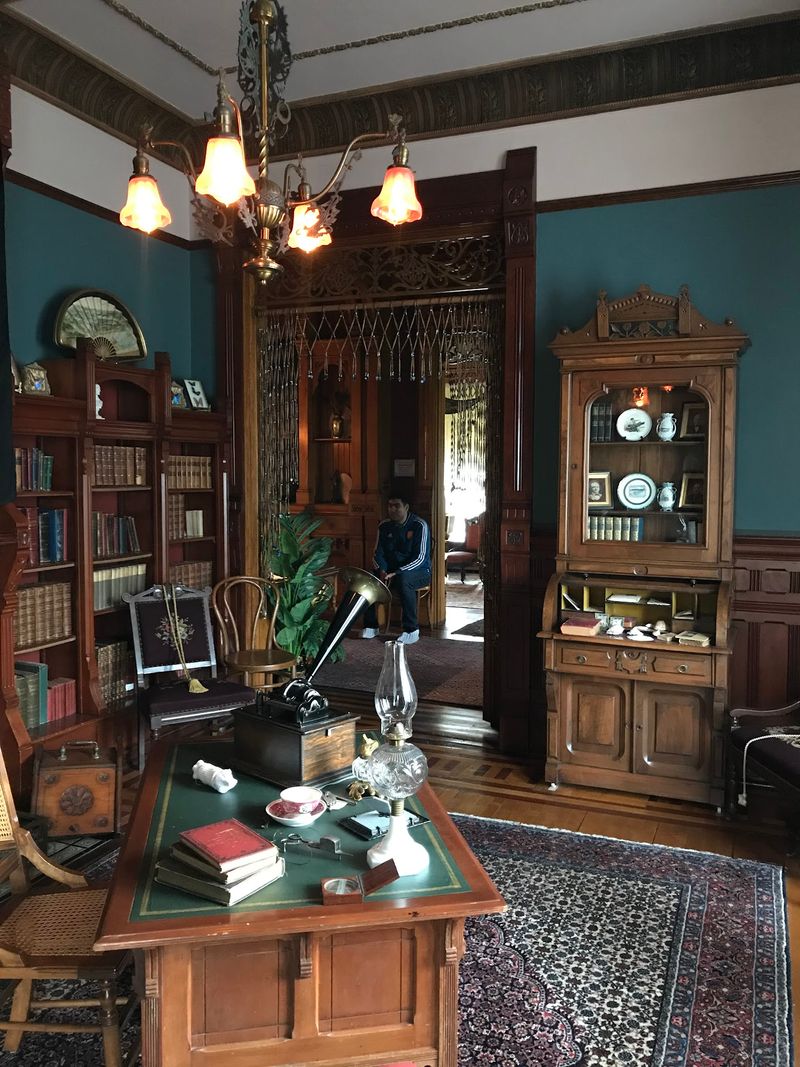
Regular visits are guided rather than self-directed.
In the current 2026 schedule, public tours run Thursday through Saturday at 10:30 a.m., noon, 1:30 p.m., and 3 p.m., with Sunday tours at 1:30 and 3 p.m.
A standard guided tour lasts about 75 minutes. Visitors can explore the lower-level educational exhibits before or after the house portion.
Allowing additional time makes sense for anyone particularly interested in the electrical displays.
Accessibility reflects the limitations of a nineteenth-century house. The first floor and lower level can be reached using an exterior electric lift, while the second floor is accessible only by a staircase of 26 steps.
Guests who cannot safely reach the second floor can remain on the first floor and use tablets with narrated videos of the upstairs rooms. That option allows more of the tour content to remain available without changing the historic structure.
Because special events sometimes use different schedules or ticketing rules, checking the museum’s current calendar before leaving is the most reliable way to plan a visit.
A House With New Seasons
Hearthstone changes its interpretation throughout the year without losing focus on the building itself.
Special exhibitions and limited tours add themes to the regular history, architecture, and electricity story, giving repeat visitors different details to notice.
In September 2026, the museum offered its Nooks and Crannies behind-the-scenes tour, which explored less visible parts of the property.
Other programming has examined Victorian mourning customs, inventors, social history, and the lives of people connected with the house.
Holiday programming transforms the house more dramatically.
Hearthstone’s current calendar lists Victorian Christmas: Paper Dreams from late November into January, with the historic rooms decorated around Victorian holiday traditions and additional seasonal tours offered during the period.
Those temporary displays work because the permanent setting remains so strong.
The Queen Anne architecture, original electrical equipment, decorative arts, and Rogers family story stay at the center, while seasonal programs offer another way to examine the same rooms.
Preservation is what makes all of this possible.
Hearthstone closes periodically for cleaning and restoration work, and visitors are expected to follow docent guidance around fragile finishes, furnishings, wiring, and other material that has survived for more than 140 years.