Connecticut Veterans Can Visit One Of New England’s Biggest Aviation Museums For Free This Veterans Day
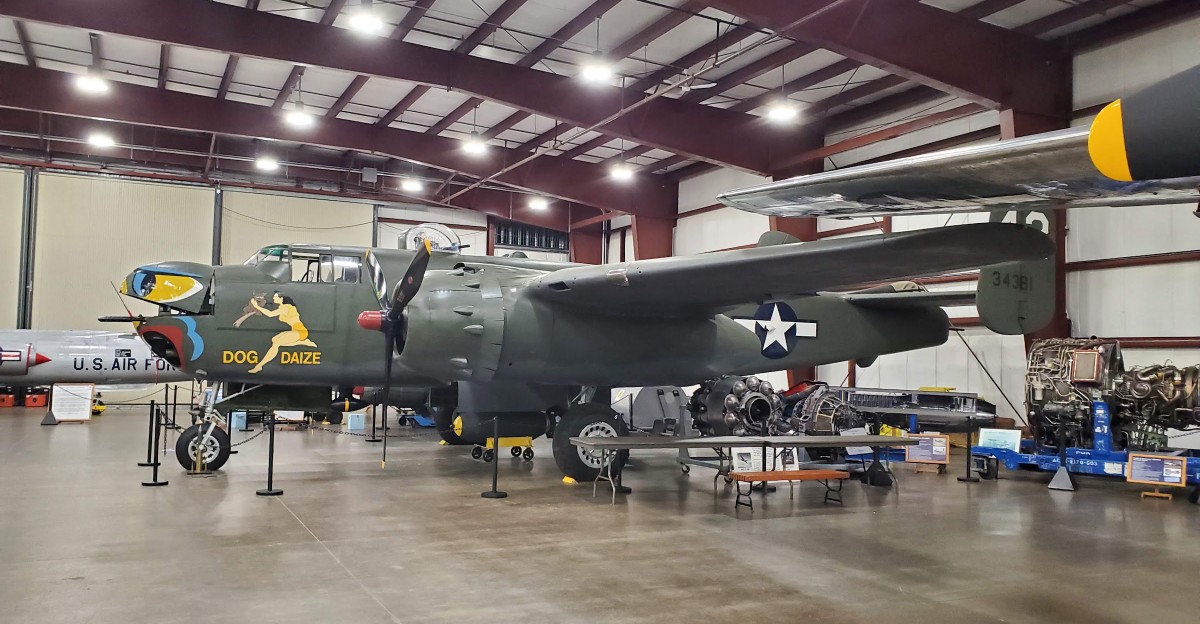
Airplanes are fascinating enough when you see them flying overhead. But standing near a historic aircraft and realizing just how enormous it is?
That’s a completely different experience.
And this Veterans Day comes with a thoughtful opportunity.
One of Connecticut’s major aviation museums is offering veterans free admission for Veterans Day, recognizing their service through aviation history.
I like that this gives veterans an opportunity to enjoy a museum visit while spending time around aircraft with stories of their own.
There’s something remarkable about seeing how aviation has developed over the years, especially when you consider the people who operated these machines.
And you don’t have to be an aviation expert to appreciate the engineering involved.
What makes this occasion especially meaningful is the connection between military service and aviation history. It’s a fitting setting for recognizing those who served.
1. Veterans Day Means Free Admission For Those Who Served
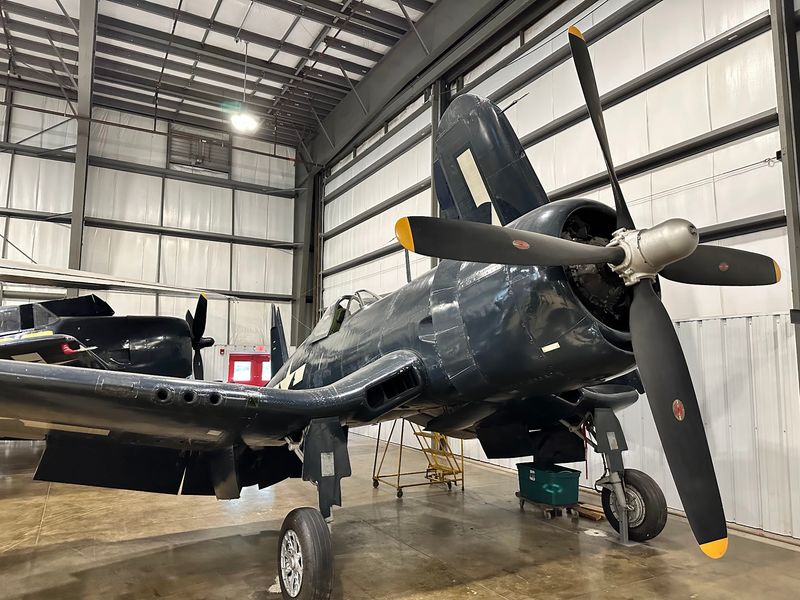
Mark November 11 on the calendar right now. The New England Air Museum offers free admission to veterans and active military personnel on Veterans Day.
Doors open at 9 a.m. and close at 4 p.m. That gives you a full day to roam the hangars, so an early start pays off with a collection this big.
Here’s a bonus worth planning around. A free D-Day presentation is scheduled for 10 a.m. on Veterans Day.
That timing works nicely for families. Arrive at opening, grab your bearings, then settle in for the talk before exploring the rest of the museum.
Bringing a veteran grandparent along could turn into a highlight of the year. Many aircraft here connect directly to the eras when service members wore the uniform.
Remember that last admission usually falls at 3:30 p.m. Showing up late in the afternoon means rushing past some truly remarkable machines.
One extra tip helps other family members save money. Some local libraries offer discounted admission passes, so check with yours before you go.
It’s a simple way to say thank you. Free entry, a meaningful presentation, and hangars full of history make for one memorable holiday.
2. More Than 100 Aircraft Will Keep Your Neck Craning All Day
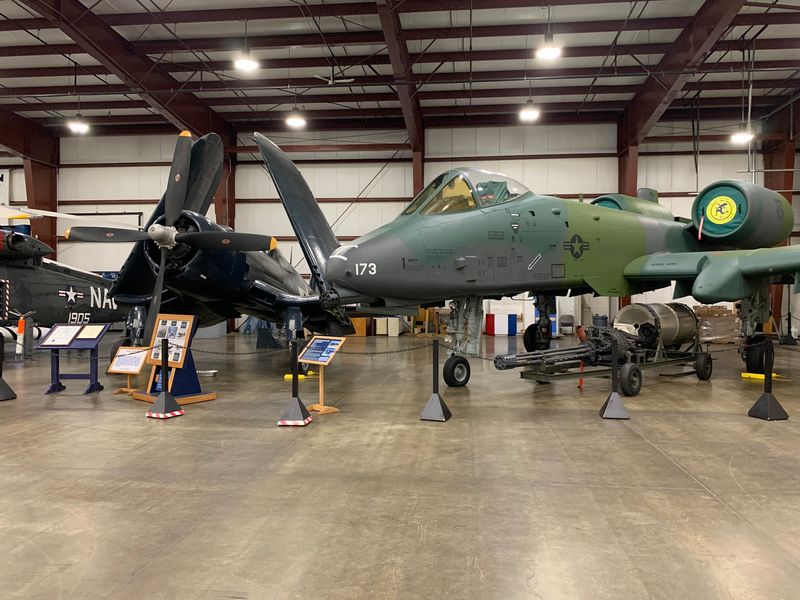
Ninety thousand square feet of exhibit space is a lot of room for airplanes. The New England Air Museum fills it with more than 100 aircraft, plus engines, instruments, and artifacts.
As the largest aerospace museum in New England, it spreads the collection across three large hangars. An outdoor display area adds even more to explore.
Variety is the real treat here. Early flying machines sit within the same walls as supersonic jets, biplanes, helicopters, and military warbirds.
That range makes the visit feel like a time machine with wings. You can trace how flight grew from wobbly beginnings into roaring jet power.
Plan for a few hours at least. Rushing through would be like speed-reading a great novel and skipping the best chapters.
Comfortable shoes are a smart call. Wide walkways connect the hangars, and you’ll want energy left for the final building.
Elevators reach the mezzanine floors in two hangars. Those upper levels give you a fresh angle on the aircraft below.
Bring a camera or a charged phone too. With this many planes, your photo roll will fill up faster than a fuel tank.
3. Say Hello To A Superfortress Named Jack’s Hack
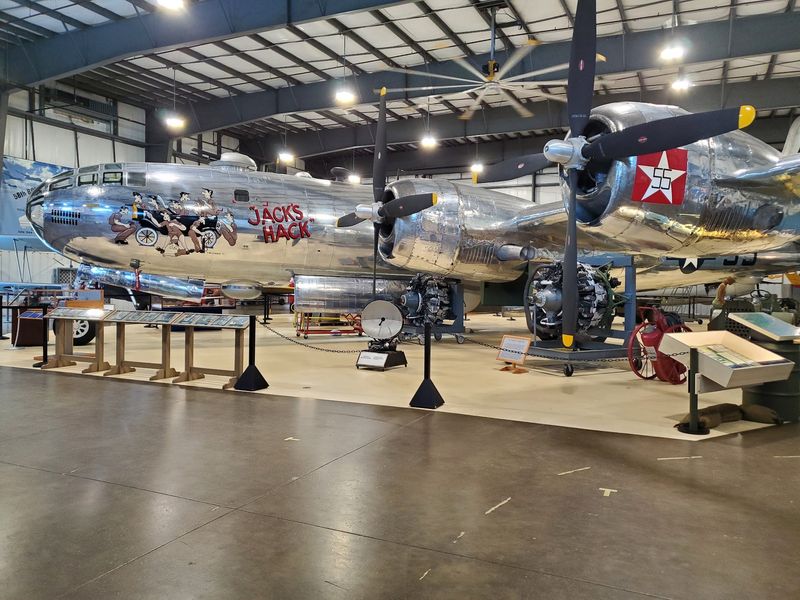
Some airplanes are big. The Boeing B-29A Superfortress is the kind of big that makes you stop in your tracks.
It lives in the 58th Bomb Wing Hangar, which opened in 2003. Nicknamed Jack’s Hack, this shiny giant ranks among the most famous aircraft in the collection.
Thousands of B-29s were built during the 1940s. Only a small number survive today, which makes seeing one up close feel extra special.
History fans will love one surprising detail. Some of the first pilots to fly the B-29 were women, a story the museum highlights in its exhibits on women in aviation.
Special events occasionally open the B-29 cockpit to visitors. Keep an eye on the museum’s event calendar if sitting in that seat sounds like a dream.
Walk all the way around the bomber before moving on. The four huge engines and long wings tell their own story about how much power this aircraft needed.
For veterans, this hangar can carry real meaning. It honors the crews who flew these machines and the people who kept them running.
4. One-Of-A-Kind Treasures You Truly Can’t See Anywhere Else
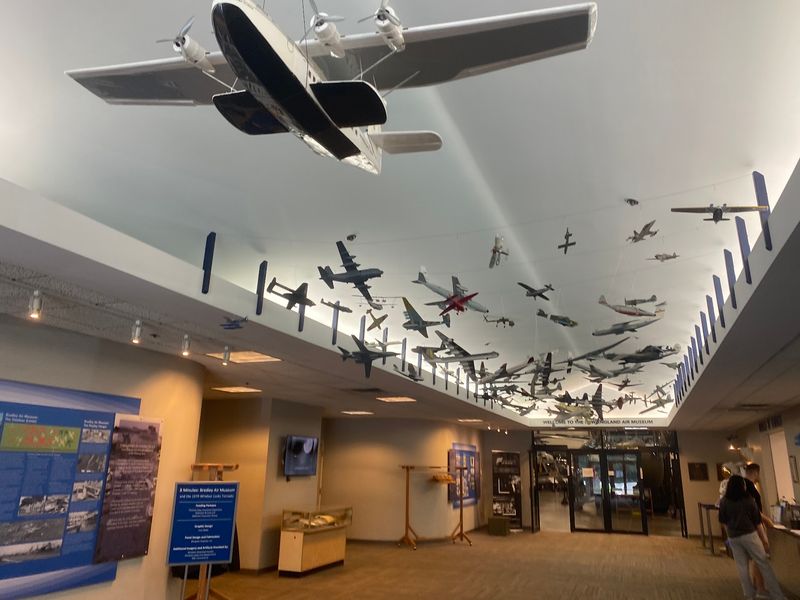
Rare is a word museums toss around a lot. Here, it actually fits.
The Sikorsky VS-44A Excambian is the only remaining American-made, four-engine flying boat built for trans-oceanic travel. It’s a giant seaplane with a hull shaped like a boat, and it looks wonderfully strange indoors.
Next up is a tiny piece of history with a huge claim. The Silas Brooks balloon basket is recognized as the oldest American-built aircraft still in existence.
Then there’s the Goodyear ZNPK-28 Blimp Control Car. Only two K-class blimp control cars remain in the world, and this is one of them.
That gives you three record-holders under the same roof.
Don’t skip the Douglas DC-3 either. This classic airliner helped shape passenger air travel in America.
Fans of Sikorsky will notice a strong local theme. The company’s roots run deep in the state, which makes the flying boat feel right at home.
Take time reading the signs near these displays. Most use large text and short paragraphs, so the history goes down easy without feeling like homework.
5. Grab The Controls In A Real Cockpit Or A Flight Simulator
Looking at airplanes is great. Sitting in one is even better.
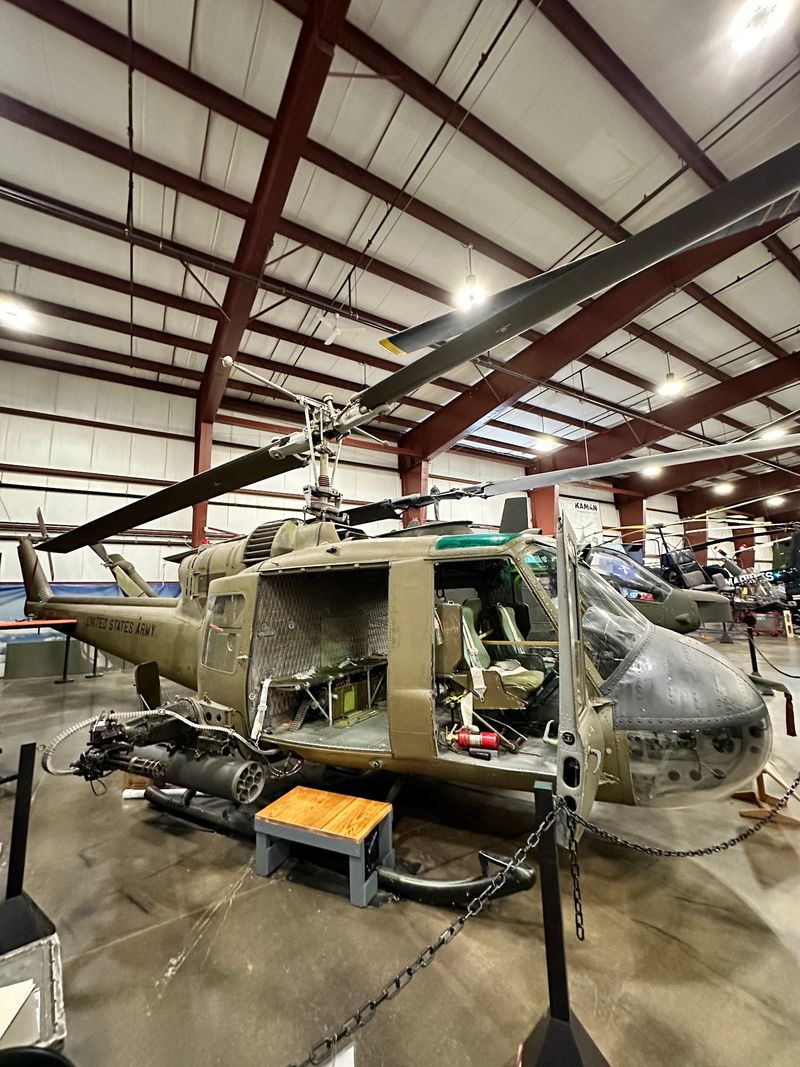
Select aircraft offer open cockpit experiences, including the F-100, P-47, and Seaguard. Kids and grownups alike can climb in, grip the stick, and feel what a pilot’s seat is really like.
Ready to take things further? Flight simulators let you pilot an FA-18 or face off in side-by-side dogfights.
Microsoft Flight Simulator stations add another way to test your skills. Good luck pretending you’re only doing it for the kids.
Younger visitors get their own zone too. Kidsport is a kid-sized airport with touch-screen games covering aviation topics.
Scavenger hunts and take-home activity kits help children stay curious from hangar to hangar. That’s a smart trick for keeping little legs moving.
Educational demonstrations explain the history and science of flight. They make tough ideas like lift and thrust easier to understand.
Cockpit access can vary by day and staffing. Ask a volunteer which aircraft are open when you arrive, so nobody misses their turn in the pilot’s seat.
6. The Volunteers Here Have Actually Flown And Built Airplanes
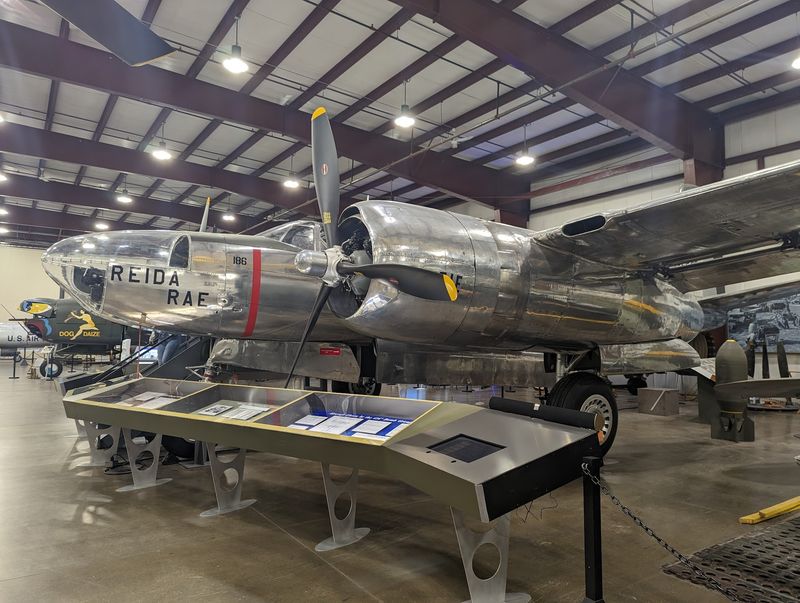
Behind every great display is a great storyteller. At the New England Air Museum, many of them are retired pilots and aerospace engineers.
That changes the whole visit. Instead of only reading signs, you can chat with someone who understands these machines from the inside out.
Questions are welcome here. Ask how an engine works, why a wing is shaped a certain way, or what flying in an older aircraft felt like.
Self-guided exhibits and smartphone tours work well if you prefer your own pace. Still, a quick conversation with a volunteer can add details no plaque could hold.
Guided tours are another option, offered by appointment Tuesday through Friday. They last about two hours and include a presentation on aircraft history and restoration.
The best part might be the access. Those tours include interior visits to four aircraft not usually open to the public, with groups limited to four people.
For veterans, these chats can feel familiar in a good way. Swapping stories with someone who knows aviation brings history right into the present.
7. Exhibits That Honor Heroes Deserve Extra Time
Airplanes grab attention first. The stories of the people who flew them often stay with you longest.
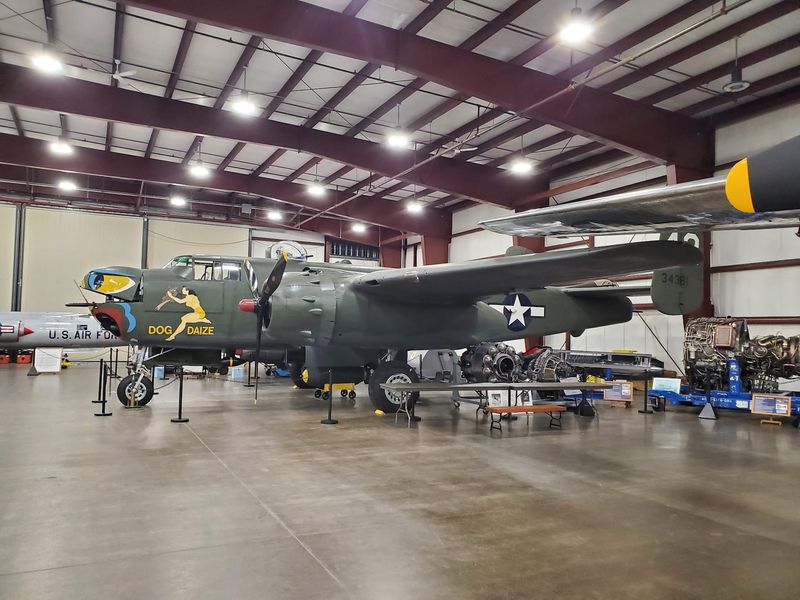
The 57th Fighter Group WWII Memorial honors a celebrated unit and its members. It’s a fitting stop for anyone visiting on Veterans Day.
A collection about the Flying Tigers shares another remarkable chapter of aviation history. Displays bring those brave pilots and their famous planes back into focus.
The museum also features a tribute to the Tuskegee Airmen. Their skill and courage made history, and the exhibit gives them well-earned attention.
Women in aviation get their own spotlight along a hallway between hangars. Pause there, because those stories connect to some of the biggest aircraft in the building.
Space fans have something to explore too. The Apollo 13 Rescue Exhibit looks at one of the most famous problem-solving moments in spaceflight.
Moving slowly here pays off. Each display adds a human face to the metal and rivets surrounding you.
8. A Tornado Couldn’t Ground This Museum’s Story
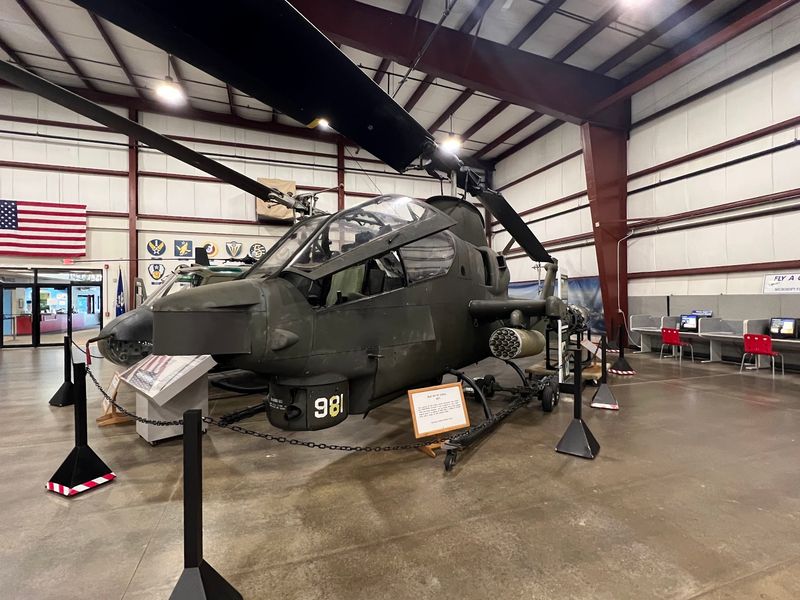
Back in 1959, a group of Pratt and Whitney employees got an idea. They formed the Connecticut Aeronautical Historical Association to save aviation history.
Their museum started as the Bradley Air Museum, with aircraft displayed outdoors. Then a tornado struck in 1979 and destroyed that outdoor site.
Plenty of groups might have quit. This one rebuilt instead, opening its first permanent building in 1981.
A new name followed in 1984. Becoming the New England Air Museum reflected a bigger mission and helped avoid confusion with the airport.
Growth kept coming after that. A restoration hangar arrived in 1989, followed by a military hangar in 1992 and the 58th Bomb Wing Hangar in 2003.
The restoration hangar offers 11,200 square feet for preservation work. It’s where aging aircraft get the patient care they need.
Outside, Restoration Park holds aircraft waiting their turn. That area depends on weather and closes during winter months, so November visitors may find it shut.
A mezzanine added in 2017 gave the museum even more room. Not bad for a place that once had to start over.
9. Plan Your Trip Next To One Of Connecticut’s Busiest Airports
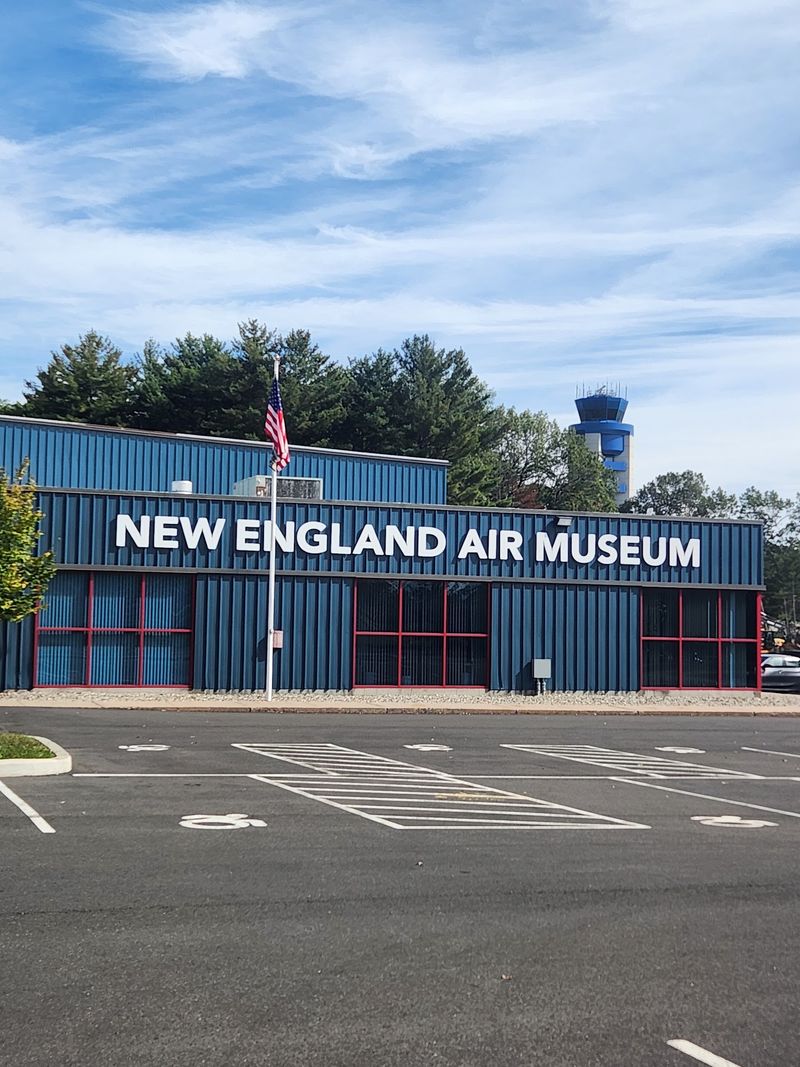
The planes aren’t the only things making noise here! Real jets pass overhead while visitors get an up-close look at aviation history, making the whole experience feel a little more exciting.
Right beside Bradley International Airport in Windsor Locks, the New England Air Museum offers an unusual setting for a family outing. Even the drive in adds a little suspense.
The road seems ordinary enough until the museum’s hangars come into view.
Planning a visit is pretty straightforward. Regular hours are Tuesday through Sunday, from 9 a.m. to 4 p.m., with additional Monday openings during the summer season.
Need a snack break? There’s a small dining area with vending machines, plus outdoor picnic tables when the weather cooperates.
Nearby Route 75 also has restaurants for a longer lunch stop.
Before leaving, check out the Wings N’ Things gift shop. Aviation-themed souvenirs and used books make it worth browsing.
Accessibility is another plus, with wide walkways, elevators, and wheelchairs available to borrow.
The museum’s address is 36 Perimeter Road, Windsor Locks, CT 06096, just off Route 75. Veterans can also receive discounted admission with valid identification.
It’s an especially fun November outing when the weather makes indoor adventures more appealing. And hearing real aircraft overhead while exploring the exhibits?
That’s a pretty memorable bonus.