This Family Farm In Idaho’s Teton Valley Grows Organic Vegetables At 6,000 Feet And Fills CSA Boxes All Summer
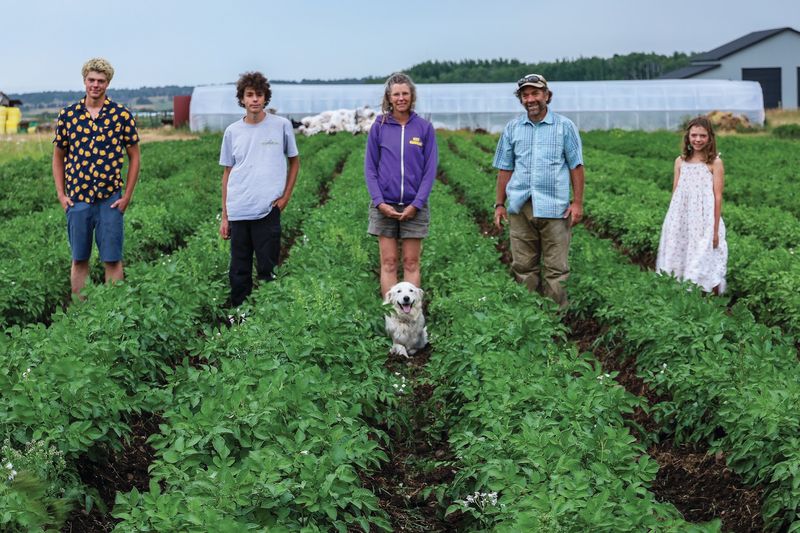
The whole thing started with basil, sold to restaurants over the pass in Jackson. Nearly 30 years later, that same Idaho farm feeds about 200 families every week of summer.
The garden sits at roughly 6,300 feet. Frost can show up when most gardeners are planting tomatoes.
Yet this place grows vegetables, herbs, and flowers on 8 to 13 acres, all certified organic and Biodynamic.
The water comes straight down from Teton snowmelt, moved by gravity alone. Warm night air drifts across the fields and keeps them a few degrees above their neighbors.
I love that a mountain breeze gets partial credit for the lettuce.
I believe every valley needs a farm like this. The kind that grows real food where the growing season barely sits still.
So how does a CSA box stay full here all summer long?
A High-Mountain Farm On Teton Valley’s East Side
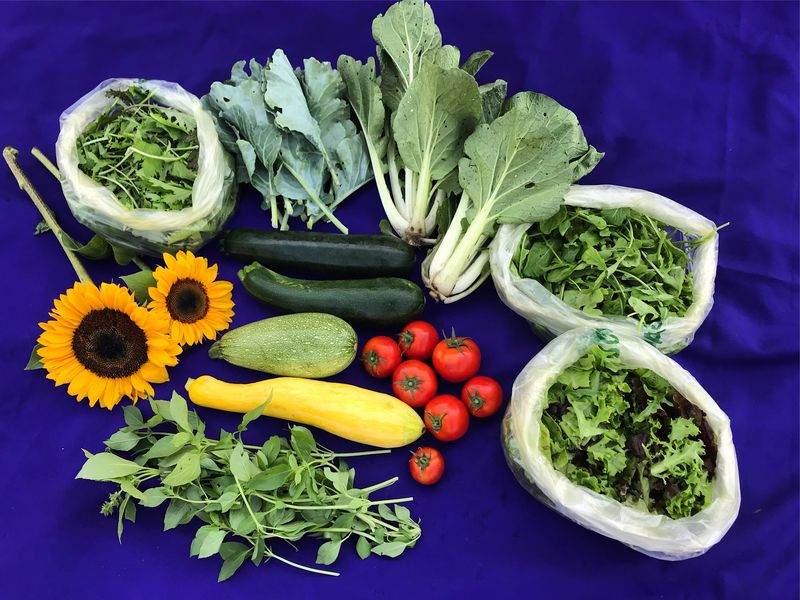
Cosmic Apple Gardens sits in Victor, on the east side of Teton Valley in eastern Idaho. It’s a certified organic and Biodynamic family farm with mountains filling the skyline.
The farm grows garden vegetables, culinary herbs, and flowers across roughly 8 to 13 acres. That’s a lot of carrots and kale for a spot sitting about 6,300 feet above sea level.
Short seasons are part of life here. Cold nights and late frosts keep every gardener in the valley a little humble.
So the crew plants varieties already proven to thrive in the high Teton climate. No guessing, no wishful thinking with heat-loving seeds that won’t finish in time.
Beyond produce, the farm runs a weekly CSA program. It also sells at regional markets and keeps a self-serve farm store stocked with seasonal goods.
Plant starts, compost, and potting soil round out the list for home growers. Pastured animals add beef, pork, and eggs to the mix.
In other words, this isn’t a roadside hobby plot. It’s a working farm that has learned, season by season, what a mountain valley will actually allow.
Basil, Jackson Restaurants, And A Very Humble Beginning
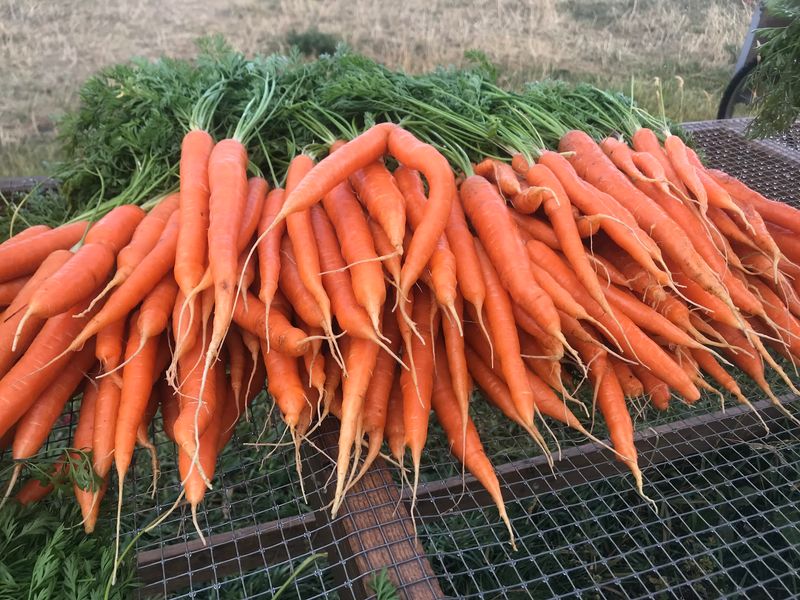
Basil. That was the first big crop when Jed Restuccia founded Cosmic Apple Gardens in 1996.
He sold it to restaurants in Jackson, Wyoming, just over Teton Pass. Chefs wanted top-quality fresh produce, and demand kept growing from there.
By 2000, the farm launched its CSA with eight loyal market customers. Eight!
That’s barely enough people for a decent potluck.
Then things moved fast. By 2001, the farm had outgrown its leased land entirely.
Community support helped purchase 30 acres for a permanent home. I like how that detail shows neighbors investing in their own food supply, not just buying it.
In 2002, Dale Sharkey joined to manage flowers and help with markets. That same year, CSA membership climbed to 50.
From a few bunches of basil to roughly 200 families today, the growth tells its own story. Nobody needed a flashy marketing plan.
The farm reached its 30th year in 2026. For an organic operation at this elevation in Idaho, that kind of staying power deserves a small round of applause.
Why The Dirt Here Gives This Farm A Head Start
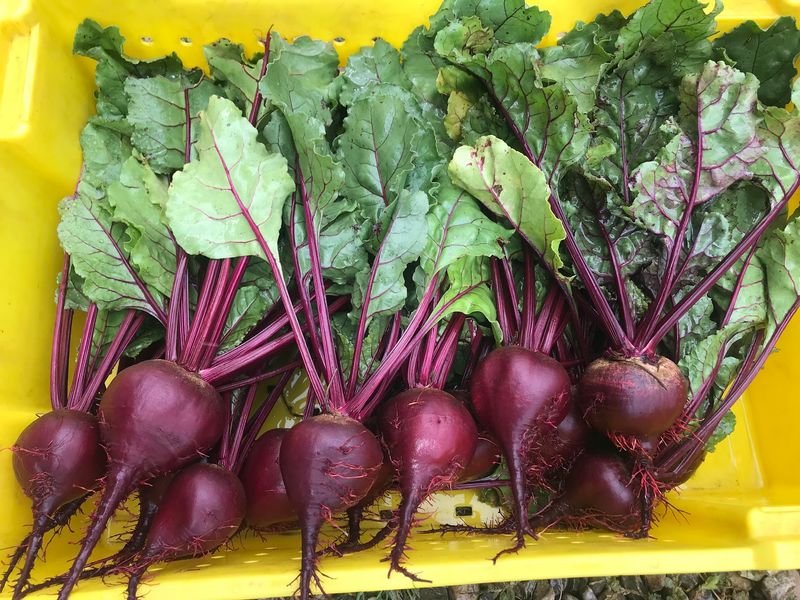
Most of Teton Valley is rocky ground. Ask anyone who has tried to dig a fence post hole there.
The farm caught a lucky break underfoot. It sits on Driggs Silt Loam, a rich soil band laid down by wind on the valley’s east side.
That soil is noticeably less rocky than most land around it. For a vegetable grower, fewer rocks means easier planting and happier root crops.
Then there’s the water. Irrigation comes from gravity-fed snowmelt flowing down out of the Teton mountains.
No pumping drama, just mountain water doing what water does. The farm credits that purity with an impact on the flavor of its produce.
Biodynamic methods add another layer. The approach treats the farm as a whole, living system rather than a set of separate fields.
Pastured cows, pigs, and chickens are part of that picture too. Good luck finding a more fitting partnership between ground, water, and animals.
Put it all together and the advantage makes sense. Great dirt and clean water can’t fix a short season, but they sure give the vegetables a fighting chance.
The Warm Night Breeze That Keeps Frost Guessing
Few farms get a built-in space heater from nature. Cosmic Apple Gardens sort of does.
The farm sits in its own micro-climate within Teton Valley. At night, warm air blows across the fields and keeps them a few degrees warmer than other spots nearby.
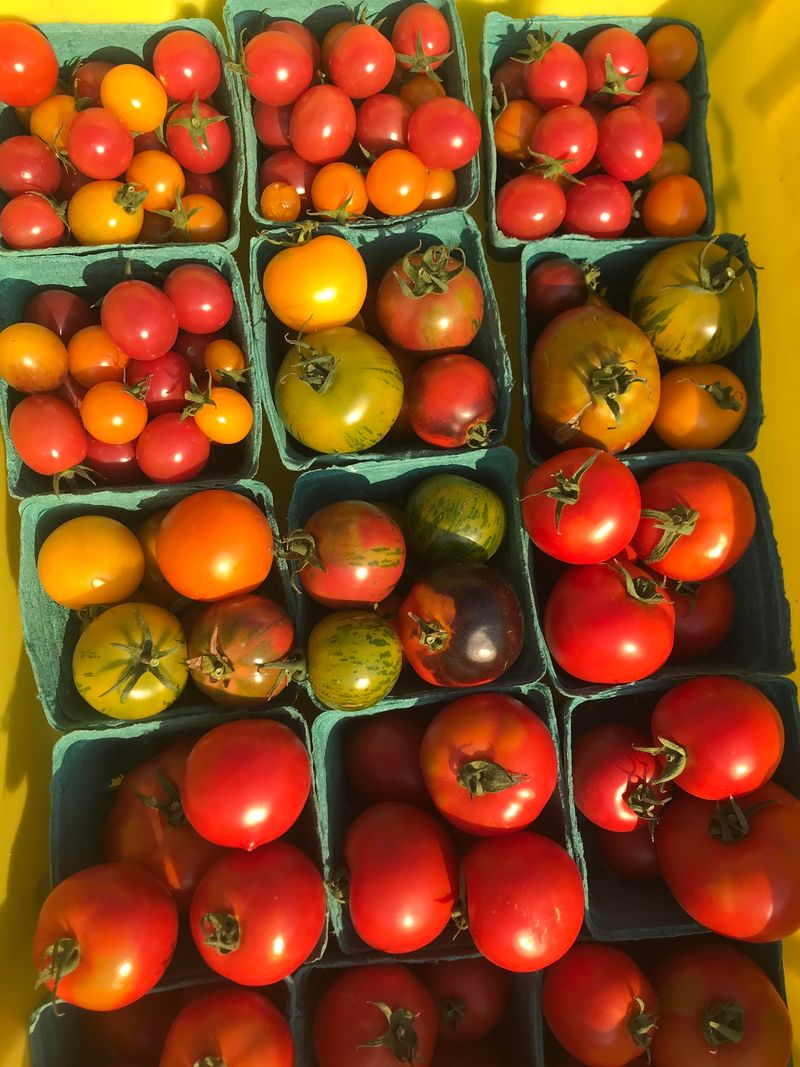
A few degrees might sound tiny. At 6,300 feet in Idaho, though, it can be the difference between frosted squash and dinner.
Mountain valleys tend to collect cold air after sunset. That’s why so many high-country gardeners keep frost blankets close in midsummer.
This breeze gives the farm a small but real edge. Combine it with crop varieties already tested in local conditions, and the odds improve noticeably.
I can’t imagine farming here without paying close attention to every shift in the weather. Each season becomes a long conversation with the sky.
The result is a harvest that keeps rolling through summer. Tender greens, herbs, and flowers come in steadily while the calendar keeps reminding everyone how short warm weather is.
Nature still has the final word, of course. But this farm gets a slightly friendlier vote than most.
Weekly CSA Boxes From Mid-June Into Early October
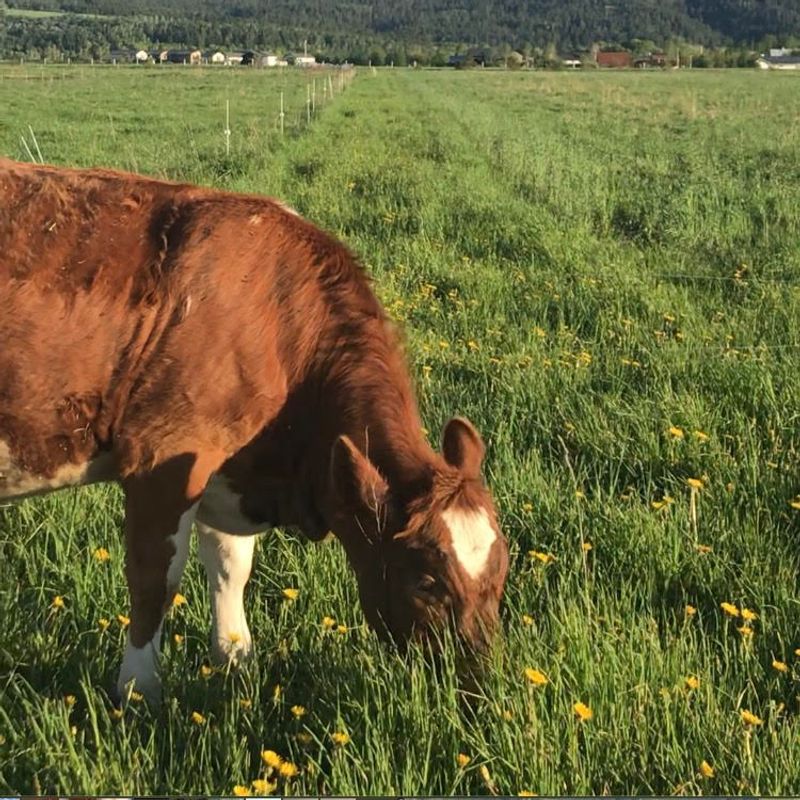
About 200 families get a share of this farm’s harvest each season. That’s the CSA, short for Community Supported Agriculture.
Members sign up ahead of time, and the farm delivers produce weekly. Boxes typically start in mid-June and continue through early October.
The program serves communities in Teton Valley, Idaho. It also reaches Jackson and Wilson over in Wyoming.
What lands in each box follows the season. Early summer leans toward fresh greens and herbs, while later weeks bring the fuller harvest.
Members can also add farm-raised beef, pork, and eggs through the CSA. That’s a nice bonus for anyone trying to cut down on grocery store runs.
I like how a CSA changes the way a family cooks. You start planning meals around what the field gave you, instead of a recipe you saw online.
Spots and details can shift from year to year. Check with the farm before the season starts if you’re hoping to join.
Remember, this program started with just eight members back in 2000. Plenty of people clearly liked what showed up in those boxes.
You’ll Find Their Tables At Three Different Markets
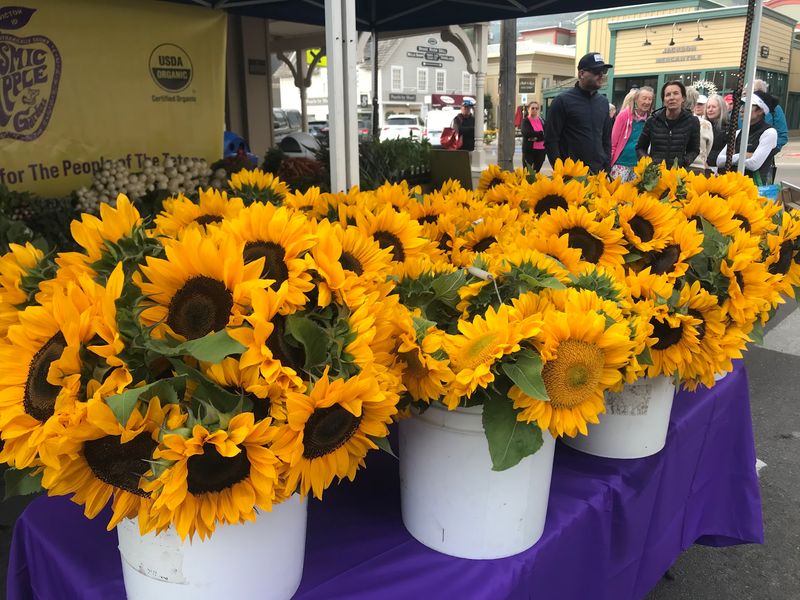
Not ready to commit to a whole season of boxes? Fair enough, because the farm shows up at markets too.
Cosmic Apple Gardens sells produce, herbs, and flowers at several regional farmers markets. The list includes the Driggs Market in Idaho.
The farm also appears at the Jackson Farmer’s Market. Another stop is The People’s Market.
Markets are an easy way to test the waters. Grab a bunch of herbs, a handful of greens, or a flower bouquet and see what the fuss is about.
Flowers have been part of the story since Dale Sharkey joined in 2002. She took on flower management and helped run market days.
Market schedules change with the season. Check current dates before heading out, especially early or late in summer.
For Teton Valley folks, the Driggs market keeps things close to home. For visitors coming over the pass, Jackson offers another chance to stock up.
Either way, you’re buying from the same mountain fields. The basil may have traveled a few miles, but it didn’t cross an ocean to reach you.
Plant Starts For Gardeners Fighting Short Seasons
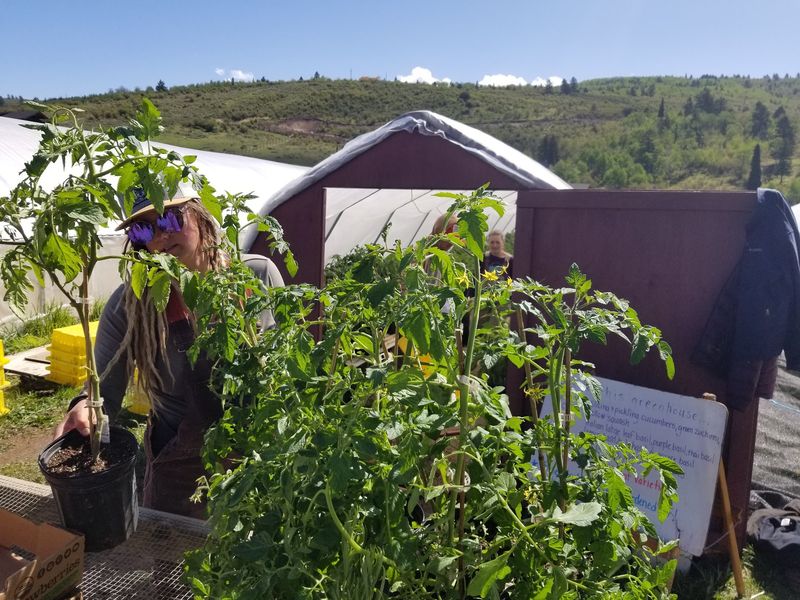
Gardening in Teton Valley can feel like a dare. Seeds sprout, then a cold snap shows up uninvited.
That’s where the farm’s plant starts come in. They’re certified organic and Biodynamic, and grown for this exact climate.
Home gardeners can pick them up right at the farm in Victor. The address is 397 E 8500 S, Victor, ID 83455.
Compost and potting soil are available too. That means one stop can cover seedlings plus the stuff they’ll grow in.
Want more help? The farm offers on-site garden consultations, drawing on decades of farming in this demanding local climate.
That’s a big deal for newcomers to the valley. Plenty of folks move here from lower elevations and learn the hard way that tomatoes have opinions.
Owners are described as helpful when it comes to seedlings. That fits a farm that has spent 30 years figuring out what works up here.
Spring is the natural window for starts. Check availability before you drive, since timing depends on the season and the weather.
A Self-Serve Farm Store And Some Surprising Shelf Items
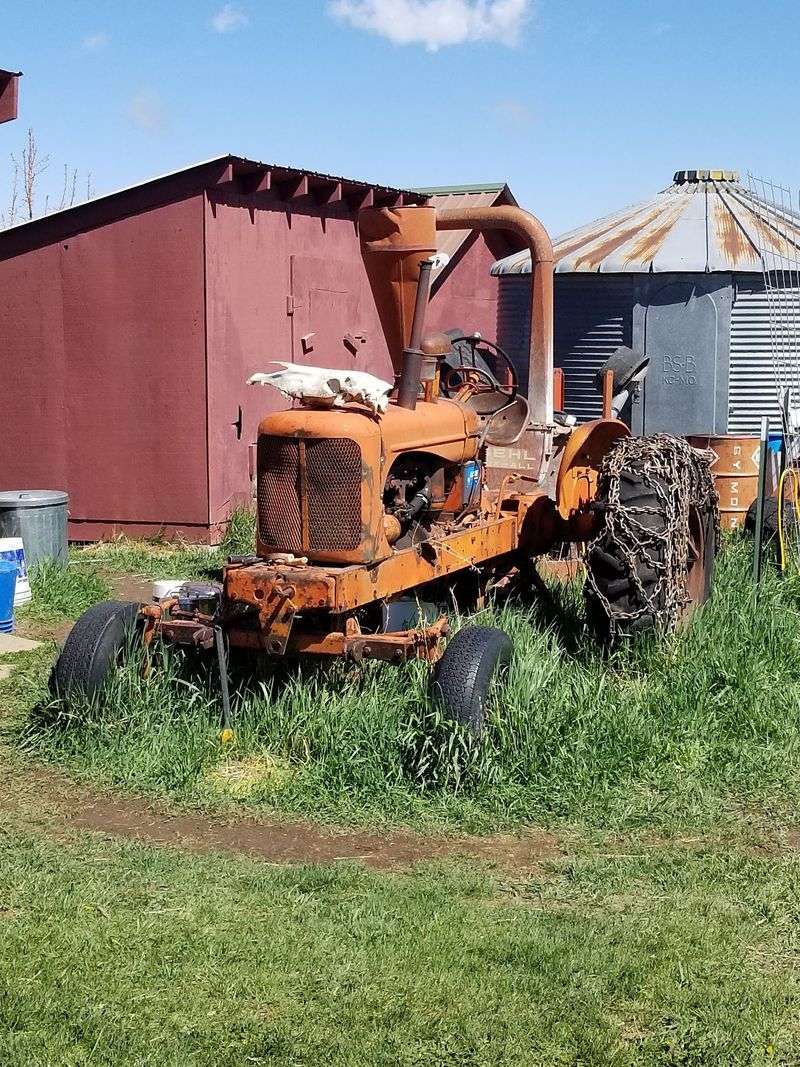
Honor-system shopping still exists in Idaho. The farm keeps a self-serve store stocked with seasonal produce.
Shelves also hold culinary herbs and medicinal teas. It’s a handy stop for anyone who wants farm goods without waiting for market day.
Then there’s the tallow balm. Since 2024, the farm has made Organic Tallow Balms.
The farm holds certification as the world’s first and only 100% Organic Tallow Balm. That’s quite a title for a small mountain operation.
One version carries a lavender scent. Fans describe it as light yet deeply nourishing on the skin.
Tallow comes from beef fat, which connects nicely to the cows grazing on the farm’s pasture. Little goes to waste on a whole-farm system like this.
Beef, pork, and eggs can also be purchased directly at the farm. So the store reaches well beyond vegetables.
Stock changes with the season, of course. Late summer shelves won’t look like spring ones, and that’s half the fun.
Check before driving out if you’re after something specific. Otherwise, just show up curious.
Land Protected For Farming Well Into The Future
Teton Valley has changed a lot in recent decades. More homes, more visitors, and more pressure on open land.
Against that backdrop, this farm made a lasting choice. A conservation easement now protects the property through the Teton Valley Regional Land Trust.
The easement keeps the land dedicated to agriculture. No subdivision is sneaking onto those silt loam fields.
For anyone who’s watched an Idaho town shift around them, that matters. Working farms are part of what gives this valley its character.
Remember that the 30 acres came together with community help back in 2001. The easement feels like a natural next chapter to that story.
I believe protecting farmland is one of the smartest gifts a valley can give itself. Fresh food grown nearby is hard to replace once the ground is paved.
Families who join the CSA are part of that too. Each weekly box supports the farm staying exactly what it is.
Thirty years in, this land still grows vegetables, herbs, flowers, and pastured animals. Thanks to that easement, it should keep doing so long after today’s seedlings are compost.
Worth Getting To Know Before Summer Starts
A farm at 6,300 feet has no business growing this much food. Yet Cosmic Apple Gardens has done it for three decades.
Credit the wind-built soil and the Teton snowmelt. Add a warm night breeze and years of careful variety choices.
Families in Teton Valley, Jackson, and Wilson can join the weekly CSA. Market shoppers can find the farm in Driggs and around Jackson.
Home gardeners get organic starts, compost, and advice from people who know this climate. Curious shoppers can poke around the self-serve farm store.
It suits food lovers, new valley residents, and anyone who likes knowing their farmer by name. Kids who think carrots come from plastic bags might learn something too.
The CSA season runs from mid-June into early October. Plan ahead if you want a spot, since membership is limited.
Victor sits on the Idaho side of Teton Pass, an easy drive from Driggs. Check before you go for store and pickup details.
Small farms like this keep Idaho valleys rooted. Thirty years of basil, beets, and bouquets prove mountains can be generous.