Texas’ New 4,871-Acre State Park Is Finally Open For Visitors To Explore
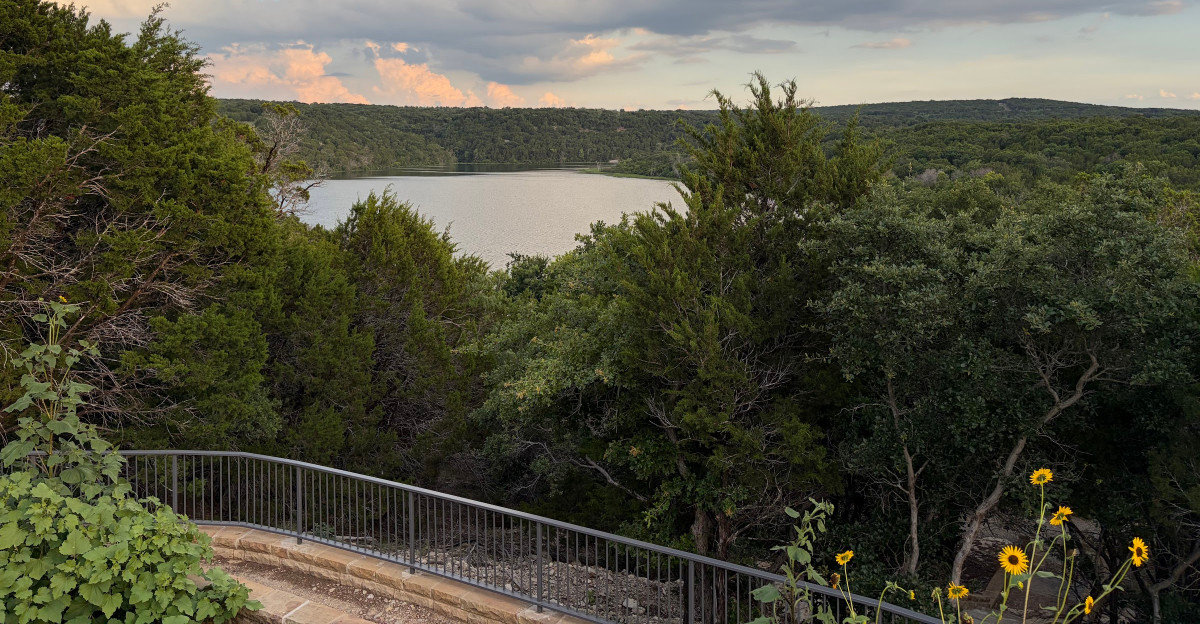
Four thousand, eight hundred seventy-one acres of hills, creeks, and lake shore.
That’s the answer. Now for the question that makes it interesting: how much brand-new state park land did Texas just open to the public?
The explanation is worth hearing. New state parks almost never happen, so a fresh one feels like finding a whole new room in your house.
This one sits about an hour and a half west of Fort Worth, close enough for a spur-of-the-moment day trip.
It also comes with a lake, trails for hikers, bikers, and horses, and wind turbines turning on the ridges nearby. What do you tackle first?
The Long Wait Finally Paid Off For This Shiny New Park
Brand-new state parks are rare, and that alone makes this one a big deal. Palo Pinto Mountains State Park welcomed its first visitors on March 1, 2026, with a grand opening celebration following on April 10.
The park covers 4,871 acres of former ranchland near Strawn. It’s the first new state park to open in North Texas in more than 25 years.
The state acquired the initial property in 2011. Additional land and years of construction brought trails, campsites, picnic areas, and lake access to the wooded hills. Some finishing work continues, so follow signs around construction areas.
The Palo Pinto Mountains are rugged limestone hills rather than snowcapped peaks. Junipers cover the slopes, while oaks and elms grow in sheltered creek bottoms.
Accessibility received special attention, too. About 1.25 miles of trails are accessible, and visitors can arrange to borrow all-terrain wheelchairs for certain rugged routes.
Bring a map and take your pick. A short walk can reveal surprisingly big views.
Tucker Lake Steals The Show Without Even Trying
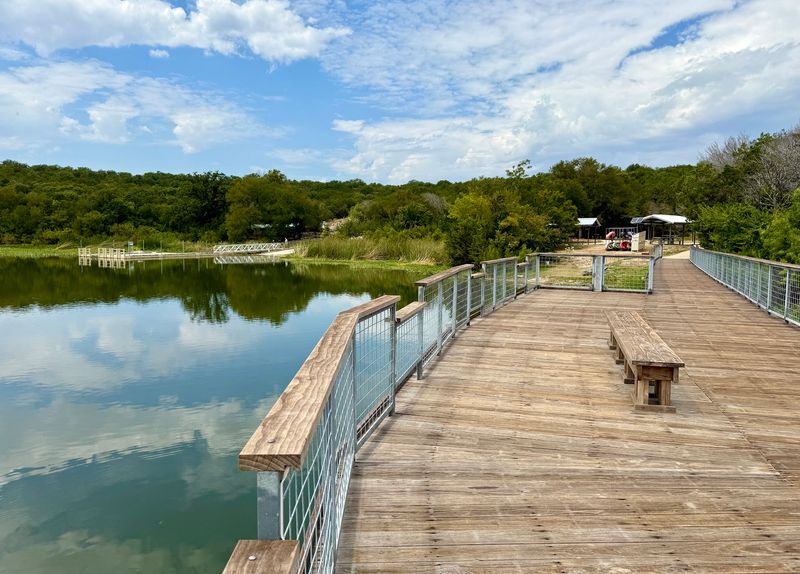
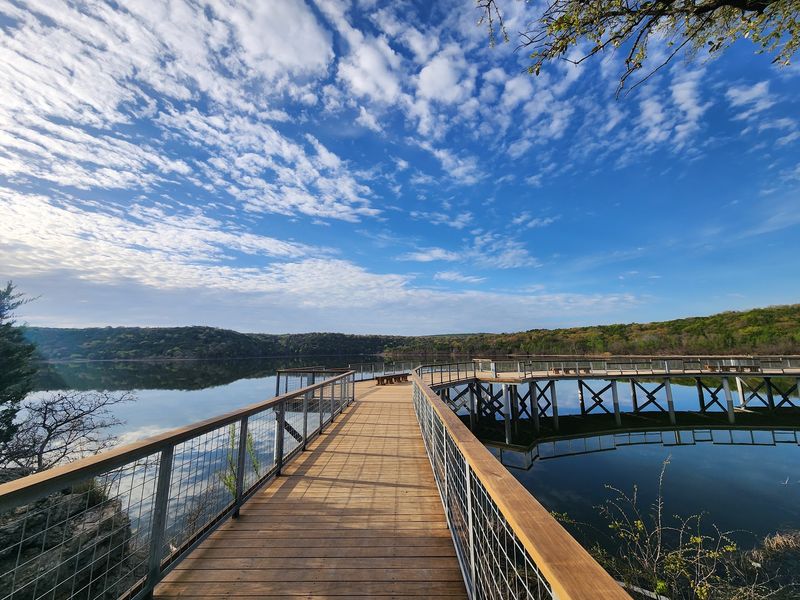
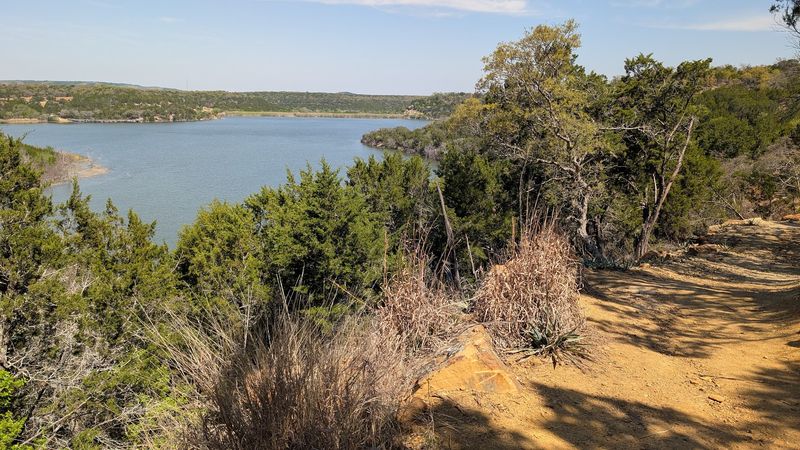
Right in the middle of the park sits Tucker Lake, and it pulls everyone toward it like a magnet. Calm water, rocky shorelines, and green hills make it the natural centerpiece.
The 90-acre lake was created in 1937 when a public works project dammed Russell Creek. It once supplied water and recreation to nearby Strawn and remains an inviting spot for fishing and paddling.
Anglers can use an accessible pier with nearby fish-cleaning stations. Fishing gear is available to borrow, and a license isn’t required to fish within the park.
Here’s a rule worth knowing before packing swimsuits: swimming is permitted, although the lake has no developed swimming beach. Enter carefully, check conditions, and keep swimming separate from the fishing pier.
Picnic areas and a playground make the shore an easy place for families to spend an afternoon. A short accessible lakeside path also passes remnants of old vacation cottages.
Some lake visitors might bring fishing rods. Others only need a picnic and a view.
Grab A Paddle Because The Water Belongs To Kayakers
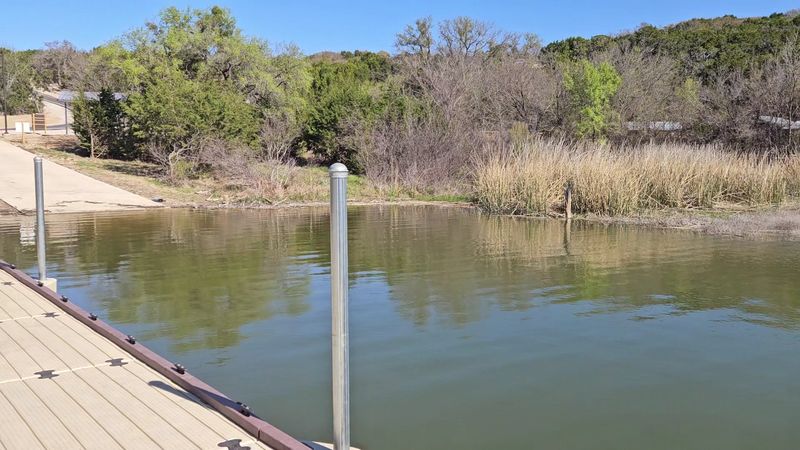
Quiet water and wooded coves add up to one thing: Tucker Lake is made for a slow paddle. Kayaks and paddleboards glide along the shore while the hills stand guard.
The park has a boat ramp and an accessible canoe-and-kayak launch, making it easier to bring your own craft onto the water. Gasoline and diesel-powered boats aren’t allowed, so the atmosphere suits paddlers and quiet exploration.
Bring your own kayak or canoe, or arrange equipment before the trip. That way, you can head straight to the launch when you arrive.
Morning is a smart time to launch, when conditions may be calmer and the sun is gentler. Wear a life jacket, take drinking water, and keep valuables in a dry bag.
Watch for birds near the reeds and rocky banks. Giving wildlife plenty of space makes the outing more enjoyable for everyone.
Lace Up For Trails That Wind Through Creeks And Cliffs
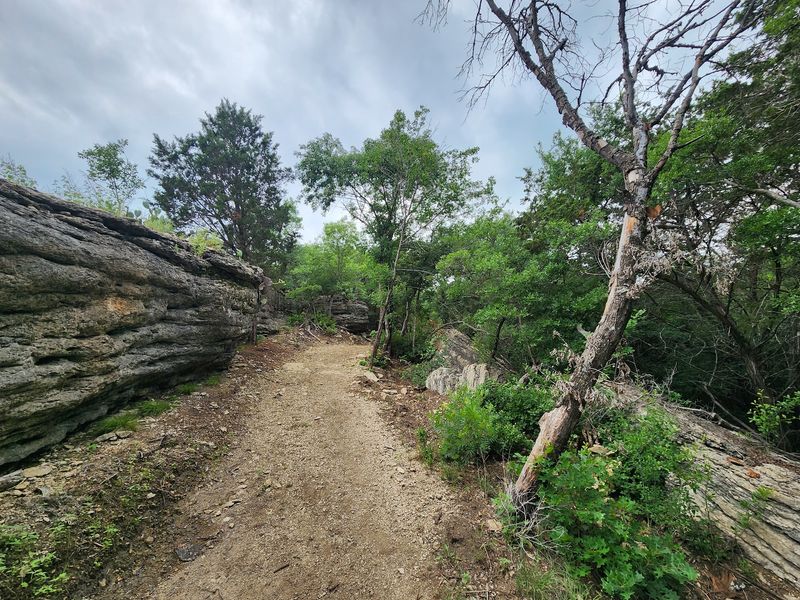
Ben’s Trail, Tucker Lake Trail, Cross Timbers Trail, and the Texas and Pacific Trail all wait for you here. The park offers about 16 miles of hiking and biking routes across hills, prairies, and creek valleys.
For a gentler outing, Raptor Ridge Trail is an accessible one-mile round trip with overlooks. Palo Pinto Creek Loop covers approximately 1.3 miles, crossing a shaded streambed that can become wet after rainfall.
Tucker Lake Trail runs 4.2 miles through limestone hills around the water. A section crossing the dam has been closed since October 27, 2026, with a marked detour through Russell Creek Equestrian Campground.
The longest route stretches roughly eleven miles round trip, heading toward the park’s remote western side.
Download a trail map before you arrive. Cell service can be unreliable, creek crossings need caution, and exposed slopes become hot in summer.
Cyclists should choose a route suited to their experience, while everyone should start with plenty of water.
Horses Get Their Own Campground, And They Earned It
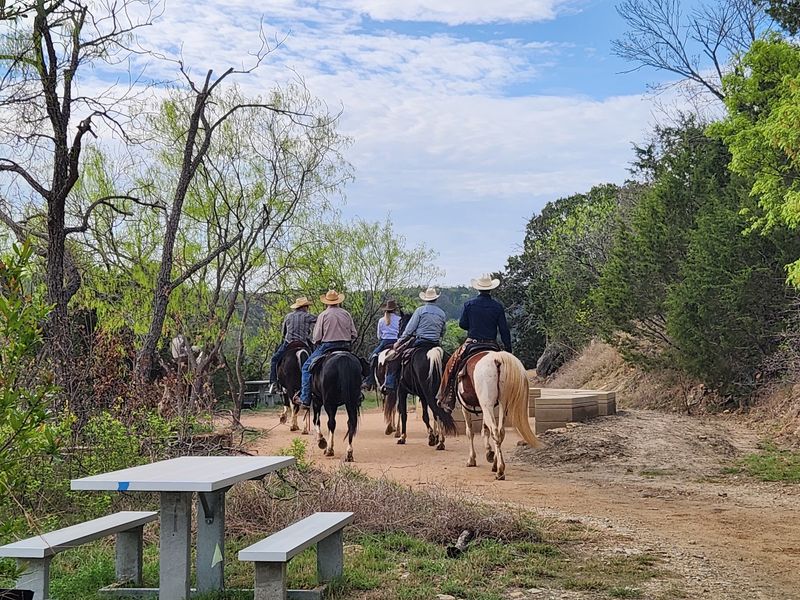
Saddle up, because riders were clearly part of the plan from day one.
Russell Creek Equestrian Campground offers ten sites with water and electric hookups, designed for campers arriving with horses.
Each site accommodates up to four horses. Restrooms and showers are nearby, and an accessible mounting platform makes preparing for a ride easier. Two sites also have accessible layouts.
Horses can use designated shared trails that pass rocky slopes, meadows, and wooded creek bottoms. Hikers and cyclists share some routes, so give everyone room to pass comfortably.
There are a few practical rules to remember. Horse owners must bring documentation of a current negative Coggins test, along with appropriate feed and other supplies.
Raptor Ridge and the accessible Connecting Trail don’t allow horses. Check the route markings before heading out, especially where paths intersect.
The reward is an unhurried look across the Cross Timbers landscape from the saddle. Wildflowers and open views make a ride feel like its own small adventure.
Pick Your Campsite Style, From RV Comfort To Backpack Simple
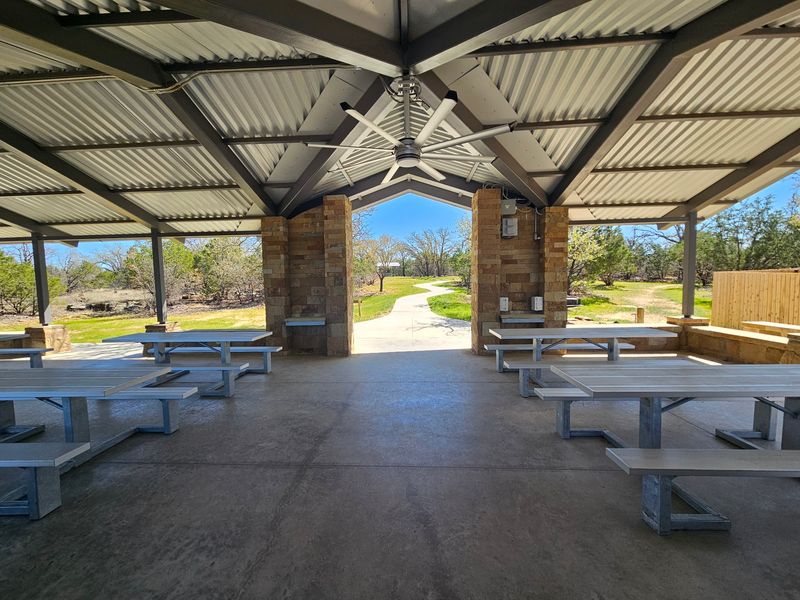
Camping here comes in several flavors, and each one feels different. Warbler Ridge currently offers 23 water-and-electric sites with picnic tables, grills, and a nearby bathhouse with showers.
Painted Stick provides twelve walk-in tent sites, with water and vault toilets nearby. They’re a comfortable middle ground for campers who want a little separation from their vehicles.
For something more remote, Bristol Backcountry has thirteen primitive sites reached by a hike of roughly two miles.
There’s a composting toilet but no drinking-water supply, and campfires aren’t permitted in that area. Bring a camp stove and everything you’ll need for the hike.
The park also offers ten equestrian campsites in a separate area. Several accessible sites are available among the developed campgrounds.
Train tracks follow the park’s northern boundary, so you might hear a train passing after dark. Light sleepers can plan accordingly.
The Visitor Center Turns History Into Something Fun
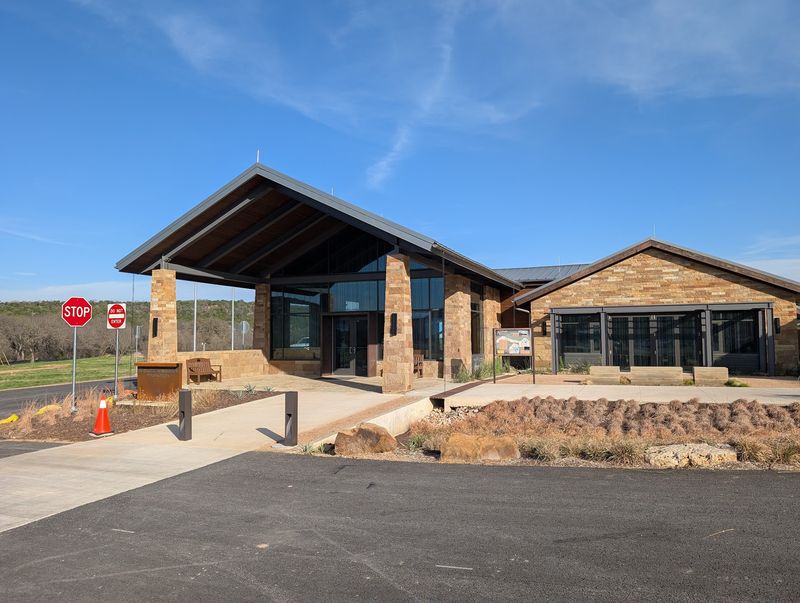
Railroads, ranching, and old settlements all shaped this corner of the state. The headquarters is a useful starting point for understanding the landscape before setting off to explore.
Indigenous communities lived here for thousands of years, using local stone and plants in everyday life. Later, the Texas and Pacific Railroad brought new commerce to Strawn, and trains still pass along the park’s northern boundary.
An early twentieth-century oil settlement called Wiles once occupied part of the property. Traces of the former community remain, while Tucker Lake recalls a public works project completed in 1937.
Families can learn more through ranger activities. Children may pick up a Junior Ranger journal or borrow an explorer pack to help investigate plants and wildlife.
The headquarters staff can also suggest suitable trails and help arrange the park’s all-terrain wheelchairs.
A few minutes learning about the history gives the old railroad features, creek valleys, and hilltop views another layer of meaning.
Stick Around After Sunset For A Sky Full Of Stars
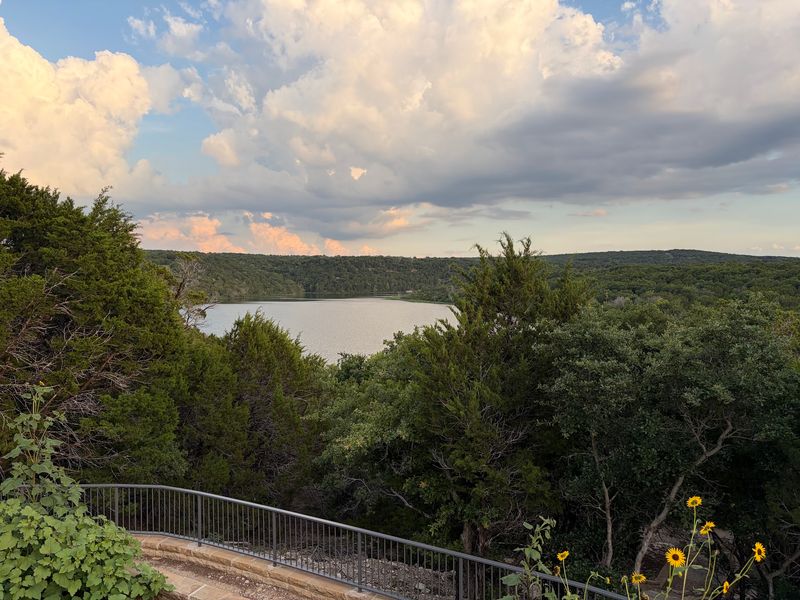
When the sun drops, the show simply changes channels. The park’s open hills and distance from big cities make stargazing a tempting reason to camp overnight.
Settle into your campsite and let your eyes adjust. With fewer nearby lights, constellations stand out more clearly, and the countryside grows quiet. A red-light flashlight helps preserve night vision while moving around camp.
Before sunset, stop by Canyon View Overlook for rolling hills and wide-open sky. Trains may appear along the distant tracks, with wind turbines visible across the surrounding ridges.
Daytime wildlife watching is rewarding, too. Deer, wild turkeys, and many kinds of birds inhabit the Cross Timbers. Different seasons bring changing colors, from spring wildflowers to autumn foliage.
Keep food stored properly and give animals room to roam. The park’s day-use hours extend through 10 p.m., while registered campers can enjoy the full night outdoors.
Sometimes the most memorable part of a busy hiking day happens after you’ve finally sat down.
Strawn Makes The Trip Even Better, So Plan Some Extra Time
Finding the park is easier once you know the route. The entrance is at 100 Park Road 77, Strawn, just north of Interstate 20.
From Fort Worth, take Exit 361 toward Strawn, then follow FM 2372 for about four miles to the park road. Plan roughly an hour and a half for the drive, depending on traffic.
Strawn makes a useful stop for supplies or a meal. The small town grew around ranching and the railroad, and local heritage exhibits preserve stories from that era.
The park opens daily from 8 a.m. to 10 p.m., while headquarters generally operates from 8:30 a.m. to 4:30 p.m. Reserve a day pass before visiting because weekends and holidays can reach capacity.
Trail conditions can change after rain, and construction work may affect particular areas, so build flexibility into the day.
Come for the lake, return for the trails, or spend a weekend camping. The newest state park in Texas has plenty of reasons to make another visit.