Sixteen Thousand Years Of History Wait Inside The Idaho Museum Of Natural History In Pocatello
A shark with a spiral of teeth shaped like a buzz saw once swam over what is now Idaho. One small university museum holds more fossils of that strange fish, called Helicoprion, than anywhere else on Earth.
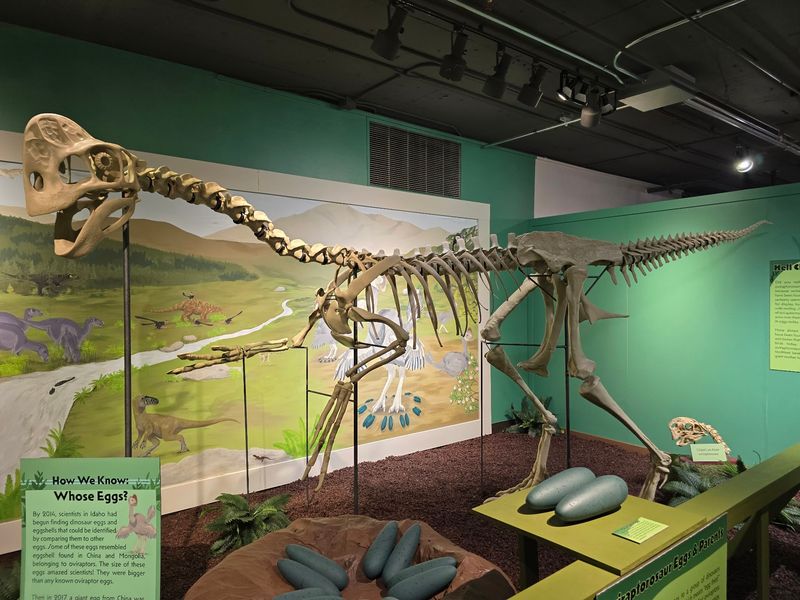
That alone would justify a road trip. The same building also shows off a full-size Gigantoraptor skeleton and the official state dinosaur, a little plant-eater that dug burrows.
I like how the place links those ancient oddballs to the people, plants, and animals of southeast Idaho today. The human story it explores reaches back thousands of years, and the collections cover a staggering amount of ground.
I can’t imagine a better afternoon plan for curious kids or grown-ups who never outgrew dinosaurs. So which would you check out first, the buzz-saw shark or the giant bird-like dinosaur?
Idaho’s Official Natural History Museum Sits Right On A College Campus
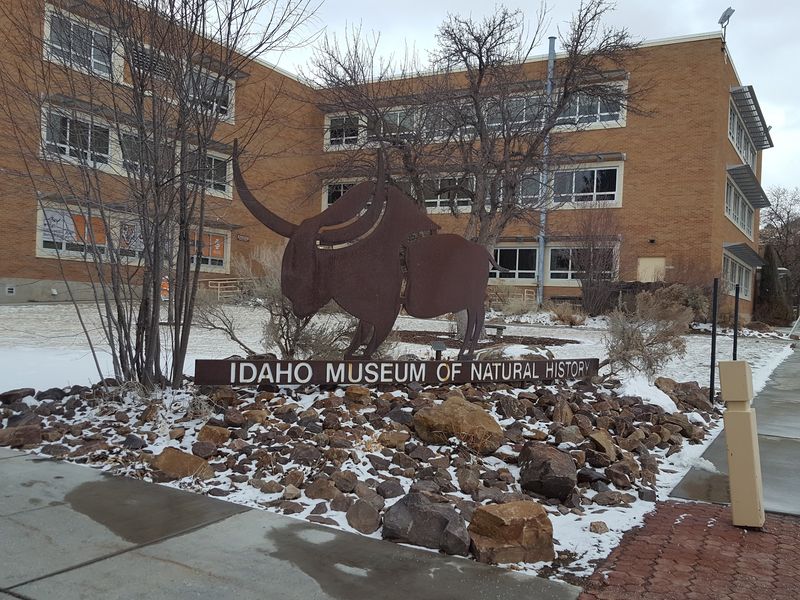
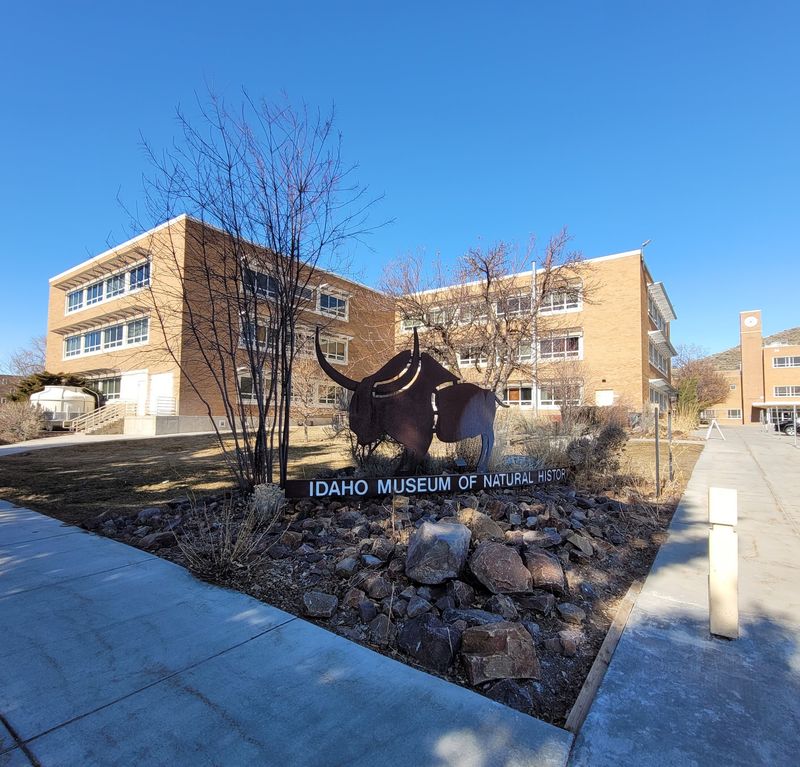
Plenty of states keep their big natural history museum in a capital city skyscraper. Idaho tucked its official one onto the Idaho State University campus in Pocatello, and it works beautifully.
The Idaho Museum of Natural History is the state’s official natural history museum. It documents the natural and cultural story of Idaho and the wider Intermountain West, from rocks to reptiles to people.
Calling it small is fair, and that’s part of the appeal. You can see a lot without hiking ten miles of hallways or needing a map and a snack break.
The museum is organized around three big areas of study. Anthropology, earth sciences, and life sciences each get their own galleries and research collections behind the scenes.
Being part of a university matters here. Many artifacts on display were recovered and studied by Idaho State University staff and students, so the science feels close to home.
That campus connection also means the museum isn’t frozen in time. Fresh research keeps feeding new exhibits, which is exactly how a dinosaur gallery that opened in 2023 came together.
Not bad for a building most folks drive right past on their way through southeast Idaho.
Sixteen Thousand Years Of People Leave Plenty To Talk About
Archaeologists have found evidence that people lived in what is now Idaho more than 16,000 years ago. That discovery, from the Cooper’s Ferry site in western Idaho, pushed back the timeline for people in North America.
Numbers like that are hard to wrap your head around. Sixteen thousand years means people were here while Ice Age animals still roamed the region.
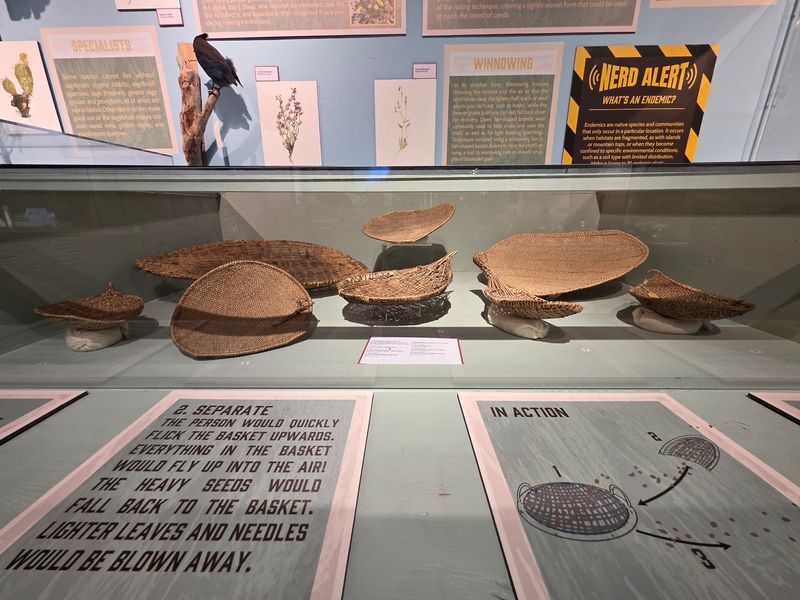
The anthropology collections at the Idaho Museum of Natural History focus on Idaho’s Native peoples, both past and present. That second part matters, because these communities are very much still here and still shaping the state.
Exhibits explore tools, daily life, and how people adapted to the land over thousands of years. It’s a reminder that Idaho history didn’t start with wagon trains and mining claims.
Pocatello itself carries the name of a Shoshone leader. Walking these galleries gives that name extra weight once you see how deep the roots of the region really go.
Plenty of detailed signs explain what you’re looking at. So even if you can’t tell a scraper from a spear point yet, you’ll leave knowing the difference and probably quizzing everyone in the car.
The State Dinosaur Finally Got A Gallery Worthy Of Its Burrow
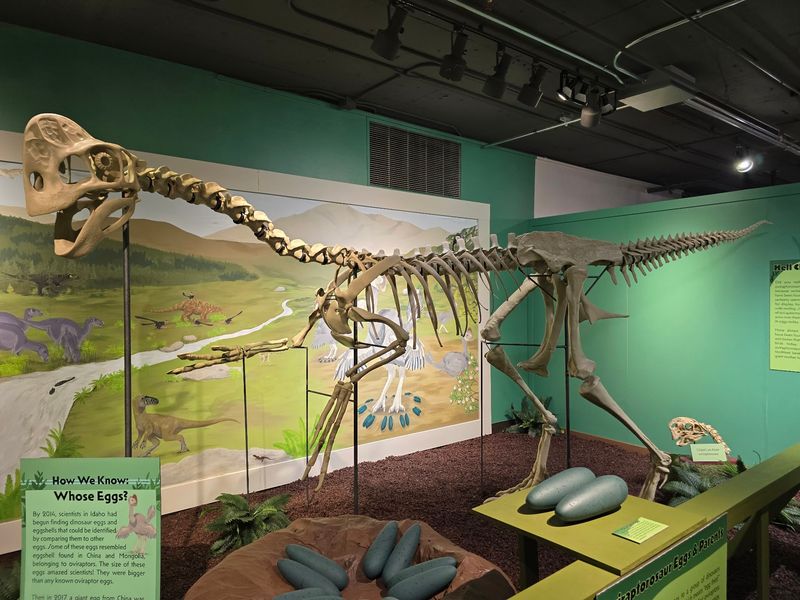
Idaho’s state dinosaur dug holes for a living. Oryctodromeus was a small plant-eater that built burrows, and it stars in the exhibit called Dinosaurs from the Mountain.
The gallery opened in October 2023. It features fossils from southeast Idaho’s Wayan Formation, a lush forest ecosystem that existed around 100 million years ago.
Here’s the fun part. The museum describes it as the only place in the country where you can see all of Idaho’s dinosaurs together under one roof.
Then there’s the showstopper. A full-size Gigantoraptor skeleton towers over the room, and the museum says it’s the only one displayed outside of China.
Gigantoraptor earned the nickname chicken from hell, which tells you everything about its look. Picture a feathered relative of birds, only way taller than any farm rooster would dare to be.
The supporting cast is great too. Armored plant-eaters, tiny mammals, and fox-like crocodiles round out the scene, with original fossils sharing space with detailed 3D replicas.
Kids get to see how scientists rebuild a lost world, and adults get to finally learn which dinosaur belongs to Idaho.
A Buzz-Saw Shark Will Rearrange Your Idea Of Ancient Idaho
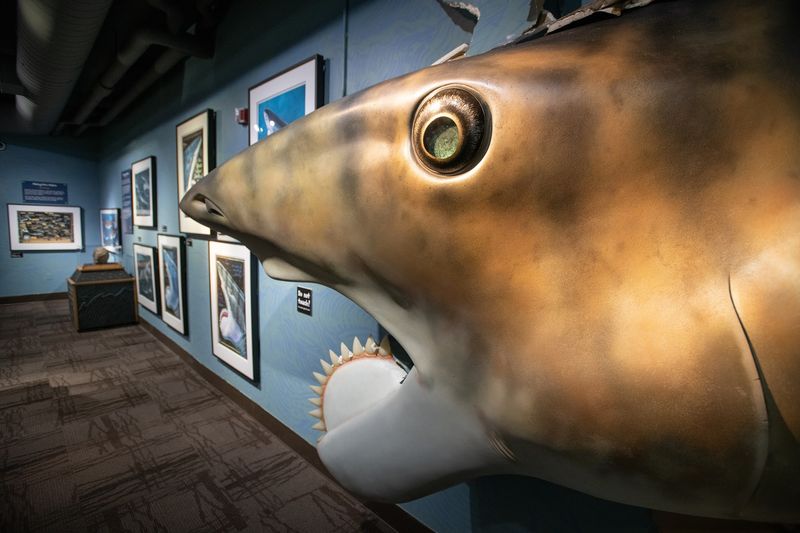
Long before potatoes, Idaho had Helicoprion. This ancient fish carried a coiled whorl of teeth that looks like a circular saw blade somebody dropped in a quarry.
The Idaho Museum of Natural History holds the largest collection of Helicoprion fossils in the world. That’s a genuine world record parked in a college museum in Pocatello.
Why so many here? Southeast Idaho’s rock layers formed under ancient seas, and phosphate deposits in the region have turned up these strange spirals for years.
For a long time, scientists argued about where that whorl even sat on the animal. Research using fossils from this collection helped show it sat in the lower jaw.
Seeing several of them together makes the weirdness hit harder. One tooth spiral looks like a curiosity, but a whole row starts to feel like evidence from another planet.
It’s the kind of exhibit that sparks dinner table debates. Shark or not a shark?
Saw or snail shell? Helicoprion is actually more closely related to ratfish than to modern sharks.
Either way, you’ll leave with a fun fact that beats anything your coworkers brought back from their weekend.
Ice Age Giants Once Wandered The Snake River Plain
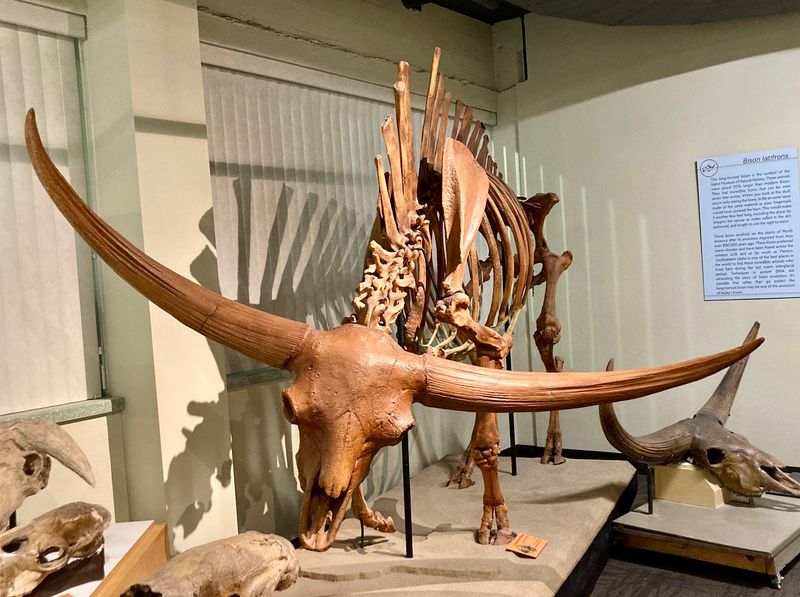
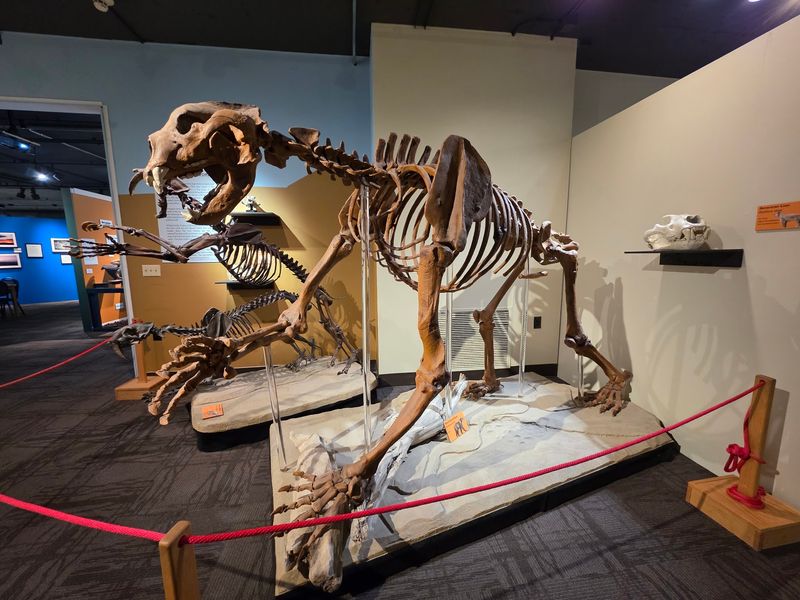
Giant bison with horns wider than a pickup’s tailgate once grazed across southern Idaho. Their skeletons now anchor the earth science galleries, and they make a serious first impression.
Saber-toothed cats join the lineup too. So does the Hagerman horse, Idaho’s state fossil, which came from the famous beds near Hagerman in the Magic Valley.
These exhibits explain the forces that built Idaho over millions of years. Volcanoes, floods, and shifting climates all left marks you can still read in the rocks today.
Ancient trackways show where creatures actually walked. Footprints have a way of making history personal, because something stood right there and took a step.
Minerals and fossils fill out the rest of the space. For families who collect rocks on every hike, this is where those pocket treasures finally get some context.
Behind the scenes, the earth science collection supports research in paleontology, geology, and paleobotany. That means the bones on display belong to a working scientific record, not just a pretty arrangement.
The next time you cross the Snake River Plain on the interstate, the flat landscape will look a lot more crowded with ghosts of giant grazers.
Snakes, Spiders, And A Mountain Of Pressed Plants Fill The Living Galleries
Flying squirrels live in Idaho. So do kangaroo rats, and both show up in the life science galleries alongside beavers, marmots, and plenty of other native critters.
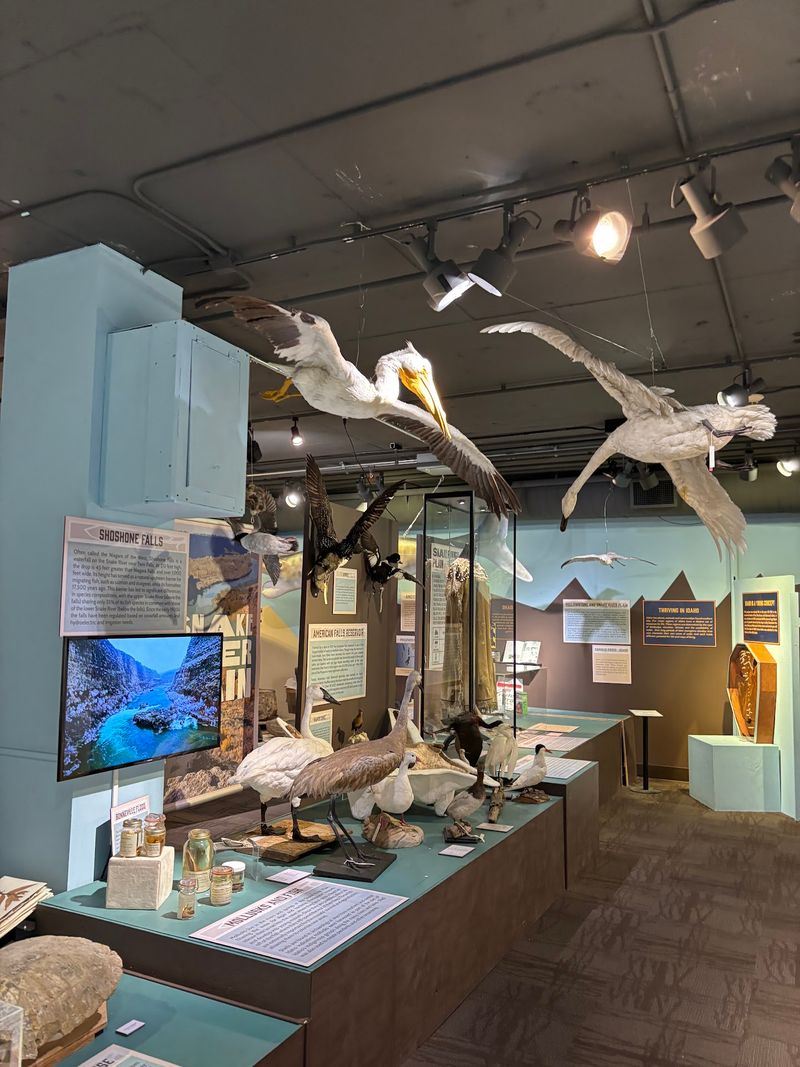
The focus here is the plants and animals of the Snake River Plain. Native reptiles, amphibians, and fish get their moment, along with mounted mammals and detailed dioramas.
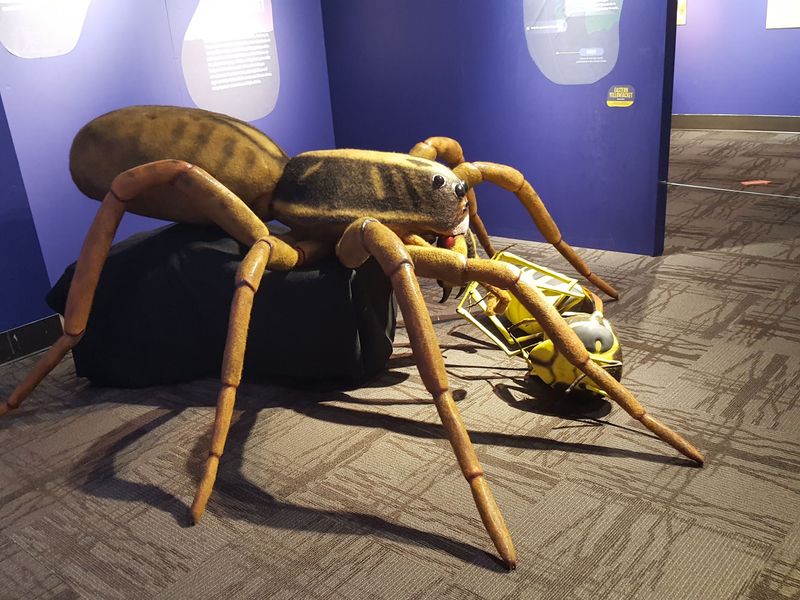
A snake exhibit adds a little thrill for anyone who likes their nature with a side of goosebumps. A giant wolf spider display is another memorable stop, so arachnophobes might want a buddy nearby.
The real numbers live behind closed doors. The Ray J.
Davis Herbarium holds more than 70,000 pressed plants, mosses, fungi, and lichens.
The zoological collection keeps going from there. It includes roughly 1,200 mammals, 1,800 birds, 2,500 reptiles, and 1,000 fish preserved for study.
Across all divisions, the museum cares for more than a million specimens. That’s a lot of Idaho saved in drawers, jars, and cabinets for future scientists to learn from.
You’ll also spot Idaho’s state symbols, from the flower to the bird, which makes a handy refresher for anyone who slept through fourth-grade state history.
Little Explorers Get Their Own Spot To Touch, Color, And Read
Touching is allowed in certain corners, which is music to any parent’s ears. The Discovery Room was built for kids, with interactive science stations covering earth and life sciences.
Hands-on objects let young visitors feel textures and shapes instead of just reading labels. That kind of learning sticks better than any lecture from the back seat.
A book nook offers a quiet place to sit and read. Coloring pages tied to Idaho’s state symbols give younger kids something to do while grown-ups linger at the fossils.
Staff have handed out scavenger hunts to families too. It’s a clever trick, because a checklist keeps small attention spans locked onto the exhibits.
Outside, the learning moves into fresh air. A Tree Walk and a Natural History Garden add open space for exploring, and there’s grass for burning off extra energy.
The museum has also worked on new programming aimed at its younger audiences. If your crew loves classes or events, checking the calendar before you go pays off.
Between the touch stations, books, and outdoor space, this might be the rare outing where nobody asks when it’s time to leave.
Know The Parking Trick Before You Pull Onto Campus
Campus parking can trip up first-timers, so here’s the scoop. Museum visitors can park in Idaho State University’s G01 lot, with validation available at the museum desk on weekdays.
The museum has said it’s working with university parking to improve things for guests. If something goes sideways, staff at the front desk are the people to ask.
The Idaho Museum of Natural History sits at 698 E Dillon St, Pocatello, ID 83201. Pocatello is an easy stop off I-15 for anyone traveling through southeast Idaho.
Hours vary across the week, with afternoon openings on most days and a longer Saturday. Schedules can shift around holidays and university events, so check before driving.
Admission is modest, and the museum takes part in the Museums for All program. Visitors with an EBT card can get in free, which makes it a great low-cost outing.
A gift shop rounds out the trip with fossil-themed jewelry and souvenirs at friendly price points. Plan for a couple of hours if you like reading every sign.
Families with younger kids can do a solid loop in less time and still see the big headliners.
Small Building, Huge Idaho Story, Easy Yes
Accreditation from the American Alliance of Museums isn’t handed out casually. The Idaho Museum of Natural History holds it, which puts this campus museum among respected institutions nationwide.
The museum also refuses to stay put. Its Mobile Museum, part of the Museum Everywhere Program, brings touchable fossil displays and replicas to communities across Idaho.
Support from the David B. Jones Foundation helps fund that effort.
The goal is to reach every library district in the state on a rotating basis, with free access to dinosaur exhibits.
So kids in the Panhandle or a tiny Camas Prairie town might meet these fossils without a long drive. That’s a generous way to share a state treasure.
Still, nothing beats the real building. Where else can you see Idaho’s state dinosaur, a towering Gigantoraptor, and the world’s biggest Helicoprion collection in one afternoon?
Add Ice Age giants, snakes, a spider worth bragging about, and a corner for curious kids. It’s compact, packed, and proudly Idaho from end to end.
If you’ve driven through Pocatello a dozen times without stopping, consider this your nudge to finally pull off the interstate and say hello to the buzz-saw shark.