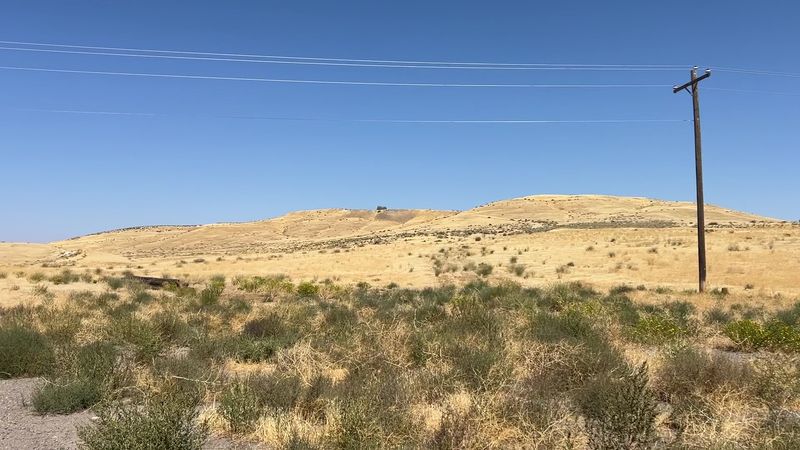
Steam Rises Off The Snake River As Thousands Of Waterfowl Winter At Deer Flat Refuge Near Nampa, Idaho
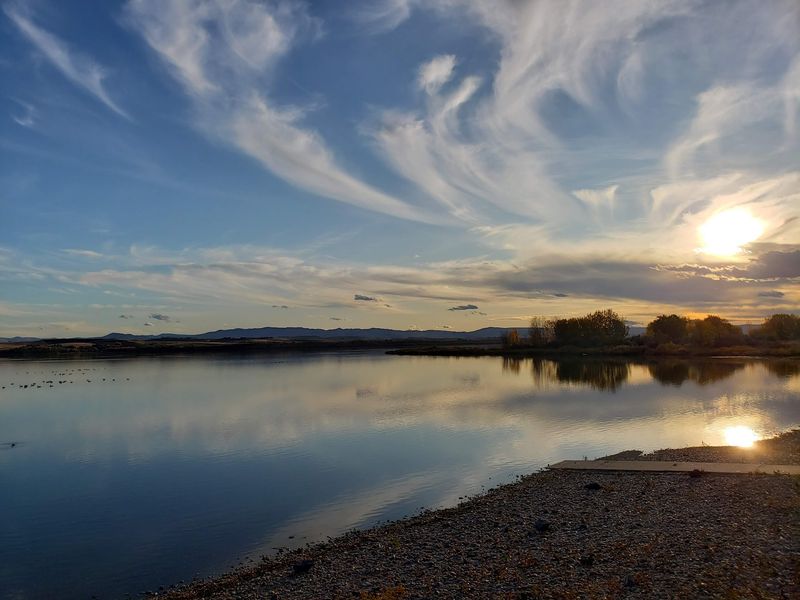
Every fall, a nearly 9,000-acre lake closes most of its water to boats so ducks and geese can have it to themselves. That’s a serious act of hospitality.
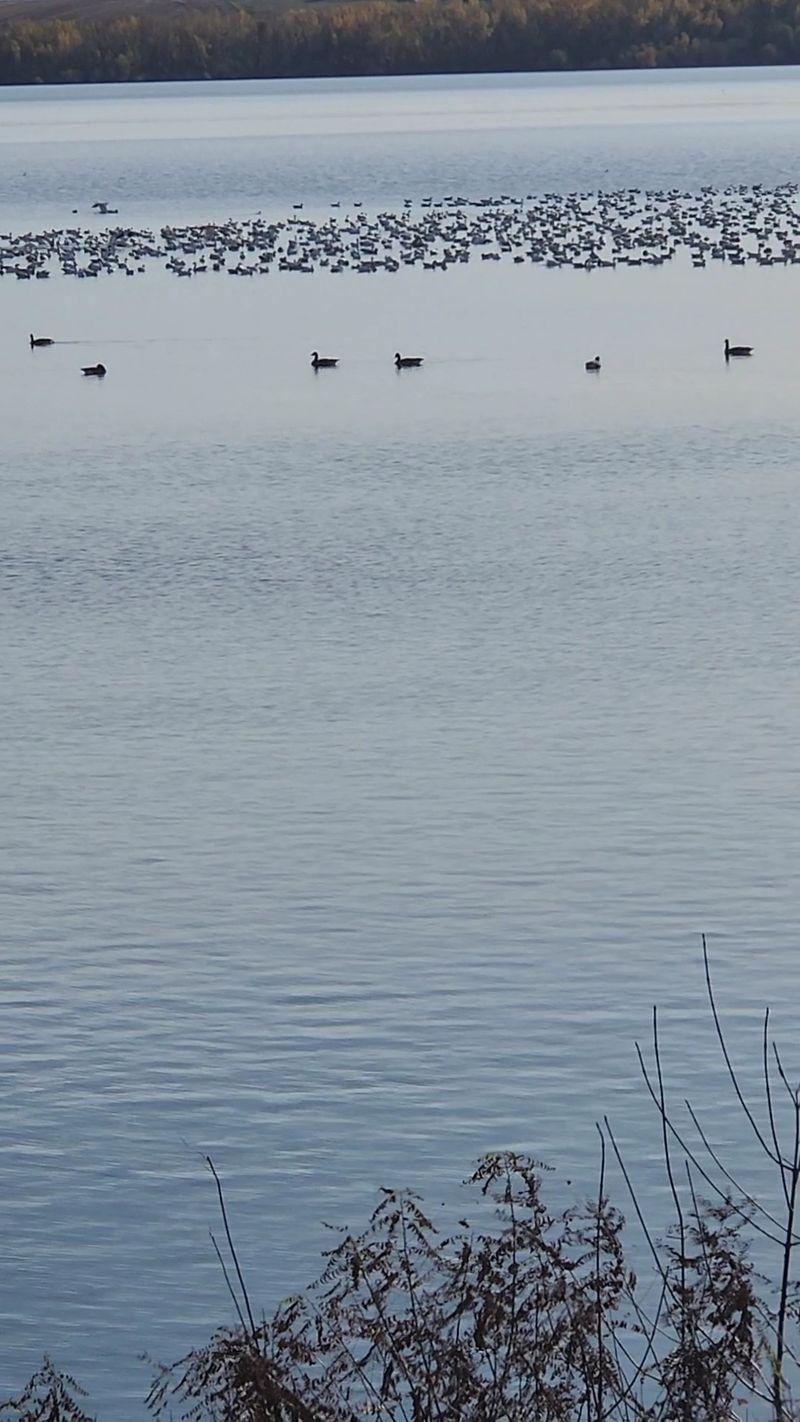
Mallards and Canada geese gather by the thousands, and the whole place becomes a winter hotel with a lake view.
The guest list goes way beyond ducks. More than 250 bird species have been recorded here.
Two major bird groups have named it a Globally Important Bird Area.
I like how close this all sits to everyday life in southwest Idaho. Grocery runs and school pickups happen a short drive away.
Meanwhile, grebes, eagles, and geese carry on with business that started long before the subdivisions arrived.
The story also stretches onto river islands most people never notice. So how did one quiet refuge end up hosting all this company?
Two Very Different Halves Of One Refuge
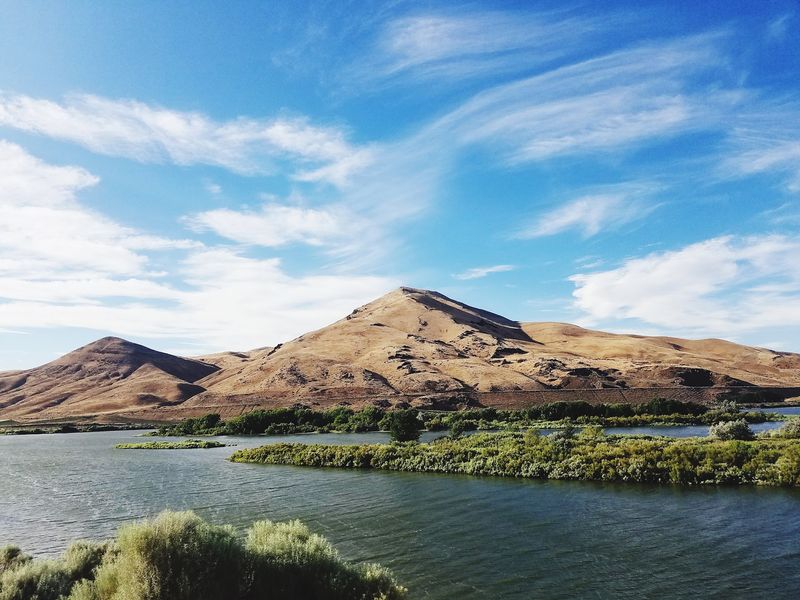
Deer Flat National Wildlife Refuge comes in two pieces, and they barely resemble each other. One centers on a big reservoir, while the other is scattered across river islands.
The Lake Lowell Unit covers more than 10,500 acres in the Treasure Valley. Nearly 9,000 of those acres are the lake itself, ringed by uplands and wetland edges.
The second piece is the Snake River Islands Unit. It includes more than 1,000 acres spread over 104 islands along the Snake River.
Those islands stretch for 113 river miles. They run from the Canyon-Ada County line in Idaho all the way to Farewell Bend in Oregon.
So when someone says they spent the day at the refuge, ask which half. The answer changes the whole picture, from lakeside trails to remote island habitat.
The headquarters and visitor center sit near the lake, just outside town. That makes the Lake Lowell side the natural starting point for most visits.
Both units serve the same big purpose, though. They give migrating birds on the Pacific Flyway a safe place to nest, rest, and ride out the winter in Idaho.
A Teddy Roosevelt Signature From 1909
President Theodore Roosevelt signed this refuge into existence on February 25, 1909. That puts it among the oldest units in the entire National Wildlife Refuge System.
Back then, it carried a different name. It was called the Deer Flat Bird Reservation, which sounds like a fancy dinner booking for pelicans.
The goal was practical and forward-looking. A brand-new irrigation reservoir had just been built, and Roosevelt set it aside as a breeding ground for migratory birds.
Think about that pairing for a second. Farmers got their water, and birds got a protected home on the very same lake.
The story grew again decades later. In 1937, President Franklin D.
Roosevelt established the Snake River Migratory Waterfowl Refuge downstream.
Two Roosevelts, two refuges, one family habit of protecting Idaho birds. In 1963, the two refuges were consolidated into the Deer Flat refuge we know today.
I can’t imagine the valley without that early decision. More than a century later, the same reservoir still welcomes the same kinds of travelers each fall.
Not bad for a signature most people driving past have never heard about.
The Lake That Changed Its Name In 1948
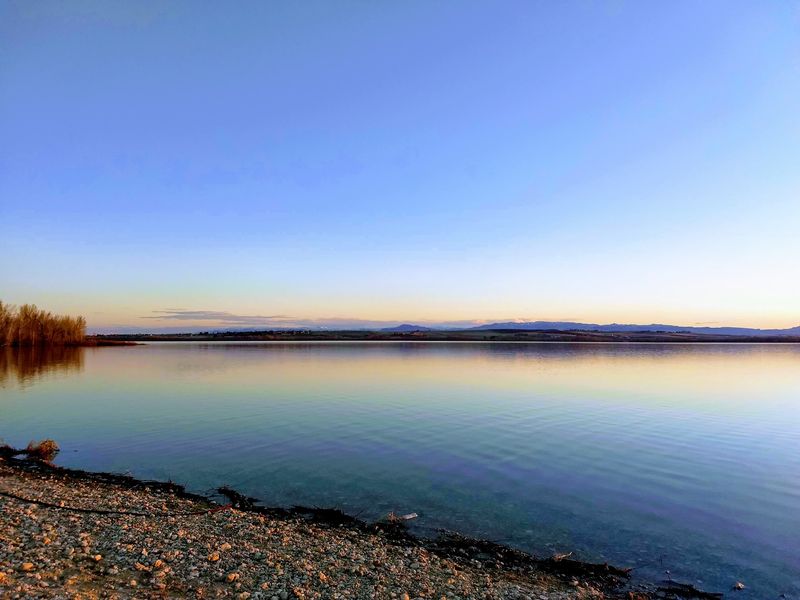
Old-timers might still know it as Deer Flat Reservoir. The name Lake Lowell arrived in 1948, and it has stuck ever since.
The new name honored James H. Lowell.
He played a key role in securing the lands needed to build the reservoir in the first place.
That reservoir is the beating heart of the refuge. At nearly 9,000 acres, it offers open water, shallow edges, and wetlands that birds clearly appreciate.
Two dams hold it all together, known as the Upper and Lower Dams. Their names pop up constantly when you read about boating zones and picnic spots.
Here’s a fun twist on a summer lake. From mid-April through September, people boat, swim, and fish across the whole thing.
Then autumn flips the script. Most of the water goes quiet for the birds, and the lake becomes one of the busiest waterfowl stops in Idaho.
So the same lake lives two lives each year. It’s a summer playground and a winter sanctuary, with the calendar acting as referee.
Few reservoirs anywhere juggle both roles with such clear rules.
104 Islands Hiding In Plain Sight Along The Snake
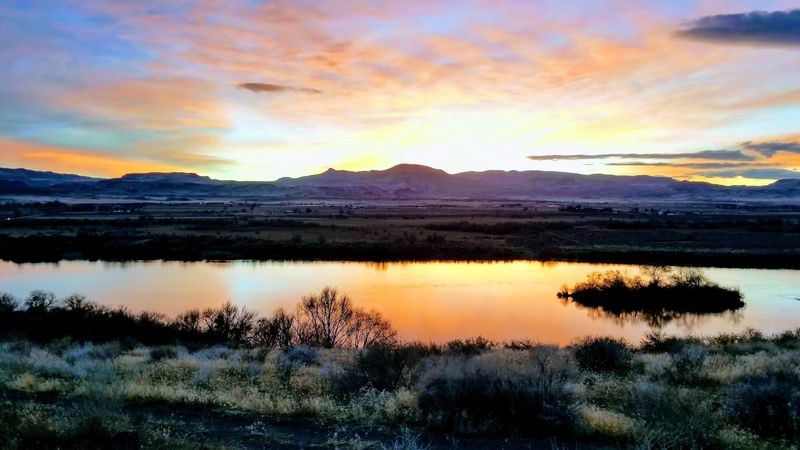
Most drivers crossing the Snake River have no idea those little islands belong to a wildlife refuge. There are 104 of them, scattered like stepping stones down the river.
Together they add up to more than 1,000 acres. They’re spread along 113 river miles between southwest Idaho and Farewell Bend, Oregon.
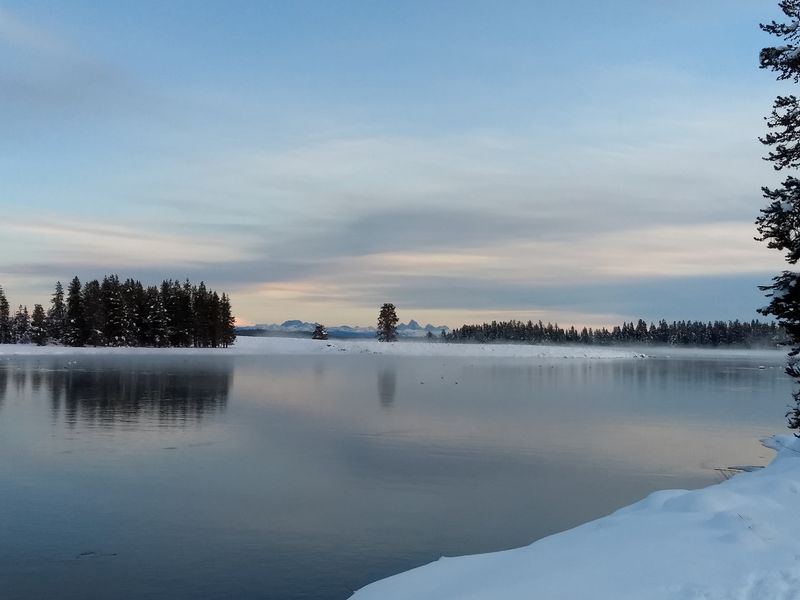
On cold winter mornings, open river water can send up wisps of vapor into the chilly air. It makes a moody backdrop for geese gathered along the banks and channels.
These islands matter most in spring, though. They’re closed to all public entry from February through May to protect nesting birds.
That rule isn’t a suggestion. Nesting birds need peace, and the islands give them a moat that predators and people can’t easily cross.
Outside that window, the islands open up for limited uses. Goose hunting is permitted on the Snake River Islands Unit during proper seasons.
Getting there usually means having a boat and knowing the river. For most visitors, simply knowing these islands exist adds a new layer to every bridge crossing.
Next time you look down at the water, you might spot a refuge you never knew about.
Thousands Of Ducks And Geese Booking The Winter Season
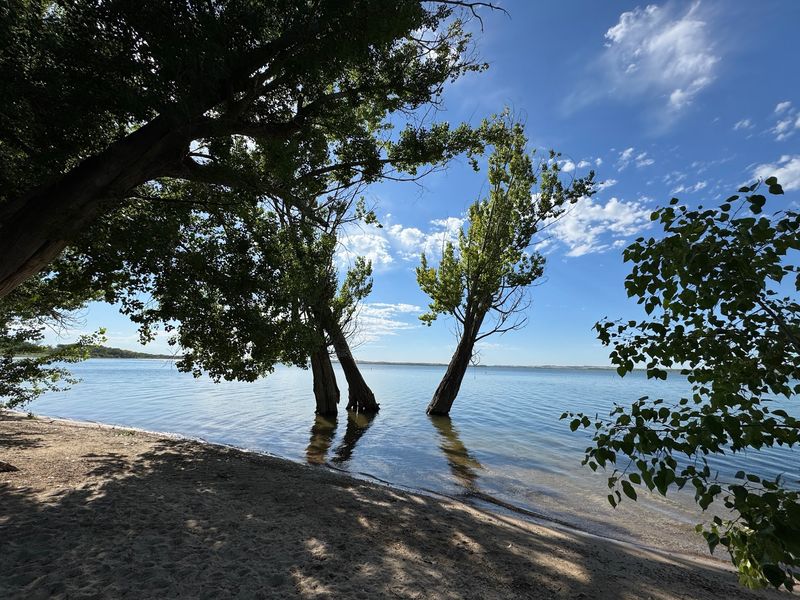
Mallards and Canada geese are the headliners when the weather turns cold. The refuge sees spectacular concentrations of both, especially through the winter months.
Why here? Deer Flat sits right on the Pacific Flyway, a major migration highway for birds moving up and down the West.
The refuge works as a breeding spot, a rest stop, and a wintering ground. Few places along the route offer all three in one tidy package.
Here’s the clever part. From October through mid-April, most of Lake Lowell is reserved for migrating and wintering wildlife.
Human-powered boats are still allowed in that season, but only within 200 yards of the Upper and Lower Dams. Everything else belongs to the birds.
That quiet water is exactly what tired flocks need. They can rest and feed without dodging motors or paddles all day long.
Nearby cooperatively farmed croplands also help feed the crowd. Those fields provide food that keeps geese and ducks fueled through short Idaho days.
Bring a warm coat and a little patience. The show changes by the hour as flocks lift off, circle, and settle again on the water.
Grebes, Eagles And 250 Reasons To Pack Binoculars
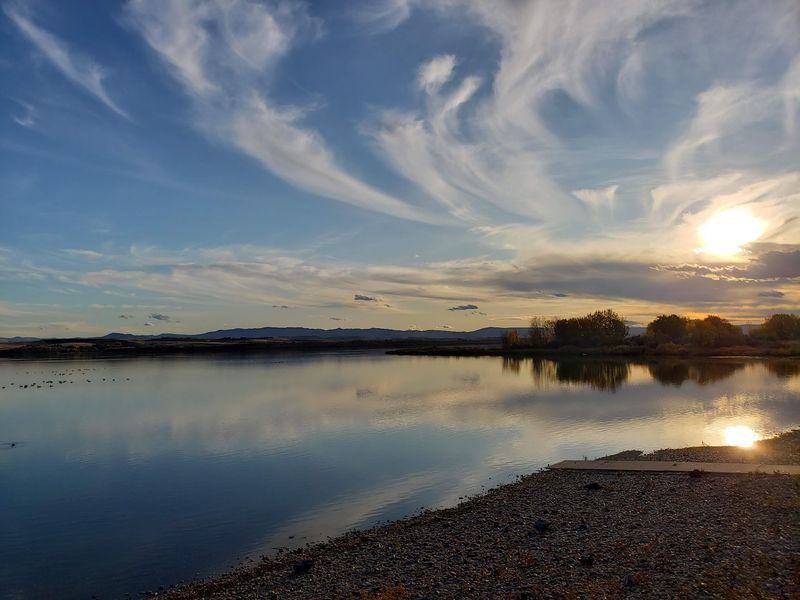
More than 250 bird species have been documented at this refuge. That’s a checklist big enough to keep a birder busy for years.
The refuge carries a serious title, too. Both the American Bird Conservancy and the National Audubon Society recognize it as a Globally Important Bird Area.
Grebes are a special point of pride. Deer Flat provides one of the few nesting areas in Idaho for western and Clark’s grebes.
Those are the elegant birds with long necks and sharp, striking faces. Watching them on Lake Lowell feels like catching a nature documentary without a screen.
Raptors join the cast as well. Bald eagles, hawks, and falcons have been seen over the trails on the west side of the lake.
Birds aren’t the only residents, either. The refuge also supports mammals, reptiles, amphibians, and a wide range of insects.
That variety means no two walks look quite the same. One morning brings shorebirds, and the next might deliver a soaring eagle overhead.
A field guide in the car helps a lot. So does a little humility when a tiny brown bird refuses to sit still long enough to identify.
A Visitor Center Built For Curious Kids And Adults
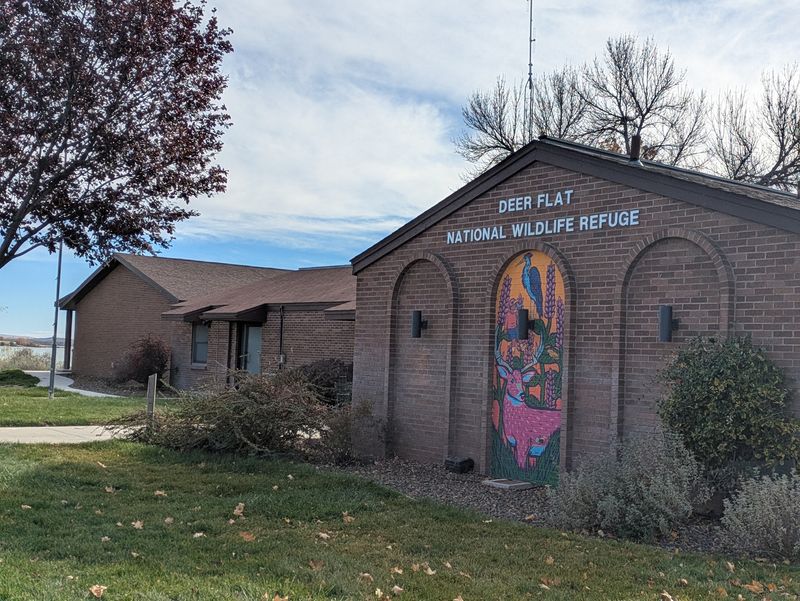
Kids get a whole zone of their own inside the visitor center. It’s called KidSpace, and it’s packed with hands-on nature activities.
The building was completed in 1975 and sits at 13751 Upper Embankment Road, Nampa, ID 83686. It’s near the intersection of Indiana Avenue and Roosevelt Avenue.
Inside, exhibits explain the wildlife and habitats of the refuge. An observation room lets you look out toward the lake without stepping into the cold.
Educational programs are offered free of charge. They’re a great way to learn what you’re actually seeing out on the water.
Staff and volunteers can answer questions about trails, boating, hunting, and fishing areas. Think of them as your shortcut to a better day outside.
The center usually opens on weekdays and Saturdays, with closures on federal holidays. Hours can shift when staffing is thin, so check before driving over.
Dogs need to wait outside unless they’re service animals. The trails, however, welcome leashed pups just fine.
A water filling station is available inside during open hours. Top off your bottle here, since the trails don’t have drinkable water.
Trails Worth Lacing Up For In Any Season
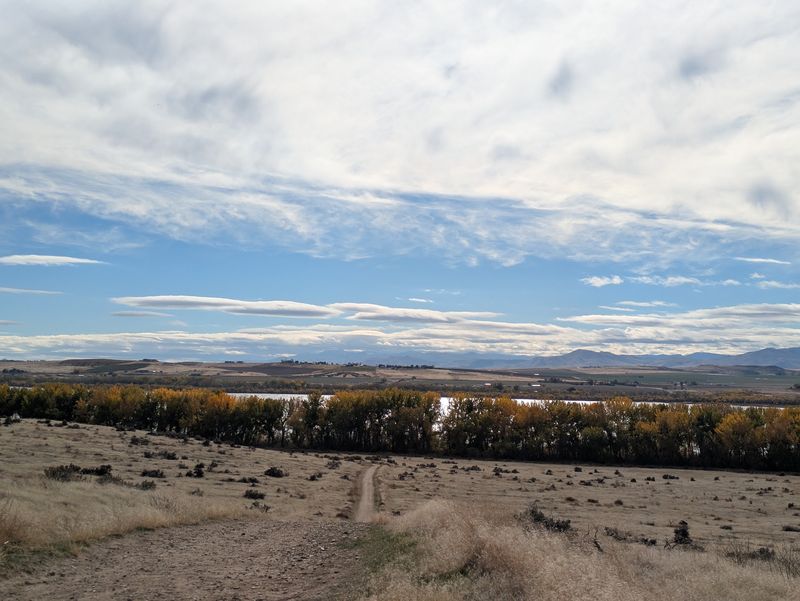
Over 10 miles of trails crisscross the refuge. Hikers, bikers, joggers, and horseback riders can all use designated paths.
Several favorites start near the visitor center. Look for the Observation Hill Trail, Nature Trail, Sagebrush Trail, Swallow Nest Trail, and Pollinator Trail.
Observation Hill earns its name with views over the surrounding landscape. It’s a solid pick if you only have an hour or so.
Out by the lake, Gotts Point and the Kingfisher Trail offer other ways to explore. Each brings a different slice of shoreline and habitat.
Some trails close seasonally to protect nesting wildlife. A closed sign means birds are busy raising families, so give them the space.
Dogs are welcome on designated trails with a leash six feet or shorter. That rule keeps pets and wildlife from surprising each other.
Summer hikes can get hot, since many trails sit in full sun. Morning outings, hats, and sunscreen make a big difference.
Winter tells a different story. Crisp air, quiet paths, and the sound of geese overhead make a cold-weather walk feel downright rewarding in Idaho.
Summer Hands Lake Lowell Back To Boaters And Anglers
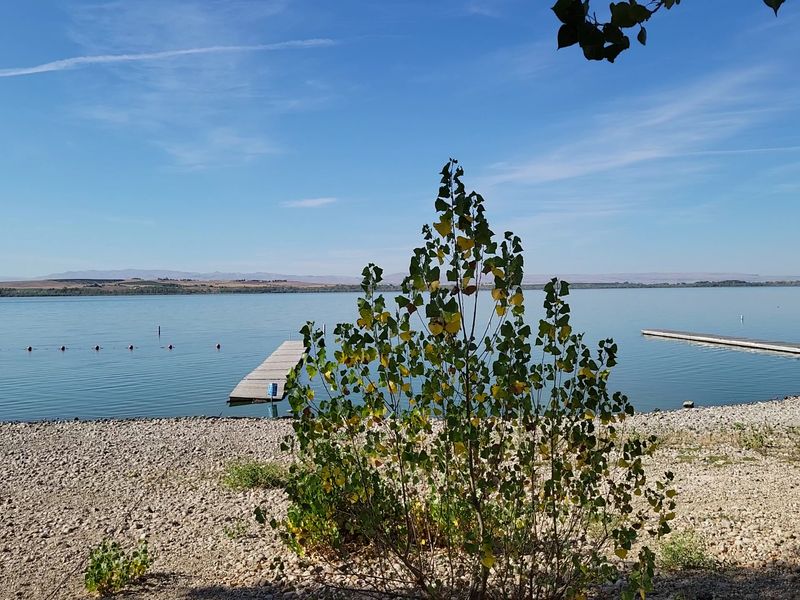
Once mid-April rolls around, the lake opens wide. Motorized boating, paddling, swimming, and fishing are permitted across all of Lake Lowell through September.
The Lower Dam Recreation Area follows that same window. It opens each spring and closes when October arrives.
Fishing doesn’t stop when the boats do. Anglers can fish Lake Lowell year-round, though access shifts with the seasons.
The species list is a happy one for anglers. Largemouth bass, smallmouth bass, crappie, bluegill, and catfish all swim here.
Boat ramps and docks make getting on the water easier. The east end of the Upper Dam has a ramp, plus a picnic area nearby.
One caution deserves real attention. Health alerts have been issued for Lake Lowell because of confirmed toxins in the water.
Those alerts pose a high risk to pets and livestock. They can also make people sick, especially small children.
Check the Idaho Department of Environmental Quality before swimming or letting a dog splash in. A quick look ahead of time keeps a fun lake day from going sideways.
Sagebrush, Cottonwoods And Fields Beyond The Shoreline
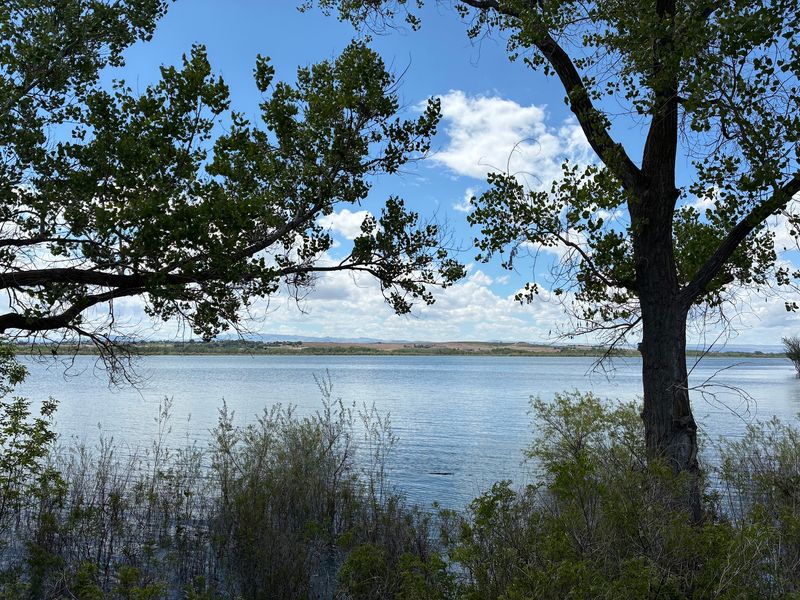
Water gets the spotlight, but the land around it does plenty of heavy lifting. The refuge protects a surprising mix of habitats.
Sagebrush uplands roll out from the lake. They’re classic Snake River Plain country, dry and fragrant and full of quiet life.
Grasslands fill in other stretches. They offer cover and food for birds that prefer the ground over the water.
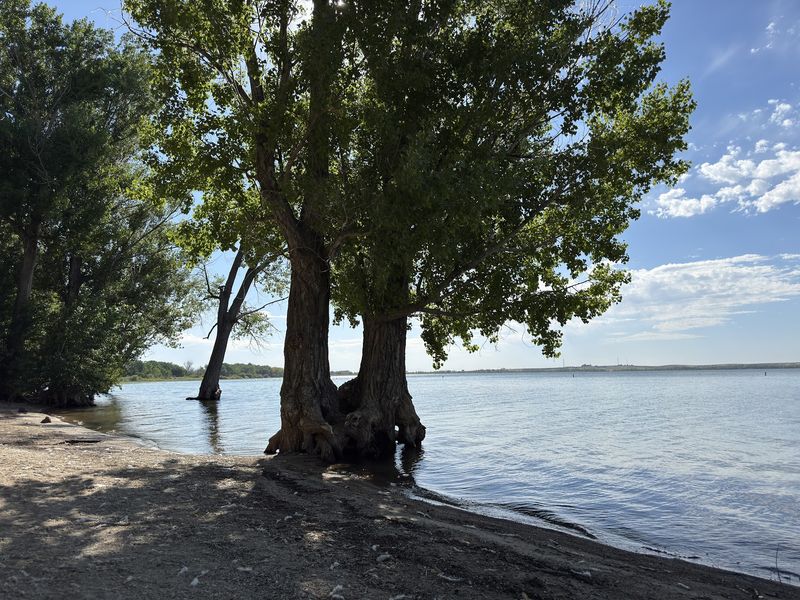
Riparian forests line parts of the shore. On some trails, you’ll walk beside a wall of trees that hides the lake completely.
Then there are the croplands. They’re farmed cooperatively, and their harvest helps feed wintering wildlife.
I like that detail a lot. It ties the refuge right back to the valley’s farming roots and its original irrigation purpose.
Reptiles enjoy these drier spots, too. Snakes sometimes cross the trails, so watch your step on warm days.
Each habitat attracts its own crowd. Wandering from sagebrush to cottonwoods can feel like visiting several small refuges in one afternoon, all inside Deer Flat National Wildlife Refuge.
Prime Time For Cameras Runs From September Into December
Mark your calendar for fall. Wildlife activity peaks here from September through December, which is great news for photographers.
That’s when migrants pour in and residents stay busy. Long lenses and short days make a cozy combination.
Birdwatching works year-round, though. Spring brings nesting season, summer has grebes on the water, and winter delivers massive flocks.
A bird blind near the visitor center helps you watch without spooking anyone. It’s a smart spot to wait for subjects to come closer.
Hunting also has a seat at the table. Select areas of the Lake Lowell Unit allow hunting for pheasant, quail, partridge, mourning doves, ducks, coots, and deer.
Geese hunting is permitted on the Snake River Islands Unit. All of it follows refuge rules and state regulations.
If you’re there only to watch, plan around those seasons. Knowing where hunting happens helps everyone share the space comfortably.
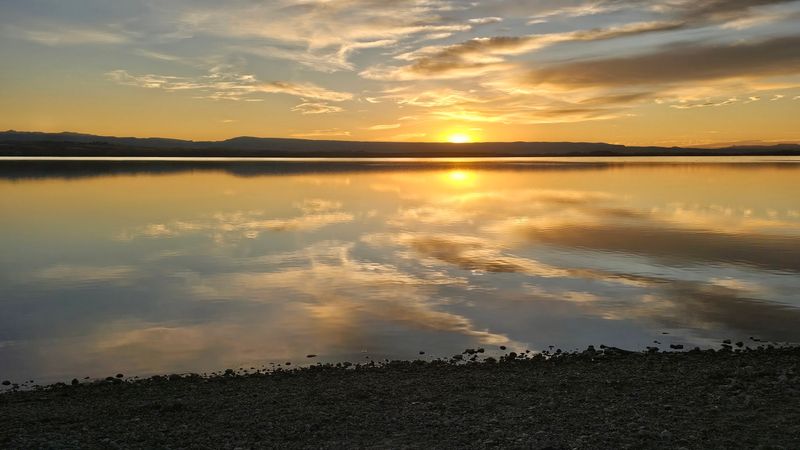
Sunsets over the lake are another bonus. Golden light on flocks of ducks makes even a phone camera feel talented.
Smart Planning Notes Before You Head Out
Good news first: the refuge is open daily during daylight hours. That gives you plenty of flexibility for a morning walk or a late afternoon visit.
The visitor center keeps shorter hours on weekdays and Saturdays. It closes on federal holidays and sometimes adjusts when volunteers are short.
Picnicking is easy to arrange. Tables sit at the visitor center, the Lower Dam Recreation Area, and the boat ramp at the east end of the Upper Dam.
Food is a do-it-yourself situation. There’s no dining on the refuge, but Nampa restaurants sit a short drive away.
Water planning matters more than you’d think. No drinkable water is available on the trails, so carry what you need.
Restrooms are provided at the refuge. Still, bring sunscreen, layers, and binoculars for a smoother day.
Leave rocks, feathers, and plants where you find them. That simple habit protects the refuge for wildlife and future visitors.
Finally, remember the seasonal closures. River islands close in spring, and most of the lake rests from fall through mid-April.
A Winter Outing That Feels Bigger Than Its Drive
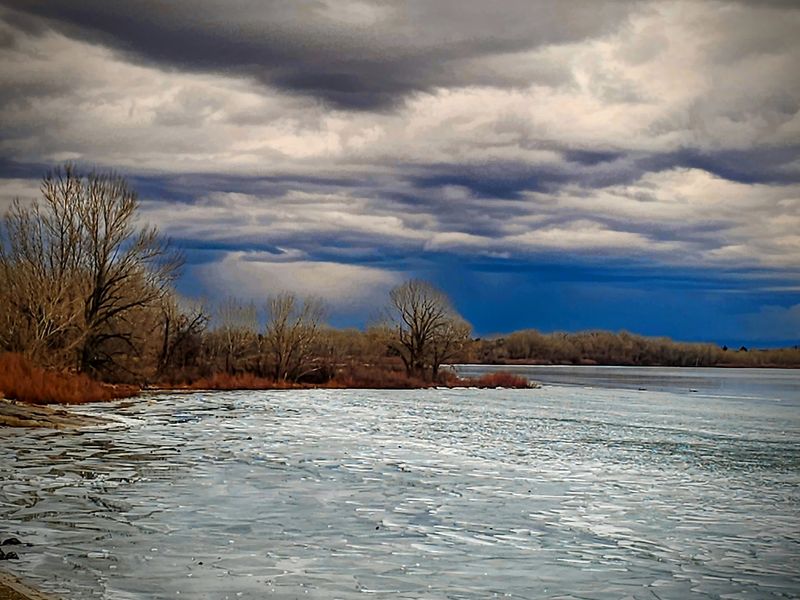
Few day trips in the Treasure Valley pack this much story into so little driving. Deer Flat National Wildlife Refuge blends history, birds, and open space just outside a growing city.
You get a 1909 Roosevelt origin story. You get a lake that trades summer boats for winter flocks every single year.
Add 104 river islands, more than 250 bird species, and a kid-friendly visitor center. That’s a lot of reward for a modest outing.
Families will appreciate KidSpace and the easy trails. Birders and photographers will want to come back every fall.
Anglers have bass and crappie to chase. Hikers can wander through sagebrush, cottonwoods, and lakeside paths in any season.
I believe the winter visit is the one to prioritize. Watching thousands of mallards and Canada geese settle onto quiet water is pure Idaho magic.
Check conditions, pack warm, and keep expectations flexible. Wildlife keeps its own schedule, after all.
The geese have been showing up here for more than a century. Seems only polite to drop by and say hello.