Winter Bird Watchers Are Spotting Rare Visitors At These 6 Idaho Refuges Right Now
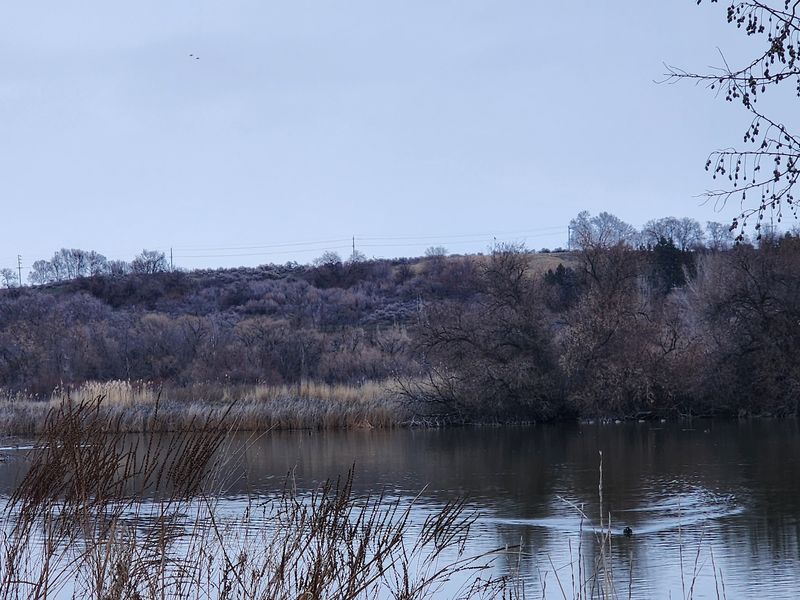
Up to 80 bald eagles have been reported sitting in a single cottonwood tree in southern Idaho. One tree.
Eighty eagles. I still can’t get over that image.
The reason is surprisingly simple. Spring-fed ponds at that spot stay around 58 degrees year-round, so they never freeze.
When other water turns to ice, ducks crowd in by the tens of thousands, and the eagles follow the buffet.
That same winter math plays out across Idaho. Frozen lakes push birds toward open rivers, grain fields, and sheltered marshes.
Trumpeter swans, rough-legged hawks, and the occasional rare sparrow or gull start showing up where you least expect them.
I love that the best bird show of the year happens when most of us are tempted to stay inside. So grab the binoculars and a thermos.
Which of these six places is closest to your kitchen window?
1. Kootenai National Wildlife Refuge
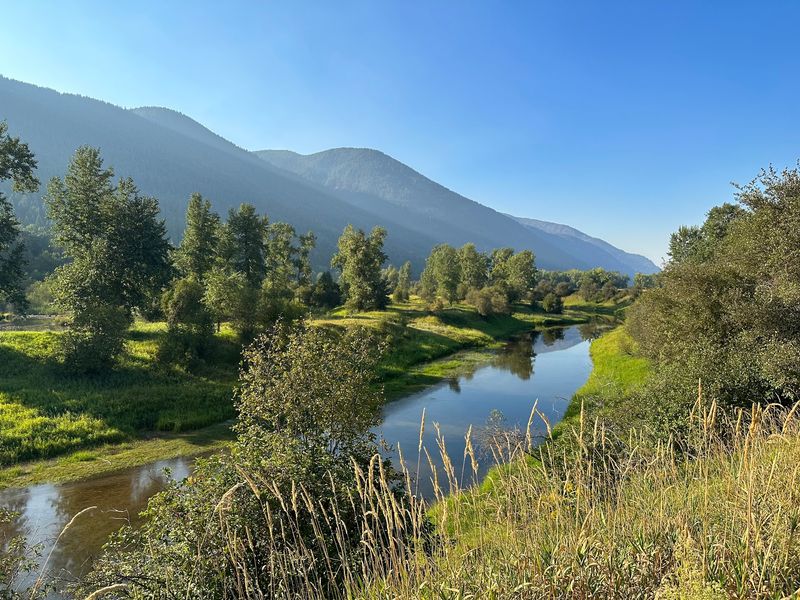
Elk and deer leave the snowy Selkirk Mountains each winter to raid the refuge grain fields, and the birds share the plan. Mallards ditch frozen ponds for the ice-free Kootenai River but keep flying back to eat.
By late November, shrinking open water packs waterfowl into tight flocks. Bald eagles notice, and they concentrate right where the ducks gather.
Rough-legged hawks and Cooper’s hawks also work the area. Northern pintails, American wigeons, and teal round out the roster, with more than 220 bird species recorded on the 2,774-acre refuge.
Late February brings the first tundra swans back to this corner of the Idaho Panhandle. Goldeneyes and mergansers start their courtship displays around the same time, which is basically bird speed dating on open water.
Snow changes how you get around. The 4.5-mile gravel auto tour route may close in winter, and when it’s snow-covered it opens for cross-country skiing and snowshoeing instead.
The paved Chickadee Trail near headquarters is a solid pick for songbirds and waterfowl. Restrooms and a picnic area sit nearby.
Pack bear spray for hiking, since black bears and grizzlies share this country. Check road conditions before driving the five miles west of Bonners Ferry.
Address: 287 West Side Rd, Bonners Ferry, ID 83805
2. Deer Flat National Wildlife Refuge
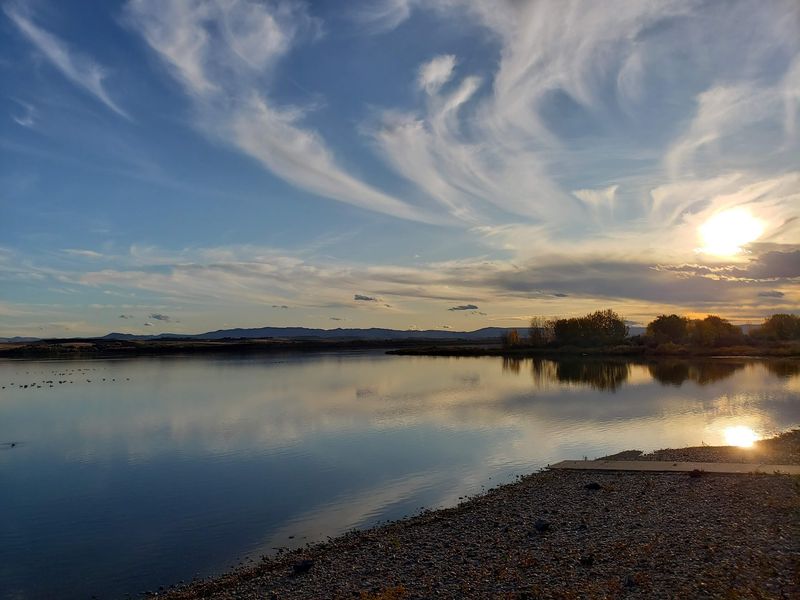
Few places in Idaho can claim a 1909 birth certificate, and this refuge is one of the oldest in the entire national system. It was set aside that year as a preserve for migratory birds.
Winter is when the numbers get silly. Duck counts on Lake Lowell can peak around mid-December at up to 150,000 birds, and geese can hit 15,000 by mid-November.
That crowd draws bald eagles, which patrol the lake looking for weaker birds. Pintails, wigeons, green-winged teal, wood ducks, and shovelers add plenty of variety.
Now for the rare stuff. White-throated, golden-crowned, and Harris’s sparrows have turned up in the Treasure Valley, including at this refuge, so scan those brushy edges closely.
The refuge covers two units, the nearly 9,000-acre Lake Lowell Unit and the Snake River Islands Unit. That second one includes more than 100 islands spread along 113 river miles.
More than 10 miles of trails wind through the area, including accessible interpretive paths from the visitor center to the Upper Dam. Inside are nature exhibits, an observation room, and loaner binoculars.
There’s no entrance fee, and it’s recognized as a Globally Important Bird Area. A health alert for toxins in Lake Lowell has been in effect, so keep pets out of the water and check before you go.
Address: 13751 Upper Embankment Rd, Nampa, ID 83686
3. Bear Lake National Wildlife Refuge
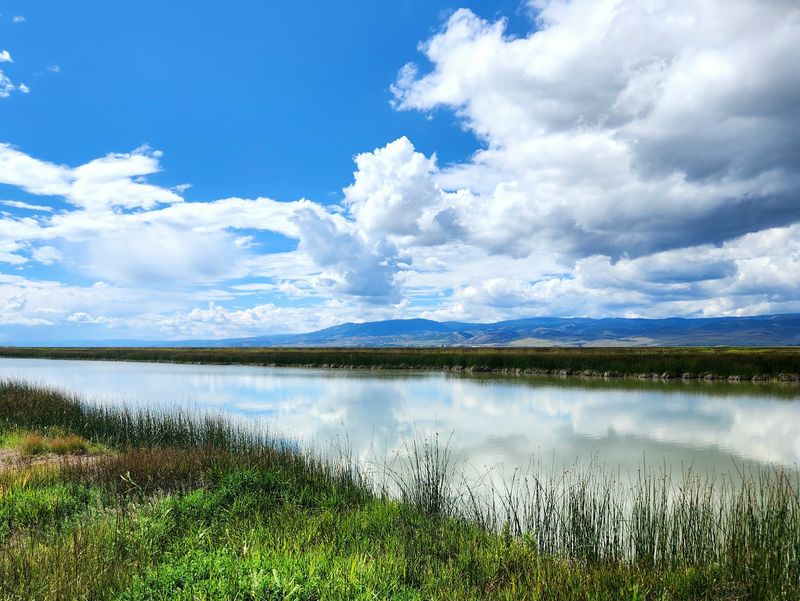
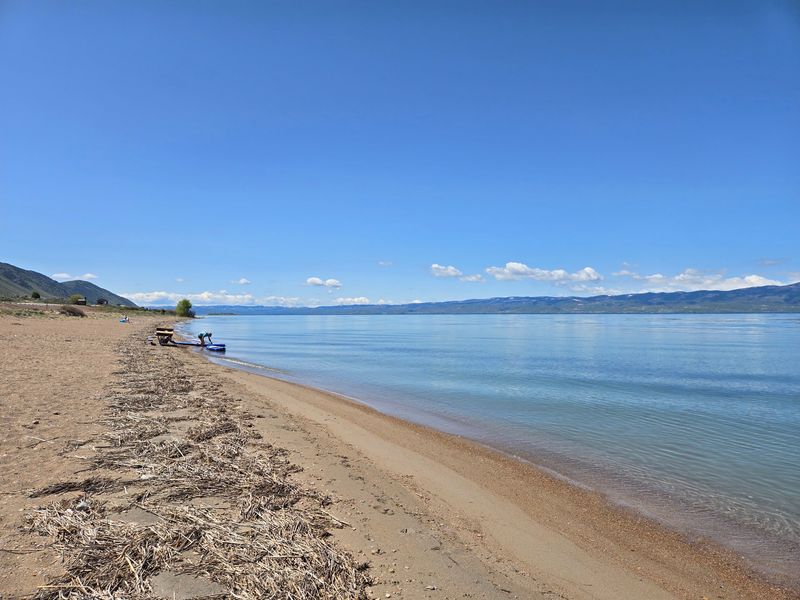
Moose with a marsh view? That’s a real possibility at this southeastern Idaho refuge, where marshes and grasslands stretch out near Montpelier.
The bird list here runs to 161 species. That’s a long list for one patch of wetland in Bear Lake County, and it rewards patient eyes.
Northern harriers are the stars to watch over the grasslands. Look for low-flying hawks gliding just above the ground, tilting back and forth as they hunt.
Ospreys and herons are also big draws for birders here. The mix of open water and tall marsh plants gives both fish-eaters plenty of room to work.
Winter scenes shift with the weather, so it pays to watch the ice. Wherever water stays open, that’s where you’ll want your binoculars pointed.
Grounds are listed as open around the clock, which is handy for early light. A public restroom is available, and the setting works well for kids who like spotting big animals.
Montpelier is right there for a snack and fuel stop. It makes the trip easy to pair with a slow drive around the valley.
Snow can make back roads tricky in this part of Idaho. Check conditions before driving, and bring a spotting scope if you own one.
Address: 322 N 4th St, Montpelier, ID 83254
4. Minidoka National Wildlife Refuge
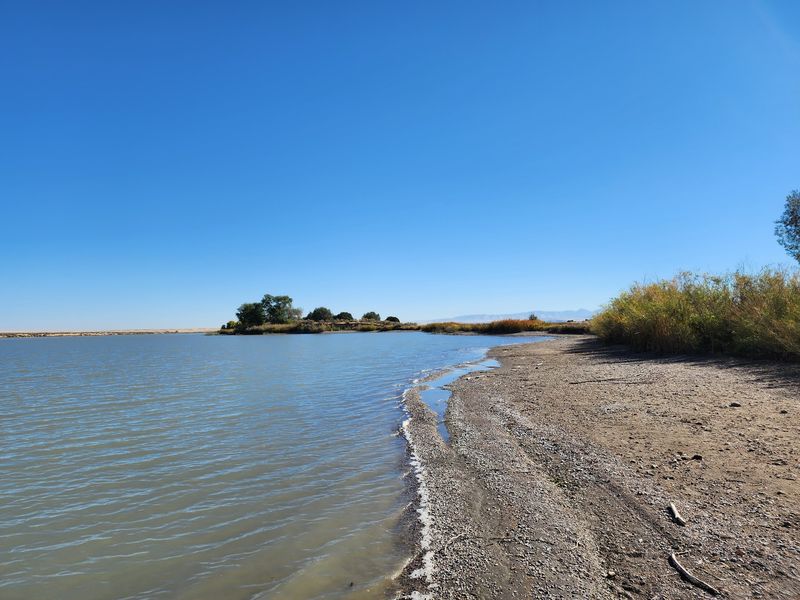
Theodore Roosevelt signed off on this refuge on February 25, 1909, for native birds. More than a century later, it still delivers, with over 230 bird species recorded.
Lake Walcott sits at the center, with about 80 miles of shoreline running upstream from Minidoka Dam. Roughly half the refuge is open water and wetlands, great news for webbed feet.
Bald eagles are regular winter guests here. The reservoir is no longer drawn down in winter, a change that benefits the wildlife relying on it.
Mallards, Canada geese, redheads, pintails, wigeons, and gadwalls show up often. Over 500 tundra swans pass through during the spring and fall migrations.
The habitat mix keeps things interesting on the Snake River Plain. Bulrush and cattail marsh give way to willows, cottonwoods, sagebrush, grasses, and juniper.
Inside Lake Walcott State Park, you’ll find about 5 miles of paved trails and roads. A 1.2-mile natural trail follows the lake with interpretive signs along the way.
Some refuge roads get limited seasonally, and snow can call for high clearance or four-wheel drive. Foot access stays open year-round, so lace up if the truck can’t go.
Picnic tables, grills, and a playground help with restless kids. The refuge sits 12 miles northeast of Rupert.
Address: 961 Minidoka Dam Rd, Rupert, ID 83350
5. Grays Lake National Wildlife Refuge
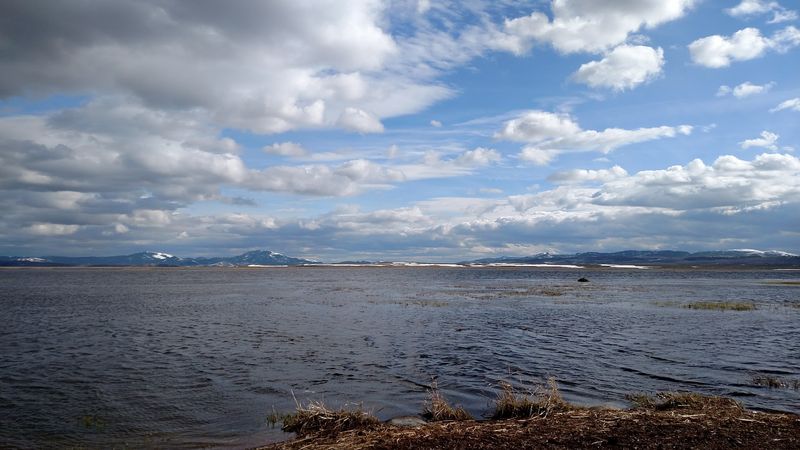
Call this one the wild card of the list, because it plays a longer game. Grays Lake is a high-elevation wetland in eastern Idaho, and birders mostly make the trip for sandhill cranes.
Winter here is quiet, and honestly that’s the point. Snow covers the basin, cranes head south, and the wide-open country feels like it belongs to you.
So why include it now? Scouting a remote refuge in the off-season is smart planning for spring, when migratory waterbirds and cranes return to the marsh.
Sandhill cranes are worth the wait. They stand tall, and their rattling calls carry across open wetland in a way few birds can match.
The refuge sits near the tiny community of Wayan, far from big-city lights. Roads and grounds are accessible to the public, and a restroom is available.
Winter drives in this corner of Idaho deserve respect. Pack extra layers, a full tank, and patience for whatever the weather decides.
Set your expectations honestly and you won’t be let down. If the marsh is quiet, count it as a reconnaissance trip and circle a spring date on the calendar.
Address: 74 Grays Lake Rd, Wayan, ID 83285
6. Hagerman Wildlife Management Area
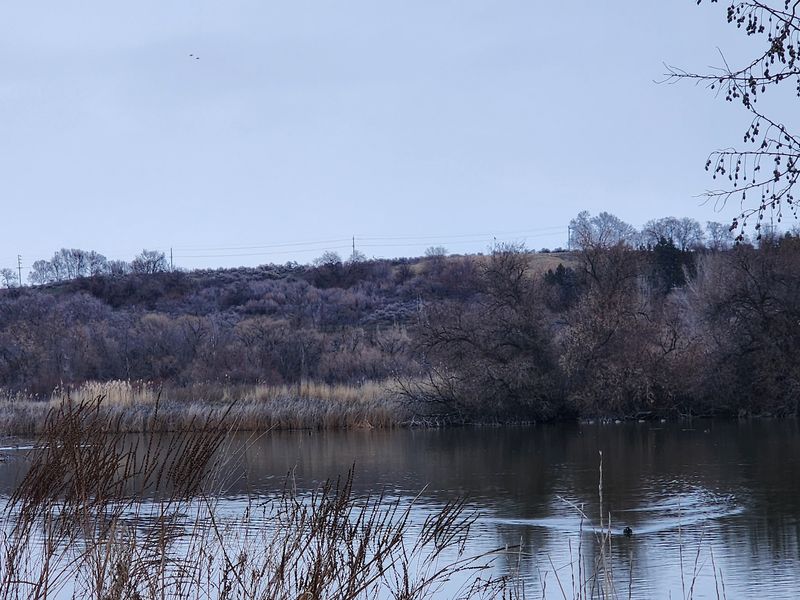
Nature built a heated pool for ducks along the Snake River, and the ducks noticed. Fourteen spring-fed ponds hold steady around 58 degrees year-round, so they stay ice-free in winter.
Thirty to forty thousand ducks typically winter here. When other water freezes, the count can climb past 40,000.
Mallards, gadwall, wigeon, teal, and pintail share space with tundra and trumpeter swans. Bald eagles patrol the open water, and up to 80 have been reported in one cottonwood tree.
Gull fans, this is your section. Winter flocks on Riley Pond occasionally include herring, Thayer’s, glaucous, and glaucous-winged gulls, a rare-visitor jackpot for this part of Idaho.
Keep an eye out for peregrine falcons and rough-legged hawks too. Established in 1940, this was Idaho’s first Wildlife Management Area, covering 880 acres in the Magic Valley.
Gravel roads and parking pull-offs make viewing easy, and a blind waits at Riley Creek Pond. Trails circle Oster Lakes, though signage is limited.
Some sections may close in winter and spring to protect resting and nesting birds. Respect the signs you do find, and you’ll still have plenty of water to scan.
Address: Hagerman, ID 83332, just south of town off US-30