What To Know About Autumn Water Flow Before Visiting Shoshone Falls Park In Twin Falls, Idaho
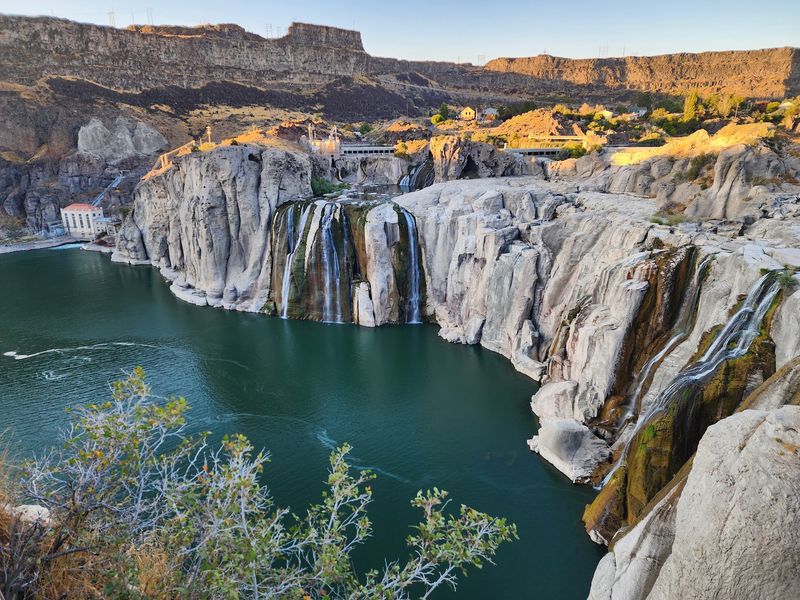
Farm fields stretch flat for miles across southern Idaho, and then the ground simply drops away into a deep canyon with a waterfall roaring at the bottom. At least, it roars in spring.
By autumn, that same waterfall can shrink to a thin ribbon or swell again with little warning, all because of how the river is managed upstream. Knowing what the water is doing before you drive can turn a so-so stop into a trip you talk about for years.
A Canyon Surprise On The Snake River
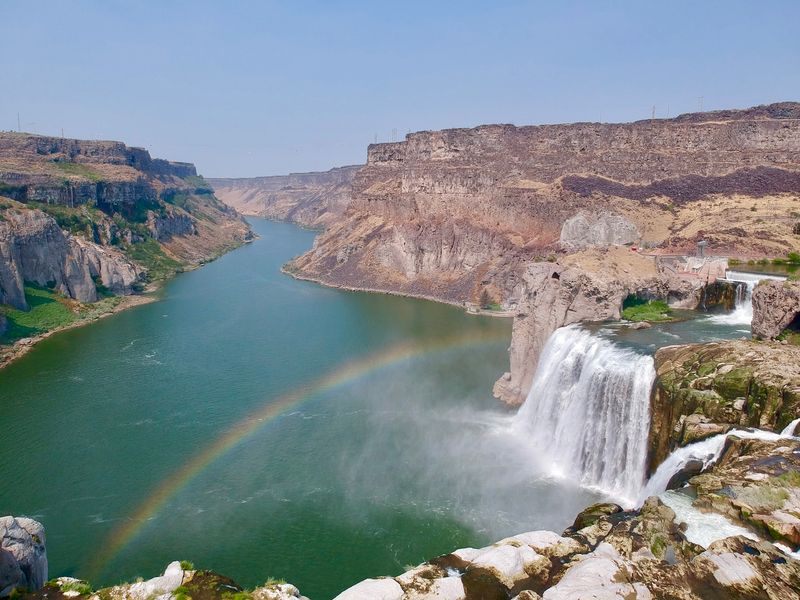
Drive east of town past potato fields and hay bales, and nothing hints at what waits below. Shoshone Falls Park sits on the rim of the Snake River Canyon in the heart of the Magic Valley, where the river plunges over a horseshoe-shaped wall of basalt.
People call it the Niagara of the West, and the nickname has real backing. The falls are taller than Niagara, dropping around 212 feet into the canyon.
Width and height are only part of the story, though, because the amount of water pouring over that ledge changes dramatically from month to month.
The park itself is a city-run green space with a boat launch, trails, picnic lawns, a concession stand, and several viewing platforms. You can find it at 4155 Shoshone Falls Grade Road in Twin Falls, a short drive from Interstate 84 and the Perrine Bridge.
For autumn visitors, that setup matters. Even if the falls look thin, the canyon walls, the green lawns, and the long views down the river still give you plenty to take in.
Just go in knowing the waterfall is only one piece of a much bigger Idaho landscape, and its mood depends on the season.
Why The River Rises And Falls
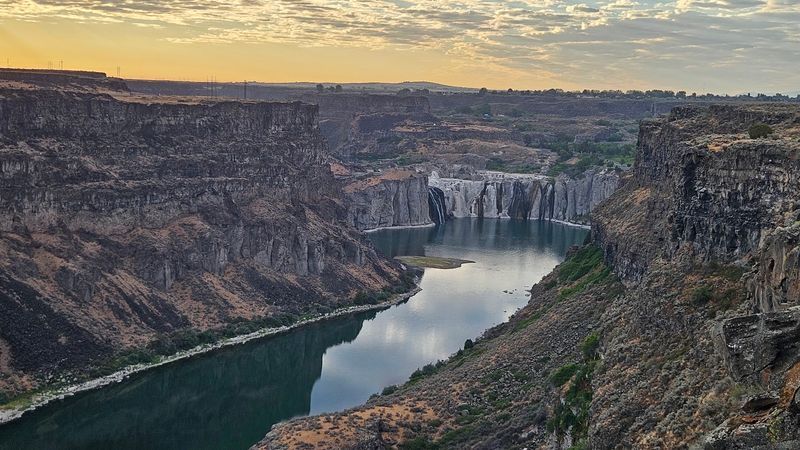
Blame the farms, and thank them too. The Snake River is one of the hardest-working rivers in Idaho, feeding irrigation canals that keep Magic Valley crops green through the dry months.
About 20 miles upstream, Milner Dam decides much of what reaches Shoshone Falls. Water releases there are set through the federal Bureau of Reclamation system, and during the growing season a large share of the river is diverted onto fields instead of over the falls.
Hydroelectric power adds another layer. Idaho Power runs a plant at the falls, so water heading downstream can be routed through turbines rather than across the rock face.
Between irrigation and power, the waterfall you see is the result of careful choices made far from the overlook.
Once autumn arrives, a new priority kicks in. Much of the water gets held back to refill upstream reservoirs for next year, which can leave the falls looking surprisingly bare.
None of that is a flaw in the park. It is simply how water works in a farming region built on canals.
Understanding it helps you plan, and it may help you appreciate the rushing spring version even more when you finally catch it.
Spring Thunder Versus Autumn Whisper
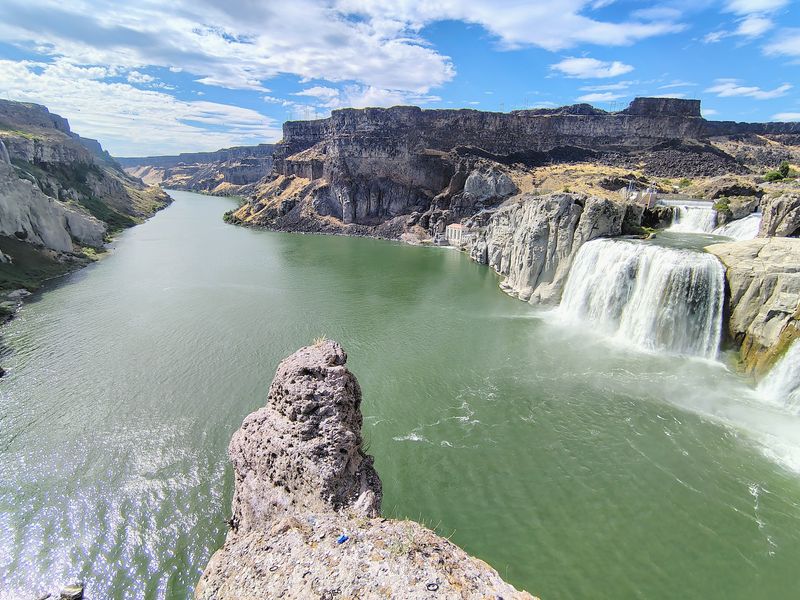
Numbers tell the tale best. In a typical spring, from roughly March into early May, snowmelt sends 10,000 to 12,000 cubic feet per second over the falls, and heavy snow years can push flows past 20,000.
At those levels, the spray drifts up to the viewing platforms and the noise bounces off the canyon walls. Visitors who come in spring describe feeling mist on their faces and hearing a steady rumble long before the falls come into view.
Autumn is a different animal. Flows can drop so low that sections of the horseshoe rim turn into bare dark rock, with only a few streams trickling down.
Some fall visitors arrive expecting Niagara and find something closer to a quiet sculpture of stone.
That contrast is exactly why timing matters. A family from Boise making a two-hour drive deserves to know whether they will get thunder or a whisper.
Neither version is wrong. The low-water months actually reveal the shape of the cliff face, the ledges, and the layered basalt that stays hidden under white water in May.
Some photographers prefer that raw, rocky look, especially with warm autumn light raking across the canyon.
The 300 CFS Promise
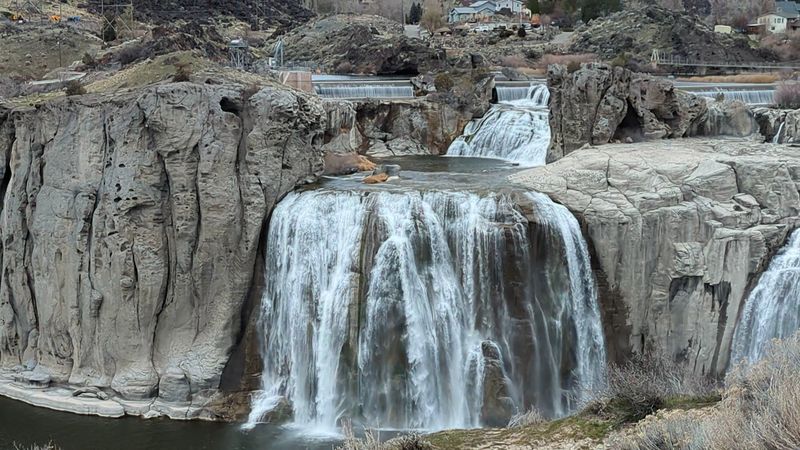
Here is a number worth remembering: 300. Idaho Power maintains a minimum scenic flow of about 300 cubic feet per second over Shoshone Falls during daylight hours from April through Labor Day.
That flow keeps the falls looking like a waterfall through the busy summer travel months. It is far below spring levels, but it still paints white lines down the rock and gives visitors a real show from the overlooks.
After Labor Day, that daytime minimum is no longer part of the arrangement. Autumn visitors should understand that the falls can dip below that mark, depending on what the river system needs.
Even during summer, dry years make the minimum tough to hold. Low snowpack in the mountains means less water for everyone downstream, and the falls feel it first.
So an early September trip may still catch that steady summer curtain, while a trip in mid-October is more of a gamble. If you are flexible, aim for the front end of fall.
Late-summer visitors often mention the falls still looked impressive, which lines up with that scenic flow doing its job right up until the holiday weekend.
When Autumn Brings A Second Surge
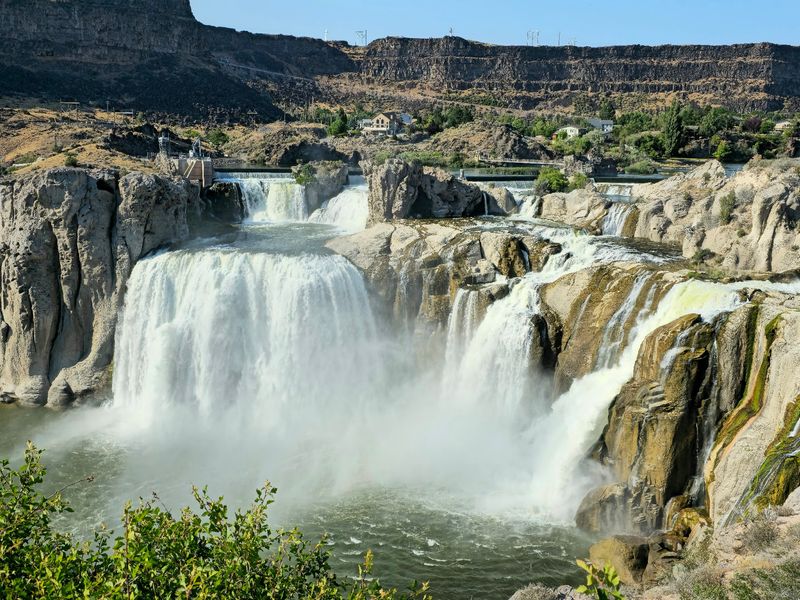
Plot twist: autumn does not always mean a trickle. Once the irrigation season wraps up and canals stop pulling water, the river sometimes gets a boost that shows up right at the falls.
Releases from dams on the Upper Snake can send extra water downstream for weeks at a time. In one recent late September stretch, Idaho Power reported flows expected to climb from around 300 cubic feet per second to nearly 3,000 for three to four weeks.
That is a tenfold jump. At 3,000, the horseshoe fills in, the spray returns, and the canyon starts sounding alive again.
These surges are not guaranteed every year, and their timing shifts with reservoir levels and weather. Still, they give autumn a small bonus window that many travelers never hear about.
Locals in the Magic Valley tend to keep an ear out for these announcements, since a fall surge paired with changing cottonwoods along the river makes for a scene few tourists catch.
Watch for news releases from Idaho Power or local outlets in late September and early October. A quick check could steer you toward the best fall weekend of the year.
Checking The Flow Before You Drive
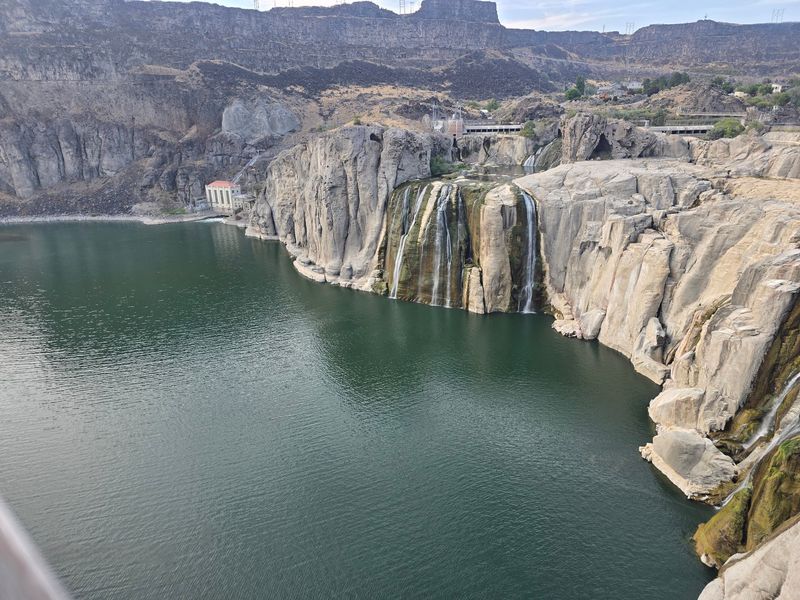
Two minutes of homework can save a disappointing drive. Before heading out, look up current flow information so you know roughly what the falls will look like.
Idaho Power posts updates about Shoshone Falls flows, especially when unusual releases or reductions are coming. The City of Twin Falls also shares park information, and regional news outlets often cover flow changes because so many people care about them.
River gauges downstream of Milner Dam report the numbers in cubic feet per second. A rough guide helps: a few hundred means a thin, lacy look, a few thousand means a respectable waterfall, and five figures means full spring power.
Flows can change quickly, so check close to your travel day rather than a week ahead. A drop in releases can happen with little public notice.
Travelers coming from Pocatello, Boise, or the Wood River Valley have a longer drive to protect, so a quick check is especially smart for them.
If the numbers look low, you do not have to cancel. Just shift your expectations toward the canyon, the trails, and nearby waterfalls that keep running when this one takes a break.
Overlooks, Stairways, And Canyon Rim Paths
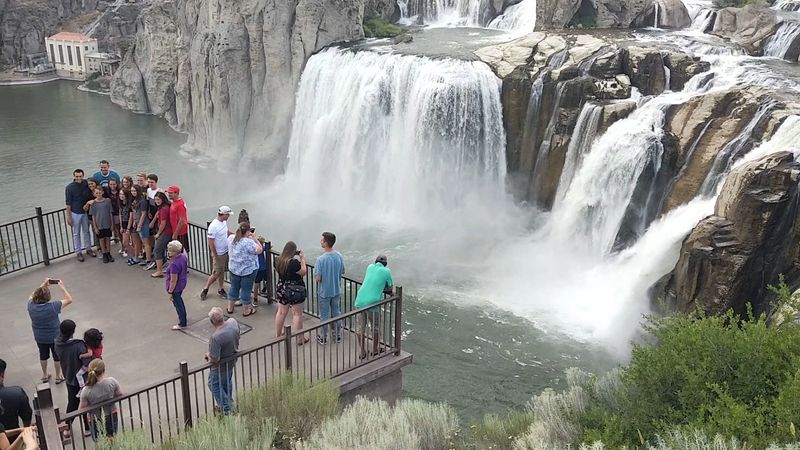
Step out of the car and the main overlook sits only a short walk from the parking lot. Visitors mention how easy it is to reach, and the top platform is wheelchair accessible.
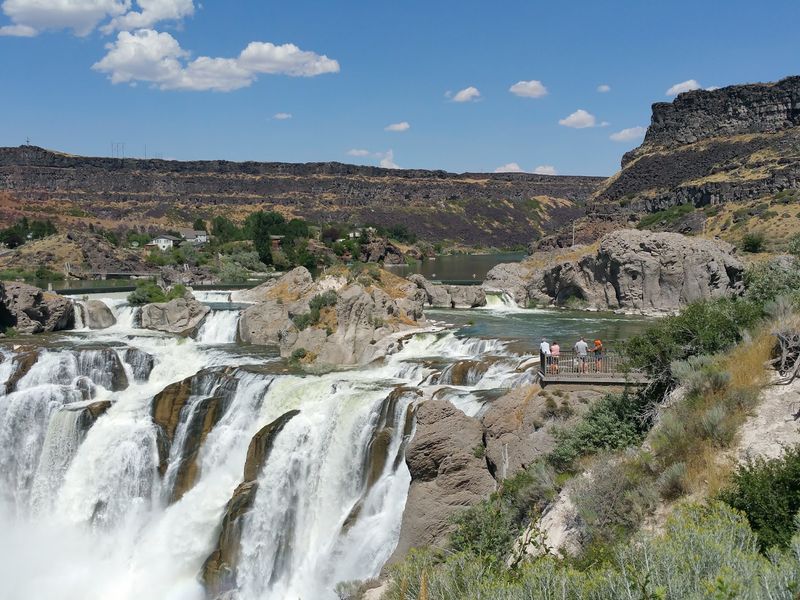
A stairway drops to a lower landing where you get closer photos of the falls and the surrounding cliffs. Several other vantage points around the park show the horseshoe from slightly different angles, which is handy when low water makes one side more interesting than another.
For longer walks, the Canyon Rim Trail links the park to more of the gorge. Visitors with mobility scooters have found the paved trails manageable.
One honest heads-up: trail signage is thin. Some visitors wandered among dirt paths before finding the paved route, so a quick look at a map before starting helps.
During low autumn flow, these rim paths become the real attraction. Several visitors admit the gorge impressed them as much as the falls, with one comparing it to a smaller cousin of the Grand Canyon.
Bring plenty of drinking water on the trails, since shade gets scarce once you leave the lawns and the canyon rim can feel exposed.
Dierkes Lake And The Quieter Water
Just around the bend from the falls, a calm lake tucked among basalt walls offers an entirely different mood. Dierkes Lake is part of the same park complex and draws swimmers, paddlers, and hikers.
Visitors warn that the lake water runs chilly, even in warm months, so autumn swimming is really only for the brave. Paddling and shoreline walks are the better fall options.
The park also has a boat launch, and at least one visitor left planning to bring a kayak next time. On the Snake itself, water levels shift with the same releases that change the falls, so paddlers should check conditions first.
Pet owners need to know a key rule. Dogs are welcome around the falls area, but they are not allowed at Dierkes Lake.
Hiking trails fan out from the lake area, and the rocky scenery feels more private than the busy main overlook. On a slow autumn weekday, you might have long stretches nearly to yourself.
When the falls are low, a loop through the lake area helps round out the trip so the visit feels full, not short.
Perrine Coulee, The Year-Round Backup
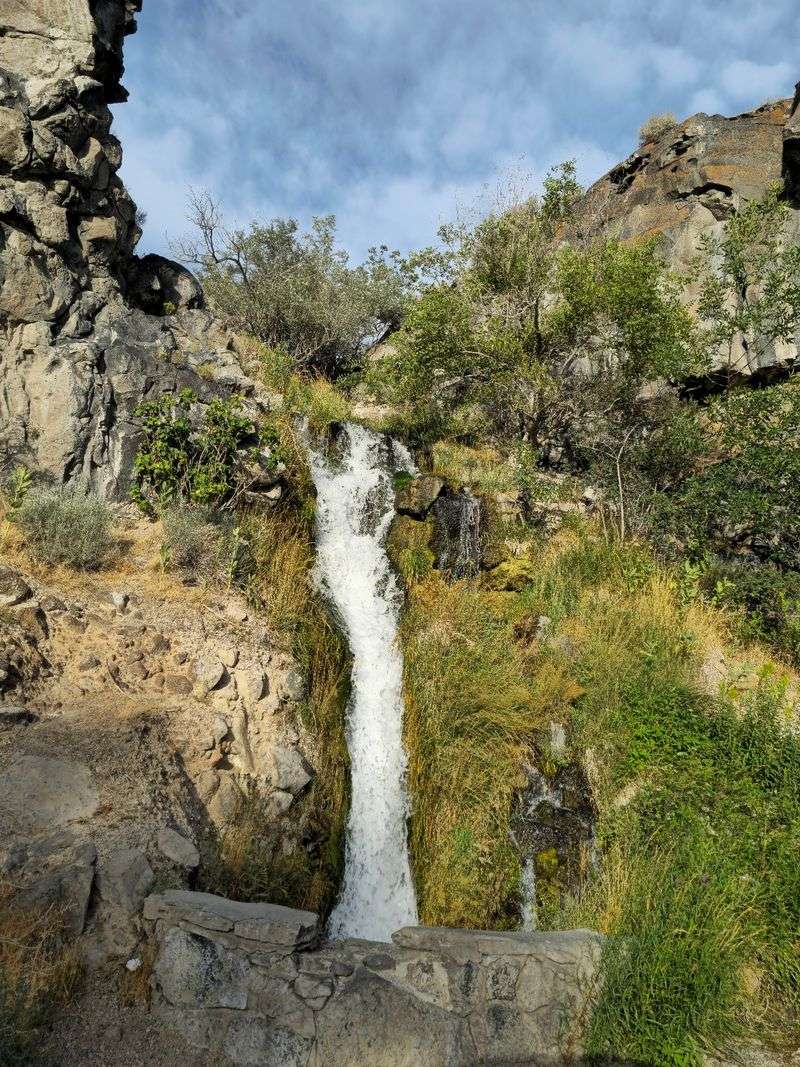
Low water at Shoshone? No problem, because Twin Falls has a backup plan.
Perrine Coulee Falls, a short drive away along the canyon, runs all year long.
Its flow comes from irrigation return water, so it keeps pouring when the big falls go quiet. The best part is a path that lets you walk right behind the curtain of water, something you cannot do at Shoshone.
Kids especially love that walk-behind moment. It turns a quick stop into a small adventure, and a light jacket keeps the spray from being a bother.
Some visitors also spot a string of smaller waterfalls tumbling down the canyon walls while driving the highway toward the main park. Watching for them turns the ride into its own game.
Pairing both falls in one afternoon makes an autumn trip feel balanced. You get the grand scale of the Shoshone canyon and the up-close splash of Perrine Coulee.
Throw in a look at the Perrine Bridge and the Snake River Canyon rim, and even a dry week in October delivers plenty for Magic Valley day-trippers.
Picnic Lawns For Every Kind Of Visitor
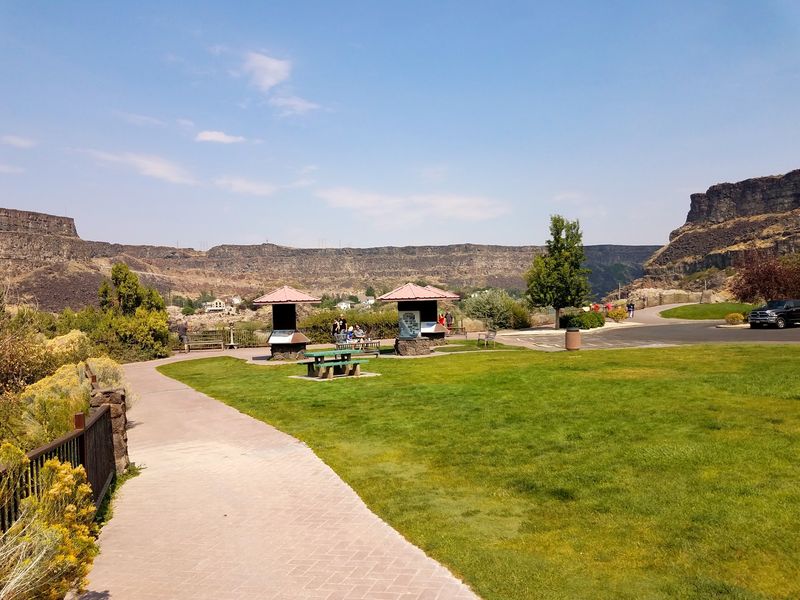
Grass, shade, and picnic tables make this park far more than a quick photo stop. Visitors describe spreading lunches across the lawns and lingering near the stairway just to watch the canyon.
Families with small kids find plenty of room to roam. Retirees and slower walkers appreciate how little effort it takes to reach the main views.
A small family-run concession stand sells sodas and snacks, and a gift shop carries souvenirs. Restrooms are on site, and while some visitors found them spotless, others called them pretty standard park restrooms.
Photographers get their own rewards. Rainbows sometimes form in the spray, and sunsets over the canyon can glow with color.
Road trippers stretching their legs find it a perfect break, especially those traveling Interstate 84 across the Snake River Plain. RVs, trucks with campers, and even rigs towing car trailers have fit into the parking areas.
This is a day-use park, so overnight travelers often camp elsewhere in the region, such as the Thousand Springs area. In autumn, cooler temperatures make the lawns especially pleasant for a long, unhurried lunch.
Gates, Fees, And Timing Your Arrival
Pack a few dollars in cash or card before rolling up. A per-vehicle entrance fee is typically collected from early March through the fall season, and visitors say it feels like a fair price for what you get.
Fees are collected by hand at the gate, which can create a slow line on busy days. One visitor noted it added several minutes to a half-mile drive, so patience helps during peak times.
The America the Beautiful pass generally is not accepted here, though visitors mention an exception for senior pass holders. Check current rules before counting on it.
Park hours run from early morning into the evening, but schedules can change by season. Confirm current hours with the City of Twin Falls before you go.
Early mornings tend to be quieter, and one visitor praised the friendly gate staff on a morning arrival. Sunday mornings in busy months can get crowded, while off-season weekdays feel calm.
The road into the park winds down the canyon grade, so take it slow. RVs and trailers handle it fine, though larger rigs should allow extra room at turns.
Worth The Drive In Any Season
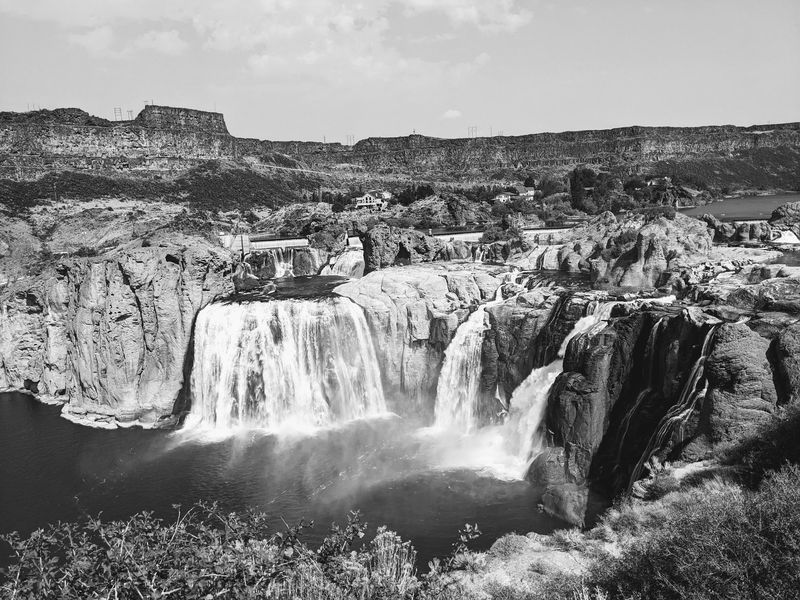
So, should you go in autumn? Yes, with the right expectations tucked in your pocket.
Early September often still carries that summer scenic flow. Late September into October is a coin toss, with the chance of a nearly dry rim or a welcome surge from upstream releases.
A quick flow check settles the question before you leave the driveway.
Even on a thin-water day, the canyon earns the trip. The basalt walls, the rim trails, Dierkes Lake, and nearby Perrine Coulee Falls fill an afternoon easily.
For Idaho families, it is an affordable outing close to home. For travelers crossing southern Idaho, it breaks up miles of flat farm country with a sudden plunge into something wild.
Many people come away wanting to return in spring for the full roar. That is not a bad outcome, since it gives you a reason to see the same place twice and notice how different it feels.
Go knowing the river belongs to the farms, the power plant, and the seasons. The falls simply show you, in real time, how the Magic Valley lives with its water.