Nebraska’s Blizzard Of 1888 Struck Without Warning And This Museum Keeps The Stories Alive
On January 12, 1888, plenty of Nebraska kids walked to school without heavy coats because the morning felt almost springlike. By afternoon, a wall of wind and snow had swallowed the prairie.
The storm hit so fast that it earned a nickname still repeated today: the Schoolchildren’s Blizzard. Teachers in one-room schoolhouses suddenly had to make choices no lesson plan ever covered.
I can’t imagine standing at a schoolhouse window, counting heads, and watching the road vanish. Those choices turned ordinary teachers into legends, and their stories still get told across the state.
One state museum keeps that kind of people-centered story front and center, with three floors running from ancient times to today. You can even walk across a giant map of the whole state, so where would you stand first?
Three Floors Of Nebraska Stories Wait On Centennial Mall
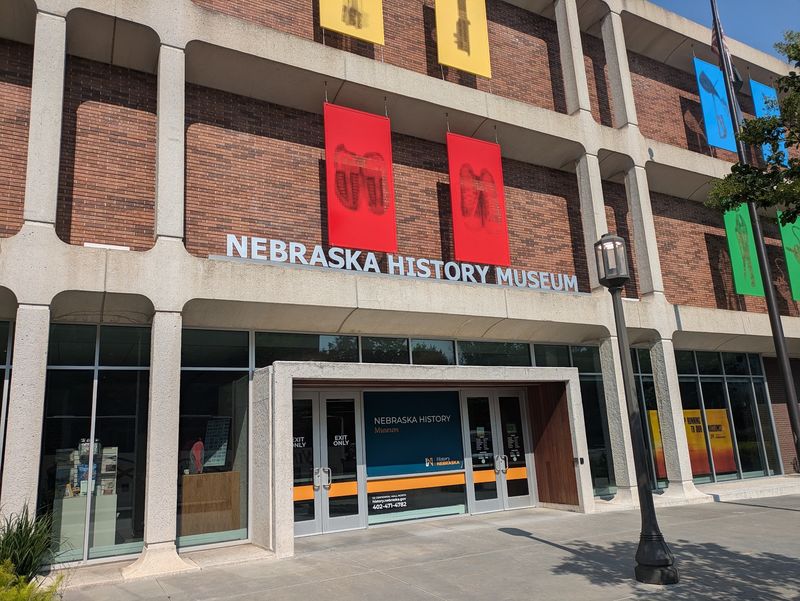
Downtown Lincoln holds plenty of big civic buildings, but the Nebraska History Museum is the one that tells the whole state’s life story. It’s operated by History Nebraska, the state agency that cares for the past, and it’s been a longtime fixture for curious families.
The building sits on Centennial Mall, the pedestrian corridor that stretches toward the Nebraska State Capitol. That makes it an easy add-on if you’re already downtown for a game, a meeting, or a field trip.
Inside, you’ll find three floors of exhibits, cultural artifacts, and hands-on learning. Tours are offered too, which helps if you like a guide pointing out the good stuff.
The collection covers a wide sweep, from prehistoric times right up to the present. Expect everything to be very tailored to Nebraska, which is exactly the point.
Exhibits focus on people, the folks who shaped towns, causes, and communities across the state. That approach fits a story like the Blizzard of 1888, where the real drama belongs to ordinary teachers and kids.
Consider the museum a reading room for Nebraska identity, only with fewer shushing librarians. Short, detailed descriptions sit beside exhibits, so you can learn a lot without slogging through walls of text.
The Afternoon A Warm January Turned White
January 12, 1888, began with weather so mild that some Nebraska children headed off to school without heavy coats. Nobody had much reason to expect trouble.
Then a powerful cold front roared across the plains, often arriving right around the time school let out. Temperatures plunged, and wind-driven snow erased roads, fences, and landmarks within minutes.
Forecasting back then had no radar, no satellites, and no phone alerts buzzing in anyone’s pocket. Settlers read the sky, and that day the sky gave almost no warning.
The timing explains the storm’s lasting nickname, the Schoolchildren’s Blizzard. Countless students sat in small rural schoolhouses, many of them miles from home across open prairie.
Teachers, some barely older than their pupils, had to decide in a hurry. Should they keep everyone inside, or try to lead the children somewhere safer?
Families across Nebraska told and retold these stories for generations. The storm shaped how prairie communities thought about weather, schools, and looking out for one another.
That kind of history doesn’t live in a single object. It lives in people, which is why a state museum built around people feels like the right place to remember it.
A Teacher Near Ord Who Became A Prairie Legend
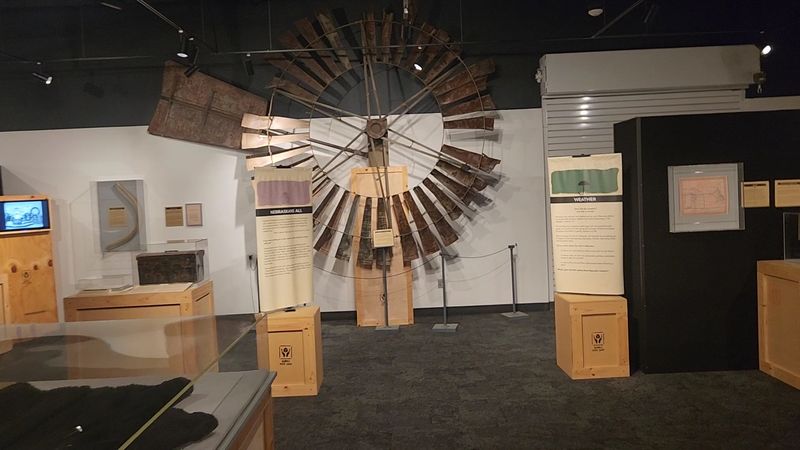
Minnie Freeman was a young teacher near Ord when the 1888 storm battered her sod schoolhouse. As the story goes, she tied her students together and guided them through the snow to a nearby farmhouse.
Newspapers across the country picked up the tale, and a popular song even celebrated her as Nebraska’s fearless maid. Not bad for someone who simply showed up to teach that morning.
Her story shows why Nebraskans still talk about the blizzard with pride rather than only sorrow. It’s a tale of quick thinking, steady nerves, and a teacher who refused to leave a single student behind.
Stories like hers are exactly what History Nebraska exists to protect. The agency preserves letters, photographs, and records that keep prairie memories from fading.
At the Nebraska History Museum, exhibits change over time. If a specific topic like one-room schools matters to you, check what’s currently on view before you go.
Even so, the museum’s people-first approach captures the same spirit Minnie Freeman showed. You’ll meet Nebraskans who displayed courage in classrooms, communities, and causes of every kind.
A Floor Map Big Enough To Stroll Across The Whole State
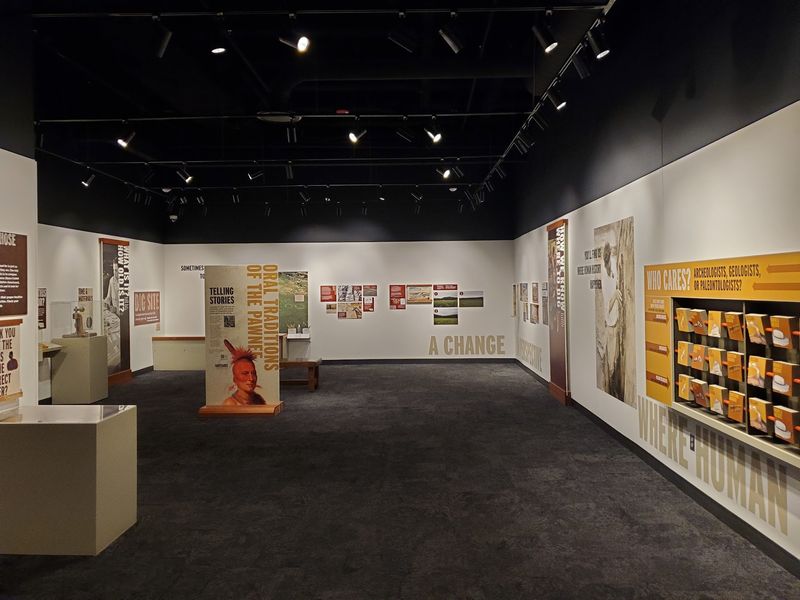
Few museum exhibits let you stroll from Scottsbluff to Omaha in about the time it takes to tie your shoes. The huge map of Nebraska on the ground floor does exactly that.
You can walk the state and spot towns and rivers from a bird’s-eye view. It’s a fun way to find your hometown, your grandparents’ farm town, or that place you always pass on the interstate.
For blizzard stories, the map adds real perspective. Find Ord in Valley County, then notice how much open country stretches between small towns.
That distance matters when you think about 1888. Rural schoolhouses sat far apart, and a few miles of prairie meant serious trouble when snow hid every landmark.
Kids tend to treat the map like a giant game board. Parents get to sneak in a geography lesson without anyone noticing, which counts as a win.
The map also makes a smart first stop before heading upstairs. Once you’ve seen how the state fits together, exhibits about different eras and regions make more sense.
Snap a quick photo of your crew standing on their home county. It might be the easiest family photo in Lincoln.
Ancient First Peoples Open A Very Long Timeline
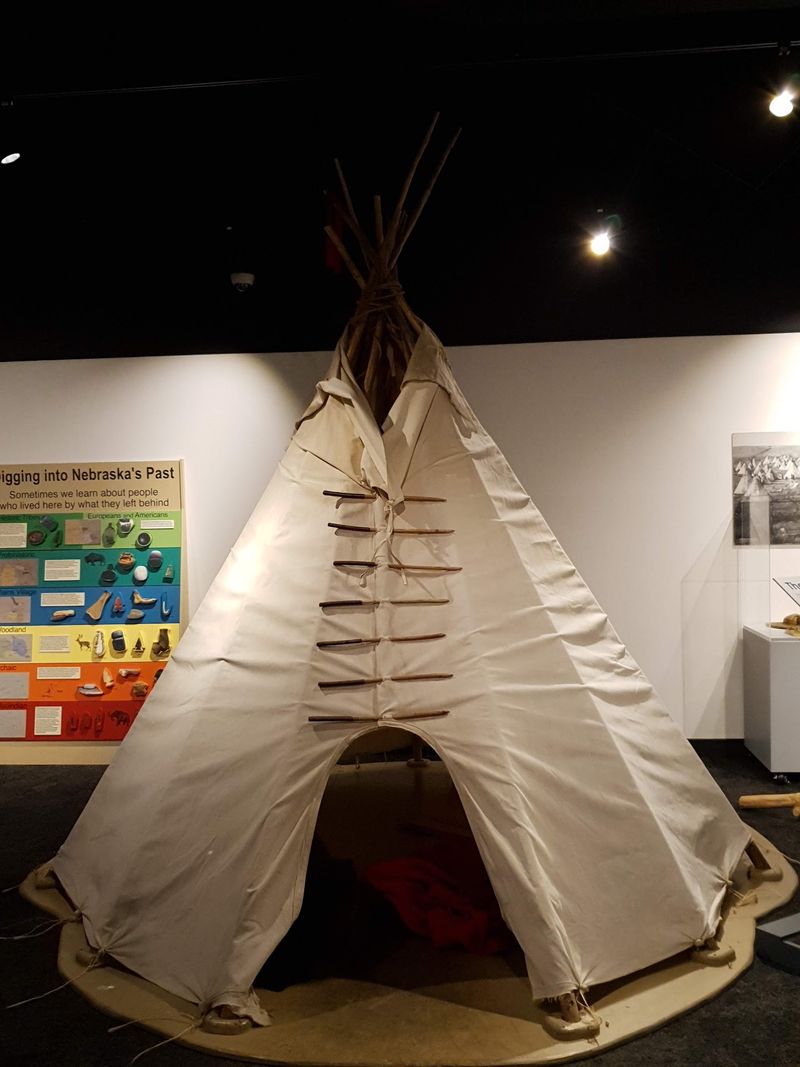
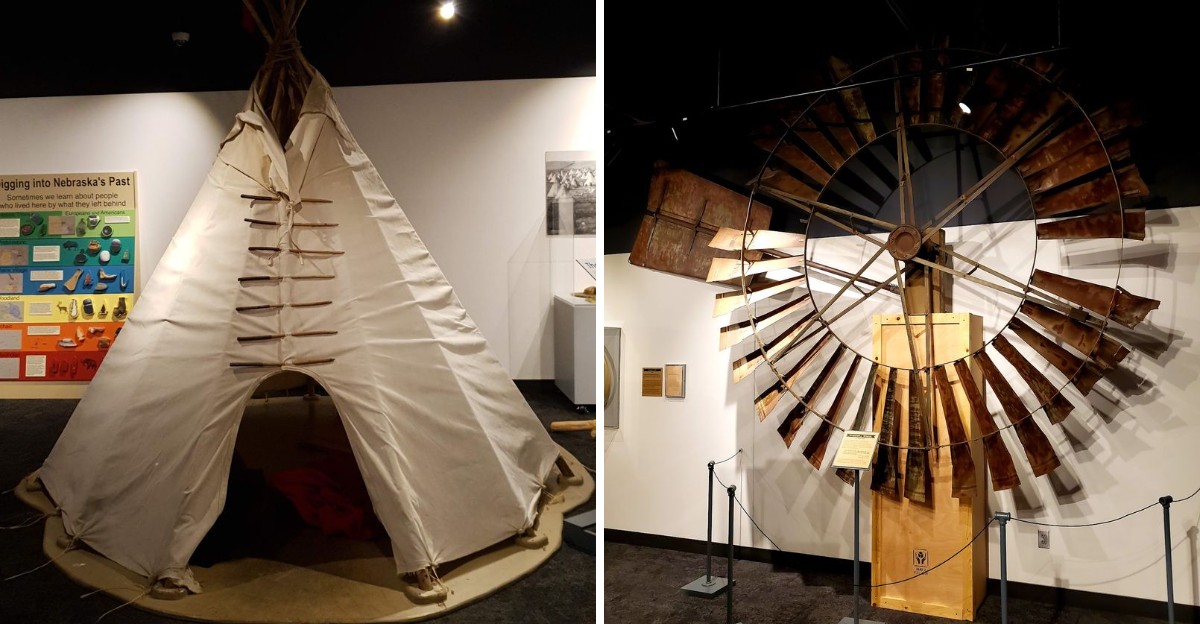
Long before the first sod schoolhouse went up, people had lived on these plains for thousands of years. The museum’s exhibits on ancient first peoples help set that much bigger stage.
Native American history appears throughout the collection, giving context to the land settlers later called home. It’s a reminder that Nebraska’s story didn’t start with railroads or homestead claims.
From there, the timeline stretches from prehistoric times all the way to now. That sweep helps you see the Blizzard of 1888 as one chapter in a much longer book.
Cultural artifacts fill out the galleries, paired with short, clear descriptions. You can read a quick panel, look closely at the object, and move on without feeling buried.
The museum has also explored the people behind big causes, including a women’s rights exhibit in recent years. Social history like that shows how Nebraskans pushed for change, not just how they weathered storms.
Plan to slow down on the first two floors if you enjoy reading every label. Those floors hold the deeper history, and curious adults can easily spend a couple of hours there.
Teens with history projects may find plenty of material too. A school report can suddenly get a lot more interesting here.
Wiggly Kids Rule The Third Floor
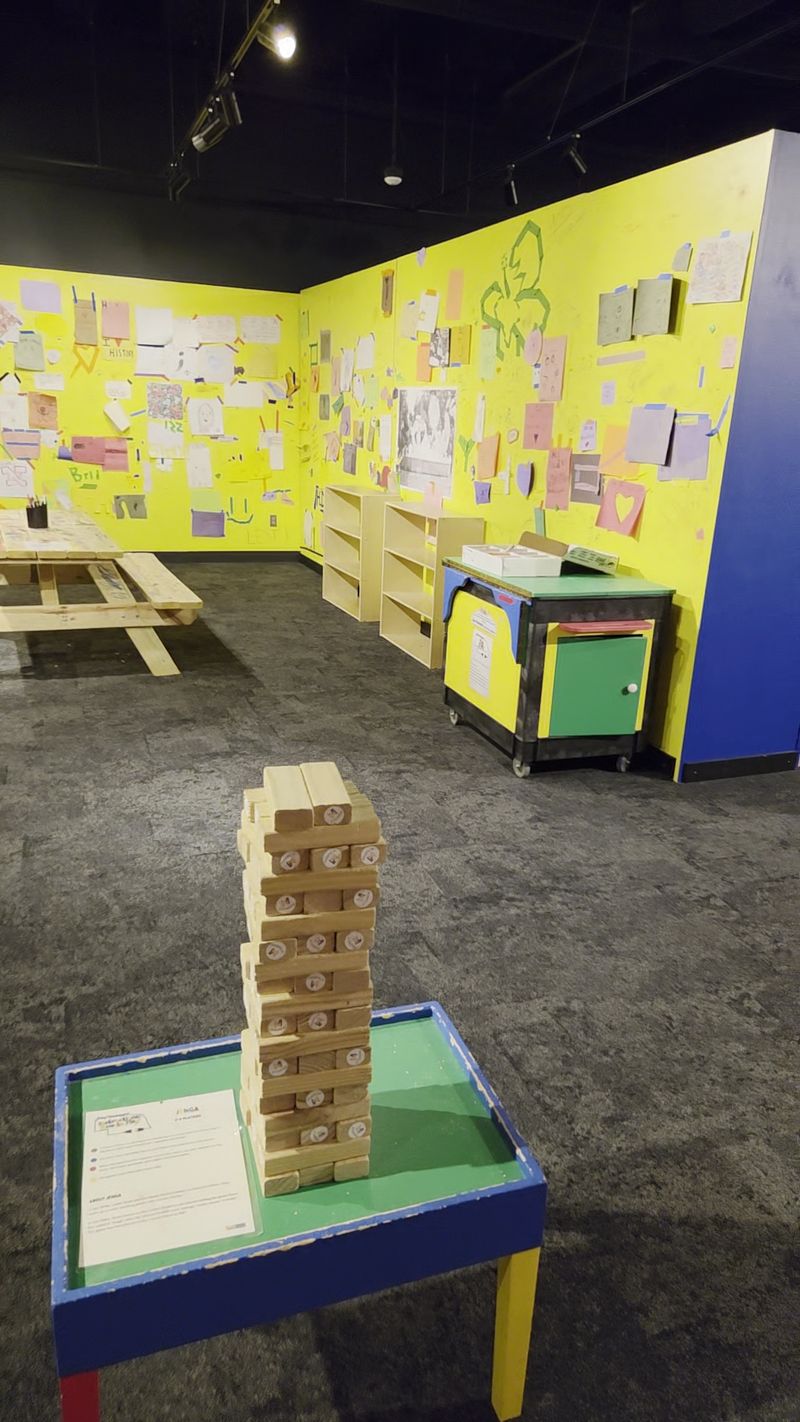
Parents of energetic kids, take note: the third floor is mostly play space. Games and yard-style activities give younger visitors room to move after all that reading downstairs.
Most exhibits throughout the building include some kind of interaction too. That keeps small hands busy and turns history into something kids can touch and try.
The museum also offers a hands-on learning room. It’s a smart spot for children who learn best by doing rather than reading panels.
Picture the contrast with a child in 1888, sitting in a one-room schoolhouse with a slate. Today’s young visitors get games and open space instead, which makes a fun talking point on the ride home.
Pulling kids away from the third floor can take some negotiating, so build in extra time. A little bribery involving the gift shop may or may not help.
Adults without children can skip this level and focus on the galleries below. Families, though, might find the third floor is the reason everyone stays cheerful.
It also makes the museum a solid winter outing when Nebraska weather keeps everyone indoors. Somewhere, a pioneer teacher would surely approve of a warm room full of busy kids.
Visiting Days, Admission, And A Gift Shop Worth A Stop
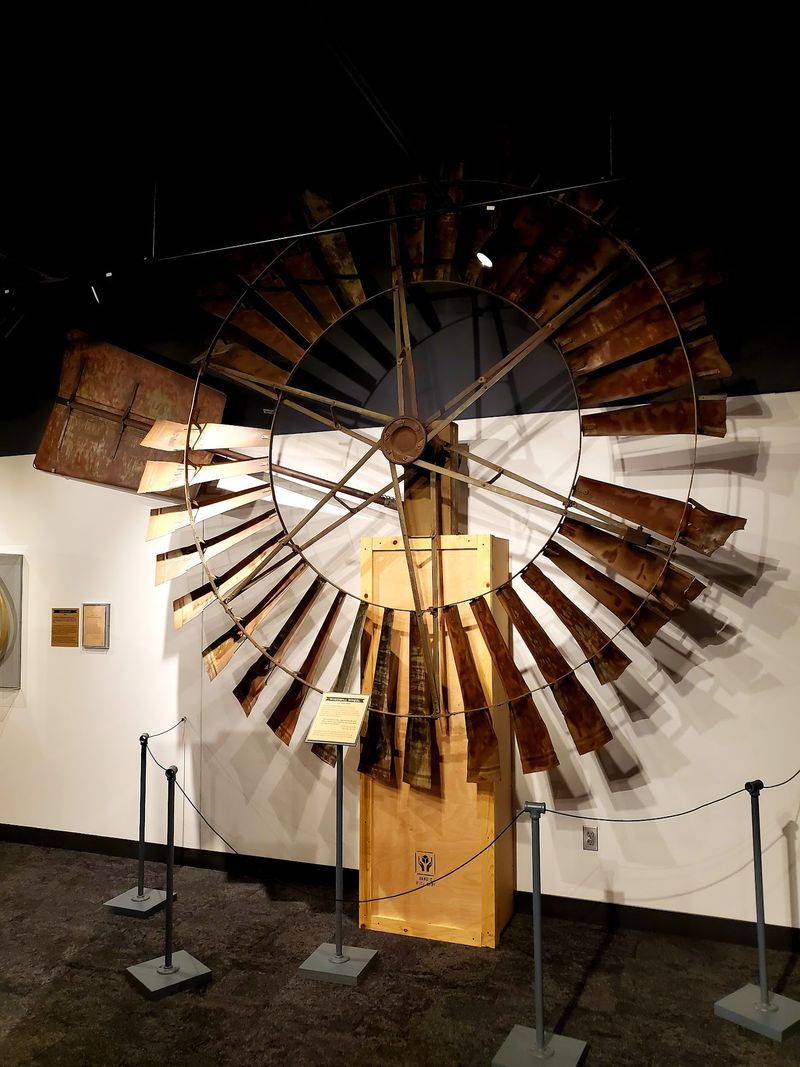
Mark your calendar carefully, because the museum keeps a Tuesday through Saturday schedule. It’s closed on Sundays and Mondays, so weekend plans should lean toward Saturday.
You’ll find it at 131 Centennial Mall N, Lincoln, NE 68508, right in the downtown core. Its spot near the Capitol makes it easy to pair with other downtown stops.
Admission is modest, and the youngest children may get in free. Check current rates before you go, since pricing can change.
The museum also participates in Museums for All, a program that reduces admission for families on assistance programs. That keeps state history within reach for more households.
Accessibility features help more visitors explore the building comfortably. Arrive with time to spare, because the afternoon closing comes sooner than you’d think.
Plan for anywhere from a quick hour to most of an afternoon, depending on how much you read. Families heading to the third floor should budget a little extra.
Before you leave, save a few minutes for the gift shop. It carries a nice range of items, and it’s an easy place to grab a Nebraska-themed keepsake.
A Warm Indoor Tribute To One Cold Prairie Day
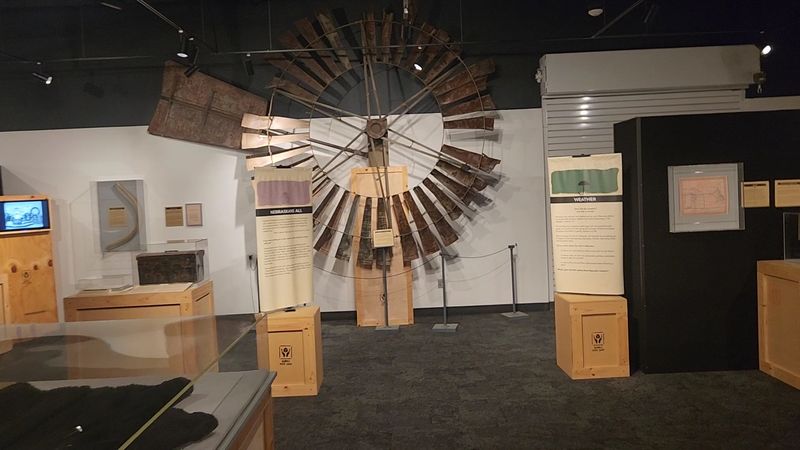
Nebraska has never forgotten January 12, 1888, and it probably never will. The blizzard turned teachers into heroes and gave families stories they told for more than a century.
The Nebraska History Museum is a natural place to connect with that heritage. It doesn’t recreate the storm, but it keeps the spirit of prairie people front and center.
You get a giant floor map, ancient history, people-focused exhibits, and a play floor for kids. That’s a lot of ground covered under one roof in downtown Lincoln.
The museum suits curious families, history fans, homeschool groups, and anyone new to the state. Newcomers especially can pick up a quick foundation in Nebraska history in a single visit.
Collections change over time, so each trip can feel a little different. That’s part of the fun of returning every few years.
Stand on the map, find Valley County, and think about Minnie Freeman leading her students through the snow. It’s a small moment, but it makes that faraway storm feel close.
Few outings combine a history lesson, a geography game, and a gift shop treat so neatly. On the next frosty January day in Nebraska, this might be exactly where you want to be.