This North Carolina Bird Park Just Opened A New Home For 10 African Penguins
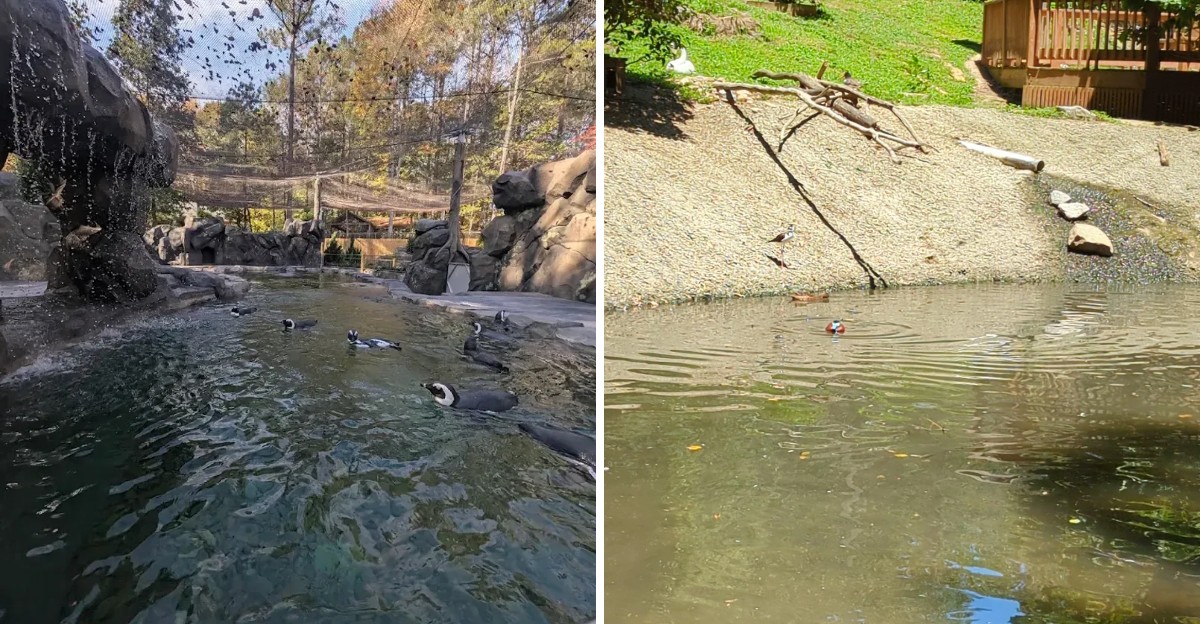
Penguins under the North Carolina sun immediately made me curious.
These newcomers are African penguins, a warm-weather species that does not need an icy backdrop to look completely at home.
Their new habitat can hold 16 birds, with an underwater window giving visitors a front-row view when they start swimming.
I have a feeling that glass could steal most of my afternoon.
The setting makes their arrival even more interesting, since the park already houses thousands of birds representing six continents.
Still, these little tuxedoed residents come with a much bigger story.
African penguins are critically endangered, so the exhibit also introduces visitors to the challenges facing them in the wild.
For me, that makes watching one rocket past the window feel like more than an adorable photo opportunity.
Penguins Just Made History In Eastern North Carolina
Big news travels fast when it wears a tuxedo. Sylvan Heights Bird Park in Scotland Neck has opened Penguin Point, its brand-new penguin exhibit.
Opening day arrived in October, and it marked a real first. Opening day arrived on October 17, 2026, marking the debut of eastern North Carolina’s first penguin exhibit.
The habitat is built to give a flock of 16 African penguins a home. The first residents are a group of ten male penguins.
That makes them the founding members of a very exclusive club. I like to think they’ve already picked their favorite rocks.
The exhibit is large and outdoors, which fits this species perfectly. It gives the birds space to swim, waddle, and show off.
For a park that focuses on rare birds, this is a bold new chapter. It also gives families a fresh reason to plan a trip east.
If you’ve visited before, consider this your excuse to return. If you haven’t, the penguins make a pretty convincing first invitation.
Either way, the newest neighbors are settling into their home. And they look ready for an audience.
Grab A Front-Row Seat At The Underwater Window
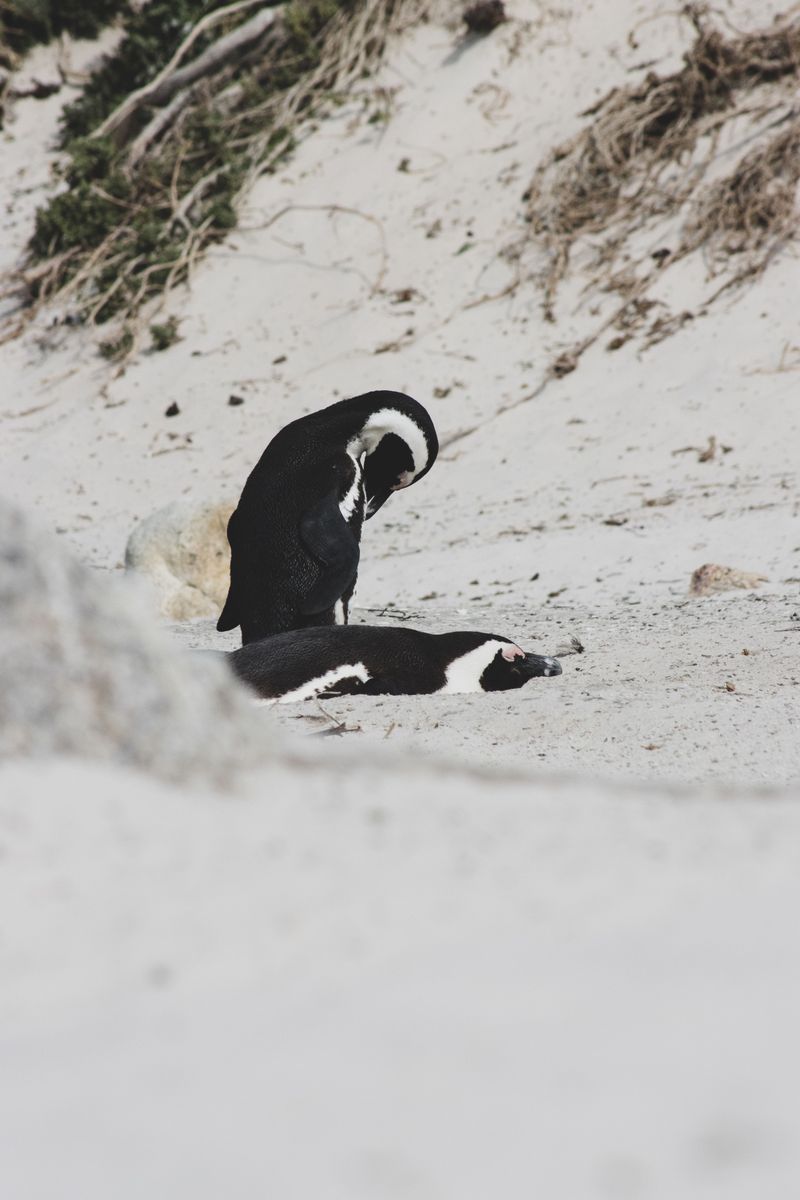
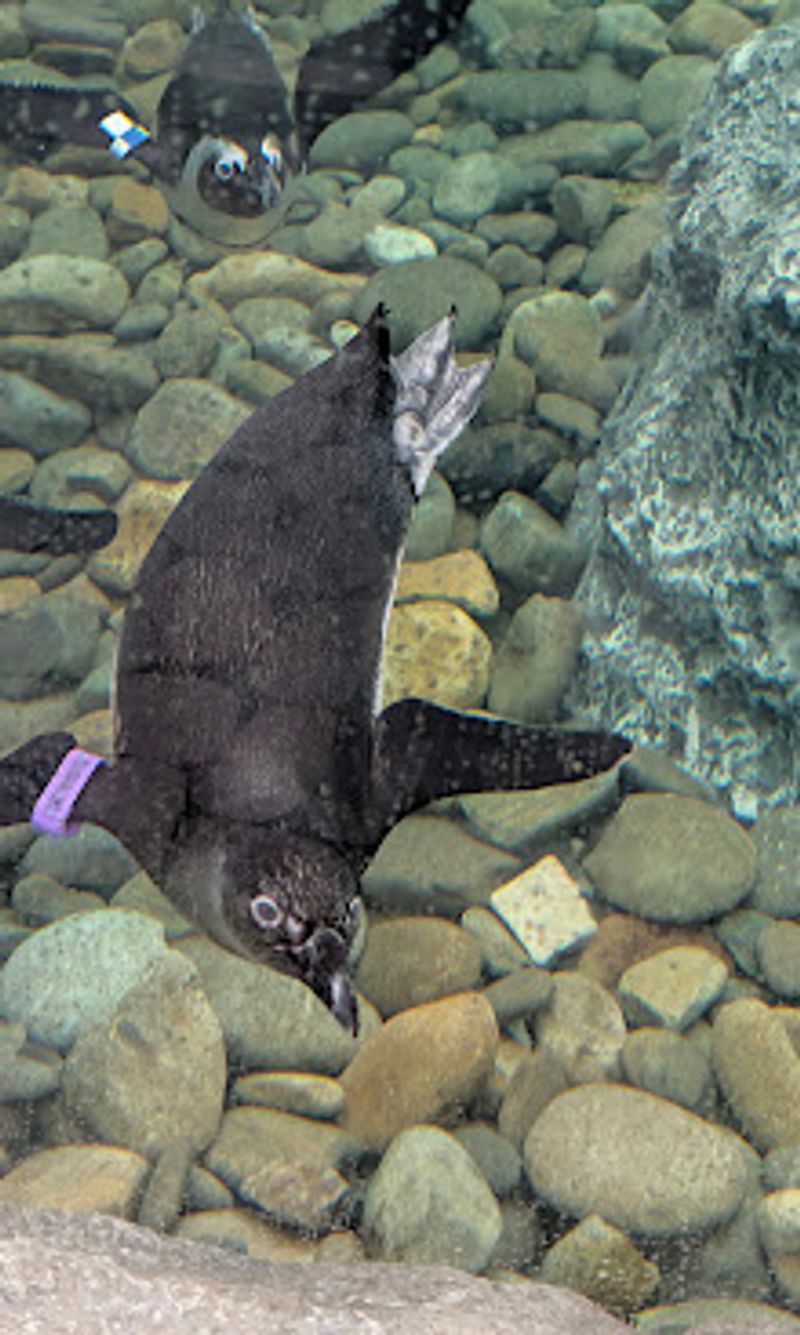
On land, penguins waddle like they’re wearing shoes two sizes too big. Underwater, they turn into sleek little rockets.
Penguin Point lets you see both sides of that personality. The exhibit includes a dive pool and an underwater viewing window.
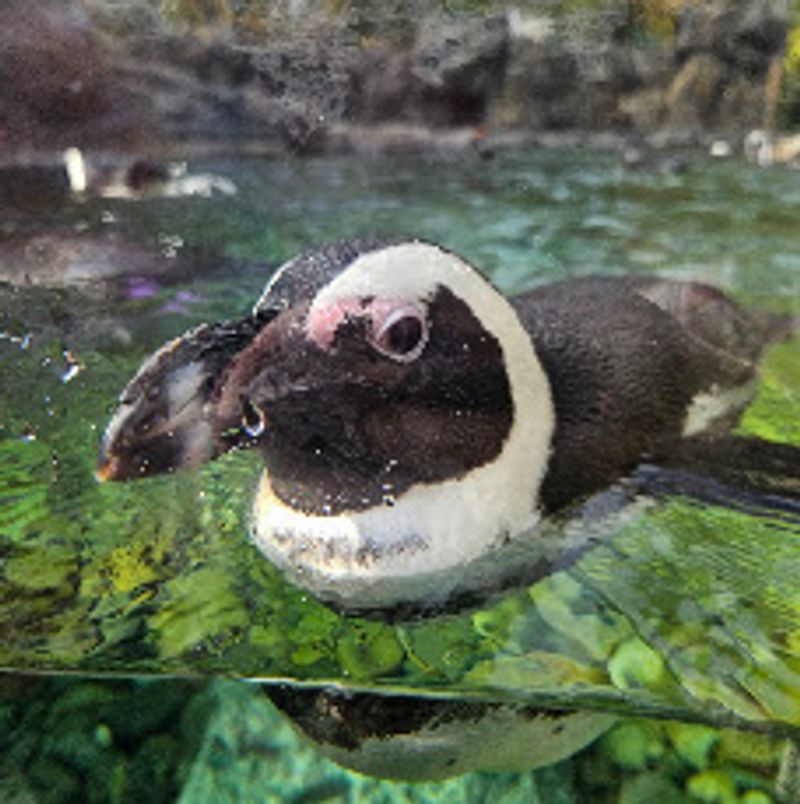
That window is the spot I’d aim for first. You get a fish-eye view of the birds gliding past, wings working like flippers.
Above the water, sculpted terrain gives the penguins rocks to climb and spots to rest. A dedicated viewing area lets you watch them from the surface too.
Behind the scenes, the habitat uses a specialized water filtration system. Clean water keeps the birds healthy, and it keeps your view crystal clear.
Kids will probably press their noses to the glass. Honestly, grown-ups might too, and nobody will judge.
Bring your patience along with your camera. Penguins swim on their own schedule, so a few extra minutes can pay off nicely.
When one finally zooms right past the glass, you’ll understand the hype. It’s a perspective most people never get to see.
You’ll find all of this at 500 Sylvan Heights Park Way in Scotland Neck. It sits in the northeastern part of North Carolina, surrounded by quiet countryside.
A Couple Of Bird Lovers Built All Of This
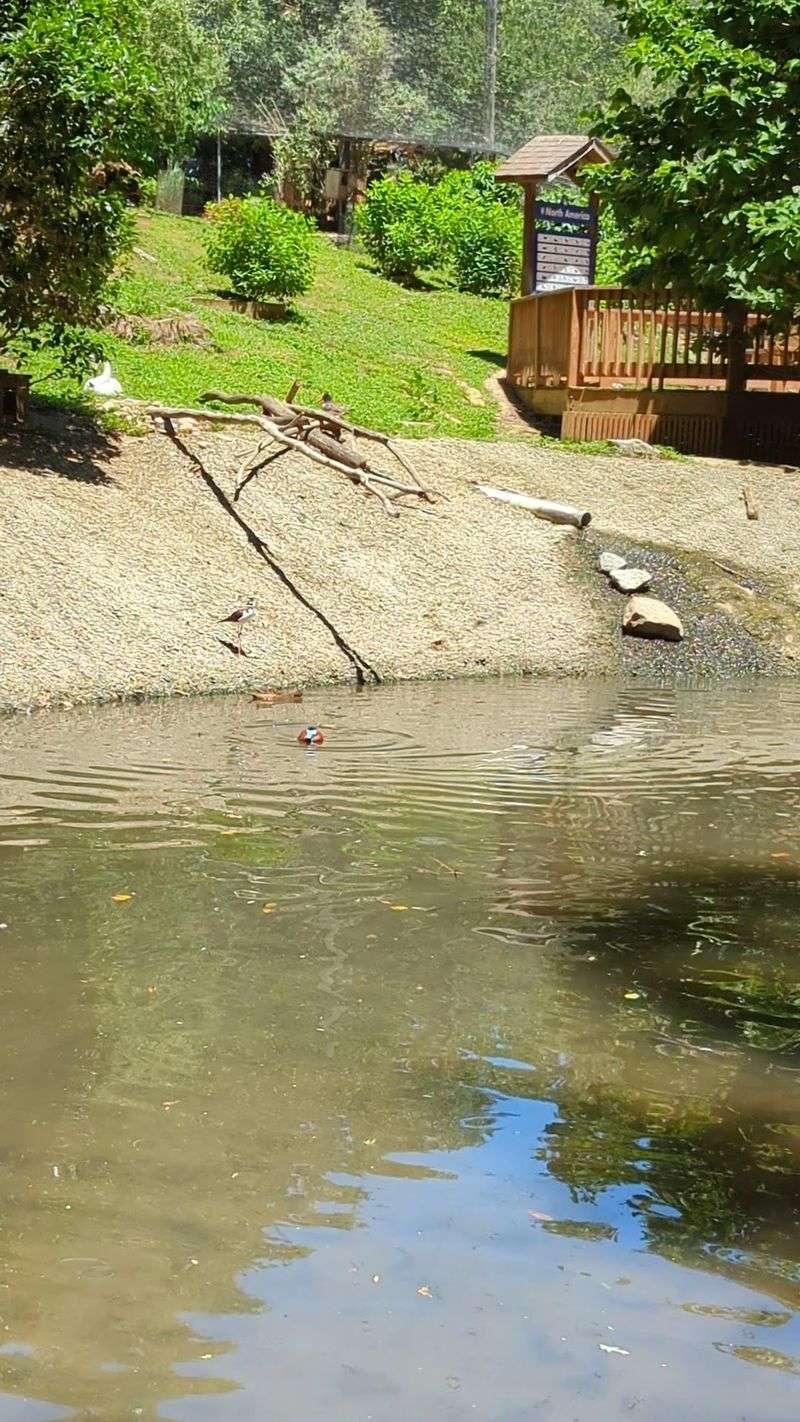
Every great park starts with someone who just can’t stop. Here, that someone was a pair of dedicated bird lovers named Mike and Ali Lubbock.
The couple began breeding rare waterfowl in North Carolina in 1981. Their collection kept growing, which happens when your hobby has feathers.
In 1989, they moved everything to Scotland Neck. There they set up the Sylvan Heights Avian Breeding Center.
The public didn’t get to explore until 2006. That year, Sylvan Heights Bird Park opened its gates to visitors.
Mike Lubbock became known as the Waterfowl Man. With a nickname like that, you know his heart belonged to ducks, geese, and swans.
I like how the penguins fit into that long story. They’re new, but they continue the same mission of caring for rare birds.
That history gives the park a personal feel. It grew from decades of hands-on work, not from a quick business plan.
So when you stroll past those ponds, remember the roots. A small breeding project became one of the most special bird spots around.
Forget Icebergs Because These Penguins Love Warm Weather
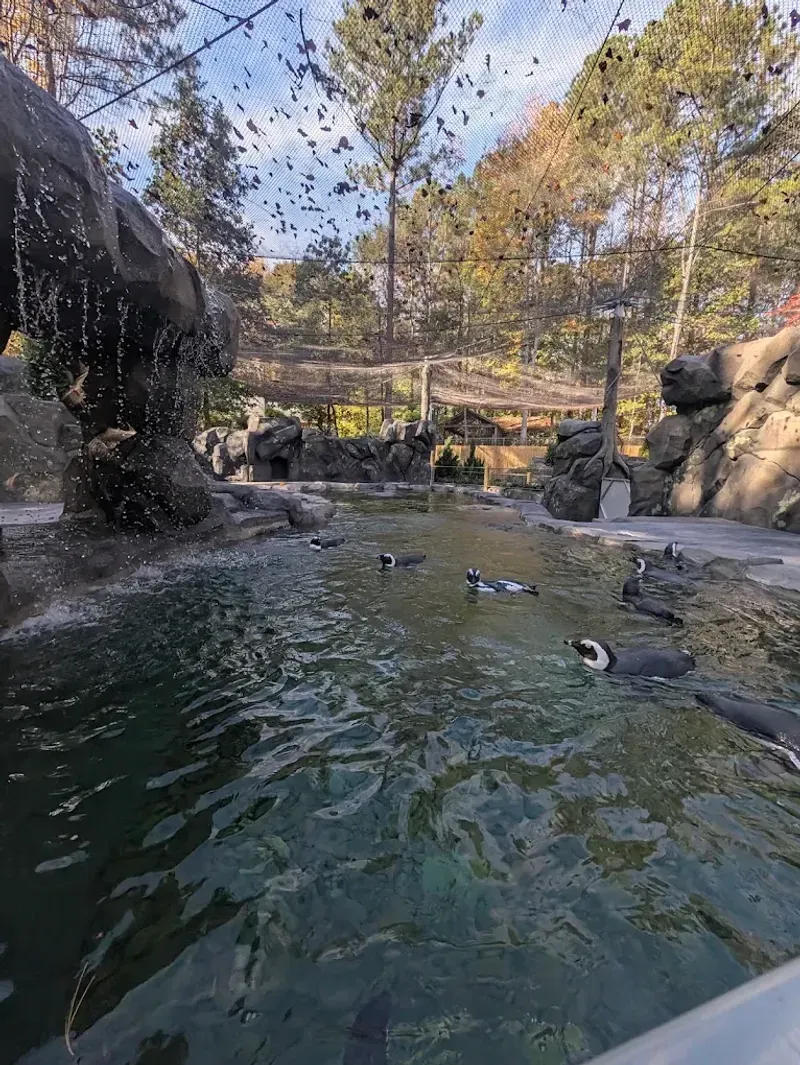
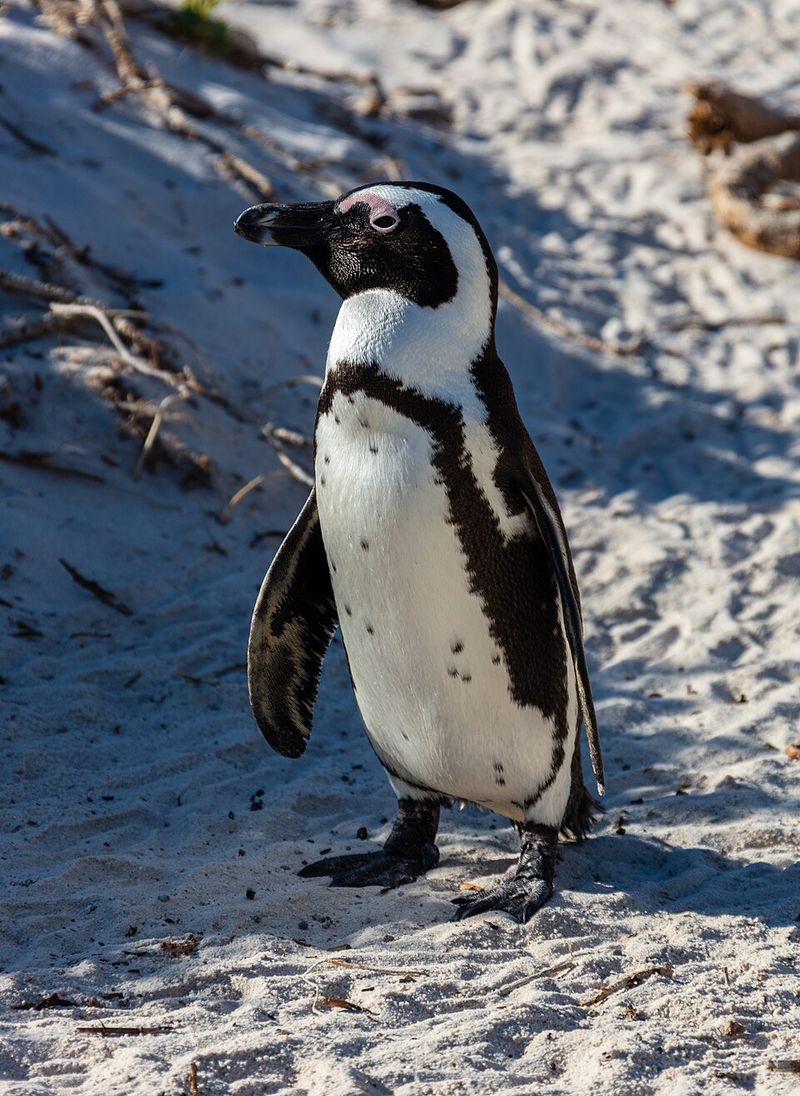
Not every penguin dreams of snow. African penguins come from the warm, temperate coasts of southern Africa.
That detail changes everything for a park in the South. These birds can live in an outdoor exhibit in North Carolina without needing a frozen room.
You can spot them by the black band across their white chests. Each bird also has its own pattern of black speckles, a bit like a fingerprint.
Here’s the serious part, though. African penguins are critically endangered, and wild numbers have dropped by about 95 percent over two centuries.
That’s why this exhibit isn’t only about cute photos. Sylvan Heights Bird Park teamed up with the Maryland Zoo to bring these birds east.
The Maryland Zoo oversees the national Species Survival Plan for African penguins. That program carefully manages healthy populations in zoos and parks across the country.
So every waddle you watch has a purpose behind it. These penguins are ambassadors for cousins facing tough times in the wild.
Knowing that makes the visit feel bigger. You’re not just seeing penguins, you’re seeing a conservation effort in action.
Six Continents Of Birds Without Ever Boarding A Plane
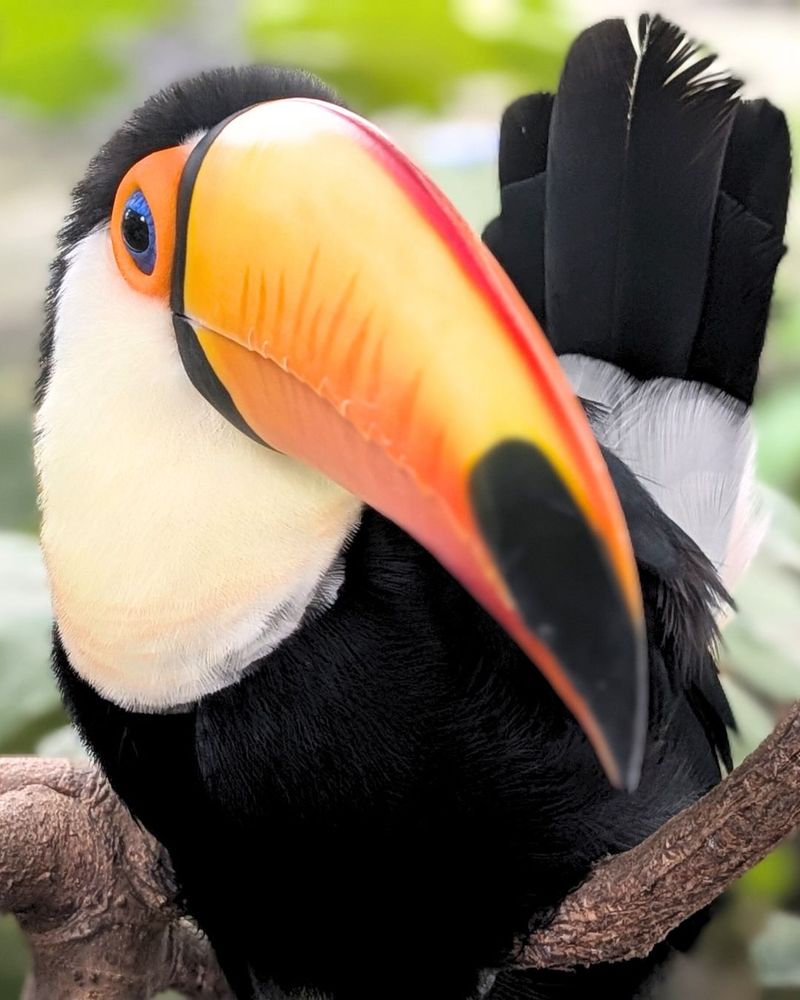
Over 2,500 birds live at this park. They come from six continents, which makes the walk feel like a very quick world tour.
Sylvan Heights Bird Park is home to the world’s largest collection of rare and endangered waterfowl. That’s a big claim, and it’s a big reason the place stands out.
The aviaries are themed by continent. One moment you’re among South American birds, and the next you’re somewhere entirely different.
Ducks, geese, and swans are the stars of the waterfowl show. But the cast also includes parrots, pheasants, cranes, and owls.
Then come the showstoppers. Toucans, flamingos, emus, and macaws bring plenty of color and attitude.
Many aviaries let you walk right through them. Netting overhead keeps the birds in while you enjoy them up close.
Take your time reading the signs as you go. Each one helps you learn which bird you’re looking at and where it comes from.
With this many species, you’ll likely meet birds you’ve never heard of. That’s half the fun of a place built around rare birds.
Your Hand Is About To Become A Parakeet Perch
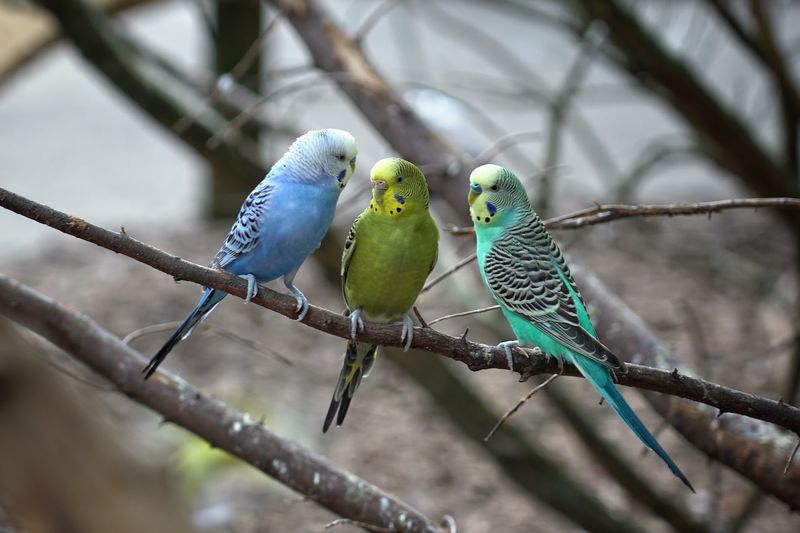
Few things make people giggle like a parakeet landing on their hand. The Landing Zone makes that moment happen.
This interactive exhibit lets you hand-feed colorful parakeets. Their bright greens, blues, and yellows look even better at arm’s length.
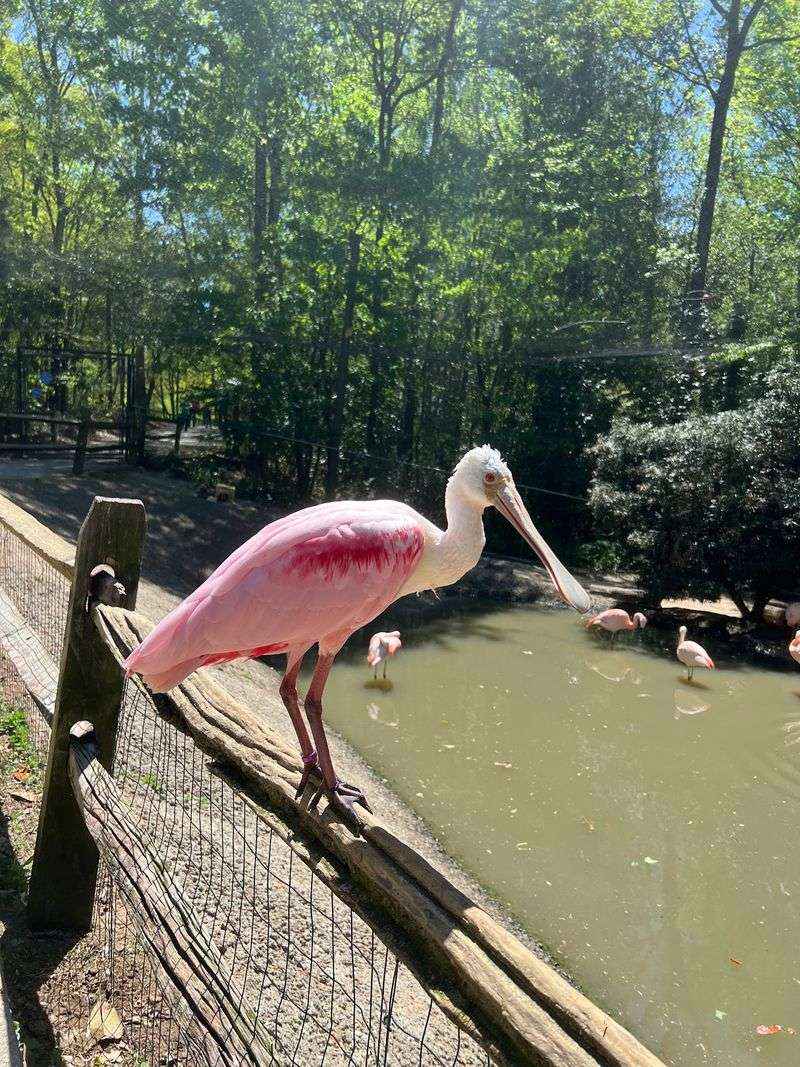
The surprise twist is the flamingos. Yes, you can hand-feed them in the Landing Zone too.
How many places let you say you fed a flamingo? It’s a fun story to bring home, and it makes a great photo.
Kids usually love this stop, but adults tend to light up just as much. Something about tiny feet on your fingers is hard to resist.
Keep your movements calm and slow. The birds feel more comfortable when you aren’t waving your arms around.
The Landing Zone has set open times, so check the schedule when you arrive. Planning around it helps you avoid missing out.
Penguins may be the new celebrities in town. But the Landing Zone remains a crowd favorite for very good reasons.
Climb Into A Treehouse Built For Everyone
Treehouses aren’t just for kids with hammers and big ideas. This park has an impressive one, and it’s wheelchair accessible.
From up top, you get sweeping views of the natural wetlands. It’s a peaceful break from aviary hopping.
The grounds also include gardens and natural areas. They show off the native plants and wildlife of North Carolina.
Want a quieter moment? The Beaver Pond Blind lets you watch local wildlife from a hidden spot.
A blind works like a hideout for nature watchers. You stay out of sight while the wildlife carries on with its day.
I like that the park balances exotic birds with local nature. You get toucans from far away and wetlands right outside the fence.
Slow down when you reach these spots. Some of the best sightings happen when you stop talking for a minute.
Bring binoculars if you have them. Wetlands reward sharp eyes, and you never know what might glide past.
Every Ticket Quietly Helps Rare Birds Worldwide
Behind all the fun sits a serious mission. Sylvan Heights Bird Park works as an avian conservation and education center.
The park focuses on protecting waterfowl and the wetlands they need. It also serves as an international hub for training and research in bird care.
Breeding programs here support some of the rarest birds on Earth. That work makes the penguin partnership feel like a natural fit.
Nearly 60,000 visitors come through each year. That’s a lot of people learning about birds they might never see anywhere else.
Educational programs and special events add extra layers to a visit. Self-guided tours let you set your own pace too.
I believe that mission is what makes this place memorable. You leave with photos, but also with a bit more care for wild birds.
That’s a pretty good souvenir. And it doesn’t take up any room in your bag.
Plan Your Penguin Day Before You Hit The Road
Mondays usually belong to the birds. The park is generally closed that day, except for certain holidays, so check the schedule before planning your visit.
From November through March, the park opens at 9 a.m. and closes at 4 p.m. During the warmer months, from April through October, visitors have until 5 p.m. to explore.
Arriving in the morning gives you more time to explore. With penguins, parakeets, and wetlands to see, those hours go fast.
Start with Penguin Point if the new birds are your main goal. Then work your way through the continental aviaries at an easy pace.
Remember to check Landing Zone times when you arrive. That way, you won’t miss your chance to feed a flamingo.
Comfortable shoes are a must for all that strolling. Water bottles and sun protection help on warm days too.
Scotland Neck sits in a rural corner of the state, so plan your drive ahead. The countryside views make a nice warm-up for the birds waiting ahead.
Once you’re there, slow down and enjoy it. Ten African penguins are worth a little road trip, wouldn’t you agree?