This Historic Georgia Market Has Become A Foodie Paradise Filled With Unexpected Flavors
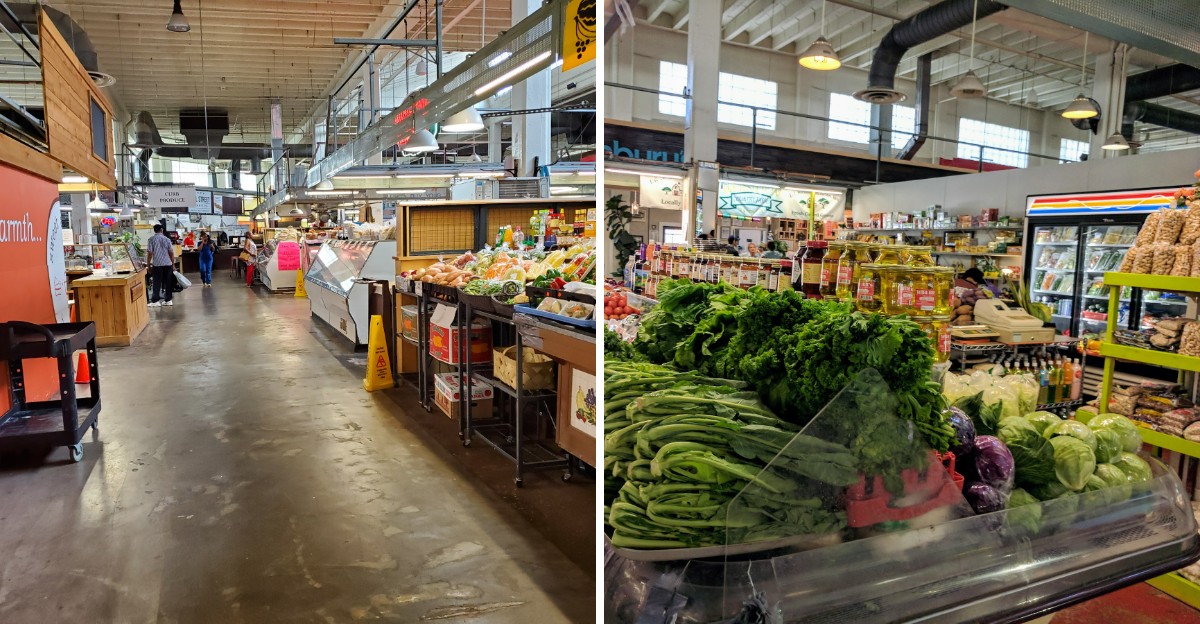
Frog legs and oxtail share the same roof here, a few steps from Vietnamese food, Ethiopian dishes, and fresh pralines. That lineup alone made me stop and look twice.
The building opened in 1924 on land cleared by a giant city fire. Today it holds about 30 independent local businesses under one brick roof.
Some of them started small here and later opened their own restaurants across town.
I like how this place mixes grocery errands with a global food crawl. You can grab collard greens for Sunday dinner, then wander over for Caribbean food or a vegan bite.
It feels like Georgia history and a busy lunch counter rolled into one.
I can’t imagine a better way to taste a city in a single afternoon. So where do you even start?
A Market Born From The Ashes Of A Massive Fire
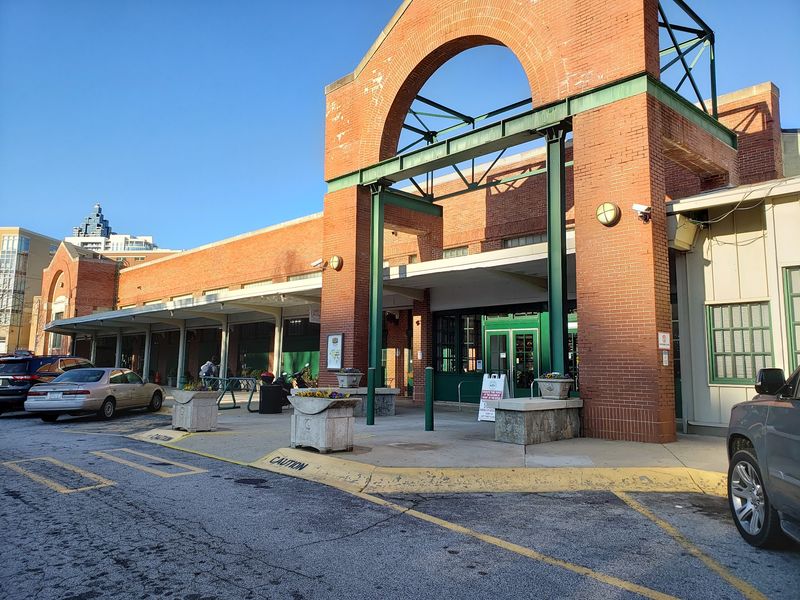
Back in 1917, the Great Atlanta Fire tore through a huge part of the city. The cleared land later became home to a scrappy open-air market in 1918.
Smart thinking, right? The city clearly learned its lesson.
That sturdy building still stands today at 209 Edgewood Ave SE, Atlanta, GA 30303.
The City of Atlanta owns the market, which makes it the only publicly owned market in town. It’s also one of the few city markets still running anywhere in the country.
That’s a rare kind of survivor.
The building has changed over the years. Its original two-story towers came down in the 1970s.
I love that you can buy lunch inside a building with this much backstory. Few food courts in Georgia can say they rose from a fire.
The Nickname Carries A Story Worth Knowing
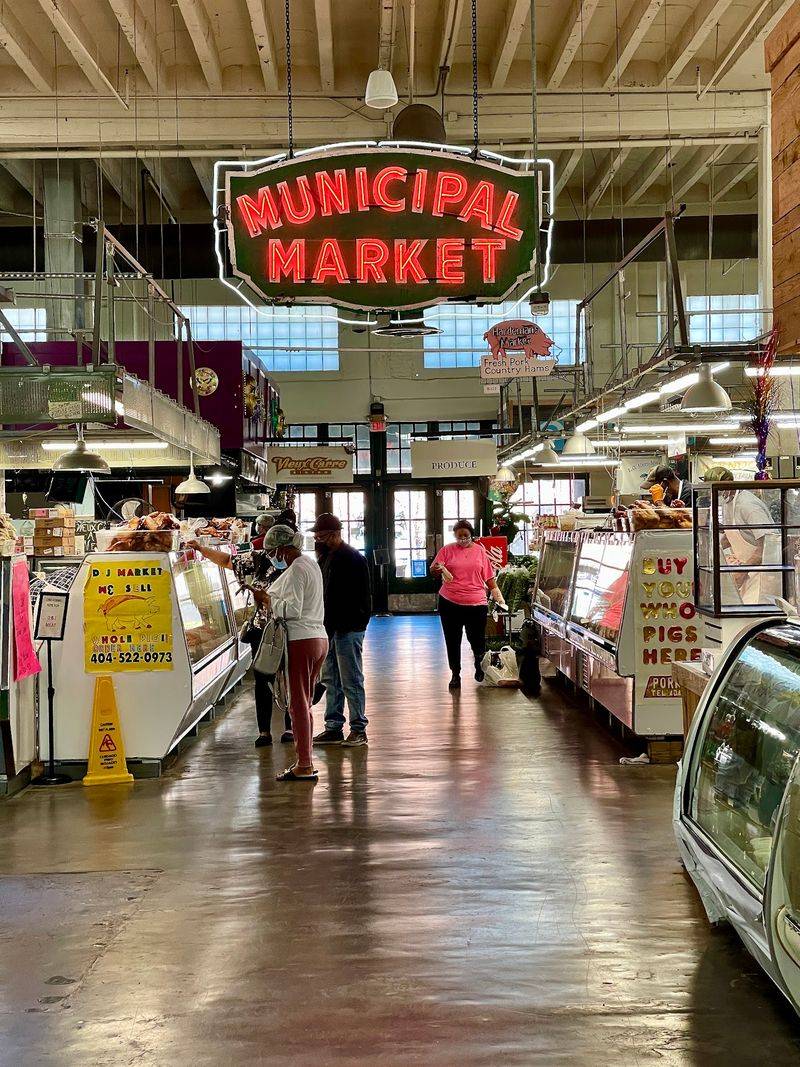
Plenty of Atlanta folks still call this spot the Curb Market. That name comes from a hard chapter in the city’s past.
During the Jim Crow era, Black vendors weren’t allowed to sell inside the main building. They set up stalls along the curb outside, while white vendors worked indoors.
The nickname stuck, and it still holds that memory today.
Around the late 1990s, the market was officially renamed the Sweet Auburn Curb Market. The name honors both the neighborhood and the vendors who sold their goods along the street.
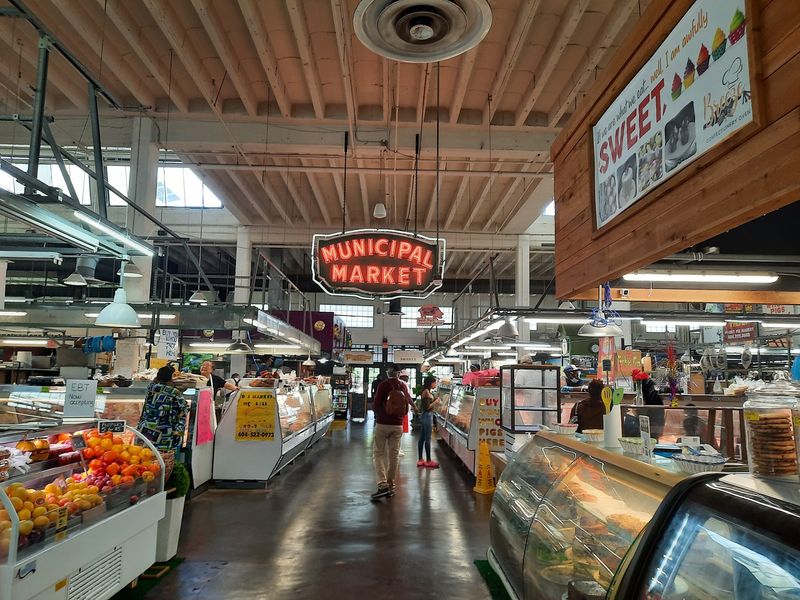
Today the building proudly goes by The Municipal Market again.
Keep your eyes open once you’re inside. An original exterior sign was damaged by a tornado, then restored.
Now it hangs inside the market for everyone to see.
That sign is a small detail with a big meaning. It reminds you that this building has weathered storms of more than one kind.
I believe knowing this history makes every bite taste a little richer. You’re eating in a place that kept going through real change.
Take a moment to look around before you order.
Your Passport Gets Stamped At Every Food Counter
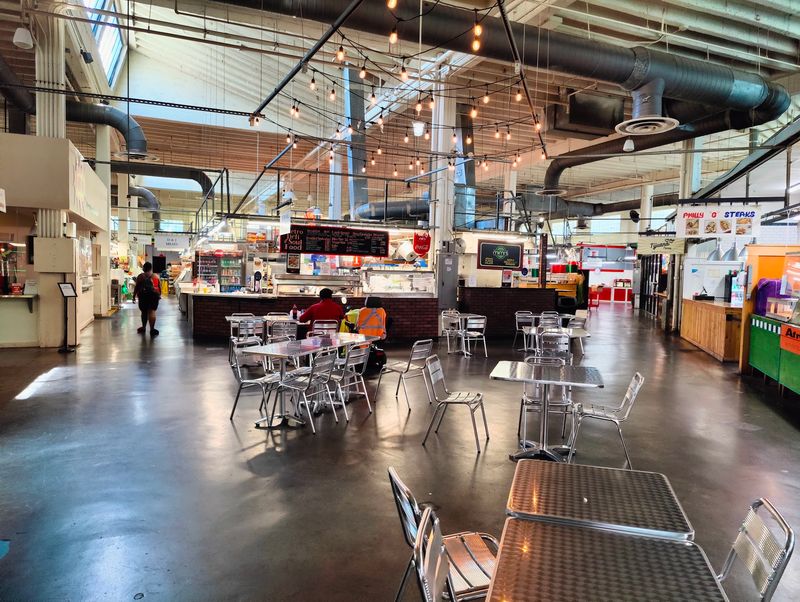
Caribbean plates, Vietnamese dishes, Ethiopian food, and barbecue all live within a few steps of each other. Add soul food, Mexican flavors, pizza, and vegan options, and your lunch plans suddenly get complicated.
The prepared food side of The Municipal Market feels like a world tour with no airport lines. You’ll also find burgers, burritos, poke, and fresh juices.
Picking just one counter might be the hardest part of your day.
Here’s a friendly tip. Go with a group and split things up.
One person grabs Caribbean, another grabs Ethiopian, and everyone shares at the table.
Mixing and matching is half the fun here. You could grab a side from one vendor and a main dish from another.
Nobody’s judging your creative plate.
The market also offers dine-in tables, so you don’t have to eat on the go. That makes it easy to slow down and actually enjoy your food.
It’s a nice break from downtown hustle.
Individual vendor hours can vary, so check before you go. Showing up hungry for one specific dish and finding it closed is no fun at all.
Oxtail, Frog Legs, And A Butcher Counter Full Of Surprises
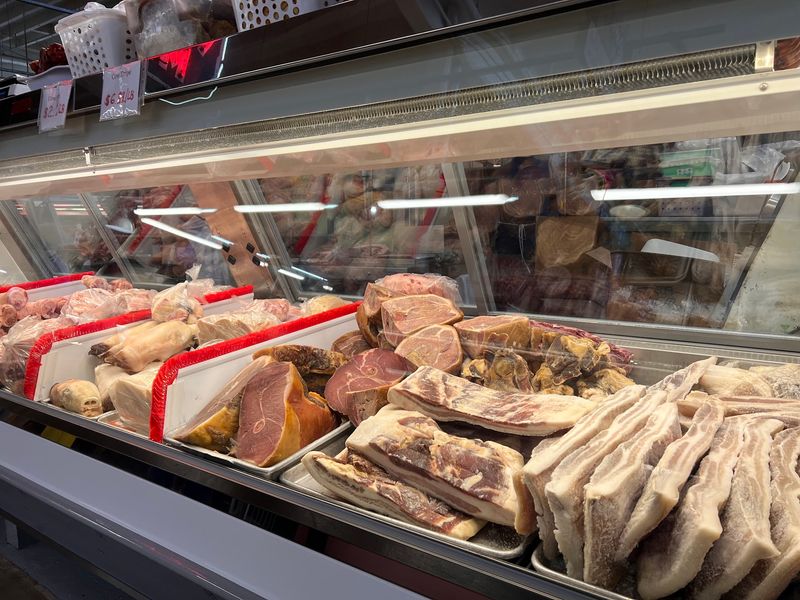
Frog legs are not something most grocery stores keep handy. At this market, they sit right alongside oxtail and other specialty cuts.
The Municipal Market is well known for its butchers and meat counters. Home cooks come here for cuts that can be tough to track down elsewhere.
If a family recipe calls for something unusual, this is a smart place to look.
Seafood counters add even more options to your shopping list. You can pick up fish or shrimp to cook at home, then grab lunch before you leave.
That’s an efficient errand if I ever heard one.
Planning a cookout or a holiday meal? Shopping here can make the menu feel more special.
You get local sellers instead of a giant chain store.
Ask questions at the counter if you’re unsure what to buy. Butchers usually know which cuts work best for stews, grilling, or slow cooking.
A quick chat can save your dinner.
Bring a cooler bag if you’re driving a long way. Fresh meat and seafood need to stay cold.
Your future self, standing in the kitchen, will thank you.
Save Room For Pralines, Pastries, And Something Sweet
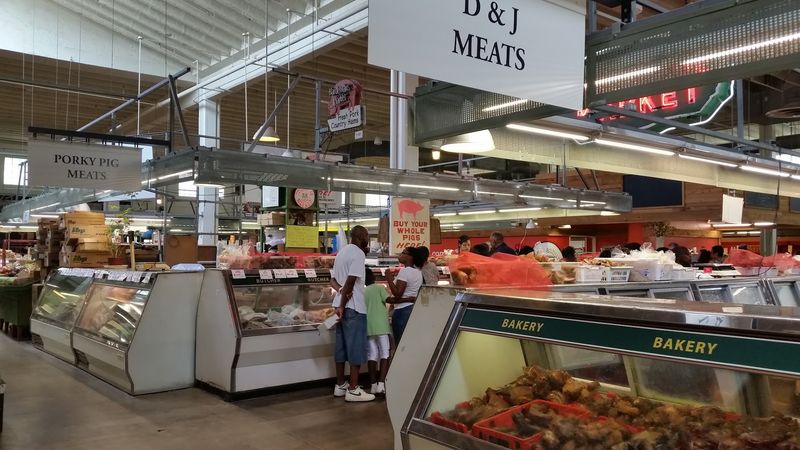
Sugar fans, this section is for you. The market includes a full-service bakery, plus vendors selling pralines and other baked goods.
Pralines feel right at home in a Southern market. They make a sweet snack while you walk, or a gift for someone back home.
Small boxes travel well, too.
Dessert can also be the perfect ending to your food crawl. After a plate of Caribbean food or barbecue, a treat from the bakery seals the deal.
Balance matters, after all.
Fresh juices and smoothie-style options also show up here. They’re a good choice if you want something lighter or a cool drink on a warm Georgia afternoon.
Variety is a big part of this market’s charm.
One smart move is to buy your sweets last. That way they don’t get squished under a bag of groceries.
Nobody wants a flattened pastry.
I like how the dessert stands make the whole trip feel festive. A simple shopping run turns into a small celebration.
Grab an extra treat for the ride home, because you’ll probably want it later.
Future Restaurant Stars Got Their Start Right Here
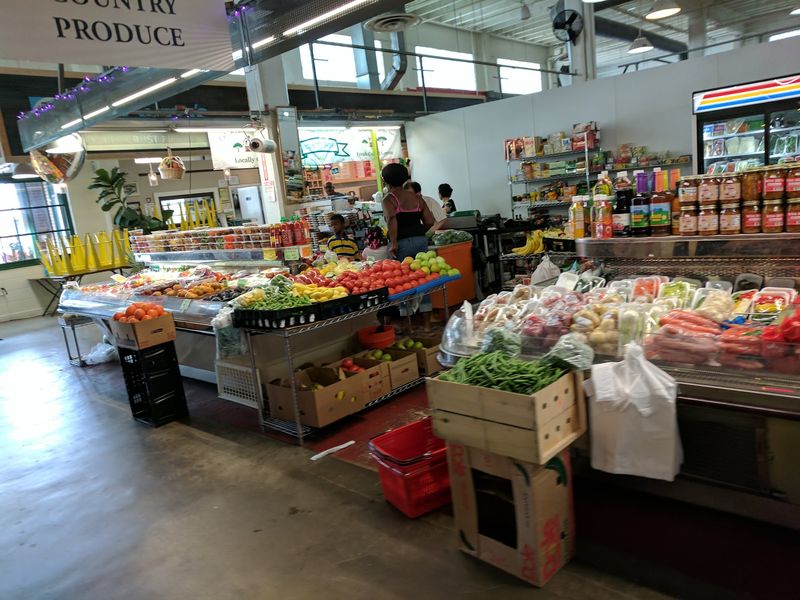
Some of Atlanta’s well-known spots started as small stalls inside this building. Grindhouse Killer Burgers, Bell Street Burritos, and Arepa Mia all began here before opening standalone locations.
That’s no accident. The market works as a small business incubator.
It offers below-market vendor spaces and plenty of foot traffic, which gives new owners a real shot.
For you, that means something exciting. The vendor you try today could be the next big name in town.
You’ll get bragging rights for eating there first.
The market houses about 30 independently owned local businesses. New names show up over time, too.
Recent additions include Retro Grill Atlanta, Dolce Tropical, A Taste of Secrets, and Edgewood Pizza.
Every new arrival changes the flavor mix a little. A repeat visit can feel surprisingly different from your last one.
That keeps things fun for regular shoppers and first-timers alike.
Spending money here also helps local families and dreamers build something. I think that’s one of the best reasons to visit.
Good food tastes even better when it supports a neighbor chasing a goal.
Fresh Produce Turns A Quick Stop Into A Real Grocery Run
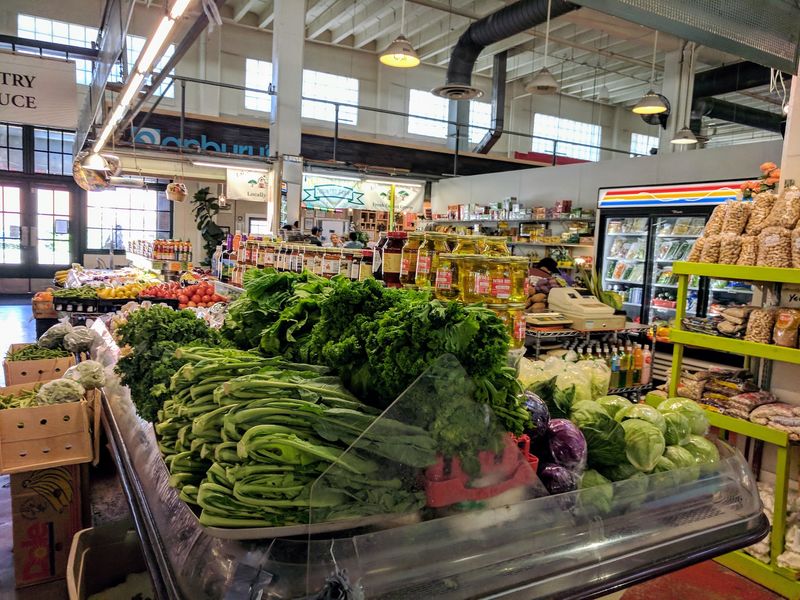
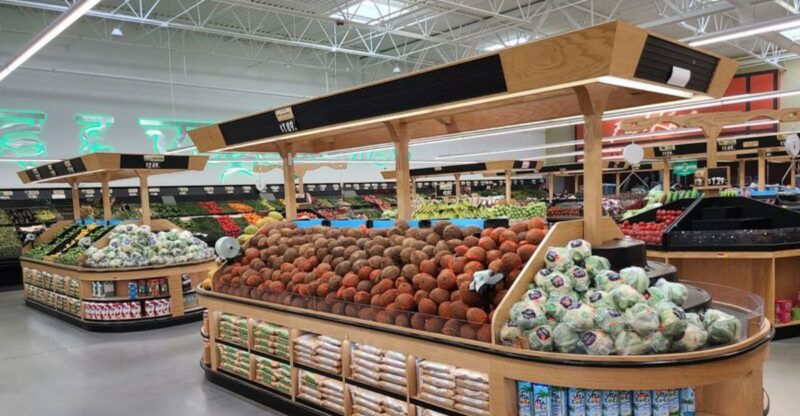
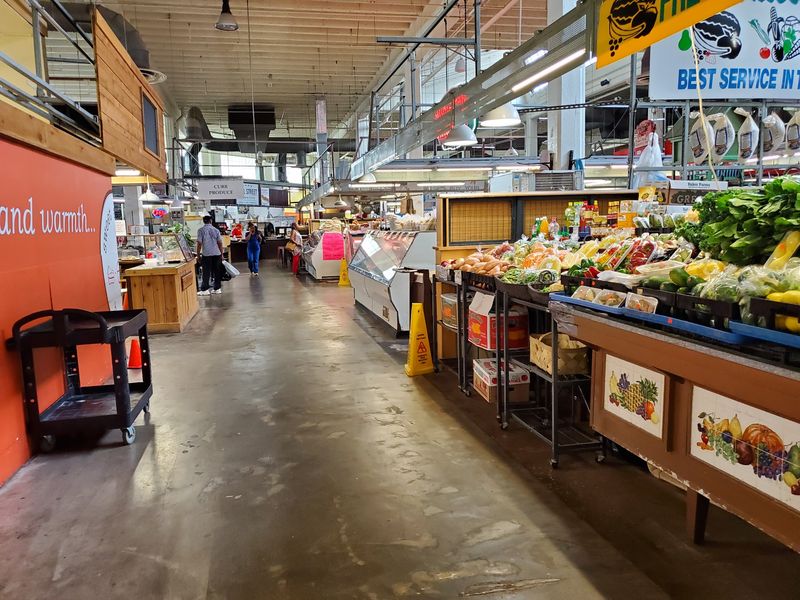
Collard greens are a big deal in the South. Here, you’ll find them alongside other fresh produce at the market’s grocery stalls.
Produce vendors share space with butchers, seafood counters, and the bakery. That makes The Municipal Market a handy one-stop shop for a home-cooked meal.
You can build an entire Sunday dinner without driving all over town.
Ethnic grocery items add another layer to the shopping. Cooks searching for specific ingredients may find them here.
It’s the kind of place where a missing piece of a recipe suddenly turns up.
A little planning helps. Write a short list before you go, then leave space for surprises.
Something new will probably catch your eye anyway.
Bring reusable bags so carrying everything stays easy. Greens, meats, and treats add up fast.
Your arms will appreciate the help.
I like that this market still feels useful, not just pretty. It serves people who actually cook, every week, not only tourists snapping photos.
That everyday purpose keeps the building lively and real, just like its early days in the 1920s.
Classes, Pop-Ups, And A Little Extra Fun Between Bites
Eating is the main event, but it isn’t the only one. The market also offers culinary classes for people who want to learn new kitchen skills.
Think of it as a bonus round. You can taste great food, then pick up tips to make your own at home.
That’s a pretty good deal for curious cooks.
Local pop-up events bring artisans into the space, too. These events add handmade goods and new faces to the usual lineup.
Every visit can feel a little different because of them.
Food tours have also been part of the scene. These tours often mix history with tastings from local vendors.
It’s a fun way to learn the story while snacking along the way.
Families and friend groups can make a whole outing out of this. Pair a class or tour with lunch and some shopping.
Suddenly your Saturday plans are sorted.
Keep an eye on the market’s social pages for upcoming events. Schedules change, and the best ones may fill up fast.
Booking early is always a smart move when spots are limited.
Hop The Streetcar And Explore Sweet Auburn After Lunch
Getting here is easier than you might expect. The Atlanta Streetcar has a Sweet Auburn Market station right across the street.
That convenience is a gift in downtown Atlanta. Parking is paid, but you can bring your ticket inside to get it validated.
That small step can save you some money.
The market is open Monday through Saturday, from 8 a.m. to 6 p.m. It’s closed on Sundays, so plan around that.
Showing up hungry on a Sunday would be a sad surprise.
Location is a huge part of the appeal. The market sits in the Sweet Auburn Historic District, a neighborhood rich in African American history.
It’s the childhood neighborhood of Dr. Martin Luther King Jr.
Georgia State University is within walking distance, too. Edgewood Avenue is known for its bright street art.
A stroll after lunch helps you see more of the area.
USA Today once ranked this place the 16th best food market in the world. President Bill Clinton visited in 1999.
I think that’s good company for a Georgia lunch stop.