Idaho’s Grand Statehouse Rises Over Downtown With A Dome, Marble Halls, And A Secret Underground Heat Source
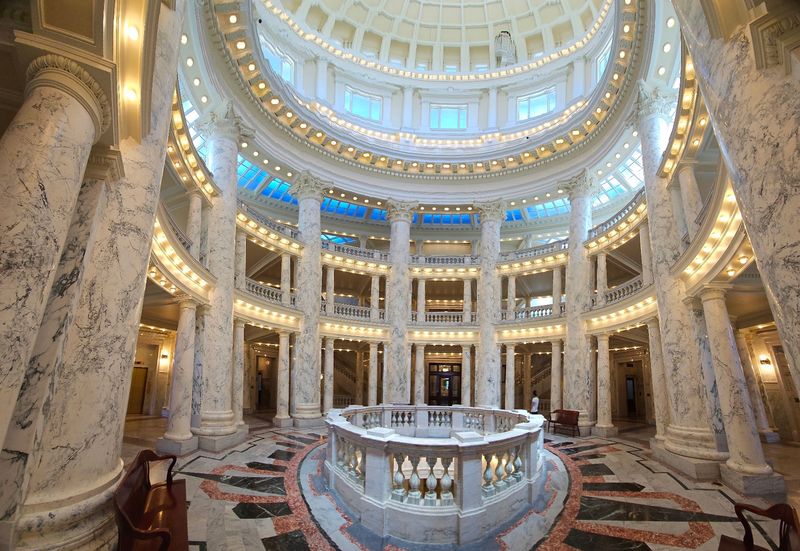
The building where Idaho writes its laws stays warm with hot water pumped up from deep underground. That geothermal heat makes it the only state capitol in the country warmed that way.
The dome hides a little math lesson too. Forty-three small stars ring the rotunda, a quiet nod to Idaho joining the union as the 43rd state.
Even better, the doors open to the public every day of the week, and wandering costs nothing. You can roam marble halls, study a history display downstairs, and stand right under that dome on an ordinary weekday afternoon.
I like how a working government building doubles as a free museum for anyone curious enough to walk up the steps. So how did a young frontier state end up with a statehouse this grand?
The Gleaming Dome That Caps Off Downtown
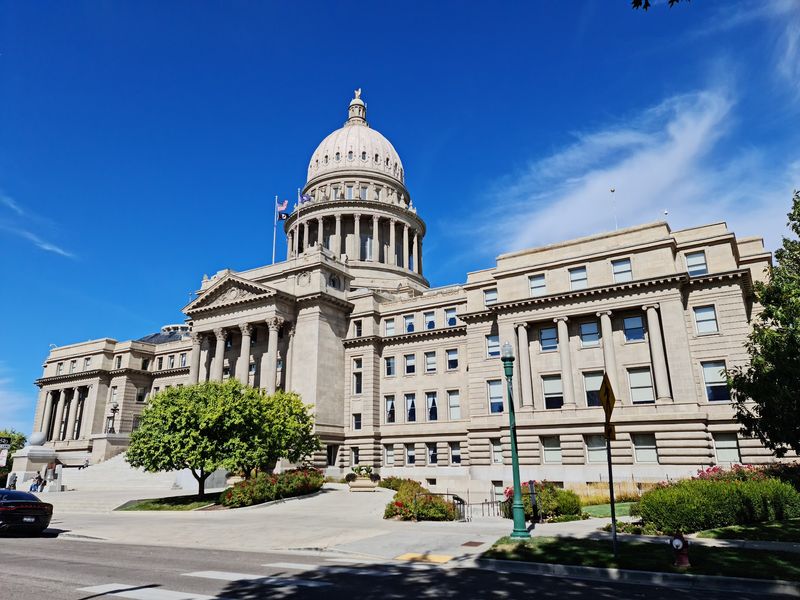
Stand at the far end of Capitol Boulevard and the view practically frames itself. The Idaho State Capitol sits at the top of the street, dome lifted high over downtown Boise.
It isn’t a museum that happens to look official. Idaho’s governor, legislature, and other state offices still work inside, so real government business happens under that dome.
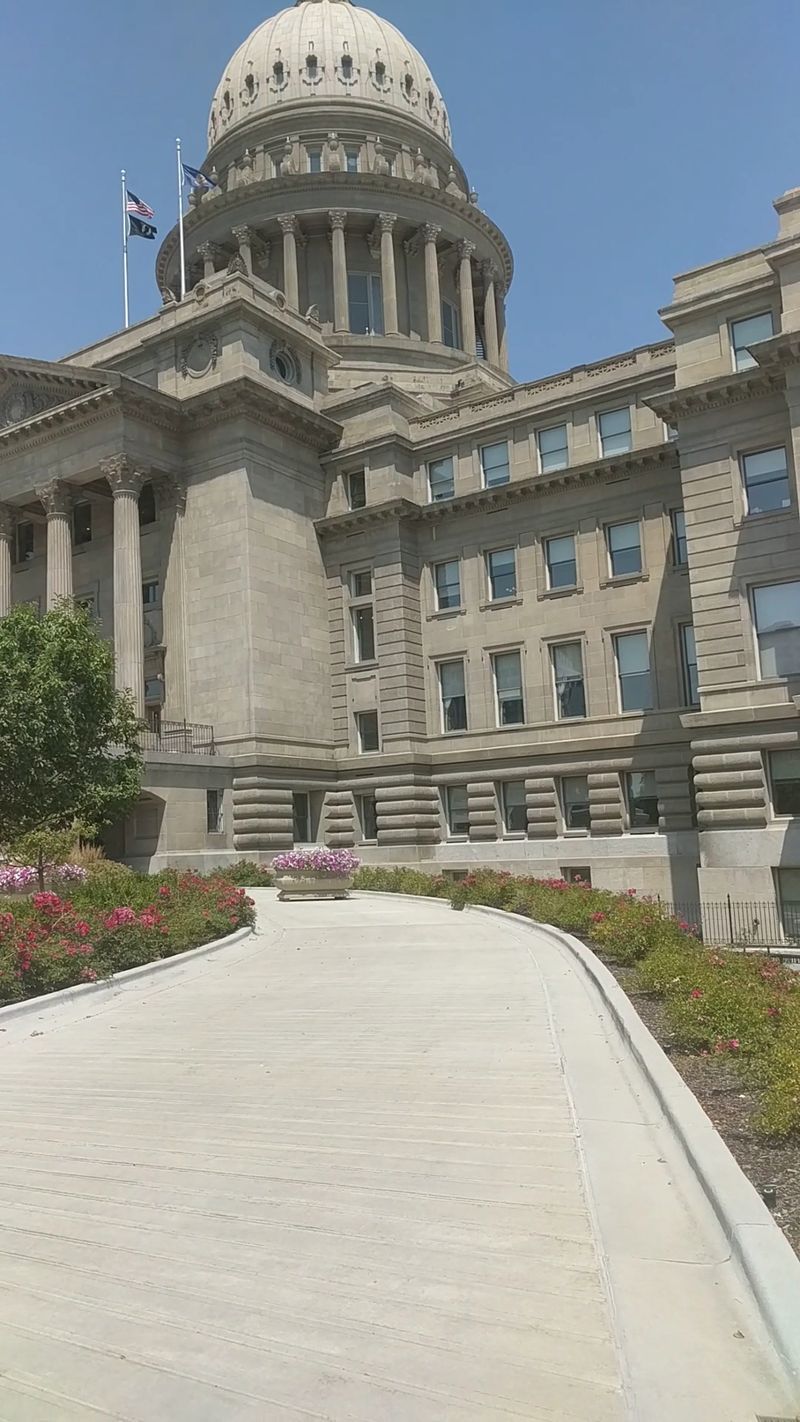
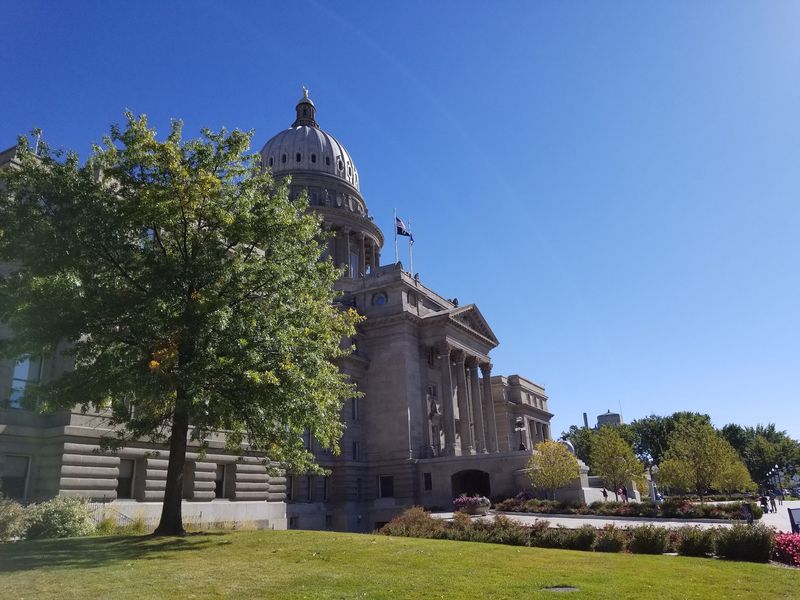
The building follows the neoclassical style, with columns, grand steps, and a central dome flanked by long wings. Think of it as Idaho borrowing a page from ancient Greece and Rome, then adding a western address.
Here’s the part that makes it a great outing. The public can walk in and explore much of the building, which is rare for a place where laws actually get written.
The location helps too, since the Capitol sits right beside the heart of the Treasure Valley’s biggest city. Coffee shops and restaurants line the nearby blocks, so a visit pairs easily with lunch.
For many Idahoans, this is the building from field trips and graduation photos. For newcomers, it’s an easy first lesson in what makes Idaho tick.
Two Architects And A Fifteen-Year Building Project
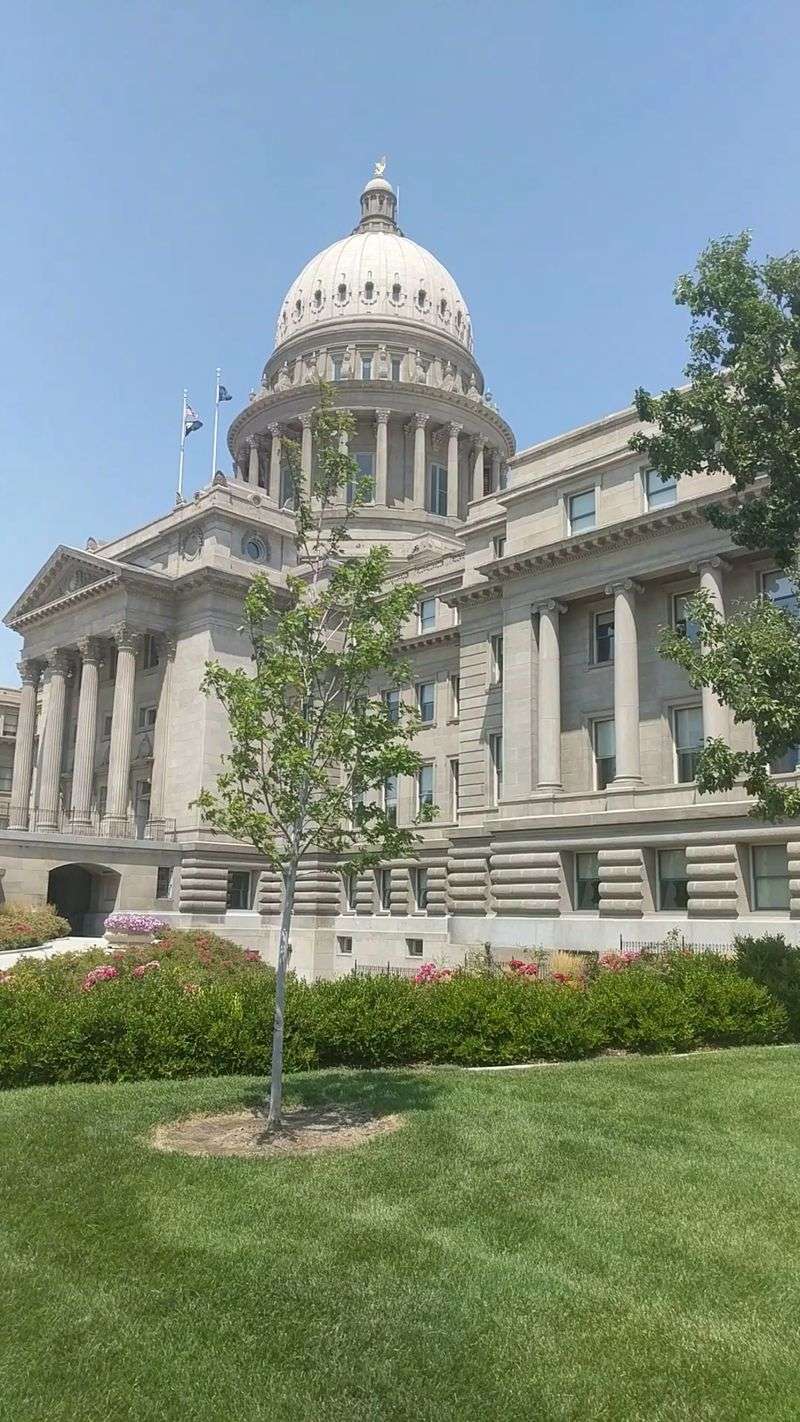
Patience built this place. Construction on the central section began in 1905, and the wings weren’t finished until around 1920.
The architects were John E. Tourtellotte and Charles Hummel, a Boise firm that shaped much of the city’s look.
Their names still come up whenever people talk about Idaho architecture.
Idaho had only been a state since 1890 when work started. A young state choosing such a formal, ambitious design said plenty about how it saw its own future.
The building has also had a modern chapter. A major restoration wrapped up around 2010, bringing back historic details and adding underground wings for more working space.
Those underground additions are clever because they don’t crowd the original silhouette. From the street, the classic profile still reads much as its designers intended.
So when you look up at the dome, you’re seeing two eras at once. There’s the early 1900s ambition and the careful restoration that kept it in shape for today’s visitors.
Not bad for a project that started when cars were still a novelty on Idaho roads.
Warmed By Water From Deep Below Boise
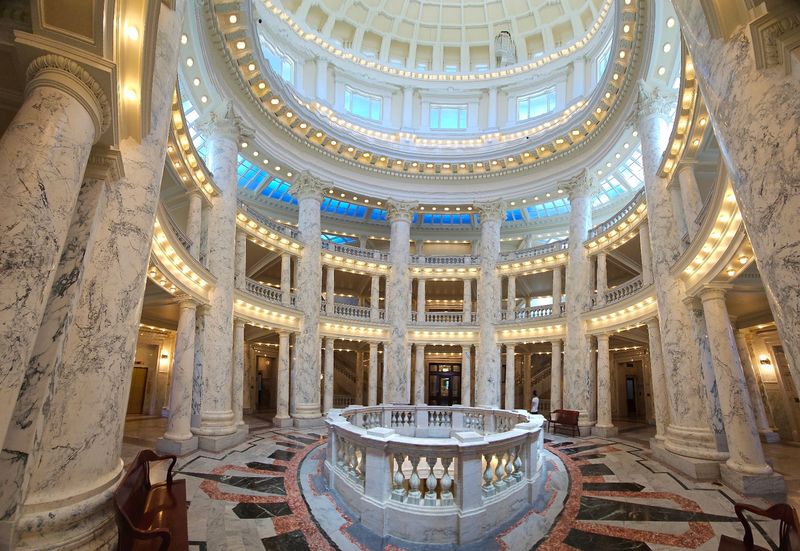
Most capitols run on a furnace and a utility bill. Idaho’s statehouse gets its heat from naturally hot water drawn from underground.
Boise has tapped geothermal water for well over a century, and the Capitol is part of that tradition. It’s the only state capitol in the country heated this way.
That’s a fun fact to drop during a winter visit. While snow dusts the lawn outside, the warmth inside traces back to heat stored beneath the Boise foothills.
You won’t see bubbling pools or steam vents in the hallways, so don’t expect a hot springs tour. The system works quietly in the background, just like good plumbing should.
Still, it changes how the building feels once you know the story. A grand marble statehouse powered partly by the ground itself feels very Idaho, practical and a little surprising.
It also connects the Capitol to the wider region. Idaho is famous for its hot springs, and this is the civic version of that same natural gift.
Somewhere, a geology teacher is smiling about it.
Count The Stars Under The Rotunda Dome
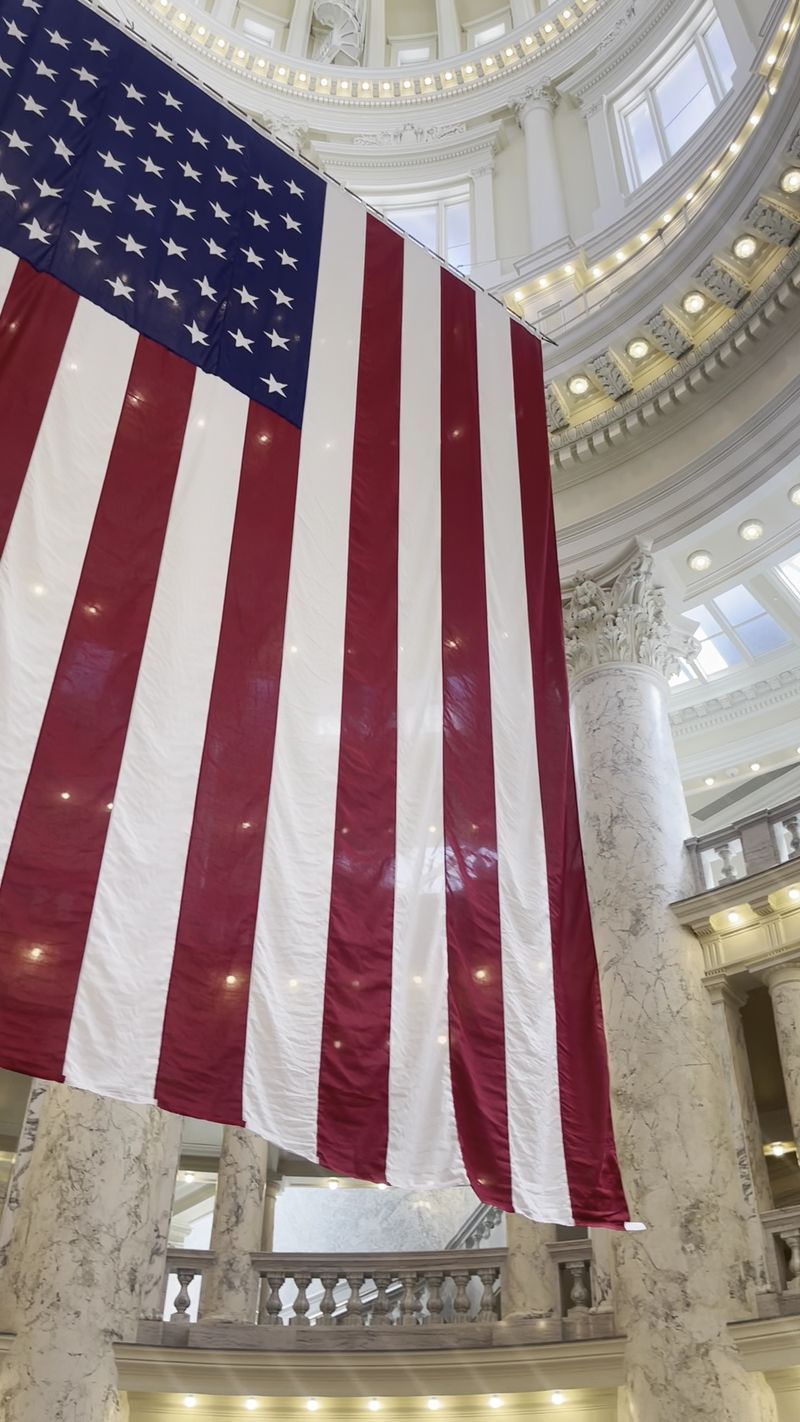
Tilt your head back in the rotunda and start counting. Small stars circle the dome, and there are 43 of them for Idaho’s place as the 43rd state.
Larger stars appear too, representing the original 13 colonies. It’s a neat little history lesson painted right overhead.
Marble shows up nearly everywhere around you, on floors, walls, and stairways. The columns look like solid stone, yet many use scagliola, a crafted finish that imitates marble.
Natural light pours through the building, and the upper levels catch some of the best of it. Stand on a high floor and look down, and the open center feels wonderfully tall.
Hand-finished woodwork adds warmth to all that cool stone. The mix keeps the space feeling grand without turning it cold.
One heads-up keeps expectations realistic. Visitors can’t climb up into the dome itself, so the best view is from the floors below, looking up.
A video room inside offers a closer look at the dome for anyone who wants more. Bring a camera with a wide lens if you have one.
A Basement History Lesson Worth The Stairs
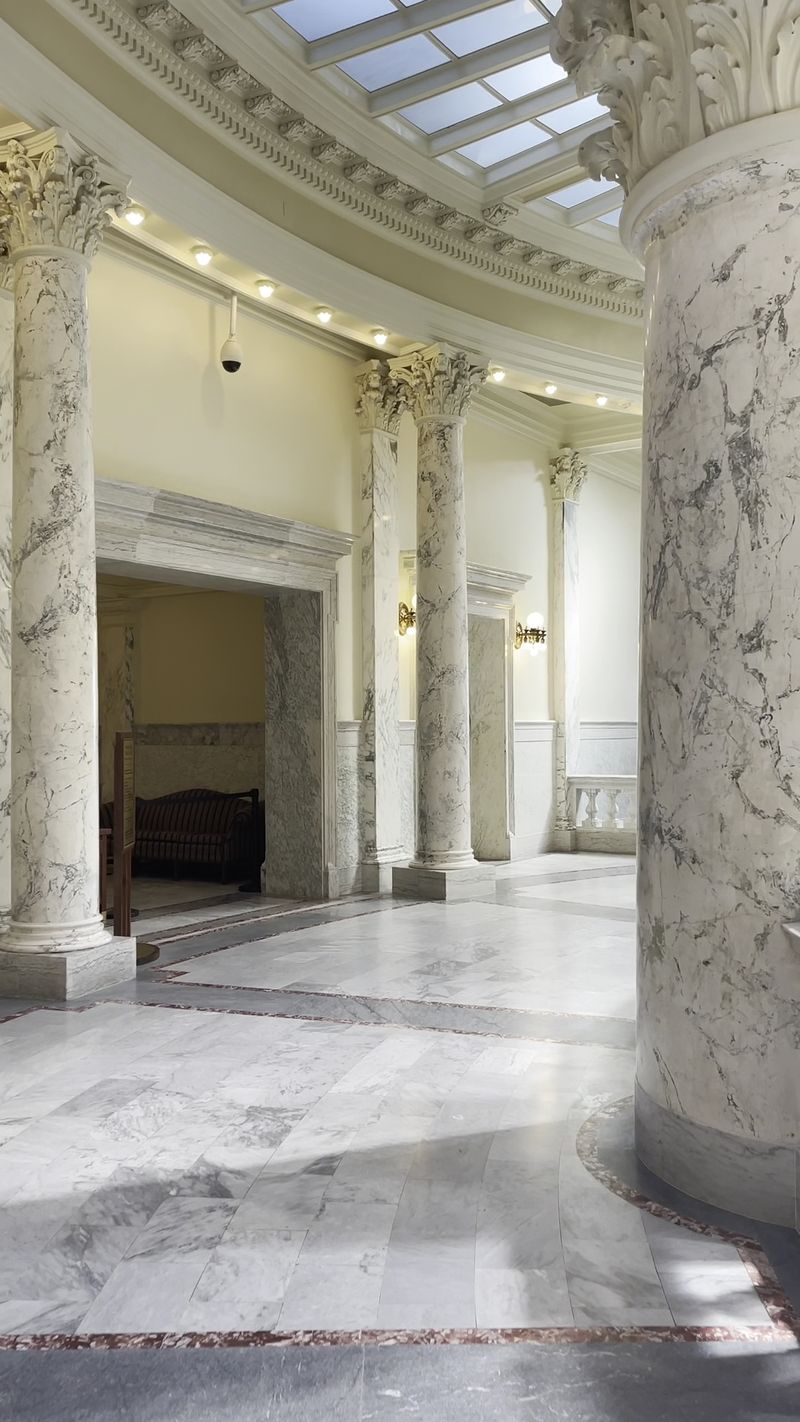
Plenty of visitors stay upstairs and miss one of the best parts. The lower level holds a history display that tells Idaho’s story through panels and exhibits.
Information boards also appear throughout the building, not just downstairs. Topics range from Native peoples of the region to Lewis and Clark crossing what became Idaho.
A video room helps first-timers get oriented fast. It explains how each floor works and how the building came together.
The history of the U.S. flag also earns attention in the displays. It’s the kind of detail you might breeze past, then end up reading every word.
For families, this section turns a pretty building into a real learning stop. Kids who glaze over at textbooks often perk up when the history sits inside an actual working capitol.
Give yourself time here rather than rushing. The exhibits reward slow reading, and the quiet lower floors make that easy.
Homeschool families and teachers planning field trips will find plenty of material to build a lesson around. Grown-ups might pick up a few Idaho facts they somehow skipped in school.
Where Idaho’s Lawmakers Actually Get To Work
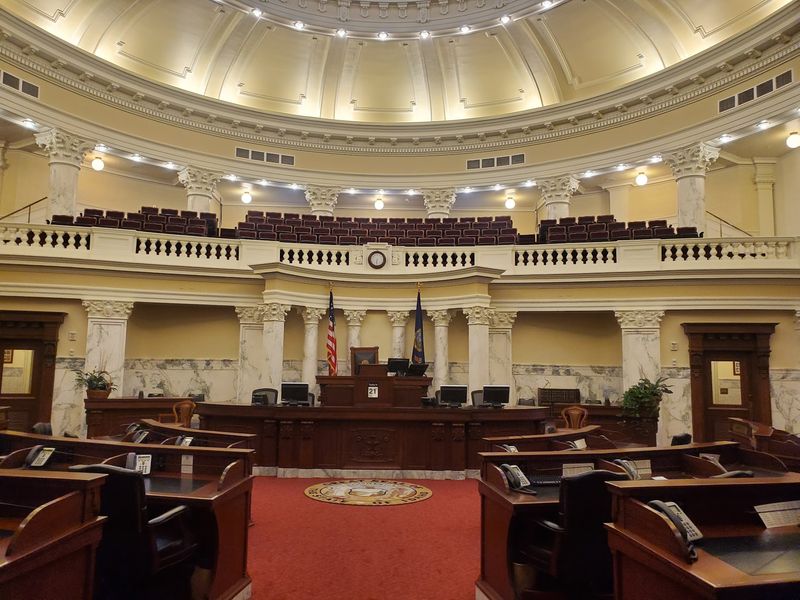
Timing matters most with the chambers. The House and Senate meet here, and the legislative session typically runs in the early months of the year.
During session, the building hums with activity. Legislators, staff, and lobbyists move through the halls, and public galleries let visitors watch lawmaking in action.
Outside of session, things shift. The chambers and their galleries are often locked, so a guided tour is usually the way to see inside.
Guided tours are offered, and a knowledgeable guide can open doors you’d otherwise only stare at. Tours also add stories that the signs simply can’t cover.
That’s worth planning around before you drive in from Twin Falls or Coeur d’Alene. Check tour availability ahead of time so you aren’t left peeking at closed doors.
Watching a debate from the gallery makes civics feel real in a way a classroom rarely does. Even a quiet morning in session can feel like a front-row seat to Idaho’s decisions.
It’s a solid reminder that this building isn’t a relic. It still does the job it was built for.
Rose Hedges, Big Lawns, And A Famous Bell
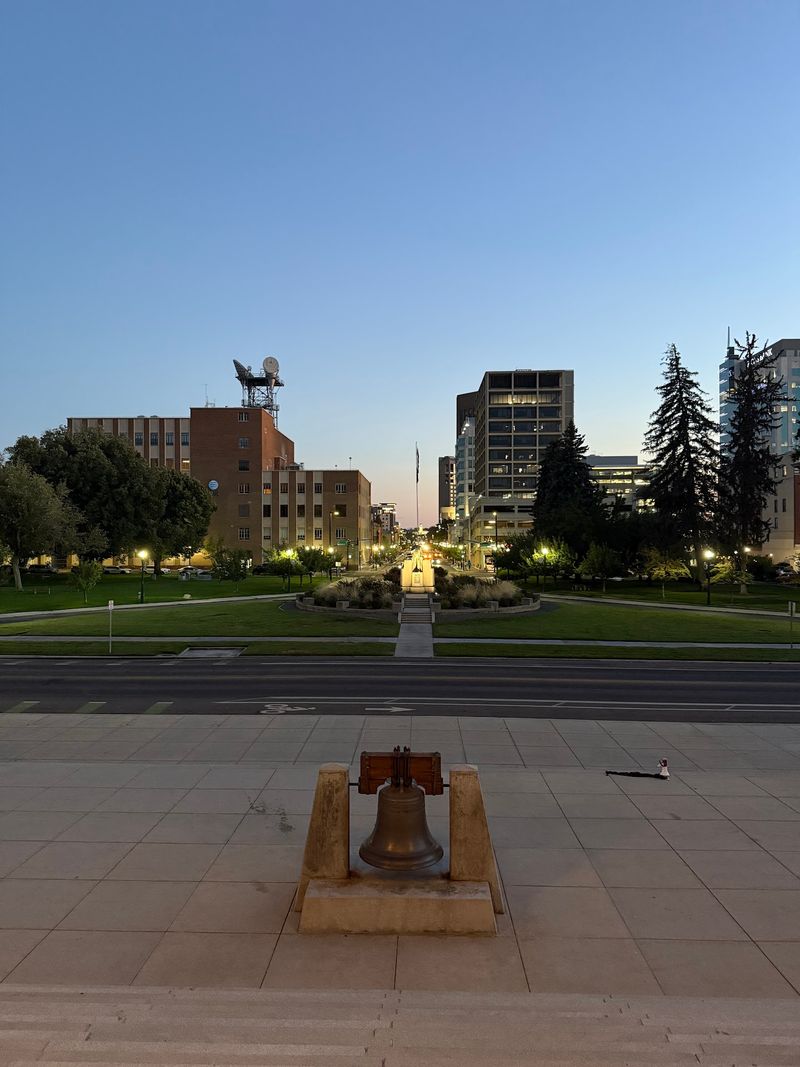
A replica Liberty Bell waits near the front steps, and it’s a favorite photo stop. It gives the grounds a patriotic touch before you even reach the door.
The lawns stay green and neatly kept, with shade trees and benches scattered around. Rose hedges add color in the warmer months.
Statues dot the grounds as well, so a slow loop outside turns into its own small tour. It’s a pleasant walk even when the doors have closed for the evening.
Photographers love this spot for good reason. The columns and wide steps show up in engagement, bridal, and graduation portraits all the time.
Some couples have even held small wedding ceremonies here. The grand setting does a lot of heavy lifting for a simple celebration.
The grounds also host community moments, including a Fourth of July march with live music. Sunset is a lovely time to linger, when the light warms up the white stone.
It’s an easy place to unwind between downtown errands. Bring a picnic blanket on a mild Idaho evening and you’ll fit right in.
Free Doors, Elevators, And A Gift Shop Stop
Good news for budget-minded families: walking through the building is free. You can explore much of the interior on your own at no charge.
The Idaho State Capitol sits at 700 W Jefferson St, Boise, ID 83702. It’s an easy walk from downtown restaurants and shops.
The building generally opens from early morning into the evening, seven days a week. Hours and access can change, so check before driving, especially around holidays or session days.
Elevators make the upper floors reachable, which helps anyone using a wheelchair or stroller. The halls are clean and easy to move through once you get your bearings.
A gift shop offers souvenirs for anyone wanting a little Idaho keepsake. If the welcome desk is empty, the gift shop is the place to ask questions.
Parking downtown can take a bit of hunting, so build in a few extra minutes. Morning visits tend to feel calm, and late afternoons can be quiet too.
Either way, comfortable shoes are smart. Those marble floors look lovely but cover a lot of ground.
Why This Statehouse Deserves A Spot On Your Idaho List
Not every capitol is the biggest in the country, and this one doesn’t need to be. What it offers is access, history, and a dome you can admire for free.
Families get an easy learning day out. History fans get Tourtellotte and Hummel’s design, plus exhibits that explain how Idaho became Idaho.
Photographers get marble staircases and soft natural light. Locals get a reminder that the people’s building really does belong to the people.
Plan a little to make the most of it. Aim for session season if you want to see the chambers in action, or book a guided tour during quieter months.
Pair the visit with a stroll through downtown Boise afterward. It turns a quick stop into a full Treasure Valley afternoon without much effort.
Collectors chasing all 50 state capitols will want this one on the list. Idaho residents who haven’t been inside since a fourth-grade field trip might find it’s worth a second look.
The geothermal heat alone makes for a great story. And the 43 stars overhead will keep you counting long after you leave.