This Small Kentucky Town Near Mammoth Cave Is Pushing Back Against A Proposed 381-Acre Data Center
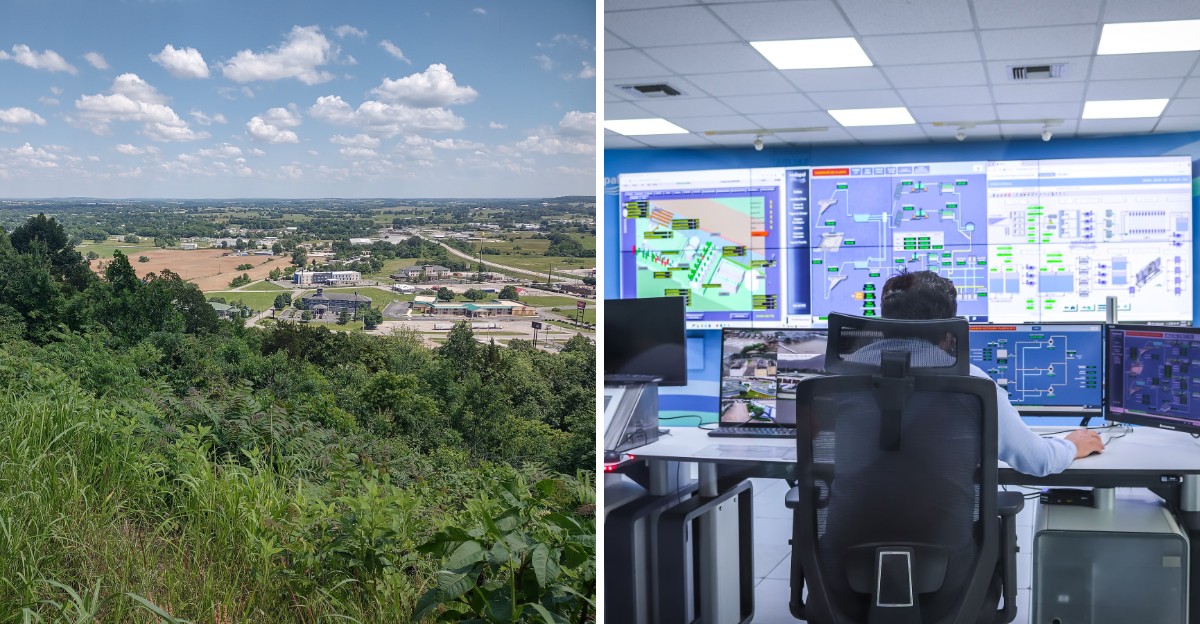
A proposed data center near the doorstep of the world’s longest known cave system could use up to 1.2 gigawatts of power. That is a giant number for a town better known for cave tours and roadside fun.
The plan covers about 381 acres. Some reports describe an even bigger campus with ten buildings and two million square feet.
I admire how fast this little Kentucky community reacted. Residents packed meetings, signed petitions, and even ended up in court.
I believe this story matters far beyond one town. What happens when a high-tech giant wants to move in right next to a national park?
A Tourist Town Suddenly Finds Itself In A Tech Fight
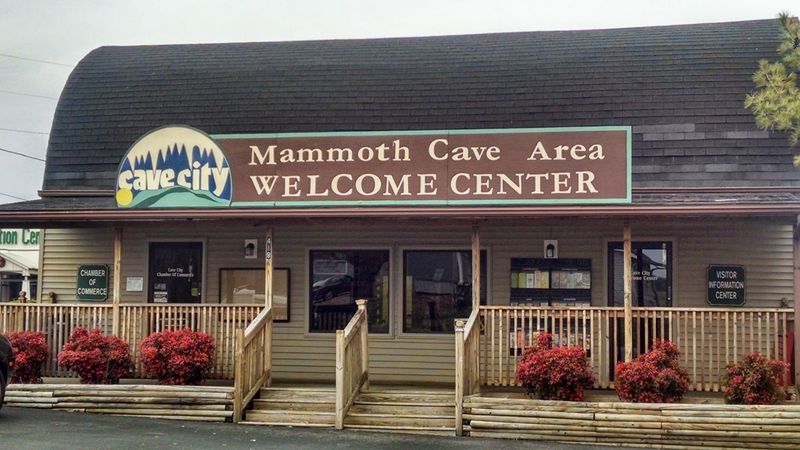
Cave City, Kentucky, has spent generations welcoming families headed to Mammoth Cave National Park. Now the town is making headlines for a very different reason.
A developer wants to build a project tentatively called Cave Point Commerce Center. The plan is a massive data center campus near the park entrance.
The company behind it is Kentucky Industrial Alliance LLC, often shortened to KIA. It is working with a developer called the OTN Group.
An affiliate named Cave City DataCo I LLC is also tied to the project. That is a lot of company names for one cornfield-sized proposal.
Data centers are huge buildings packed with computer servers. They power things like streaming, cloud storage, and artificial intelligence tools.
Those servers run all day and night, so they need tons of electricity. Many also need large amounts of water to stay cool.
Most people never think about where the internet physically lives. In Cave City, residents suddenly had to think about it a lot.
The big question became simple. Does a project like this belong at the front door of one of America’s most famous parks?
Plenty of people here answered quickly, and their answer was a firm no.
The Numbers Behind This Project Are Seriously Huge
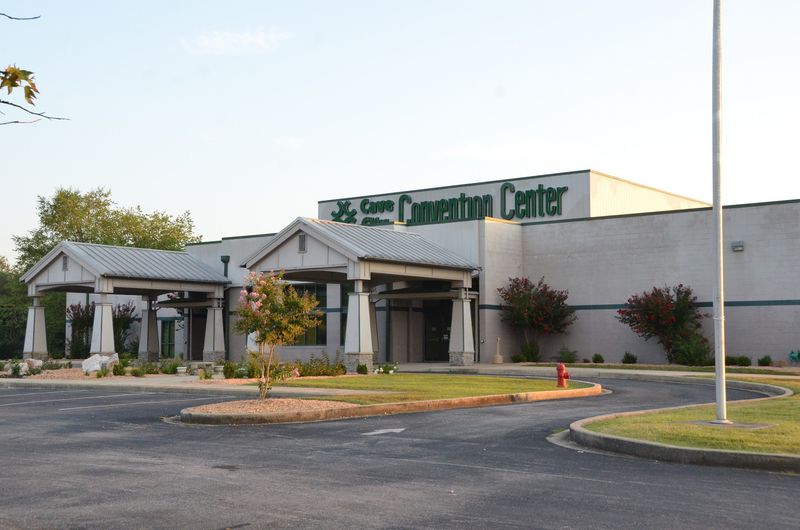
Here is a number to chew on: 1.2 gigawatts. That is the planned power capacity for Cave Point Commerce Center.
The reported investment sits around 4.8 billion dollars. Big money, big buildings, and big promises all arrived at once.
Plans submitted in May 2026 showed roughly 380 to 381 acres. To picture that, think of hundreds of football fields lined up together.
Some reports describe an even larger vision. They mention a 10-building hyperscale campus spread across about 600 acres.
Those buildings would total around two million square feet. That is a huge footprint for a town with a small-town feel.
The land sits at 2001 Doyle Avenue in Cave City. Part of the site reaches into unincorporated Barren County too.
Supporters point to jobs as a major benefit. A draft economic analysis estimates about 360 direct jobs.
When indirect jobs are counted, the estimate rises above 900. That is nothing to shrug at in a rural area.
Still, numbers can cut both ways. The same scale that brings jobs also brings questions about power, water, and noise.
Water Worries Run Deeper Than You Might Expect
Some data centers can use up to five million gallons of water per day. That equals the needs of a town with 10,000 to 50,000 people.
Cave City is far smaller than that. So the math made a lot of residents nervous.
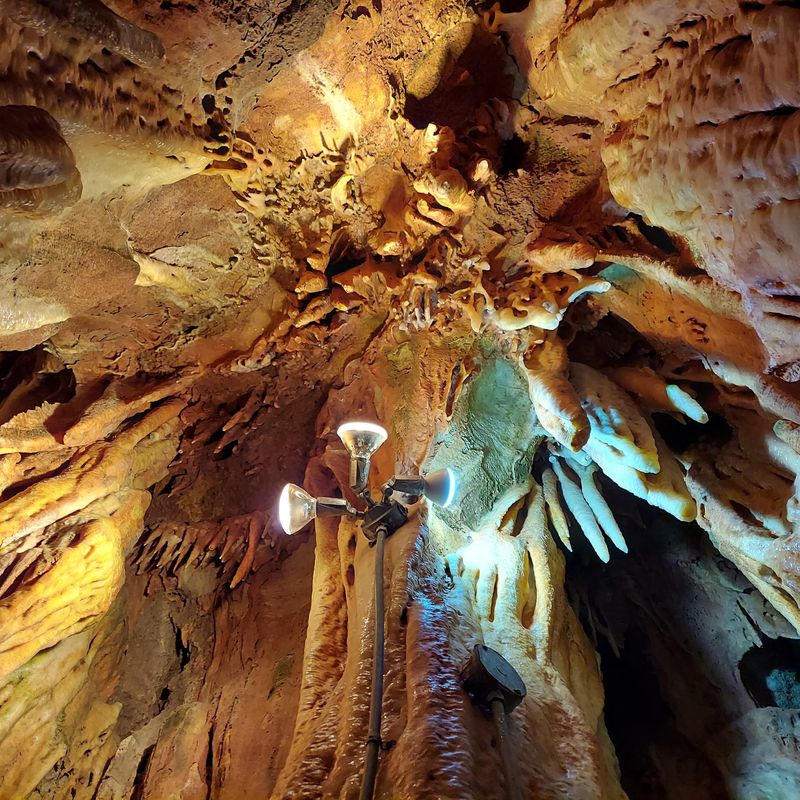
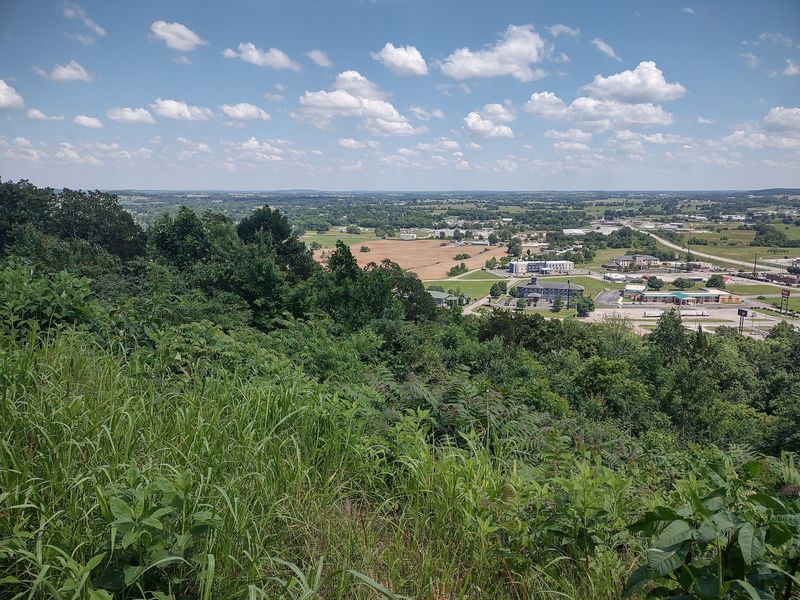
Water here is not just a utility bill issue. The ground below this region is full of caves, sinkholes, and hidden streams.
Mammoth Cave’s groundwater and surface ecosystems are deeply connected. What happens on top can trickle down into the cave system below.
That connection is why opponents keep bringing up the park. Underground rivers do not care about property lines.
Rare creatures live in these cave waters too. Even small changes can matter in a place that delicate.
Fun fact for your next road trip: the limestone here dissolves slowly over time. That process carved the giant passages people tour today.
A smart takeaway for anyone following the story is to ask about water sources. How much water would be used, and where would it come from?
Those questions sit at the heart of the pushback in this part of Kentucky.
Residents Want Cave Country To Keep Its Personality
“I’m 100% against a data center being the identity of the entrance to Mammoth Cave.” That line came from Cave City councilwoman Leticia Cline.
Her words captured how many neighbors feel. This is a tourism town, and people are proud of that.
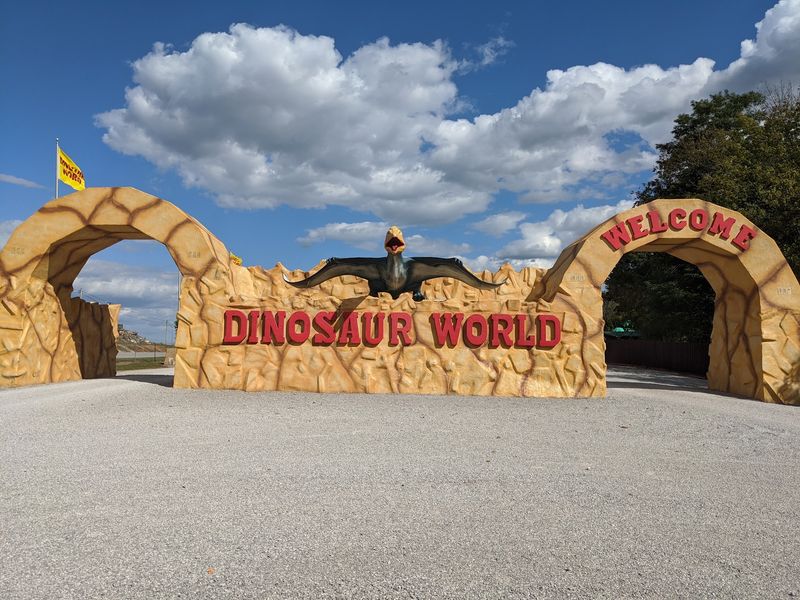
Cave City thrives on visitors heading to the park. Travelers also stop for nearby fun like Dinosaur World and its life-size models.
Hidden River Cave and the American Cave Museum sit close by as well. The museum shares geological and archaeological exhibits.
Many residents and council members call the data center out of step with all that. A giant server campus does not exactly scream family vacation.
Think about first impressions for a second. Visitors driving to a national park expect forests, caves, and small-town charm.
Rows of windowless warehouses would change that welcome. For a town built on tourism, that feeling really matters.
There is a lesson here for any community. Your town’s character is worth protecting, and it is fair to ask how new projects fit.
Cave City clearly decided its identity was worth a fight.
The Council Hit The Pause Button In A Hurry
Things moved fast in May 2026. Kentucky Industrial Alliance submitted its development plans that month.
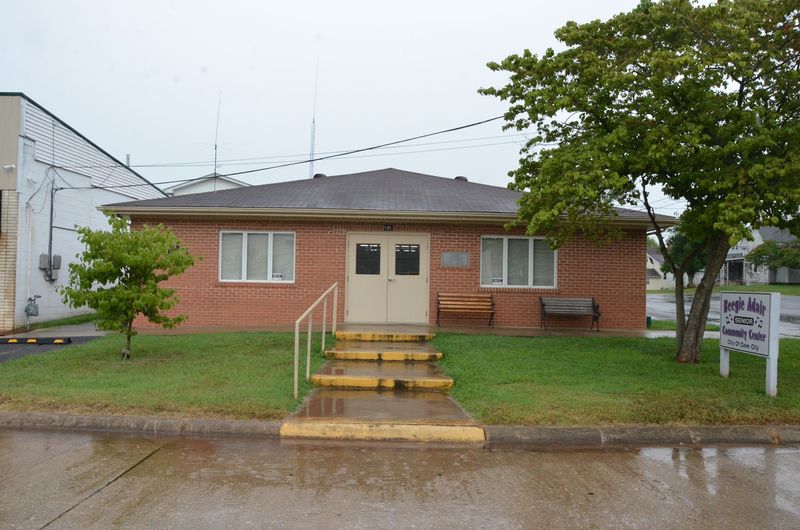
Then on May 20, 2026, the Cave City City Council acted. Members voted 4-1 to approve a 12-month moratorium on data centers.
A moratorium is basically a timeout. It stops the city from accepting, processing, or reviewing data center applications for a set period.
That pause gives leaders time to study the issue. It also lets them think about rules that might fit the town better.
The 4-1 vote shows strong agreement on the council. Not every member was on board, but most clearly were.
Public opposition played a big role in that decision. Residents spoke up, and their leaders listened.
Want to make your voice heard in your own town? Local council meetings are usually open to the public.
Many cities post agendas ahead of time. Reading them can help you spot big issues before they are decided.
Cave City’s quick move proves small towns can act boldly. Of course, a bold move often invites a bold response, and that is exactly what came next.
Courtroom Drama Arrived Right On Schedule
Less than three weeks after the moratorium, the developer went to court. Kentucky Industrial Alliance filed a lawsuit on June 8, 2026.
The company called the moratorium unlawful. It argued the pause violated its due process rights.
KIA asked for an injunction. That would let its application be reviewed under the old zoning rules.
A second lawsuit followed in late June or early July 2026. This one challenged something that happened back in 2024.
That year, Cave City annexed about 245 acres of the proposed land. Annexing simply means the city officially pulled that land inside its borders.
KIA claims the annexation was illegal. Its argument involves written consent from the owner of a small cemetery inside the annexed tract.
Yes, a tiny cemetery is now part of a billion-dollar dispute. Real life sometimes writes stranger plots than television.
Both lawsuits have now been combined into one case. A status conference was set for November 23, 2026.
As of late August 2026, no ruling had been issued. So the story is far from finished, and the next chapter belongs to a judge.
Neighbors Took Their Message To The Streets
Signs, sunshine, and a clear message. In July 2026, local organizers held a protest in Cave City.
It was part of a National Day of Protest against data center development. Small-town Kentucky joined a much bigger national conversation.
Online, a petition supporting Cave City and Mammoth Cave gathered more than 840 signatures. For a town this size, that is a strong showing.
Petitions might seem simple, but they send a message. They show leaders how many people care about an issue.
Protests do something similar in person. They turn quiet worries into something visible and hard to ignore.
The concerns go beyond water and scenery. People also worry about heavy electricity demand and constant noise.
Some fear higher costs could land on regular ratepayers. Nobody wants a surprise jump in their power bill.
If you care about a local issue, there are easy ways to help. Sign petitions, attend meetings, or write a respectful letter to leaders.
Cave City residents show how ordinary folks can make a big impact. Showing up, it turns out, is half the battle.
Help Arrived From Across The Bluegrass State
Small towns rarely have giant legal budgets. Fighting a well-funded developer in court can get expensive quickly.
That is where the Kentucky League of Cities stepped in. The group is giving Cave City financial support to defend against the lawsuit.
The league works with cities all over Kentucky. Its backing suggests this case matters to more than just one community.
Why would other towns care? Many places are facing data center proposals right now.
A ruling here could shape how cities handle similar projects later. Moratoriums and annexation rules could be tested in this case.
For Cave City, the support is a big relief. It means the town does not have to carry the whole load alone.
Here is a useful insight for curious readers. Statewide groups often help local governments with legal questions and training.
So when a small town takes on a big challenge, it may have more allies than you think. Teamwork is not just for sports.
Every eye in this corner of Kentucky is now on that courtroom. The outcome could ripple far beyond Barren County.
Visiting Now Means Seeing What Everyone Wants To Protect

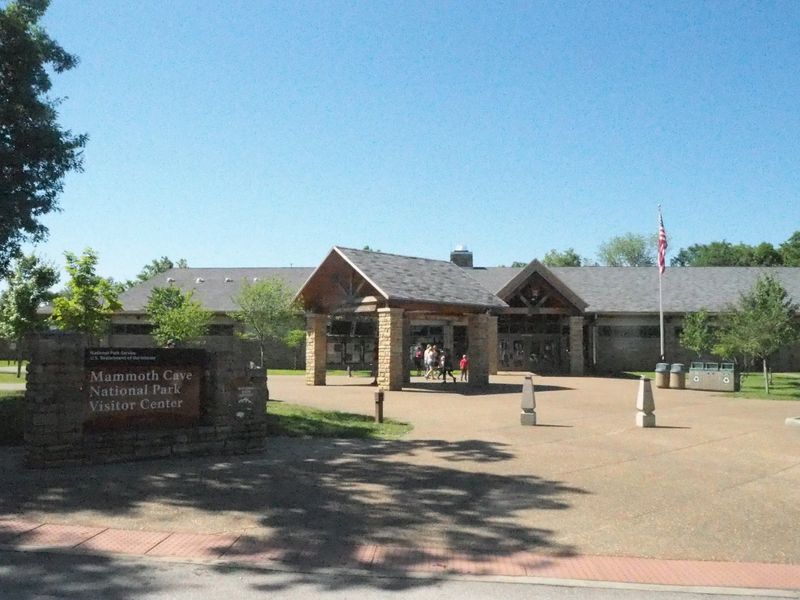
Mammoth Cave National Park holds the longest known cave system on Earth. Its passages, chambers, and underground rivers stretch for hundreds of miles.
Cave City sits right near the park entrance. That location is exactly why this fight feels so personal.
Above ground, trails wind through forests and along the Green River. It is easy to see why locals want to keep things peaceful.
Families can also explore Dinosaur World and its dino-themed playground. Kids tend to love standing beside giant model dinosaurs.
Hidden River Cave adds another underground adventure. The American Cave Museum next door helps explain the science behind it all.
A visit here makes the debate feel real. You can see the landscape that residents are working so hard to protect.
One practical tip is to plan cave tours ahead, since popular ones fill up. Pack comfortable shoes, because cave paths can be uneven.
While you are in town, support local businesses. Tourism dollars help show what this community already offers.
Whatever the court decides, Cave City has already made one thing clear. This little town knows exactly what it stands for.