This Small Kentucky College Charges No Tuition And Is Ranked Best Value In America
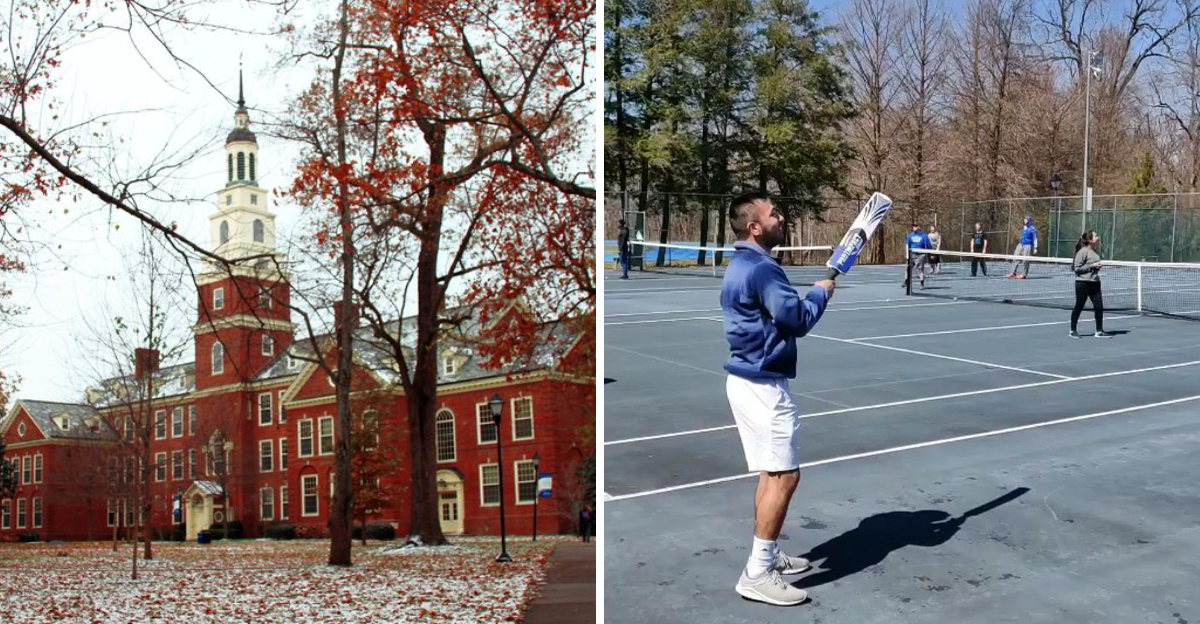
Let us talk about the number that ruins family dinners, which is college tuition. You have seen the sticker prices, and you have done the math with a small stomachache.
Kentucky has a school that skips that conversation entirely. Nobody there pays tuition, and that includes every single student on campus.
The catch is that everybody works. Students put in ten to twelve hours a week at campus jobs.
That sounds like a lot until you compare it to a loan balance.
The school has run this way since the eighteen nineties, so it is not an experiment. It also holds the top spot on a national best value ranking.
That feels like showing off, and honestly it has earned the right. Fewer than two thousand students study there, so nobody disappears in a crowd.
You are about to question every tuition bill you have ever seen.
No Tuition, No Catch, No Kidding
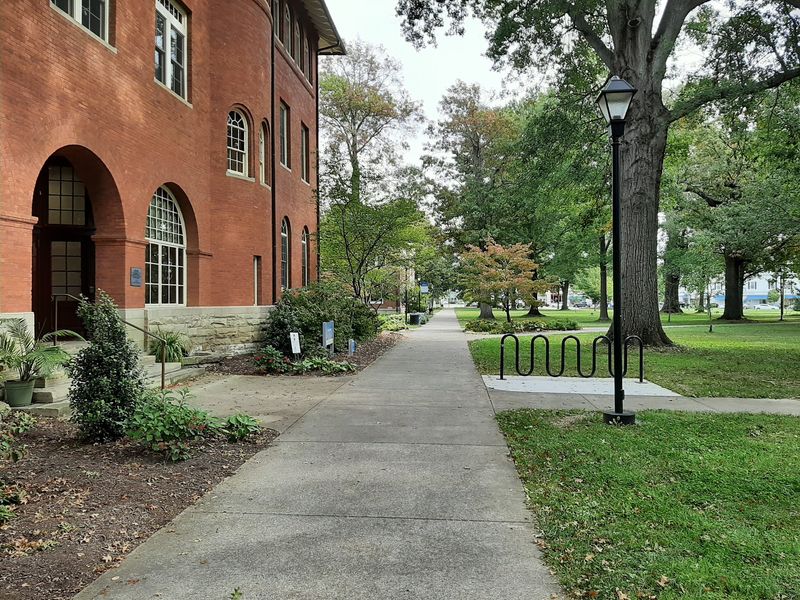
Free tuition sounds like a typo. At Berea College, it is policy, backed by an endowment and a promise made back in 1855.
Every admitted student receives a Tuition Promise Scholarship. Over four years, that award is valued at more than $190,000.
Students currently receive financial aid toward housing, food, and fees, with remaining costs potentially covered through family resources, labor earnings, savings, or loans.
Beginning in fall 2027, Berea says tuition, housing, food, and fees will be fully covered without loans for every enrolled student.
Admission focuses on students with high academic promise and limited financial resources. Roughly a third are the first in their families to attend college.
The catch, if you want to call it one, is work. Everyone holds a campus job, and nobody is exempt.
Money-focused rankings noticed. Berea has been named a top value in national lists, often sitting at or near number one.
What that means for you is simple. A degree here does not come wrapped in decades of debt.
Graduates leave with an average loan balance far below the national figure. Many leave with none at all.
You do not need a legacy name or a trust fund. You need grades, grit, and a completed application.
That combination is rare in American higher education, and it started here long before it was trendy.
You can find the campus at 101 Chestnut St, Berea, Kentucky.
Founded By People Who Refused To Wait
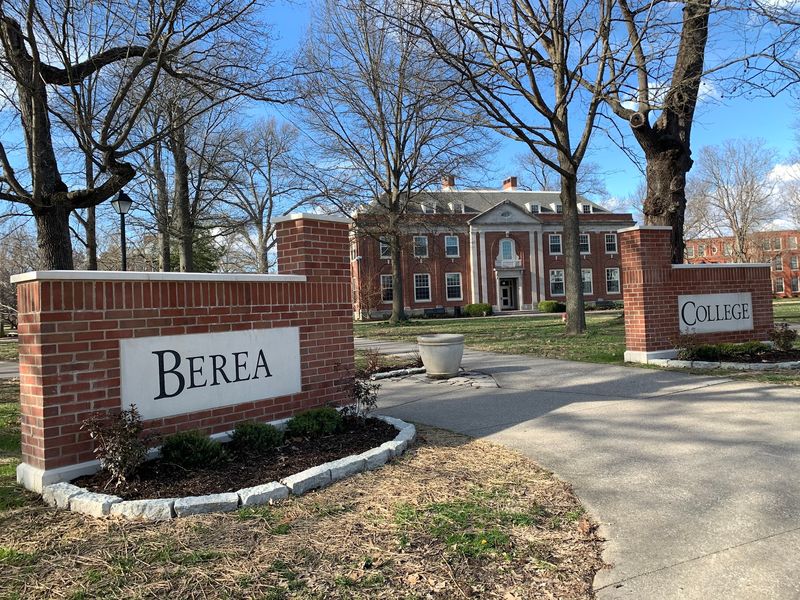
In 1855, a Kentucky preacher named John G. Fee started a one-room school.
He wanted it open to Black and white students together, in a state where that was nearly unthinkable.
Cassius M. Clay, an emancipationist and local landowner, provided the ground.
Fee provided the stubbornness.
Berea became the first interracial and coeducational college in the South. Men and women, Black and white, studied side by side from the start.
State law forced segregation in 1904 and the interracial mission was interrupted. Berea returned to it fully in 1950.
You can still feel that history in the campus mottos and mission statements. The Great Commitments guide how the college spends money and chooses students.
One commitment names Appalachia directly. Most students come from Kentucky and surrounding mountain counties.
Another commitment covers plain living and service to others. Those are not decorative phrases here.
Berea stopped charging tuition in 1892 and has maintained that commitment for more than 130 years.
Walking the grounds today, you see a small liberal arts college with modern labs and a global student body. Underneath sits a foundation built by people who ignored what was popular.
Very few American institutions can say the mission never moved.
Every Student Clocks In Somewhere

Forget the idea of college as four years of sitting still. Here, every student works at least ten hours a week in a real campus position.
There are more than 100 labor departments. Students staff the farm, the print shop, the hotel, the crafts studios, and the dining halls.
Freshmen usually start in dining or facilities. Later, students move into positions tied to their majors and interests.
You might edit publications, run science lab equipment, or manage social media for a department. Some students supervise other students.
Paychecks help cover room, board, and personal expenses. The work also builds a resume before graduation day arrives.
Employers notice that. A Berea graduate has held a job with actual supervisors and performance reviews since age eighteen.
The Labor Program is not community service and not a side hustle. It is a graded, evaluated part of the education.
Students receive labor transcripts alongside academic ones. Those documents list skills, ratings, and responsibilities.
Regulars on campus will tell you the work builds a certain shared humility. The chemistry major and the art major both wash trays.
Ten hours weekly adds up to hundreds of hours yearly. Multiply by four years and you get genuine professional experience.
Crafts That Actually Sell
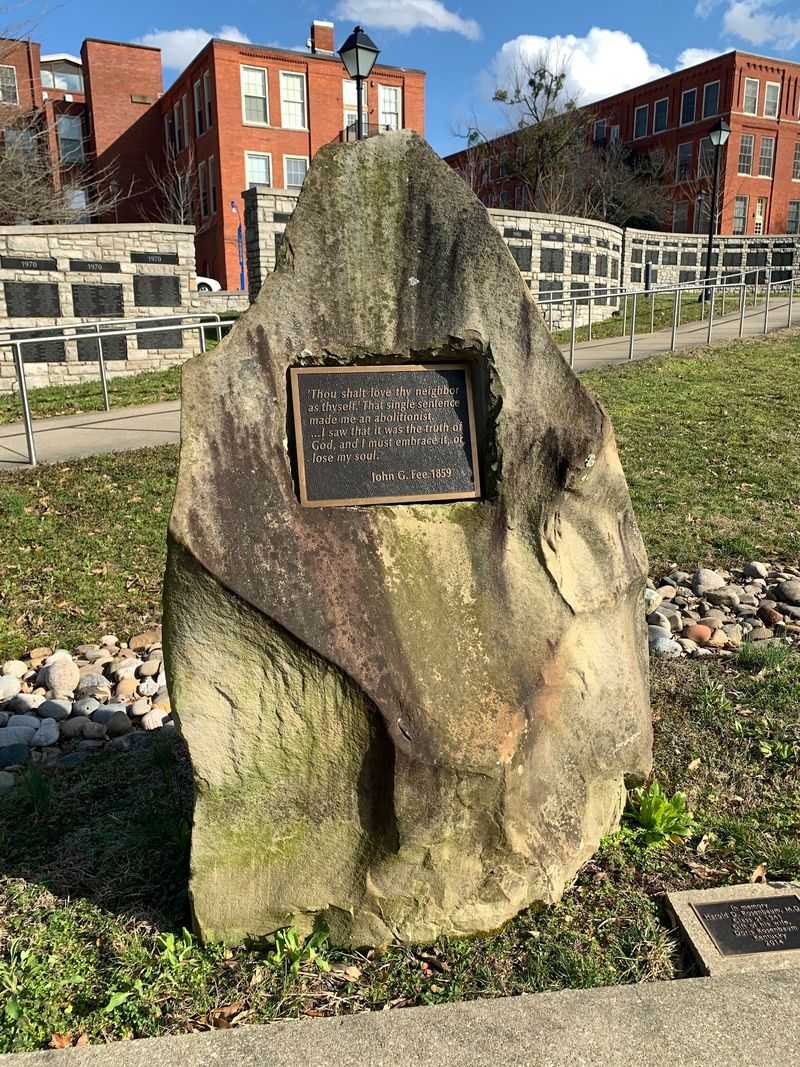
Brooms. Actual handmade brooms, and people line up for them.
Berea College Crafts has been producing student-made goods since the late 1800s. Weaving, woodcraft, ceramics, brooms, and wrought iron all have working studios.
Students learn the trade, then produce items sold to the public. Revenue supports the program and the students earn labor wages.
You can shop the results at the college crafts locations in town. Pieces range from small ornaments to furniture that outlives its owner.
The weaving studio traces back to Appalachian coverlet traditions. Patterns collected from mountain households became teaching models.
Broomcraft is the crowd favorite. Turkey-tail brooms, hearth brooms, and cobweb brooms hang in rows like sculpture.
Woodcraft students turn bowls and build furniture using local hardwoods. Cherry and walnut show up often.
Ceramics and iron round out the lineup. Mugs, tiles, hooks, and hardware come from student hands.
Buying one supports a student wage directly. That is a rare thing to say about a gift shop purchase.
Berea is officially recognized as the Folk Arts and Crafts Capital of Kentucky. The college is the reason that title exists.
Bring cash or a card and expect to leave heavier than you arrived.
A Campus Built From Boone Tavern Outward
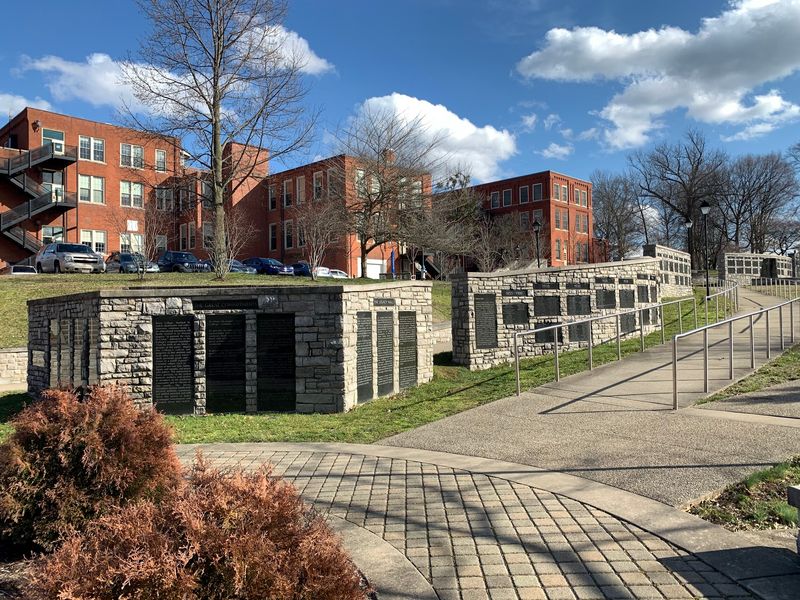
Boone Tavern Hotel opened in 1909 because too many guests kept showing up. The college president’s wife needed somewhere to put them.
Today it operates as a full hotel and restaurant, staffed largely by students. Guests sleep in rooms furnished with student-made woodwork.
The dining room is known for spoonbread, a soft cornmeal dish served warm. Servers bring it to the table in small pans.
The building earned LEED Gold certification after renovation. A century-old hotel with modern efficiency ratings is a neat trick.
Around it, the campus spreads across brick walkways and old shade trees. Lincoln Hall anchors the historic core.
The Berea College Forest covers roughly 9,000 acres nearby. Students manage it, study it, and hike it.
There is a working farm too, over 500 acres, producing beef, vegetables, and grain. Some of that food lands in the dining hall.
An Appalachian Center and a Loyal Jones collection preserve regional music, stories, and archives. Dulcimer players still gather.
You can visit as a tourist without any campus connection. Tours, shops, gardens, and the hotel welcome the public.
Berea sits just off Interstate 75, which makes an unplanned stop easy. Plan on staying longer than intended.
Rankings Keep Landing In The Same Spot

Number one is a hard place to stay. Berea keeps showing up there anyway.
Washington Monthly has repeatedly ranked Berea at the top of its national liberal arts college list. That ranking weighs social mobility, research, and service.
Money and other outlets have flagged it as a best value. Zero tuition tends to help those calculations considerably.
Enrollment sits around 1,500 students. Class sizes stay small and faculty know names.
Students choose from roughly 30 majors, spanning sciences, arts, education, and business. Agriculture and technology programs use the farm and forest as classrooms.
The endowment exceeds $1 billion, which is enormous for a school this size. Investment returns fund the tuition promise year after year.
Alumni donations and outside gifts keep the model running. Nobody is charged for the classroom seat.
Graduation rates and post-college earnings for low-income students look strong compared to peers. That is exactly what mobility rankings measure.
Students also come from around the world. International enrollment is capped but present, and dozens of countries are represented.
Numbers only tell part of it. The rest shows up when a first-generation graduate walks across the stage debt-free.
Rankings rotate constantly, but this one keeps returning.
Getting In Is The Actual Hard Part
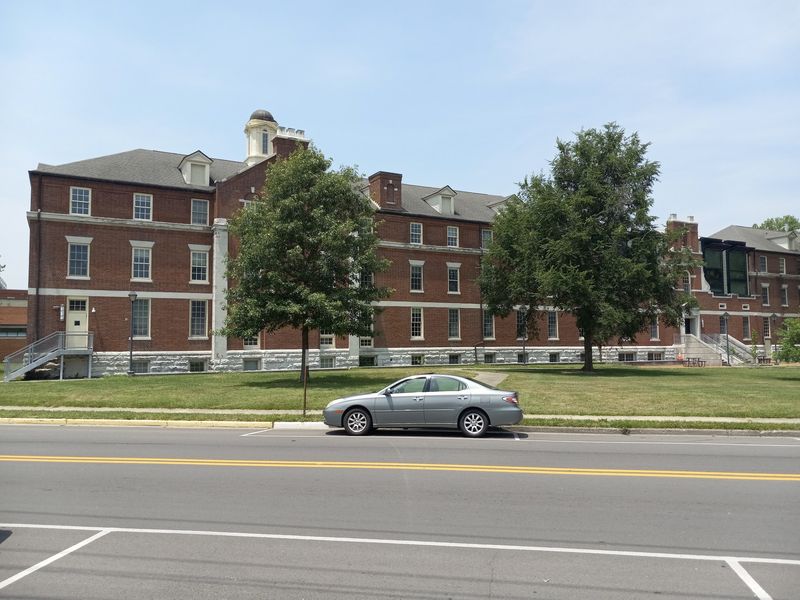
Free does not mean easy. Berea’s admissions process is competitive, and applicants must meet both the college’s academic and financial eligibility requirements.
Applicants must demonstrate financial need. Families with higher incomes generally will not qualify.
Academic promise matters just as much. Transcripts, essays, and recommendations all get read closely.
Preference goes to students from Appalachia, which covers parts of Kentucky and neighboring states. Applicants from elsewhere in the country still get considered.
A small number of international students are admitted each year. Competition for those seats is steep.
Apply early if you are serious. Deadlines fall well before spring, and the pool fills fast.
Visits are encouraged and campus tours run regularly. Prospective students can meet faculty and see the labor positions in action.
The FAFSA is required, along with additional financial documentation. Admissions staff say the paperwork is worth finishing carefully.
Room and board still carry a cost, though aid usually covers most of it. Many students graduate having paid very little out of pocket.
Advice from counselors tends to be consistent. Show real academic effort and be honest about your finances.
If you know a high school junior with big goals and a small budget, send them this address. The application is free.
Why Small Towns Should Pay Attention
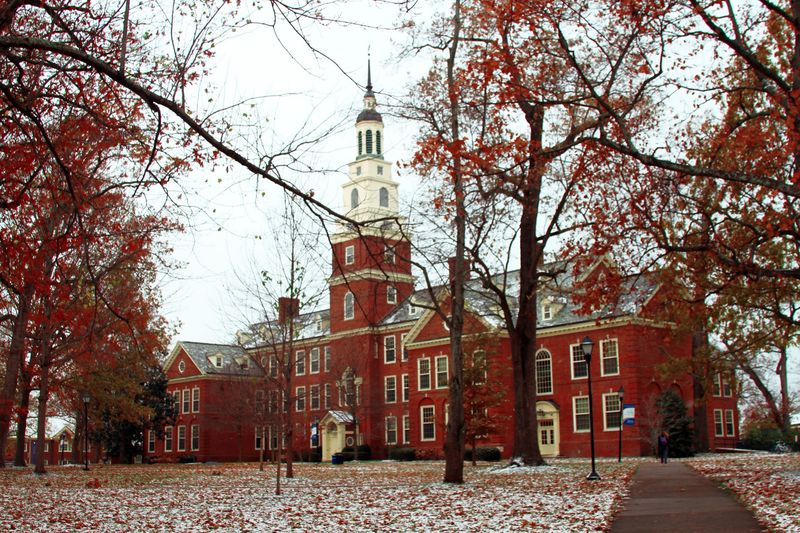
One college changed an entire town’s identity. Berea, Kentucky is now known nationally for handmade goods.
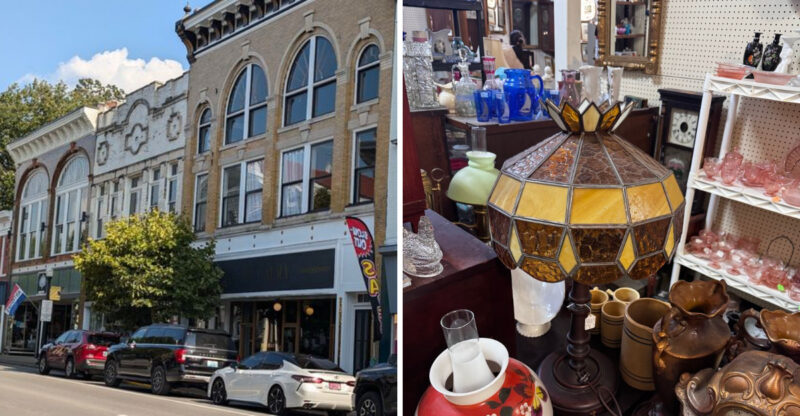
Artisan studios line the streets near campus. Glassblowers, potters, jewelers, and furniture makers all keep shops here.
The Kentucky Artisan Center sits right off the interstate. It showcases work from makers across the state.
Festivals bring crowds through the year, including craft fairs and music gatherings. Dulcimer and fiddle traditions run deep.
Restaurants and coffee shops cluster in Old Town and College Square. Many are locally owned and student-friendly.
Hiking trails in the college forest include Indian Fort Mountain and East Pinnacle. Views stretch across the Bluegrass region.
Cyclists and runners use the quiet roads. The pace stays slow on purpose.
Roughly 15,000 people live in town, and the college is the largest employer. Students and residents share the same sidewalks.
Berea sits about 40 miles south of Lexington. That makes a day trip completely doable.
The takeaway is bigger than one campus. A place that invests in its own people can build something lasting.
Go for the brooms and the spoonbread. Stay because a small Kentucky town figured out something the rest of the country is still debating.