This North Carolina Aquarium Lets Visitors Watch Sharks Being Fed Behind The Scenes
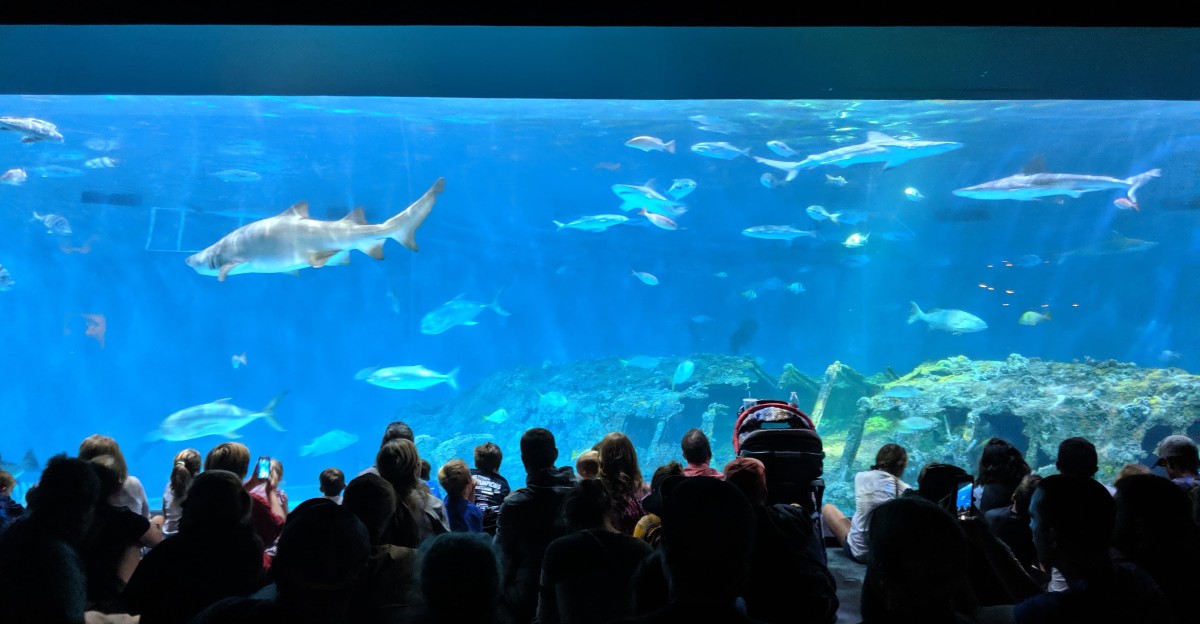
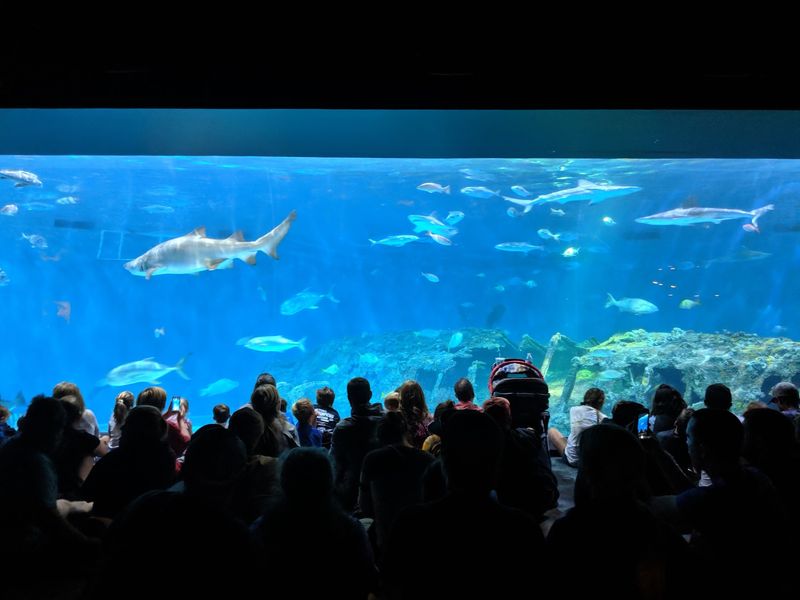
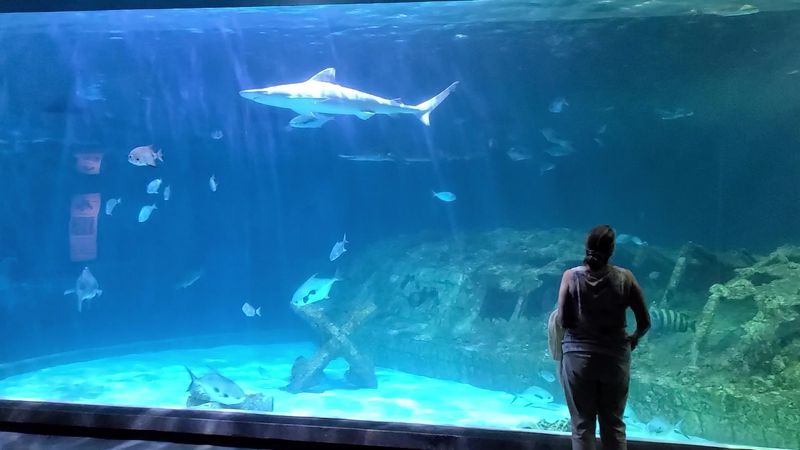
Watching sand tiger sharks circle a replica Civil War ironclad would already keep me glued to the glass.
Then I learned there is a weekly behind-the-scenes feeding tour.
That immediately changed the whole visit for me.
The North Carolina aquarium keeps its largest shark collection inside a 285,000-gallon saltwater tank designed to feel like the deep ocean.
The dim lighting makes the shipwreck scene even more convincing.
I like that the history and marine life share the same space without competing for attention.
One moment I am looking at an old ironclad story.
The next, a shark is cruising past the hull.
For me, the feeding tour is the detail that pushes this beyond a normal aquarium stop.
Seeing sharks through glass is fascinating enough.
Watching what happens when dinner arrives is a completely different story.
The Weekly Shark Dinner Has A Backstage Pass
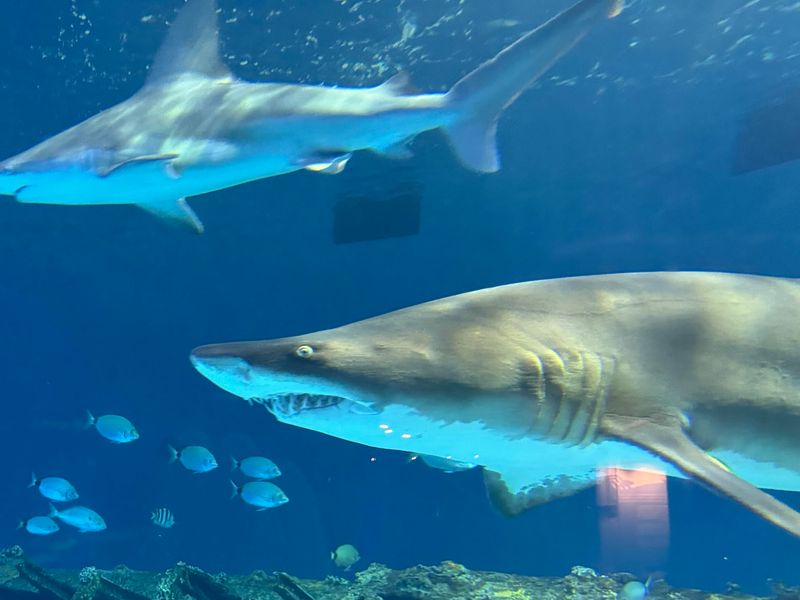
Mealtime for sharks is a big deal at the North Carolina Aquarium on Roanoke Island. Its Behind-the-Scenes: Shark Feeding program lets you watch the weekly feeding from areas most guests never reach.
You won’t be feeding the sharks yourself, since that job belongs to trained staff. However, participants can help broadcast-feed the fish and watch the sharks enjoy their meals.
What you do get is a close look at how sharks and other big fish take their meals. Feeding a giant tank full of predators takes planning, and this program shows you that side of aquarium life.
I believe this kind of peek changes how people think about sharks. Watching them eat on a schedule makes them feel less like movie villains and more like animals with routines.
The program centers on the huge Graveyard of the Atlantic exhibit. That means you’re seeing the main stars of the building, not a small side tank.
Spots for special programs can be limited, so plan ahead. Check the aquarium’s program calendar before your trip and book early.
A little planning beats showing up and learning the sharks already finished dinner without you.
A Sunken Ironclad Sits In The Middle Of Shark Territory
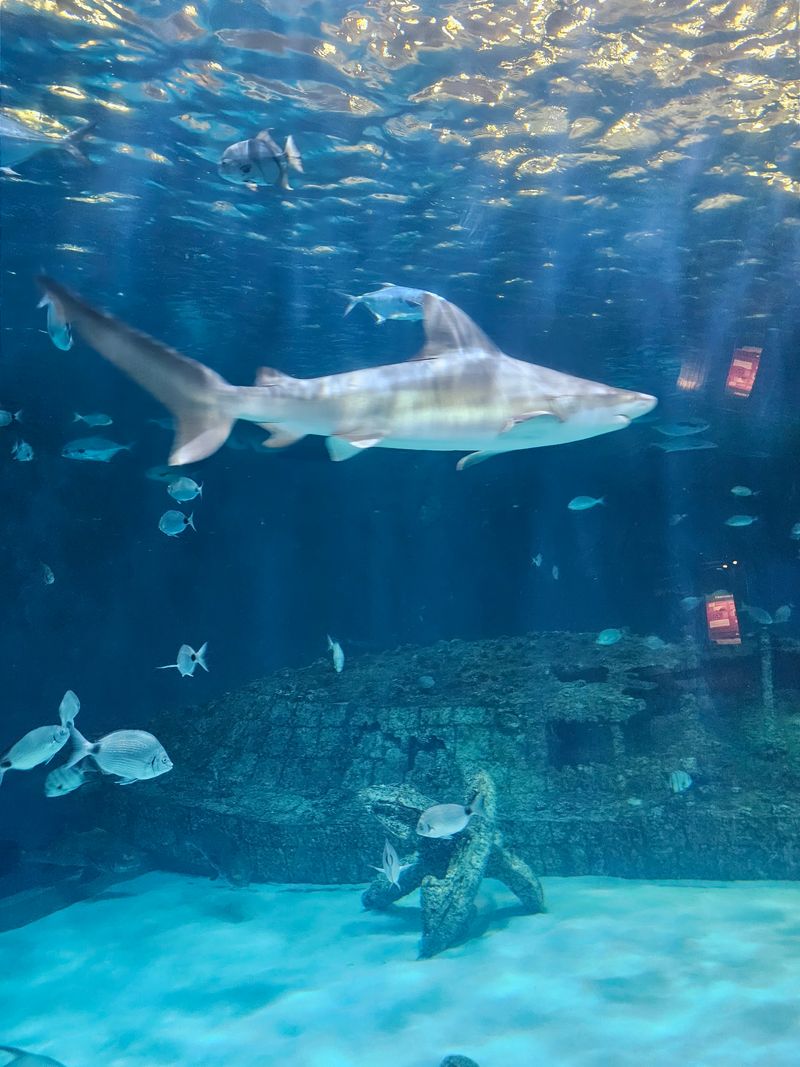
History buffs and shark fans finally get to share a room. The Graveyard of the Atlantic exhibit holds a one-third scale replica of the USS Monitor right inside the tank.
The real Monitor was a famous Civil War ironclad. It sank off Cape Hatteras in 1862, and that stretch of coast earned its spooky nickname for good reason.
Now sand tiger, sandbar, and nurse sharks glide past the replica every day. Large game fish swim alongside them, adding even more motion to the scene.
The tank holds 285,000 gallons of saltwater. That’s the home of the largest shark collection in North Carolina, so this is the state’s heavyweight champion of shark tanks.
The space is kept dim on purpose. It creates the feeling of standing hundreds of feet underwater without any pressure on your ears.
Give yourself time here instead of rushing through. Sand tiger sharks look fierce with their jagged teeth, yet they cruise slowly.
Divers sometimes appear inside the tank too, which adds a fun human scale to the whole picture. It’s easy to see why this gallery steals the show.
You’ll find this aquarium at 374 Airport Rd, Manteo, NC 27954, near the heart of Roanoke Island.
Sea Turtles Get Real Medical Care Right Before Your Eyes
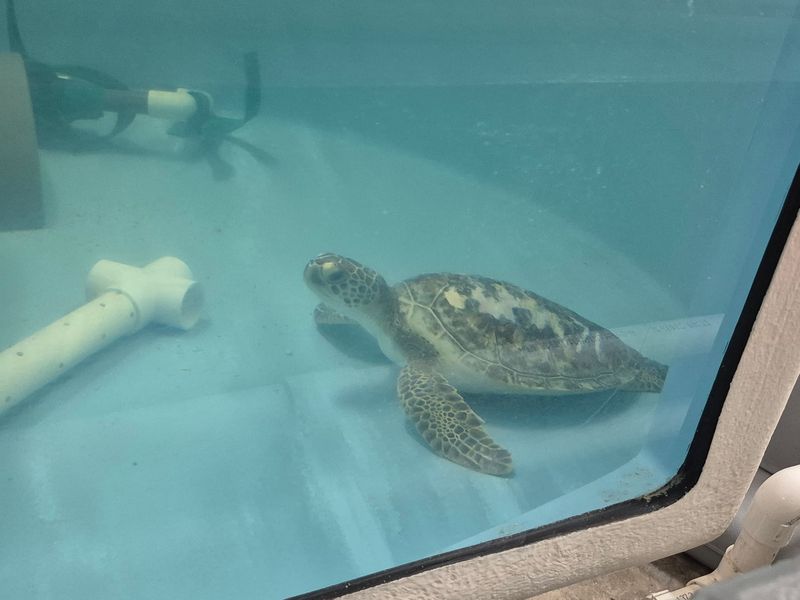
Some patients here have flippers instead of hands. The Sea Turtle Assistance and Rehabilitation Center, called the STAR Center, cares for sick and injured sea turtles all year.
The facility covers 3,000 square feet. Since it opened in June 2014, it has taken in more than 1,000 sea turtles.
That number is impressive for a coastal aquarium. It shows how much work happens beyond the exhibits most people come to see.
Visitors can watch this care in action through the center’s viewing areas. It’s a real hospital, so what you see depends on which turtles are recovering that day.
Kids can join the fun at the Operation: Sea Turtle Rescue exhibit. There, they play veterinarian and treat a toy sea turtle replica, which feels like a great first job.
I like that this part of the visit has a clear goal. The turtles aren’t here forever, and the hope is that they return to the ocean once healthy.
Bring questions with you. Learning why turtles end up needing help can make your next beach walk feel a lot more meaningful.
Otters Bring The Comedy While Alligators Bring The Calm
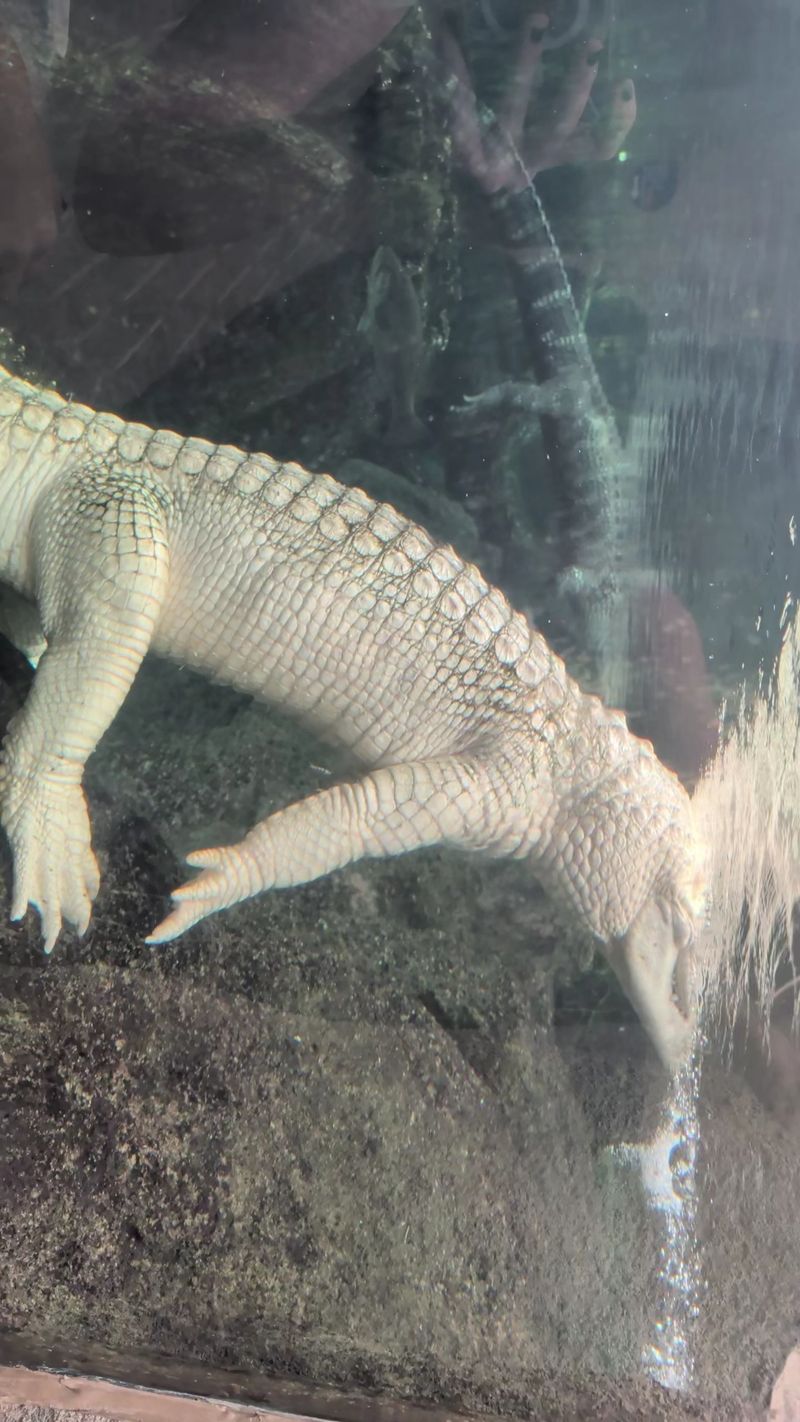
Not every star here lives in saltwater. River otters and American alligators show off the wetlands and rivers that shape coastal North Carolina.
The otters are the energetic ones. When they’re awake, they tumble, splash, and zip around like they have somewhere very important to be.
Of course, otters also love a good nap. If yours is snoozing, take a lap and come back later, because the show is worth a second try.
Then there are the alligators, the masters of sitting perfectly still. One resident, Bleu, is a leucistic American alligator whose unusually pale coloring and patches of pigmentation make him stand out.
Plenty of folks don’t realize alligators live this far north. North Carolina sits near the northern edge of their range, which makes this exhibit a neat geography lesson.
These habitats help explain the bigger picture. The sound, the swamps, and the rivers all feed into the ocean life you saw earlier.
Pairing a hyper otter with a motionless gator is a fun contrast. One moves nonstop, the other barely blinks, and both are oddly hard to stop watching.
Your Fingertips Get Their Own Turn At The Touch Tanks
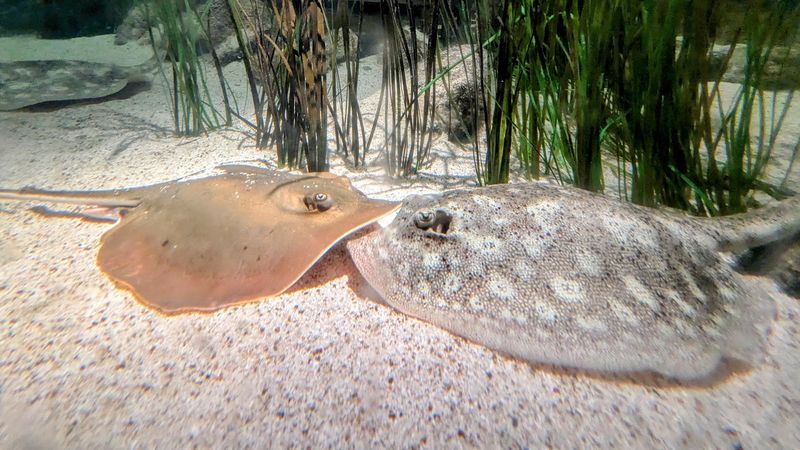
Stingrays feel surprisingly smooth, almost like wet velvet. At the touch tanks, you get to learn that firsthand.
Several shallow pools hold animals you can gently touch. Stingrays, horseshoe crabs, and sea urchins are among the residents waiting for a careful two-finger hello.
Staff members stay close to show you how to touch safely. They also share fun facts, so every pat comes with a bonus lesson.
Kids often treat this spot like a favorite playground. Don’t be surprised if your crew wants to circle back two or three times.
A few tips help everyone have a good time. Use gentle fingertips, keep hands flat, and let the animals swim to you instead of chasing them.
The horseshoe crab is a real character worth meeting. Despite the name, it’s more closely related to spiders than true crabs, which is a fun fact to drop at dinner.
Bring a little patience if it’s busy. Waiting your turn is worth it, especially when a ray glides right under your hand.
Few aquarium moments feel this personal or this memorable.
The Jelly Room Feels Like Pressing Pause On Your Day
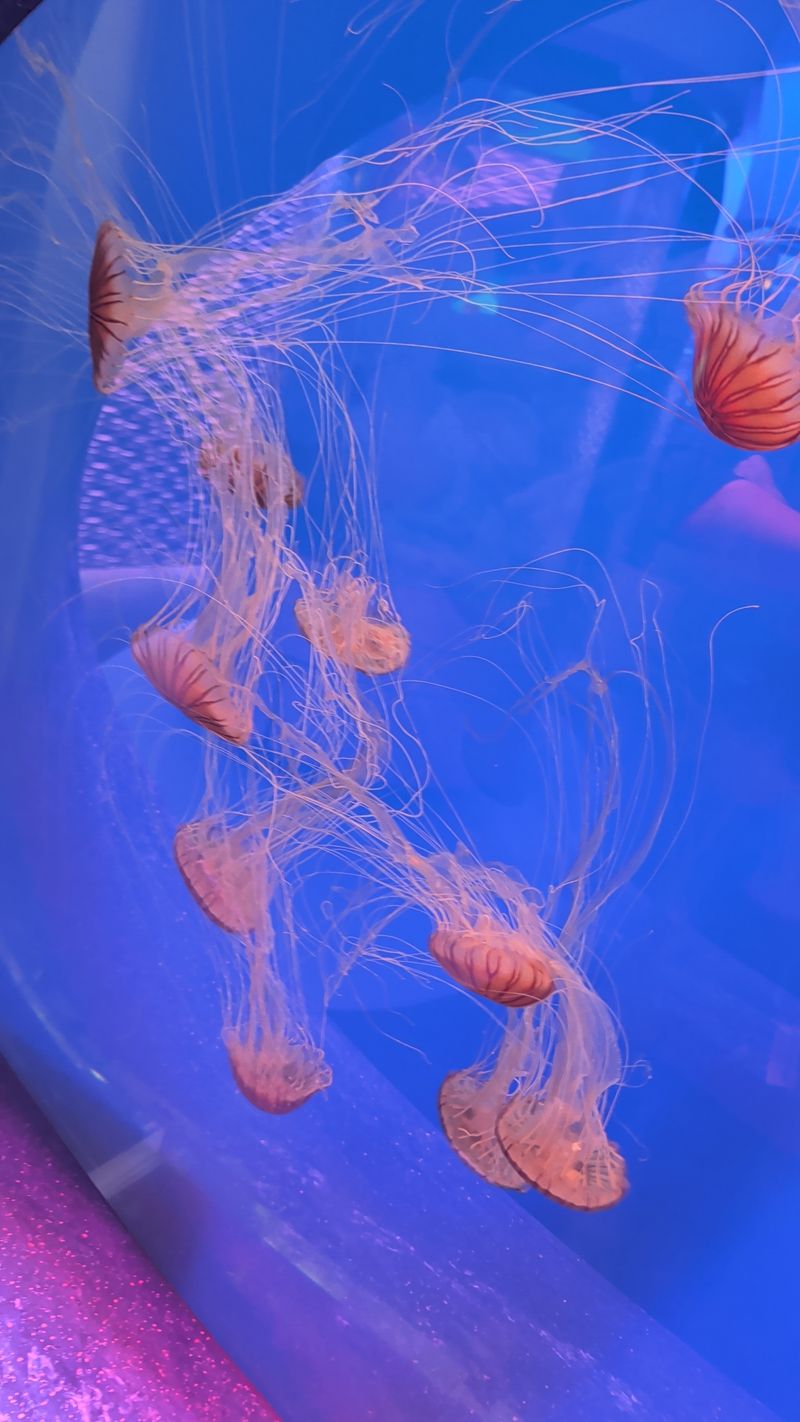
After all those sharks, your heart rate deserves a break. The Delicate Drifters gallery handles that job with sea jellies floating in softly glowing tanks.
Jellies don’t have brains, hearts, or bones. Yet they’ve been drifting through the ocean for a very long time, which feels a little humbling.
Their slow pulsing movement is the main attraction. The see-through bodies catch the light, and the whole room takes on a calm, dreamy feel.
It’s a smart contrast to the shark gallery. One shows raw power, while this one shows how quiet and fragile ocean life can be.
Families with little ones often find this a nice reset spot. Even busy toddlers tend to slow down and stare.
Photographers will want to linger here too. Turn off your flash, steady your phone, and let the jellies drift into frame on their own schedule.
I believe every aquarium visit needs one spot like this. It gives you a minute to breathe before the next round of otters, gators, or sea turtles grabs your attention again.
Head Outside For A Pier That Stretches Over The Sound
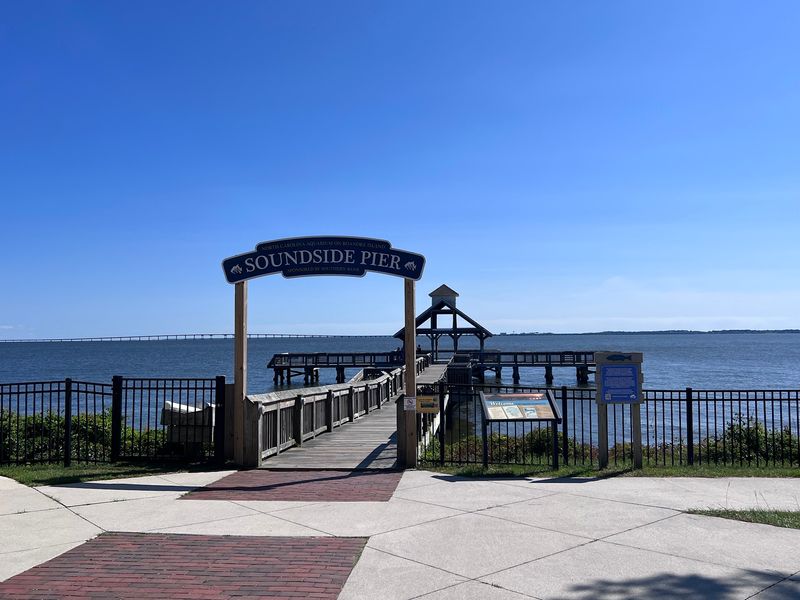
Fresh air waits right out back. The North Carolina Aquarium on Roanoke Island sits beside Croatan Sound, and its 200-foot Soundside Pier reaches out over the water.
The views from the end are wide and peaceful. You can look across toward Manns Harbor and watch the water shift with the light.
Rocking chairs make it easy to stay a while. There are even child-sized chairs, so little legs get their own seats too.
The pier also serves as a home base for outdoor programs. Depending on the season, those can include crabbing, fishing, birding walks, and guided kayak trips.
Check the schedule before you go if one of those sounds fun. Program offerings change, so it pays to look ahead.
On a hot day, the breeze off the sound feels like a reward for all that indoor walking. Bring sunscreen and a hat, because shade can be limited out on the water.
It’s a lovely way to wrap things up. After seeing ocean life up close, you get to soak in the real thing.
Bug-Eating Plants Steal The Spotlight In The Gardens
Plants that snack on insects? North Carolina is famous for them, and the aquarium grounds include a carnivorous plant garden.
Venus flytraps grow naturally in only a small area of the Carolinas. That makes this garden a fun bit of local pride you can actually see up close.
Nearby, a pollinator habitat garden welcomes bees and butterflies. A rain garden shows how plants can help soak up stormwater, which matters a lot on a low coastal island.
There’s also a maritime forest restoration area. It highlights the tough trees and shrubs that grow near salty winds and sandy soil.
Nature trails and play areas tie these spaces together. Kids can burn off energy while adults enjoy a slower stroll.
Take your time here instead of hurrying to the parking lot. Reading the signs makes the gardens far more interesting, especially near those sneaky bug-catching plants.
Some families even hit the trail before heading indoors. Either way, these green spaces prove the aquarium cares about the whole coastal neighborhood, not just the creatures living in tanks.
A Little Planning Makes Your Ocean Day Much Smoother
Rainy beach days have a new favorite backup plan.
he aquarium is open from 9 a.m. to 5 p.m. throughout the year, except on Thanksgiving and Christmas Day. It’s one of three state-operated aquariums in North Carolina, and it has earned a spot among USA Today’s top aquariums.
Most visits take around two to three hours. That leaves time for a lazy lunch or a stroll through nearby Manteo afterward.
Buying tickets online ahead of time is a smart move. Busy days can sell out, and nobody wants a soggy wait in the parking lot.
Look up the feeding times and special programs before you arrive too. Catching the sharks at dinner turns a nice visit into a great one.
Don’t skip the James Melvin Gallery either. It shares the story of the Pea Island lifesaving station and its all-Black crew of surfmen.
Save a few minutes for the gift shop on your way out. Somebody in your group will probably want a stuffed shark, and honestly, that’s fair.