This Connecticut Animal Sanctuary Gives Rescued Animals A Second Chance At A Safe And Loving Life
Every rescued animal has a story, and some of those stories can be pretty difficult to hear. But knowing an animal has finally found somewhere safe changes the feeling completely.
That’s what makes sanctuaries so meaningful.
One Connecticut animal sanctuary provides rescued animals with a caring environment where their wellbeing comes before everything else.
I love the thought of animals getting the opportunity to live peacefully after experiencing difficult circumstances.
And there’s something encouraging about people dedicating so much time to creatures that depend on human kindness.
Of course, caring for rescued animals involves far more than giving them a comfortable place to stay.
It takes ongoing commitment and plenty of hard work behind the scenes.
That’s what makes the sanctuary’s mission worth learning about.
Sometimes the most inspiring local stories aren’t about people at all.
1. A Rescue Story That Started With One Teenager
It all started with one rescued animal. The person behind that first rescue was just 13 years old.
More than two decades later, that early act of kindness has grown into something much bigger.
At Marra’s Menagerie Farm Sanctuary, Jen and Matt have made caring for rescued farm animals a family mission. Their goal is to give unwanted or mistreated animals a safe home where they can spend the rest of their lives.
Some of the animals arrive with difficult pasts and need extra attention. Here, they receive patient care and the kind of steady routine that helps them settle into their new surroundings.
Of course, running a sanctuary takes more than affection for animals. Someone has to manage feeding schedules, organize supplies, and keep everything moving.
That’s where Jen comes in. She’s considered the brains behind the operation, handling the practical details that make daily life at the sanctuary possible.
Matt shares that commitment, making the work a genuine family effort.
What stands out most is how long they’ve kept going. More than 20 years of animal rescue requires patience and a tremendous amount of dedication.
For Jen and Matt, the reward is giving animals another chance at a comfortable, caring forever home.
2. Goat Snuggles Might Be The Best Hour Of Your Month
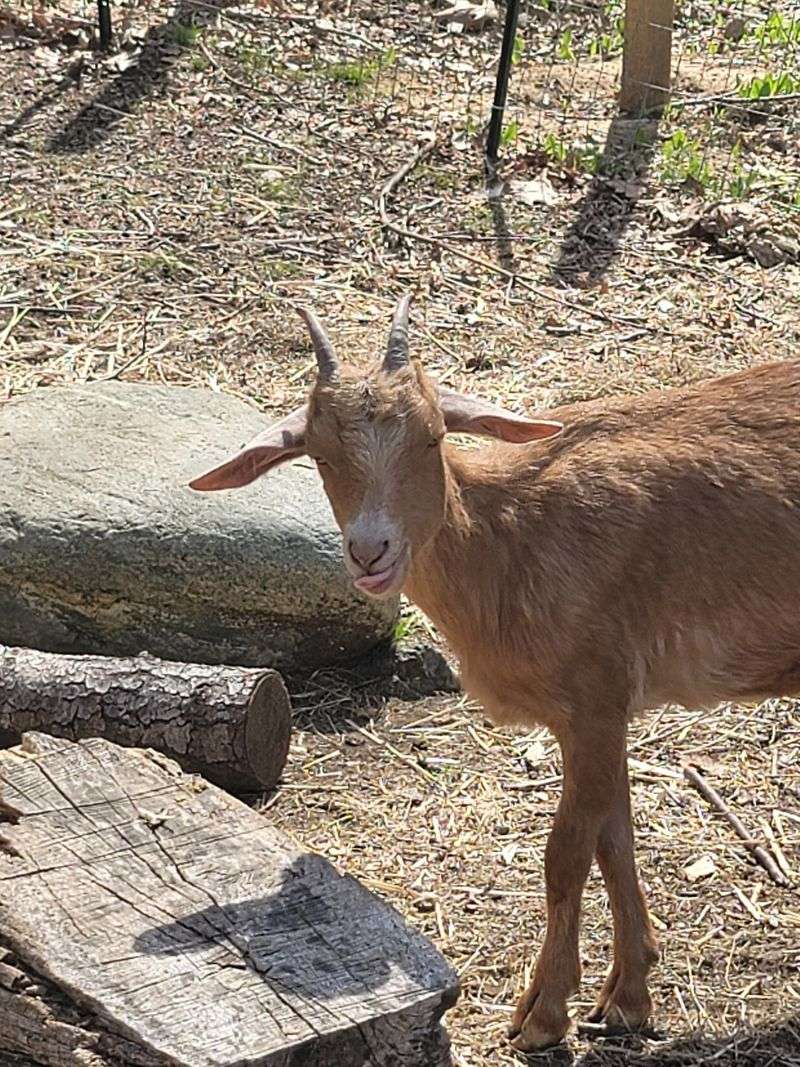
Yes, it’s really called Goat Snuggles. The name alone should tell you exactly how your afternoon will go.
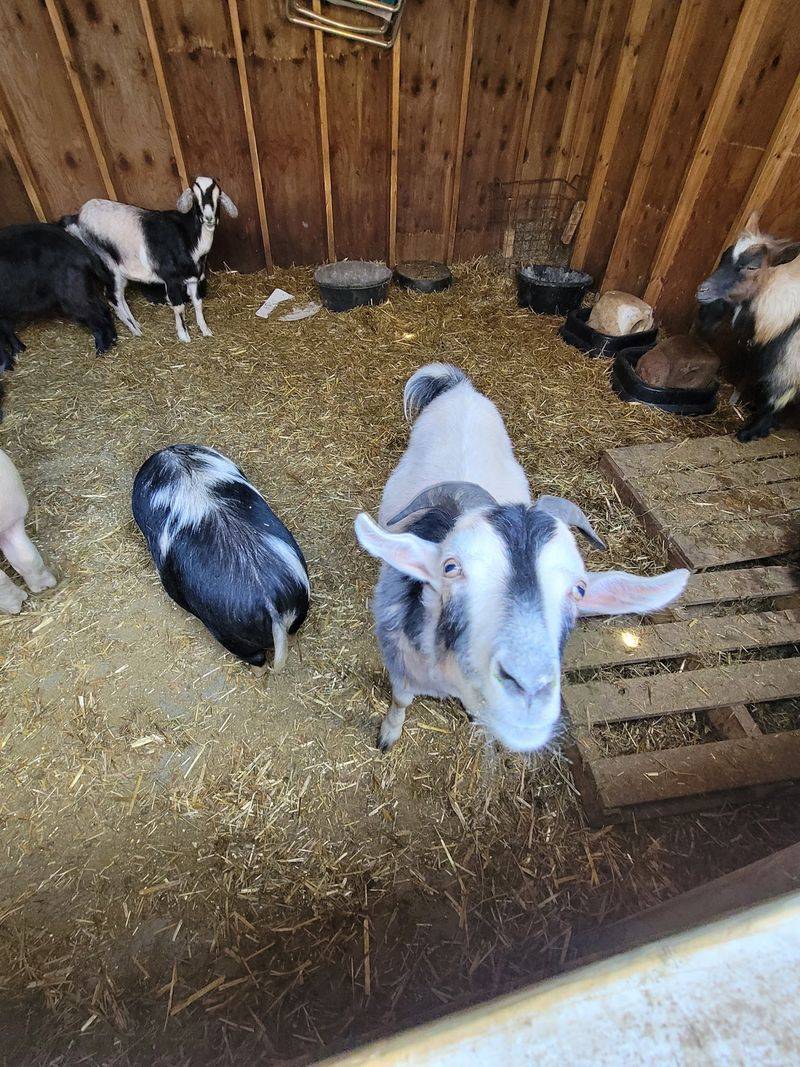
This signature experience gives you about an hour with the goats inside their pens. You get to meet them, feed them, and pet them up close.
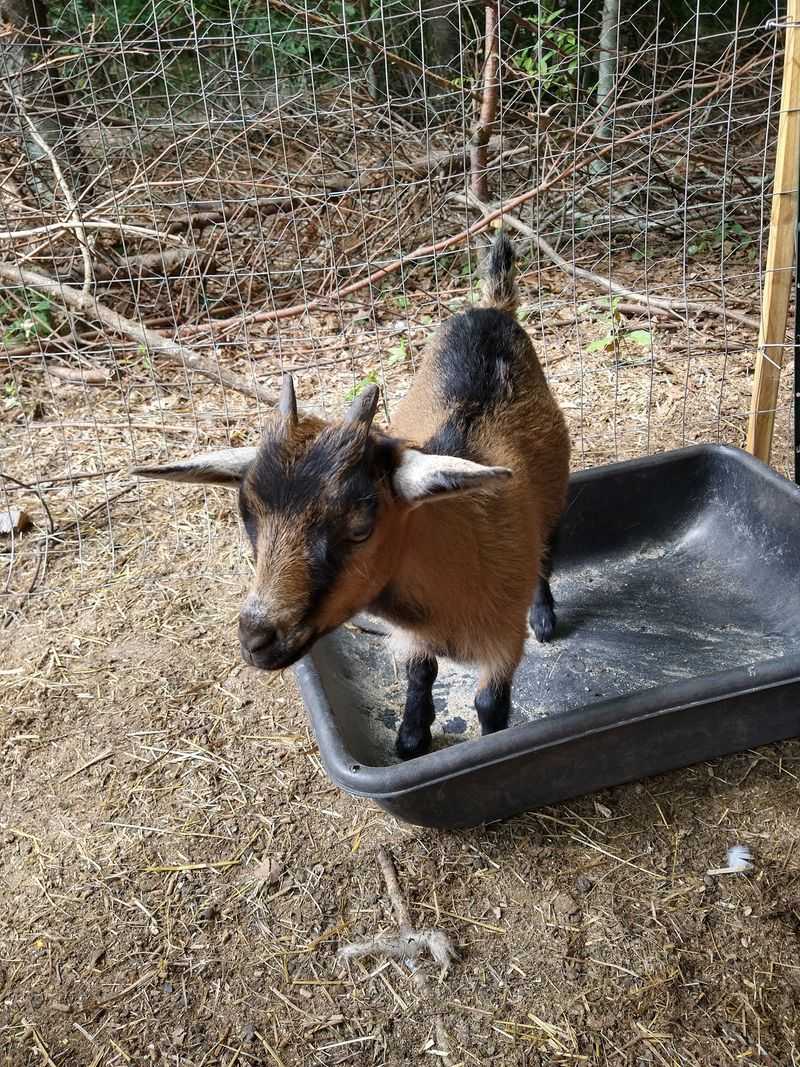
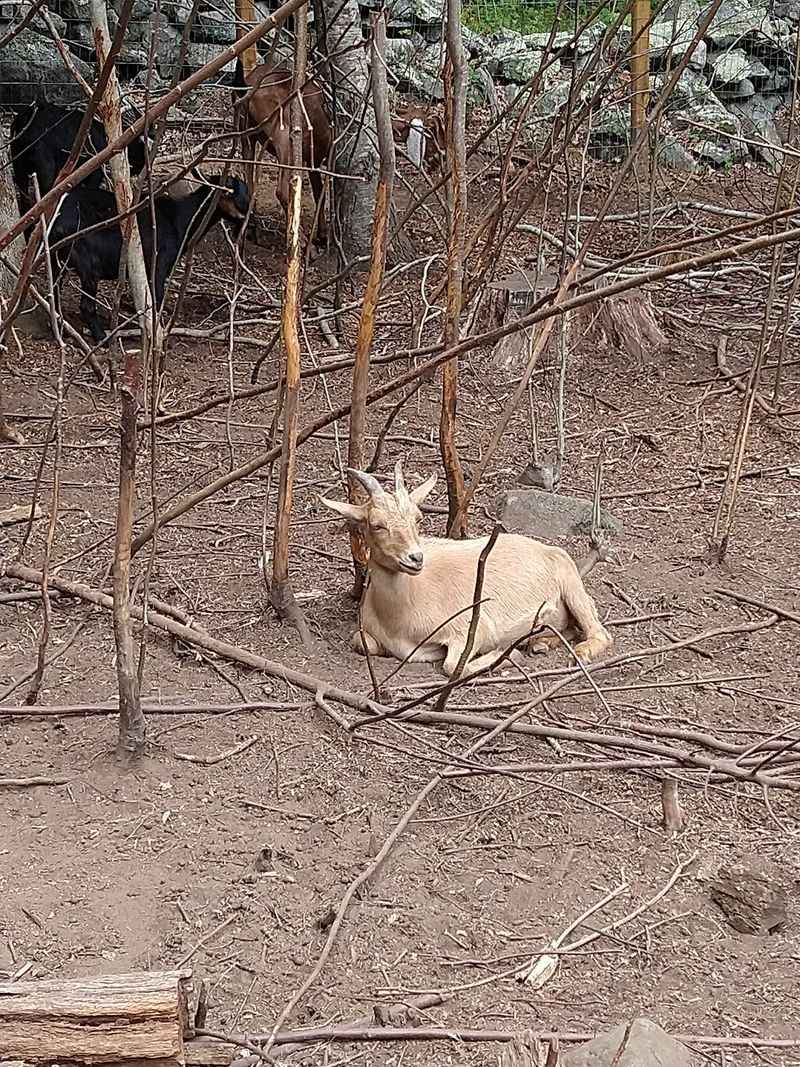
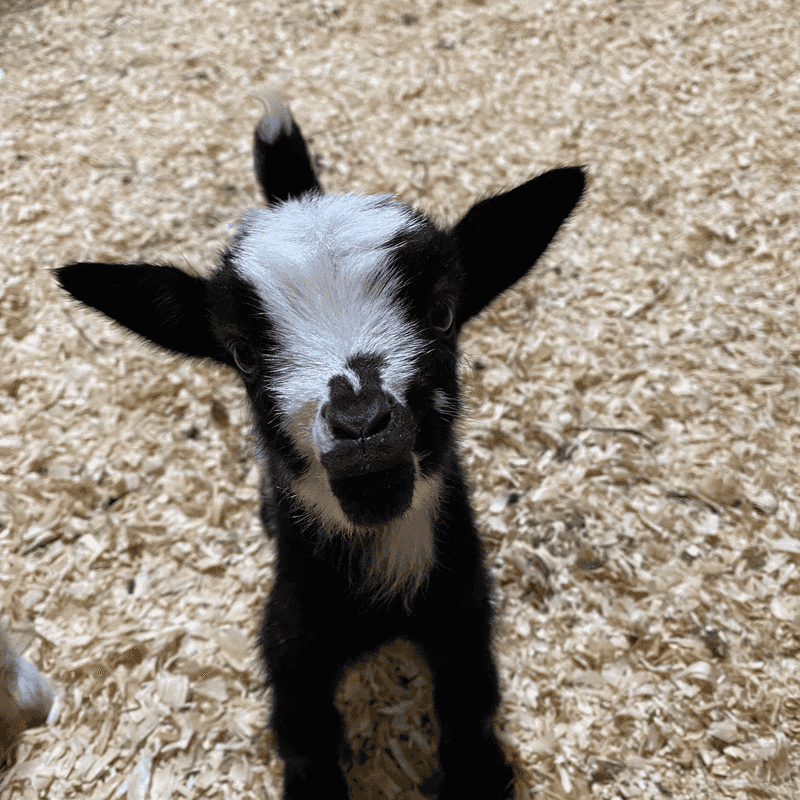
The goat crew includes Nigerian Dwarf goats, Nubians, and Angoras, three breeds with distinct appearances and personalities. That’s a lot of personality packed into a few pens.
Nigerian dwarfs are compact and curious. Nubians are famous for their long, floppy ears, which feel almost too cute to be real.
The sanctuary notes that time with the goats can help lift moods. Spending an hour with them may ease feelings of anxiety and sadness.
Honestly, that makes sense. It’s hard to stay stressed while a goat tries to investigate your jacket zipper.
The goats now live in two separate pens with housing, a change made in April 2022. Both pens also have seating, so you can settle down and let the goats come to you.
Bring patience and a sense of humor. Goats have opinions, and they’ll share them freely.
3. George The Pig Thinks He’s Basically A Golden Retriever
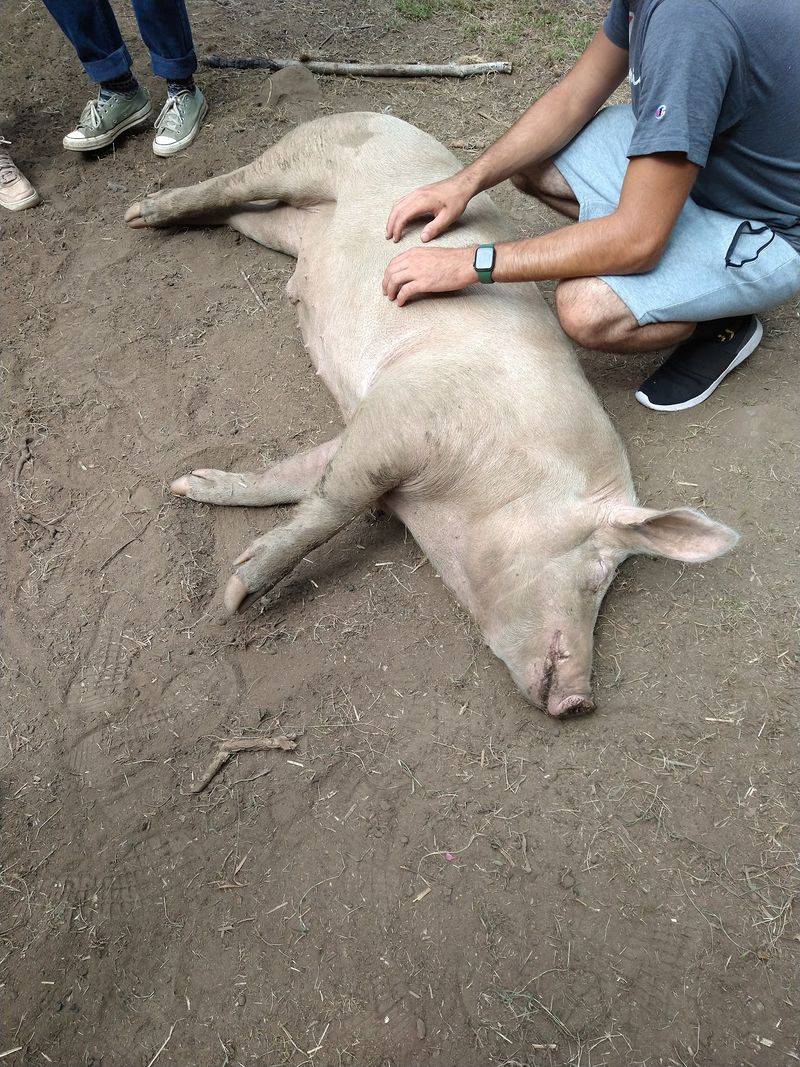
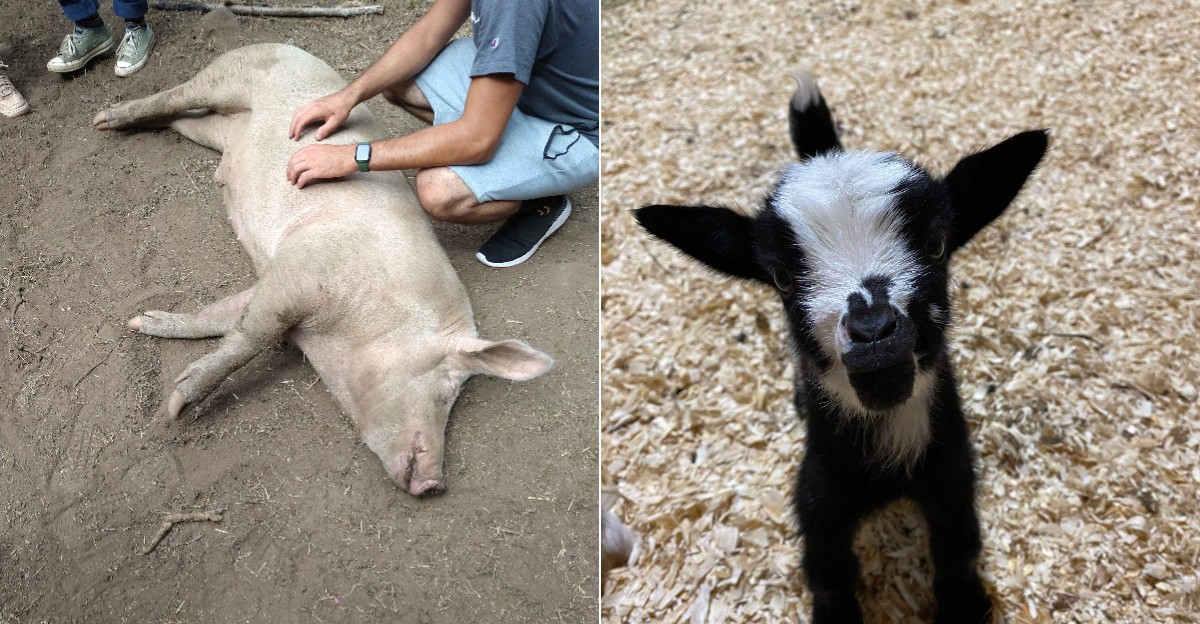
George is a large Yorkshire pig with a puppy’s heart. He enjoys belly rubs and likes nudging right up against people.
That dog-like charm makes him a standout at Marra’s Menagerie Farm Sanctuary. Pigs are smart, social animals, and George seems happy to prove it.
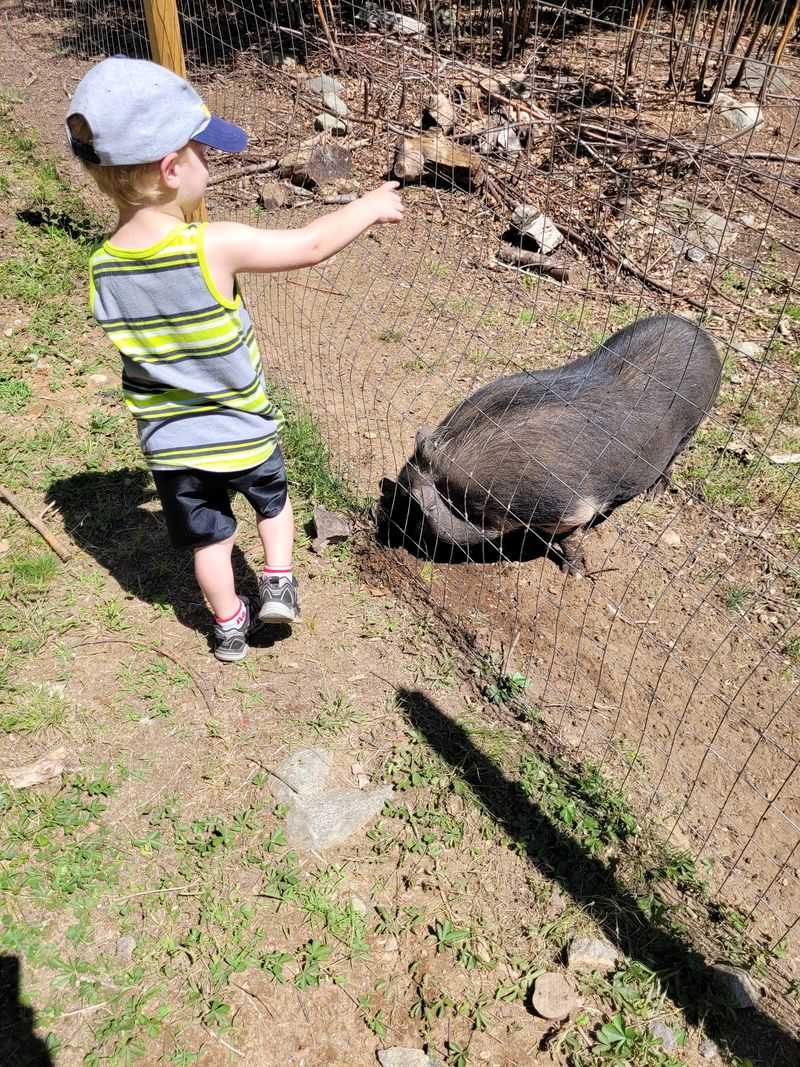
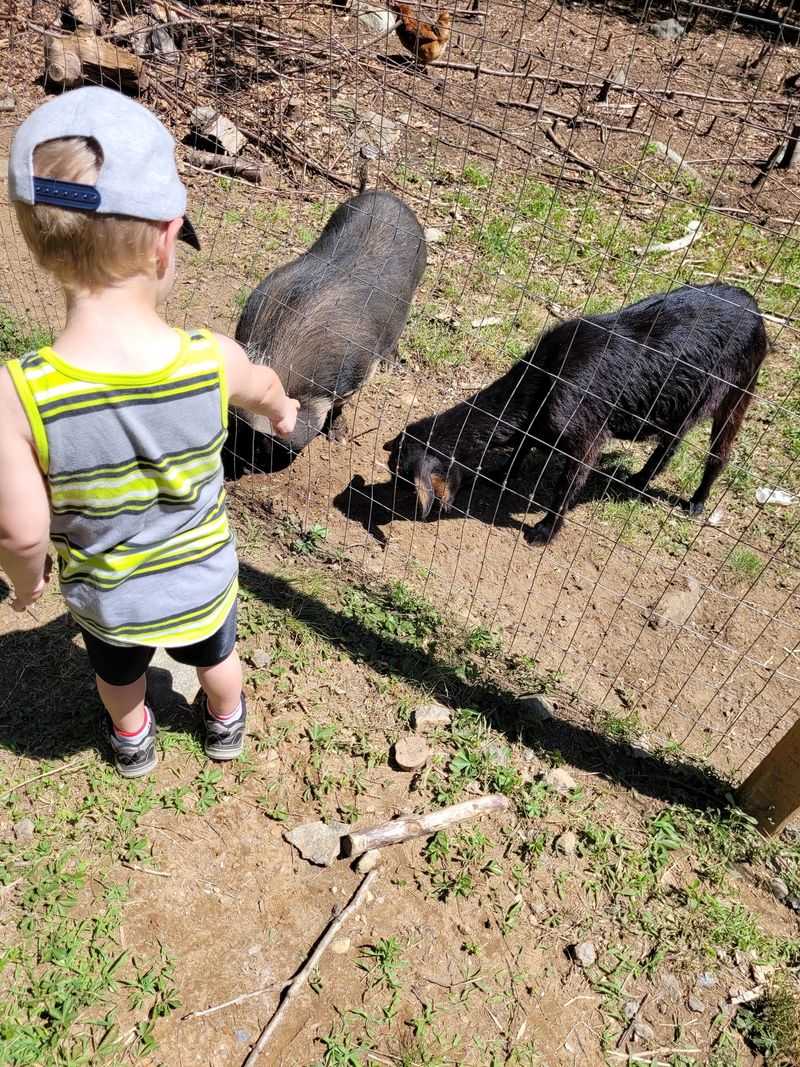
He’s not the only pig in the family, either. The sanctuary cares for several breeds, including Yorkshires, Pot Bellies, and a Julianna and KuneKune mix.
Each breed brings a different look and size. Yorkshires grow big, while Pot Bellies and KuneKune mixes come in smaller, rounder packages.
Fun fact for the kids. KuneKune pigs come from New Zealand, and their name roughly means fat and round in the Maori language.
Pigs often get a bad reputation as messy or dull. Meeting them in person tends to change minds fast.
The sanctuary is even working on a proper barn for the pigs. That upgrade will give these clever residents a sturdier, cozier place to rest.
So when George leans in for attention, go ahead and scratch that belly. He’s earned it.
4. A Llama And A Steer Keep Things Interesting
Not every farm can claim a llama. This one can, and it adds a delightfully unexpected twist to the cast.
The resident list goes well beyond goats and pigs. A llama, hogs, and a steer also call this sanctuary home.
That mix gives visitors a wider look at farm animals. Kids who’ve only seen these creatures in picture books can finally see them for real.
Llamas are often curious and alert. They tend to watch new visitors closely, sizing everyone up with those famously expressive faces.
A steer brings sheer size into the picture. Seeing such a large animal living calmly in a safe place is pretty moving.
The sanctuary also works with a professional farrier for its horses. That kind of hoof care shows how seriously the team handles each animal’s needs.
Every resident gets attention based on its own background. Some came in nervous or neglected and needed time to trust people again.
I like how this variety turns a visit into a real learning moment. You leave knowing a little more about animals you rarely meet.
5. Good Care Shows Up In The Little Details
Organic, pesticide-free hay is on the menu here. That’s a choice many farms skip, but this sanctuary makes it a priority.
Quality food is just the start. A veterinarian is on call, so sick or injured animals get help quickly.
The horses also see a professional farrier. Healthy hooves matter a lot for comfort and movement, even if most visitors never think about them.
These details add up to something bigger. They show that rescue here means real, ongoing care, not just a place to stay.
Plenty of residents arrive with rough histories. Some need extra patience, special attention, or simply time to feel safe again.
The team provides that steady support day after day. That kind of consistency is what turns a scared animal into a happy one.
Families who visit get a quiet lesson in responsibility. Caring for animals well takes money, time, and a lot of hard work.
Kids may walk away understanding that pets and farm animals are a lifelong promise. That’s a pretty valuable takeaway from a fun afternoon.
6. Plan Ahead Because Drop-Ins Aren’t A Thing Here
Want to meet the rescued animals? You’ll need to plan ahead.
This isn’t a farm where visitors can simply show up whenever they please.
Marra’s Menagerie Farm Sanctuary requires reservations for every visit. The sanctuary welcomes guests on select weekends rather than opening daily, so checking available dates and appointment times before making plans is essential.
That arrangement works well for a working animal rescue. The animals enjoy quieter days between visits, while guests have more relaxed opportunities to spend time with them.
It’s also worth remembering that this is a family property, not a large tourist attraction. Visitors should treat the grounds with the same respect they would show at someone’s personal farm.
Comfortable clothes are a good idea, especially since things can get a little muddy. Wear shoes that can handle dirt without causing too much concern.
Families bringing children should also make sure everyone understands the importance of following directions and staying calm around the animals.
The sanctuary’s address is 51 Old Voluntown Rd, Griswold, CT 06351, in the countryside near Jewett City.
Booking early is a smart move, especially with visits limited to certain weekends.
Once the arrangements are made, the goats can provide plenty of entertainment.
7. Your Donation Actually Feeds Somebody With Hooves
No government money funds this place. Donations and the sanctuary’s own funds help cover essential expenses, including feed, supplies, and veterinary care.
The sanctuary accepts donations, animal sponsorships, and supplies to help support the care of its rescued animals. That’s a nice bonus for people who want their giving to count twice.
Cash helps, but it’s not the only option. The sanctuary also accepts feed and supplies, and it keeps a wish list of needed items.
Animal sponsorships are another fun choice. You can support a specific resident, which feels a lot more personal than a regular donation.
Volunteers keep the whole operation running. The sanctuary relies heavily on its volunteer program for daily chores and care.
That work isn’t glamorous, of course. Think hay, water buckets, and plenty of cleanup, but the payoff is happy, healthy animals.
Even a visit helps in its own way. Booking time with the goats supports the mission while giving you a great memory.
Small gestures really matter at a place this size. A bag of feed might keep George happily munching for days.
8. Big Plans Are Brewing For Mini Pigs
Rescued farm animals remain the focus at Marra’s Menagerie, where visitors can support their care through donations, sponsorships, and booked experiences.
The idea is to rescue, rehabilitate, and rehome mini pigs. Many end up surrendered when owners realize how much care they really need.
Spay and neuter programs are part of the plan, too. Education is another key piece, aimed at easing the strain on overrun shelters.
That’s smart thinking. Rescue helps animals today, but education helps prevent the problem tomorrow.
Current projects also focus on better facilities. A proper barn for the pigs and improved fencing are high on the to-do list.
Growth like this takes time and steady support. Each upgrade means safer, more comfortable spaces for the residents.
It’s exciting to see a rescue keep pushing forward after more than twenty years. Plenty of groups would rest, but this one keeps building.
Follow along, book a visit, or pitch in where you can. The next chapter at Marra’s Menagerie Farm Sanctuary looks bright, and a little snoutier.