10 Delaware Garden Spots That Feel Peaceful The Second You Arrive
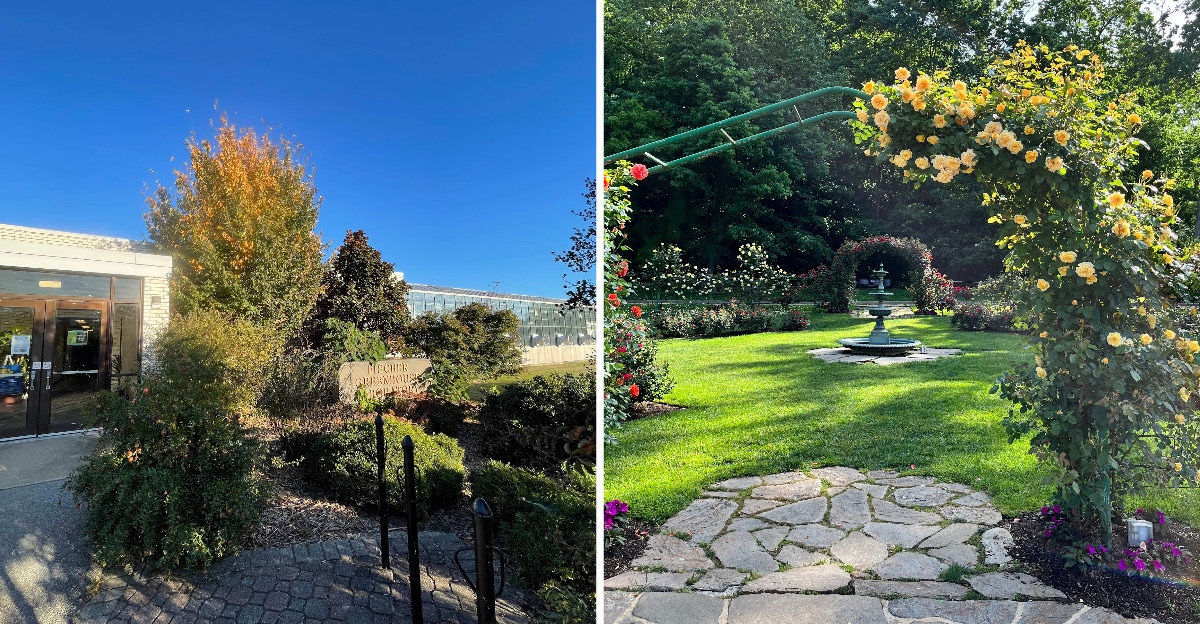
You can stroll through a rose garden in Wilmington that people have been tending since the 1930s, and it sits right next to a zoo.
Roses on one side, zoo neighbors on the other. That’s one way to share a park.
Delaware is small, but its gardens cover a lot of ground.
One estate surrounds 60 acres of planted gardens with nearly 1,000 acres of meadows, farmland, and waterways.
Another spot in Sussex County is a working lavender farm with bees, butterflies, and a gift shop.
You get tiny volunteer gardens and giant historic estates in one little state.
Quiet and surprising at the same time. What an interesting combination!
1. Delaware Botanic Gardens At Pepper Creek
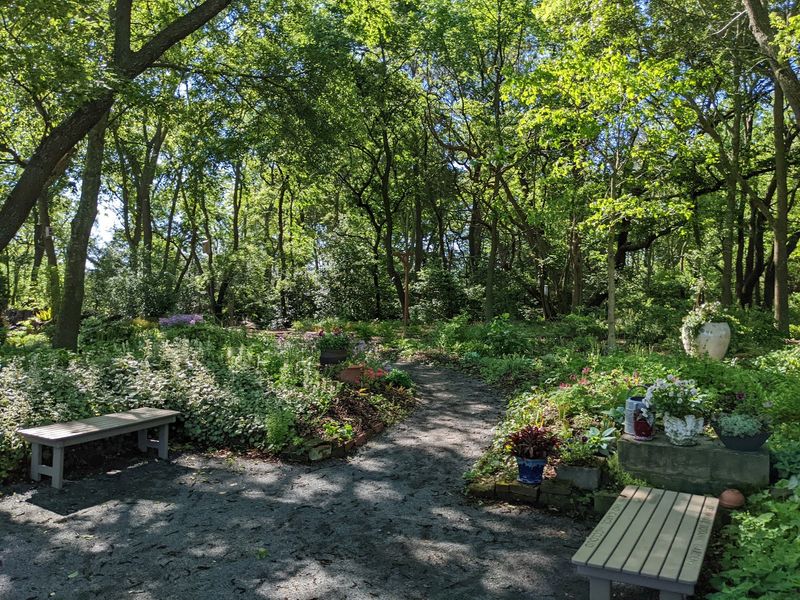
Wooden sculptures peeking out from a meadow sound like the start of a fairy tale.
In rural Sussex County, they’re part of the experience along the Woodlands Discovery Trail, where imaginative creatures emerge among the trees.
The gardens occupy 37 acres beside Pepper Creek, combining a designed meadow, shady forest, and tidal waterfront.
The Meadow Garden features sweeping drifts of perennials and grasses selected for their changing colors and textures, even after summer flowers fade.
Rather than arranging everything in tidy rows, the planting creates a landscape that feels wonderfully alive. Seed heads and tall grasses give autumn its own kind of beauty, while woodland paths lead toward wetlands and views of the creek.
Look for sculptures made from natural materials along the discovery route. The changing installations give children something to seek out while adults appreciate the forest’s quieter details.
This coastal corner is especially rewarding for anyone curious about native plants and the coastal environment. Comfortable walking shoes are useful because the paths include natural surfaces and wooded slopes.
The entrance is at 30220 Piney Neck Rd, Dagsboro. General visiting hours are Thursday through Sunday, 9 AM to 4 PM, during the public season.
Reservations are encouraged, although walk-in admission is available. Allow time for the meadow and the creek, not merely a quick loop near the entrance.
2. Winterthur Museum, Garden & Library
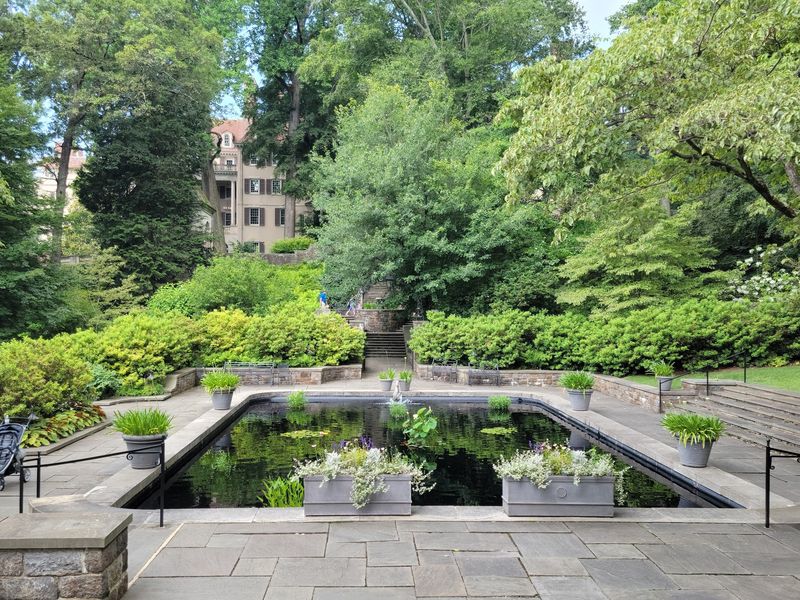
Sixty acres of gardens would be plenty for most places.
At Winterthur, they’re surrounded by nearly 1,000 acres of meadows, farmland, woodland, and waterways. That’s an extraordinary amount of green space for one former family estate.
The landscape grew from the horticultural vision of Henry Francis du Pont, whose former home also contains an extensive collection of American decorative arts. Outdoors, gently curving paths connect different garden settings rather than following a single formal grid.
Start with the Sundial Garden, where seasonal plantings surround an antique armillary sundial.
The Reflecting Pool creates a more architectural scene, while the Glade Garden offers shaded water features and ponds with ornamental koi.
Children have somewhere of their own to explore in Enchanted Woods, a fairy-inspired garden filled with playful structures. If you’re covering more ground, narrated garden trams provide an alternative to walking every hillside.
Find the estate at 5105 Kennett Pike, Winterthur. It welcomes guests Tuesday through Sunday, generally 10 AM to 5 PM, with the gardens closing at dusk.
The property is closed Thanksgiving Day, while holiday programming begins November 21, 2026.
Give yourself several hours. Between the estate paths, house exhibitions, and children’s garden, there’s a good chance you’ll discover a favorite corner before reaching the next one.
3. Mt. Cuba Center
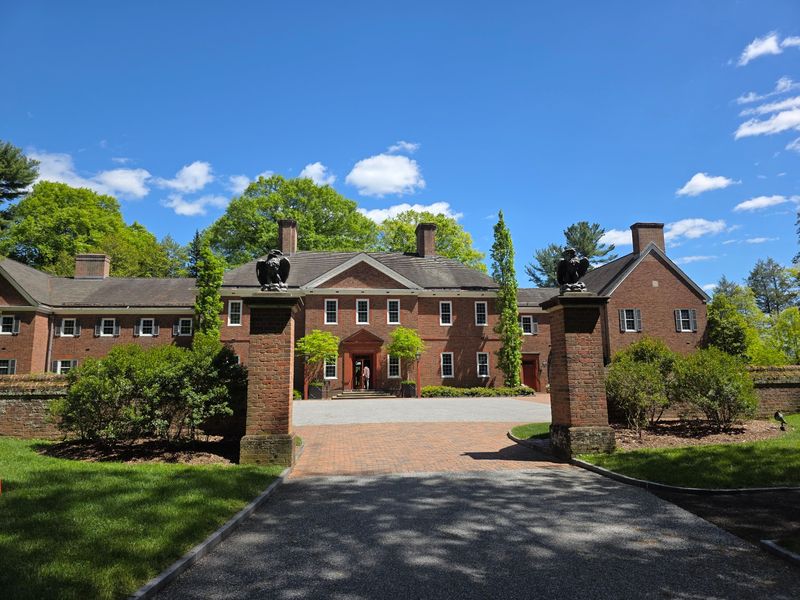
A house built in 1931 was designed to look older than it is.
Sneaky architecture, but the gardens around it are the real showstoppers. Mt. Cuba Center began as a private country estate and now focuses on the beauty of native plants.
Formal beds near the house gradually give way to woodland paths, meadows, and a landscape shaped by streams and trees. The South Garden shows how native perennials can look elegant within a carefully arranged design.
That variety is the fun part. One section feels composed and architectural, while another allows plants to mingle more naturally beneath the canopy. The Trial Garden adds a practical side, evaluating native species and cultivars for gardeners.
Near the main house, take time to notice the garden’s changing textures.
Autumn offers colorful foliage, dried flower heads, and the rich greens of evergreen shrubs. The Woodland Glade also connects accessible routes through several of the planted areas.
The entrance is 3120 Barley Mill Rd, Hockessin. In November 2026, public garden hours are Wednesday through Sunday from 10 AM to 4 PM, with the season ending November 22. Educational classes continue at other times of year.
Wear comfortable shoes and leave time to follow whichever path looks interesting. This place makes an excellent argument that native plants can be both practical and beautiful.
4. Lavender Fields At Warrington Manor LLC
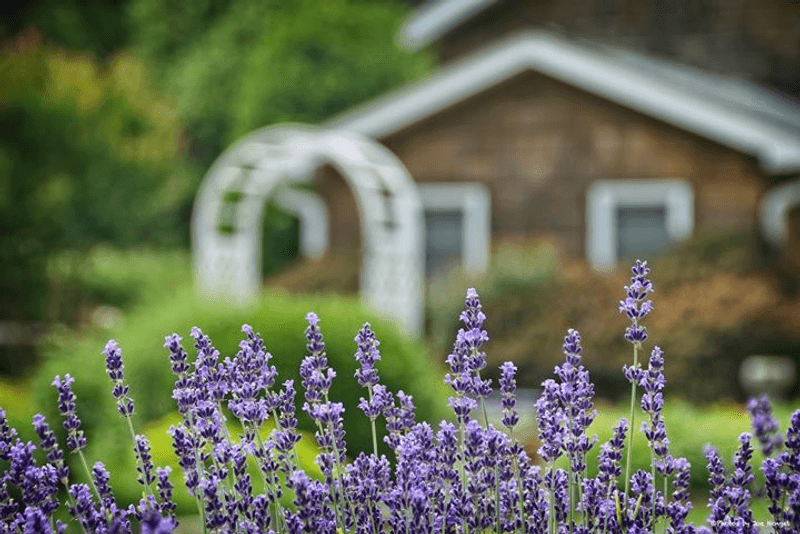
Bees, butterflies, and chickens all seem to agree that lavender is a good idea. In Milton, you can join the club.
Rows of fragrant plants make this working farm particularly colorful when the lavender blooms in its warmer season.
The property has a long agricultural history, having served as a fruit farm before developing its lavender gardens.
Today, the grounds include more than the famous purple rows. There’s a Bee and Butterfly Garden, a colorful collection of dahlias, and a peaceful labyrinth for a slow wander.
Pollinators love the flowers, so expect company in the growing season. The dahlia beds add a different burst of color, with many varieties creating shapes ranging from compact blossoms to oversized blooms.
Cottage Store carries lavender soaps, lotions, sachets, and other handcrafted products. It’s a nice stop for gifts, especially when the outdoor plants are resting for winter. The farm arranges tea gatherings and group experiences.
The current address is 28376 Martins Farm Rd, Milton. The farm’s homepage posts Wednesday through Sunday, 11 AM to 3 PM; access to the grounds is limited to staffed visiting hours, so check in at the shop before exploring.
Remember that this is also a private residence. Pets aren’t permitted, and larger groups need advance arrangements. A slower pace suits the place perfectly, whether the lavender is blooming or the fields are preparing for another season.
5. Marian Coffin Gardens At Gibraltar
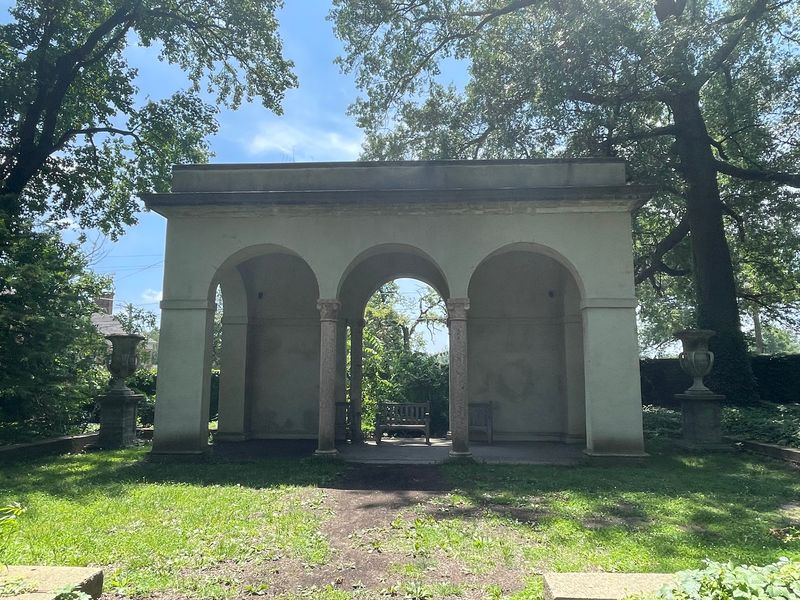
Prom photographers figured this place out a long time ago. Statues, fountains, and a reflection pool make a pretty strong backdrop.
The historic garden belongs to the Gibraltar estate, where landscape architect Marian Cruger Coffin began her design in 1916.
Instead of one large lawn, she created six connected garden rooms with terraces, carefully framed views, and different planting styles.
The formal flower garden has a Venus fountain, while the reflecting pool gathers the mansion and sky into one calm picture.
Follow the Bald Cypress Allée and you’ll encounter a striking line of trees with statues representing the seasons. The arrangement feels both grand and intimate, especially when autumn leaves bring fresh color to the paths.
The region’s garden heritage comes alive here without requiring a full afternoon. Some people explore in fifteen minutes; others settle onto a bench and stay considerably longer, enjoying the quiet.
The entrance is through the ornate gate at 1405 Greenhill Ave, Wilmington. The gardens welcome the public from sunrise to sunset throughout the year, and there is no admission charge.
Limited courtyard parking is available, with additional street spaces nearby. Stone paths can be uneven and steps connect some terraces, so comfortable shoes make sense.
Bring your camera, or just enjoy how the sculptures and plantings work together across the different outdoor rooms.
6. Read House & Gardens
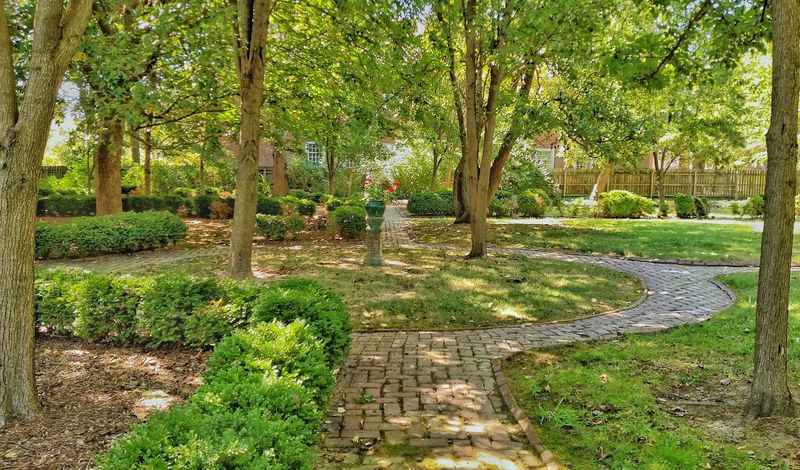
Fourteen-foot ceilings inside, river views outside. The Read House really knows how to frame a day.
This grand New Castle residence was built between 1797 and 1804, with its gardens developing during later chapters of the property’s history.
Its grounds cover about two and a half acres, including carefully arranged beds, mature trees, and historic landscape elements.
The Colonial Revival character reflects changes made by a later family that took over the estate in the early twentieth century.
Behind the house, you’ll find spaces that feel remarkably calm despite the nearby historic streets. Paths through the grounds invite an unhurried look at the planting arrangements and the relationship between house and garden.
The house itself is a National Historic Landmark, with decorative interiors that explain how the property evolved. Guided indoor tours run Thursday through Sunday, but you don’t need a museum tour to enjoy the outdoor spaces.
The gardens are open daily from dawn until dusk, year-round, with access free of charge. That makes them a pleasant addition to a walking afternoon through historic New Castle.
Find the house at 42 The Strand, New Castle, close to the river. Garden restoration work continues, so certain paths or planted areas may look different as improvements progress.
Afterward, wander toward the waterfront and enjoy the town’s brick streets and lovely historic buildings.
7. Valley Garden Park
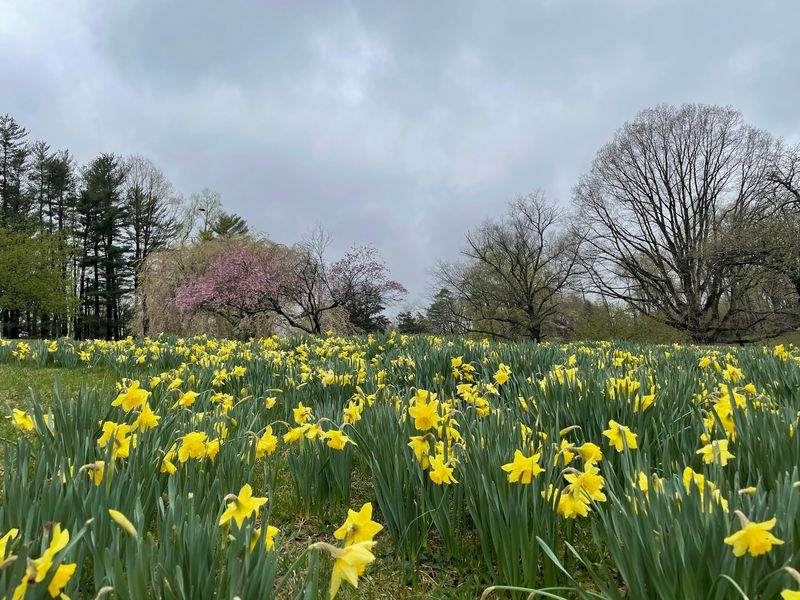
Daffodils on a hillside are basically nature’s way of saying hello. In spring, Valley Garden Park says it loudly.
But this landscape in Greenville has plenty to offer even after the bright yellow flowers finish their show.
Lawns slope into a stream valley, with mature trees, magnolias, and winding paths creating a spacious garden atmosphere. The creek passes over small rocky cascades, adding a gentle soundtrack while you stroll.
This was once part of a private estate. A member of the du Pont family donated the land to Wilmington in 1942, and the landscaped public park opened the following year.
Its 102 acres still feel more like an expansive country garden than a conventional city playground.
Paths include paved sections along the stream and natural routes across the hills. A short walk can be enough to see the little cascades, while another path invites you into the open grassy areas.
The entrance used by the city is listed at 500 Campbell Rd, Wilmington, outside the city limits near Greenville. Parking and benches are provided, but the grounds aren’t equipped with a full visitor center or indoor facilities.
Bring a book or a picnic and find a quiet place beneath the trees. In autumn, fallen leaves give the stream banks a different charm. Simple scenery, room to wander, and the sound of water make this park easy to appreciate.
8. University Of Delaware Botanic Gardens

College students aren’t the only ones learning on this campus. The plants here are part of the lesson too.
These botanical gardens serve as a living classroom for horticulture and landscape design, yet anyone can enjoy the grounds.
About fifteen acres of developed landscapes contain ten garden areas, including shade plantings, herbaceous borders, and collections of trees and shrubs.
Some sections demonstrate what grows well in difficult conditions, while others highlight color and texture across the seasons. The Charles Dunham Garden features a canopy of trees with flowering shrubs and groundcovers.
The Herbaceous Garden uses curved planting beds, brick paths, and a pavilion to create a space suited to both study and a quiet pause.
Near the greenhouse, collections of hydrangeas and hollies bring additional interest. Autumn visitors can concentrate on foliage, seeds, and evergreen structure rather than expecting midsummer blossoms.
Use 211 Roger Martin Ln, Newark, for directions. The gardens welcome visitors every day from dawn to dusk, including much of the colder season. Admission is free, though campus parking requires payment.
Most paths are mowed grass, with paved routes in selected garden areas. Restrooms are available inside Townsend Hall during weekday building hours.
Enjoy a leisurely self-guided garden stroll, then let the university surroundings remind you how much there is to learn from an ordinary tree.
9. Jasper Crane Rose Garden
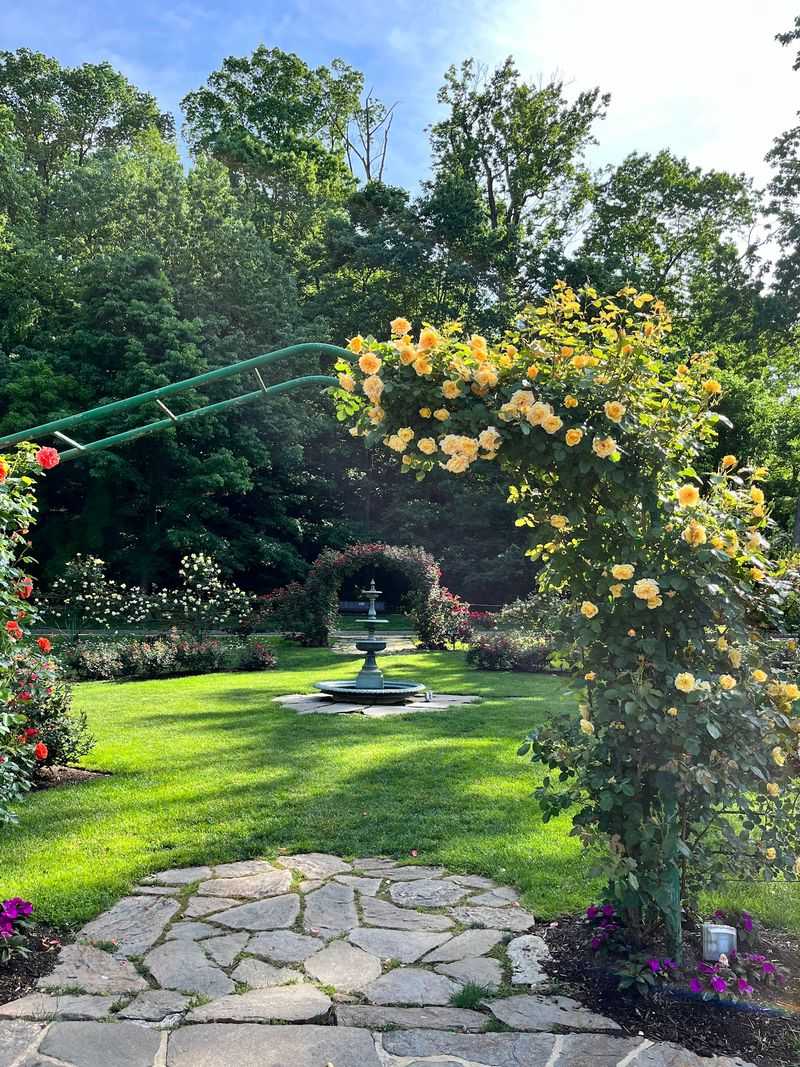
Somebody has been caring for these roses since the 1930s. That’s a long time to keep a garden blooming.
The Jasper Crane Rose Garden sits in Wilmington’s Brandywine Park, directly beside the Brandywine Zoo.
The original rose beds date to 1932, when hundreds of plants were donated to create a formal garden. Later restorations added new irrigation and refreshed the collection, including hundreds of bushes representing dozens of varieties.
When the roses bloom, vivid shades fill the carefully organized beds. June is an especially appealing month for flowers, while autumn offers a quieter walk and a chance to appreciate the garden’s layout.
The park itself follows the Brandywine River, with paths and mature trees nearby. A few steps away, the zoo creates an unusual contrast: cultivated blooms beside an entirely different kind of attraction.
This is one of the simplest little garden outings in the area, with open park grounds and no formal garden ticket.
The rose beds are maintained with help from Friends of Wilmington Parks, keeping the historic display part of the city’s everyday landscape.
For directions, use N Van Buren St, Wilmington, near the zoo entrance and rose garden. Parking is available in the surrounding park area.
Bring a camera for close-up photographs during blooming season, or visit quietly on a cooler day and enjoy the riverfront atmosphere.
10. Goodstay Gardens
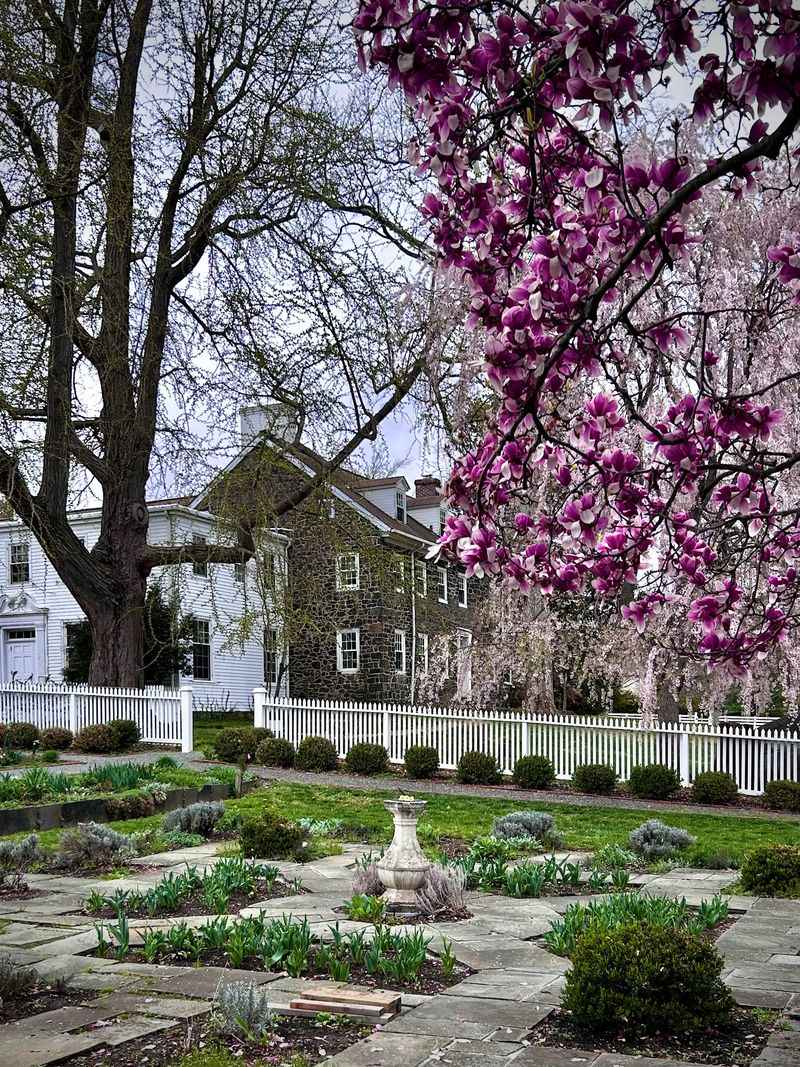
Volunteers keep this garden going, and you can tell they love it.
Free entry is just the cherry on top. Goodstay Gardens occupies a peaceful corner of the university’s Wilmington campus, beside the historic Goodstay mansion.
The garden’s roots reach back to the eighteenth century, and it has been cared for through generations of changing ownership.
Illustrator Howard Pyle spent part of his childhood here and later remembered roses, shrubs, gravel walks, and birdsong in vivid writing.
Today the garden retains a sense of that old-fashioned character, with flowering beds, perennial borders, mature greenery, and small spaces that invite you to pause.
The planting changes throughout the year, so spring blossoms and the textures of late autumn offer different reasons to stop.
Friends of Goodstay Gardens and volunteers help maintain the property. It feels more intimate than a giant estate, which makes it a convenient destination for a short nature break rather than an all-day excursion.
You’ll find the entrance area at 2700 Pennsylvania Ave, Wilmington, behind the Osher Lifelong Learning Institute and beside the mansion. The grounds are free and open year-round from dawn until dusk.
There are no public restrooms or trash receptacles, so plan accordingly. Leashed dogs are welcome, and picnics are permitted. This small piece of Delaware history rewards anyone who slows down enough to notice it.