The Delaware Crab House That Has Been Doing Things The Old Way For Good Reason
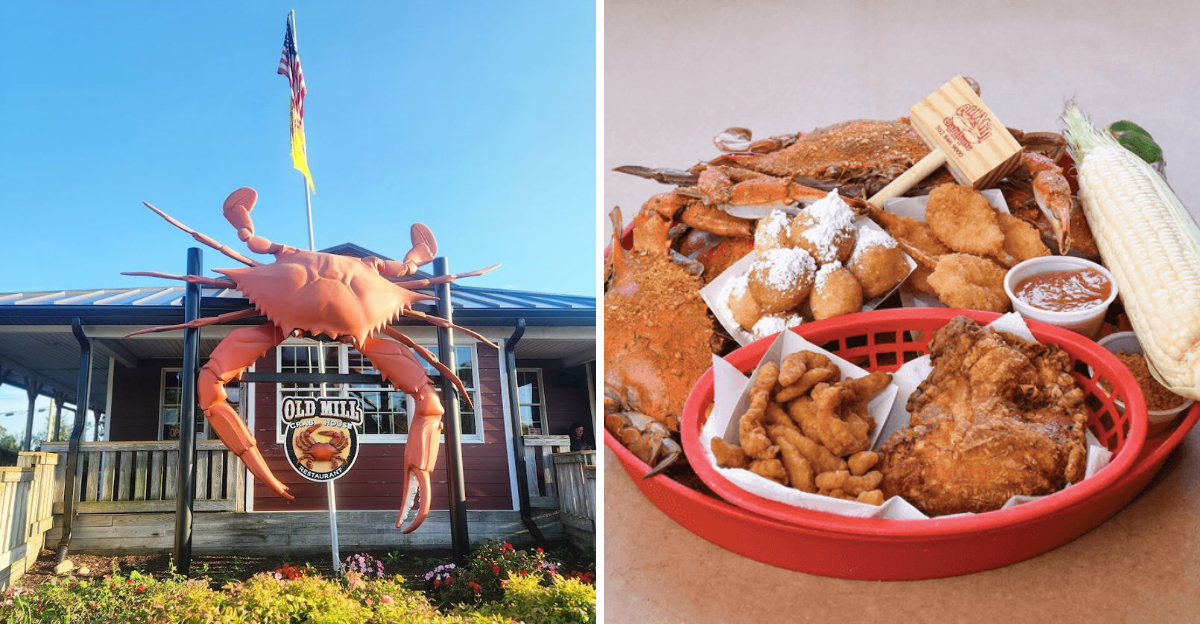
The best crab houses in Delaware share a quality that no amount of rebranding can manufacture, and this Delmar spot has had it for longer than most of its regulars can remember.
There are no gimmicks on the menu, no seasonal reinventions, and absolutely no attempt to make the experience feel like anything other than what it is.
The wooden mallets come out, the newspaper goes down, and whatever conversation you were having before the food arrived gets permanently interrupted in the best possible way.
Crabs this fresh and this well seasoned can make everything else on the agenda feel suddenly less important.
Delaware takes its crab houses seriously in a way that neighboring states genuinely respect, and this one sits comfortably at the center of that reputation.
People drive past newer places and fancier options to eat here, and every single one of them will tell you the drive was completely worth it.
A Family Recipe That Started It All
Old Mill Crab House started with one family’s commitment to doing crabs right.
The recipes handed down through generations aren’t complicated, but they’re executed with precision that only comes from repetition and care.
Every batch of crabs gets the same attention, whether it’s a Tuesday lunch or a packed Saturday night.
The seasoning blend hasn’t changed because it doesn’t need to. Some restaurants chase novelty, but this place understands that consistency builds trust.
When customers return year after year, they’re not looking for surprises. They want exactly what they remember from last time.
The kitchen staff includes family members who learned by watching their parents and grandparents work. That kind of knowledge transfer creates muscle memory that can’t be taught in culinary school.
You taste the difference in every bite, not because of fancy technique, but because of respect for the process. The old way works because it was perfected long before anyone thought to change it.
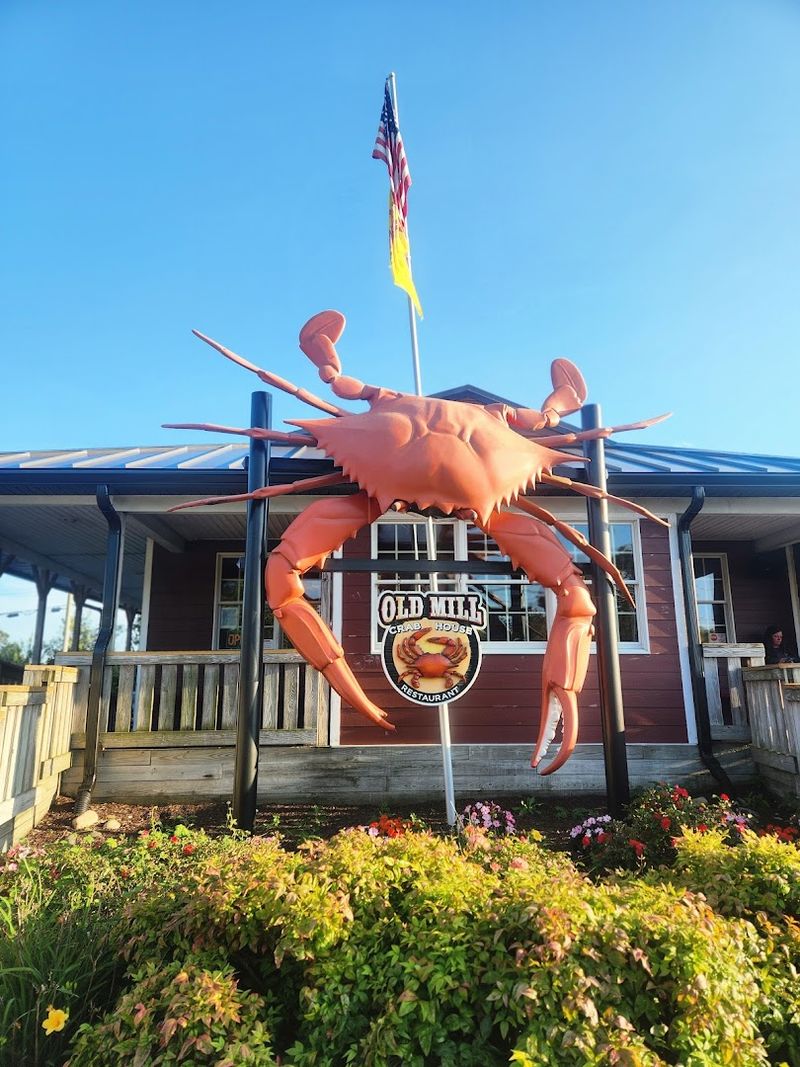
You can find it at 8829 Waller Rd in Delmar, Delaware.
The Building That Time Forgot
The structure itself tells a story without saying a word. Weathered wood siding has absorbed decades of coastal humidity and summer heat, giving the building character that new construction could never replicate.
The parking lot is gravel, not because it’s quaint, but because that’s what works.
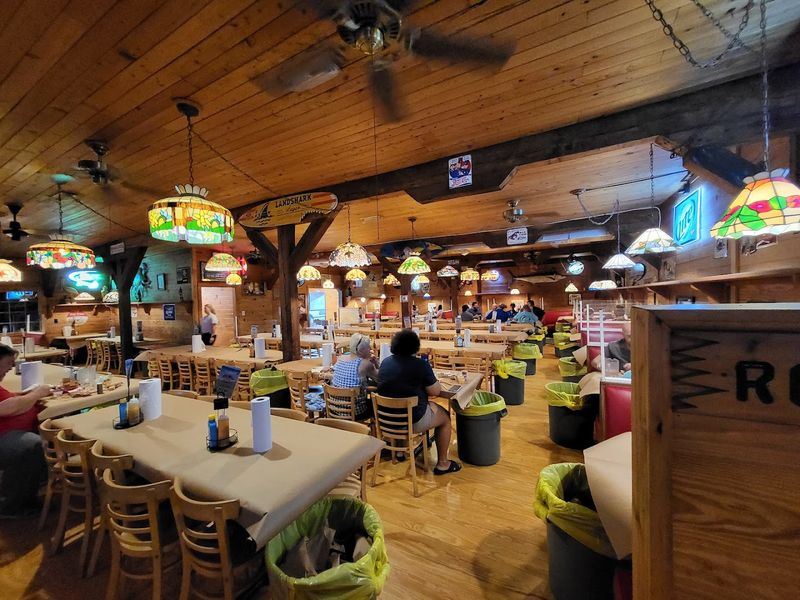
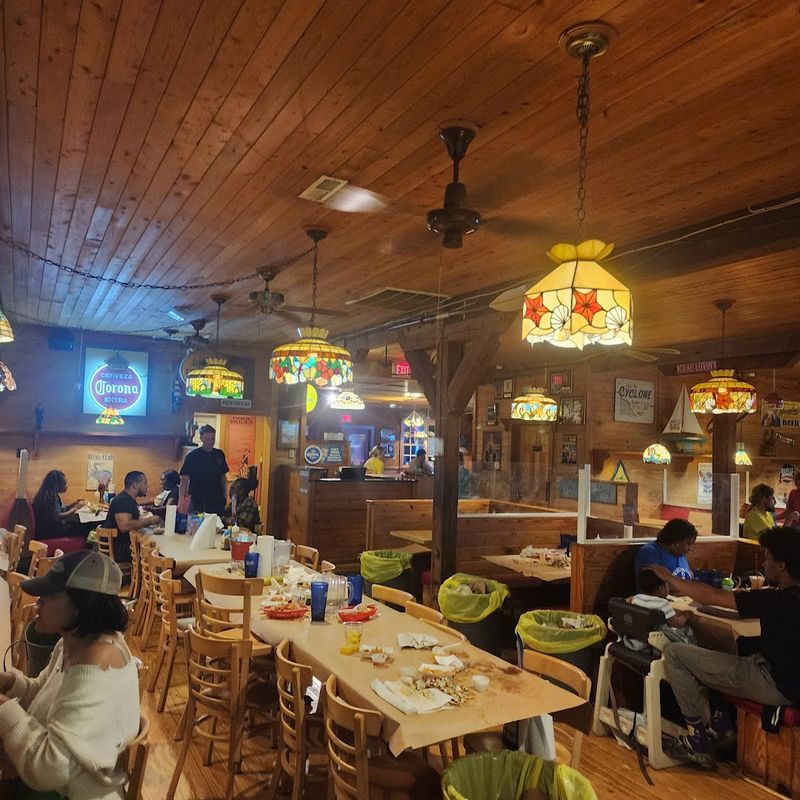
Inside, the dining room feels lived-in rather than designed.
Tables show wear from thousands of crab mallets hitting their surfaces. The walls display photos and memorabilia that accumulated naturally over years, not curated for aesthetic appeal.
Nothing matches perfectly, and that’s exactly the point.
Most restaurants renovate every few years to stay current, but this approach misses something important. Spaces that evolve slowly develop authenticity that can’t be manufactured.
The bathrooms aren’t Instagram-worthy, the chairs don’t all match, and the floor has seen better days. But when you’re cracking crabs with friends, none of that matters.
The building serves its purpose without pretense, which is increasingly rare. Comfort comes from familiarity, not from fresh paint and trendy fixtures.
This place understands that perfectly.
Steaming Techniques That Haven’t Changed
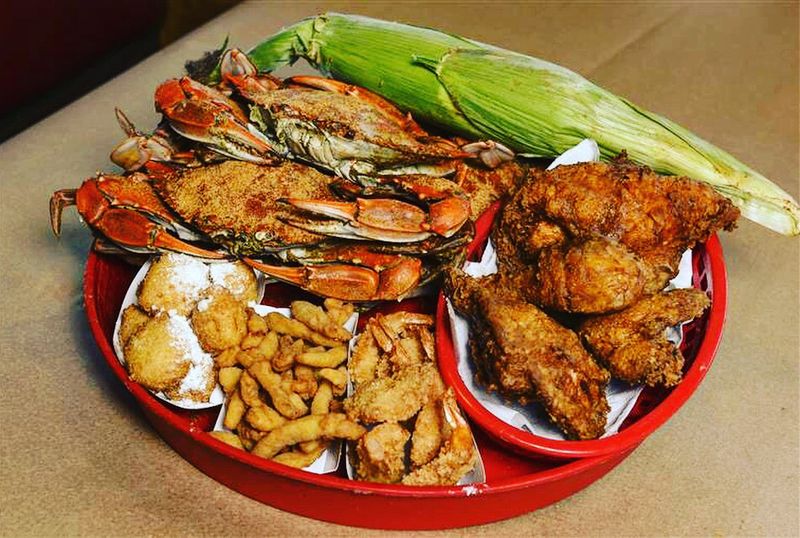
Walk past the kitchen and you’ll see the same steamers that have been used for decades. These aren’t state-of-the-art appliances with digital controls.
They’re simple, reliable workhorses that do one job exceptionally well. The staff knows exactly how long each batch needs and when to pull them.
Timing matters more than most people realize. Undercook crabs and the meat sticks to the shell.
Overcook them and the texture suffers.
The sweet spot is narrow, and hitting it consistently requires experience that can’t be rushed. Every cook here has steamed thousands of pounds of crabs, developing an intuition for when they’re ready.
The seasoning application happens in layers, not dumped on at once. This method ensures even coverage and proper penetration.
Some newer places use different techniques or shortcuts, but results speak for themselves. When customers consistently praise the flavor and texture, you don’t mess with the formula.
Technology hasn’t improved this process because the traditional method already works perfectly. Sometimes the old way is the best way simply because it’s been tested and proven over countless servings.
Paper Tablecloths And Wooden Mallets
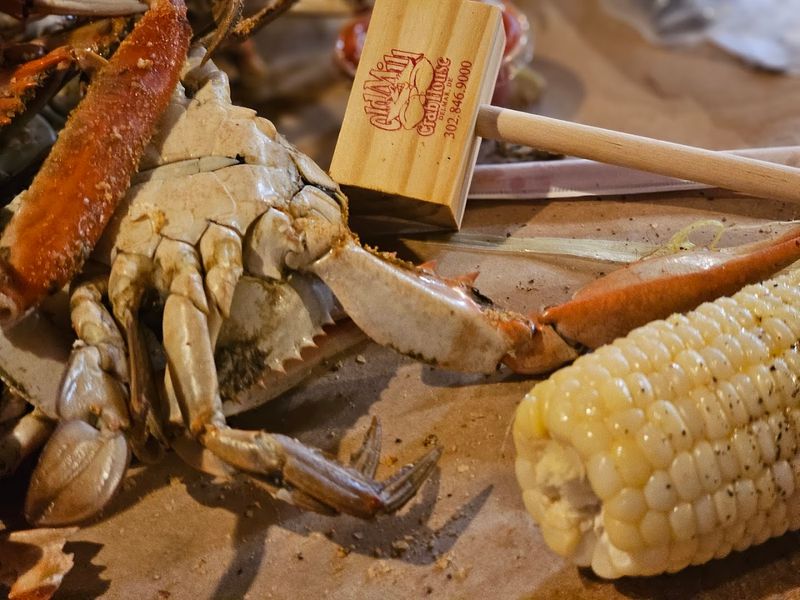
The setup is simple: brown paper rolls across the table, a bucket for shells, and wooden mallets that have cracked thousands of claws. No fancy plating or garnishes, just tools and space to work.
This approach removes pretense and focuses attention where it belongs, on the food.
Eating crabs is messy by nature, and fighting that fact is pointless. The paper tablecloth acknowledges reality and makes cleanup easier for everyone.
When you’re done, everything rolls up and disappears. It’s practical in a way that cloth napkins and ceramic plates could never be.
The mallets show their age with dents and discoloration, but they still work perfectly. Replace them with new ones and something would feel wrong.
These tools have become part of the experience, familiar objects that signal you’re about to dig into something good.
Some restaurants try to elevate crab eating with elaborate presentations, but that misses the point entirely. This is finger food that requires work and creates a mess.
Embracing that truth rather than fighting it makes the whole experience more enjoyable and authentic.
Sides That Support Rather Than Compete
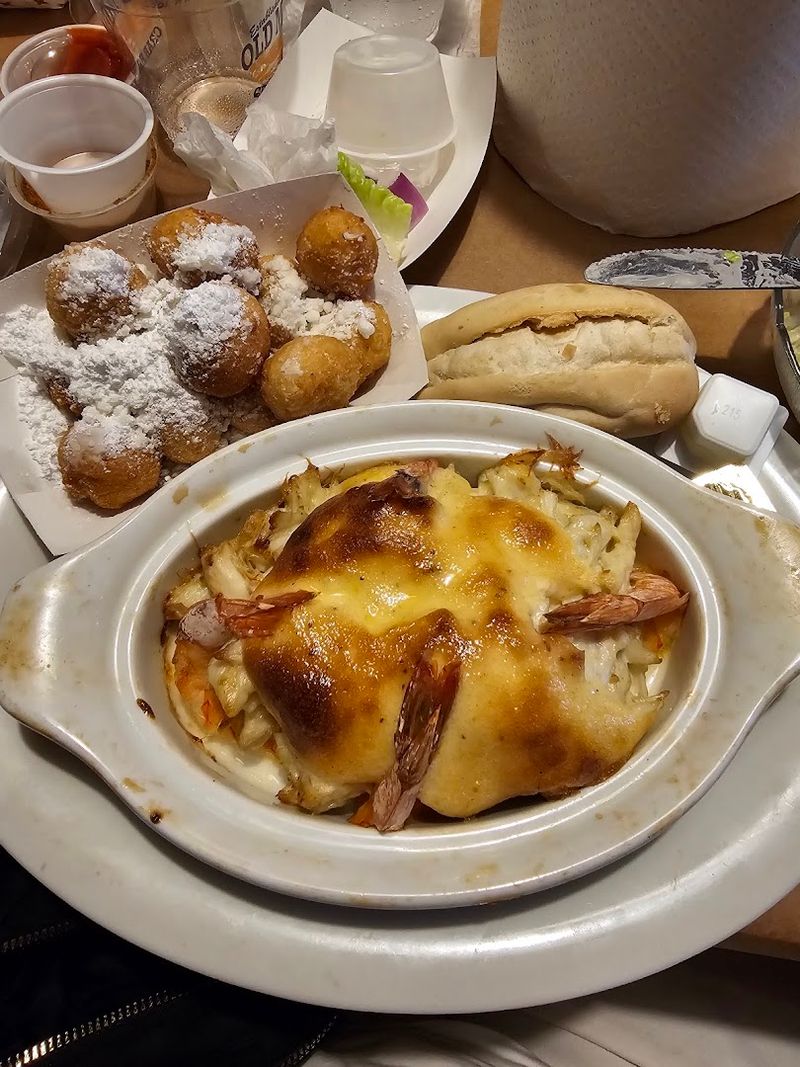
The sides here don’t try to steal the spotlight. Corn on the cob comes boiled with butter, coleslaw is creamy and simple, and hush puppies are fried golden.
Nothing fancy, nothing experimental, just reliable accompaniments that complement without overwhelming.
Many restaurants feel pressure to innovate with every menu item, adding unexpected ingredients or fusion twists. That approach works for some places, but not here.
When the main attraction is perfectly steamed crabs, supporting players should stay in their lane. The corn tastes like corn, not like it’s trying to be something else.
Portions are generous without being wasteful. You get enough to feel satisfied but not so much that good food goes uneaten.
The coleslaw provides a cool, crunchy contrast to hot, spicy crab meat.
The hush puppies soak up seasoning that falls onto the paper. Everything serves a purpose beyond just filling the plate.
This kind of thoughtful simplicity takes restraint, which is harder than it sounds.
The menu hasn’t expanded much over the years because it doesn’t need to. What’s here works together as a complete experience.
Prices That Reflect Reality Not Trends

The pricing here reflects actual costs rather than what the market might bear. When crab prices rise due to catch limitations or seasonal factors, the menu adjusts accordingly.
When prices drop, so do the charges. This honest approach builds trust with regular customers who appreciate transparency.
Some establishments inflate prices based on atmosphere or location, charging premium rates for average food. That strategy works until customers realize they’re paying for ambiance rather than quality.
Here, you pay for crabs that are fresh, properly prepared, and generously portioned. The dining room isn’t fancy, so you’re not subsidizing expensive decor.
Value doesn’t always mean cheap, it means fair. You leave feeling like you got what you paid for, which is increasingly uncommon.
The portions don’t shrink when business is good, and quality doesn’t slip when costs rise.
That consistency in both product and pricing creates loyalty that discounts and promotions can’t match.
Customers return because they know exactly what to expect, and that predictability is worth more than any trendy dining concept could offer.
Staff Who Know The Product
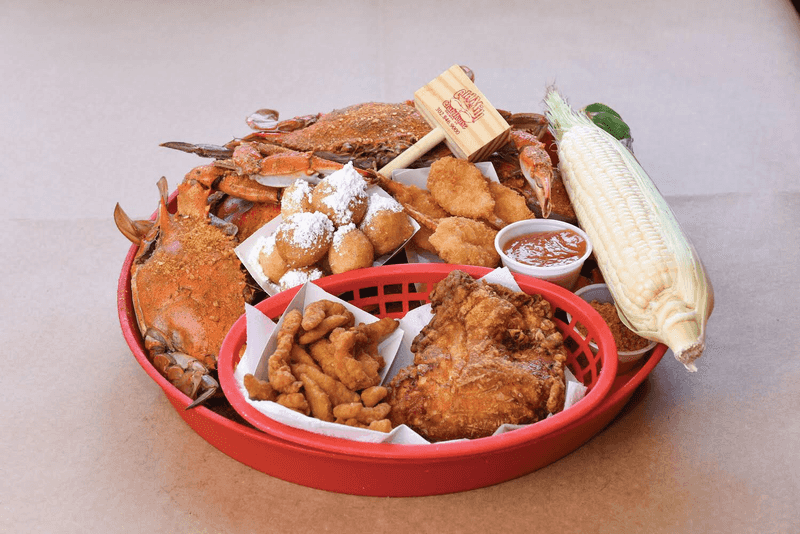
The servers here can answer questions about the crabs because they’ve eaten thousands of them.
They know which parts have the most meat, how to crack the claws efficiently, and which sections beginners should tackle first.
This knowledge comes from experience, not from a training manual read during orientation.
When you ask for recommendations, you get honest answers based on what’s good today, not what the kitchen needs to move.
That kind of integrity is rare in restaurants where servers are encouraged to upsell regardless of quality. Here, if something isn’t great today, they’ll steer you toward what is.
The service style is best described as casual and practical, built around helping diners settle in for a hands-on crab-house meal.
New employees learn from veterans who remember when things were done differently and why certain practices stuck.
The result is service that feels competent without being stuffy, helpful without being intrusive. Nobody hovers or interrupts constantly to ask how everything is.
They check when needed and otherwise let you enjoy your meal. It’s the kind of attentive invisibility that only comes from truly understanding the rhythm of the dining room.
A Community Gathering Spot That Earned Its Place
Local families celebrate milestones here because it’s where they’ve always celebrated. Graduations, birthdays, and reunions happen at these tables year after year.
That kind of tradition doesn’t develop overnight, it accumulates through consistent positive experiences that create emotional connections.
The dining room fills with conversation and laughter, not because the acoustics are designed for it, but because people feel comfortable enough to relax.
Strangers at neighboring tables sometimes strike up conversations about the best way to pick a crab or compare notes on seasoning preferences. That casual friendliness reflects the atmosphere the staff has cultivated.
Some restaurants try to manufacture community through events or social media campaigns, but authentic gathering places earn that status through years of simply being there.
When locals need to recommend a spot to visitors, this is where they send them. Not because it’s trendy or impressive, but because it represents something real about the area.
The food is excellent, the prices are fair, and the experience feels genuine. That combination is harder to find than it should be, which makes places like this worth protecting and supporting for as long as they’ll have us.