Seven Idaho Rock Art Sites Let You Walk Right Up To Rock Art Older Than Any Town
One basalt boulder in southwest Idaho carries a carving that many people read as a map of the Snake River.
Nobody drew it with a pencil. Somebody pecked it into solid volcanic rock.
Idaho’s oldest artwork isn’t locked behind museum glass. It sits outside on boulders, cliffs, and canyon walls, right where its makers left it.
You can park, stretch your legs, and stand a few steps from marks made long before any Idaho town had a name.
Some sites sit beside a quiet road. Others ask for a long walk along the river first.
I love that the rules are simple. Look closely, take photos, and keep your hands off the stone.
Which ancient gallery would you visit first?
1. Celebration Park
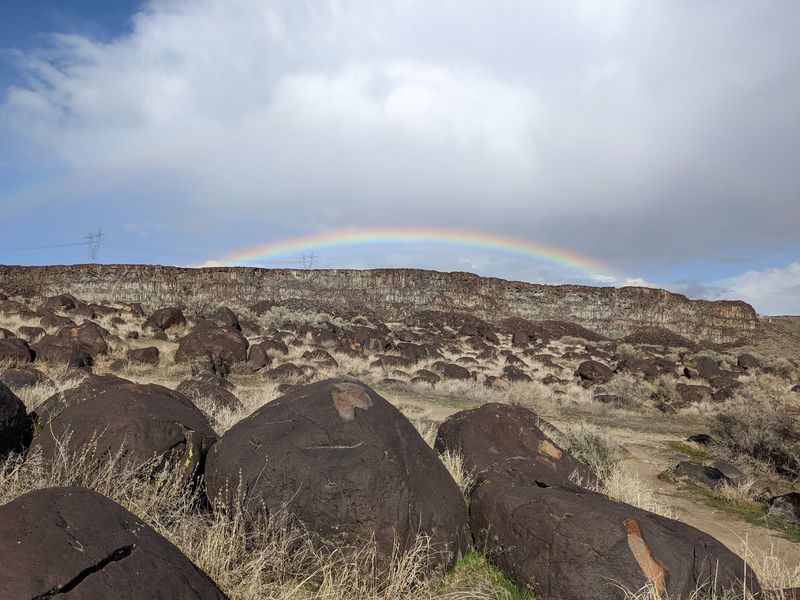
Idaho’s first archaeological park lets you meet ancient art before your car engine even cools. Petroglyphs by the region’s First People sit close enough to spot from the parking lot.
From there, a short trail winds past dark volcanic boulders covered in carvings. Signs along the way explain what you’re seeing, from the rocks themselves to the designs on them.
The park sits in the Snake River Canyon near Melba, a farm town of roughly 550 people. Think about that for a second.
The rock art here easily outranks the town in age, and by a wide margin.
Want more than a self-guided stroll? Educational tours cover the petroglyphs, the tools ancient people used, and a historic bridge built in 1897.
That bridge adds a fun bonus to the trip. You get ancient carvings and old railroad-era engineering in the same afternoon, with the river rolling below.
Families have plenty of room to spread out here. Picnic tables, grills, and restrooms make it easy to turn a quick look into a full day.
Bring a fishing pole if the Snake River tempts you. Dogs are welcome too, and there’s a paid parking lot, so check before driving.
Address: 5000 Victory Ln, Melba, ID 83641
2. Map Rock Petroglyphs Historic District
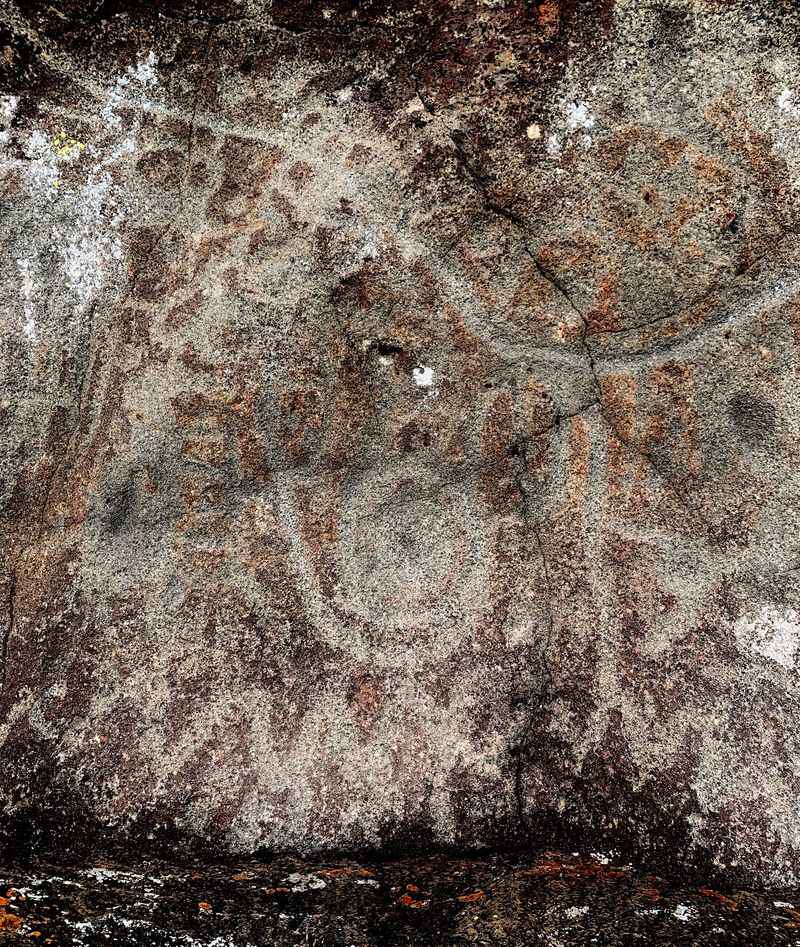
Long before anyone sold road atlases at gas stations, somebody may have carved a map into a boulder near the Snake River. That’s the famous idea behind this roadside rock.
The main boulder sits right beside Map Rock Road outside Melba. Its carvings are often read as a sketch of the Snake and Salmon rivers, plus animal figures scattered around the lines.
Honestly, the setup couldn’t be simpler. You pull over, walk a few steps, and stand face to face with a piece of Idaho history in canyon country.
Don’t drive off too soon, though. About three quarters of a mile south, more petroglyphs sit roughly 60 feet up the slope from the road.
Reaching that second group means a short climb up the hillside. Wear shoes with decent grip, since the ground here is rocky and uneven.
The area doubles as a river spot, so you may share the road with folks heading for water sports. That mix of boat trailers and ancient carvings feels very Idaho.
Treat the boulders kindly while you’re there. Look, photograph, and leave the stone untouched so the next visitor sees the same marks you did.
Address: Map Rock Rd, Melba, ID 83641
3. Little City Of Rocks
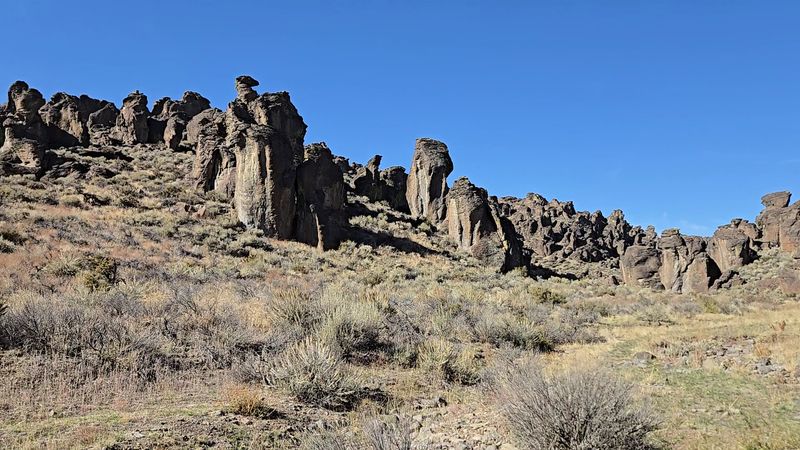
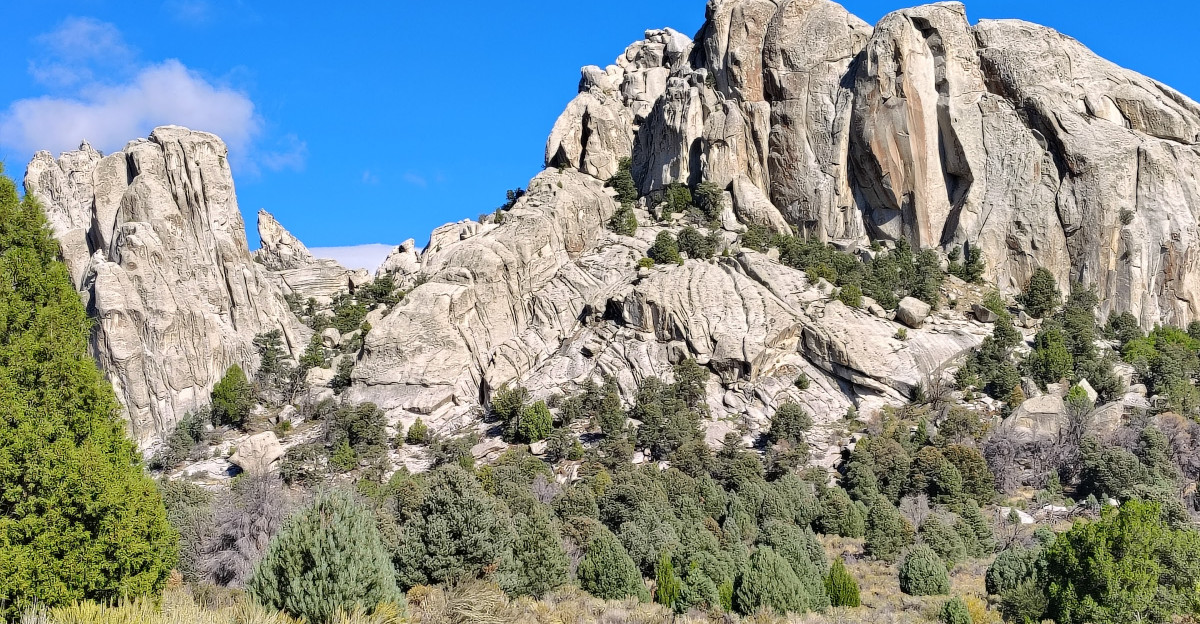
Picture a downtown made entirely of stone, then subtract the traffic lights. North of Gooding, wind-worn rock formations stand like tiny buildings on a quiet Magic Valley hillside.
Those odd shapes are only half the draw. Native artwork appears on the rocks too, so you get geology and ancient art on one short walk.
The trail stays easy, which makes it a solid pick for a family outing. Side paths branch off between the big rocks, inviting you to poke around nooks and corners.
Kids who like climbing will feel right at home. The big boulders practically ask to be scrambled, though the carvings themselves deserve a hands-off approach.
Gooding is a farming town of about 3,700 people. Its rock city neighbor feels far older, and it plainly is.
Getting there involves a short gravel road that can be rough. When it’s wet, the road turns muddy, so plan on walking in from the highway if needed.
Cattle graze on these public lands, so don’t be shocked by a curious cow. Close any gates you open, and enjoy a landscape that seems built for imagination.
Address: Gooding, ID 83330
4. Indian Rocks Historical Site
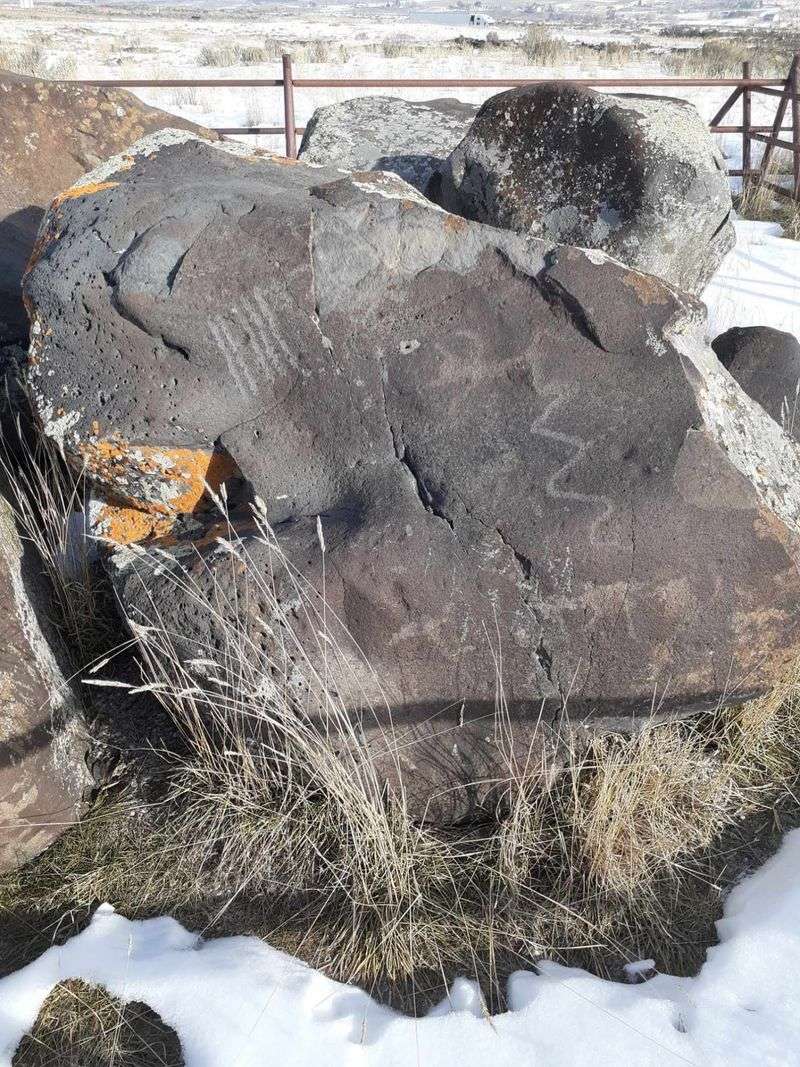
Interstate travelers zip past McCammon every day without knowing what waits just off the road. A small pile of basalt boulders here carries petroglyphs linked to Shoshone and Bannock ancestors.
McCammon itself is a Bannock County community of around 800 people. The markings nearby belong to a much older chapter of eastern Idaho life.
You don’t need a full hiking day to see them. A short walk from parking brings you up to the boulders, where the carvings sit on dark volcanic rock.
Interpretive signs created with the Shoshone-Bannock Tribes help explain the site. That context turns a quick stop into a real lesson about the people who shaped this valley.
The scenery adds plenty on its own. Basalt towers rise around the area, and trails lead toward the Portneuf River for anyone wanting extra miles.
Overnight stays are possible thanks to dispersed camping. Under a dark sky, the place feels quiet and ancient in the best way.
Kids handle the visit easily, which helps on long road trips. Expect a gravel access road, and take it slow if it’s rough.
Address: US-30, McCammon, ID 83250
5. Castle Rocks State Park
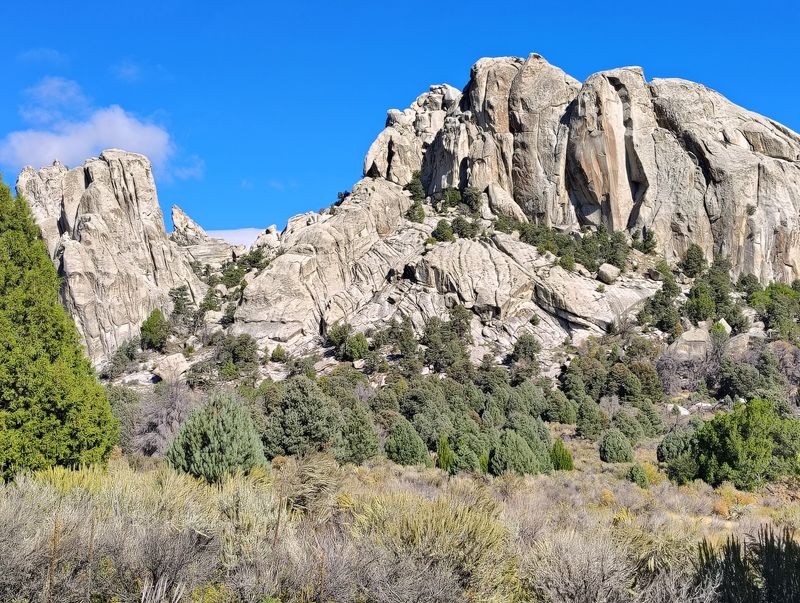
Most rock art on this list was carved, but here the ancient artists picked up paint. Castle Rocks State Park protects prehistoric pictographs among giant granite formations near Almo.
Almo is a ranching settlement of about 200 people in Cassia County. Next to these towering spires, the town feels like a newcomer.
Finding the pictographs turns into a bit of a scavenger hunt. Keep your eyes on the shaded overhangs, where painted images sit protected from the weather.
Well-traveled trails lead you toward the huge stone cliffs. The hikes stay easy, so younger explorers can keep pace without a meltdown.
Climbers love this place for good reason. Routes and bouldering spots cover the formations, giving the park a busy, outdoorsy energy.
Unlike the open-all-night sites elsewhere on this list, this one keeps daytime hours. It also closes one day a week, so check before driving.
Plan on a small vehicle entry fee at the gate. Picnic tables and restrooms make lunch easy, and dogs are welcome on your visit.
Pack water and sun protection for those exposed trails. Then slow down near every overhang, because the art rewards patient eyes.
Address: 748 E Castle Rock Rd, Almo, ID 83312
6. Swan Falls Trailhead
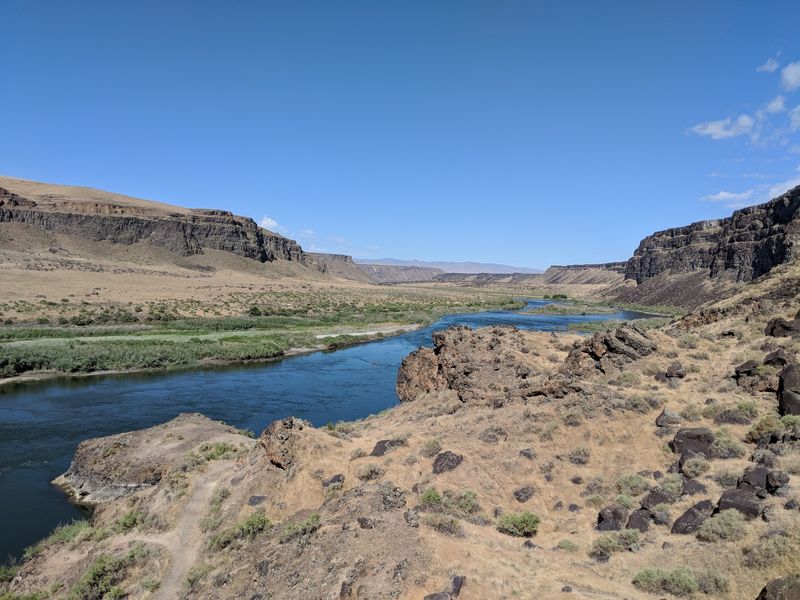
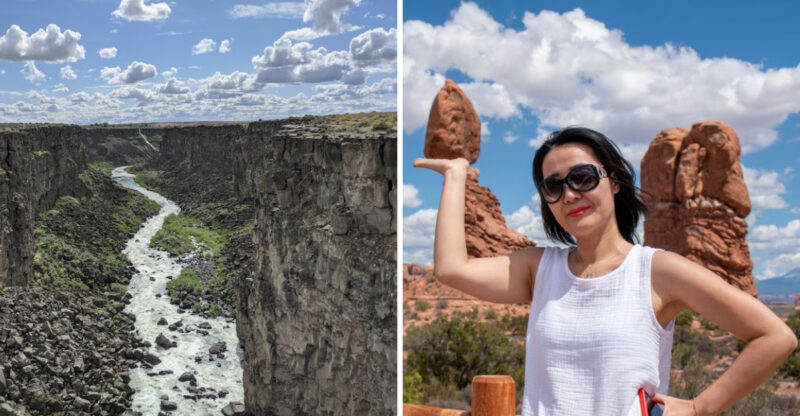
Ready to earn your rock art? Swan Falls Trailhead launches river walks through the Snake River Canyon, where basalt cliffs and boulders bear Native American carvings.
The canyon south of Kuna and Melba feels wide open and wild. You’ll trade pavement for river views, sagebrush, and the steady sound of moving water.
Petroglyphs are the headliner, but the supporting cast runs long. Fishing, camping, birdwatching, and rockhounding all happen in this stretch of canyon.
Bird lovers should pack binoculars. The area sits within the Morley Nelson Snake River Birds of Prey National Conservation Area, so raptors often ride the canyon air.
Ambitious hikers and bikers can push farther downriver to Wees Bar. That site holds one of the largest petroglyph collections in Idaho, though the round trip covers about 12 miles.
Shorter outings still deliver plenty of scenery. You can turn around whenever your legs vote for snacks.
Dogs are allowed outside, which makes this a good pick for four-legged hiking buddies. Bring extra water for both of you, since shade stays scarce.
Summer heat bakes this canyon. Spring and fall make friendlier seasons for a long walk among ancient art.
Address: Swan Falls Rd, Melba, ID 83641
7. Hells Canyon Archeological District
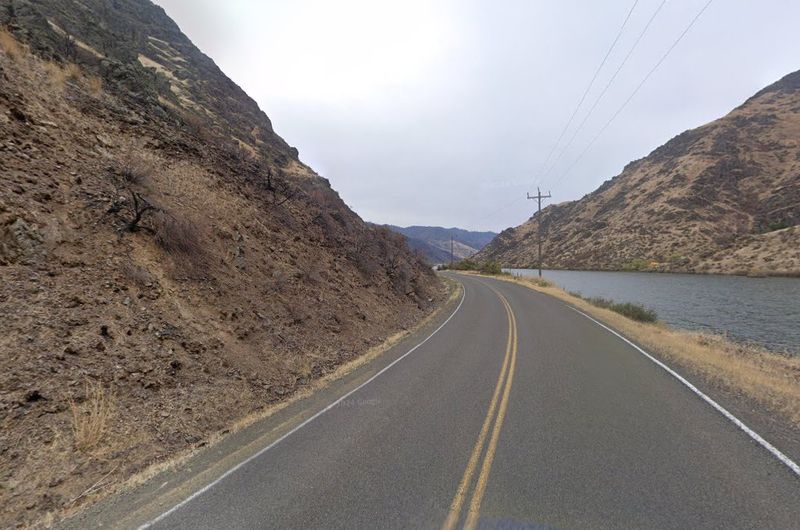
North America’s deepest river gorge turns out to be a giant history book too. The Hells Canyon Archeological District preserves ancient Indigenous heritage along the Snake River corridor.
Officially recognized for its archaeological value, the district protects prehistoric cultural sites and rock shelters. People lived and worked in this canyon for a very long time.
Your route begins in Council, a mountain and ranching town of about 850 people in Adams County. From there, Hells Canyon Road carries you toward the river and its steep walls.
Walking access brings you close to sites scattered along the corridor. It’s a different feel from a single famous boulder, more like a long outdoor museum without the gift shop.
The setting does a lot of heavy lifting. Towering canyon walls, fast water, and big skies make the drive worth it before you spot a single site.
Families can make it work, especially with kids who like exploring. Keep a close eye on little ones near the water and the rocky edges.
Remember that these places are protected for good reason. Leave artifacts and stone where you find them, and the canyon keeps telling its story.
Address: Hells Canyon Rd, Council, ID 83612