The Fascinating Jazz Museum In Louisiana Most Travelers Have Never Heard Of
I’ll admit what gets me every time: a jazz story that starts in ancient Egypt.
One tiny museum in Louisiana traces the music’s roots back thousands of years, long before anyone in New Orleans picked up a trumpet.
That’s exactly the sort of detail I enjoy. It takes a sound you think you know and stretches it across Africa, the Caribbean, Spain, and France.
Suddenly, a familiar song feels like the last chapter of a very long book. Then comes the twist.
The same small space holds real performance contracts tied to Louis Armstrong, Ray Charles, and Fats Domino.
Apparently, I’m easily entertained by good facts, and paperwork just joined the list.
Who knew a contract could feel this exciting?
Two Small Rooms Carry A Story That Spans Thousands Of Years
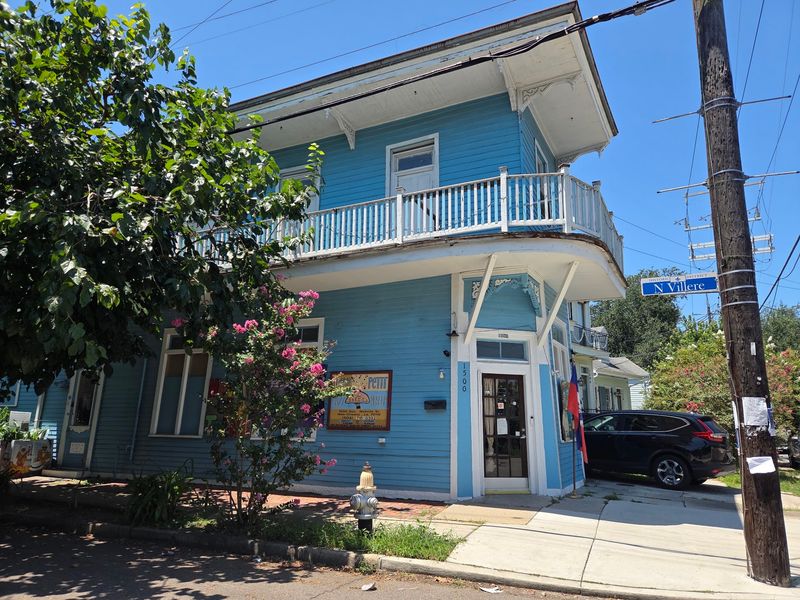
Tremé’s Petit Jazz Museum takes its name seriously, because petit means small. The whole collection fits inside two rooms in the heart of New Orleans.
Don’t let the size shrink your expectations, though. Those two rooms explore musical traditions from ancient Africa and Egypt all the way to modern jazz.
The story moves through the Caribbean, Spain, and France before landing in New Orleans. Along the way, you learn how different cultures contributed to the music’s development.
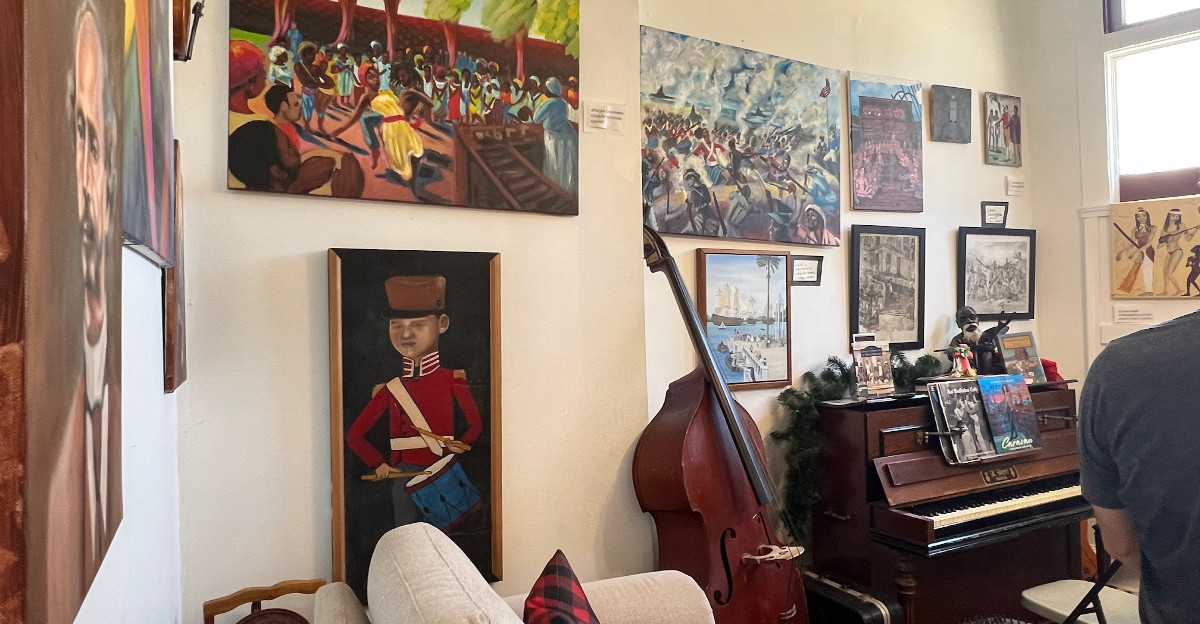
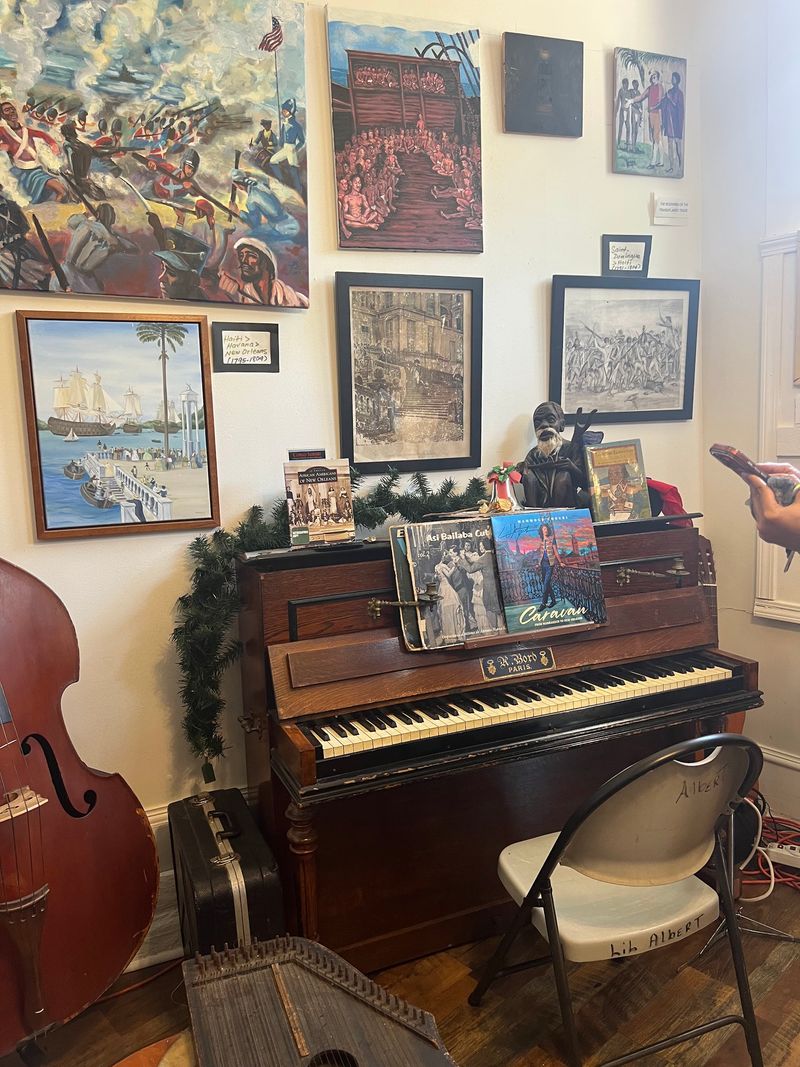
Art, historical displays, and musical artifacts fill the space from wall to wall. It feels more like a cozy home than a grand hall with velvet ropes.
That intimate setting is exactly the point. Photographs, paintings, and instruments share the rooms with documents that reveal the lives of working musicians.
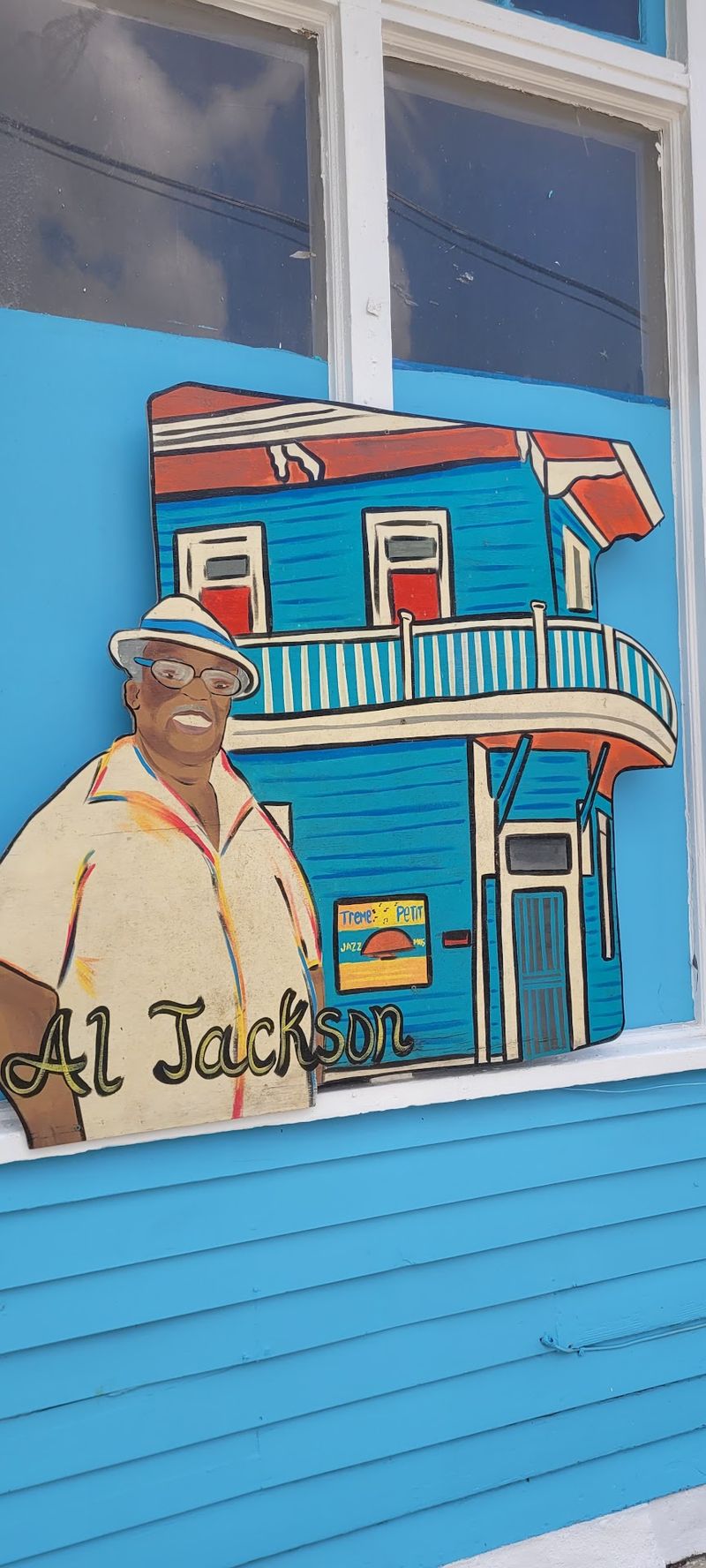
Local historian Al Jackson co-founded the museum with Reid Raymond, and it opened in 2017. Jackson grew up in Tremé and spent decades researching the city’s musical past.
His goal was simple but bold. He wanted to share the often untold story of jazz and the people who shaped it.
For a museum occupying just two rooms, it covers a remarkable amount of Louisiana’s musical heritage. So yes, the museum is small. The ideas inside it are anything but tiny.
Your Tour Guide Might Be The Founder Himself
Most museums hand you a map and wish you luck. Here, a real person walks you through the history, sometimes in a friendly one-on-one conversation.
Tours have been led by founders Al Jackson and Reid Raymond, whose knowledge of the collection comes from years spent gathering and studying its contents.
Jackson has earned a reputation as a walking history book. He connects people, places, and centuries in ways that make the past feel close and personal.
The tour works more like a dialogue than a lecture. Questions are welcome, and they can lead to conversations about the instruments, performers, and neighborhoods behind the displays.
Jackson’s daughter, Alyce J. Barrett, serves as the museum’s Executive Director and helps manage the collection. The museum is family-led, which adds a personal touch to its approach to preserving music history.
Spanish and French translations are available for tours, too. That’s a thoughtful bonus in a city shaped by Spanish and French history.
Visits are offered Monday through Saturday, with arrangements possible outside regular hours.
Louis Armstrong Signed Paperwork You Can Actually See
Old ledgers rarely make anyone gasp. These might, because they come from the American Federation of Musicians Local 496, the historic Black musicians’ union in New Orleans.
The collection includes performance ledgers, correspondence, and original agreements connected to major performers.
Some of those documents feature legendary names. Louis Armstrong, Ray Charles, Fats Domino, Little Richard, Professor Longhair, and Allen Toussaint are among the musicians represented in the collection.
One particularly fascinating item is a 1954 performance contract documenting Louis Armstrong’s return to New Orleans.
The story behind these papers is remarkable. Jackson purchased the former union building on North Claiborne Avenue in the 1990s, hoping to transform it into a museum.
The building collapsed in 2002, but he had already secured valuable documents from inside.
Today, those pages provide a rare look at Louisiana’s music business during the twentieth century. They reveal how performances were arranged and how musicians built their professional careers.
It’s a side of jazz history that rarely makes the posters. Fame gets the spotlight, but contracts show the daily work behind the music.
These Paintings Retell Congo Square With Fresh Eyes
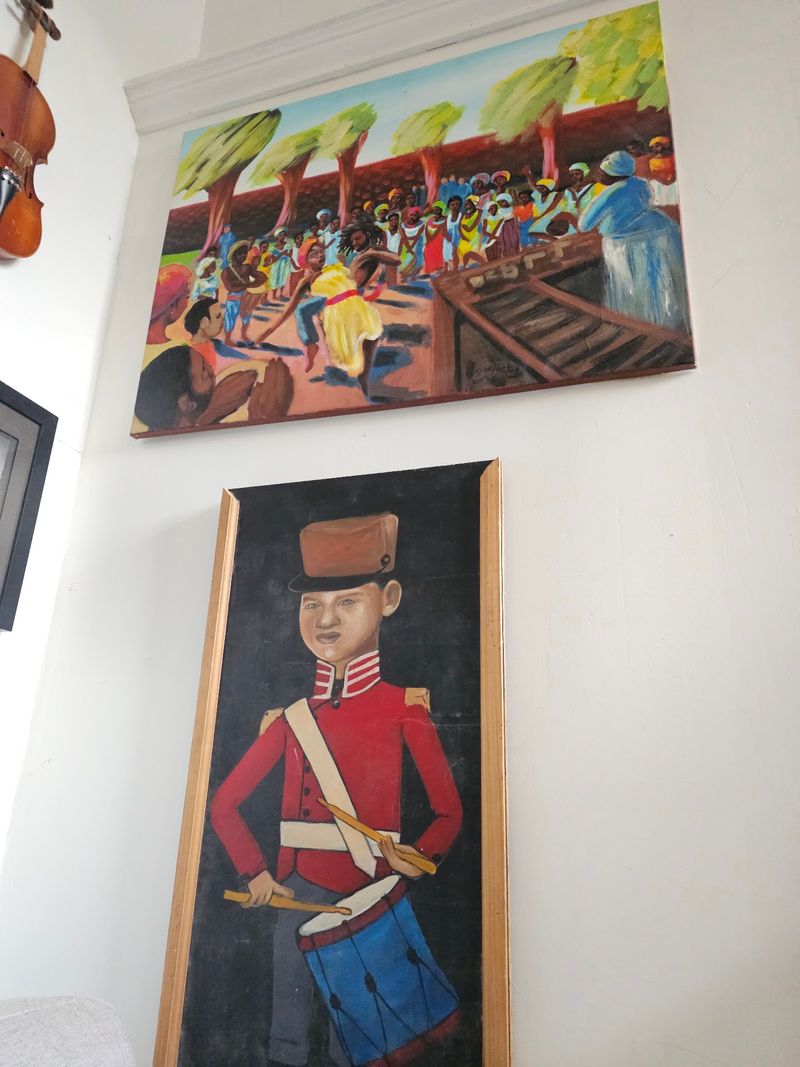
Color hits you first in this part of the museum. Artist Joseph Parker created commissioned paintings showing aspects of New Orleans music history that deserve closer attention.
One painting stands out for good reason. It challenges a familiar historical image of drumming and dancing in Congo Square.
Instead, Parker presents a vibrant interpretation emphasizing movement associated with African diaspora dance traditions. It’s lively, detailed, and full of motion.
Congo Square matters a lot in this story. Free and enslaved Black residents gathered there on Sundays to socialize, dance, play drums, and maintain musical traditions.
Those gatherings contributed to the cultural foundations from which New Orleans jazz eventually developed.
Today, the square sits inside Louis Armstrong Park, close to the museum. Seeing the painting first can make a later visit there feel richer.
Art does something that labels can’t. It helps you imagine the sound, the crowd, and the energy of a moment long ago.
Take your time with Parker’s work. Notice the clothing, the instruments, and the way people move together.
Classic Tracks Play While History Comes Alive
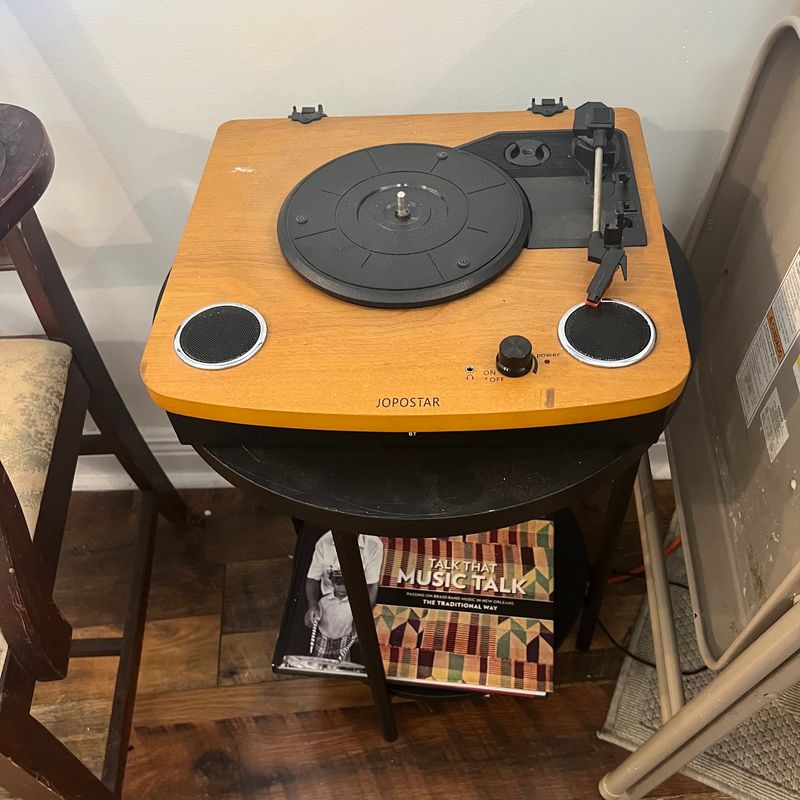
A jazz museum without music would feel a little odd. Thankfully, recorded music plays an important role in this one.
Jackson incorporates classic tracks into his guided storytelling, connecting the sounds of different periods with the people and traditions being discussed.
The museum also offers a guided audiovisual experience. Sound and images work together to explore how rhythms traveled and changed over time.
Visitors can participate in rhythm exercises, including tapping out beats as part of the musical explanation.
Tapping a beat yourself makes the lessons stick. You start to feel how different rhythmic patterns relate to the music that developed later.
Kids and adults can both enjoy that moment. No musical talent is required, just a willingness to tap along.
The experience connects centuries of musical influences with the sounds that eventually became part of Louisiana’s distinctive jazz traditions.
Rather than treating every photograph or instrument as a separate exhibit, the tour brings those pieces together through music.
The Piano And Banjo Have Very Different Origins
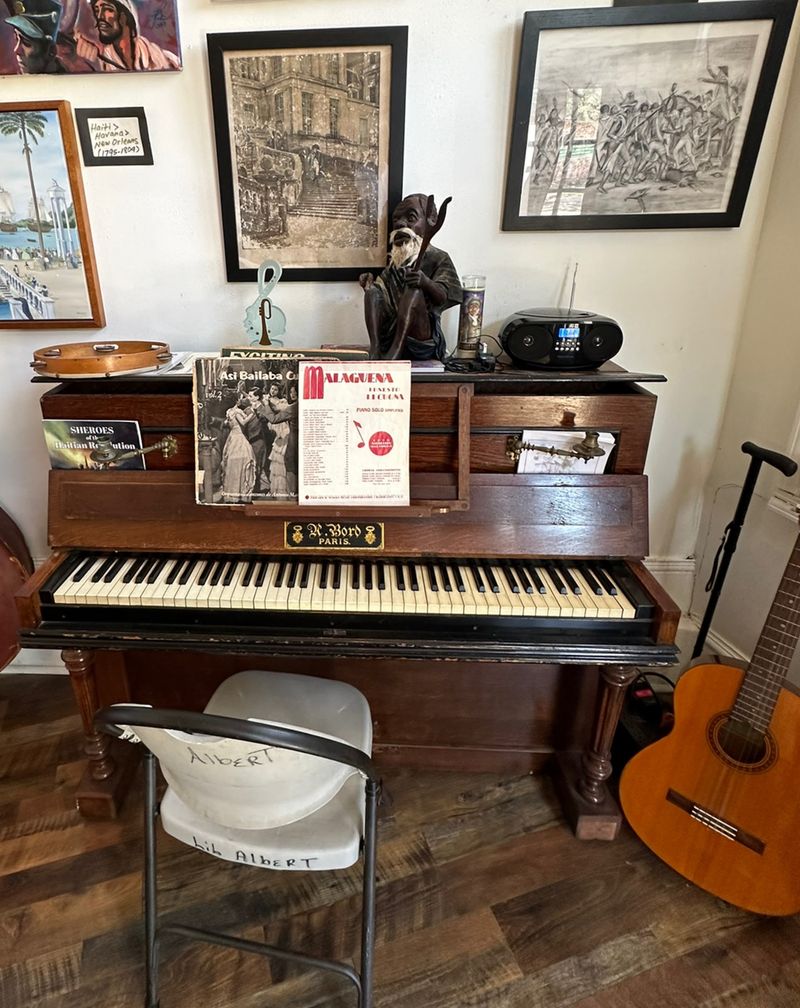
Instruments get their own spotlight at Tremé’s Petit Jazz Museum. Jackson’s personal collection includes vintage instruments, archival photos, and plenty of memorabilia.
Among the displays is his first clarinet, given to him during childhood by a musician from the Olympia Brass Band.
The museum also explores the long history of instruments and musical traditions that eventually influenced jazz.
A painting depicting musicians in ancient Egypt introduces early instruments, including harps and other stringed instruments.
The piano has a different timeline. Its modern form originated in Italy around 1700, following centuries of development in earlier keyboard and stringed instruments.
The banjo’s story leads toward West Africa, where related stringed instruments influenced the banjos created in the Caribbean and North America.
The exhibits also examine how European brass instruments became part of New Orleans music, blending with African rhythmic traditions.
Influences from West and East Africa appear throughout the story. So do connections involving Haiti, the Dominican Republic, and Cuba.
Tremé Itself Belongs On Your Itinerary
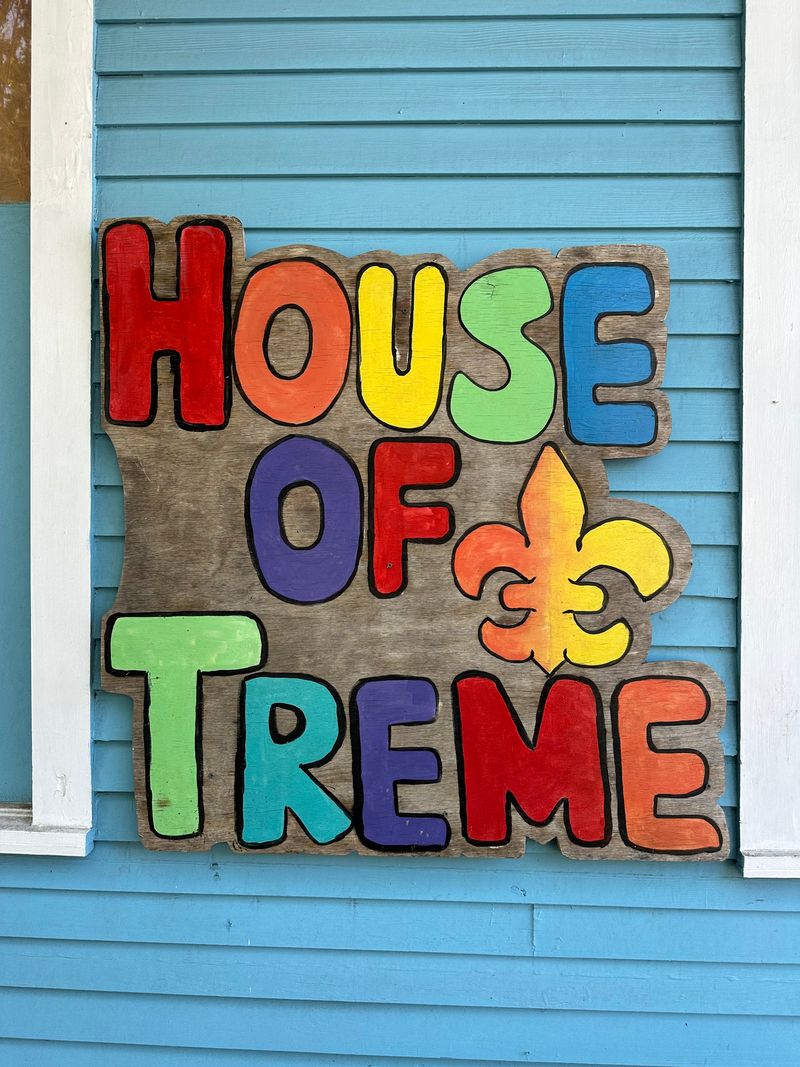
Location adds a whole extra layer to this visit. The museum sits in the heart of Tremé, widely recognized as one of the oldest historically Black neighborhoods in the United States.
Tremé developed into an important community for free people of color during the nineteenth century. It remains a vital center for African American and Creole culture in Louisiana.
Brass bands and second line parades are longstanding neighborhood traditions. Early jazz musicians, including George Lewis and Louis Armstrong, also have connections to the area.
History runs deep in surprising ways. Mexican President Benito Juárez even lived in Tremé during his period of exile.
The neighborhood experienced significant changes during twentieth-century urban renewal projects.
Construction of Interstate 10 along North Claiborne Avenue and the development of Louis Armstrong Park reshaped parts of the historic landscape.
Still, the neighborhood’s musical traditions continue through parades, community organizations, and cultural institutions.
You’ll find the museum at 1500 Governor Nicholls St, New Orleans, LA 70116. Congo Square and Louis Armstrong Park are close by.
A Wall Full Of Social Aid And Pleasure Club Pride
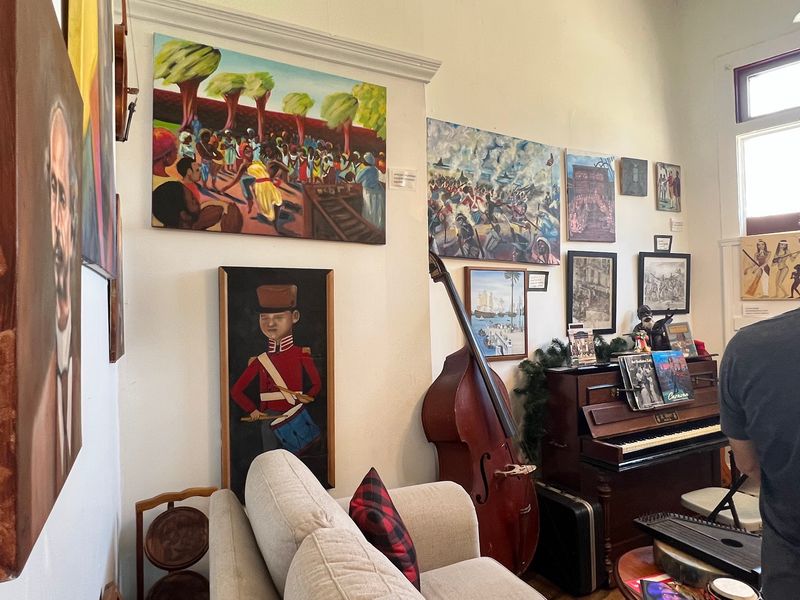
Here’s a detail worth hunting for once you’re inside. One wall displays decorations from the former headquarters of the Black Men of Labor Social Aid and Pleasure Club.
Jackson was among the founding members of the organization, giving this part of the collection a personal connection to his neighborhood experience.
Social aid and pleasure clubs are a big part of New Orleans culture. They’re closely tied to the second line parades that fill Tremé’s streets.
Seeing those decorations connects the museum to living traditions. The story doesn’t stop in the past, because the parades continue today.
The museum’s mission supports that link. It aims to preserve, educate, and celebrate the legacy of Black music and its global impact.
Its historical interests also extend beyond jazz performers. One important figure is Edmond Dédé, a nineteenth-century Black composer born in New Orleans who pursued his musical education in France.
Educational programs are part of the museum’s work as well. A traveling exhibition is also planned to bring its historical material to wider audiences.