Snow Fell For 30 Days Straight During The Idaho Winter That Shut Down Entire Mountain Valleys
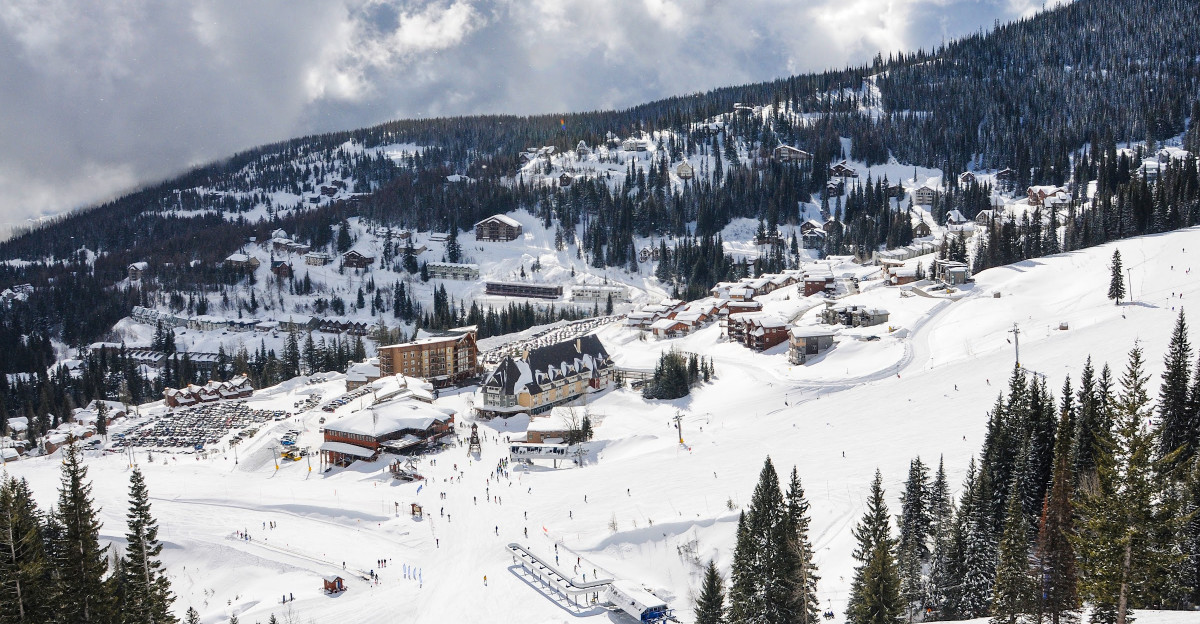
Airplanes once had to drop food to stranded travelers in Idaho because the roads had simply disappeared under snow.
That happened during the winter of 1948-49, a season so harsh that people still call it The Great Winter.
The storms did not come and go like normal weather. Snow kept falling across southern Idaho for roughly 13 weeks, from late November into February.
Winds pushed it into drifts taller than cars. Temperatures sank to 20 and 30 degrees below zero.
I find it hard to wrap my head around that. Trains stopped.
Highways vanished. Whole towns went quiet and waited for help that could only arrive by air.
I love a good winter story, but this one changed how the state handles snow to this day.
The Storms That Started in November
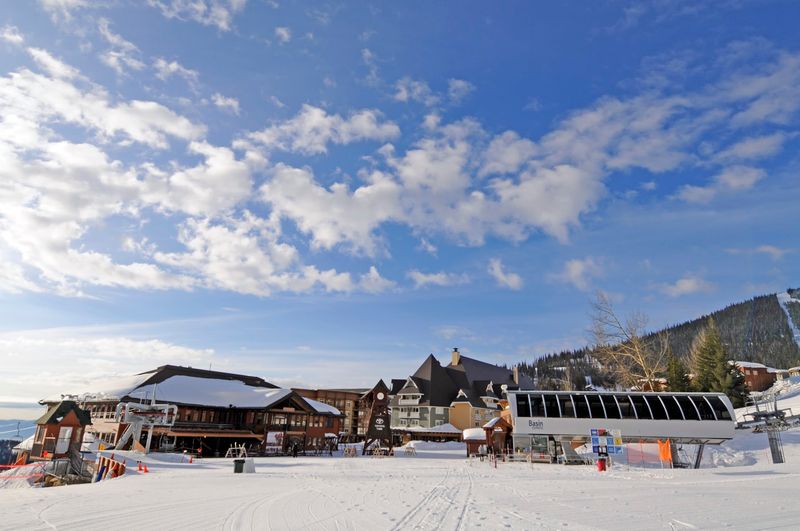
Thanksgiving week of 1948 brought Idaho a guest that refused to leave. Snow began falling around November 21, and it stuck around far longer than anyone expected.
At first, it probably looked like a normal early winter. Idaho families knew cold weather, and most had seen big storms before.
The difference was the pace. Storm after storm rolled through southern Idaho and much of the western United States without a real break.
You can think of it like a guest who keeps saying one more night. Except this guest brought high winds and below-zero air along with the luggage.
Back then, snow removal looked nothing like today. Communities had limited plows and equipment, so each fresh layer piled on top of the last.
That buildup set the stage for later trouble. By the time February arrived, the snowpack had grown into something people could barely manage.
Historians and local reporters now look back on this season as The Great Winter. The name fits, though residents at the time likely had a few saltier ones.
Still, it all began quietly enough. A few flakes in late November turned into one of the most memorable stretches in Idaho weather history.
Thirteen Weeks Of Relentless Snow
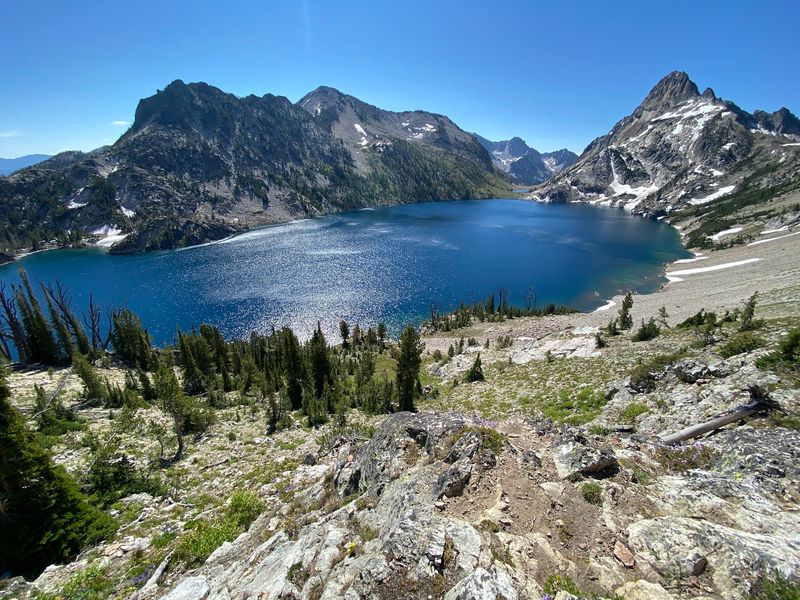
Thirty days of snow sounds wild until you learn the full stretch ran closer to thirteen weeks. From November 21, 1948, to February 19, 1949, the snow just kept showing up.
That’s about three months of shoveling, stomping boots, and staring at the sky. You’d run out of patience long before the clouds ran out of snow.
Snow covered southern Idaho and large parts of the West through that whole window. It wasn’t one giant blizzard but a long chain of them.
Each round added fresh weight to roofs, roads, and fields. Without modern equipment, crews could not keep up with the pace.
Picture trying to clear a driveway that refills overnight, every single week. Now stretch that across highways, rail lines, and entire valleys.
The long duration is what made this winter so different. Short storms are hard, but a season that never lets up wears down people and machines alike.
Feet of snow stacked up in places. Some spots became so buried that clearing them was described as untenable.
For Idaho families, that meant months of rationing time, fuel, and energy. By mid-February, the whole region was simply worn out.
Winds That Built Walls of Snow
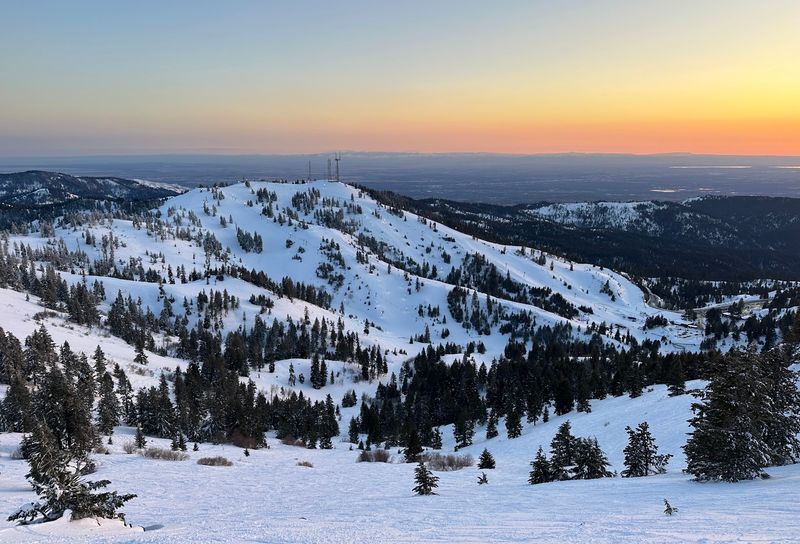
Snow alone is a nuisance, but add 40 mile per hour wind and it becomes a moving wall. That’s exactly what Idaho faced during the worst stretches of 1949.
Wind picks up loose snow and dumps it wherever it slows down. Fences, ditches, and roadsides became perfect traps for huge drifts.
On the open Snake River Plain, there’s little to stop that wind. You can imagine how fast a cleared road could disappear again.
Drivers faced near whiteout conditions on top of everything else. Blowing snow made it tough to see the road, let alone stay on it.
Those drifts were often the real roadblock. A highway might have only a foot of fresh snow, yet a single drift could swallow it completely.
Railroads struggled the same way. Tracks vanished under packed snow, and trains ground to a halt across the region.
Wind also made the cold feel far worse. Pair 40 mph gusts with temperatures well below zero and you get air that bites through any coat.
So when folks talk about the snow of 1949, the wind deserves its own chapter. It turned a long winter into a truly brutal one.
Pocatello’s Record-Breaking Cold
Minus 31.4 degrees. That’s the number Pocatello recorded on January 25, 1949, setting a record low for the city.
Let that sink in for a second. At that temperature, a cup of hot water tossed in the air can turn to ice crystals before it lands.
Pocatello wasn’t alone in the deep freeze. Temperatures across the affected areas sank to between 20 and 30 degrees below zero during the worst stretches.
For railroad workers, ranchers, and families, that cold changed daily life. Engines refused to start, water lines froze, and heating became a constant worry.
Pocatello sits on major rail lines, so cold and snow there mattered far beyond city limits. When trains slowed, the whole region felt it.
Here’s a fun comparison. Many home freezers run around zero, so the outdoor air that January was more than thirty degrees colder than your frozen peas.
The record shows how extreme this Idaho winter truly was. It wasn’t just long and snowy but bitterly, dangerously cold.
If you live in Pocatello today and grumble about a chilly morning, you’ve got history on your side. Your great-grandparents had it far worse.
The February 4 Storm
By noon on February 4, 1949, the roads in the affected areas were closed. A blinding storm swept in and shut them down in a matter of hours.
February turned out to be the peak of the season. After months of buildup, the worst storms arrived when Idaho had the least room left to handle them.
Think about where the snow had to go. Roadsides were already stacked high, so fresh snow and wind had nowhere to settle but the pavement.
Travelers caught out that day faced a tough choice. Push forward into whiteout conditions or stop and hope help came soon.
Plenty of folks ended up stuck. Some formed caravans of stranded vehicles, waiting out the storm together.
The closures weren’t a short pause either. That storm kicked off a week when many eastern Idaho towns were essentially cut off from the outside world.
Modern forecasting would have flagged this storm days ahead. In 1949, people had far fewer warnings and far fewer tools to respond.
So February 4 became a turning point. It’s the day a long, grinding winter turned into a full emergency across the region.
A Week Of Isolation In Eastern Idaho
Seven days with no cars, no trucks, and no trains rolling in. From February 4 to February 11, 1949, that was reality for many towns in eastern Idaho.
Surface traffic came to a complete standstill. Roads lay buried under huge drifts, and train service stopped as tracks became impassable.
For a small farm town, that’s a big deal. Grocery shelves depend on deliveries, and so do fuel supplies, medicine, and mail.
As the days passed, supplies dwindled. Relief efforts became tough because rescuers faced the same snow everyone else did.
Neighbors likely leaned on each other in ways we rarely need to today. Sharing what you had wasn’t just kind, it was practical.
Picture the quiet, too. No engines humming, no train whistles, just wind and the crunch of boots on deep snow.
If you grew up in the Upper Snake River Valley, your grandparents may have stories from that week. It’s the kind of event families pass down.
Eventually the roads reopened and trains returned. But that week of isolation showed just how fragile winter travel in Idaho could be back then.
Supplies Dropped From The Sky
When the roads quit, the airplanes went to work. Food and other essentials had to be dropped from planes to reach stranded residents and travelers.
One spot that needed help was Coldwater Camp, located between American Falls and Raft River. Travelers stuck there in caravans received supplies from above.
You have to admire the pilots. Flying in that cold, with wind and snow, took serious skill and nerve.
Dropping supplies isn’t as simple as tossing a box out the door. Crews had to find the right spot, then hope the bundles landed close enough to grab.
For folks waiting below, hearing an engine overhead must have been a huge relief. It meant someone knew they were there.
Air drops also showed how limited ground options had become. If trucks and plows could have reached them, nobody would have needed a plane.
This chapter is one of the most striking images from the whole winter. Supplies floating down onto snowfields feels more like a movie than Idaho history.
Next time you drive Interstate 86 near American Falls, think about it. That open country once hosted a snowy rescue from the sky.
Moscow’s Close Call With Coal
Up north on the Palouse, the worry wasn’t food so much as heat. Moscow came within days of running completely out of coal for heating homes.
In 1949, many homes relied on coal. When trains and trucks couldn’t get through, that supply line got very thin, very fast.
So the Great Winter wasn’t only a southern Idaho story. The cold and snow pressed on communities across the state, including the Panhandle and Palouse.
Running short on heating fuel during a deep freeze is a scary thought. You can only add so many blankets before you need a real fire.
Across the West, desperate heating attempts also led to house fires. It was a hard reminder that staying warm carried its own risks.
Moscow’s close call shows how linked these towns were to the rail network. One blocked line could ripple into living rooms far away.
Today, college students in Moscow complain about walking to class in the snow. Their 1949 counterparts were probably checking the coal pile instead.
Thankfully, the town avoided running dry. Still, those few days of uncertainty left a mark on how Idahoans thought about winter supplies.
The Heavy Toll On Ranches And Farms
Cattle and sheep can paw through some snow, but not feet of it topped with ice. That’s the problem ranchers across Idaho faced in 1949.
Hundreds of thousands of livestock were lost across the region. The animals simply couldn’t reach food buried under the snow and ice.
For ranch families, those animals were their livelihood. Losing them meant losing income, savings, and years of careful work.
Some farms reported losses estimated in the hundreds of thousands of dollars. In today’s money, that would add up to millions.
Getting hay to herds was its own challenge. With roads closed, ranchers had to find creative ways to haul feed through deep drifts.
The human toll was heavy too. Across the western region, more than 150 people lost their lives from causes like exposure and house fires.
Agriculture is woven deep into Idaho identity, from the Magic Valley to the Upper Snake. A winter that hit ranches this hard hit the whole state’s heart.
It also taught lessons that stuck. Stockpiling feed and planning for long storms became smart habits for many farm families afterward.