Only About 100 People Live In This Idaho Mountain Town Where Winter Brings Empty Shorelines And Cabin Deals
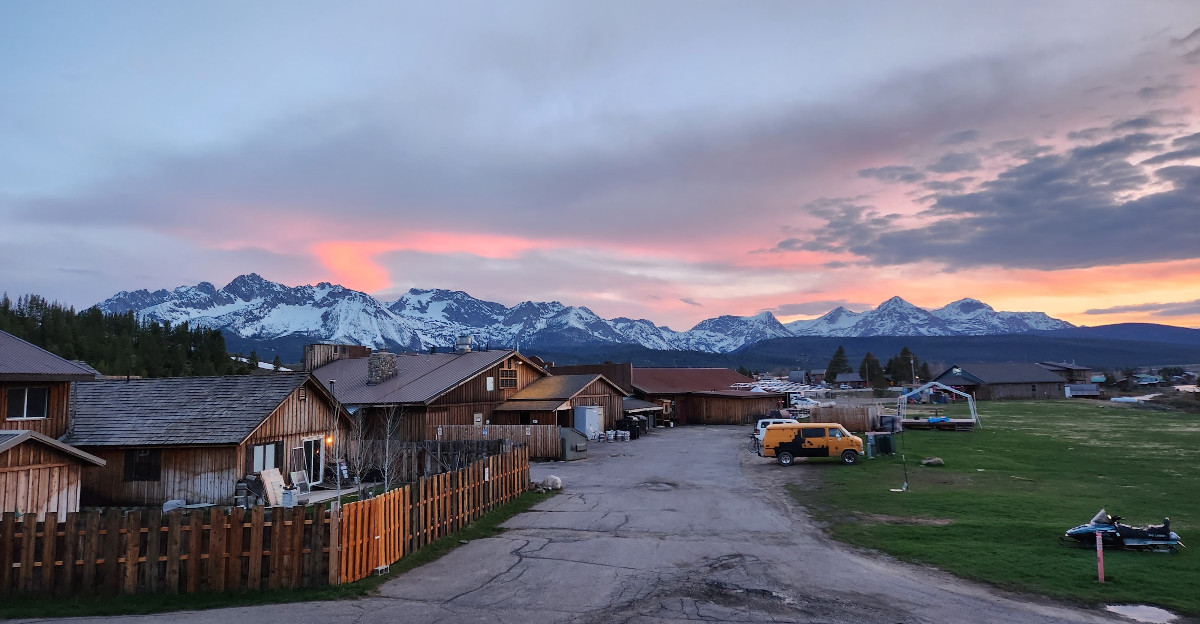
Sockeye salmon swim roughly 900 miles from the Pacific Ocean to reach a lake just south of this tiny mountain town.
They climb more than 6,500 feet along the way, which makes any morning commute look pretty easy.
The town sits in Idaho’s Sawtooth Valley, with jagged granite peaks lined up behind it like a postcard nobody had to edit.
Fewer than 120 people live here year-round. That’s a smaller headcount than plenty of high school graduating classes.
Summer brings rafters, hikers, and campers by the carload.
Then the snow arrives, the lakeshores go quiet, and cabin calendars suddenly open up. The whole valley seems to exhale.
I like how a place this small can feel this enormous. I can’t imagine a better spot to hear almost nothing at all.
So what exactly happens here when everyone else goes home?
A Town Of 116 With A Mountain Range For A Backyard
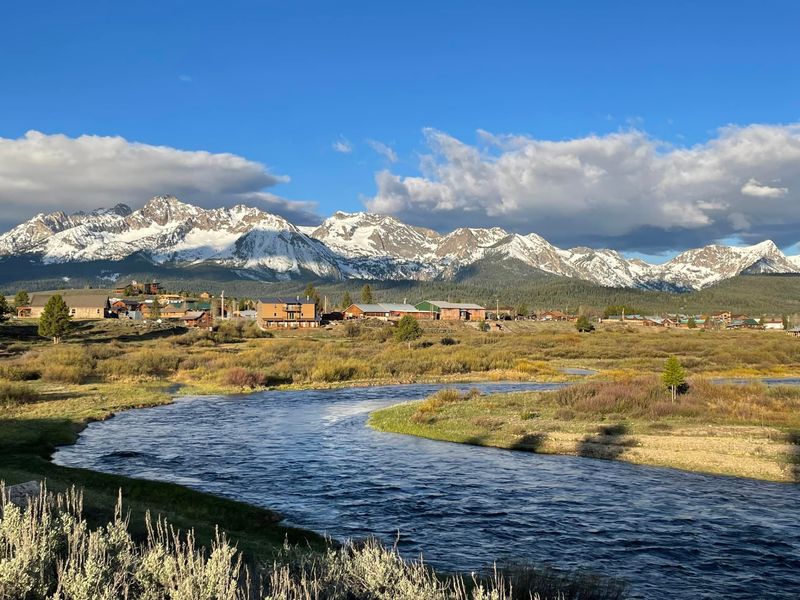
Stanley, Idaho, counted just 116 residents in the 2020 census. That number sounds tiny until you learn it nearly doubled from 63 in 2010.
The town sits in the Sawtooth Valley of Custer County, right in the middle of the state. Mountains surround it on nearly every side, so the skyline does most of the talking.
Think of Stanley as a base camp that happens to have a ZIP code. Three famous mountain ranges frame the area, with the Sawtooths stealing the show to the west.
The White Clouds and Salmon River Mountains fill in the rest of the horizon.
The Salmon River runs right past town, too. That’s the same river nicknamed the River of No Return, and it starts its long journey not far from here.
Everything about the setting feels oversized compared to the population. You get a few streets, a handful of businesses, and an absurd amount of scenery.
It’s a fair trade.
Most visitors know Stanley as a summer launch point for rafting and hiking. Winter tells a different story, and that’s the version worth getting to know.
How A Prospector’s Name Stuck And A Census Map Pointed Here
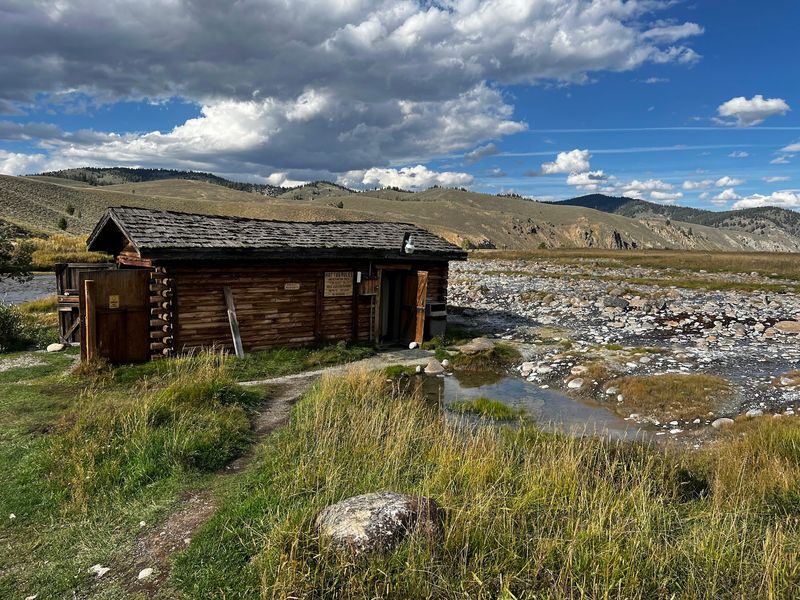
Gold brought the first outsiders into this valley in the 1800s. The town takes its name from John Stanley, a prospector who led a party through the area in the 1860s.
Mining camps came and went across central Idaho during those years. Stanley held on, even when the gold rush energy faded and the valley went quiet again.
Here’s a fun one for trivia night. In 2000, the center of population for the entire state of Idaho landed in Stanley.
That means if you balanced every Idahoan on a giant map, the tipping point would sit near this little mountain town. Not bad for a place where the residents could fit in one school gym.
The town grew slowly into a ranching and recreation hub over the following century. Its log buildings and wooden storefronts still lean into that frontier look.
Change shows up in the numbers, though. Jumping from 63 people to 116 in ten years is a big swing for a town this size.
Granite Peaks That Look Sharp Enough To Cut The Sky
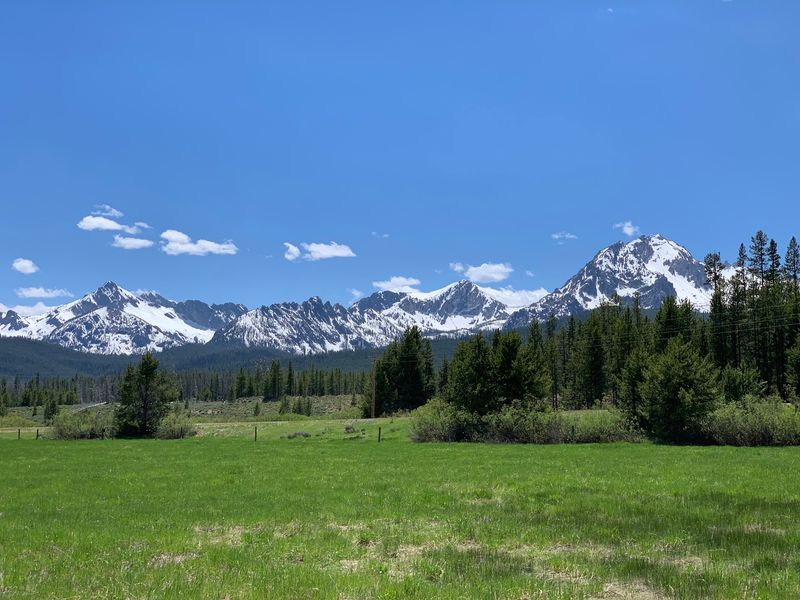
One look at the skyline explains the name. The Sawtooth Mountains rise in a row of jagged granite points that really do resemble the blade of a saw.
Stanley sits right at the edge of the Sawtooth National Recreation Area. Congress created it in 1972, along with the Sawtooth Wilderness tucked inside its boundaries.
The protected area covers more than 750,000 acres of mountains, lakes, and forest. Dozens of peaks top 10,000 feet, and hundreds of alpine lakes dot the high country.
Summer turns those trails into a hiker’s playground. Winter buries much of it in deep snow, which changes the mood completely.
Snow-covered Sawtooths might be the best version of the view. The white peaks pop against blue winter skies in a way that feels almost unreal.
You don’t need to climb anything to enjoy them, either. Plenty of pullouts along the highways near town offer wide-open looks across the valley floor.
The Lake Named After A Fish That Swims 900 Miles to Get There
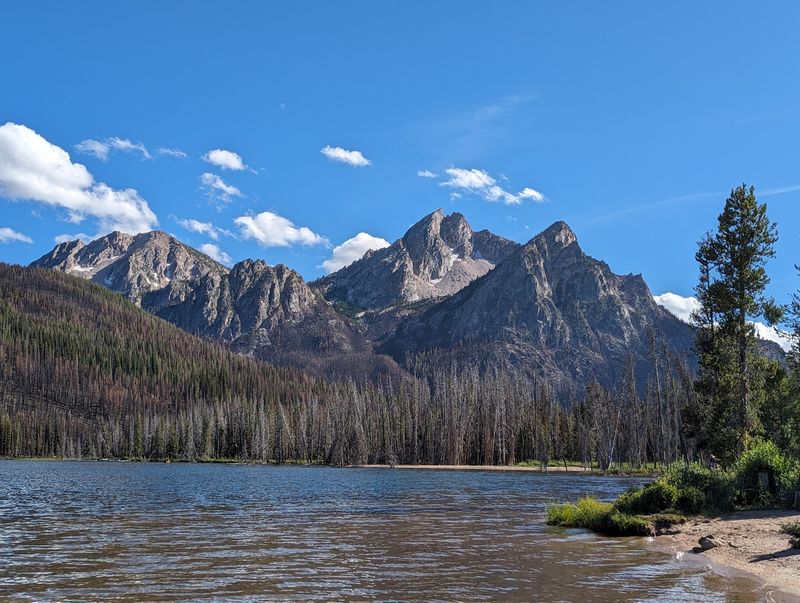
Redfish Lake sits about five miles south of Stanley. Its name comes from the sockeye salmon that turn bright red as they return to spawn.
Those fish make one of the longest salmon migrations anywhere. They travel roughly 900 miles from the Pacific and climb more than 6,500 feet to reach these waters.
Fewer sockeye make the trip today than in the past. The species is listed as endangered, and recovery efforts have worked for decades to help them return.
The lake itself is a summer favorite. Beaches, a lodge, campgrounds, and boat access keep the shoreline busy during warm months.
Winter is another matter entirely. Redfish Lake Lodge operates seasonally, and the campgrounds close once the snow settles in.
Stanley Lake Offers a Postcard View With Fewer Footprints
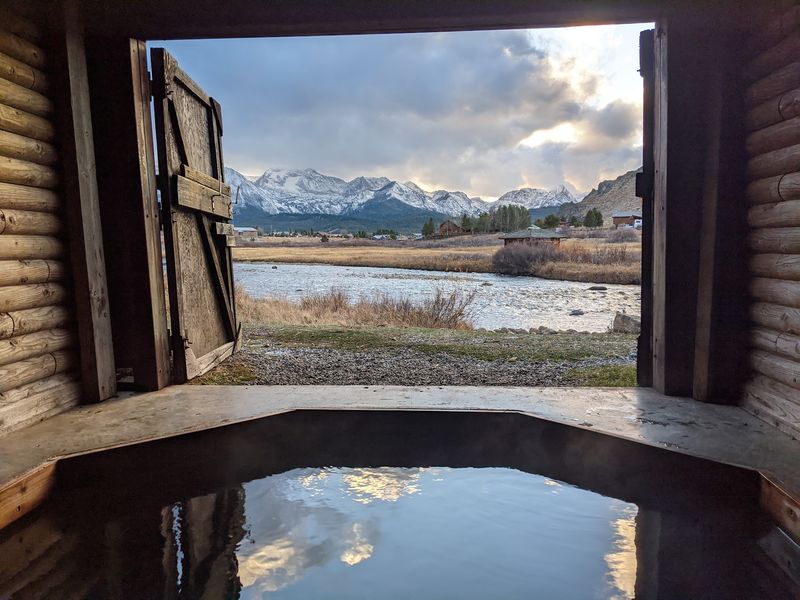
Head northwest of town and you’ll reach Stanley Lake. It sits off Highway 21, a short drive from Stanley itself.
McGown Peak towers over the far shore with a sharp, pointed summit. It’s one of those views that makes people pull over before they even park.
The lake is smaller and calmer than Redfish. In summer, it draws campers, paddlers, and anglers looking for a slower pace.
Winter brings snow right down to the waterline. The campgrounds and day-use areas close for the season, and the shoreline goes quiet.
That quiet is the whole point. Snow muffles sound so well that the loudest thing around might be your own boots.
Access depends on snow and road conditions. Some routes into the lake area work better with snowshoes, skis, or a snowmobile than with a car.
Pack layers, water, and a plan for getting back before dark. Winter daylight runs short in the mountains, and the temperatures drop quickly once the sun slips behind the ridges.
When the Beaches Empty Out and the Valley Exhales
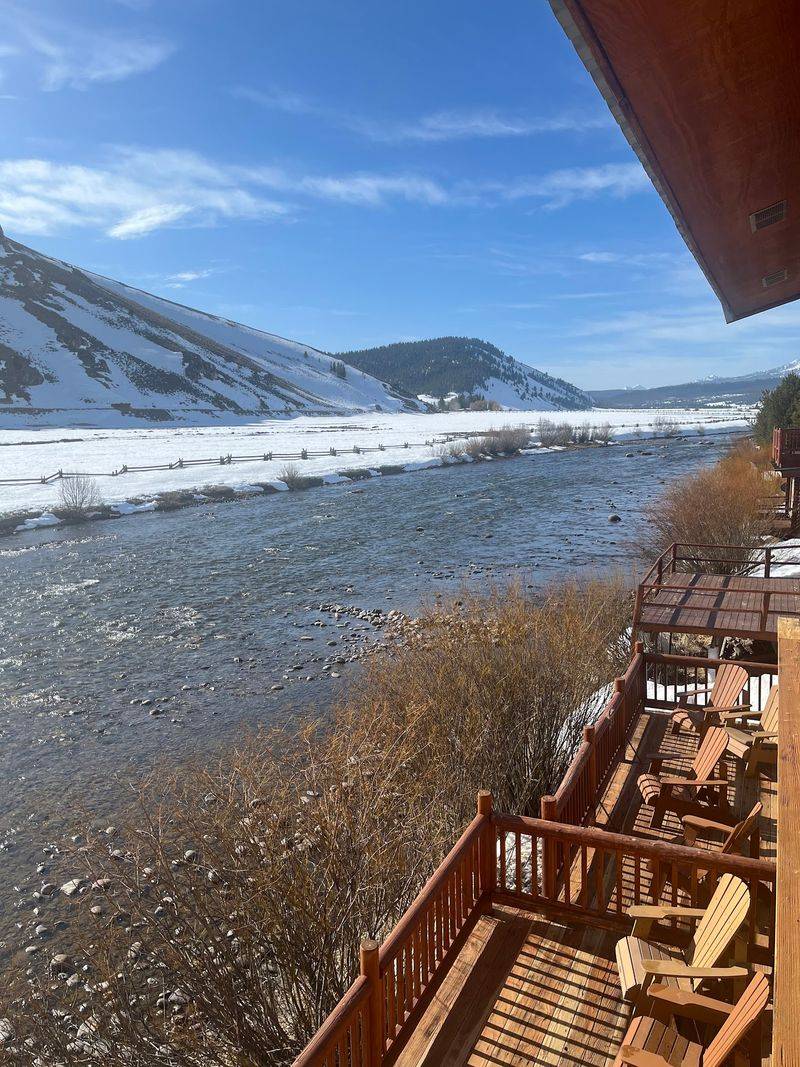
Summer weekends in Stanley can feel lively. Rafters, campers, and road-trippers stream in to enjoy the river and the lakes.
Once the snow piles up, that crowd mostly disappears. Many seasonal businesses close or cut back, and the lake beaches sit empty under white blankets.
Some people hear that and shrug. Others hear it and start packing immediately.
Empty shorelines mean you get the mountains without the chatter. Frozen lake edges, untouched snow, and long views suddenly belong to whoever shows up.
It also means planning matters more. Fewer open restaurants and shops in winter means you should bring supplies and confirm what’s operating before you go.
The pace slows down in a good way. Days revolve around weather, daylight, and whatever adventure the snow allows.
For some visitors, that’s exactly the reset they need. Phones get quieter, conversations get longer, and the stove becomes the center of the cabin.
Bring Every Layer You Own Because the Thermometer Means It
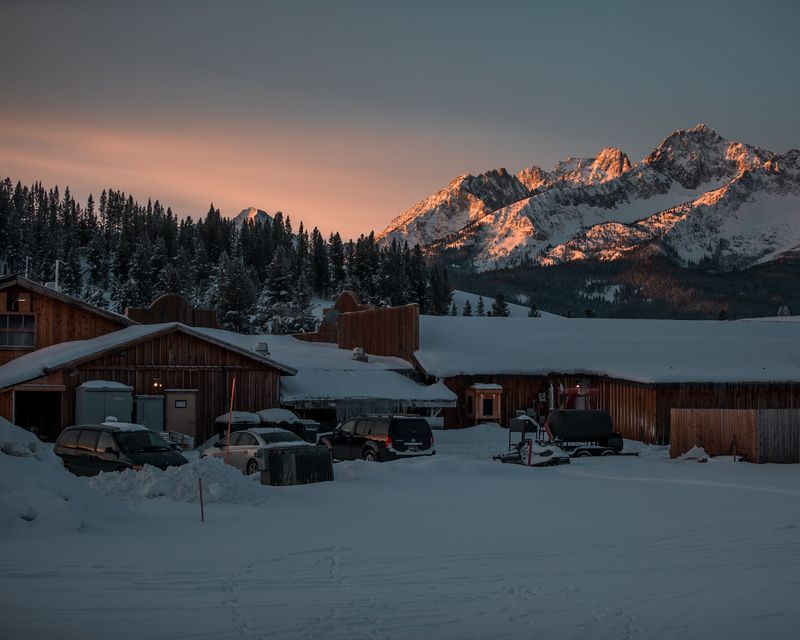
Stanley regularly shows up on lists of the coldest spots in the lower 48. Winter mornings here can sink well below zero.
Blame the geography. The town sits around 6,250 feet in a high mountain valley, and cold air pools on the valley floor overnight.
That cold creates some beautiful scenes, though. Frost coats the trees, and the Salmon River can steam on frigid mornings.
Dressing well makes all the difference. Think wool socks, insulated boots, a warm hat, and gloves you can actually move your fingers in.
Layers beat one giant coat. You’ll warm up fast on a snowshoe trail, then cool down the second you stop for a photo.
Vehicles need attention, too. Carry an emergency kit, keep the gas tank full, and check road reports before driving in or out.
Afternoons often warm up compared to the bitter mornings. Bright sun bouncing off fresh snow can make a cold day feel surprisingly cheerful.
Snowmobile Trails And Ski Tracks Waiting for Fresh Powder
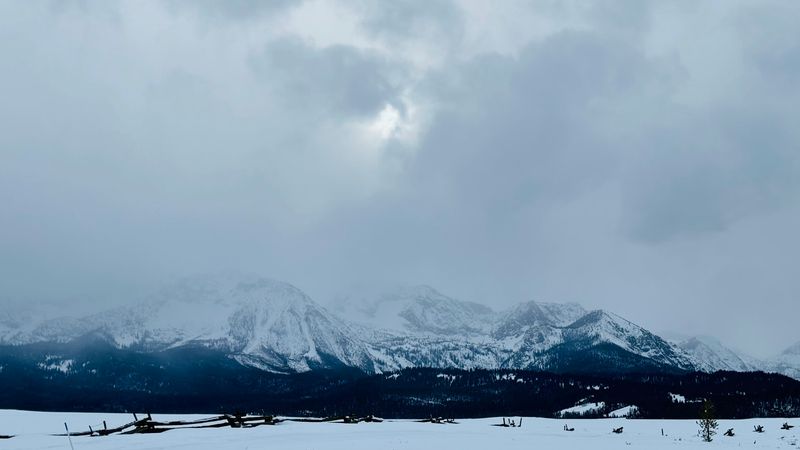
Snow turns the valley into a different kind of playground. Snowmobiling ranks among the most popular winter activities around Stanley.
Groomed and ungroomed routes spread across the surrounding national forest land. Riders head out for open meadows, forest roads, and big mountain views.
Prefer something quieter? Cross-country skiing and snowshoeing work beautifully on the valley’s gentler terrain.
Park N’ Ski areas near the Sawtooths give skiers places to start. Idaho’s Park N’ Ski program requires a seasonal permit, so grab one before you go.
Backcountry skiers also eye the surrounding peaks. That terrain carries real avalanche risk, so check forecasts from the Sawtooth Avalanche Center and travel with proper gear and training.
Families can keep it simple with a snowshoe stroll near town. Even a short loop through snowy trees feels like an adventure in this setting.
Gear rentals and services can be limited in winter. Call ahead or bring your own equipment so a closed shop doesn’t sink your plans.
Off-Season Cabins Are Where Winter Pays You Back
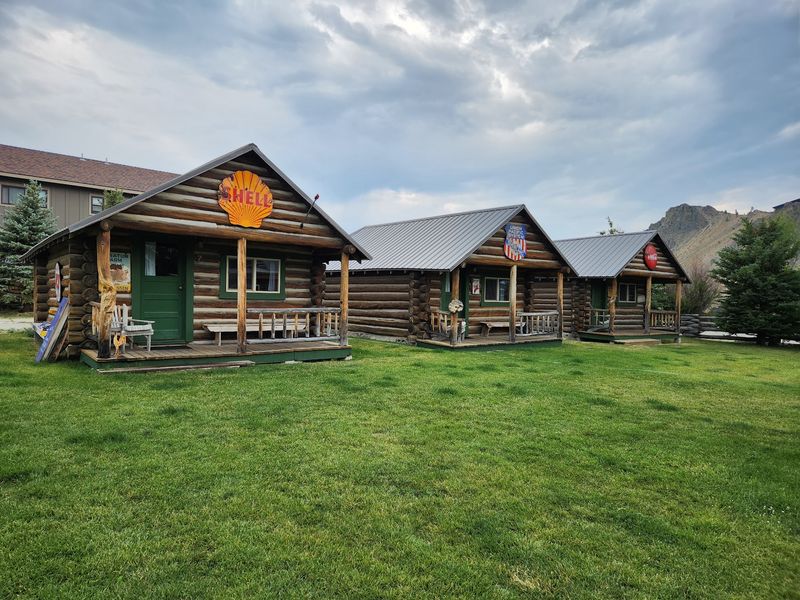
Summer lodging around Stanley can fill up fast. Rafting season and lake weekends keep rentals in high demand.
Winter loosens things up. With fewer visitors, cabins and vacation rentals often show more open dates and friendlier off-season rates.
Availability shifts from year to year, so compare options before you commit. Booking platforms and local lodging providers list cabins of all sizes in the area.
Read the fine print on winter access. Some properties need four-wheel drive, snow tires, or a short walk from a plowed road.
Ask about heat sources, too. A wood stove sounds dreamy until you realize you need dry firewood and know how to use it.
Not every lodging spot in town stays open year-round. Confirm the business is operating in winter, especially if you’re arriving late.
A good cabin becomes the heart of the trip. Mornings start with mountain views, and evenings end with board games and a warm stove.
Why A Quiet Winter Week Here Might Ruin Busy Vacations for You
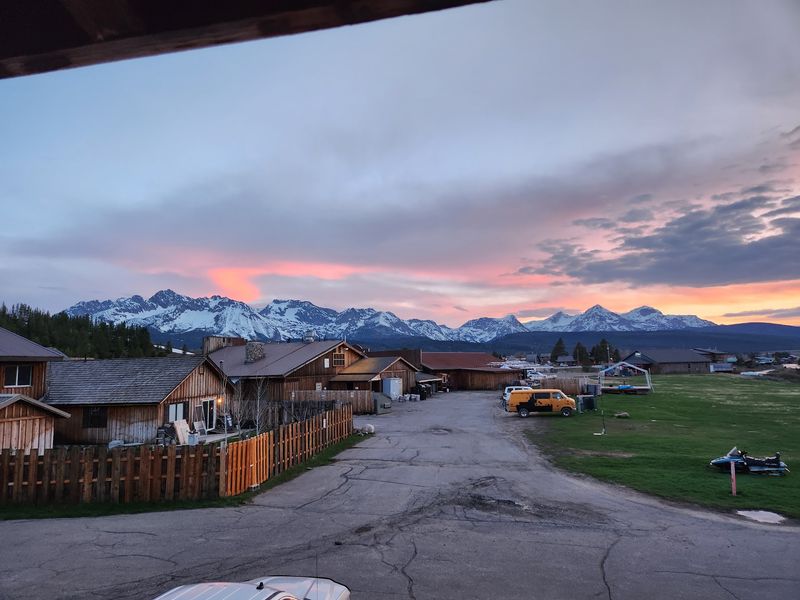
Stanley in winter won’t win any awards for nightlife. That’s honestly part of its appeal.
You trade crowds for snowy peaks, empty lakeshores, and skies packed with stars. For the right traveler, that sounds like a dream deal.
Who fits best here? Snowmobilers, skiers, photographers, stargazers, and anyone craving genuine quiet will feel right at home.
Travelers who need lots of dining choices or nightly entertainment might prefer summer. The town’s personality changes a lot between seasons.
Planning carefully makes winter trips smooth. Check road conditions, confirm what’s open, and pack for serious cold.
The reward is a version of Idaho many people never see. The Sawtooths under fresh snow look like a whole new range.
Small towns like Stanley remind us why central Idaho holds such pull. A population of 116 surrounded by mountains feels both humble and grand.