Two Rivers Meet Under A 1,000-Foot Canyon Wall At This Idaho State Park Open All Winter
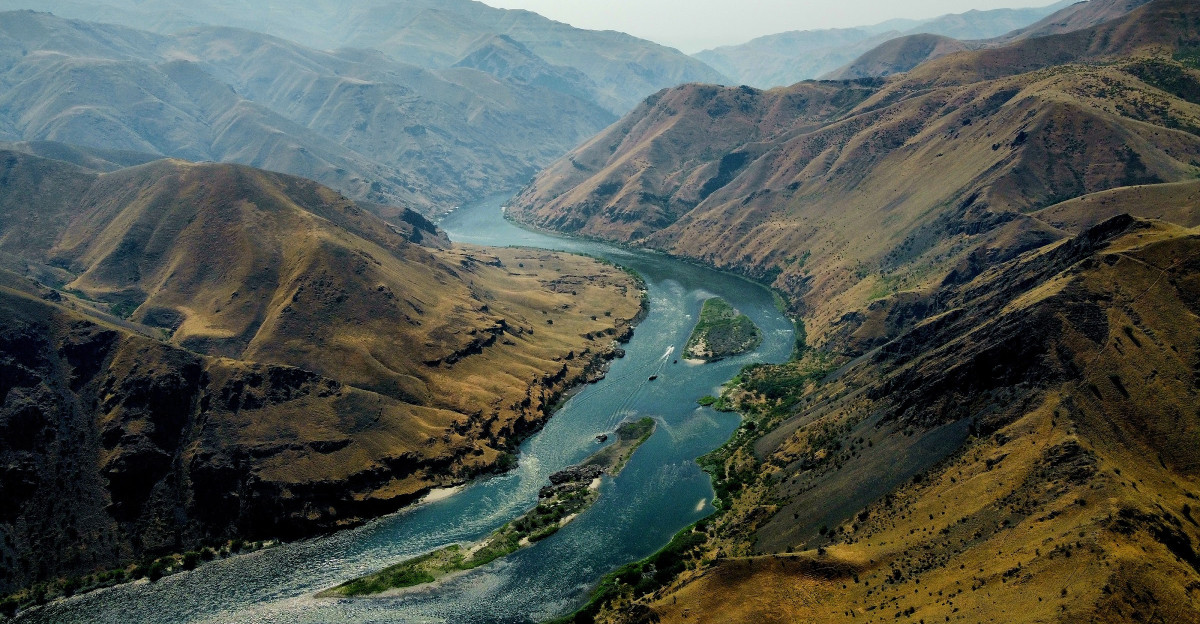
Steelhead anglers cast into the Snake River here in the middle of winter, while much of Idaho is busy scraping ice off windshields.
The campground stays open all year, and that alone feels a little rebellious.
The park sits around 733 feet above sea level, some of the lowest ground in the entire state.
That low spot helps explain the mild weather that settles over this corner of north-central Idaho.
Basalt cliffs rise right from the river, and the deepest gorge in North America begins just upstream.
I like how easy this place makes the big stuff feel. You can watch jet boats head toward a canyon, then walk back to a shady picnic table.
Trails climb the hills, and a museum tells a story older than the state itself.
So why do so few people think of it in January?
A Riverside Park Where Idaho Hits Its Lowest Point
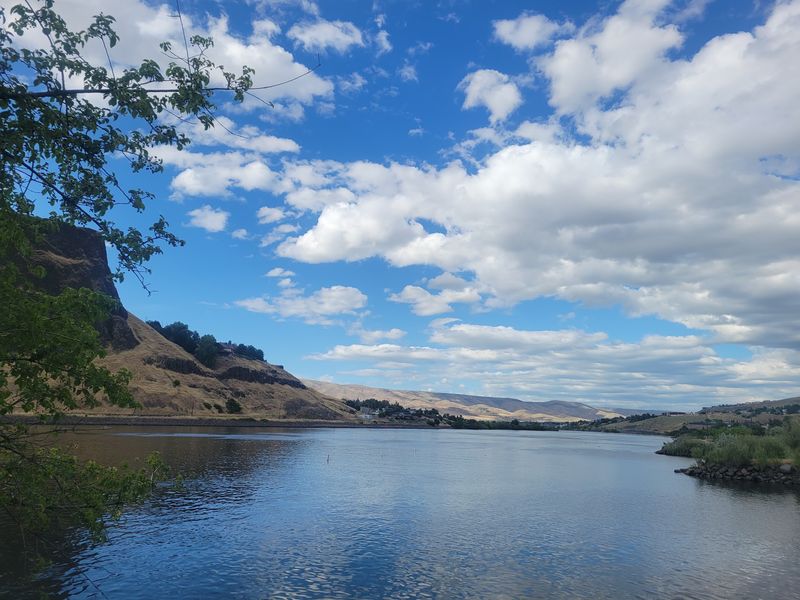
Hells Gate State Park sits right on the Snake River, a few miles upstream from where the Snake and Clearwater rivers come together. It’s the kind of setting that makes you double-check the map.
The park marks the downstream entrance to Hells Canyon, the deepest river gorge in North America. Basalt cliffs climb from the water along its southern edge, giving the whole place a dramatic backdrop.
Here’s the fun part. The park sits at about 733 feet above sea level, which puts it on some of the lowest ground in Idaho.
That low elevation matters more than you’d think. It helps create the mild climate the Lewiston-Clarkston Valley is famous for, sometimes called the Banana Belt.
Banana Belt in Idaho? It sounds like a joke, but the nickname has stuck around for good reason.
The park is managed by Idaho Parks and Recreation and sits just a short drive south of downtown Lewiston. You can be in town for lunch and back on a riverside trail within minutes.
Few state parks pack canyon scenery, river access, history, and year-round camping into one easy-to-reach spot. This one manages it without breaking a sweat.
Rock That Remembers Ancient Lava And Giant Floods
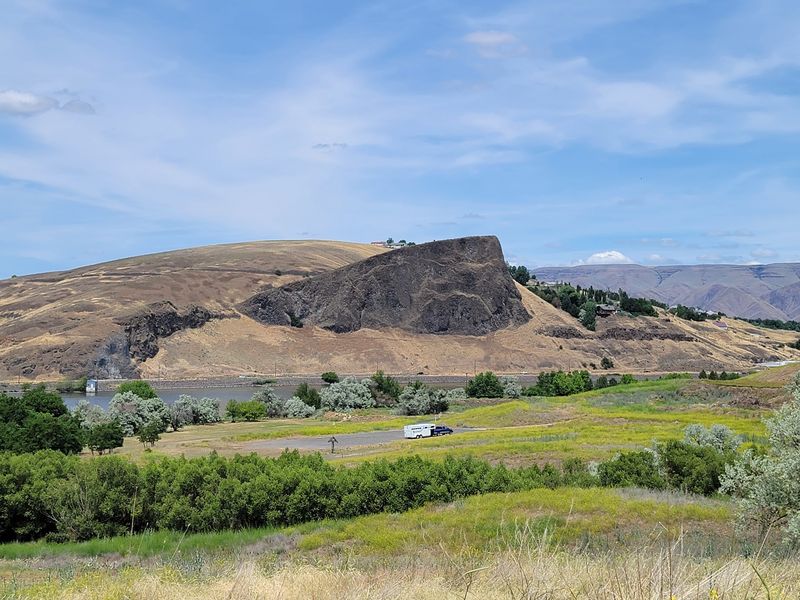
Fourteen million years ago, lava poured across this region in massive flows. You can still see the results standing tall at the south end of the park.
Those basalt columns come from the Pomona flows, part of the huge volcanic story behind this whole canyon country. The rock looks almost stacked by hand, which it definitely wasn’t.
Then came the water. Enormous Ice Age floods swept through roughly 15,000 years ago and helped shape the land the park sits on today.
Geology nerds will have a field day here. Everyone else will simply notice that the cliffs look tough, old, and very much in charge.
I believe a little background makes the walls feel more impressive. Knowing what built them changes how you see a simple riverside stroll.
The canyon walls also explain why the park feels so sheltered. Tall rock on one side and moving water on the other give the valley its own personality.
Bring a camera and look closely at the layers. Each band tells part of a story that started long before anyone paddled this river.
Lewis And Clark Get A Front-Row Seat
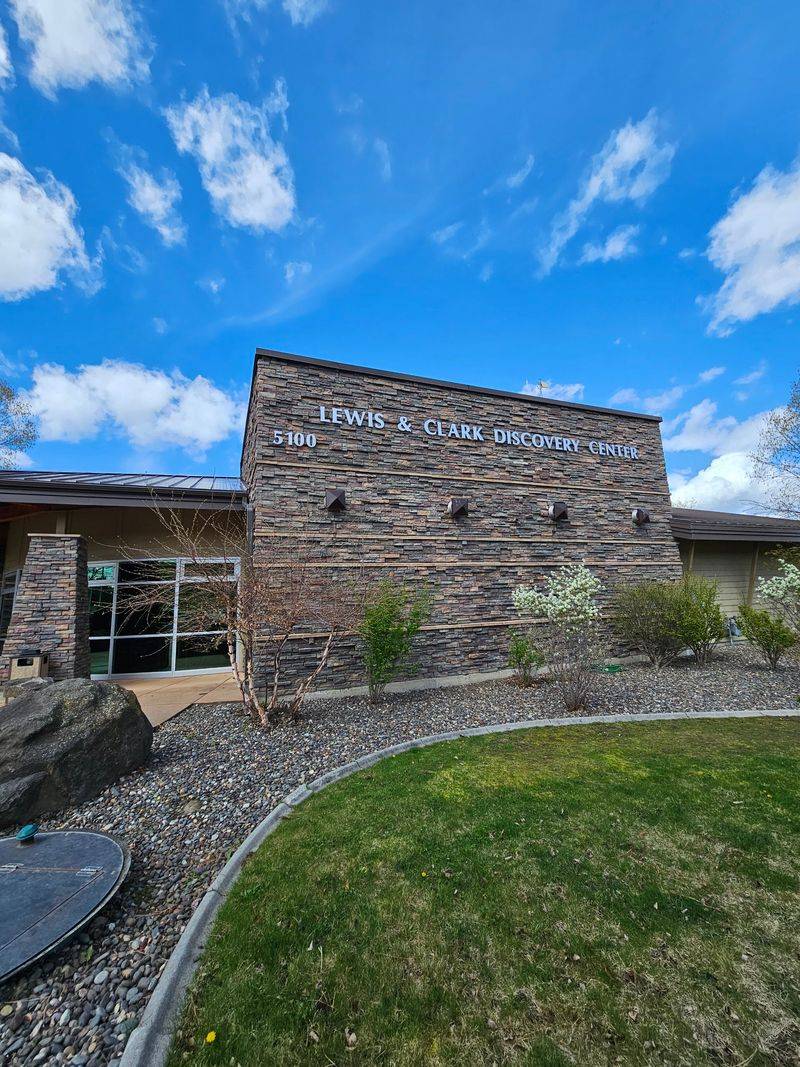
History buffs, this one’s for you. The Lewis and Clark Discovery Center sits inside the park, close to the river and the marina.
It features indoor and outdoor displays plus a two-acre interpretive plaza. You can wander the grounds before or after heading inside.
The star of the show is a film about the expedition’s journey through Idaho. It runs a little over half an hour and covers the explorers’ encounters with the Nez Perce people.
That connection is the heart of the story here. The expedition depended heavily on Nez Perce help, and the center gives that history real attention.
The building is reachable along the paved trail from the campground. It makes an easy walk on a cool morning.
Families with curious kids will find plenty to point at. Adults may catch themselves reading every single panel, which is perfectly fine.
Hours can shift with the seasons, so check before driving over. It would be a shame to arrive ready for history and find the doors closed.
Nez Perce Roots Along The Riverbank
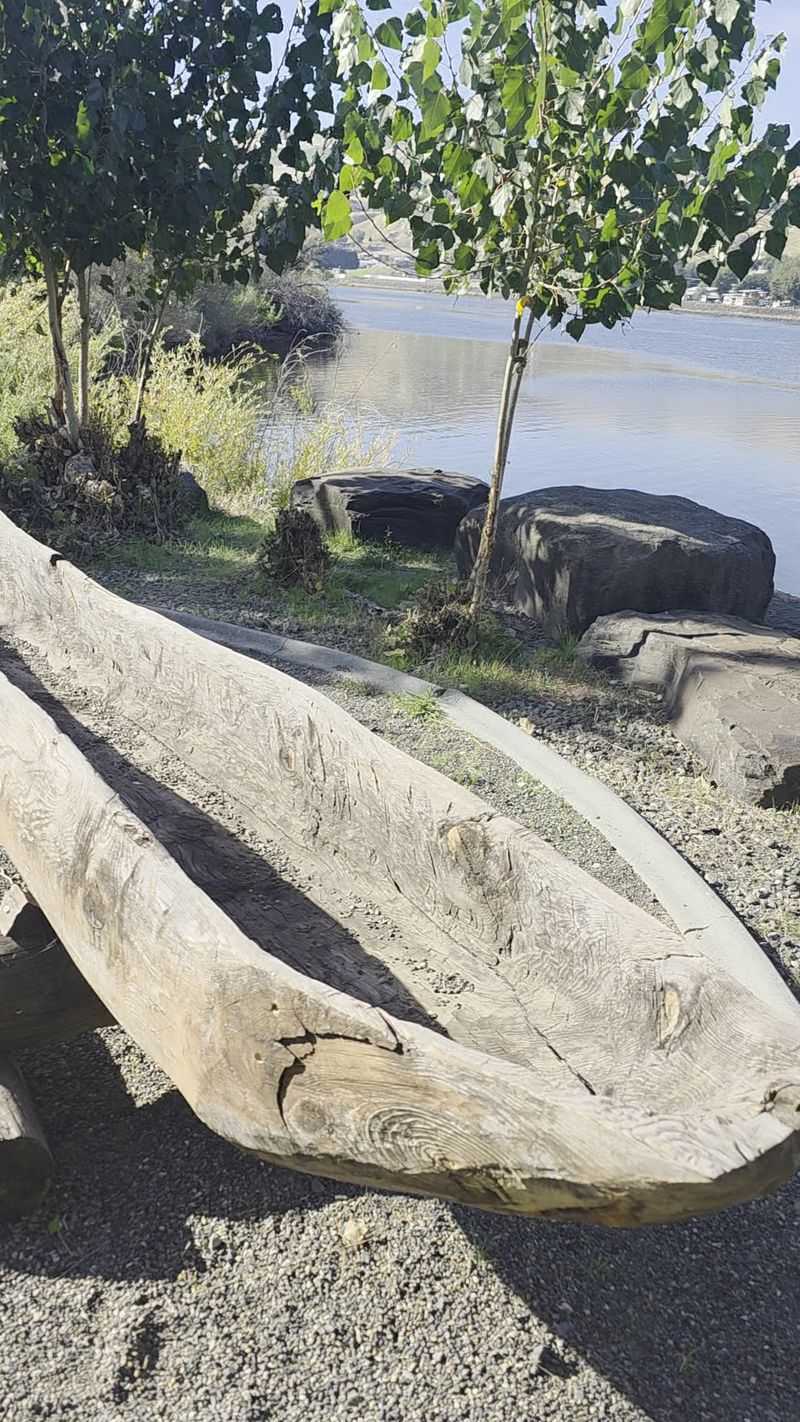
Long before campers rolled in with trailers, people called this riverbank home. The site was once a Nez Perce village.
Remnants of pit houses still show up as shallow depressions south of the campground. They’re subtle, so slow down and look carefully.
Pit houses were built partly into the ground. That design offered shelter from weather and made good sense along a river valley like this one.
Standing near those depressions shifts the mood a bit. The park suddenly feels less like a playground and more like a place with deep roots.
The Nez Perce, or Nimiipuu, remain an important part of Idaho today. The Discovery Center shares more of their history for anyone who wants context.
Treat the area with respect when you visit. Stay on paths and leave the ground exactly as you found it.
I like that the park keeps this story visible. A quiet walk past those marks might end up being the most memorable part of your day.
An Outdoor Legend Gets His Own Museum
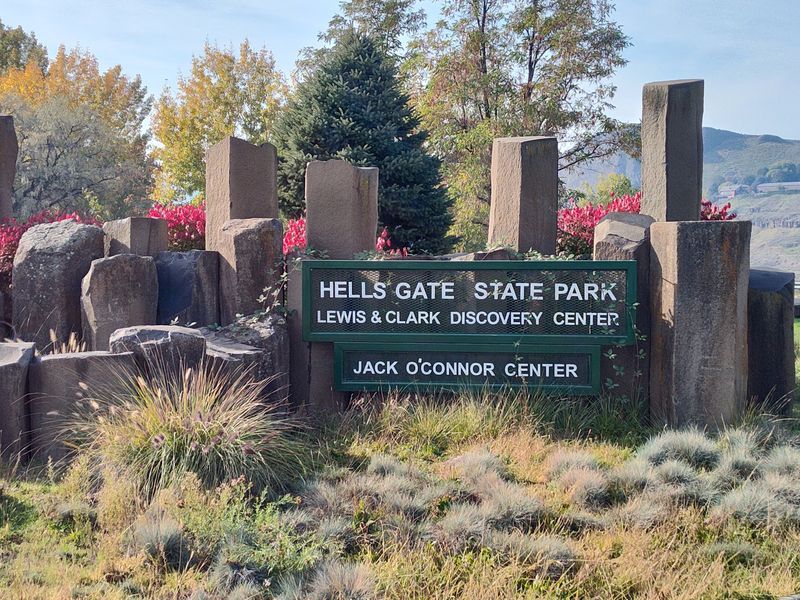
Not every state park has a museum dedicated to a famous outdoor writer. Hells Gate State Park has one right next door to the Discovery Center.
The Jack O’Connor Hunting Heritage Education Center honors a writer whose name carries real weight in outdoor circles. Exhibits cover his career and the broader history of hunting in America.
O’Connor spent many years in Lewiston, so the location makes sense. Idaho’s backcountry shaped plenty of the stories he told readers.
Even if you’ve never picked up a hunting magazine, the center offers a glimpse into a different era. Outdoor life looked a lot different decades ago.
It pairs nicely with the Lewis and Clark exhibits nearby. Two museums, one short walk, and very different chapters of history.
Grandparents who grew up reading outdoor columns may light up here. Younger visitors might just enjoy the wildlife displays.
Plan a little time for both buildings. They’re compact, so you won’t lose your whole afternoon indoors.
Jet Boats Roaring Toward The Deepest Gorge Around
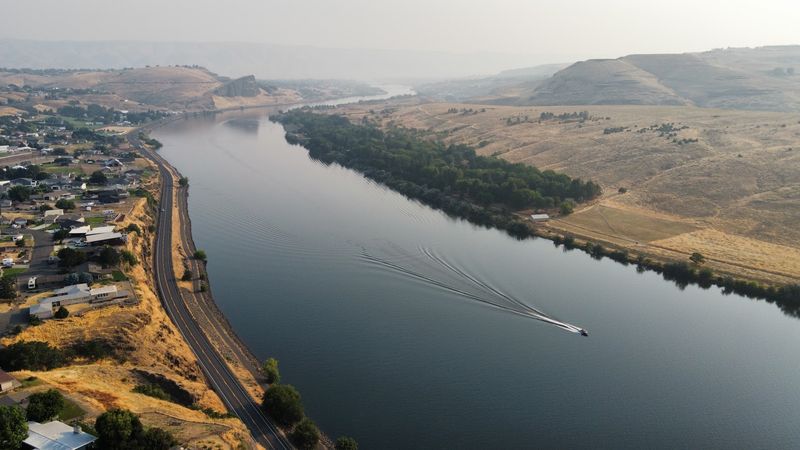
Hear that engine echo off the canyon walls? That’s a jet boat heading upriver from Hells Gate Marina.
The full-service marina is a big part of daily life at the park. It has more than 100 boat slips and a public launch for anyone bringing a boat.
Jet boat tours run deeper into Hells Canyon from here. It’s one of the easiest ways to see that famous gorge without a long backcountry trek.
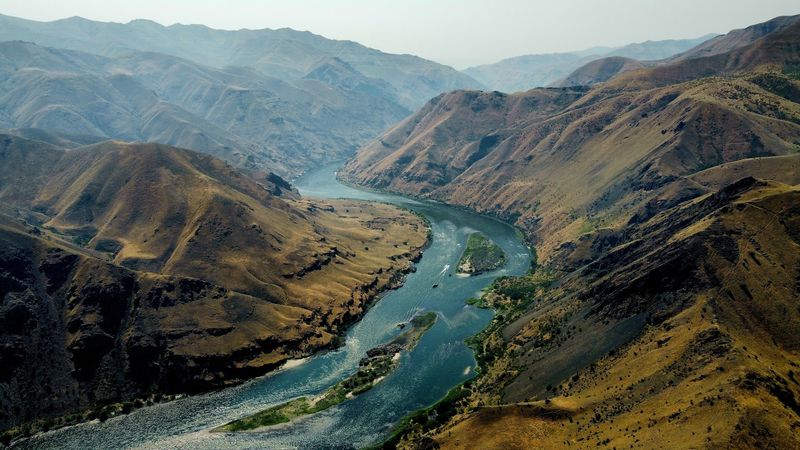
The canyon drops more than 7,900 feet from He Devil Peak to the river. That’s deeper than the Grand Canyon, which feels like a fun fact made for bragging.
Back at the dock, a convenience store helps with snacks and supplies. Restrooms nearby make the before and after a lot easier.
Moorage is available year-round too. Boat owners can keep their gear close to the water no matter the season.
Tour schedules depend on the outfitter and the time of year. Check ahead so your canyon dreams line up with a real departure.
Campsites Shaded By Tall Cottonwoods
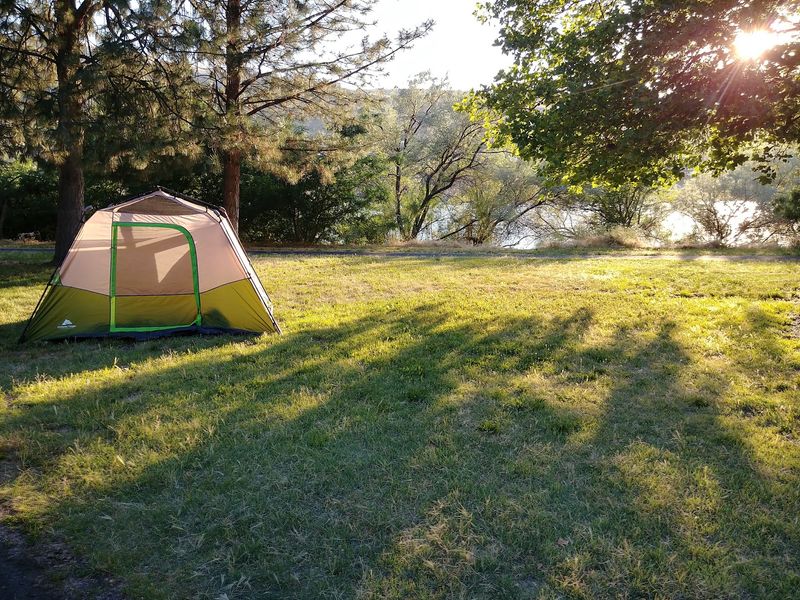
Ninety-three campsites spread across the park, with room for RVs, trailers, and tents. Many come with hookups, and the grassy layout gives each spot some breathing room.
The campground has three loops. Two offer hookups, while the Cottonwood loop works for dry camping and tents.
Mature trees throw welcome shade over many sites. On a hot valley afternoon, that shade becomes very precious real estate.
Each site includes a fire ring, and firewood is sold on-site. Drinking water and a dump station round out the basics.
Restrooms with flush toilets and showers serve the campground. The roads are paved, so pulling a big trailer stays fairly painless.
Check-in follows a set time, so arriving early won’t get you in sooner. Plan a lunch stop in Lewiston if you’re running ahead of schedule.
Fees add up beyond the base rate, so budget a bit extra. Reserving ahead is smart during the busy warm months, when the river draws a crowd.
Cabins For Folks Who Skip The Tent
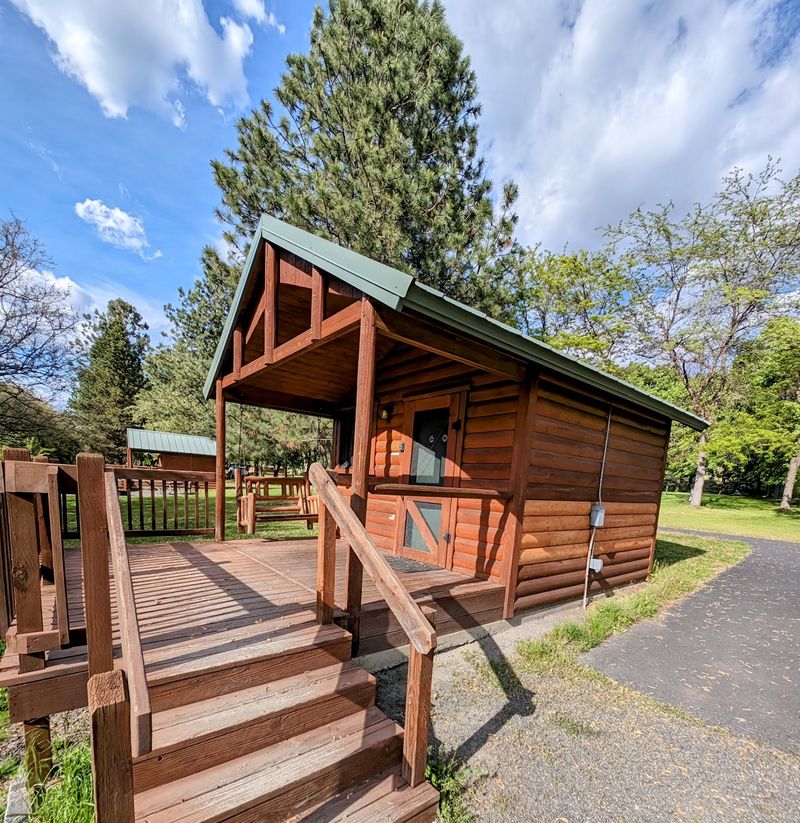
Not everyone wants to wrestle tent poles in the dark. Thankfully, the park offers eight cabins for a sturdier night’s sleep.
Some of those cabins are ADA accessible. That’s a thoughtful touch for travelers who need easier access.
The cabins sit within reach of the bathhouse and showers. You get a roof overhead without losing that campground feel.
They make a great option in the cooler months. A winter weekend feels a lot cozier with walls around you.
Cabins also suit first-time campers testing the waters. It’s camping with training wheels, and nobody needs to know.
Bring your own bedding and supplies unless the park says otherwise. Checking details before booking saves a lot of guesswork.
Since the park stays open year-round, cabins can turn a quick day trip into a relaxed overnight. Waking up near the Snake River beats waking up near a parking lot any day.
Book early for popular weekends. Eight cabins disappear quickly when the weather turns warm.
Twelve-Plus Miles Of Trail For Feet, Bikes, And Hooves
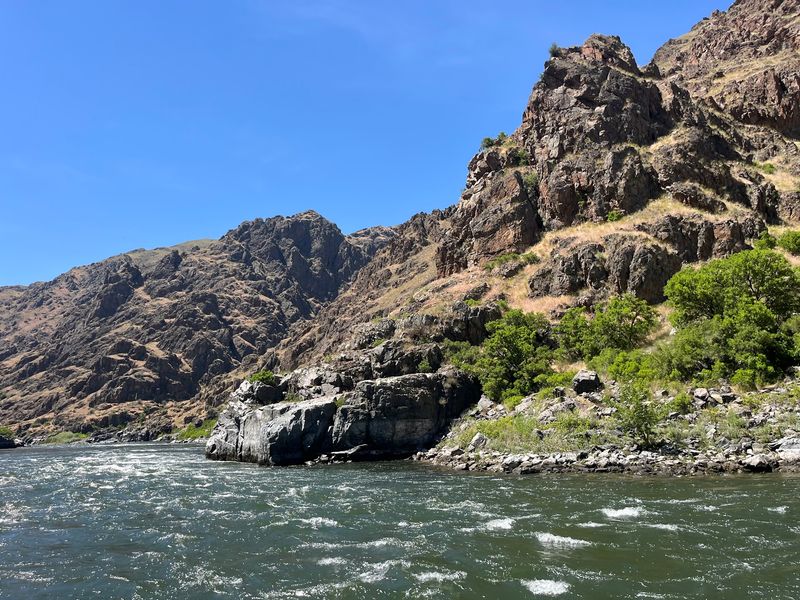
Lace up, because more than 12 miles of trails wind through the park. Hikers, mountain bikers, and horseback riders all get their share.
The Snake River Trail runs about 6.2 miles with river and canyon views. It’s an easy pick for a long walk or a relaxed ride.
Want more climb? The Hells Gate Overlook Trail heads uphill toward wide views of the valley.
A paved bike path starts right in the park. It connects to miles of riverside pathways leading into Lewiston and across to Clarkston, Washington.
That paved route works well for little kids on bikes. Flat, smooth, and close to the water makes for happy riders.
Horse riders have their own areas to explore. Few parks this close to town welcome saddles as easily.
The hills here are open and grassy rather than forested. Expect big skies, sun exposure, and views that stretch for miles.
Carry water even on cool days. The valley stays dry, and those uphill stretches will remind you quickly.
Getting There And Why It Earns A Spot On Your Calendar
Finding the place couldn’t be simpler. Hells Gate State Park sits at 5100 Hells Gate Rd, Lewiston, ID 83501, about four miles south of downtown.
Roads leading in are fully paved. That’s good news for big rigs and nervous drivers alike.
Expect a modest vehicle entry fee, usually just a few dollars. Idaho’s annual park passport can cover entry for state residents.
The park office keeps daytime hours, so plan check-in and questions accordingly. Museum and marina schedules can shift, so check before driving.
Summer brings the biggest crowds, especially near the beach. Fall and winter feel calmer, with steelhead anglers and hikers taking over.
So who belongs here? Families, history lovers, RV travelers, boaters, and anyone craving fresh air when snow piles up elsewhere in Idaho.
I believe this park deserves more winter attention than it gets. Mild weather, river views, and canyon walls make a strong case on their own.
Toss a jacket in the car and go see it. Those basalt cliffs aren’t going anywhere.