Idaho’s Monastery On The Camas Prairie Looks Like A Stone Castle Built In 1925
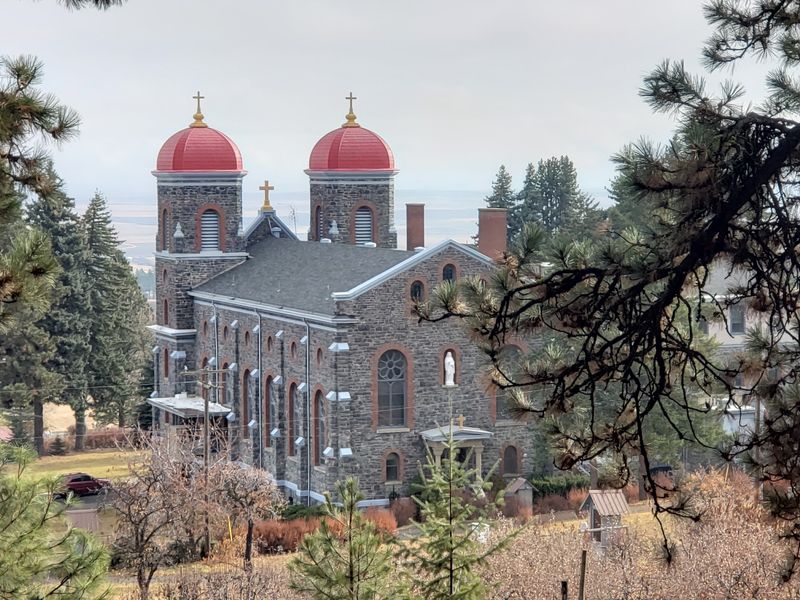
Two stone towers poke above the wheat fields of north central Idaho, and most first-time drivers do a double take. They look like they belong on a hillside in Switzerland, not on a quiet road above a small farm town.
The building is a working monastery, made from blue stone dug out of the hill right behind it. Its story, its views, and its peaceful grounds make it one of the most surprising stops in Idaho.
A Castle Above The Wheat
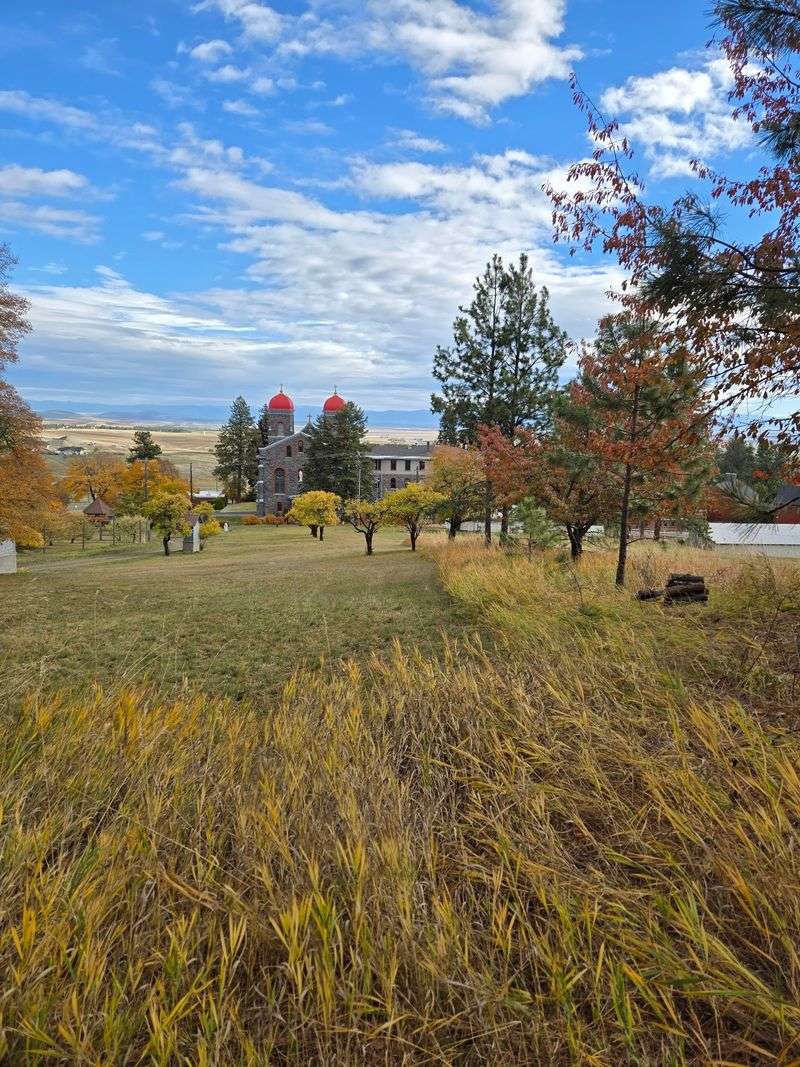
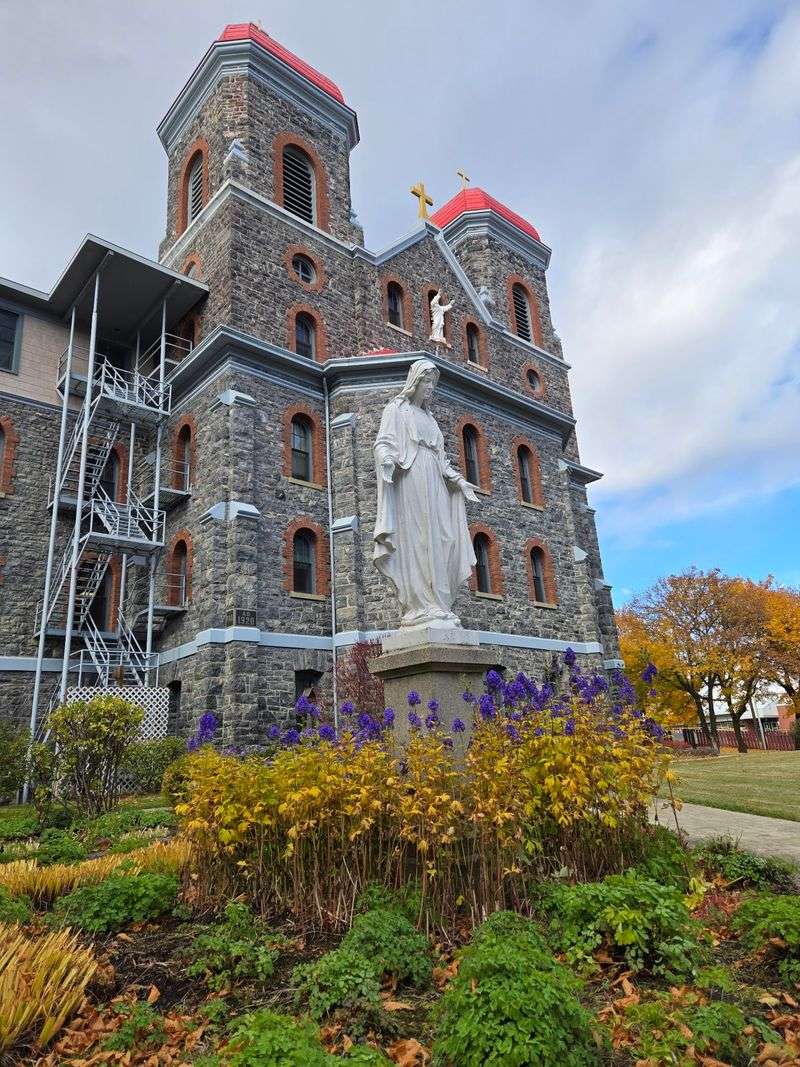
Drive south on US 95 through the Camas Prairie, turn toward Cottonwood, and keep climbing into the trees. About three miles from town, the road reveals a stone chapel with two towers that rise 97 feet, each topped with a rounded Bavarian-style dome.
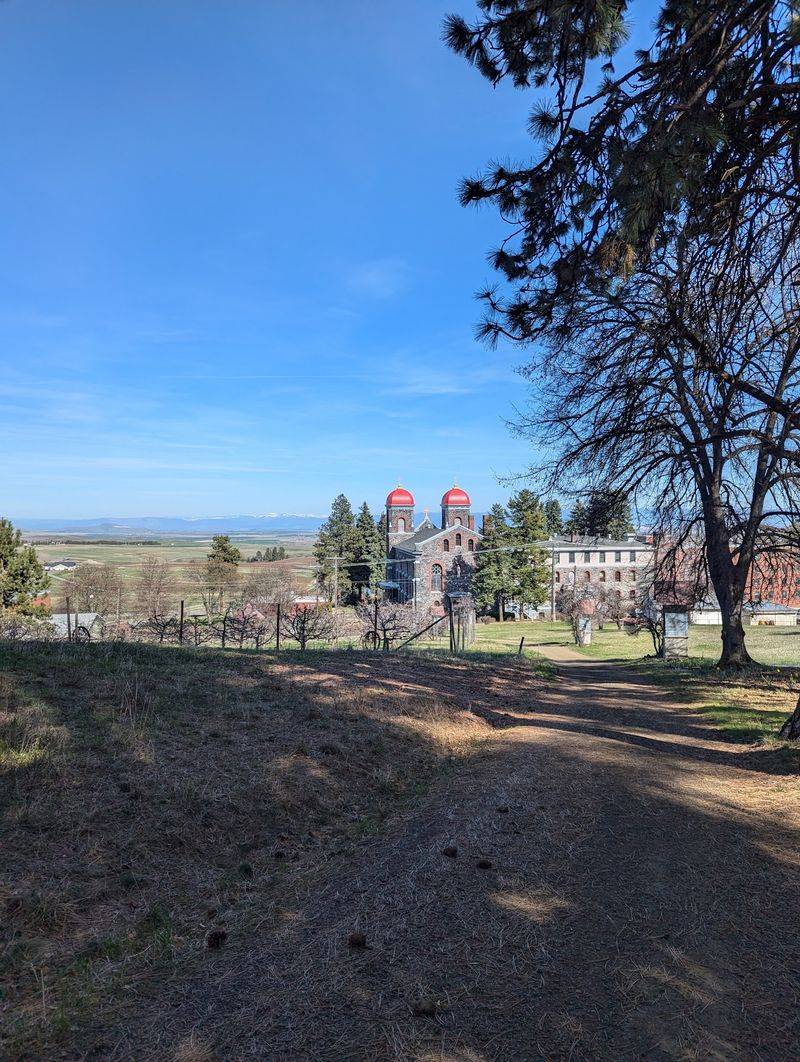
Saint Gertrude’s Monastery is home to Benedictine Sisters, and it remains the only community of religious women based in Idaho. The building sits on a high spot with the forest at its back and miles of open farmland spread out in front.
Visitors arriving from Lewiston often describe the first look as a jaw-dropping moment. Nobody expects a structure like this in rural Idaho, and that surprise is half the fun.
The scale feels more like an old European fortress than anything else on the prairie.
The property covers about 1,400 acres, much of it forested. Along with the chapel and the Sisters’ home, the grounds hold a museum, an inn, a retreat center, gardens, and walking paths.
Plan on spending a good chunk of the day, since many guests suggest setting aside around three hours to take everything in without rushing.
Three Sisters From Switzerland
Back in 1882, three young Benedictine nuns left Sarnen, Switzerland, and crossed an ocean and a continent to start fresh. They settled first in Gervais, Oregon, and spent years opening schools and missions around the region.
Their small group grew. After stops in Oregon and Washington, the Sisters found a lasting home near Cottonwood in 1907.
Land for the site came from a local man, J. Uhlenkoff, whose two daughters had joined the order.
In 1909, the Cottonwood property became the official motherhouse, meaning it was now the center of the whole community. The prairie and the distant mountains reminded the Sisters of their Swiss homeland, which helps explain why they chose this hilltop.
At its peak, more than 180 Sisters lived here. Today there are about 40 Sisters and others on the grounds.
The order is no longer taking new novices, but it has started a newer program for people drawn to a life of prayer, service, and quiet reflection.
That arc, from three travelers to a large community and now a smaller one adapting to new times, gives the place a real sense of a living story.
Blue Porphyry Hauled By Hand
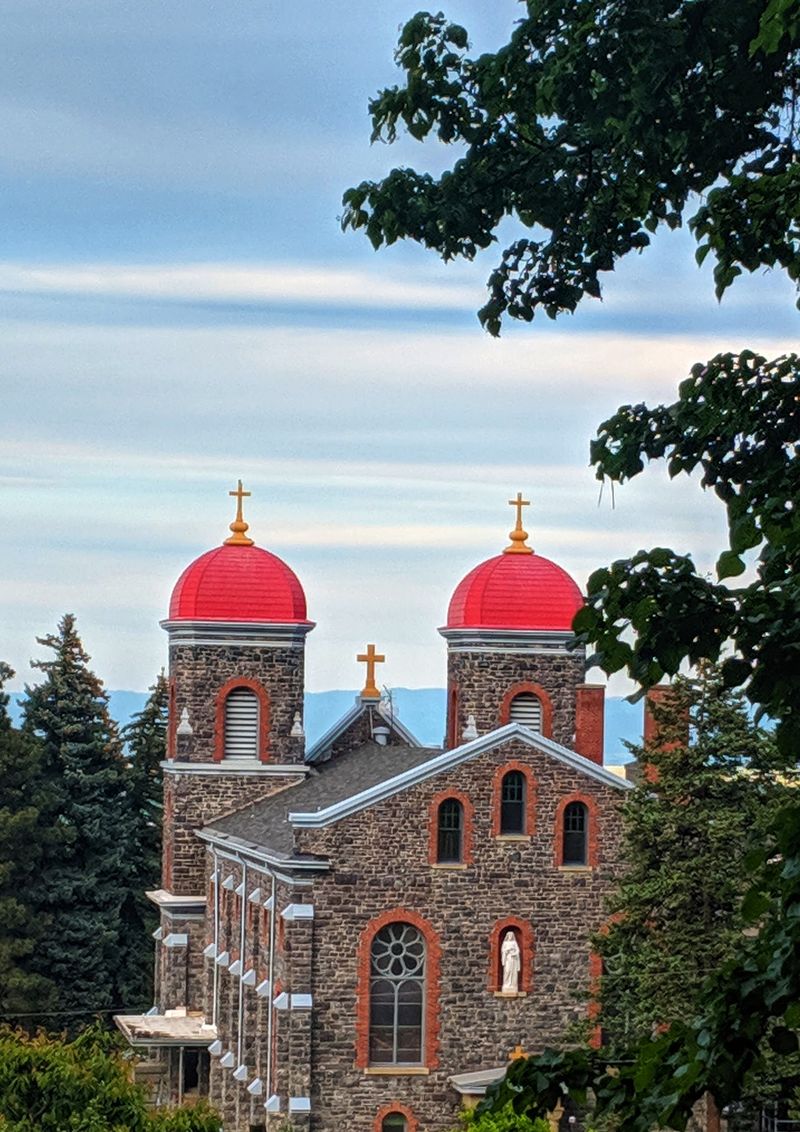
Run a hand along the chapel wall and you are touching the hillside itself. The stone is blue porphyry, quarried from the slope right near the monastery and carried down to the building site.
Construction began when the cornerstone was laid in 1919, and the chapel was dedicated in 1924. That is about six years of hard, slow work, much of it done the old-fashioned way.
Here is the part that surprises people: some of the Sisters pitched in on the labor. They helped quarry the rock and move the heavy pieces to the site, working right alongside the builders.
The finished walls are about two feet thick. That depth keeps the inside cool and gives the whole building its solid, fortress-like feel.
Visitors often mention how unusual the stone looks, with a bluish tint that shifts depending on the light and the weather.
The design follows the Romanesque Revival style, with rounded arches and heavy, balanced shapes. It stands as a rare example of traditional Benedictine architecture in Idaho.
In 1979, the monastery was added to the National Register of Historic Places, which helps protect it for future generations.
Inside The Basilican Chapel
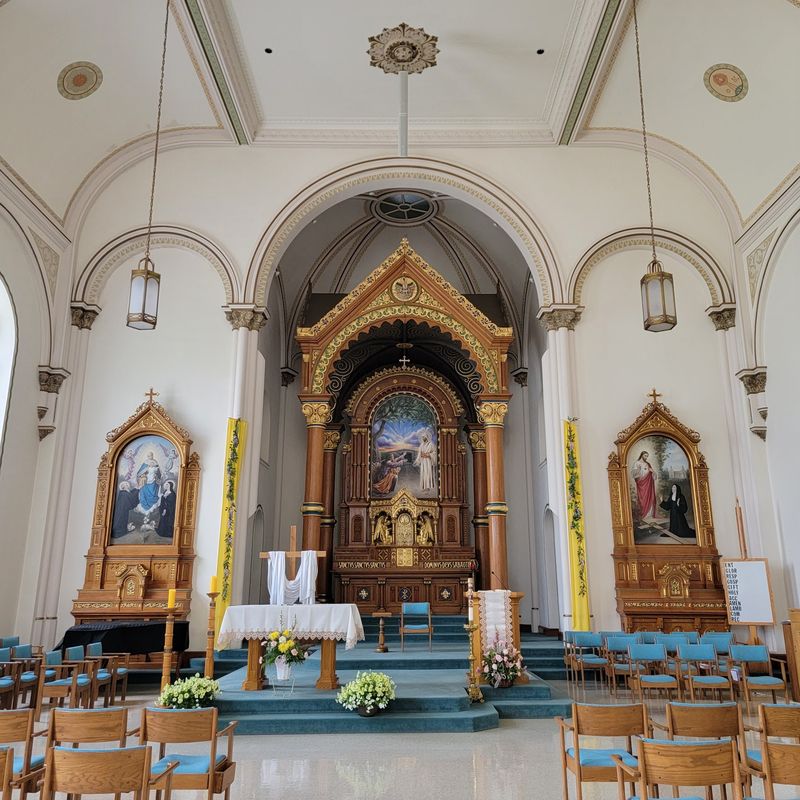
Step through the doors and the outside world goes quiet fast. The basilican chapel measures about 50 feet wide and 127 feet long, so the space stretches out ahead of you in a long, calm line toward the altar.
The altar is a work of religious art on its own, covered in detailed carving. Statues line the room, and the stations of the cross hang along the walls, each one worth a slow look.
Got questions about what all those carvings mean? Guests recommend asking one of the Sisters.
They are happy to explain the symbolism, and hearing those stories makes the details click in a new way.
The chapel is open for self-guided tours, so you can wander at your own pace. Families are welcome too.
One family recalled a toddler testing his loud voice to hear the echo, only to be greeted warmly by a Sister who clearly loved kids.
Visitors are also invited to join the community for prayer and Mass. Some people who stumbled onto the monastery during a motorcycle ride came back for Sunday Mass and were invited to stay for lunch afterward.
Six Thousand Square Feet Of Prairie Memory
Plenty of visitors walk in expecting a small room of old photos. What they find is a separate 6,000-square-foot building packed with history, and many people say it is far bigger than they guessed.
The Historical Museum at St. Gertrude ranks among the oldest continually operating museums in the region. Exhibits cover the Sisters’ journey from Switzerland, plus the wider story of the Camas Prairie and the people who settled it.
One crowd favorite is the Polly Bemis exhibit. Her life story, tied to the rugged Salmon River country of Idaho, pulls in history fans and curious kids alike.
Displays are well arranged and easy to follow, which matters when you are visiting with children or older relatives. Restrooms are inside the museum building, a handy detail on a long day out.
Admission involves a small fee, and guests consistently say it is money well spent. There is also a donation box if you want to help keep the collections going.
Don’t skip the gift shop on your way out. Visitors describe it as a treasure trove, with a range of items and staff who know a lot about the monastery’s past.
Columbines, Roses, And A Grotto
Columbines get a whole flower bed to themselves here. Nearby, more beds overflow with roses and other blooms, giving the grounds a cheerful splash of color against the gray-blue stone.
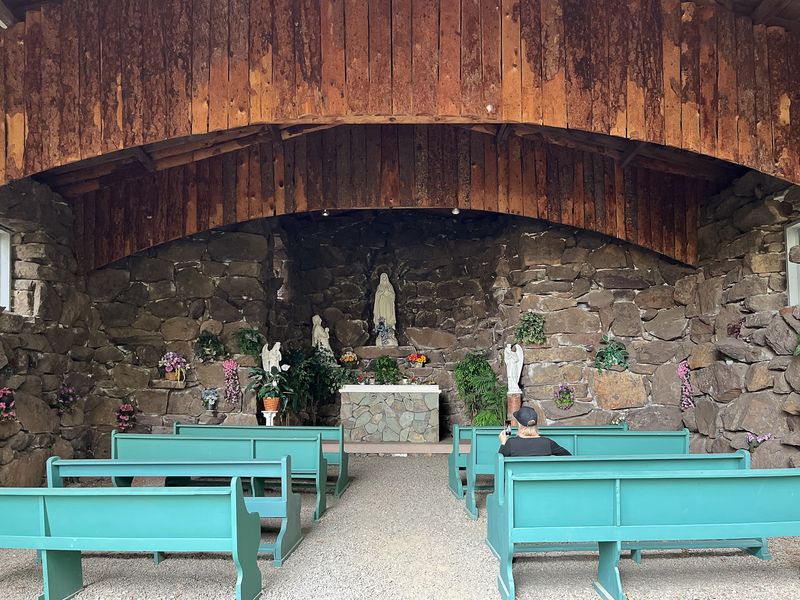
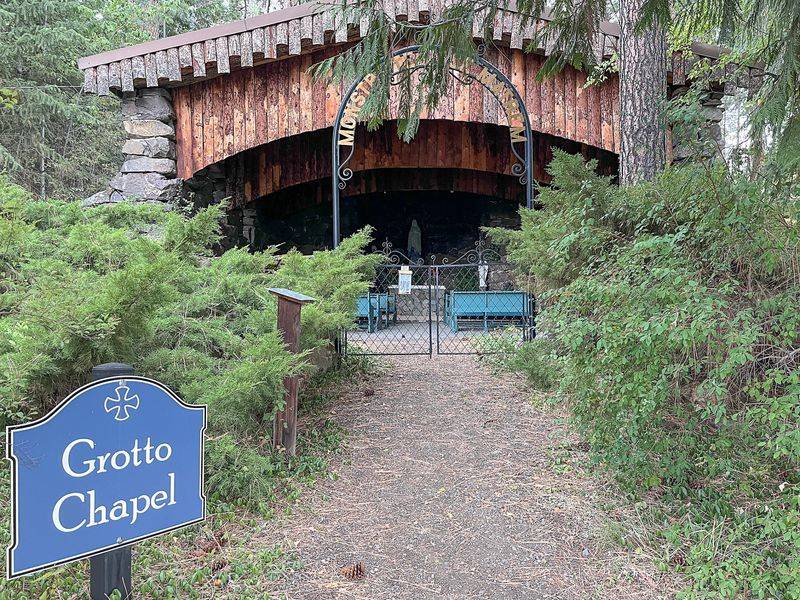
The Grotto Garden is a standout for many guests. It is a quiet nook for sitting and thinking, and people who visit often name it as their favorite corner of the property.
Big old trees throw wide pools of shade across the lawns. One family visiting on a scorching summer day was grateful for every bit of it while their kids explored.
Paths wind around the buildings and gardens, and they are easy enough for most ages to enjoy. You can stroll for twenty minutes or linger far longer, stopping to read, sketch, or simply watch the light shift on the towers.
Then there are the views. Visitors call the prairie overlook some of the best scenery in Idaho, with farmland rolling out below and mountains lining the horizon.
On a clear day, the Clearwater and Bitterroot ranges show up, with glimpses of the Seven Devils far off. Bring a camera, though a few quiet minutes might be the better souvenir.
Trails Toward Hells Canyon
Lace up decent shoes, because the hill behind the monastery is steep. The effort pays off quickly, though, with wide-open views that only get bigger the higher you climb.
Hikers who make it to the top say they can see the beginnings of Hells Canyon in the distance. That is a pretty big reward for an afternoon walk in the Camas Prairie.
Late summer can bring a tasty bonus. One group picked wild raspberries along the way, which sounds like the kind of small surprise that turns a hike into a memory.
Another trail heads to the old cemetery up on the hill, a peaceful spot where earlier members of the community rest. It is a quiet, respectful walk that adds depth to the history you learned in the museum.
With about 1,400 acres to roam, much of it wooded, the property never feels crowded. Even on a busy summer day, you can find a stretch of trail with only birdsong for company.
Pack water, especially in July and August, when prairie heat can climb high. Check trail conditions with staff before heading out, since weather and seasons change things here.
Overnight Stays And Silent Retreats
Some folks come for an hour and leave wishing they had a week. Good news: you can stay.
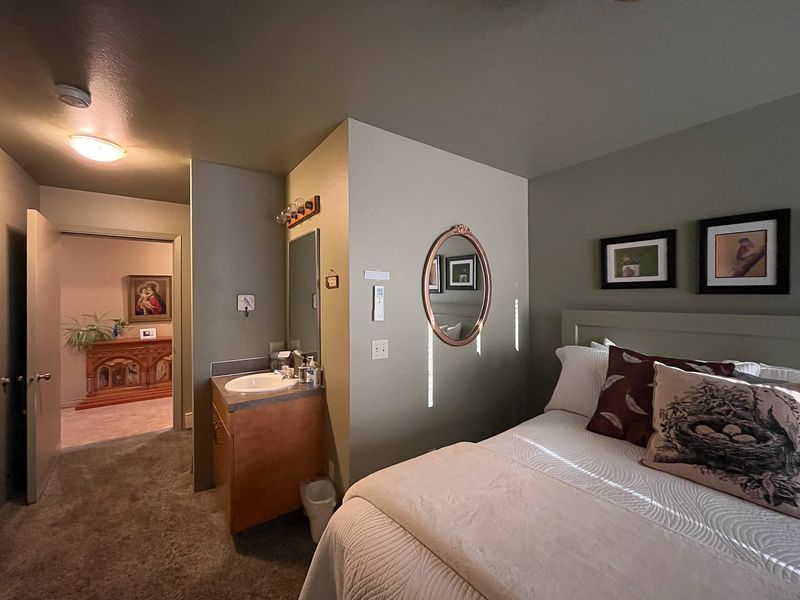
The Inn at St. Gertrude offers rooms in a bed-and-breakfast style, and guests mention comfy beds and nice amenities. Patios come with rocking chairs, perfect for watching the prairie wake up, though a few older guests found them a little tricky to climb in and out of.
For something deeper, the Spirit Center hosts retreats of different kinds. One couple spent their anniversary there, enjoying a large room with its own bathroom, an art room, and simple, very good meals served in the monastery.
Silent retreats are a big draw. One guest began the new year with a three-day silent stay and said following the Sisters’ daily prayer rhythm helped clear away distractions.
Others mention the library and art studio as hidden perks.
Businesses use the space too. A conference room is available for groups who need to get away from the office for training or planning.
Retreat schedules and room options change through the year, so check the monastery’s own listings before booking a stay.
Planning The Drive To Keuterville Road
Find it at 465 Keuterville Road in Cottonwood, Idaho, a short hop off US 95. From Lewiston, the drive is easy and scenic, passing through farm country before climbing into the trees.
Daytime visits work best, and the grounds keep regular daytime hours most of the week. Sundays are different for casual drop-ins, so check the current schedule before driving out, especially if you are coming from Boise or the Panhandle.
Costs stay friendly. The chapel and grounds are open for self-guided wandering, while the museum asks a small fee of a few dollars.
A donation box helps support the upkeep.
Who will love it? History buffs, families, photographers, quiet souls needing a reset, and anyone who enjoys a surprise.
Lovers of religious art and Catholic history find plenty to study, but you do not need any background to feel welcome here. Guests often mention how open and accepting the place feels toward everyone.
So is it worth the trip? For a calm, low-cost day with real Idaho history and wide prairie views, this stone castle earns its spot on the list.
Just give yourself enough time, because rushing here feels like missing the point.