Spongy Injera Comes Rolled Beside Spiced Lentils At This Family-Run Ethiopian Kitchen In Idaho
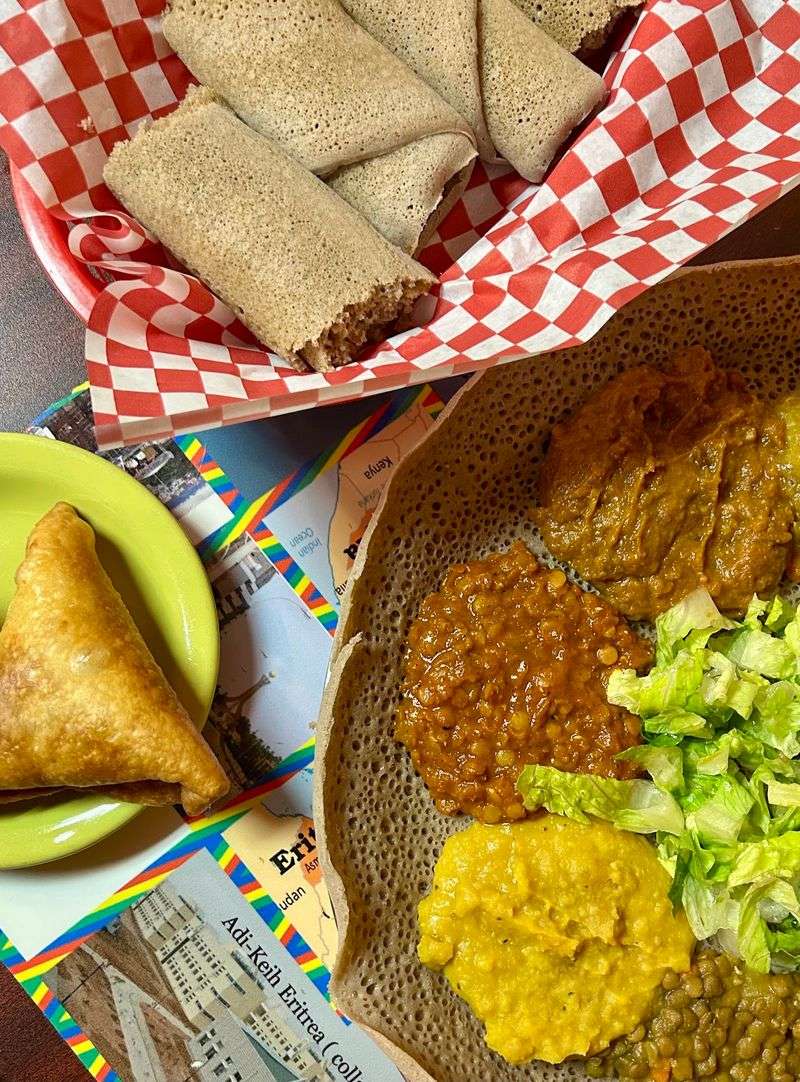
The bread here is the fork. It arrives as soft, rolled injera made from fermented teff, and you tear it to scoop up red pepper lentils.
I love that the gluten-free option is the real deal. One version is made with 100 percent teff flour, while another blends teff with a little white flour.
That small choice tells you how seriously this kitchen treats its bread.
The couple behind the stove came to Idaho in 2013 from a refugee camp in Ethiopia. They lost their first restaurant to a fire, then opened again.
I can’t imagine many comeback stories that taste this good.
So here’s my question. When was the last time dinner asked you to put the silverware down and eat with your hands?
An East African Table On A Busy Boise Street
State Street in Boise carries plenty of commuters, but one stop serves stews meant to be scooped by hand. Kibrom’s – Ethiopean & Eritrean Food sits right on that busy corridor in Idaho’s capital city.
The kitchen cooks traditional dishes from both Ethiopia and Eritrea. Those neighboring countries share a lot at the table, including injera, berbere spice, and slow-simmered wots.
You’ll find meat dishes built around beef, lamb, and chicken. You’ll also find a deep bench of vegan and vegetarian plates that stand on their own.
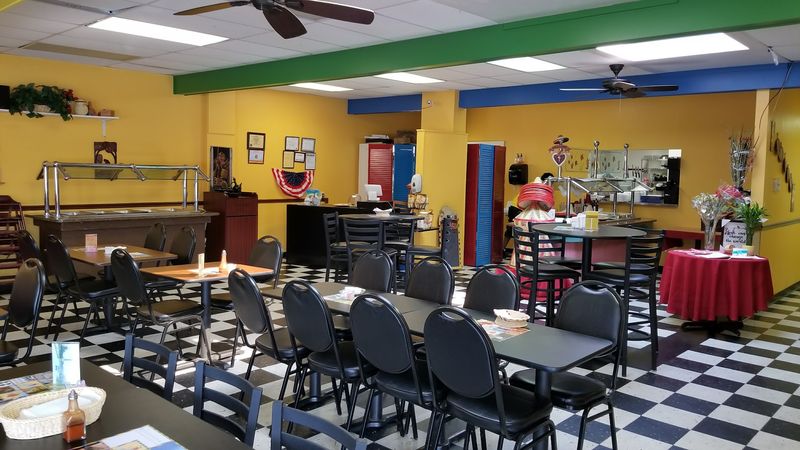
The setting is relaxed and laid-back rather than fussy. That suits a meal where the main utensil is a piece of tangy flatbread.
For Treasure Valley folks, the location makes it an easy detour from downtown or the North End. It’s close enough for a lunch break and roomy enough for a family dinner.
I like that the menu doesn’t water down its identity to fit in. Dishes keep their traditional names, so you’ll learn words like zigni, alicha, and gomen pretty quickly.
Consider it a tasty vocabulary lesson with no quiz at the end.
From Shimelba Camp To A Treasure Valley Kitchen
Kibrom Milash and Tirhas Hailu arrived in Boise in 2013. Their path began at the Shimelba refugee camp in Ethiopia, a long way from Idaho’s high desert.
They weren’t newcomers to the restaurant business, though. The couple had already run a restaurant for three years before moving to the United States.
That experience matters when you look at the menu. These are recipes carried from home, cooked by people who already knew how to feed a dining room.
The restaurant is truly a family affair. Kibrom and Tirhas run it together and treat the kitchen as a way to share their heritage with neighbors.
Their goal goes beyond filling plates. They want Boise to understand the food traditions of Ethiopia and Eritrea, from how dishes are spiced to how they’re shared.
I believe that mission shows in the details. Keeping traditional names, offering true teff injera, and serving communal platters all point to the same idea.
Dinner here doubles as a friendly introduction to a culture many Idahoans have never tasted. Honestly, that’s a pretty generous thing to cook up every day.
A Fire, A Fresh Start, And A New Address
Plenty of Boise residents first met this cooking at the Boise International Market. That’s where Kibrom and Tirhas opened their original restaurant.
Then a fire destroyed it. For a family that had already rebuilt life once, it was a heavy setback.
They didn’t fold up the tablecloths for good. In 2016, the couple reopened in a new home of their own on the west side of State Street.
You’ll find Kibrom’s – Ethiopean & Eritrean Food today at 3506 W State St, Boise, ID 83703. The spot gave the restaurant room to keep growing its menu and its following.
This is the kind of Idaho story that sticks with people. A business that disappears and then returns tends to earn a special kind of loyalty.
If you remember the market days, the new location might feel like reconnecting with an old friend. If you never knew about the fire, now you understand why every plate carries a bit of grit with the spice.
Rebuilding twice takes stubborn hope, and the menu proves it paid off nicely.
Your Fork Tonight Is Made Of Teff
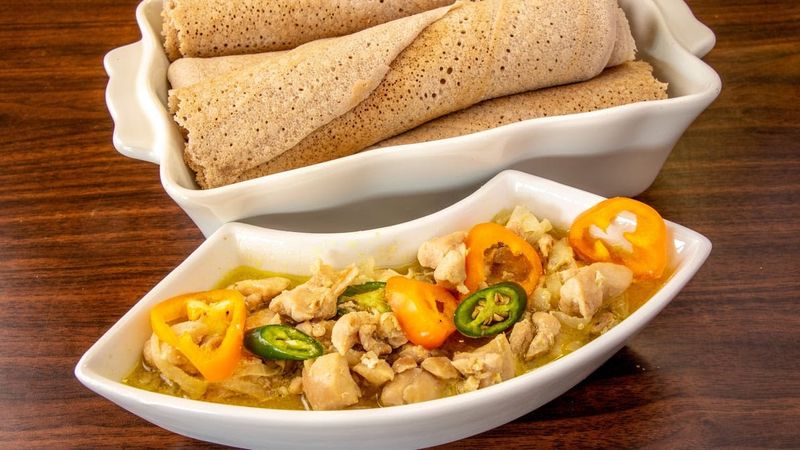
Injera is a large sourdough flatbread made from fermented teff flour. At this table, it works as plate liner, napkin, and spoon all at once.
The bread has a spongy, airy texture covered in tiny holes. Those little pockets soak up sauce, which is exactly the point.
Kibrom’s offers two versions, and that choice is a big deal. One is made with 100 percent teff, which is naturally gluten-free.
The other blends 80 percent teff with 20 percent white flour. It gives diners a slightly different option while keeping the traditional tang.
Teff is a tiny ancient grain native to the Horn of Africa. Fermenting it gives injera its mild sour flavor, a bit like a cousin of sourdough.
Here’s the fun part. You tear off a piece, pinch up a bite of stew, and repeat until the platter is clean.
The injera lining the platter soaks up all the leftover juices, and plenty of diners treat that last saucy piece as the prize. Good luck stopping after just one roll.
Red Pepper Lentils That Deserve The Headline
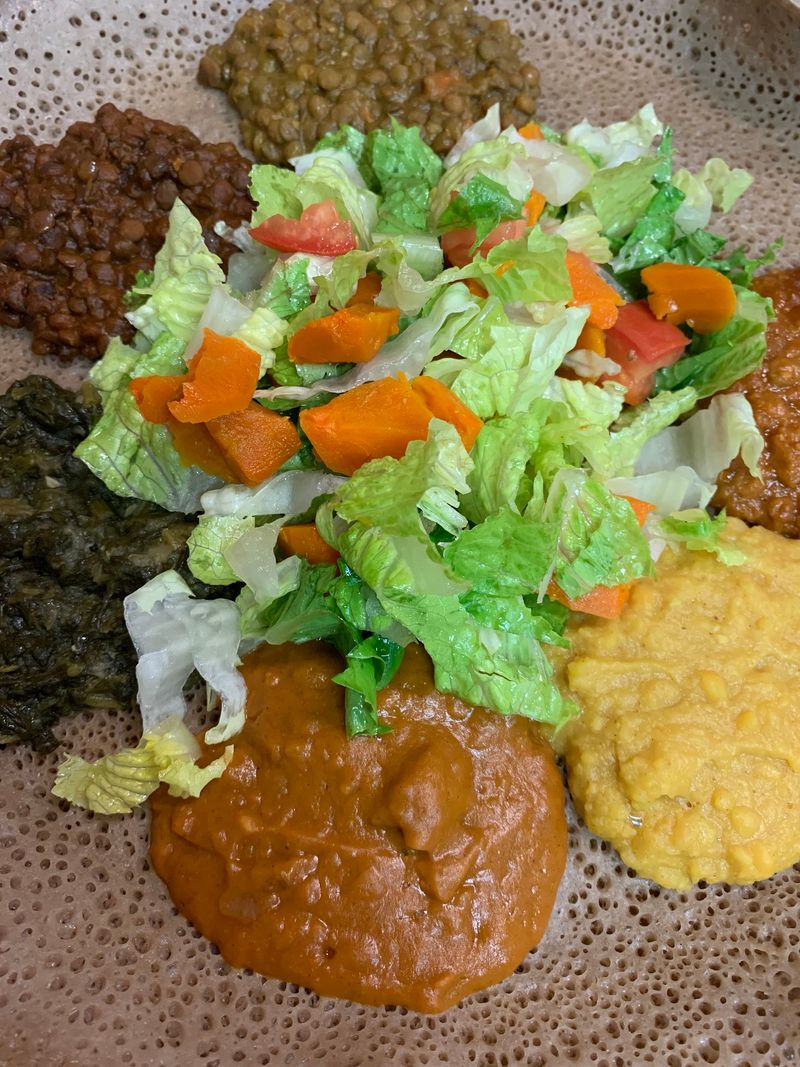
Lentils rarely get top billing, but miser wot changes that. The dish is a split lentil stew simmered in a red pepper sauce.
Berbere does much of the heavy lifting here. The chili blend brings warmth, color, and that unmistakable Ethiopian aroma.
Lentils soften as they simmer and turn almost creamy. Spoon that onto injera and the bread grabs every drop of sauce.
The menu also features yellow split pea dishes for anyone wanting a gentler legume. Those tend to lean on milder spices rather than chili heat.
Lentils hold a central place in Ethiopian and Eritrean home cooking. Many traditional fasting days skip meat, so legume stews became everyday staples.
That history explains why these dishes taste so confident. They aren’t side items tacked on for vegetarians, they’re centerpieces with generations of practice behind them.
I like ordering lentils next to a meat dish for contrast. The earthy stew balances richer flavors and keeps your platter interesting from first bite to last.
Even dedicated beef fans in Idaho may find themselves reaching for the red lentils first.
Samosas Worth Starting Every Order With
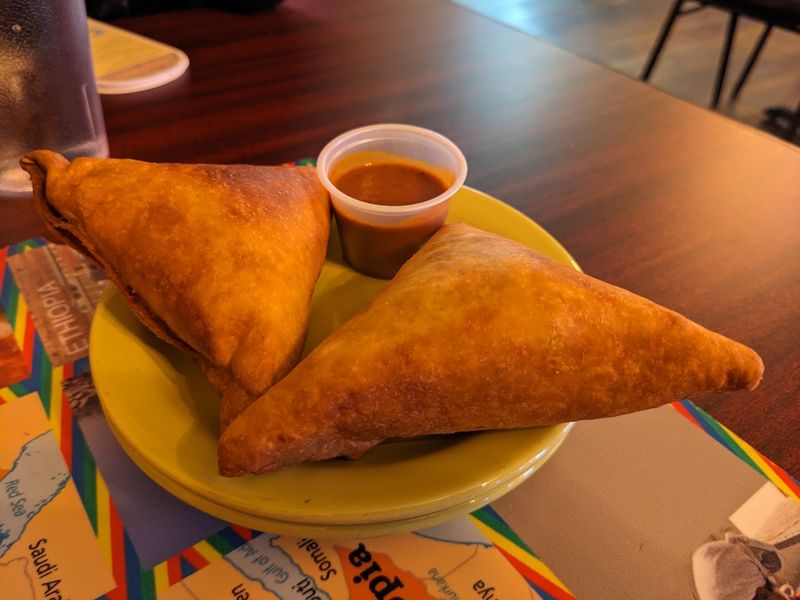
Crispy triangles make a pretty good opening act. At Kibrom’s, the veggie samosas come filled with savory, spiced lentils.
That filling sets them apart from the potato-heavy versions many people know. The lentils keep things hearty without feeling greasy.
A beef version also appears on the menu for meat lovers. Having both lets a table split an order and compare.
Samosas travel across East Africa under names like sambusa. In Ethiopia and Eritrea, they’re a familiar snack during gatherings and holidays.
They also make a smart first step for nervous newcomers. A samosa feels familiar in the hand, so it eases you toward the injera adventure ahead.
Ordering a plate for the table while you study the menu just makes sense. You’ll have something crunchy to nibble while deciding between lentils, lamb, and kale.
I believe a good appetizer should set the tone for the whole meal. These pastries do exactly that, offering spice, texture, and a hint of the slow-cooked flavors still coming.
Fair warning, though, splitting the last one politely could test your table manners.
Berbere Heat For Anyone Craving A Kick
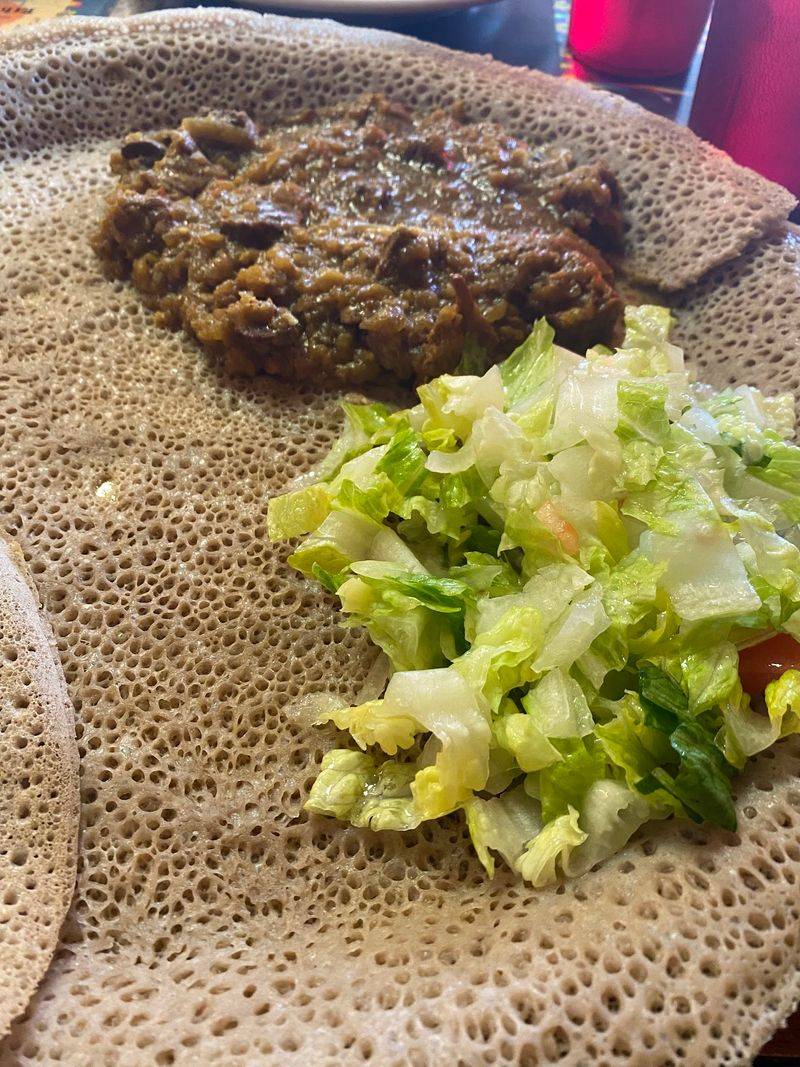
Zigni is the dish for spice seekers. Chunks of beef are sautéed in an onion and berbere sauce that glows deep red.
Berbere blends chili peppers with warm spices into a complex seasoning. It’s the backbone of many classic Ethiopian and Eritrean stews.
The menu stretches that heat across beef, lamb, and chicken preparations. Red tibs, a sautéed meat dish, brings a similar spirit with a different texture.
Onions matter more than you’d guess in these recipes. Cooked down slowly, they turn sweet and thicken the sauce without any fuss.
Eritrean cooking claims zigni as a signature dish. Seeing it here reflects the restaurant’s dual identity, honoring both countries on one menu.
If you’re used to Idaho fry sauce being the spiciest thing on the table, consider this your upgrade. The heat builds steadily rather than smacking you all at once.
Tear off extra injera before you start, though. The bread’s tang cools things down between bites, and you’ll want it ready.
That makes it a perfect pairing, not just a vehicle.
Turmeric, Ginger, And The Gentle Side Of The Menu
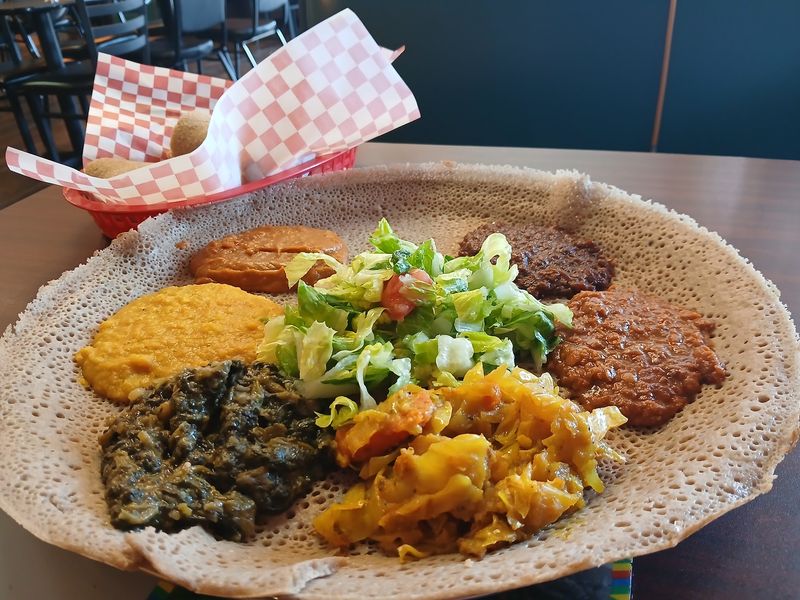
Not every great dish needs fire. Alicha preparations lean on turmeric and ginger, giving them a golden color and a softer personality.
One standout combines cabbage, potatoes, and carrots in that mild seasoning. It’s comforting in a way anyone raised on Idaho potatoes can appreciate.
Gomen brings the greens to the party. These braised greens show up in several forms, including a version paired with meat.
Kale earns plenty of attention on this menu too. Its earthy flavor pairs nicely with the tang of the injera underneath.
Mild dishes play an important role on a shared platter. They give your taste buds a resting spot between bolder bites.
They also make the restaurant friendlier for younger eaters or anyone wary of chili. Nobody at the table gets left out because the spice level runs too high.
I can’t imagine a combination platter without at least one alicha dish. The bright yellow cabbage looks cheerful next to deep red stews, and it tastes just as balanced as it looks.
Your plate turns into a little color wheel.
Combo Platters Built For Indecisive Eaters
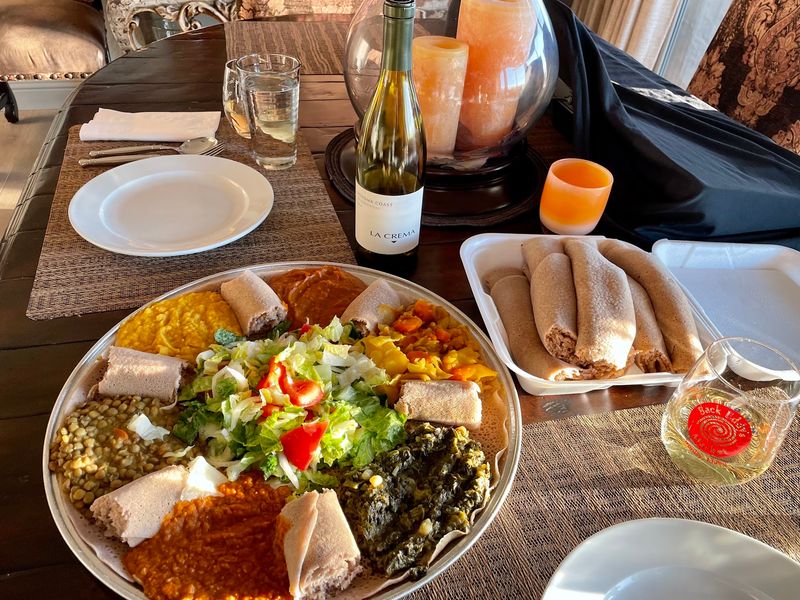
Choosing just one stew feels impossible here, and the menu knows it. Multi-selection combination plates let you pick several dishes for one shared platter.
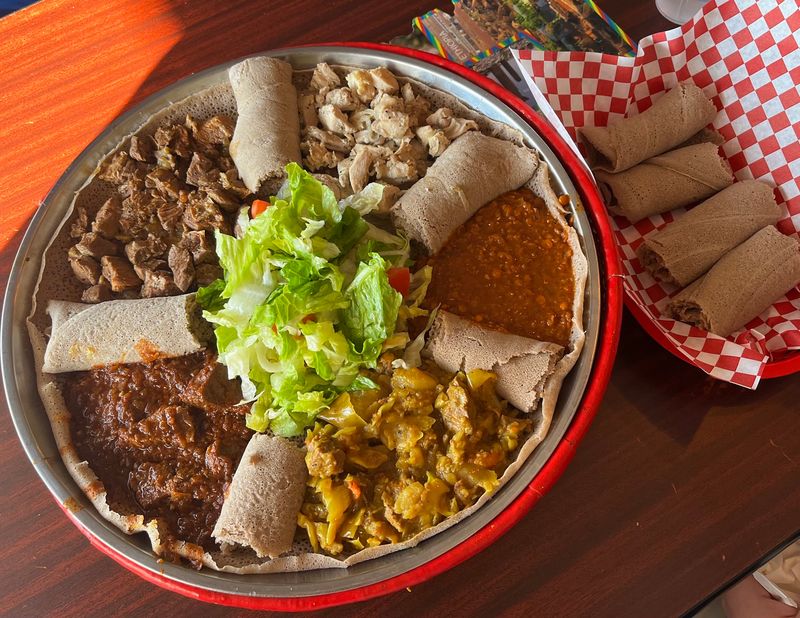
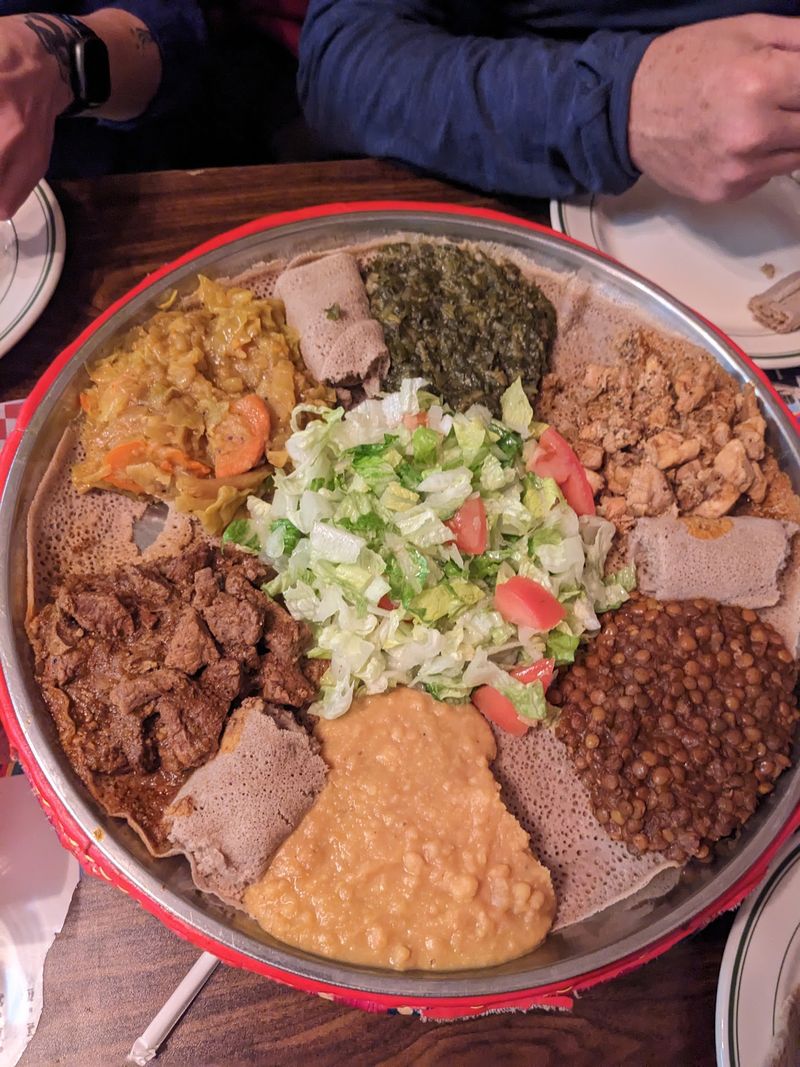
Options range from a handful of picks to larger spreads. Meat and veggie dishes can sit side by side on the same injera.
The vegetarian version is often called beyaynetu, which roughly means a bit of everything. It’s the classic way to sample many flavors at once.
Each dish lands in its own little mound on the bread. You work your way around the circle, mixing and matching as you go.
Families and groups find this format especially handy. Everyone reaches toward the center, and conversation flows right along with the food.
I like how the platter turns dinner into a tasting tour. You might start with lentils, swing over to lamb, then land on kale before circling back.
Leftovers can come home, too. Just know injera tastes best fresh, so plan on finishing the bread while it’s soft.
Consider it permission to keep eating.
Plant-Based Diners Get More Than A Token Salad
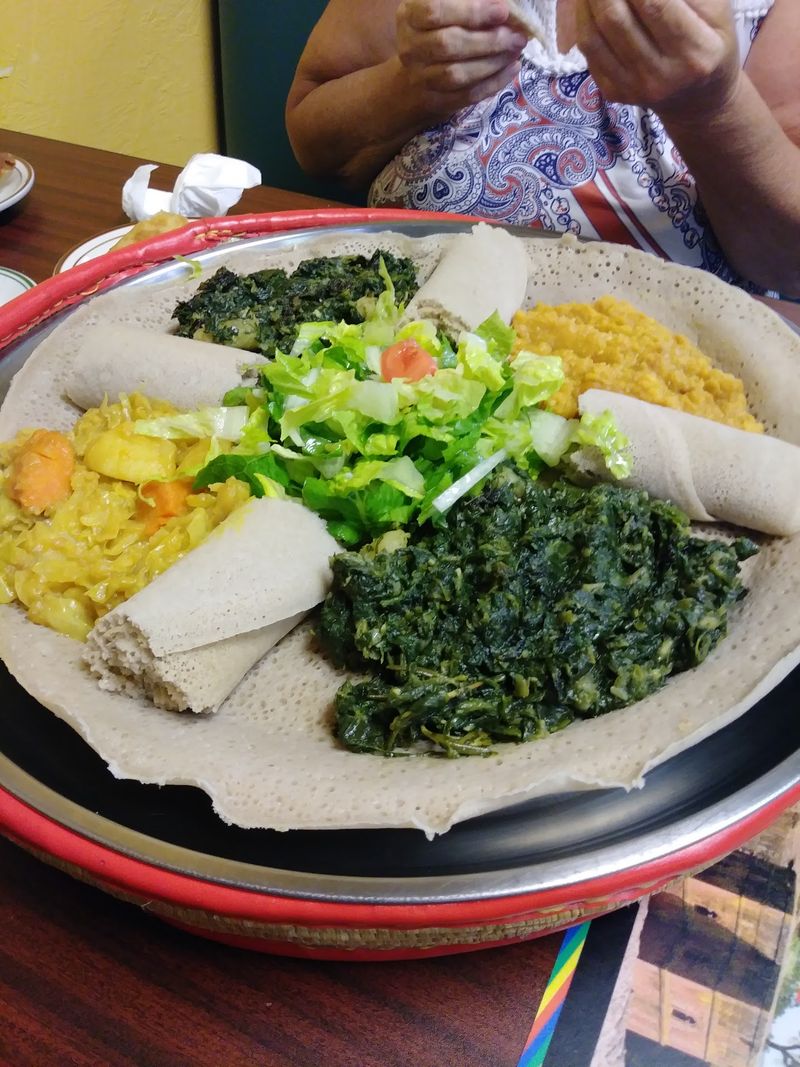
Ten or more vegan and vegetarian dishes fill this menu. That’s rare variety for a restaurant of any type in Idaho.
Ethiopian cooking has long embraced meat-free meals. Traditional fasting periods made legumes and vegetables the stars of countless home kitchens.
So the plant-based dishes here carry real depth. Lentils, split peas, greens, and vegetables each bring a different texture and spice level.
Gluten-conscious eaters get good news as well. The 100 percent teff injera is naturally gluten-free, so the bread doesn’t have to stay off limits.
Mixed groups benefit most from this setup. A vegan friend and a steak lover can share the same platter without anyone settling for scraps.
Kibrom’s – Ethiopean & Eritrean Food also notes that its dishes are cooked fresh using traditional recipes. That approach keeps the vegetable dishes vibrant rather than tired.
If you’ve struggled to find hearty vegan meals around the Treasure Valley, this kitchen deserves a spot on your list. Bring the friend who always asks where they can actually eat.
They’ll probably start planning the next trip back.
Fingers Out, Napkins Ready, Family In Tow
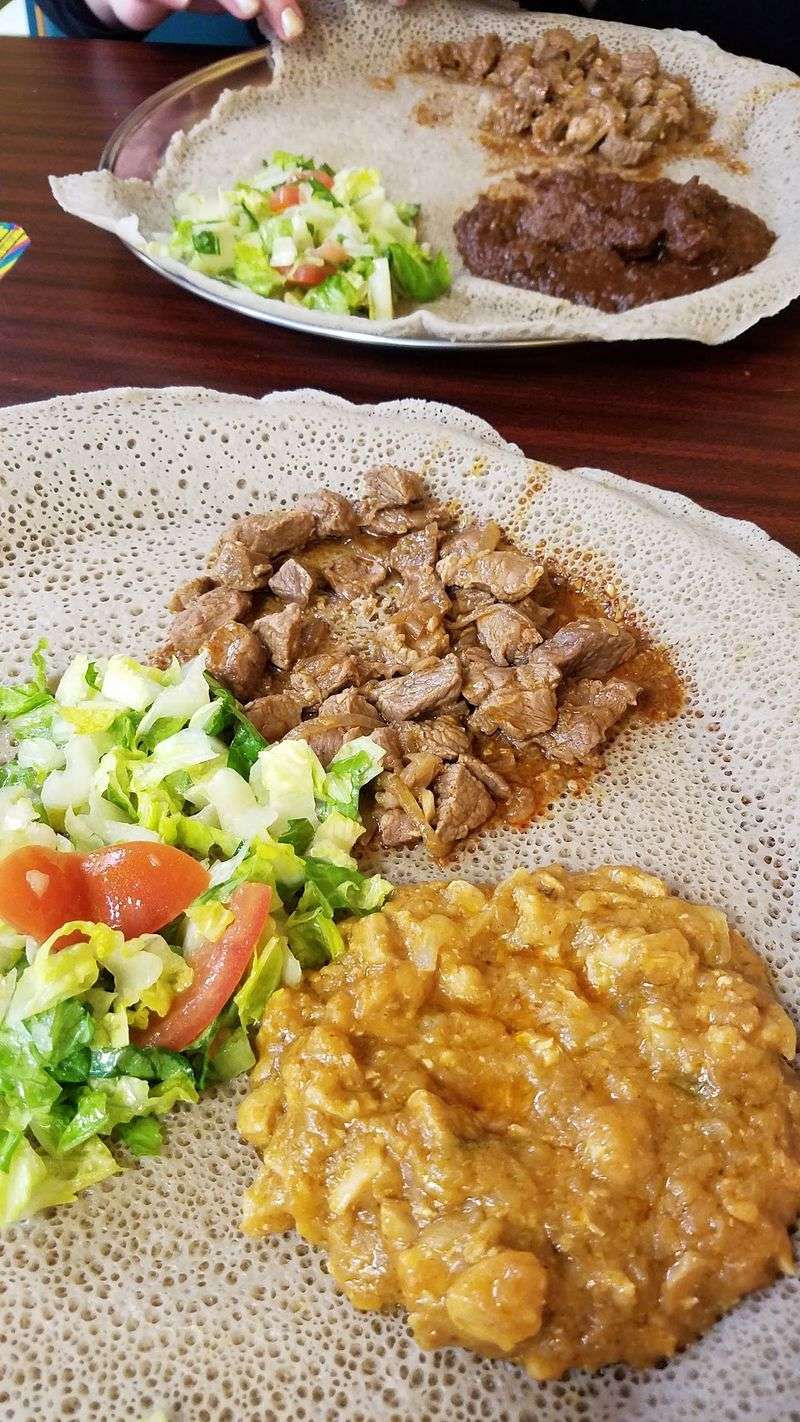
Eating with your hands might be the most fun rule at any Boise restaurant. Injera does the scooping, so silverware takes the night off.
First-timers sometimes hesitate, and that’s completely normal. Tear a small piece, pinch some stew, and you’ve mastered the basics.
Forks are available if someone at the table really insists. Still, half the joy comes from leaning in and trying it the traditional way.
The communal style naturally sparks conversation. Sharing one platter turns a regular dinner into something closer to a family gathering.
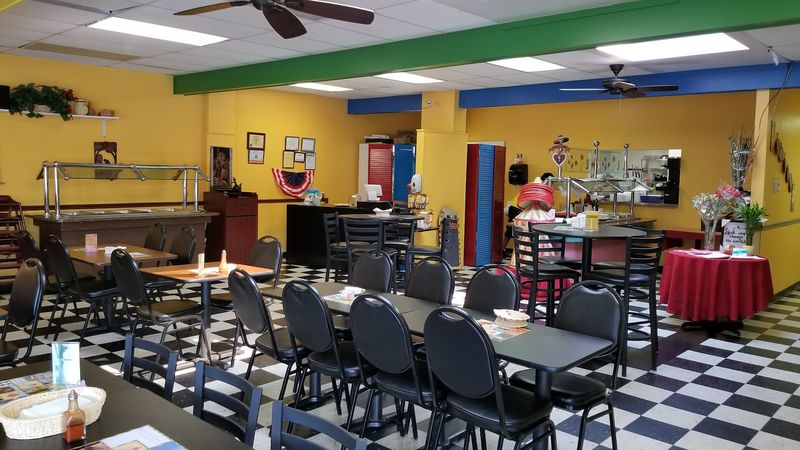
The room has a cozy, family-friendly feel with plenty of seating. Larger parties can push tables together for birthdays or group outings.
Kids often love the hands-on approach, since it feels a little rebellious. The menu even offers spaghetti for picky young eaters, a nod to Italian influence in Eritrean cooking.
That spaghetti detail is a fun bit of history. Italy once ruled Eritrea, and pasta stayed on tables there ever since.
So a cautious nine-year-old and an adventurous grandparent can both leave happy.
Avocado Juice, Coffee, And A Little Shop Bonus
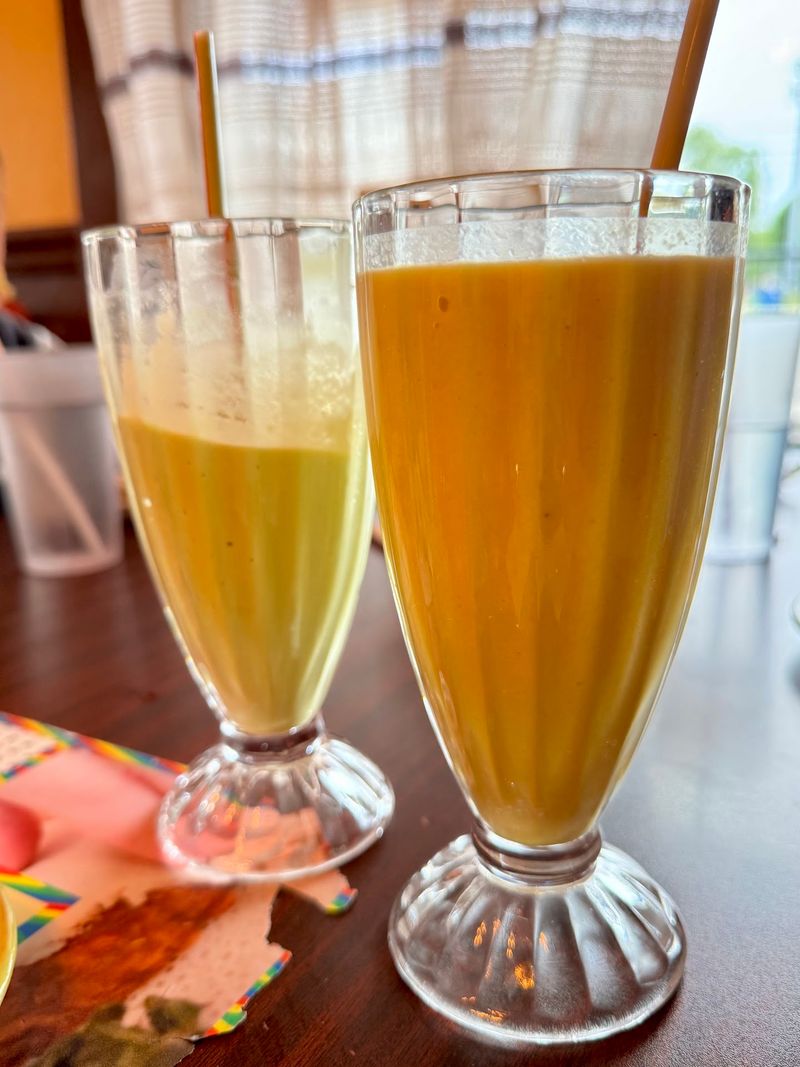
Avocado juice surprises plenty of Idaho diners. In Ethiopia, thick fruit juices are a café staple, and this one leans toward smoothie territory.
Kibrom’s also blends a layered spris-style juice with avocado, mango, and banana. It’s sweet, creamy, and filling enough to count as dessert.
Coffee deserves attention here too. Ethiopia is widely considered the birthplace of coffee, so a cup carries some serious heritage.
Tea is on hand for those who prefer something gentler. Either one makes a warm finish after a spicy platter.
A small shop adds another reason to linger. It gives curious cooks a chance to explore goods connected to the cuisine they just tasted.
I like that a meal here doesn’t have to end when the platter is clean. Sipping coffee or browsing the shop stretches the visit just a little longer.
Families with kids may find the fruit juices especially handy. They feel like a treat while staying far from the soda fountain routine.
Smoothie fans, consider yourselves officially recruited.
Plan Around Sundays, Then Go Hungry For Lentils
Timing your trip is simple, with one catch. Kibrom’s opens from midday into the evening most days but stays closed on Sundays, so check before driving.
Prices sit comfortably in the moderate range. Most plates won’t stretch the budget, and combination platters stretch further when shared.
Parking is plentiful, which helps on a busy stretch of State Street. Takeout is available too for nights when the couch wins.
Leftovers reheat nicely, though fresh injera is always best. Eat the bread first and save the stews for tomorrow.
Kibrom’s – Ethiopean & Eritrean Food fits nearly any outing in Idaho’s Treasure Valley. It works for a quick lunch, a birthday experiment, or a family dinner.
Newcomers should start with samosas and a combination platter. That pairing gives the widest taste of the kitchen without much guesswork.
The verdict feels easy. A family that rebuilt twice now serves teff injera, red lentils, and bright greens to Boise with real pride.
If that doesn’t earn a spot on your weekend plans, I’m not sure what would.