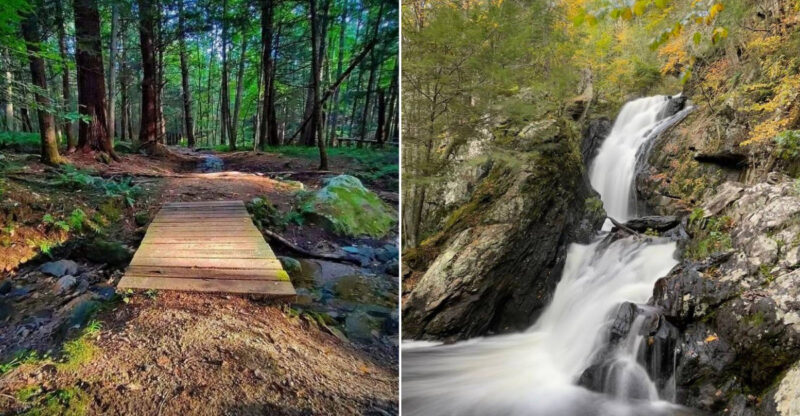
This Easy Connecticut Hike Is So Scenic, You’ll Be Thinking About It For Days
Not every memorable hike ends with someone gasping for air at the top of a mountain. Thank goodness for that.
Sometimes a gentle woodland trail and a beautiful stretch of river are more than enough to make an afternoon feel worthwhile.
One Connecticut state park offers scenic trails through peaceful forest, with lovely views of the river adding to its appeal.
The kind of place where you might stop walking for a minute simply because the surroundings deserve a closer look.
And isn’t that the whole point of getting outdoors?
No race to the finish. No need to prove how many miles you can cover.
Just a chance to enjoy the scenery without turning the outing into an endurance test.
Some landscapes stay in your mind long after you’ve headed home, especially when you weren’t expecting much from such a simple walk.
1. The View From 150 Feet Up Will Follow You Home
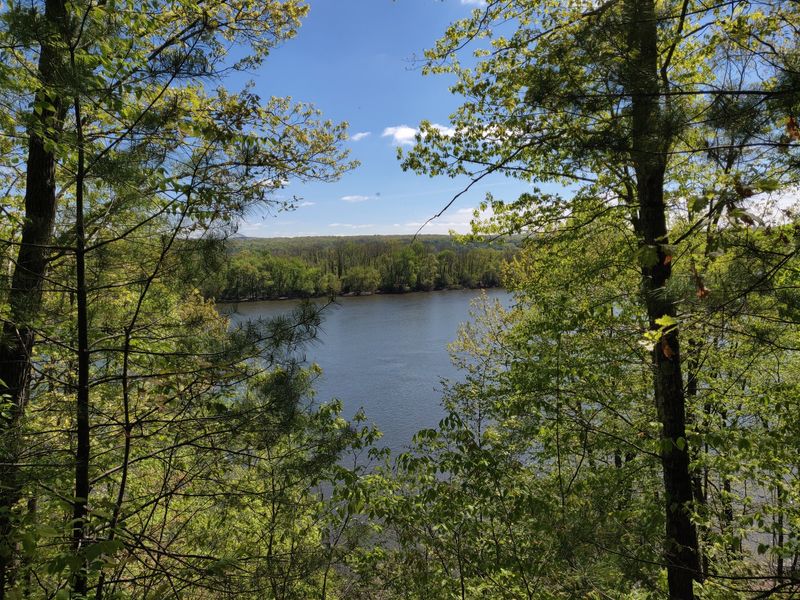
From the wooded bluffs, you can enjoy views of the Connecticut River below.
The best part is that reaching this viewpoint doesn’t require an all-day hike.
That’s what makes River Highlands State Park in Cromwell such an interesting place to explore.
Its wooded bluffs rise dramatically above the Connecticut River, giving visitors a perspective that’s hard to appreciate from the shoreline.
The White Trail is a great place to start. This moderate, one-mile round-trip hike leads toward an impressive overlook where the river comes into view through the trees.
And that first glimpse is worth slowing down for.
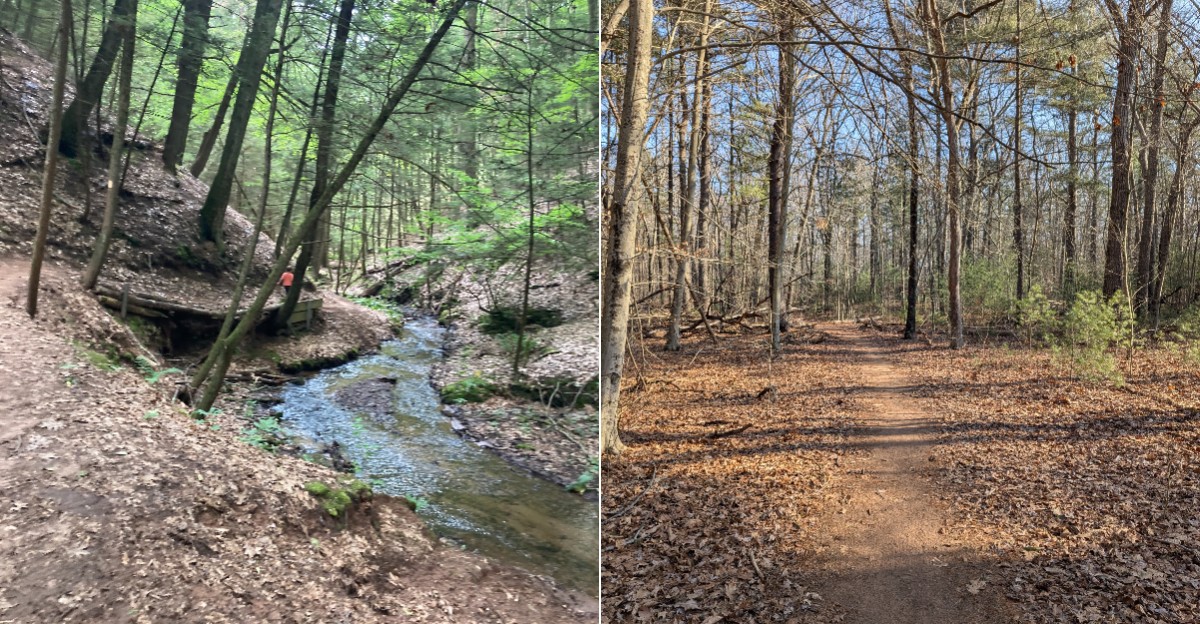
The park also has other trails winding through wooded areas, crossing small streams, and leading toward the riverbank.
Autumn brings an especially colorful change. Oak and beech trees turn warm shades of yellow and orange, while fallen leaves cover sections of the trails.
Bring your camera, but give yourself time to enjoy the scenery without watching it through a screen.
One important detail deserves attention. These bluffs have steep drop-offs, so stay on marked trails and keep children close near overlooks.
The reward is a peaceful stretch of river scenery that feels wonderfully removed from the surrounding suburbs.
2. A Spooky Old Name Hides In The Wind Here
Long before the trails had blazes, people listened to the wind here. A spot along the bluffs became known as the blowhole, where air whistled past the rocky riverbank.
Native Americans reportedly heard it as the wind being caught by the spirit of the earth. Colonists went a more dramatic route and called it the Devil’s Blowhole.
Sailors had their own practical take on it. They knew the area for strong, quick winds, thanks to its spot just upstream from a tight bend in the river.
So what happened to the famous whistle? Silt filled in the original hole in the mid-1900s, and the sound went quiet.
That doesn’t make the story any less fun to think about on a hike. Standing on the bluffs, you can still feel how exposed this stretch of river is to the breeze.
I love when a park comes with a legend attached. It gives kids something to imagine and adults something to talk about on the walk back.
Pack an extra layer on breezy days. The wind that inspired those old names hasn’t gone anywhere.
3. Pick A Trail, Any Trail, And Make It Your Own
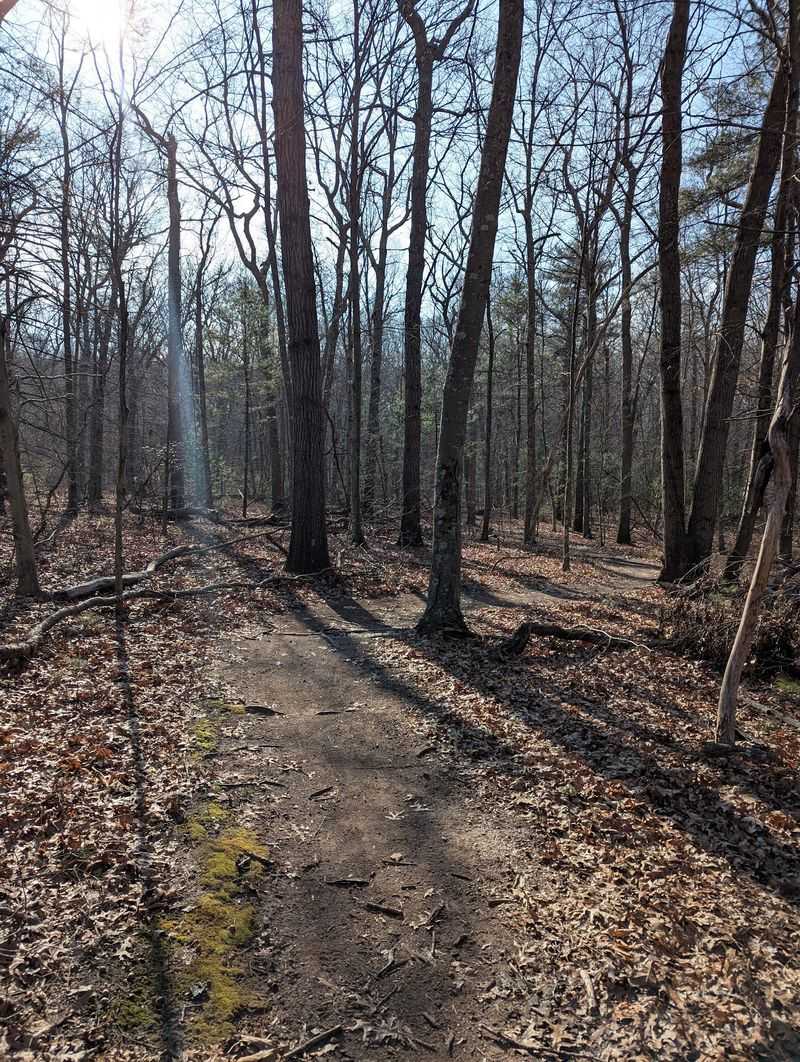
About 6.9 miles of trails twist through River Highlands State Park. That’s plenty for a short stroll or a longer loop, depending on your mood.
The park’s color-blazed trail network offers several short routes through the woods, including paths along the river bluffs. Other marked paths connect wooded areas, streams, and scenic viewpoints throughout the park.
Want a little more effort? You can combine several color-blazed trails for a longer hike through the park’s hilly terrain.
Most paths are easy to moderate, which makes this a solid pick for families and casual hikers. A few steep hills near the river will still get your heart pumping.
Trails are short enough to combine, so you can stack them into a bigger adventure. Just snap a photo of the trail map before you start.
Why the photo? Intersections can feel confusing, and a quick reference saves you from wandering in circles.
Hiking with a buddy is a smart move here, too. It’s safer, and someone else can help decide which way to turn.
4. Little Bridges And Babbling Streams Steal The Show
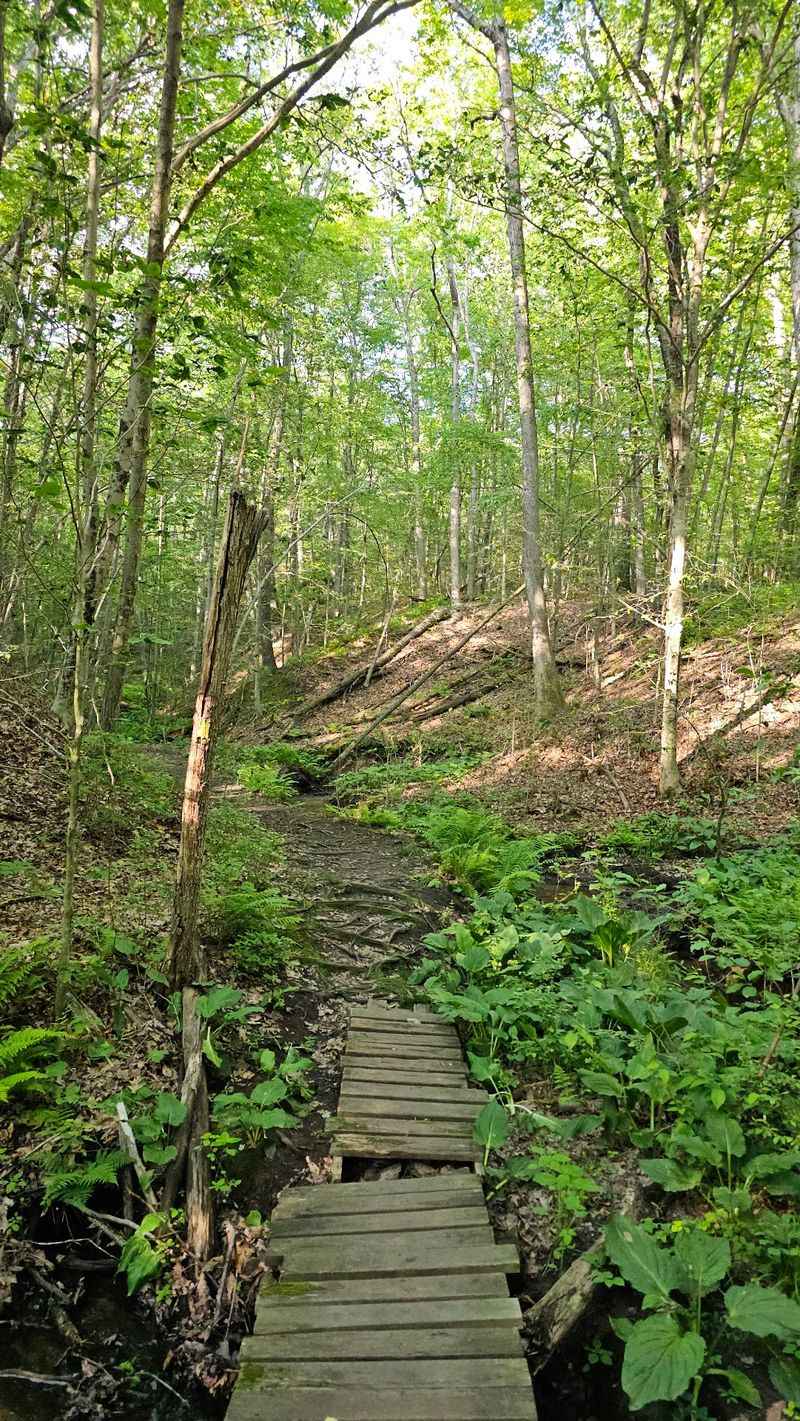
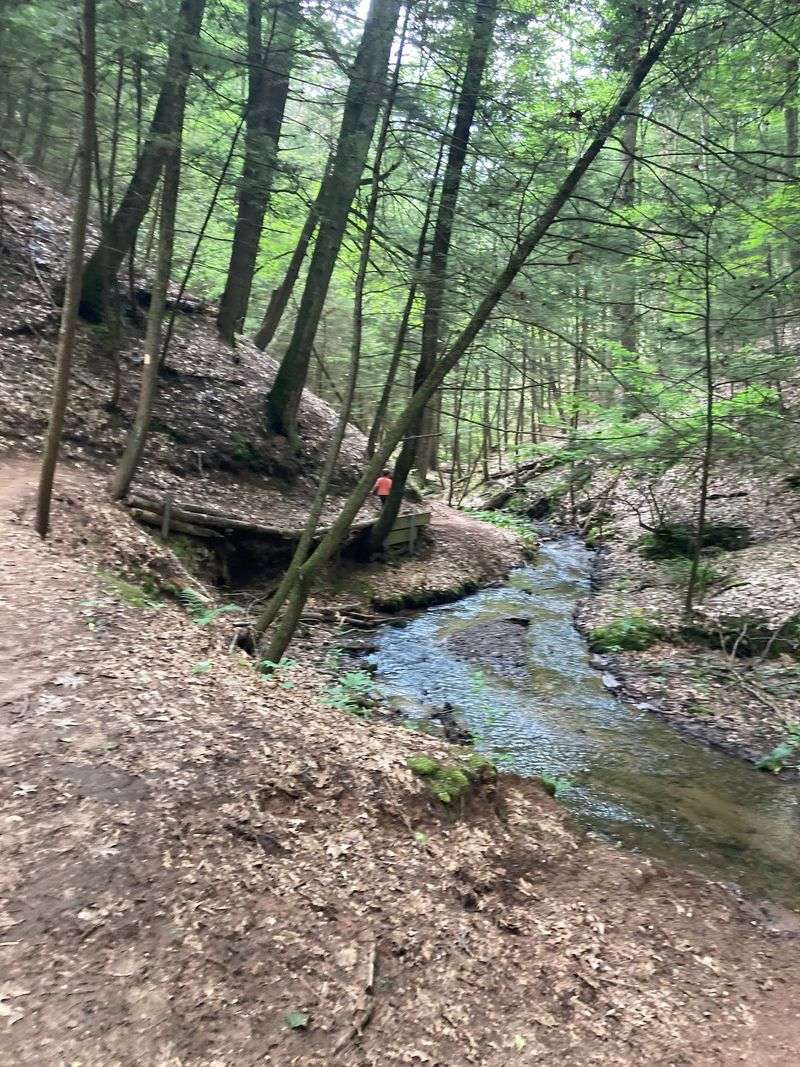
Big views get the headlines, but the small stuff here deserves credit. Wooden bridges hop across streams all over the trail network.
Some routes follow a brook as it tumbles toward the river. The yellow-blazed path through the ravine is a favorite for this kind of walk.
Ravines carve deep into the land on either side of some trails. Glaciers and old floods shaped this ground, which explains all the dips and gullies.
Kids usually love bridges, and this park has plenty. Each crossing turns into a tiny milestone on the way to the water.
Watch your footing after rain, though. The trails can get muddy, so wear shoes you don’t mind getting a little messy.
The woods are mostly oak, beech, and white pine. Their shade keeps the stream paths cooler than the open bluffs on warm days.
One honest warning belongs here. Those damp, shady spots can get very buggy in summer, so bug spray is your best friend from late spring through July.
Visit in fall if you want the prettiest stream walk with fewer bites.
5. Walk All The Way Down To The River’s Edge
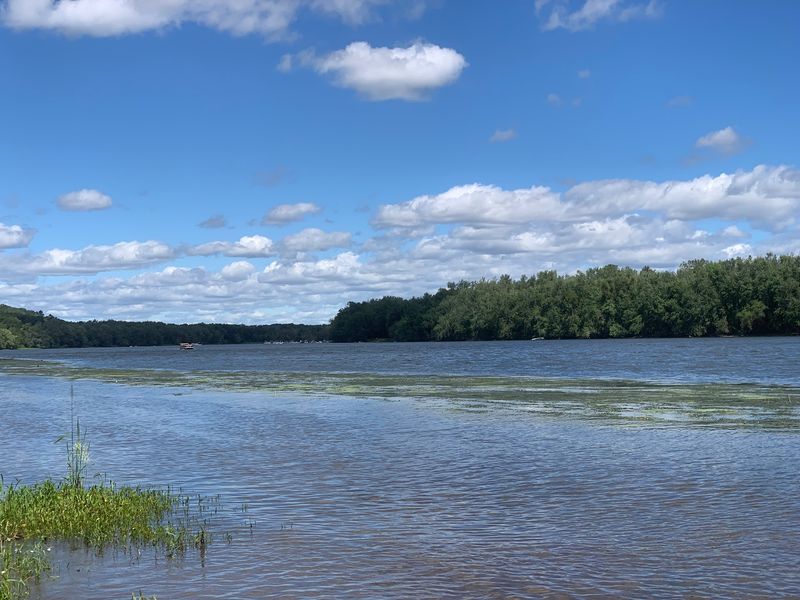
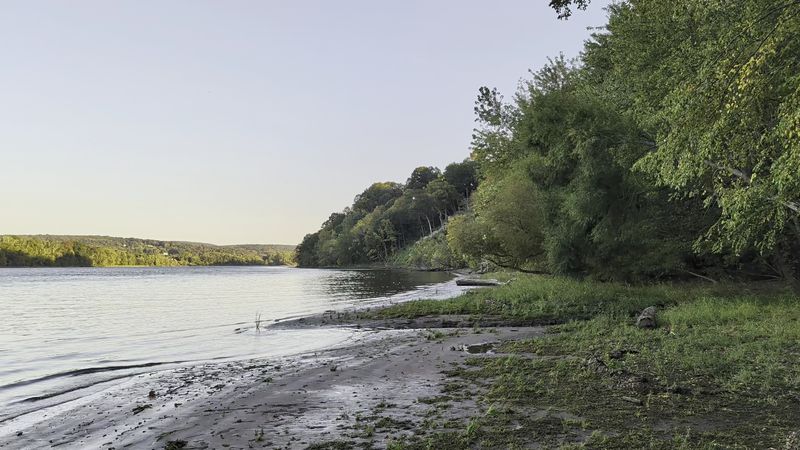
Here’s a hike with a satisfying finish line. Several paths drop from the woods right down to the Connecticut River.
Getting there doesn’t take long, either. The walk to the water is short enough for younger hikers to handle.
Once you reach the bottom, the river feels huge up close. After seeing it from the bluffs, standing beside it gives you a whole new sense of scale.
Picnic tables sit near the waterfront, which makes this a great snack stop. Pack lunch, grab a seat, and watch the current roll by.
Fishing is allowed in the park as well. Anglers can bring their gear and try their luck from the shore.
Remember the climb back up, though. Some of the hills near the river are steep, so save a little energy for the return trip.
Leashed dogs are welcome on the trails, and many seem to enjoy a riverside break. Just keep them out of picnic areas, as park rules require.
This might be the part of the day you remember longest. Rivers have a calming effect that’s hard to beat.
6. Campers Have To Show Up By Boat, And That’s The Fun Part
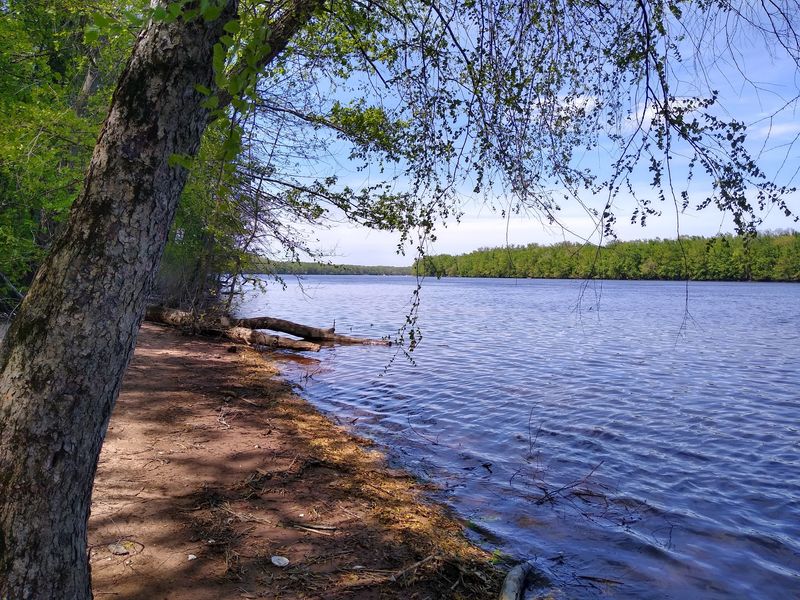
No car can reach these campsites. River Highlands State Park is one of only four state parks offering primitive boat-in, boat-out camping along the Connecticut River.
That means paddlers can enjoy a quieter riverside camping experience away from vehicle traffic.
You arrive by canoe or kayak, and you leave the same way.
The setup is simple but useful. The primitive campsites have pit toilets, but campers should check current fire restrictions and bring their own drinking water.
Plan for a short stay, since the maximum is one night. That fits nicely into a longer paddling trip down the river.
Pets aren’t allowed in the camping areas. Leave the pup at home if this adventure is on your list.
I can’t imagine a better way to see the bluffs than from the water at sunset. The same cliffs that tower over hikers look even grander from a boat.
Bring everything you need, especially water. There’s no drinking water available, and you’ll want to carry out every bit of trash.
It’s camping in its most old-fashioned form. For many paddlers, that’s exactly the appeal.
7. Mountain Bikers, You’ve Got Your Own Reasons To Visit
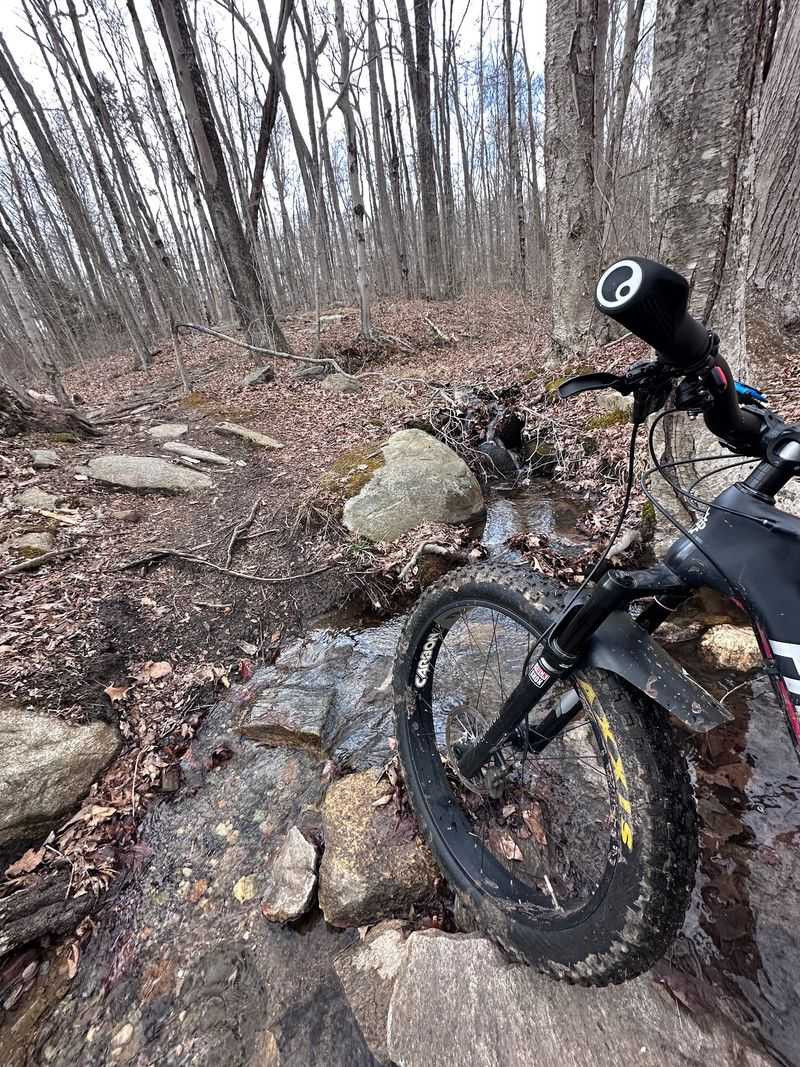
Hikers aren’t the only ones having fun on these trails. The multi-use paths at River Highlands State Park welcome mountain bikes, too.
Thank the glaciers for the terrain. Ancient ice and floods shaped the ground into rolling hills, ravines, and sudden drops.
Riders can expect roots, rocks, and some steep climbs. There’s also flowy singletrack that makes the effort worth it.
Some trails suit kids or casual riders, while others lean more technical. Pick a route that matches your skills before you commit.
Not every wooden bridge is easy on two wheels. Slow down at crossings, and walk your bike if something looks tricky.
Sharing the trail matters here. Hikers, families, and leashed dogs use the same paths, so call out when passing and keep speeds friendly.
Wear a helmet and bring a basic repair kit. Help isn’t always close in the woods.
After a ride, the river overlooks make a great place to catch your breath. Few bike trails reward you with a view this good.
8. Keep Your Eyes Peeled For Feathered Neighbors
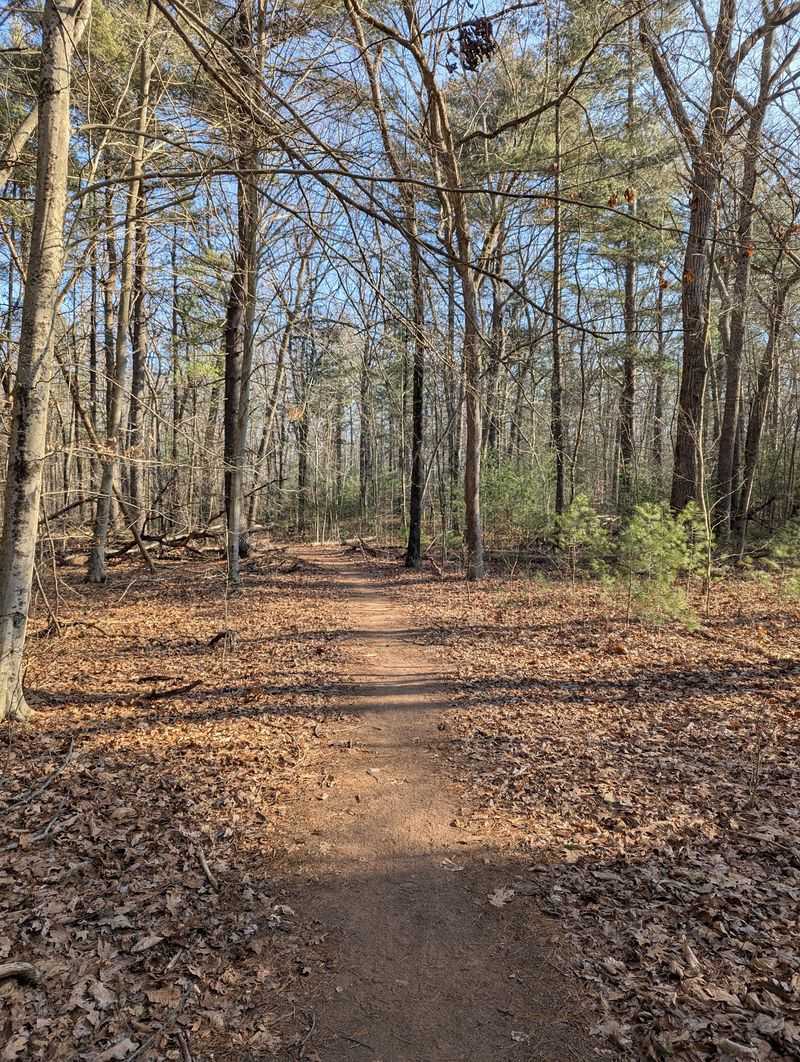
Quiet woods next to a big river make great habitat. That combo turns River Highlands State Park into a strong spot for wildlife watching and birding.
Mixed forest covers much of the park. Oak, beech, and white pine create plenty of places for creatures to perch, nest, and hide.
A pair of binoculars can make a simple walk feel like a scavenger hunt. Scan the treetops, the stream banks, and the open sky over the water.
Moving slowly helps a lot. The quieter you are, the more likely you’ll spot something before it spots you.
Mornings are a smart time to try. The park opens early, so early birds of the human kind can join the feathered ones.
The overall mood here leans peaceful. Many trails offer a real sense of solitude, which is perfect for unplugging for an hour.
Try leaving the earbuds in your pocket for once. Rustling leaves, running water, and birdsong make a pretty great soundtrack.
A small field guide or birding app can help name what you see. Kids especially enjoy keeping a list.
9. A Few Smart Moves Before You Head Out
Watch closely for the turn. The entrance and small parking lot are easy to miss, so slow down as you get close.
Set your GPS to 113 Field Road, Cromwell, CT 06416. That’s the main access point for River Highlands State Park.
Parking at River Highlands State Park is free for visitors, including those arriving in vehicles registered outside Connecticut.
The park has no public restrooms, so visitors should plan accordingly.
Bring your own water, too. None is available on site, and you’ll want to pack out all your trash.
Picnic areas and grills make it easy to turn a hike into a full outing. Toss some snacks in the cooler and claim a table.
Leash your dog the whole time you’re on the trails. Pets also stay out of picnic and camping areas.
The lot can fill up on busy days, while weekdays are usually easier. Arrive early, lace up, and get ready for a view that sticks with you.